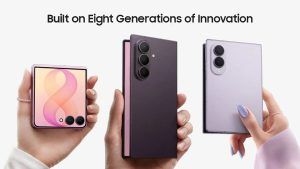
If you are considering buying a foldable phone, Samsung’s lineup will almost certainly sit at the top of your list. This is the company that created the category, has refined it across seven generations, and remains the clear leader in the foldable space, the brand against which every other foldable is measured. The latest launch of the Z Fold8 and Z Flip8 series is a testament to how Samsung continues to innovate and lead the segment rather than coast on it.
Samsung has finally taken the wraps off its highly awaited new Fold series, and the surprise has landed just as expected: a brand new Fold lineup that has got everyone talking. What emerged at Galaxy Unpacked on 22 July is not three versions of the same phone. It is three different arguments about what a foldable is for, with an approach that is radical and measured at the same time.
But with three new phones arriving at once, the Galaxy Z Fold8 Ultra, the all new Galaxy Z Fold8 and the Galaxy Z Flip8, you might be wondering which one to pick. That question is especially real if you are a first time buyer who has finally decided to make the move to a foldable. The good news is that Samsung has made the choice easier than it looks, because each of the three is built for a distinct use case. Here is how they break down, and which kind of user each one is made for.
Meaningful Refinements Meet a Radical Rethink
Put the three side by side, and the split becomes obvious.
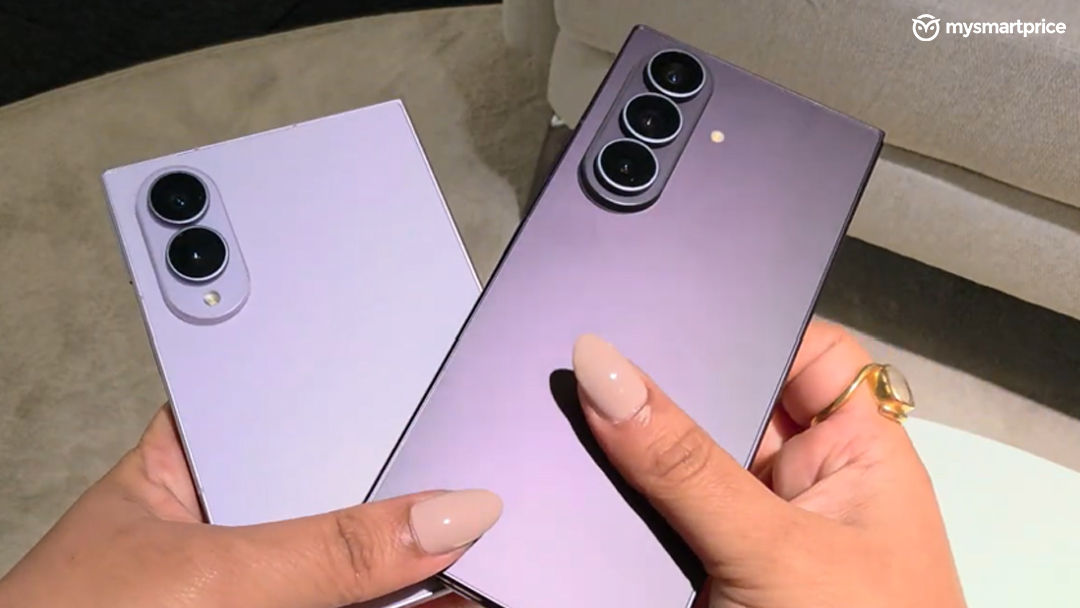
The classic Z Fold has been elevated. Samsung took the book style foldable it has refined over seven generations, gave it Ultra status, and did so with restraint. Existing Fold owners will pick up the Fold8 Ultra and know exactly where they are. The screen is bigger, the body is thinner, the camera is in a different league, the battery is larger, but the muscle memory carries over intact. This is a measured upgrade in the most flattering sense of the word: meaningful improvements delivered without asking loyal users to relearn their phone.
The Fold8 is the radical one. Rather than iterate, Samsung tore up the proportions and started again. The result is a foldable that is physically more compact yet dramatically more expansive in effect. It is reductive engineering in service of a bigger experience, less footprint for more frame, a genuine case of doing more with less. Where the Ultra is aimed squarely at productivity, the Fold8 is built around multimedia: creating it, consuming it, living inside it.
The Flip8 quietly does both. On the outside it is the measured play: the familiar clamshell silhouette, now the sleekest Flip Samsung has made, with a strengthened frame and a hinge built from a new high strength material. The radical bit is philosophical. Samsung has rebuilt the cover screen as an AI native FlexWindow that runs apps, surfaces your day and takes voice commands, quietly betting that the best foldable interaction is sometimes the one where you never open the phone at all. It is the device for expression and quick interaction, the third use case alongside the Ultra’s productivity and the Fold8’s multimedia.
Radical where it counts, measured where it matters. That balance is the story of this launch, and it rests on a shared foundation: all three run Android 17 with One UI 9, carry IP48 water resistance, get Wi Fi 7 and 120 Hz adaptive main displays, and ship with six months of Google AI Pro including 5 TB of storage. The two Folds also share Samsung’s new Flex Titanium display structure, a titanium alloy film over a reinforced titanium plate that absorbs impact, reduces crease visibility over time and lets the hinge open more smoothly.
The Fold8 Ultra: The Productivity Master
This is the first Ultra in Samsung’s foldable line, and it earns the badge the way the S series Ultras do, by refusing to compromise on anything except price. It is built for heavy usage across the board, the phone for people who ask a single device to do everything and to keep doing it at 6pm.
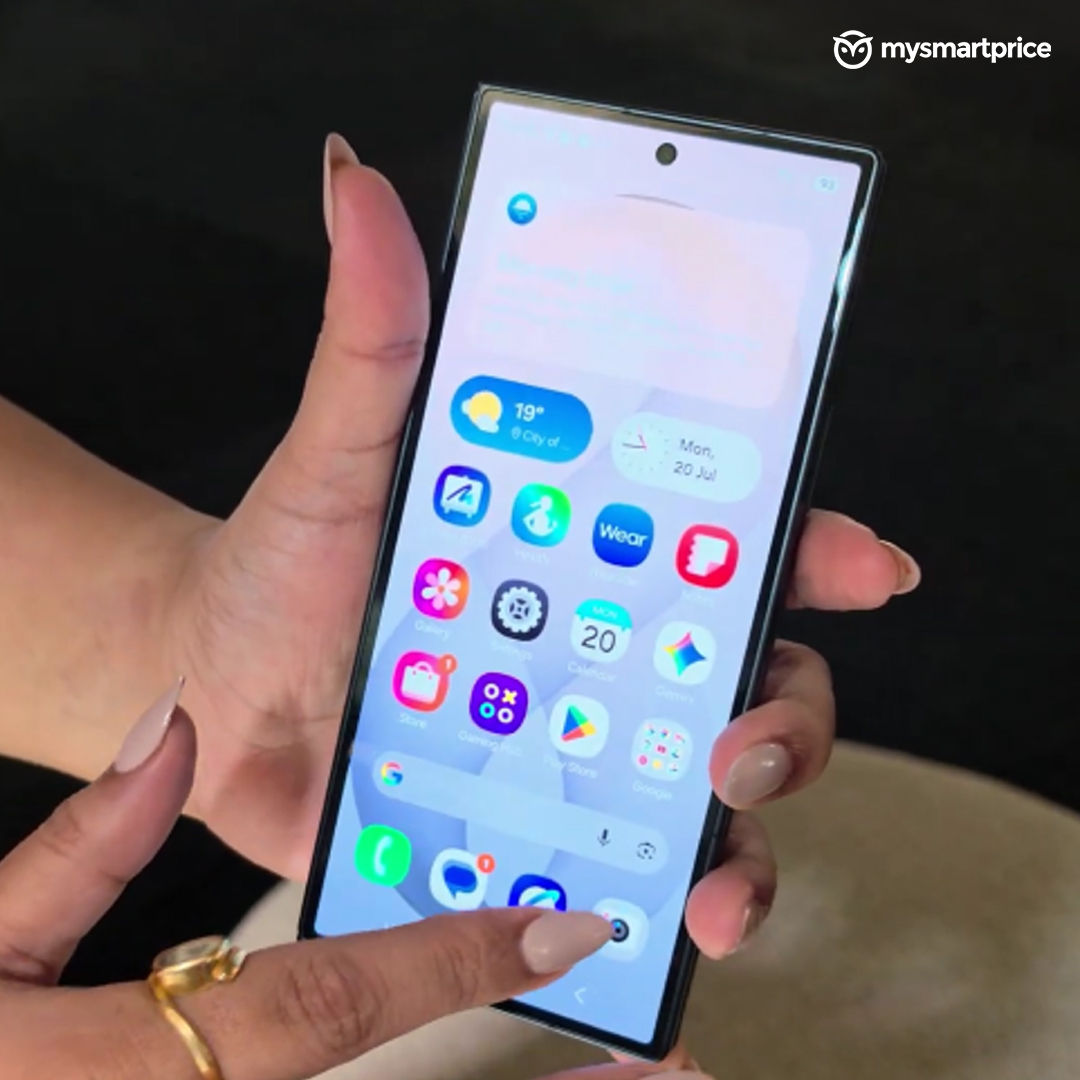
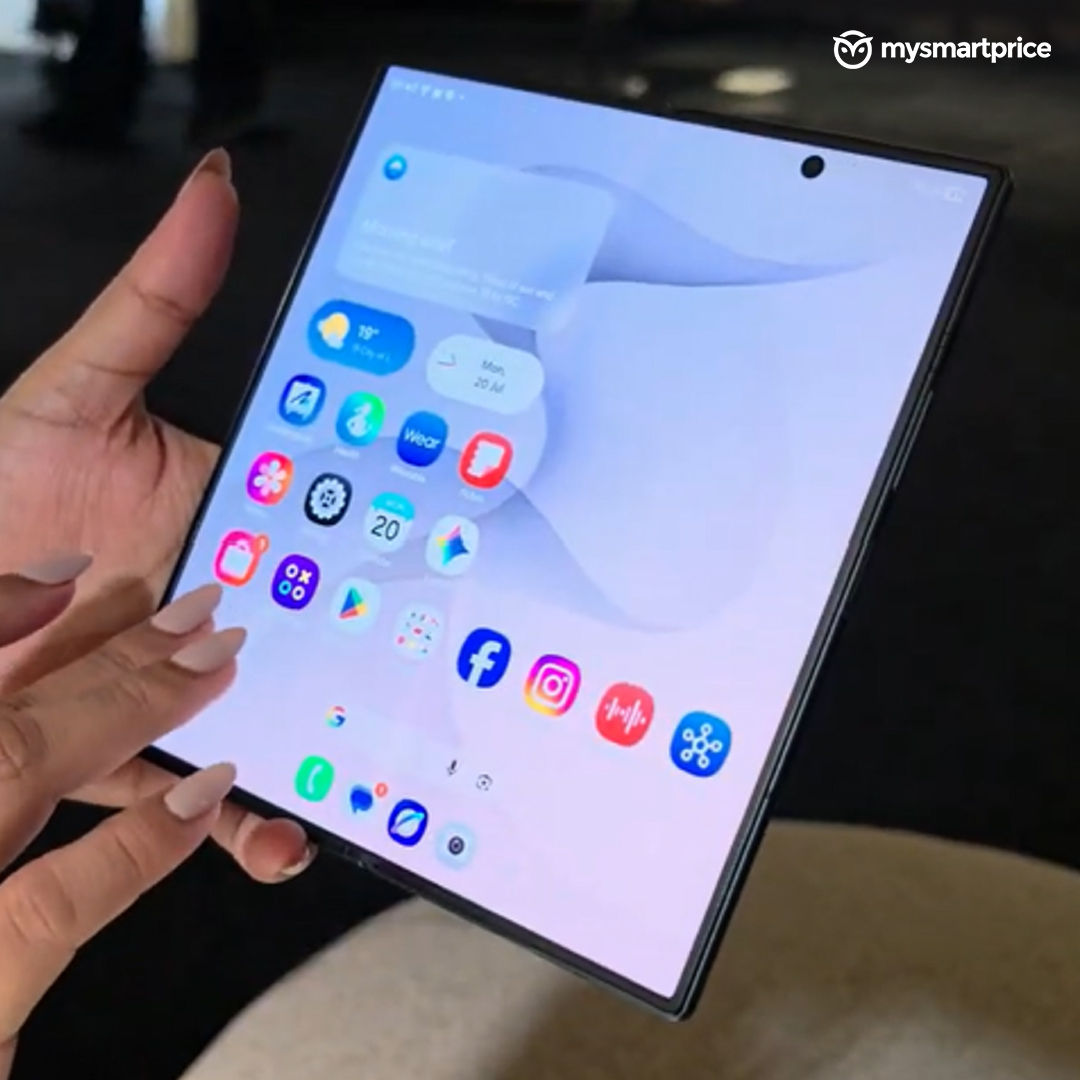
The screen. An 8 inch QXGA+ main display (2,504 x 2,256) beside a 6.5 inch cover screen, up to 3,000 nits, Vision Booster, a low reflection finish. It is a workspace, not a bigger phone screen.
Multitasking with a brain. This is where the Ultra pulls away. Now Nudge watches for the moment multitasking becomes useful and opens Multi Window itself, so spotting dinner plans forming in a chat will surface the Calendar app alongside it. Gemini Notebook turns a PDF of meeting minutes or an audio recording into a summary, then reshapes that same material into slides, a podcast, a quiz or a video. Drag and drop in Split view makes feeding it files genuinely quick.
The camera. A 200 MP wide sensor, now with HDR in full 200 MP mode, joined by a 50 MP ultra wide and a 10 MP 3x telephoto. For video, 8K recording through the new APV codec and Cine LUT for colour grading on the device. This is the only phone of the three that a working creator could build a full production workflow around.
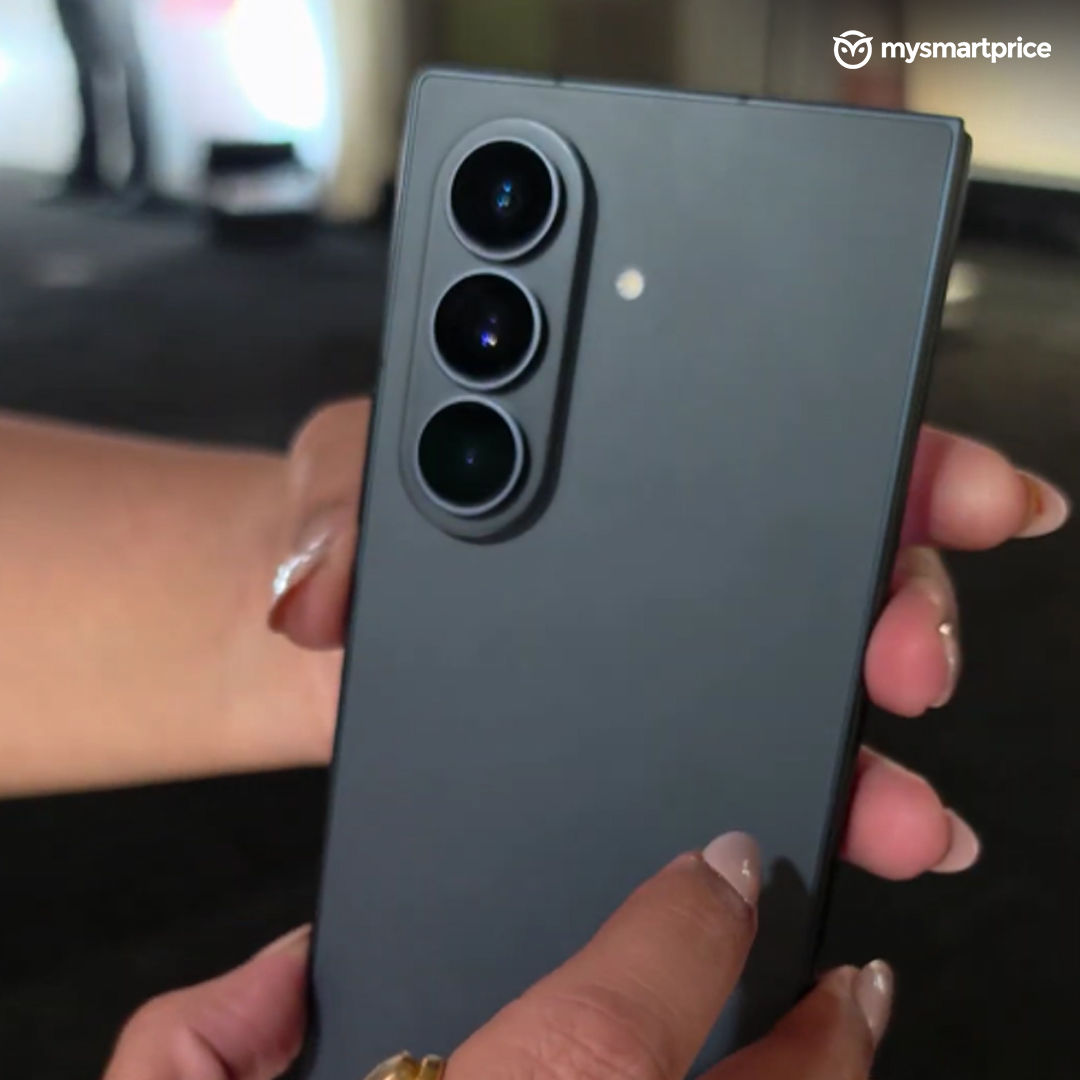
The engine. Snapdragon 8 Elite Gen 5 for Galaxy, up to 16 GB RAM and 1 TB storage, a 5,000 mAh dual battery, 45 W charging via a new dual path architecture (roughly 67 percent in half an hour) and an expanded graphite cooling structure to stop it throttling under load.
All of it at 215 g and 4.1 mm unfolded, the thinnest Z Fold Samsung has built.
Buy it if: you edit, present, spreadsheet and shoot for a living, and you want the phone to be the only device in the bag.
The Fold8: The Clever Shape Shift
The Fold8 is the genuine surprise of the launch, and the one everyone is talking about. Rather than iterate the tall, narrow Fold, Samsung redesigned the proportions entirely around what people actually do with the screen.
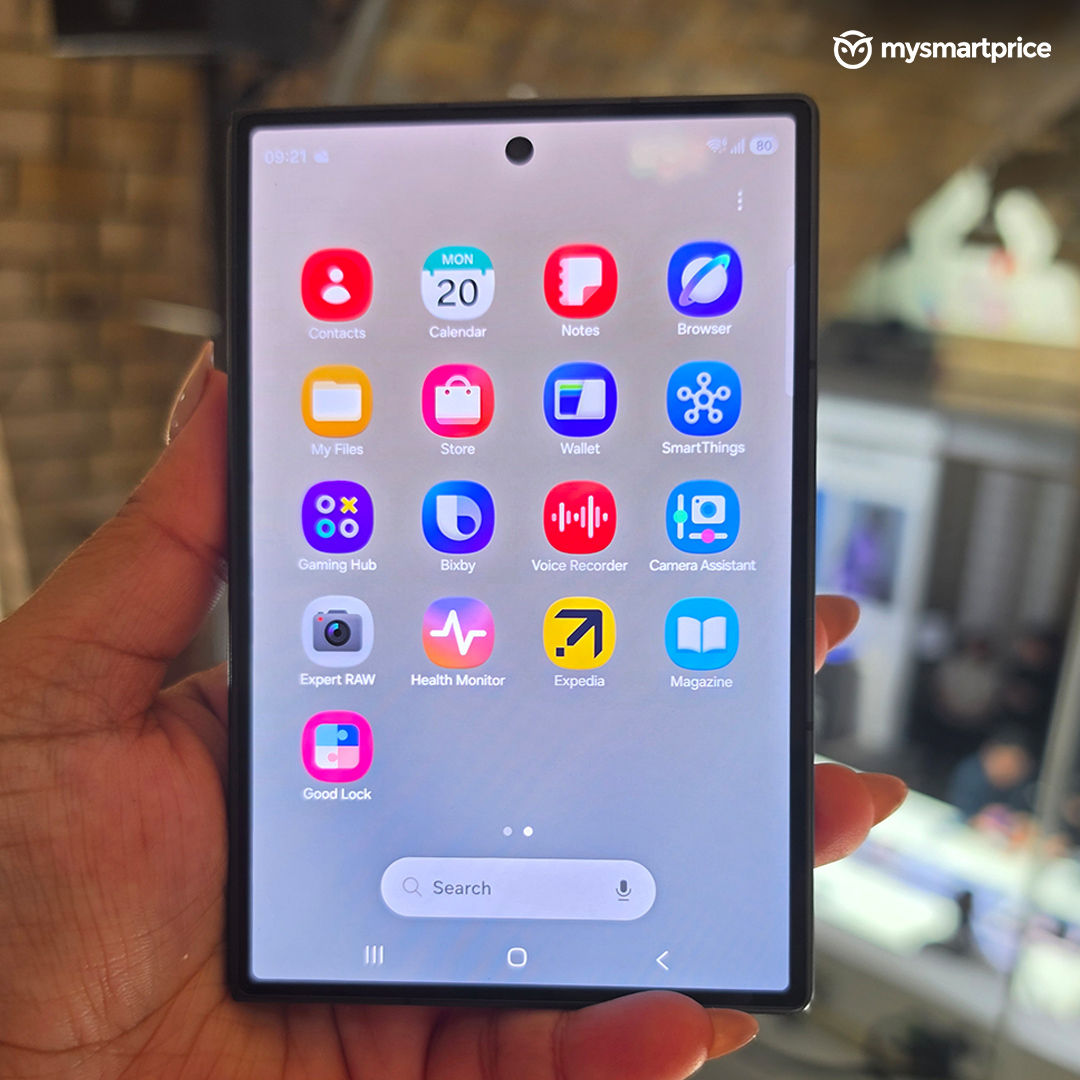
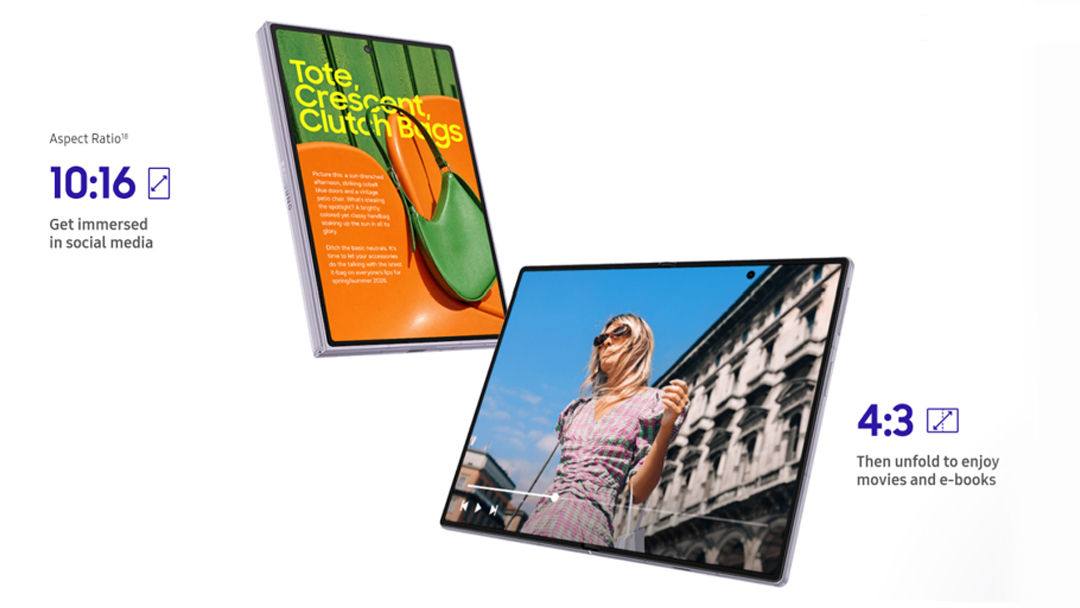
Folded, the 5.5 inch cover screen is 10:16, familiar, comfortable, right for messaging and short form video. Unfolded, the 7.6 inch main display opens to 4:3, a shape that suits films and games far better than the old squarish panel. Rotate it and that same 4:3 becomes 3:4, which is the aspect ratio of a book page. Articles, e books and long reads finally feel native instead of tolerated.
At 201 g it is the world’s lightest Galaxy Z Fold ever made, which matters more than it sounds when you are holding a 7.6 inch screen for a two hour film. The 4,800 mAh battery is rated for over 26 hours of video playback.
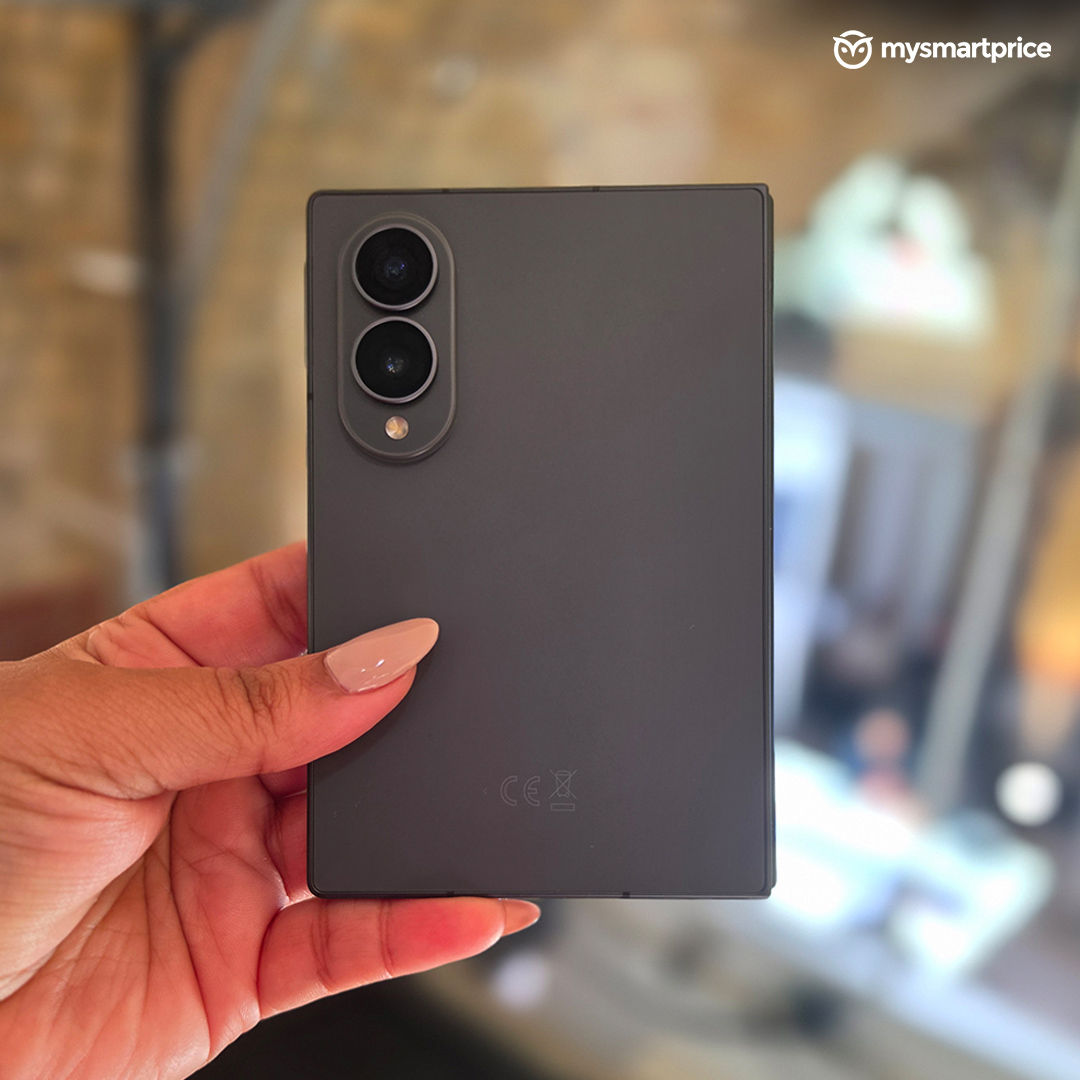
For creation, the Fold8 leans on software rather than exotic hardware. Dual 50 MP cameras (wide and ultra wide) cover most situations cleanly. Dual Recording captures both sides of a moment with the cover screen as your preview. And My FanCam is the standout, letting you pick a subject in any Gallery video and having the phone automatically track and reframe the footage around them, turning a wide concert clip into a social ready vertical cut without manual editing.
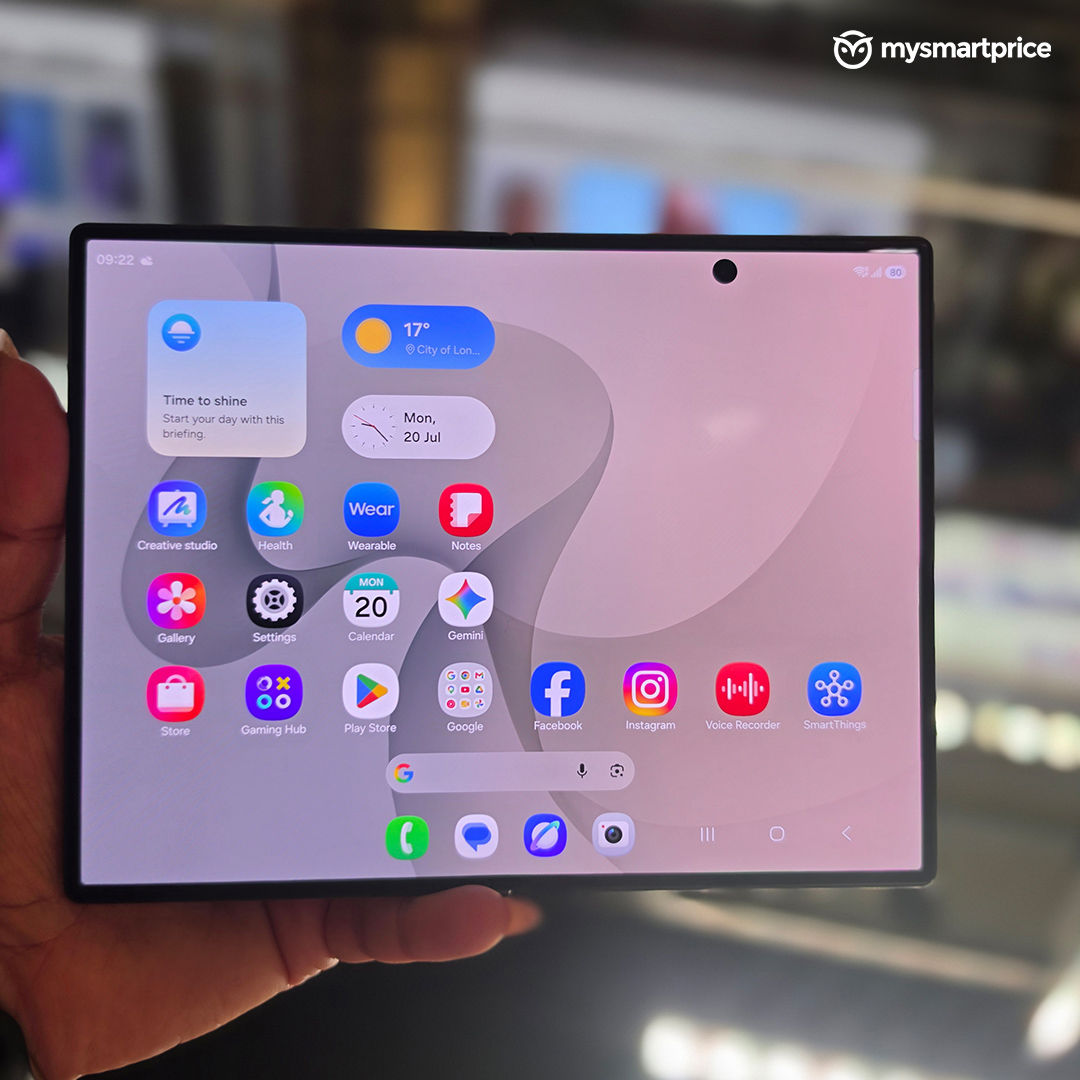
Here is the part worth underlining. Apart from the camera system, Samsung has given the Fold8 the same flagship treatment as the Ultra. Same Snapdragon 8 Elite Gen 5 for Galaxy, same storage tiers up to 16 GB and 1 TB, same IP48 rating, same Android 17 and One UI 9, same Wi Fi 7. The Fold8 drops the telephoto lens and runs a 50 MP main sensor instead of the Ultra’s 200 MP. Beyond that, this is not a step down model in any meaningful sense.
Buy it if: you read, watch, game and post, and you want the world’s lightest big screen foldable ever made, in a shape designed around content from the ground up.
The Flip8: The Compact With More Powers
The Flip8 is the world’s lightest flip at 6.1 mm unfolded and 180 g, with a stronger frame and a hinge built from a new high-strength material. But the real change is philosophical. Samsung has stopped treating the cover screen as a notification tray.
The reworked FlexWindow now runs apps. Browse the Gallery, reply in a messaging thread, finish a task, all closed. “Now Brief” sits on the FlexWindow home screen with the day’s weather, schedule, notifications, exchange rates and stock updates arranged as personalised cards. Gemini Intelligence is a side key press or a voice request away, and its app automation now spans more than 40 apps and services, from checking tickets to booking a table. One caveat: Samsung’s fine print says the automation feature launches in the US and Korea first, with more regions and languages promised within the year, so Indian buyers may wait a little for the full experience.
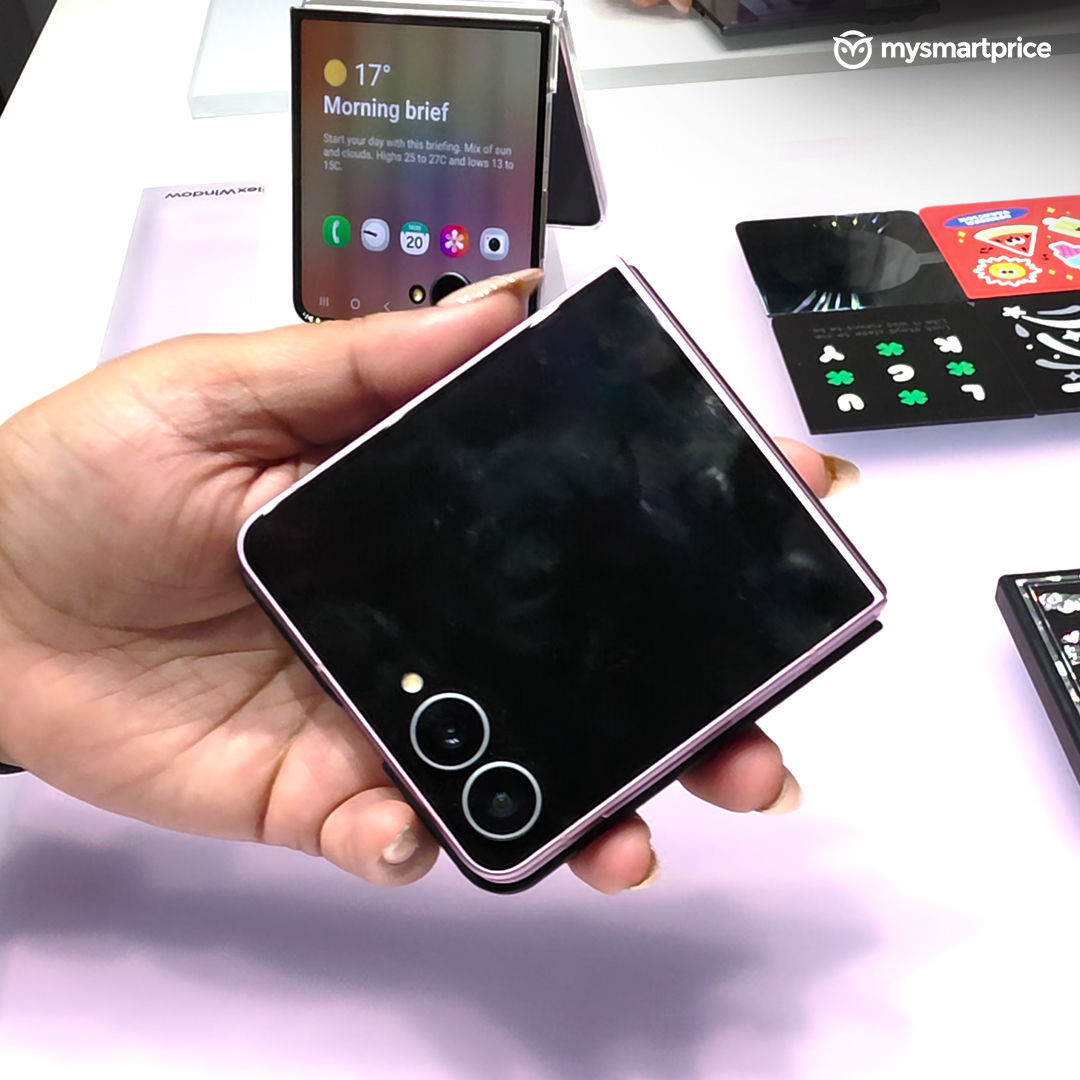
FlexCam remains the reason people buy Flips. A 50 MP main camera with the ProVisual Engine handles portraits with natural skin tones and proper bokeh. Flex Mode props the phone at any angle for hands free shots. Camcorder Grip with a Zoom Rocker gives you a stable one handed hold while filming. Super Steady now has a Horizontal Lock to keep footage level on the move. Dual Recording puts creator and subject in one video with a live preview on the cover screen for both. FlipShot personalises the FlexWindow and handles mirror selfies, while Mirror view gives you a true mirror check before you shoot.
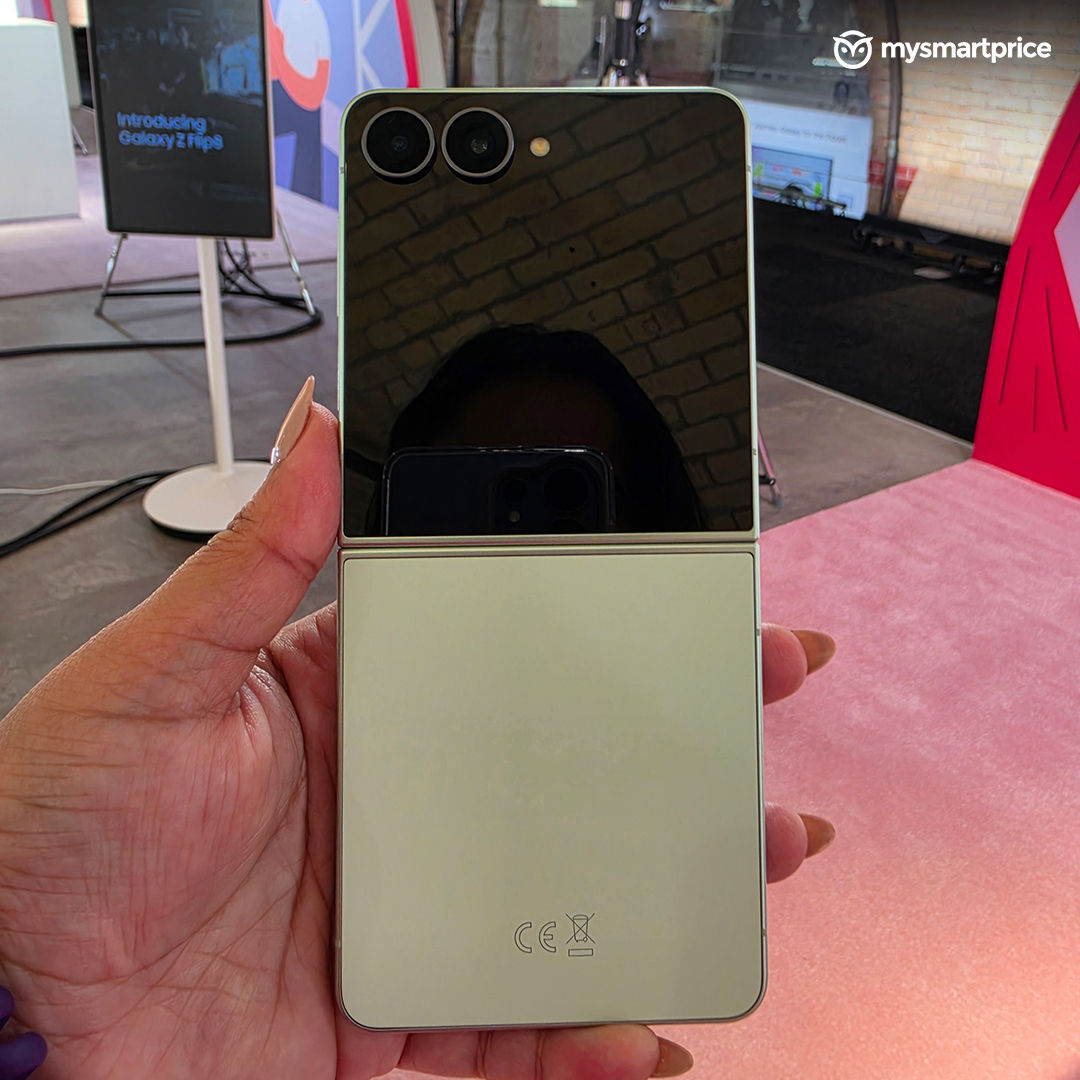
Under it sits an Exynos 2600, a 6.9-inch main display, a 4.1 inch cover screen, 4,300 mAh and 25 W charging. Note that the battery capacity is unchanged from the Flip7, so any endurance gains will come from the new chip’s efficiency rather than a bigger cell.
Buy it if: you want a phone that disappears into a pocket, shoots great selfies from impossible angles, and answers most of your day without ever being opened.
Galaxy AI Is The Constant
Whichever one you pick, the intelligence layer is the same. It just expresses itself differently on each shape.
Now Brief delivers personalised daily insights, and now includes security and privacy alerts. Now Nudge turns those insights into actions and, on the Folds, continues the conversation side by side on the big screen. Gemini Intelligence handles multi step requests across more than 40 apps, with Gemini Notebook as a persistent workspace for notes, files, images and recordings.
Samsung has paired this with visible guardrails. Samsung Knox protects from the chip up, Knox Vault adds a tamper resistant layer, and KEEP encrypts the on device Personal Data Engine. One UI 9 also adds an AI Assistant Activity dashboard, a single place to review every automation running on your behalf rather than hunting across apps to work out what the AI did.
India Pricing and Availability
Pre orders opened on 23 July.
|
Model |
12 GB + 256 GB |
12 GB + 512 GB |
16 GB + 1 TB |
Colours |
|
Galaxy Z Fold8 Ultra |
Rs 1,99,999 |
Rs 2,19,999 |
Rs 2,59,999 |
Graphite, Cream, Violet Shadow, Green Shadow (online only) |
|
Rs 1,79,999 |
Rs 1,99,999 |
Rs 2,39,999 |
Graphite, Cream, Lavender, Pistachio (online only) |
|
|
Galaxy Z Flip8 |
Rs 1,24,999 |
Rs 1,44,999 |
NA |
Graphite, Cream, Pink, Mint (online only) |
| Pre-Order Offers and Benefits | |||
| Offer | Galaxy Z Fold8 Ultra | Galaxy Z Fold8 | Galaxy Z Flip8 |
| Upgrade/exchange bonus* | Rs 10,000 | Rs 10,000 | Rs 5,000 |
| Bank/UPI cashback | Rs 9,000 | Rs 9,000 | Rs 4,000 |
| No-cost EMI** | Up to 30 months, 0 down payment | ||
| Samsung Care+ (SC+) | 2-year protection, multiple claims, authorized service | ||
| Galaxy Forever (GFE) | Rs 1,084/month × 24 months (no-cost EMI); buyback up to 55% | Rs 1,084/month × 24 months (no-cost EMI); buyback up to 55% | Not available |
*Additional benefit on top of the trade-in value of your eligible old device. One of the top four offers can be chosen per purchase.
**30 months / 0 down payment with select NBFC partners (Samsung Finance+, TVS Credit, IDFC First Bank, PFL); other leading NBFC partners offer 24 months / 0 down payment.
- Galaxy Forever includes accidental + liquid damage cover plus upgrade/return flexibility, Fold models only. T&C apply.
- No cost EMI runs to 30 months through select partners including Samsung Finance+, TVS Credit, IDFC First Bank and PFL, with other NBFC partners capped at 24 months. Bank EMI options go up to nine months with zero down payment, and Samsung Care+ offers a two year multi claim protection plan.
The Fold8 Is Winning The Early Buzz
Our full reviews are coming shortly. But if early reactions online are anything to go by, the all new Fold8 has generated the most buzz of the three, and by some distance. The form factor is the obvious reason, but the 201 g weight and the overall appeal are doing just as much work: a big screen foldable that finally feels as light as a regular phone is the idea people cannot stop talking about.
That is the more revealing outcome of a radical move. Samsung took the bigger risk on the mainstream model and the safer, more considered path on the halo device, and going by the early chatter, the risk is the one landing.
Disclaimer: This is a Promotional post. The content and opinions expressed are those of the sponsor and do not necessarily reflect the views of our editorial team.