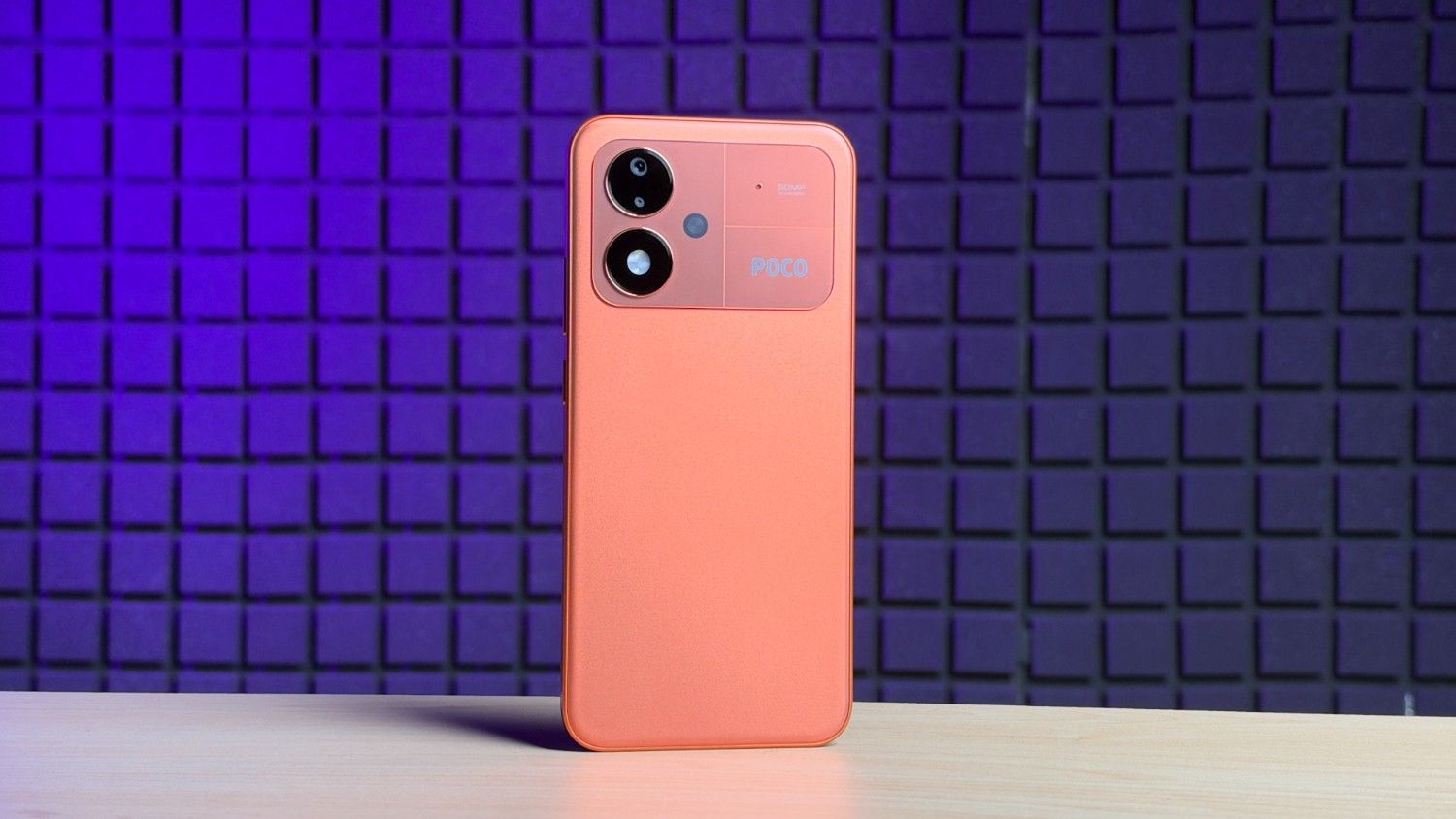
Battery capacity has become a major battleground in the Rs. 20,000 to Rs. 30,000 smartphone segment. While 5,000mAh batteries were once the norm, newer models are pushing well beyond 6,000mAh, and the POCO M8 Power takes that figure to 8,000mAh.
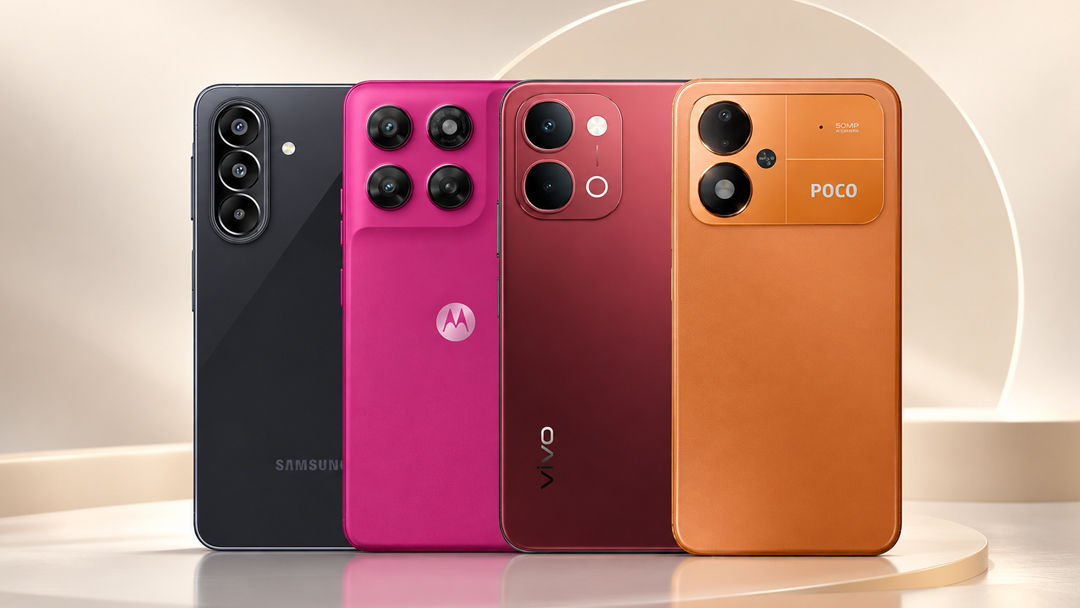
With Flipkart’s Big Billion Days sale starting on October 9, with early access from October 8, the POCO M8 Power will be available from Rs. 20,999. That puts it against three other battery-focused smartphones in this price range: the Samsung Galaxy F70 Pro, Moto G77 Power and vivo T5x.
Battery capacity alone, however, does not tell the whole story. The vivo offers stronger performance hardware on paper, Samsung focuses on portability and long software support, while the Moto combines a large battery with a rugged build. Display quality matters for watching videos, reading and browsing, while charging and portability affect everyday convenience. POCO and Samsung offer 120Hz AMOLED panels, while vivo and Motorola use 120Hz LCD screens. Each takes a different approach to balancing these features with battery capacity and price.
So which one makes the most sense during the festive sale? Here is how the four compare.
Which Battery-Focused Phone Is the Best? Our Recommendations
| Use Case | Our Pick | Why |
| Overall and Festive Value | POCO M8 Power | 8,000mAh battery, 45W charging with charger in the box, a 6.99-inch AMOLED display and four OS upgrades at Rs. 20,999 |
| Battery Capacity | POCO M8 Power | Largest battery in the comparison at 8,000mAh |
| Charging Package | POCO M8 Power | 45W charging, charger included and up to 22.5W wired reverse charging |
| Display | POCO M8 Power | Largest AMOLED panel in the group, with a 120Hz refresh rate |
| Performance | vivo T5x | Strongest chipset and storage combination on paper |
| Durability | vivo T5x | IP68 and IP69 ratings along with claimed military-grade shock resistance |
| Portability | Samsung Galaxy F70 Pro | Lightest and slimmest phone in the comparison |
| Software Support | Samsung Galaxy F70 Pro | Six OS upgrades and six years of security updates |
At a Glance
At the prices available as of October 6, the POCO M8 Power offers the strongest overall value proposition in this comparison. It combines the largest battery with an AMOLED display, 45W charging and a starting festive price of Rs. 20,999.
That does not make it the best choice for every buyer. The vivo T5x has stronger performance hardware and better water-resistance ratings, while the Samsung Galaxy F70 Pro is considerably lighter and offers longer software support.
The Moto G77 Power also offers a large 7,000mAh battery, but its 30W charging, LCD display and shorter software-support commitment make it less competitive at its current price.
Key Specs of Battery-Focused Phones Compared
| Specs | POCO M8 Power | Samsung Galaxy F70 Pro | Moto G77 Power | vivo T5x |
| Processor | Snapdragon 4 Gen 4 (4nm) | Snapdragon 6 Gen 3 (4nm) | Dimensity 6400 (6nm) | Dimensity 7400 Turbo (4nm) |
| RAM / Storage | 6GB or 8GB LPDDR4X / 128GB UFS 2.2 | 6GB or 8GB LPDDR5X / 128GB or 256GB UFS 3.1 | 8GB LPDDR4X / 128GB UFS 2.2 | 6GB or 8GB LPDDR4X / 128GB or 256GB UFS 3.1 |
| Display | 6.99-inch FHD+ AMOLED, 120Hz, 240Hz touch sampling, 1,800 nits peak | 6.7-inch FHD+ Super AMOLED, 120Hz | 6.72-inch FHD+ LCD, 120Hz, 1,050 nits HBM | 6.76-inch FHD+ LCD, 120Hz, 1,200 nits HBM |
| Battery | 8,000mAh Silicon-Carbon | 6,000mAh | 7,000mAh | 7,200mAh |
| Charging | 45W | 45W | 30W | 44W |
| Reverse Charging | 22.5W wired | Not listed | 6W wired | Supported |
| Thickness / Weight | 8.4mm / 225g | 8.1mm / 206g | 8.89mm / 215g | 8.39mm / 219g |
| Protection | Gorilla Glass 7i, IP65 | Gorilla Glass Victus+, IP64 | Gorilla Glass 7i, IP64, MIL-STD-810H | IP68/IP69+, claimed military-grade shock resistance |
| Software | HyperOS 3 (Android 16); 4 OS upgrades + 6 years security | One UI 8.5 (Android 16); 6 OS upgrades + 6 years security | Hello UI (Android 16); 1 OS upgrade + 3 years security | OriginOS 6 (Android 16); 2 OS upgrades + 4 years security |
| Regular Price | Rs. 24,999 (6GB+128GB) | Rs. 25,999 (6GB+128GB) at launch | Rs. 25,999 (8GB+128GB) | Rs. 27,999 (6GB+128GB) after Sept. 1 hike |
| Festive / Offer Price | Rs. 20,999 in Big Billion Days | From Rs. 25,999* in Big Billion Days | Not announced; Rs. 23,999 effective at launch with bank offer | Rs. 27,999 in Big Billion Days; Rs. 25,649 effective with Flipkart WOW deal |
Prices checked on October 6, 2026. Prices marked with an asterisk include bank offers. Sale prices, bank discounts and exchange offers can change, so check the final payable price before buying.
Battery Capacity: POCO M8 Power with its Massive Battery

The POCO M8 Power has the largest battery in this comparison at 8,000mAh. That is 800mAh more than the vivo T5x, 1,000mAh more than the Moto G77 Power and 2,000mAh more than the Samsung Galaxy F70 Pro.
POCO uses a Silicon-Carbon battery, allowing it to fit that capacity into an 8.4mm-thick body. For comparison, the vivo T5x measures 8.39mm despite using a smaller 7,200mAh battery.
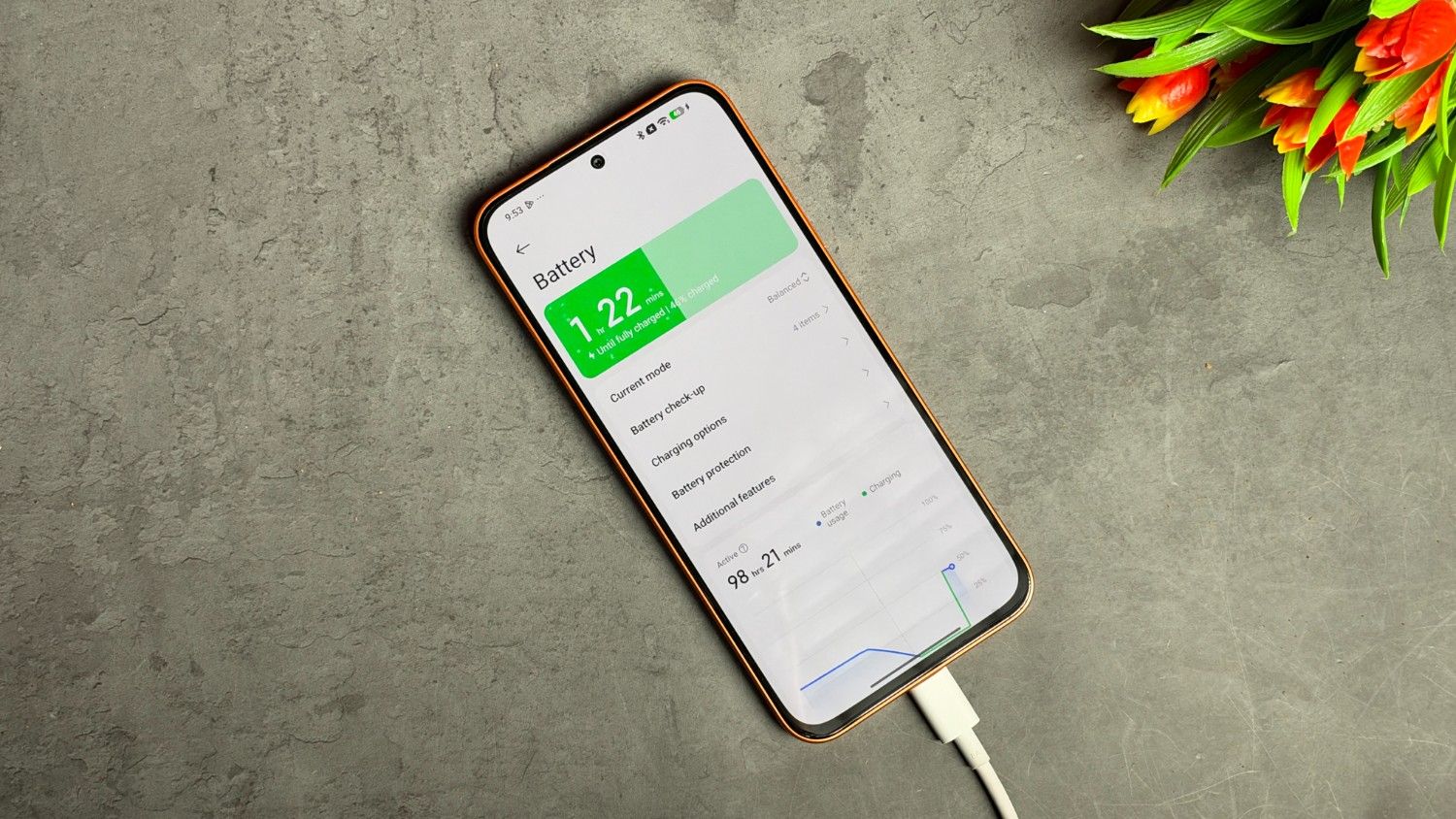
POCO claims up to three days of use on a full charge. Motorola claims up to 59 hours from the Moto G77 Power’s 7,000mAh battery, while Samsung says the Galaxy F70 Pro can deliver more than a day of heavy use.
These figures come from the respective manufacturers and should not be treated as directly comparable real-world endurance tests. Actual battery life will vary depending on display brightness, network conditions, apps, gaming, camera use and other factors.
Based purely on capacity, however, the POCO M8 Power has the clearest advantage. Buyers who prioritise maximum battery capacity for streaming, navigation, gaming or long periods away from a charger are likely to find it the most appealing option.
Winner for battery capacity: POCO M8 Power
Charging: POCO M8 Power Wins
The POCO M8 Power supports 45W wired charging and includes a compatible 45W charger in the box.
The Samsung Galaxy F70 Pro also supports 45W charging. Since its battery is considerably smaller at 6,000mAh, it could potentially require less time to reach a full charge, although charging wattage alone is not enough to determine actual charging times. Samsung has not confirmed whether a charger is included in the box.
The vivo T5x is close behind with 44W charging, while the Moto G77 Power is limited to 30W despite having a large 7,000mAh battery.
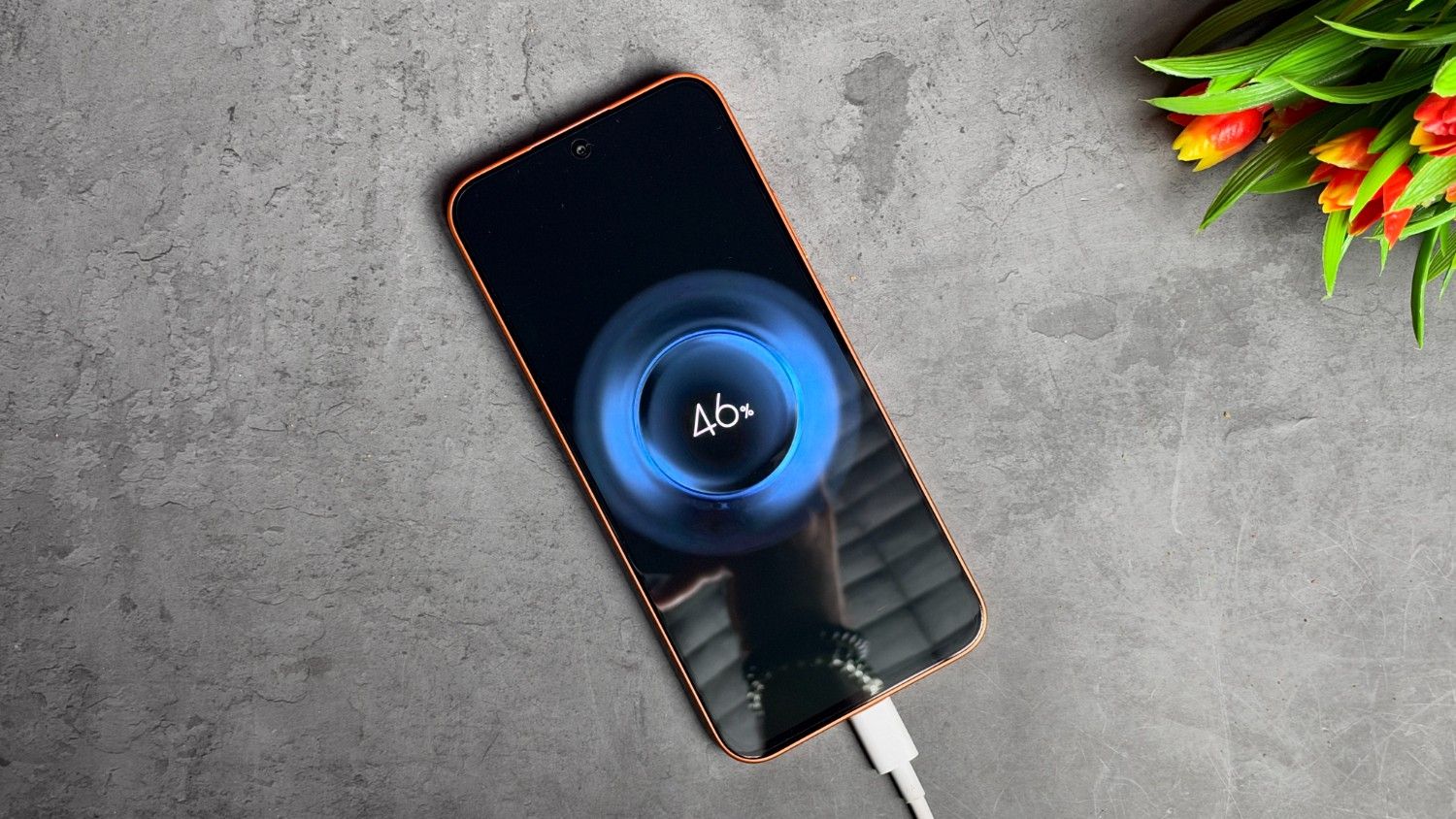
POCO also supports up to 22.5W wired reverse charging, allowing the phone to supply power to accessories or another smartphone. The Moto supports 6W reverse charging, while vivo lists reverse-charging support without quoting a wattage. Samsung does not list the feature for the Galaxy F70 Pro.
The POCO therefore does not necessarily have the highest raw charging speed in every real-world situation, but it offers the most complete charging package on paper when charging wattage, the bundled adapter and reverse charging are considered together.
Winner for charging package: POCO M8 Power
Processor and Performance: vivo T5x takes it
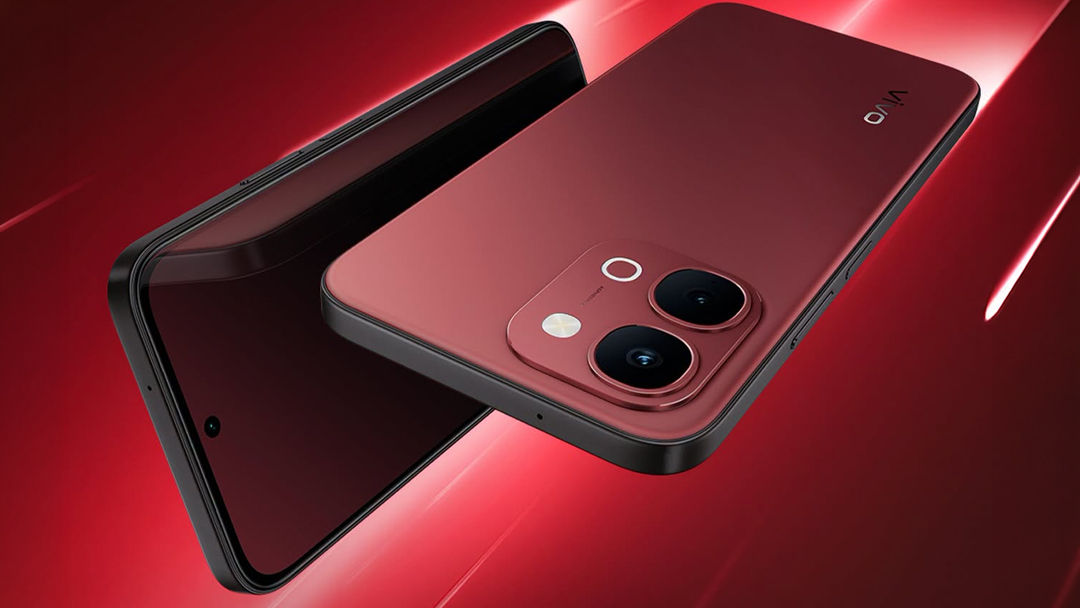
The vivo T5x uses the 4nm Dimensity 7400 Turbo alongside UFS 3.1 storage. vivo says the chipset can cross 1 million points on AnTuTu, although manufacturer-provided benchmark numbers should not be treated as a substitute for controlled comparative testing. On specifications alone, the T5x has the strongest performance hardware of these four phones and is the most suitable choice for buyers who prioritise demanding games and heavier workloads.
The POCO M8 Power uses Qualcomm’s Snapdragon 4 Gen 4 chipset, paired with LPDDR4X RAM and UFS 2.2 storage. POCO’s hardware is more suited to everyday tasks and occasional gaming, while vivo has the edge on specifications for heavier workloads.
Samsung’s Galaxy F70 Pro combines the Snapdragon 6 Gen 3 with LPDDR5X RAM and UFS 3.1 storage, while the Moto G77 Power uses the Dimensity 6400. Buyers who regularly play demanding games should give these differences more weight; for browsing, messaging and streaming, the display and battery are equally relevant considerations.
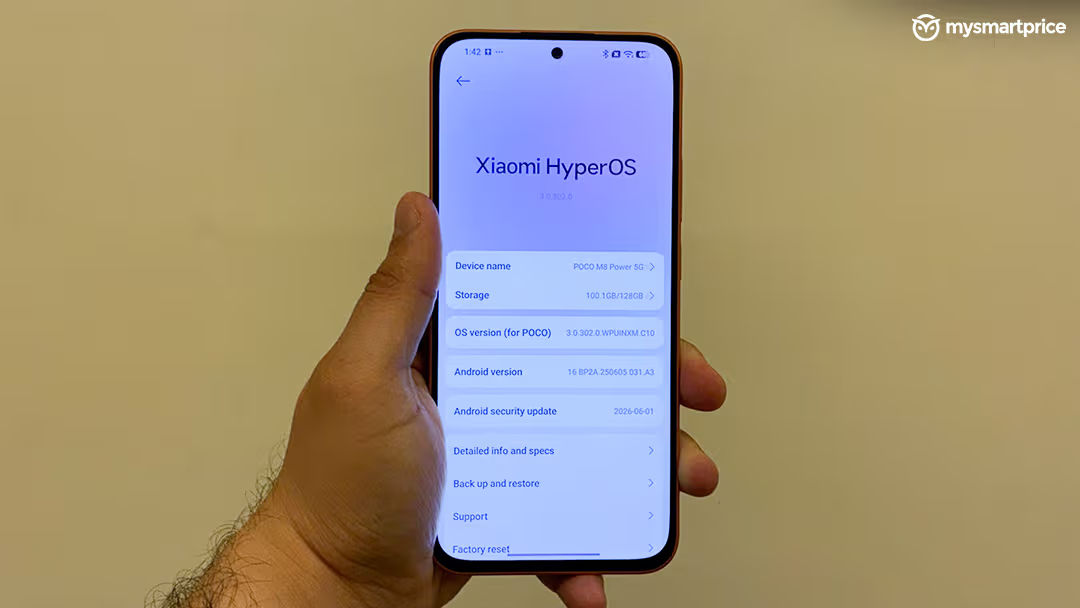
Software support changes the equation for long-term ownership. POCO promises four Android OS version upgrades and six years of security updates. The vivo offers two OS upgrades and four years of security support, while the Moto gets one OS upgrade and three years of security updates.
Samsung goes further than all three with six OS upgrades and six years of security support.
Winner for performance hardware: vivo T5x
Display: POCO M8 Power Has the Best Package
The POCO M8 Power has a 6.99-inch FHD+ AMOLED display with a 120Hz refresh rate, 240Hz touch sampling and a claimed peak brightness of 1,800 nits.
It also supports the DCI-P3 colour gamut, TÜV eye-protection features and Wet Touch 2.0, along with an optical in-display fingerprint sensor. Gorilla Glass 7i provides screen protection.
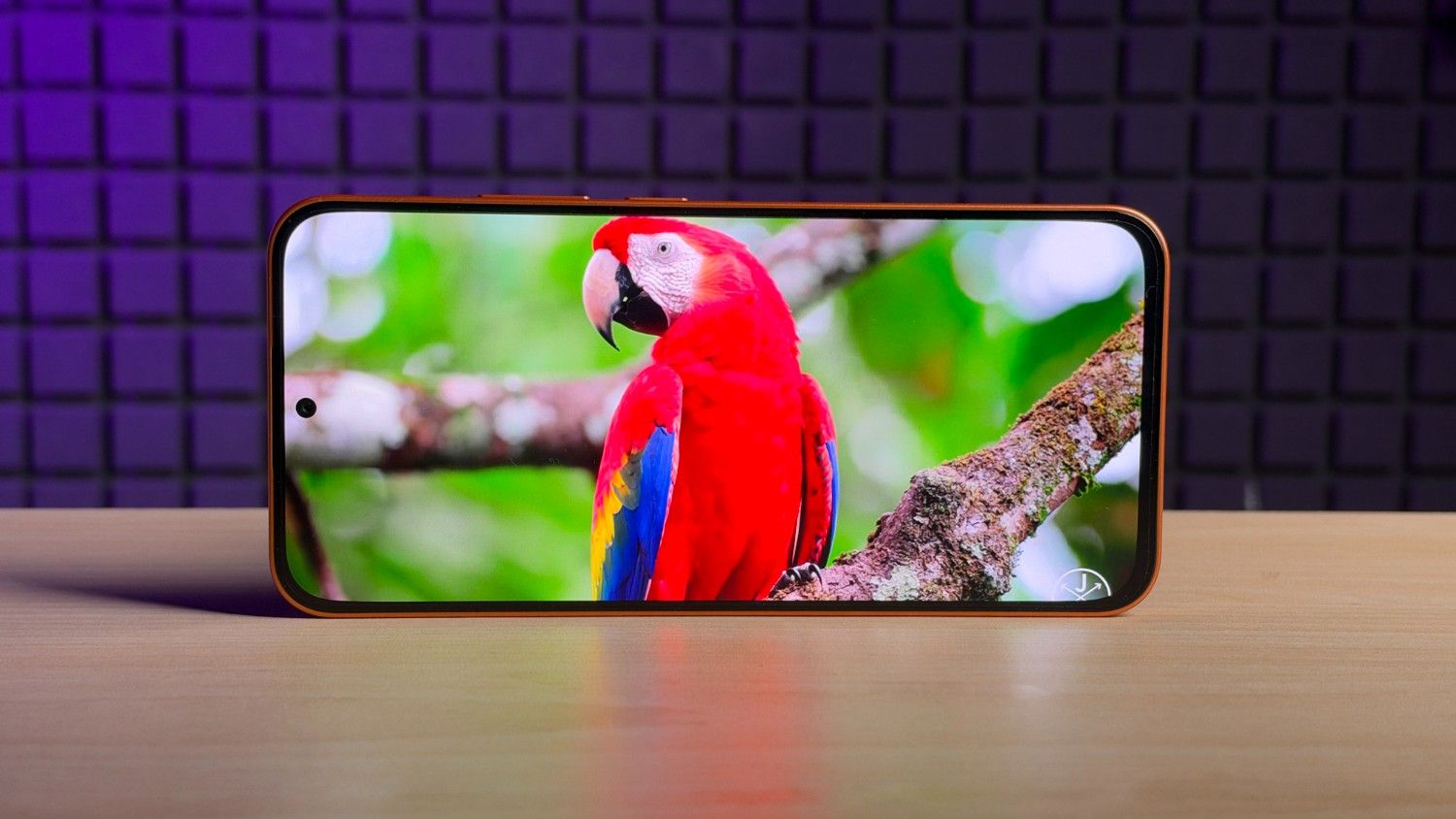
The Samsung Galaxy F70 Pro is the only other model in this comparison with an AMOLED display. Its 6.7-inch Super AMOLED panel also operates at 120Hz.
The Moto G77 Power and vivo T5x instead use 120Hz LCD panels, with quoted high-brightness-mode figures of 1,050 nits and 1,200 nits respectively.
Brightness figures from different manufacturers are not always measured under identical conditions, so these numbers should not be compared as if they came from the same laboratory test.
It is therefore difficult to declare an objective display-quality winner without side-by-side testing. On specifications, though, the POCO offers the most attractive overall combination for media consumption: the largest panel in the group, AMOLED technology and a 120Hz refresh rate.
Winner on display specifications: POCO M8 Power
Design and Durability: vivo for Protection, Samsung for Portability
The vivo T5x has the strongest protection ratings in this comparison, with IP68 and IP69 certification along with claimed military-grade shock resistance.
The Moto G77 Power has MIL-STD-810H certification, Gorilla Glass 7i and an IP64 rating.
Samsung’s Galaxy F70 Pro uses Gorilla Glass Victus+ and also carries an IP64 rating, while the POCO M8 Power combines Gorilla Glass 7i with an IP65 rating.
An IP65 rating provides protection against dust and water jets but does not certify the device for submersion. The vivo’s IP68/IP69 ratings therefore give it the strongest water- and dust-resistance specifications of the four.
Portability is a different story.
The Galaxy F70 Pro is the slimmest and lightest phone here at 7.8mm and approximately 206g. The trade-off is its smaller 6,000mAh battery.
The POCO M8 Power weighs 225g, making it the heaviest of the four. Its 8.4mm thickness is nevertheless close to the vivo T5x at 8.39mm, while the Moto G77 Power is thicker at 8.89mm.
For buyers who want the strongest protection specifications, the vivo has the edge. Those who care more about carrying comfort should consider the Samsung.
Winner for durability specifications: vivo T5x
Winner for portability: Samsung Galaxy F70 Pro
Price and Festive Value: POCO M8 Power
Price is where the POCO’s case becomes considerably stronger.
As of October 6, the 6GB+128GB POCO M8 Power is set to drop from Rs. 24,999 to Rs. 20,999 during Flipkart’s Big Billion Days sale. The 8GB+128GB version will cost Rs. 23,999, down from Rs. 27,999.
The Samsung Galaxy F70 Pro starts at Rs. 25,999 during the sale with applicable bank offers, Rs. 5,000 more than the base POCO. Samsung offers a 6.7-inch 120Hz Super AMOLED display, a lighter body and longer OS support. POCO provides a larger AMOLED screen and an 8,000mAh battery against Samsung’s 6,000mAh capacity, giving it the advantage for buyers prioritising those features at a lower price.
The Moto G77 Power costs Rs. 25,999 for its 8GB+128GB configuration. Motorola has not announced a Big Billion Days price at the time of writing, although the phone was available at an effective Rs. 23,999 with a bank offer at launch.
At its regular price, the Moto offers a smaller battery, slower charging and an LCD panel while costing more than the equivalent 8GB+128GB POCO variant.
The vivo T5x has moved into a considerably higher price bracket since launch. Following its September 1 price increase, the 6GB+128GB version costs Rs. 27,999. That remains its listed Big Billion Days price, although a Flipkart WOW offer can reduce the effective price to Rs. 25,649.
At the listed sale prices, the gap between equivalent POCO and vivo configurations is Rs. 7,000: Rs. 20,999 versus Rs. 27,999 for 6GB+128GB and Rs. 23,999 versus Rs. 30,999 for 8GB+128GB.
One simple way of illustrating the difference is battery capacity relative to price. At the listed base prices, the POCO provides roughly 381mAh of battery capacity for every Rs. 1,000 spent. The corresponding figures are approximately 257mAh for the vivo and 231mAh for the Samsung. The Moto works out to roughly 269mAh at its regular price.
This is not a complete measure of smartphone value, since performance, cameras, software, build quality and after-sales experience also matter. It does, however, illustrate how aggressively the POCO is priced for buyers whose priority is battery capacity.
Value winner at October 6 prices: POCO M8 Power
Final Verdict: Which One Should You Buy?
Buy the POCO M8 Power for Entertainment and Battery Value
At Rs. 20,999 during Big Billion Days, the POCO M8 Power is the most affordable phone with an AMOLED display in this comparison. Its 6.99-inch 120Hz screen is also the largest here, giving buyers more room for films, videos and reading. Paired with an 8,000mAh battery, it makes the strongest case as an entertainment-focused option among these four phones at their listed festive prices.
The bundled 45W charger and up to 22.5W reverse charging add to its everyday usefulness. At 225g, it is a substantial phone to hold, and demanding gamers may prefer vivo’s stronger hardware. For buyers who put a large AMOLED screen and battery capacity first, however, POCO offers the most compelling combination for the money.
Buy the vivo T5x if Performance and Protection Matter More
The vivo T5x offers a 7,200mAh battery, stronger performance specifications and IP68/IP69 protection. Its appeal is greater for buyers who prioritise demanding gaming and water resistance.
At the listed sale prices, however, equivalent vivo variants cost Rs. 7,000 more than the POCO while offering a smaller battery and an LCD display. The premium makes more sense if performance and protection are higher priorities than an AMOLED screen and maximum battery capacity.
Buy the Samsung Galaxy F70 Pro if You Prioritise Software Support and Portability
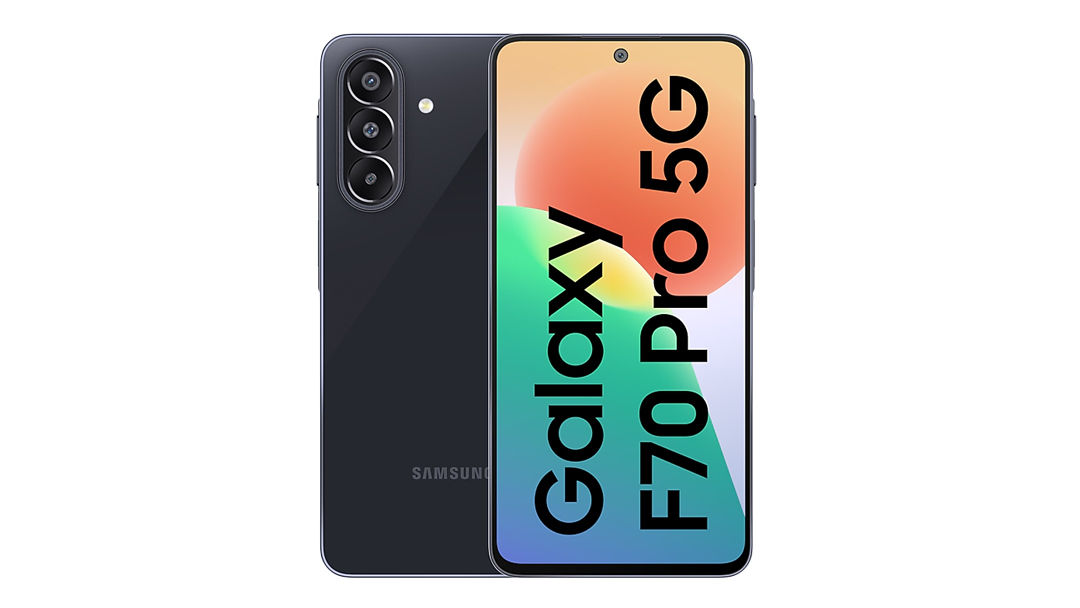
The Samsung Galaxy F70 Pro stands out for two reasons: long software support and a lighter design.
At around 206g and 7.8mm thick, it is noticeably easier to carry than the other battery-focused phones here. Samsung also promises six OS upgrades and six years of security support, making it particularly attractive for buyers planning to keep their phone for several years.
Its 6,000mAh battery is the smallest in this comparison, however, so buyers focused mainly on maximum capacity will find better options elsewhere.
Consider the Moto G77 Power if Its Price Drops Further
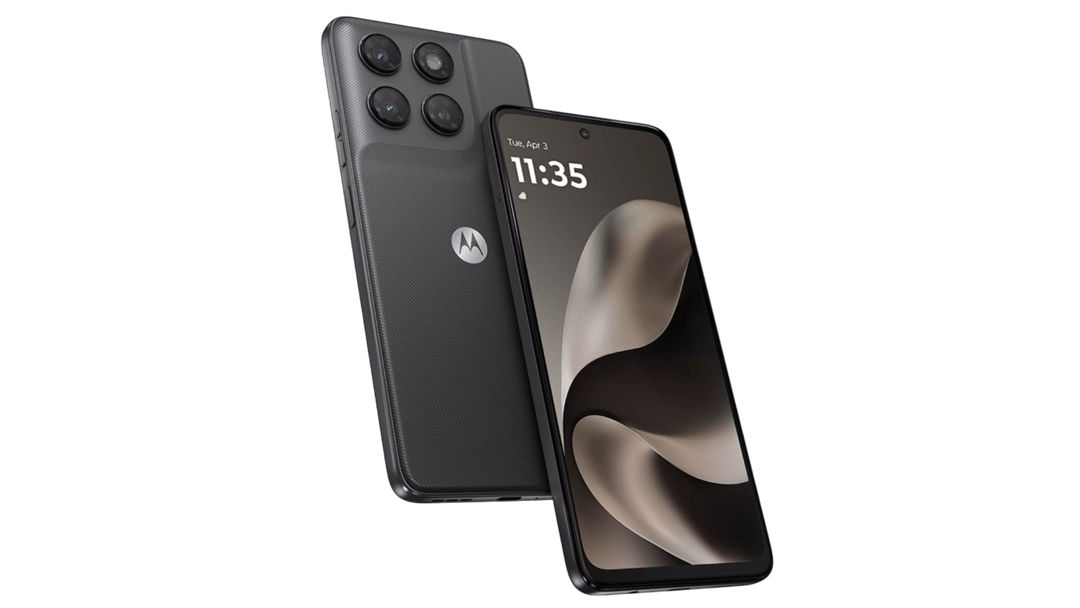
The Moto G77 Power has several useful attributes, including a 7,000mAh battery, MIL-STD-810H certification and a 120Hz display.
At its current Rs. 25,999 regular price, however, its value proposition is weaker than the alternatives considered here. It combines 30W charging, an LCD display and only one promised OS upgrade while costing more than the POCO.
A substantial festive discount could change that assessment, so its final sale price is worth checking before making a decision.
Overall Recommendation
There is no single winner across every category. At the listed festive prices, the POCO M8 Power is our overall pick for buyers prioritising battery capacity and display specifications. Its 8,000mAh battery, large 120Hz AMOLED screen and bundled 45W charger offer a competitive package at Rs. 20,999, provided its size and weight suit your needs.
Samsung offers an AMOLED alternative with a lighter body and longer software support. vivo is worth the premium for buyers who place greater importance on performance and water resistance, while Motorola needs a stronger festive discount to improve its value against these options.