The sub-₹25,000 smartphone segment has become increasingly difficult to stand out in. Most phones in this category now offer high-refresh-rate displays, capable processors, large batteries and increasingly sophisticated camera systems. That makes it harder for a new device to have a clear identity.
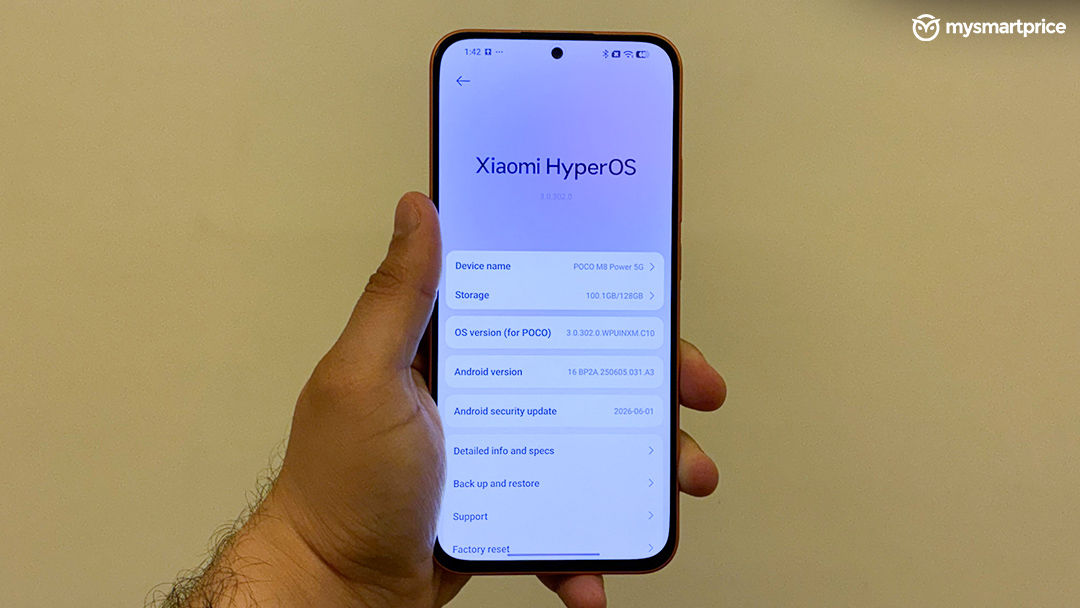
The POCO M8 Power takes a different route. Instead of trying to compete with performance-focused or camera-centric smartphones, it puts its biggest bets on endurance and media consumption. The phone comes with a 6.99-inch 120Hz AMOLED display and an enormous 8,000mAh battery, while its Snapdragon 4 Gen 4 chipset and relatively simple camera setup make its priorities quite clear. The M8 Power is aimed at users who want a phone that can comfortably last through long days while offering a large, smooth display for watching content and everyday use. After spending time with it and running it through our usual tests, here's what we found.
Design and Build
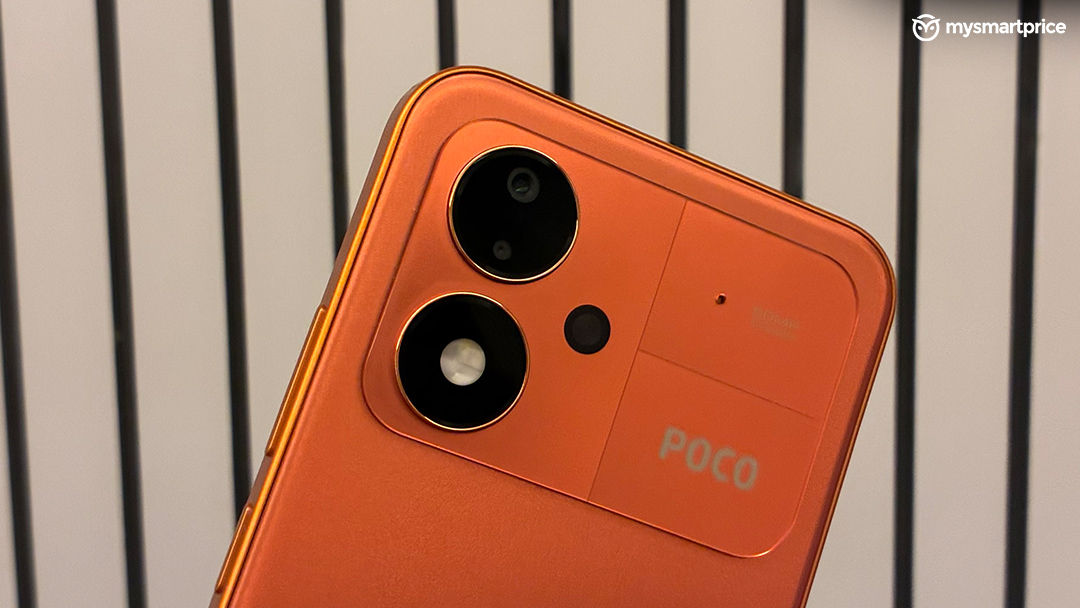
At this price, the POCO M8 Power doesn't attempt to imitate a flagship. There's no aluminium frame or glass back here. Instead, you get a predominantly plastic construction, but the quality of the materials is better than the price tag might suggest. The phone feels sturdy in the hand and doesn't give the impression of being cheaply assembled. POCO has also kept the design relatively understated instead of going for the aggressive styling often associated with performance-focused smartphones.
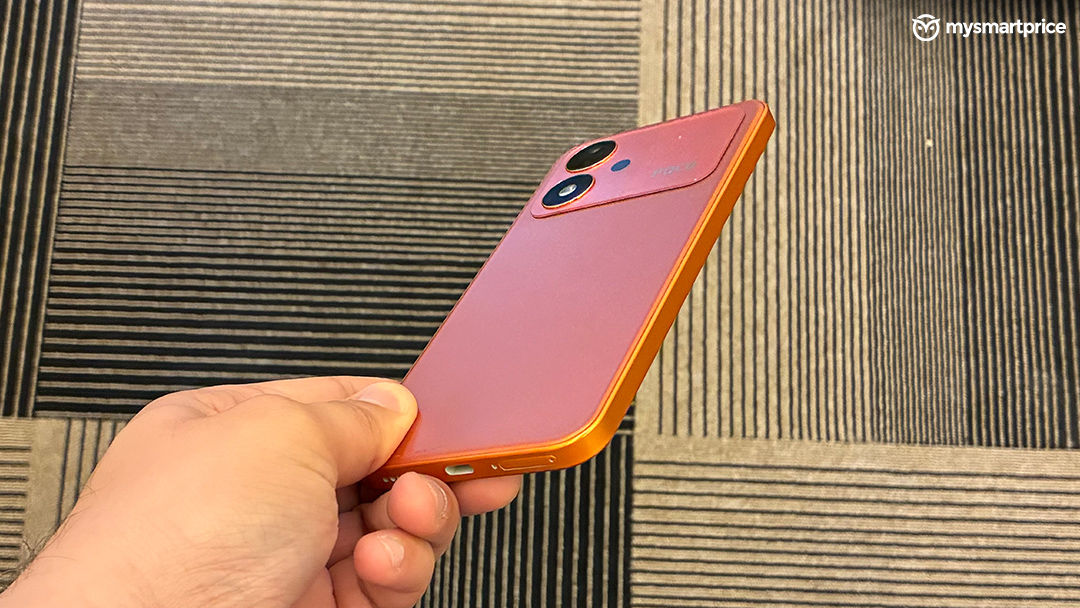
The finish we tested looks distinctive, although its particular colour treatment feels like something that would perhaps work better on a more premium device. The bigger consideration, however, is the physical size. With a 6.99-inch display and an 8,000mAh battery, this is a large smartphone, and there is no getting around that. Buyers who prefer compact or lightweight phones will find the M8 Power cumbersome. But if size isn't a concern, the overall build quality is perfectly respectable for this segment.
Display
The display is easily the M8 Power's biggest surprise.
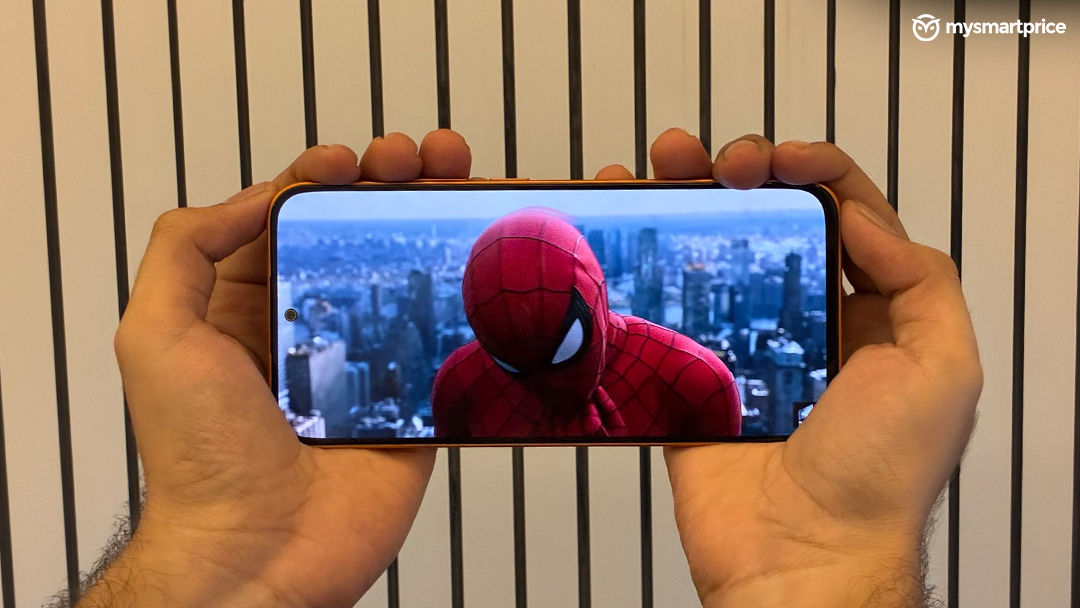
POCO has fitted a 6.99-inch AMOLED panel with a 120Hz refresh rate, which is a particularly strong combination at this price point. The bezels are noticeably thicker than what you'll find on more expensive smartphones, but once you start using the phone, they quickly become a secondary concern. The AMOLED panel delivers the characteristics you'd expect from the technology, with deeper blacks, stronger contrast and more vibrant colours than a conventional LCD. The 120Hz refresh rate also makes scrolling through social media, navigating menus and browsing the web feel considerably smoother. This combination makes the M8 Power particularly well suited to media consumption. YouTube, Netflix and other streaming platforms benefit from the large screen, while the AMOLED panel makes darker scenes considerably more immersive. POCO could have easily paired an IPS LCD panel and called it a day. Choosing AMOLED instead makes the phone considerably more enjoyable to use, and that decision goes a long way towards defining the M8 Power's character.
Performance
The M8 Power is powered by Qualcomm's Snapdragon 4 Gen 4, and this is where expectations need to be set correctly. This isn't a chipset designed for demanding workloads or serious gaming. It is much better suited to everyday tasks such as messaging, social media, web browsing, video streaming and regular app usage. Our testing produced an AnTuTu score of 625,331, while Geekbench 6 returned 952 in single-core and 2,269 in multi-core. The phone also scored 11,822 in PCMark. These numbers are consistent with our experience. For everyday usage, the phone is capable and dependable. The 120Hz display also helps the interface feel smoother than the raw performance numbers might suggest.
The limitations become more apparent once you start pushing the hardware. Heavy applications and demanding games aren't where the M8 Power feels most comfortable, and sustained performance isn't its strongest suit. The GPU results make that clear. The phone scored 36,565 in AnTuTu's GPU test, while its 3DMark Wild Life score stood at 188. Casual gaming is perfectly manageable, but if gaming is one of your primary reasons for buying a smartphone, there are more suitable options in this segment. The M8 Power is better understood as an everyday phone with a large, smooth display than as a performance device.
The 120Hz AMOLED display initially makes the M8 Power look more gaming-oriented than it actually is. Lighter games run reasonably well, and the high refresh rate makes supported titles feel smoother. However, demanding games require compromises in graphical quality, and the Snapdragon 4 Gen 4 simply doesn't have the GPU headroom of performance-focused competitors. This is not necessarily a weakness in isolation. POCO has clearly prioritised battery life and everyday usability over raw performance. The problem only arises if you buy the phone expecting its 120Hz display to translate into high-end gaming performance.
For casual gaming, it works. For serious gaming, look elsewhere.
Camera
The camera system is where POCO has made one of the more obvious compromises.
The M8 Power features a 50-megapixel primary rear camera, but there is no ultra-wide or telephoto camera to provide additional shooting flexibility. In good lighting and straightforward scenarios, the camera can produce perfectly usable images, particularly when you're photographing colourful outdoor scenes.










However, the limitations become obvious with more complicated subjects. Fine textures, intricate patterns and abstract objects don't retain the same level of detail, and the image processing can become noticeable when the scene gets challenging. The comparison is useful because it shows exactly where the M8 Power sits. Its camera is capable enough for everyday photography and social media, but photography isn't its strongest reason to buy it. The OnePlus N6 and vivo T5x offer more capable camera experiences, particularly if versatility and image quality are important to you.
Battery Life
Battery life, unsurprisingly, is where the M8 Power makes its strongest case.
The phone packs an 8,000mAh battery, which is among the largest capacities you'll find in this segment. In our PCMark battery test, the M8 Power lasted 19 hours and 39 minutes, which is a strong result and should comfortably translate into a full day and, for lighter users, potentially a second day of usage. Interestingly, the vivo T5x, despite carrying a smaller 7,200mAh battery, lasted 22 hours and 35 minutes in the same PCMark test. That result is a good reminder that battery capacity alone doesn't determine endurance. The chipset, display, software optimisation and power management all play a role. What makes the M8 Power's battery experience particularly appealing is the display it is powering. That gives users a considerably better experience for watching videos, browsing and scrolling without turning the phone into a device that needs to be charged every night. The trade-off is obvious: this is a big phone. The huge battery contributes to its size and weight, so the M8 Power isn't designed for someone who values a slim, lightweight handset above everything else.
Verdict
The POCO M8 Power is an interesting smartphone because it has a very clear identity. It isn't trying to compete with performance-focused phones on their own turf, and it doesn't pretend to be a camera phone either. Instead, it focuses on delivering a large and smooth 6.99-inch 120Hz AMOLED display, backed by an 8,000mAh battery that delivered nearly 20 hours in our PCMark test. The everyday performance is adequate, the build quality is respectable, and the display makes the phone particularly enjoyable for media consumption. The compromises are equally clear. The Snapdragon 4 Gen 4 isn't designed for demanding gaming, the single-camera setup lacks versatility, and the phone's large physical footprint won't suit everyone.
At ₹24,999, the M8 Power therefore makes the most sense for a specific kind of buyer: someone who values battery life, a large display and everyday reliability more than camera versatility or high-end performance. If you're a heavy gamer or someone who takes photography seriously, there are better options in the segment. But if your smartphone is primarily a device for watching content, browsing, social media, messaging and getting through long stretches away from a charger, the M8 Power has a compelling proposition.
POCO M8 Power
Rs 24,999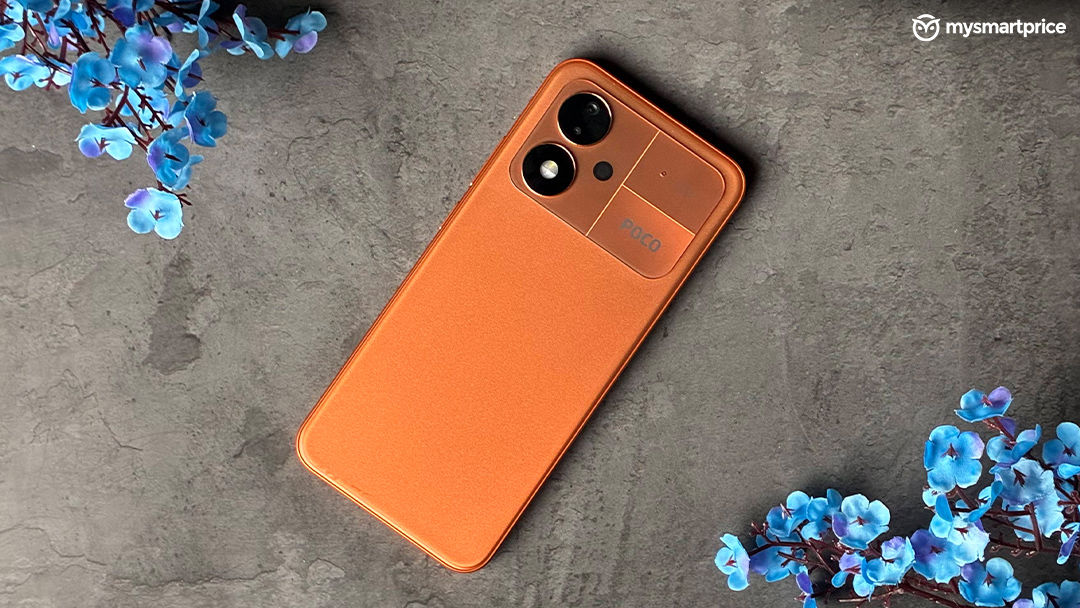
What Is Good?
- Excellent 6.8-inch 120Hz AMOLED display
- Strong battery life with 8,000mAh battery
- Smooth everyday performance
- Sturdy build quality
What Is Bad?
- Not ideal for heavy gaming
- Limited camera versatility
- Large and bulky design