LG is lining up a busy CES 2026, using the stage to signal where its consumer electronics and home appliance strategy is headed next. Ahead of the show in Las Vegas, which begins on January 6, the company has unveiled its first Dolby Atmos FlexConnect audio lineup, while also doubling down on large language model-powered AI across its ultra-premium Signature appliances.
The new audio announcement marks LG's entry into Dolby FlexConnect with what it calls the LG Sound Suite. This is the first time the company has bundled FlexConnect speakers with a soundbar, expanding beyond the more conventional fixed-placement home theatre setups. The lineup includes four products: the H7 soundbar, M7 and M5 surround speakers, and the W7 subwoofer. FlexConnect allows speakers to be placed anywhere in a room, with the system automatically calibrating audio output based on their position, removing the need for symmetrical layouts or precise speaker angles.
There is, however, a catch. The TV needs to support Dolby FlexConnect natively for the system to work as intended. LG has tried to soften this limitation by positioning the H7 soundbar as a "lead device", meaning users can connect the rest of the speakers to the soundbar itself and use the setup with non-FlexConnect TVs as well. This approach suggests LG is keen to reduce friction for buyers who may not yet own compatible televisions, particularly in markets where TV replacement cycles are longer.
The timing of the announcement is notable, especially in the context of India's rapidly expanding soundbar market. The segment is estimated to be worth USD 186.4 million in 2024 and is projected to grow to USD 423.2 million by 2033, driven largely by demand for wireless audio, Dolby Atmos support, and cleaner living-room setups that avoid bulky home theatre systems. Soundbars have increasingly become the default upgrade for users dissatisfied with built-in TV speakers but unwilling to deal with complex multi-speaker installations.
LG enters this space with strong brand recognition but faces intense competition. In India, Samsung and Sony remain dominant players, with Samsung leading the premium end and Sony covering both value and mid-range price points. Bose and JBL continue to appeal to users prioritising sound quality, while homegrown brands such as boAt, Mivi, and GOVO have aggressively captured the budget segment, particularly below ₹20,000. LG itself holds an estimated 17–18 percent share in the broader audio category, although this has softened in recent years as newer brands have undercut pricing.
The FlexConnect soundbar strategy appears to be LG's attempt to differentiate on technology rather than price. By focusing on placement flexibility, automatic calibration, and advanced formats like Dolby Atmos, LG is clearly targeting users who want premium experiences without the complexity of traditional surround sound systems. For Indian buyers, however, factors such as room size, TV compatibility, real-world Dolby Atmos performance, and after-sales support will remain critical considerations when choosing a new soundbar. Price sensitivity also cannot be ignored, especially as competition in the mid-range continues to intensify.
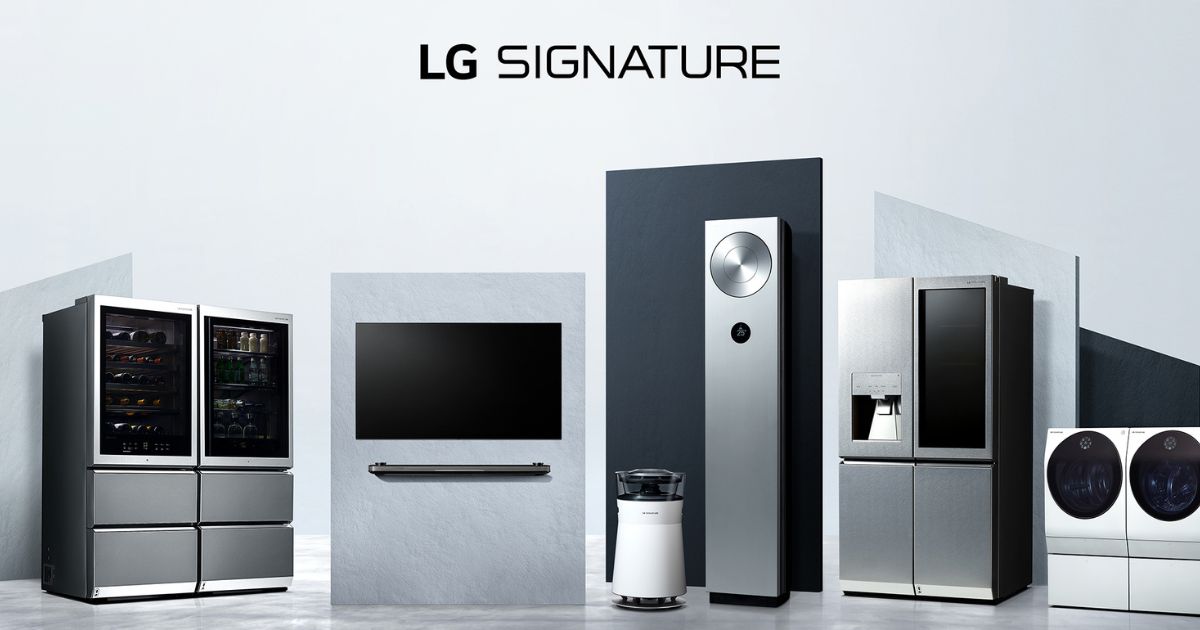
Alongside audio, LG is also using CES 2026 to reinforce its longer-term vision in home appliances. The company has announced its second-generation LG Signature lineup, marking 10 years of its ultra-premium appliance brand. Unlike earlier refreshes that focused on industrial design or incremental smart features, this update places artificial intelligence, specifically large language models, at the centre of the experience. LG plans to showcase 10 new Signature products at CES, positioning AI as a foundational layer rather than a bolt-on feature.
This mirrors a broader shift at CES, where appliance makers are increasingly talking about platforms and ecosystems instead of individual product upgrades. LG's framing is particularly ambitious. The company is pitching AI as an operating system for appliances, powered by LLMs and advanced sensors that allow products to understand context and automate decisions proactively. One example highlighted by LG is an AI-powered refrigerator capable of natural voice conversations. Instead of responding to simple commands, the appliance can interpret intent, such as automatically selecting the correct storage mode when a user asks how to store meat for a week.
This direction also puts LG in direct competition with Samsung, which has been outlining a similar AI-led roadmap through its Bespoke AI strategy. For LG, the Signature refresh is less about showcasing a single headline appliance and more about setting benchmarks in the global premium segment by making AI a core differentiator.
Taken together, LG's early CES 2026 announcements point to a company trying to unify its strategy across categories. Whether it is flexible, placement-agnostic audio systems or appliances that behave more like proactive assistants, LG is clearly betting on software intelligence and adaptability as key selling points. The real test, particularly in price-sensitive markets like India, will be how well these ideas translate from show-floor demos to everyday use, and whether consumers see enough tangible value to justify the premium.