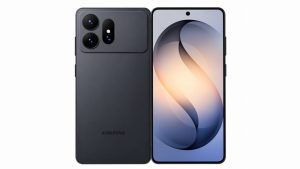
For a long time, being a fan of "small phones" felt like a series of compromises. If you wanted a device that didn't stretch your pockets to the limit, you usually had to settle for a smaller battery, a missing telephoto lens, or a second-class processor. We kept waiting for a "Mini" revival that never quite came.
But as we move through 2026, the industry has pivoted toward a much more deliberate strategy. The definition of "compact" has matured, settling into a sweet spot between 6.1 and 6.3 inches. While these aren't "small" by 2013 standards, they represent a peak in ergonomic engineering. This year isn't about making phones tiny; it's about making them usable.
What stands out in the 2026 lineup is a sense of intent. We are seeing brands like Samsung and Google refuse to "nerf" their smaller flagships. Whether it's the recently launched Galaxy S26 or the iPhone 17e, the message is clear: the compact flagship has finally grown up. It is no longer a "Lite" version of a better phone.
Vivo X300 FE
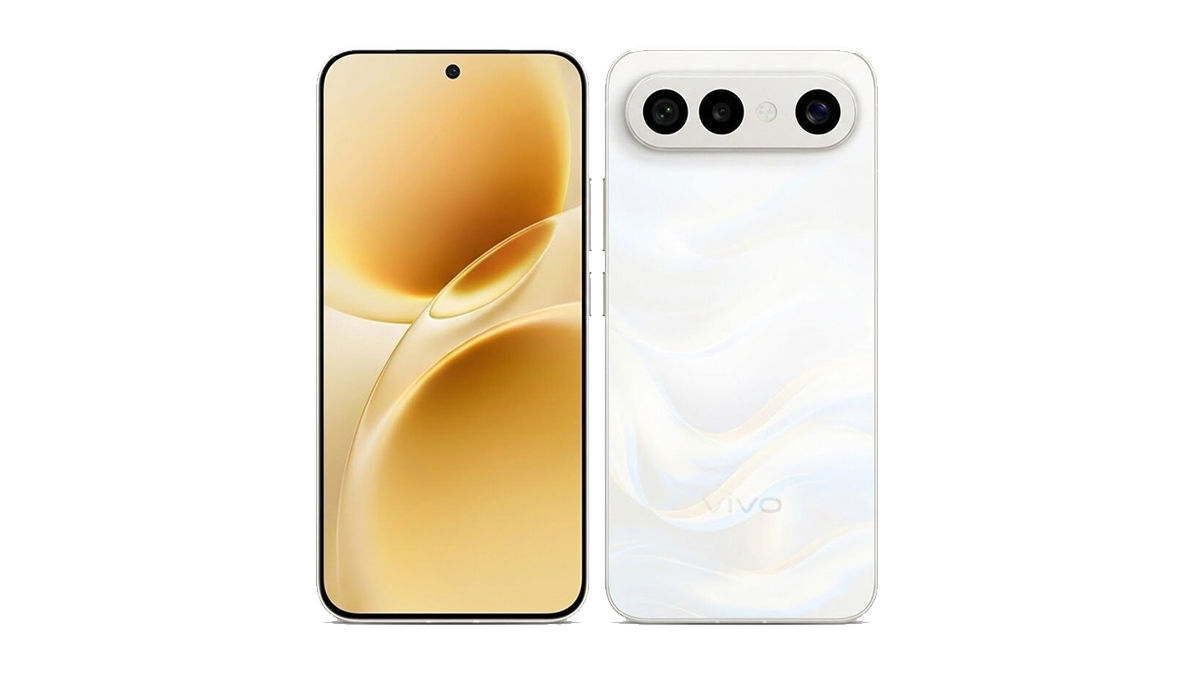
The Vivo X300 FE is one of the more interesting compact phones this year because it is not entirely new. It is essentially a reworked version of the China-exclusive Vivo S50 Pro Mini, which Vivo is expected to bring to global markets, including India, under the X-series branding.
The display sits at 6.31 inches, which keeps it firmly in the compact zone, but a Snapdragon 8 Gen 5 chipset handles performance. Camera hardware also leans premium. You get a triple setup led by dual 50MP sensors, which suggests imaging is still a priority here and not something that has been cut back.
Battery is where this phone shifts expectations. At around 6500mAh, it is significantly larger than what compact phones usually offer. This, combined with fast charging, changes the usual trade-off people expect in this segment. The device is also believed to be based on a China-first mini flagship, reworked for global markets.
Key specs expected in the Indian unit:
- 6.31-inch LTPO AMOLED display
- Snapdragon 8 Gen 5 chipset
- 50MP + 50MP + 8MP cameras, 50MP front
- 6500mAh battery
Pixel 11
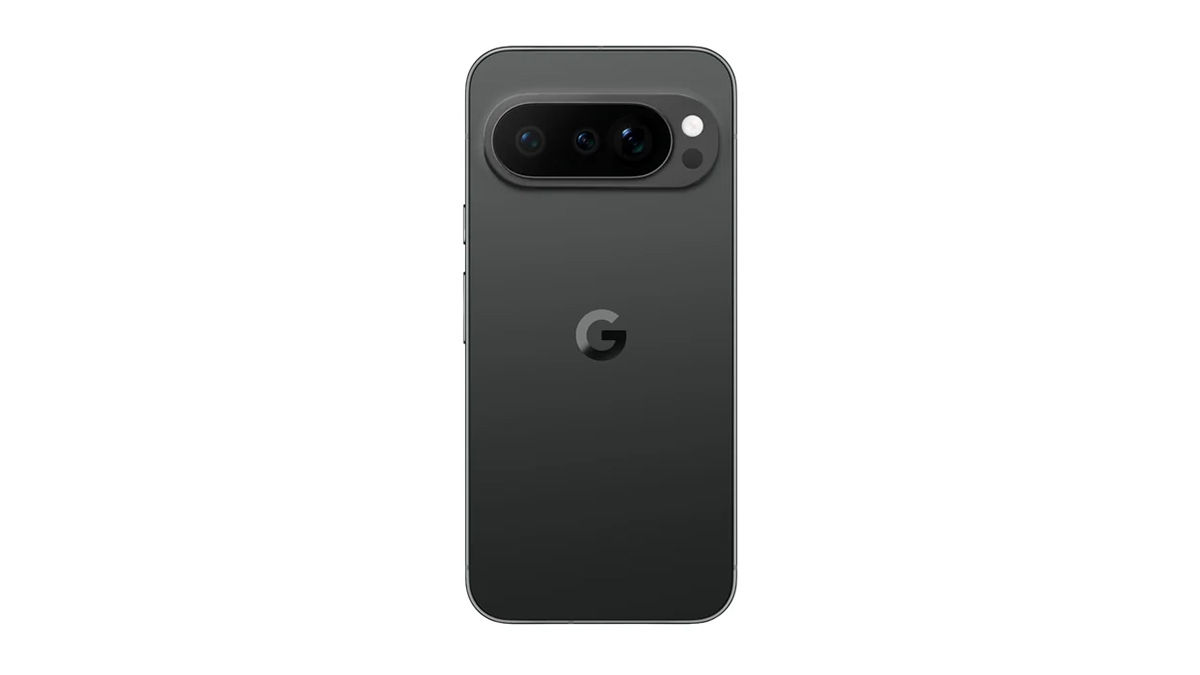
The Pixel 11 keeps things predictable, and that is not a bad thing.
The size is expected to stay around 6.3 inches, which has been Google's comfort zone for a while. Performance will come from the next-generation Tensor chipset, but the real focus will remain on software.
Camera performance is expected to rely heavily on computational photography rather than just sensor upgrades. That has been Pixel's strength, and there is no reason to expect a shift here.
Expected key specs:
- 6.3-inch display
- Expected next-gen Tensor G6 chipset
- Computational photography focus
- Clean Android experience with an expected 5500mAh battery
OnePlus 15T
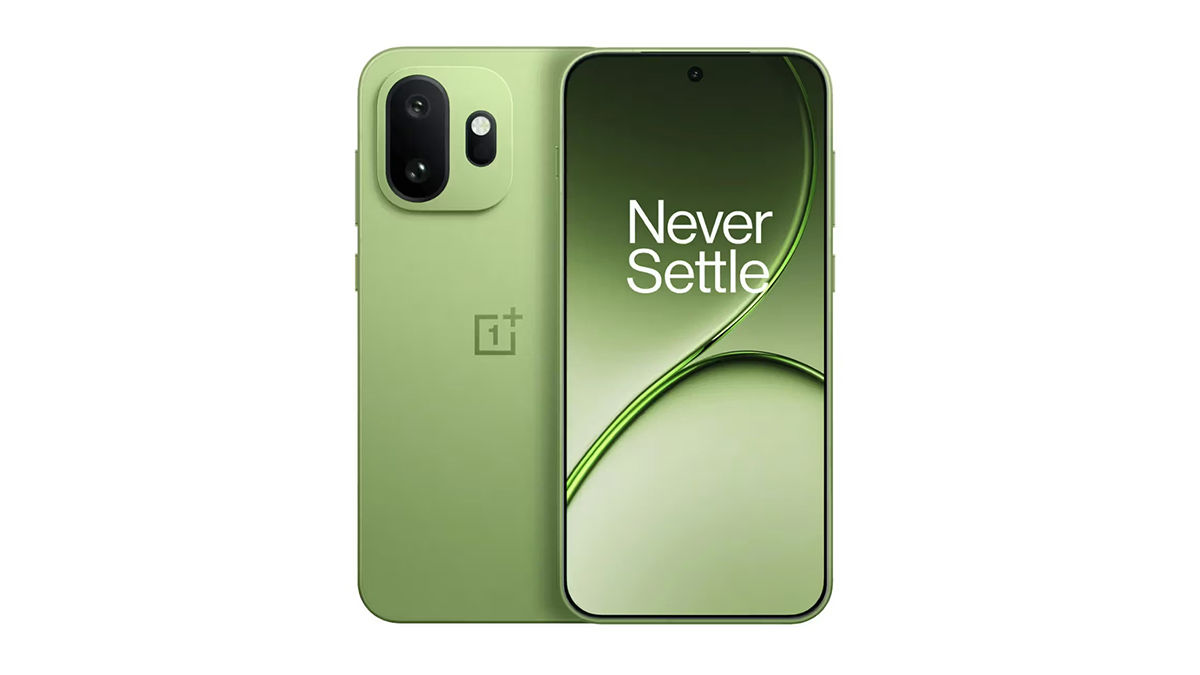
The OnePlus 15T looks like OnePlus is trying to change what a compact phone can be. Instead of accepting limits, it is pushing hardware harder.
The phone is expected to come with a display of around 6.3 inches, paired with flagship Snapdragon performance. Camera hardware is also more complete than usual for this size, including a telephoto lens, which is often missing in smaller phones.
Battery is the bigger story here. It has a much larger battery of 7500mAh than what we usually see in compact devices. That directly tackles one of the biggest compromises in this category.
Key specs:
- 6.32-inch display
- Snapdragon 8 Elite Gen 5 chipset
- Dual camera setup with telephoto
- Larger 7500mAh battery than typical compact phones
Apple iPhone 18/ 18 Pro

The iPhone 18/ 18 Pro is shaping up to be Apple's cleanest take yet on a compact flagship. The size is expected to be around 6.2 to 6.3 inches, keeping it aligned with the current Pro formula but with tighter bezels and a more refined in-hand feel.
Performance will come from Apple's next-generation A-series chipset, and as usual, raw power will not be the concern. What matters more is how Apple continues to optimize battery life and thermal efficiency within this smaller footprint.
Camera hardware is expected to stay premium, including a dedicated telephoto system. Apple has been consistent here, and unlike older compact iPhones, there is no real compromise on camera capability anymore.
Expected key specs :
- 6.3-inch LTPO OLED display
- Next-gen A20 series chipset
- Flagship camera system with telephoto
- Focus on efficiency and sustained performance
OPPO Find X9s Pro

The OPPO Find X9s Pro is where things get a bit more experimental within the compact space. OPPO is not just shrinking a flagship; it is trying to push camera hardware harder in a smaller body.
The display is expected to sit around 6.3 inches, keeping it within the compact bracket, but the headline feature is the camera system. Leaks suggest a dual 200MP setup, which is aggressive even by flagship standards and clearly positions this as an imaging-first device.
Performance is expected to be top-tier, and OPPO is likely to pair that with fast charging and a relatively large battery for the size. This is not a safe compact flagship; it is OPPO trying to stand out in a segment that is finally getting competitive.
Key specs:
- 6.32-inch OLED display
- MediaTek Dimensity 9500s chipset
- Dual 200MP camera system
- Fast charging with a relatively large battery
If you look at the bigger picture now, this category is no longer about choosing the "least compromised" phone. It is about picking your priority, whether that is battery, camera, or software, within a size that actually feels usable.
And for the first time in years, that feels like a real choice rather than a limitation.