Remember, there used to be a time when touchscreen foldables felt like concept cars? We used to admire the engineering, unfolding them in front of friends felt like a party trick, and you appreciated the ambition behind them. But living with a foldable phone was always like. The crease was always noticeable, battery life was disappointing, and the form factor made the phone feel like a device trying to figure that out.
Years later, when I was handed the Oppo Find N6, I realised that the foldables have finally evolved into complete devices, but the Find N6 is the most polished one. This is not because it has suddenly reinvented foldables, but because it addresses some of the major things that made foldables feel unfinished to me.
There's an important thing, though, which I need to address before moving further. I received the Chinese variant of the Oppo Find N6 to use and review, on which we couldn't download certain apps. This limited how extensively we could test the Oppo Find N6, as we would do with a global or Indian review unit.
So, instead of being a conventional review, this is more of an experiential take on the Oppo Find N6.
The Moment Oppo Find N6 Starts Making Sense
The first thing that stood out to me was not necessarily a headline feature or a dramatic spec, but it was the absence of any friction.
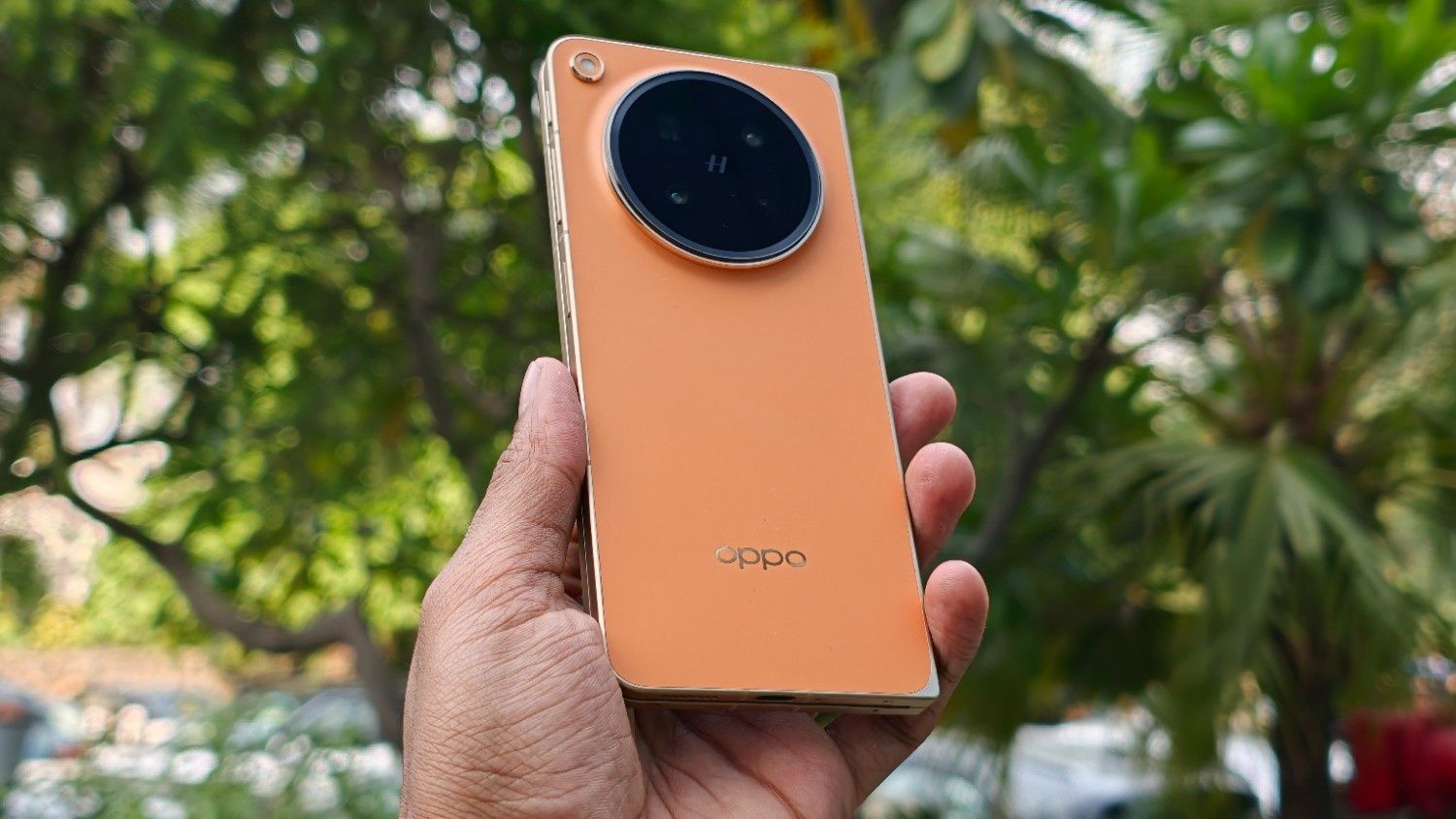
When you fold the phone, it feels really close to a regular flagship phone instead of feeling like two phones awkwardly glued together. Even today, several book-style foldables feel thick, are oddly weighted, and are not too comfortable to handle.
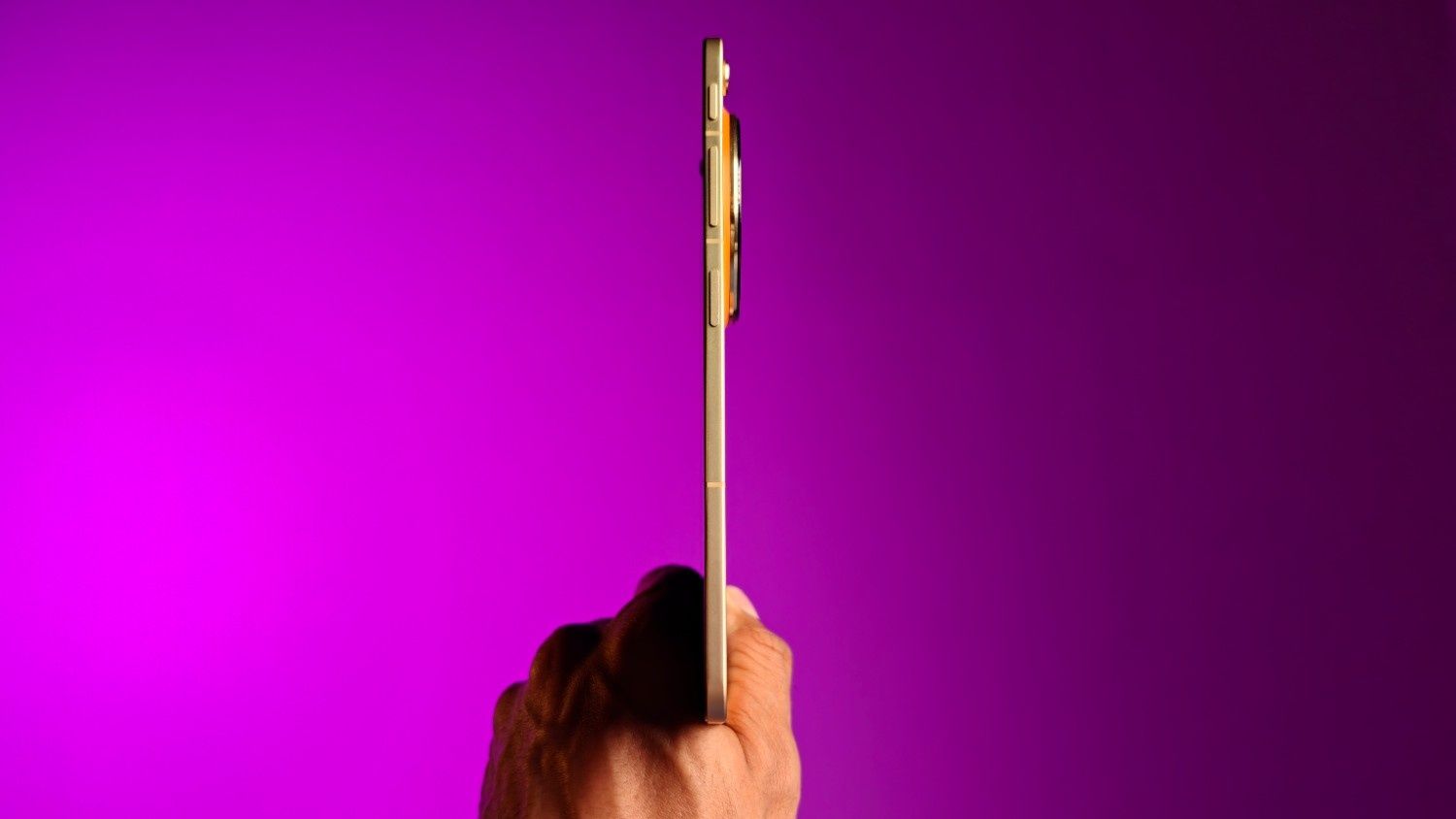
The Oppo Find N6 has a slimmer profile with balanced weight distribution and a refined hinge. All of this collectively makes the experience better. When you pull it out of your pocket, it doesn't feel like you're announcing to the world anymore that you're carrying experimental hardware; it sits comfortably.
Honestly, that might be one of the biggest compliments that you can give a foldable in 2026.
The Design Finally Feels Practical, Not Just Impressive
One of the biggest reasons behind that is the overall design. The book-style foldable measures 8.9 mm when folded (similar to the iPhone 17 Pro Max) and 4.2 mm when unfolded (exactly the same as the Galaxy Z Fold 7), which puts it in the same conversation as some of the slimmest foldables we have seen so far. It also has a Titanium Flexion Hinge, which not only helps with the slimmer profile but also reduces the crease visibility to an extent.
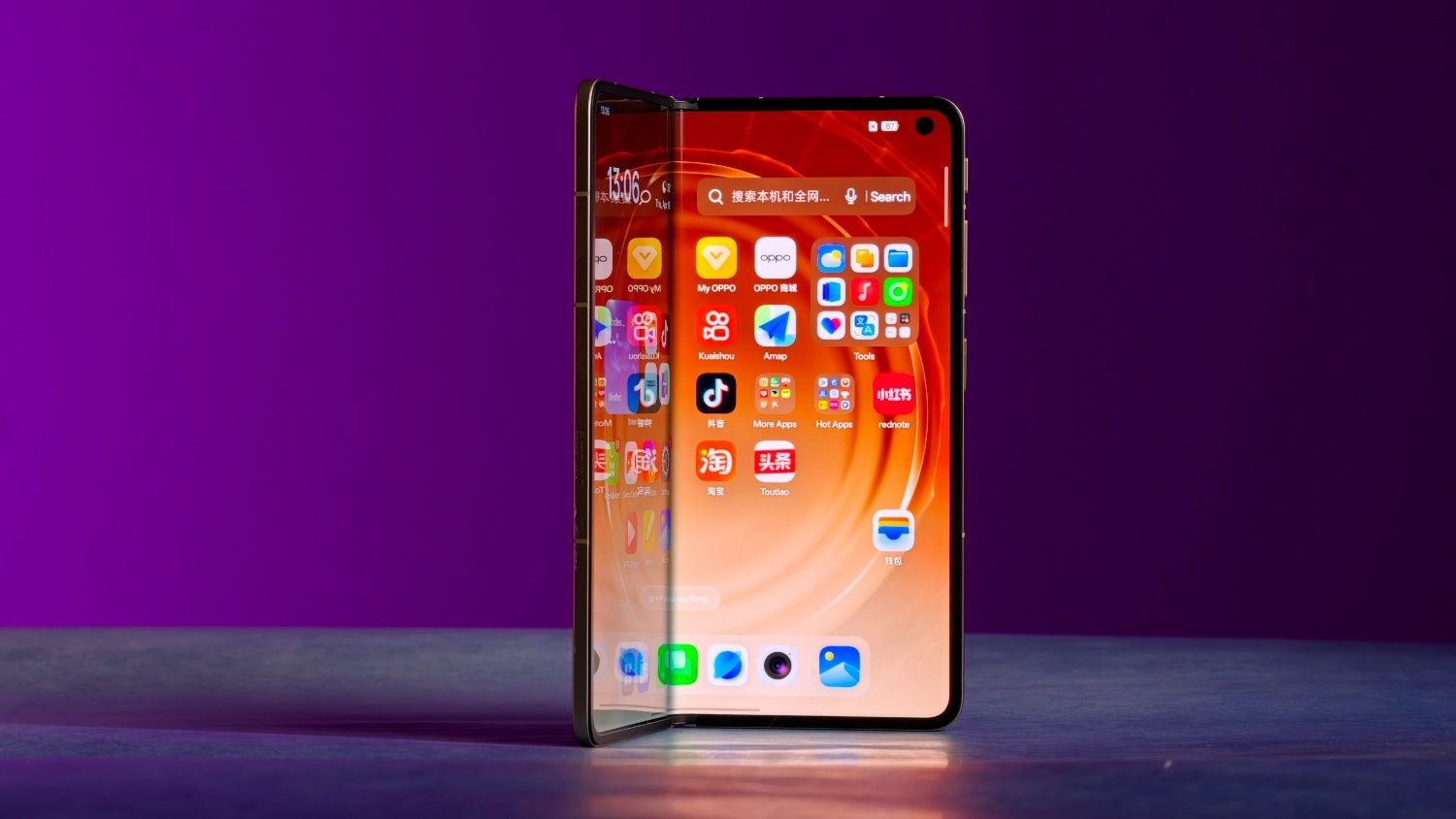
With that said, the crease, yes, is still there, technically, but physically, you can't tell it's there. I've been using this phone for two weeks now, opening and closing it multiple times every day, yet I can hardly spot the crease. Over time, it may become slightly more visible, but for now, it feels more like an achievement in the world of foldable smartphones.
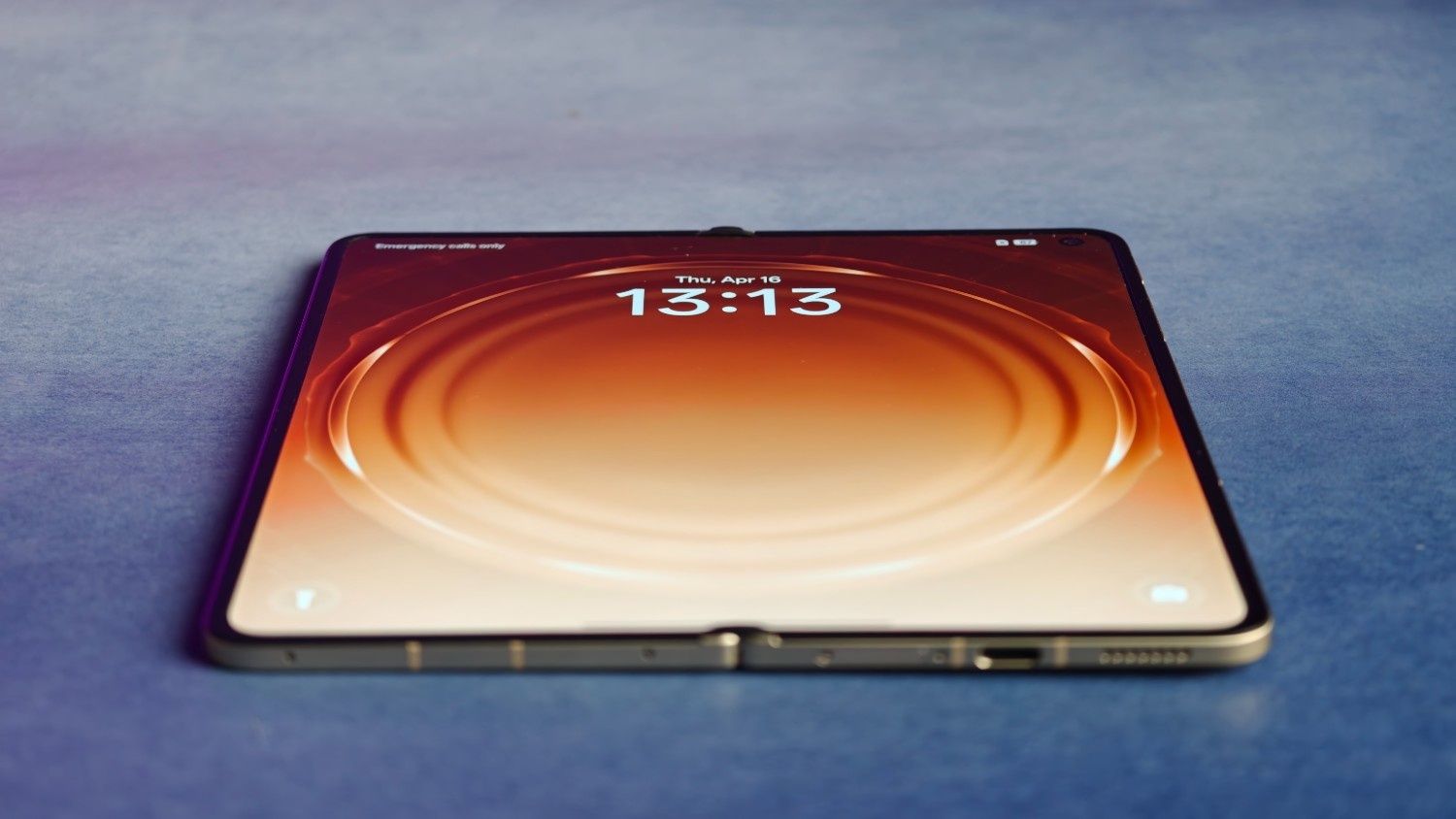
The hinge also feels sturdy enough during everyday use. There is a certain firmness while unfolding the device that makes it feel reassuring without becoming difficult to open. If you have used a book-style foldable before, you know what I am trying to say.
Although the dust and water protection is a little outdated. You get IP56, IP58, and IP59 ratings, which aren't industry-leading but work.
The Foldable Display Is The Star Of The Show
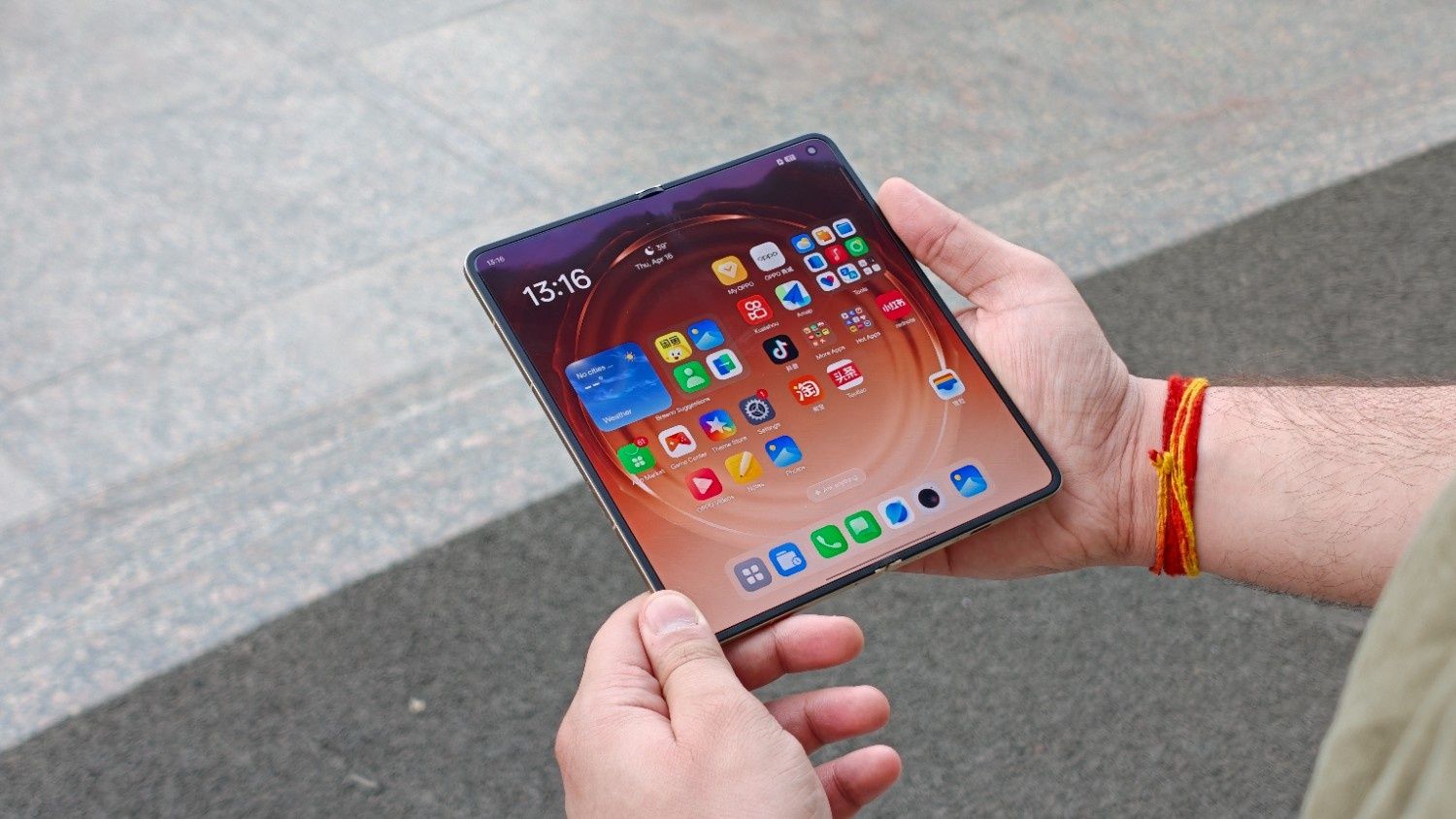
Then comes the display experience, which is honestly the main reason to buy foldable smartphones in the first place. The Oppo Find N6 features a 6.62-inch LTPO OLED cover display and a large 8.12-inch LTPO OLED inner panel with a 120Hz adaptive refresh rate. Both displays look vibrant, animations feel smooth, and the overall viewing experience feels flagship grade.
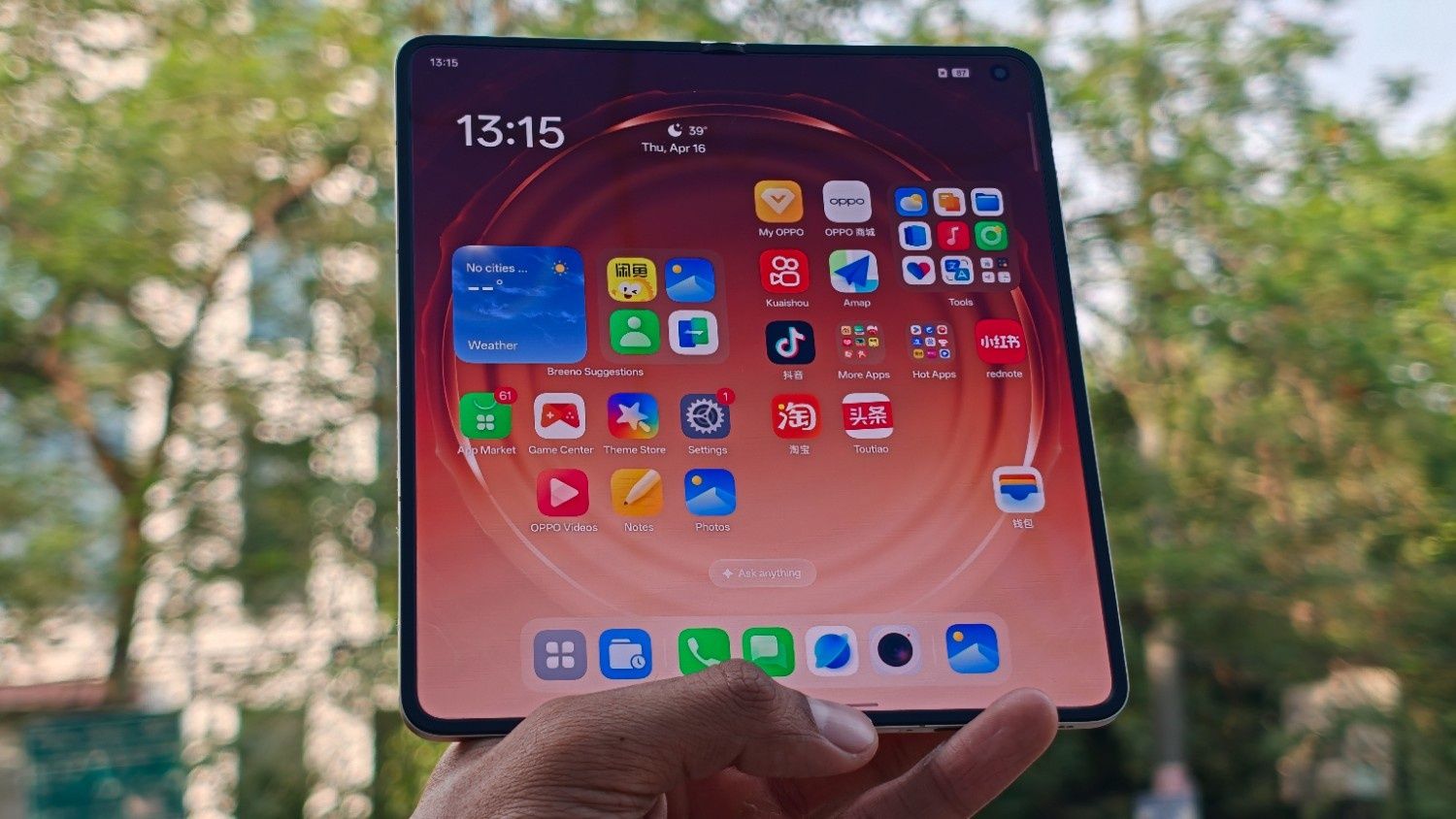
I watched a lot of content on this device, even did some multitasking, and the experience throughout was pretty smooth. As usual, the inner display feels more comfortable for content consumption. The almost square-ish aspect ratio still leaves black bars while watching videos, which is something common across most book-style foldables, but the larger screen still makes binge-watching noticeably more immersive compared to regular flagship phones.
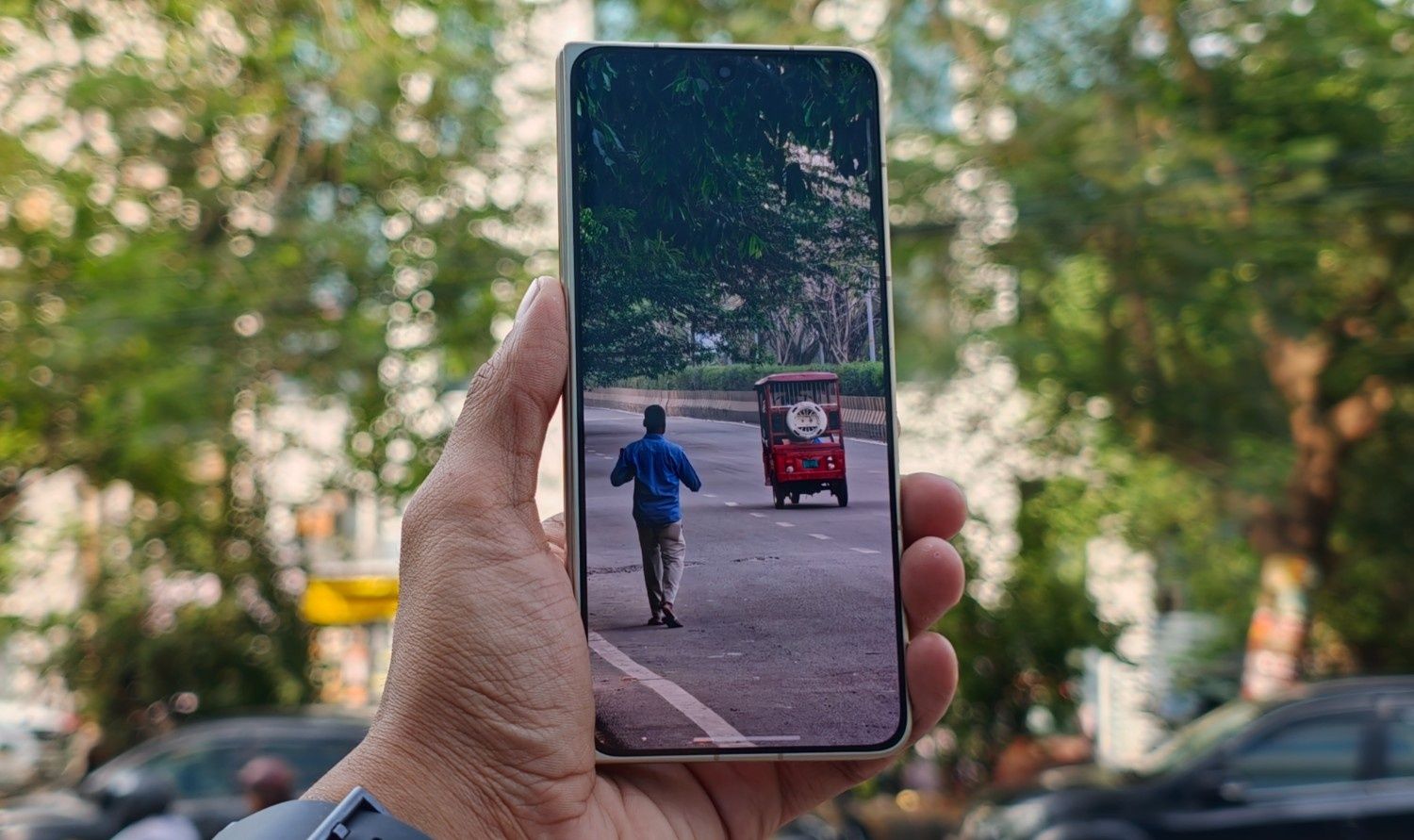
Coming to brightness levels, since it's a flagship device, of course, you will have excellent indoor brightness, but even outdoors, the main display is vividly visible. Colours look punchy without appearing oversaturated, and the overall panel quality feels premium. Although outdoor visibility on the inner display is decent in daylight, under harsh sunlight, it could have been slightly better.
Oppo Is Finally Treating Foldable Cameras Like Flagship Cameras
Another area where foldables couldn't perform like flagship phones is camera, but in recent years, brands like Samsung and Google Pixel have changed that perception, too. Oppo has also jumped onto that boat with its Find N6.
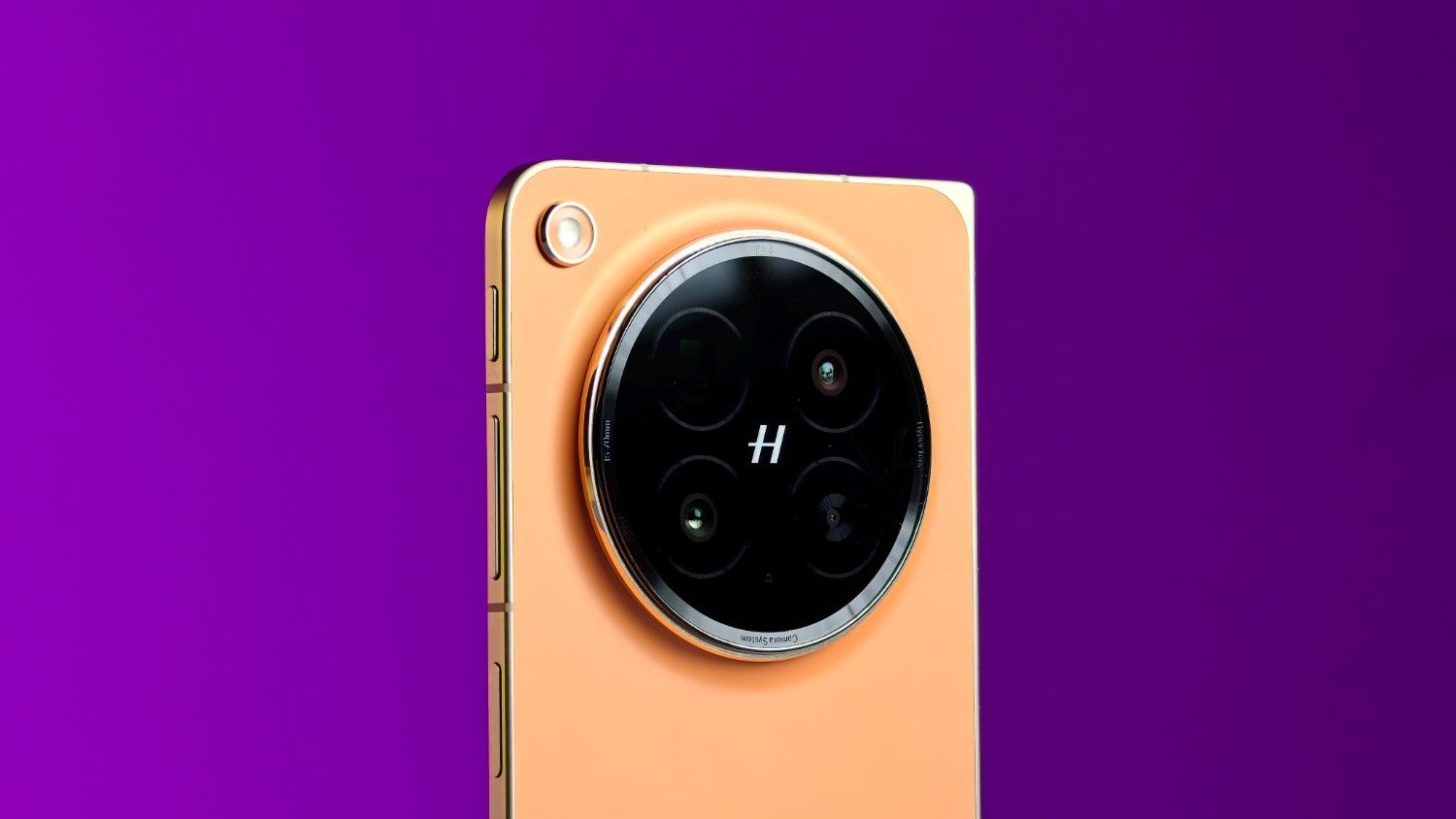
The phone features a 200-megapixel primary sensor, a 50-megapixel telephoto camera with 3x optical zoom, and a 50-megapixel ultra-wide-angle lens, tuned by Hasselblad. Just like every Oppo flagship phone.
During my use, the primary camera gave me reliable results in daylight with balanced colours, good dynamic range, and fairly controlled highlights. Portraits also came out well from the telephoto sensor in daylight, which is also the strongest camera in the setup.
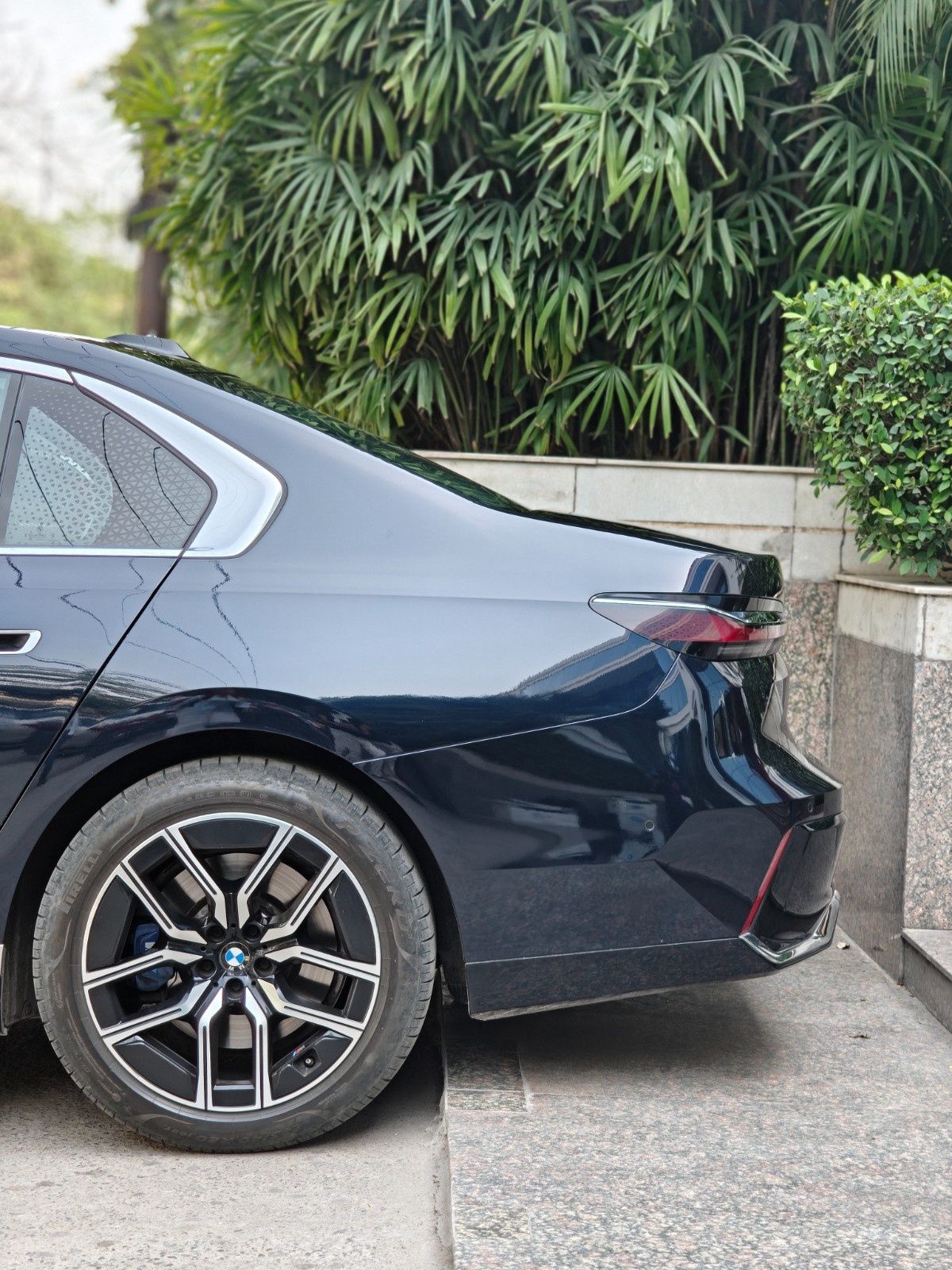






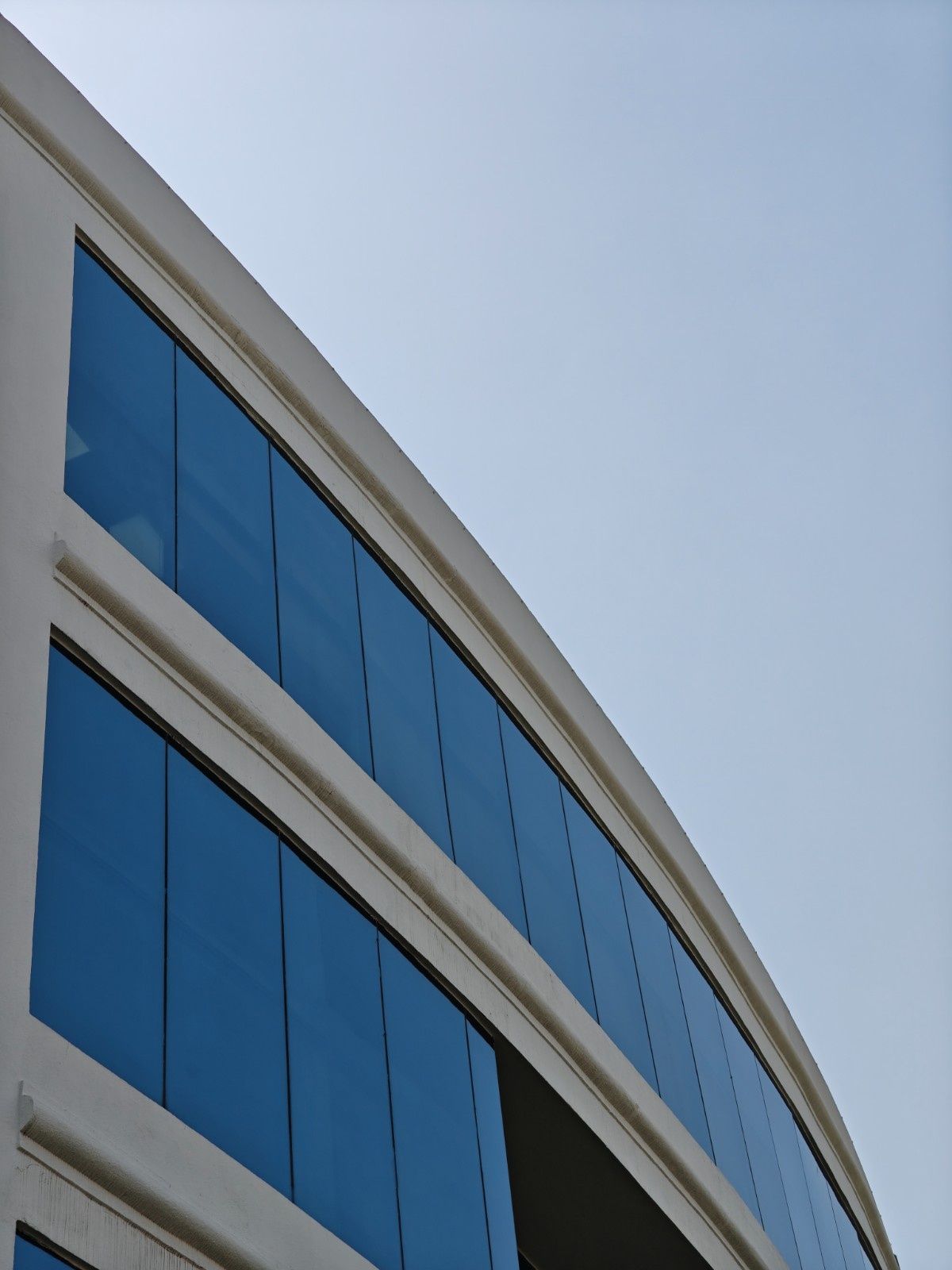
However, the low-light photography didn't feel very powerful on this phone. Photos taken under artificial lighting often look warmer than the actual scene, which makes it feel like the camera is trying a little too hard to brighten things up. Alongside that, the shutter speed slows down quite a bit in low light, so even slight movement can make shots look soft instead of properly crisp.




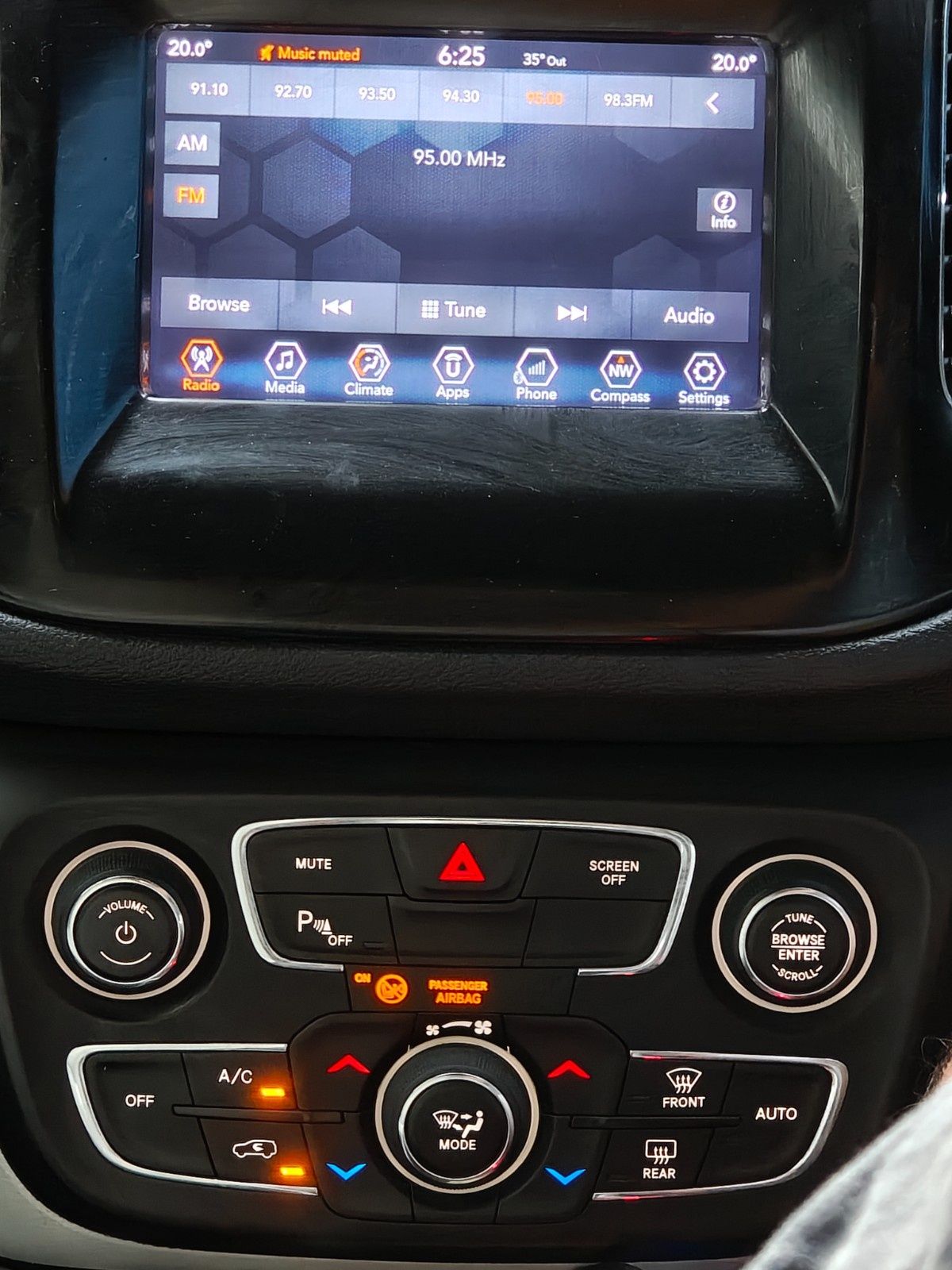


The reason I noticed this instantly is that I'm currently using Oppo's Find X9 Ultra as my primary phone. That phone is absolutely insane when it comes to cameras, especially in low light. So naturally, while using the Find N6, I couldn't help but compare the cameras on these two. And honestly, that comparison is what made me realise that while the Find N6's cameras are good for a foldable, they still don't quite reach the level of Oppo's true flagship experience in low-light photography.
An Oppo Phone with a Snapdragon 8 Elite Gen 5 Chip!
The Oppo Find N6 is powered by the Snapdragon 8 Elite Gen 5 chipset, which is paired with up to 16GB RAM and 1TB storage.
As I mentioned earlier, we got a Chinese variant to use, so the testing remained limited, but during my everyday usage, the phone handled pretty much everything smoothly without any noticeable lag. Whether it was running multiple apps side-by-side or switching between applications.
Slim Design, Surprisingly Large Battery
The 6000mAh battery is one of the highlights despite its slim design. As I said, I wasn't able to use it to the fullest, but on a single charge, this phone lasted almost 2 days for me. Even with mixed usage involving the inner display, a little bit of scrolling, watching videos, and camera usage.
Of course, if you constantly use the inner display for extended binge-watch sessions, you will have to charge it by the end of the day. Speaking of which, the charging speed is fairly quick with 80-watt fast charging support, and the cherry on top, you get 50-watt wireless charging too.
Oppo Find N6 Feels Like A More Complete Foldable
After spending time with the Oppo Find N6, I think what stood out to me was how balanced the overall experience felt. The slimmer design, refined hinge, large displays, capable camera setup, and improved battery life collectively make the phone feel more practical than many foldables I've used before.
That said, there are still some unanswered questions. Since this was the Chinese variant, the raw performance and software experience remain difficult to fully judge, especially from an Indian usage perspective. Long-term durability is also something that only time can answer, as with every foldable.
Will Oppo launch the Find N6 in India this year? That is highly unlikely, but the brand might launch its successor in the coming years. So, stay tuned!