India once had a thriving market of homegrown smartphone brands, but most of that space is now dominated by Chinese companies. Lava is one of the few Indian brands still active. Its focus has been on offering a balanced mix of features at an affordable price rather than trying to outdo competitors at any cost. The Agni 4 reflects this approach. How well it works in practice is what we explore next.
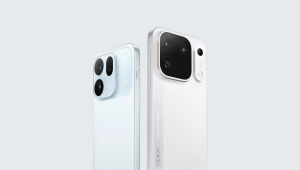
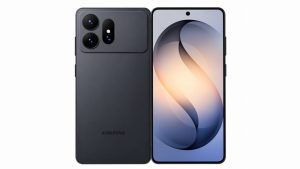
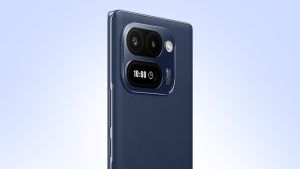
One of the most noticeable changes in the Agni 4 is its build. Lava has replaced the Agni 3’s polycarbonate frame with an aluminium alloy chassis, which the brand claims makes the phone more durable. The new metal body also brings a refreshed design, including a redesigned camera module that resembles the one on the LG V50.
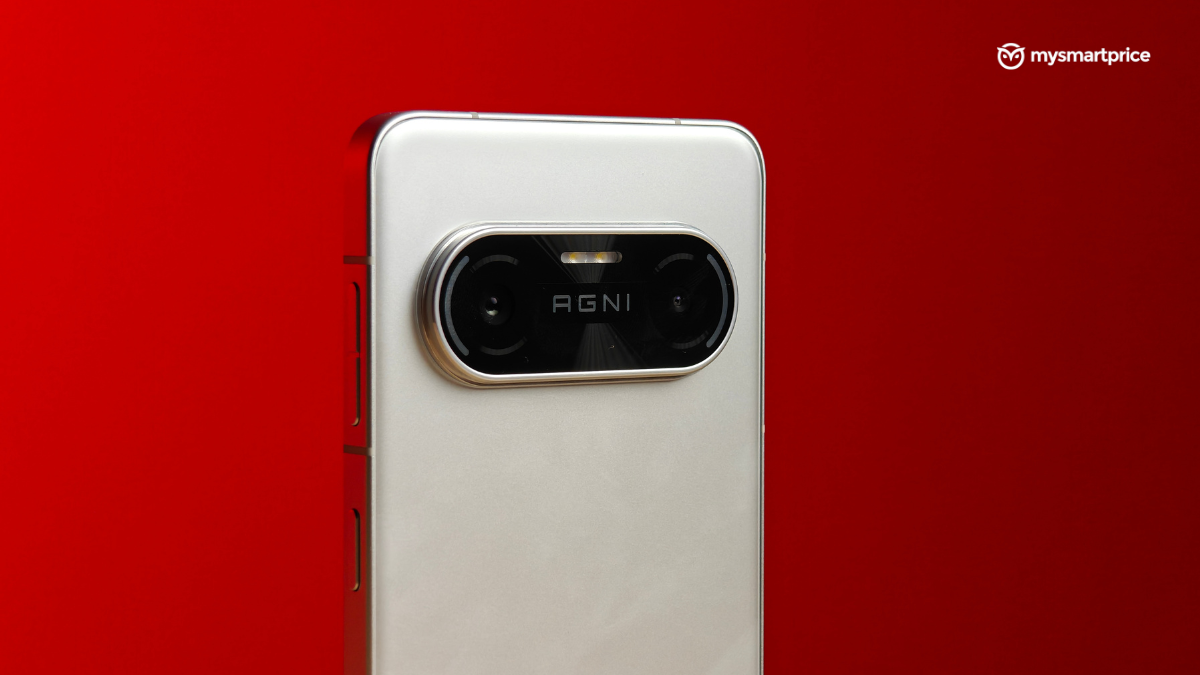
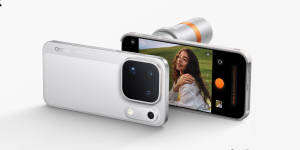
Speaking of cameras, the Agni 4 sticks with the same 50-megapixel primary sensor with OIS that we saw on the Agni 3. The big change is on the secondary lens: Lava has swapped out the telephoto camera for an 8-megapixel ultra-wide unit. For users who enjoy shooting landscapes, group photos, or dramatic wide-angle frames, this upgrade will feel more meaningful in day-to-day use.
The trade-off, though, is clear on paper. Without a dedicated telephoto lens, the Agni 4 may fall short of its predecessor when it comes to portrait shots. The real question is whether Lava has tightened its software processing enough to compensate. Only real-world testing will reveal if the brand has managed to bridge that gap. We already have the device with us and will be reviewing this aspect in detail, along with the rest of its camera performance.
The battery is an area where the Agni 4 doesn’t offer any enhancement over its predecessor. It still packs a 5,000mAh battery with support for 66W fast charging.
Performance is where Lava has tried to shake things up on its new smartphone. Under the hood, it is powered by the MediaTek Dimensity 8350 SoC, which is also found in phones such as the OnePlus Nord CE5 and the Realme P3 Ultra. Since these phones have proven their performance chops in our tests, the Agni 4 is likely to impress in much the same way. We will evaluate it further to get a better understanding of its performance.
Lava has also integrated a 4300 mm² vapour chamber inside its new devices to facilitate sustained performance over an extended period. Regarding the storage configuration, it is equipped with an 8GB LPDDR5X RAM and 256GB UFS 4.1 storage.
The Agni 4 runs on stock Android 15 with no bloatware and a refreshed interface. Lava has gone against earlier expectations by updating the software. The phone also introduces several AI-powered features, including a new virtual assistant called Vayu AI, which can handle tasks like opening apps and answering basic questions using voice commands.
Additionally, this new smartphone features AI-powered tools well-suited for the Indian subcontinent, which are listed below:
- AI Math Mentor – provides step-by-step solutions for complex mathematical problems.
AI English Teacher – facilitates interactive English learning and practice. - AI Horoscope – delivers personalised horoscope readings and insights.
- AI Male & Female companions – virtual entities offering conversational and emotional support.
- AI Text Assistant – rewrites text, translates documents, and performs error correction.
- AI Call Summary – transcribes calls, summarises conversations, and identifies speakers.
- AI Photo Editor – allows object removal, background edits, and image extensions.
- AI Image Generator – converts text, images, or sketches into new visuals.
- AI Document & Image Analyser – extracts and summarises information from documents and images.
Apart from the firmware-level features, Lava continues to offer an Action Key on the side of its new smartphone. With this physical button, users can trigger over 100 shortcut combinations, such as capturing photographs, switching to vibration mode, and more.
To ensure the phone’s long life, Lava has promised three years of Android upgrades and four years of security updates.
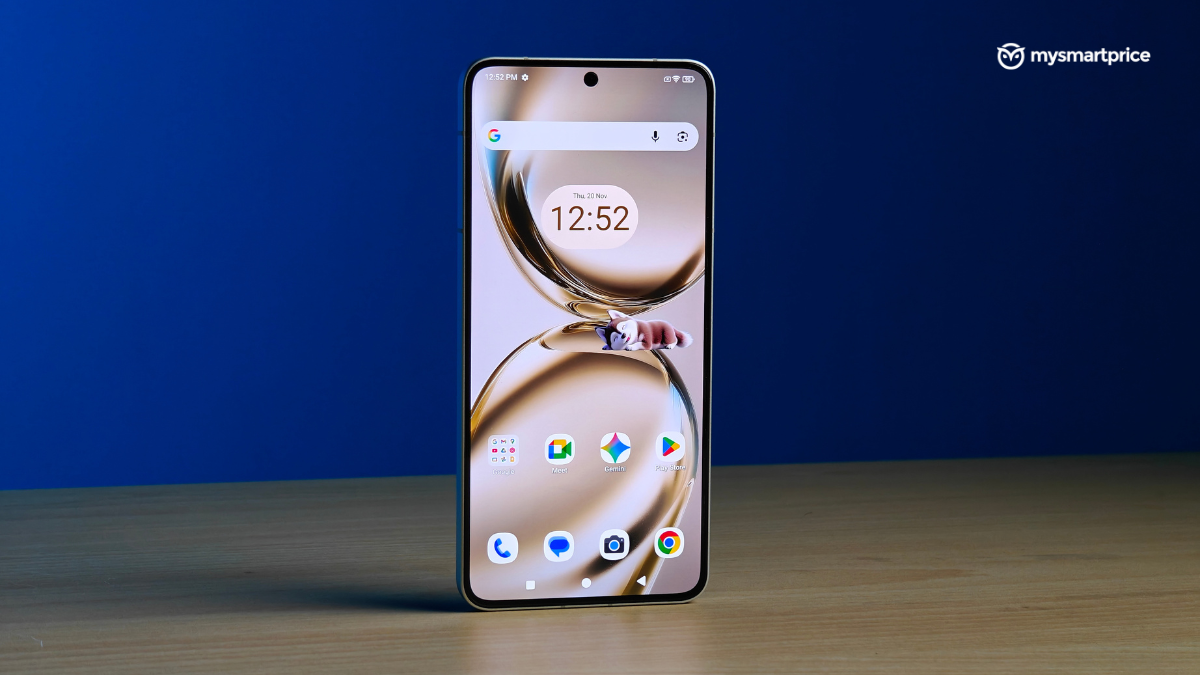
Next up is the display, which complements the software features in delivering the overall experience. The Agni 4 features a 6.67-inch AMOLED panel with a 1.5K resolution and a 120Hz refresh rate. It also has stereo speakers.
In terms of connectivity, it supports Wi-Fi 6E and Bluetooth 5.4. However, what’s surprising about this smartphone is that it also supports USB Type-C 3.2, which will allow users to stream content from their device to a monitor. This feature is generally exclusive to models priced above Rs 30,000.
Where does the Lava Agni 4 stand in the Mid-range segment?
Priced at Rs 24,999, the Agni 4 enters a competitive mid-range market alongside the POCO X7 Pro and the Nothing Phone 3a. While the POCO X7 Pro leans heavily on raw performance, and the Nothing Phone 3a emphasises a clean interface and distinctive design, the Agni 4 seems to focus on balance.
It combines a durable metal build with a streamlined software experience and practical AI tools aimed at everyday use. The inclusion of features such as Vayu AI and the Action Key suggests Lava is looking beyond specs to enhance usability. By offering a feature-rich package at an accessible price, the Agni 4 highlights how Indian brands are adapting to remain relevant in a market dominated by foreign competitors.