November has brought a wave of flagship announcements, with several brands introducing their next big releases. Realme is among them, presenting a refreshed direction for its GT lineup. The new GT 8 Pro marks the company’s attempt to create a more balanced flagship, stepping away from the performance-led identity of previous models. The question now is how this shift shapes the GT series going forward.
The camera setup is where this shift becomes most apparent. For starters, it is the first Realme smartphone to feature a 200MP Samsung HP5 Periscope camera, which has a sensor size of 1/1.56″ and an aperture of f/2.6. Moreover, it features OIS and supports 3x optical zoom. When stacked against its predecessor, you can expect more defined images of distant objects, better portrait photographs, and crisp close-up macros from the GT 8 Pro.
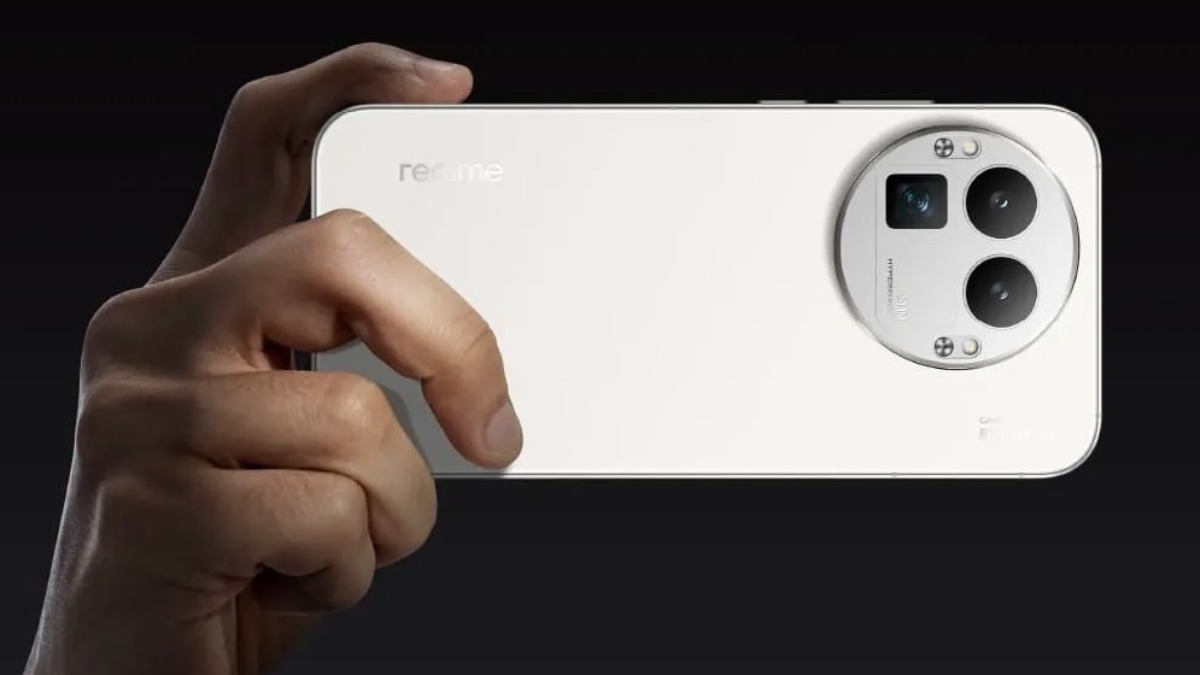
Speaking of the rest of the optics, Realme has carried over the primary camera from the GT 7 Pro. This means the GT 8 Pro continues to utilise the same 50-megapixel sensor, featuring an f/1.8 aperture and a 1/1.56-inch sensor size. That said, the brand has finally retired the 8-megapixel ultra-wide sensor and replaced it with a new 50-megapixel OV50D sensor on its latest premium smartphone. This upgrade also brings a wider f/2.0 aperture. In effect, this should allow Realme’s flagship to capture wider-angle photos that are clearer and brighter than those from the GT 7 Pro.
The display houses a 32-megapixel front camera, which is twice the megapixel count on the GT 7 Pro.
Overall, compared with the previous model, the GT 8 Pro introduces significant on-paper changes to its entire camera system. It brings a stronger telephoto setup, a much higher-resolution ultra-wide lens, and a sharper selfie camera. To further refine this hardware, Realme has also partnered with Ricoh, the Japanese brand known for its street-photography-focused cameras, to tune key aspects of the device’s imaging pipeline.
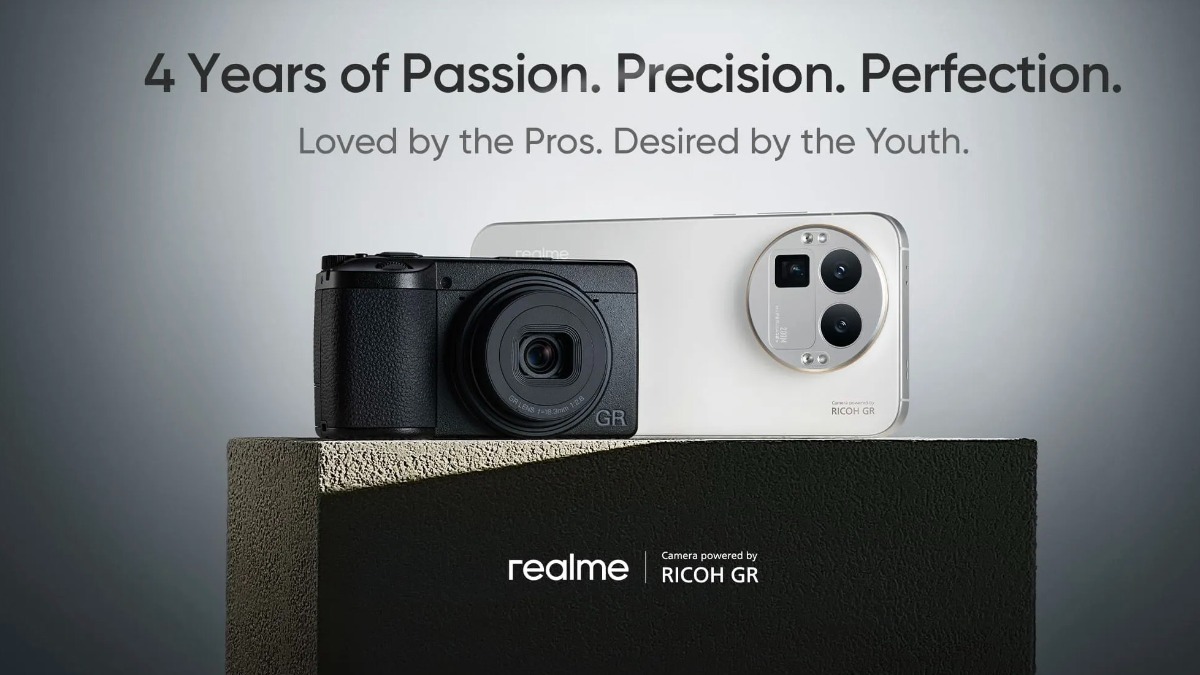
Realme has equipped the system with an ultra-high-transparency lens group that meets the Ricoh GR standard. This brings stronger anti-glare control, improved clarity, and reduced distortion.
The GT 8 Pro also introduces a dedicated Ricoh GR mode with fast startup, the GR IV shutter sound, Snap Mode, and a minimalist Viewfinder Mode. Realme has added five Classic Ricoh GR tones, which include Standard, Positive Film, Negative Film, Monotone, and High Contrast Black and White. A Customised Tone mode goes a step further by allowing users to create their own styles through adjustable effect parameters.
Beyond just hardware tuning, Realme has revamped the overall aesthetic of the camera module on the GT 8 Pro. At first glance, it resembles the face of a robot. However, what’s more exciting about its appearance is that it allows users to attach different interchangeable housings.
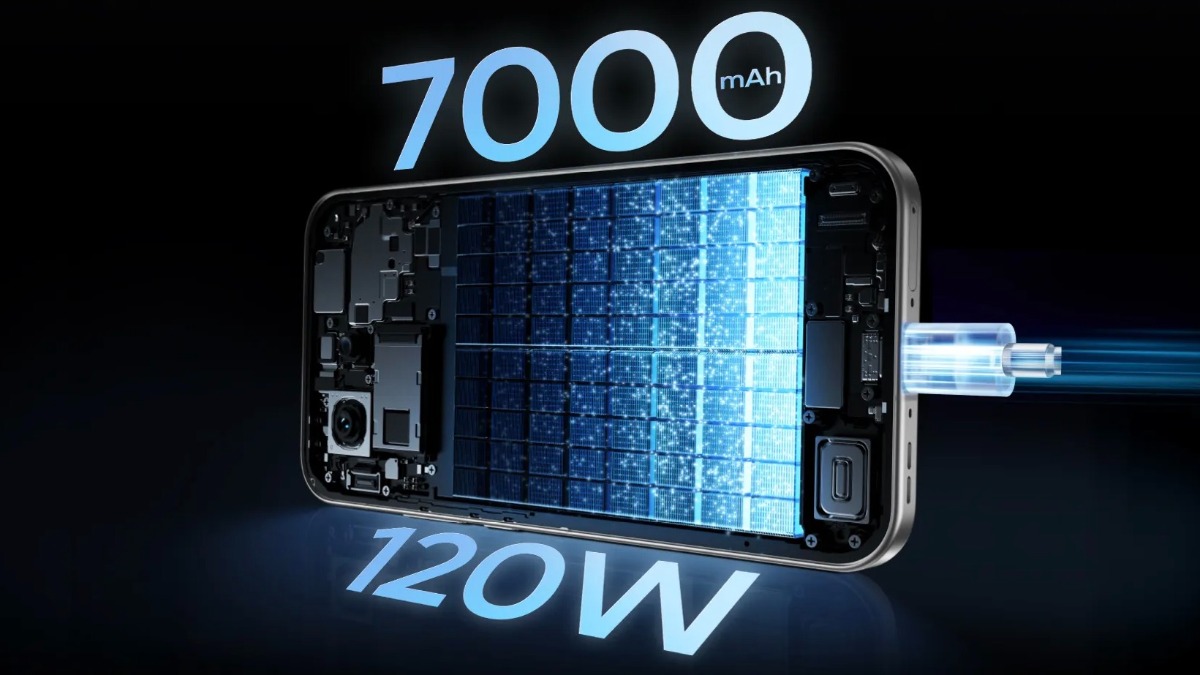
Besides upgrading the camera system, the brand has also stepped up its game in the battery department and the GT 8 Pro packs a 7,000mAh silicon battery, which is 1,300mAh larger than the previous year’s model. In terms of charging, the battery of this new Realme flagship can now be topped up using a 50-watt wireless charger.
On the display front, the GT 8 Pro swaps the quad-curved panel for a flat OLED panel, which measures 6.79 inches diagonally. Its resolution has bumped up to 2K, and it now supports a 144Hz refresh rate. While the higher 144Hz refresh rate sounds smoother than its 120Hz counterpart on the GT 7 Pro, the difference is hardly perceptible to a trained eye. Moreover, it has been strengthened with Crystal Armor Glass protection.
Given the capabilities of this chipset, users should see improvements in graphical performance, including support for demanding frameworks such as Unreal Engine 5. The processor’s dedicated NPU is also built to handle on-device AI tasks, so it should be able to perform functions like text summarisation, photo edits, or basic code generation to run locally without depending on cloud processing. Realme has also enabled Agentic AI features that are intended to learn usage patterns and perform simple actions across apps.
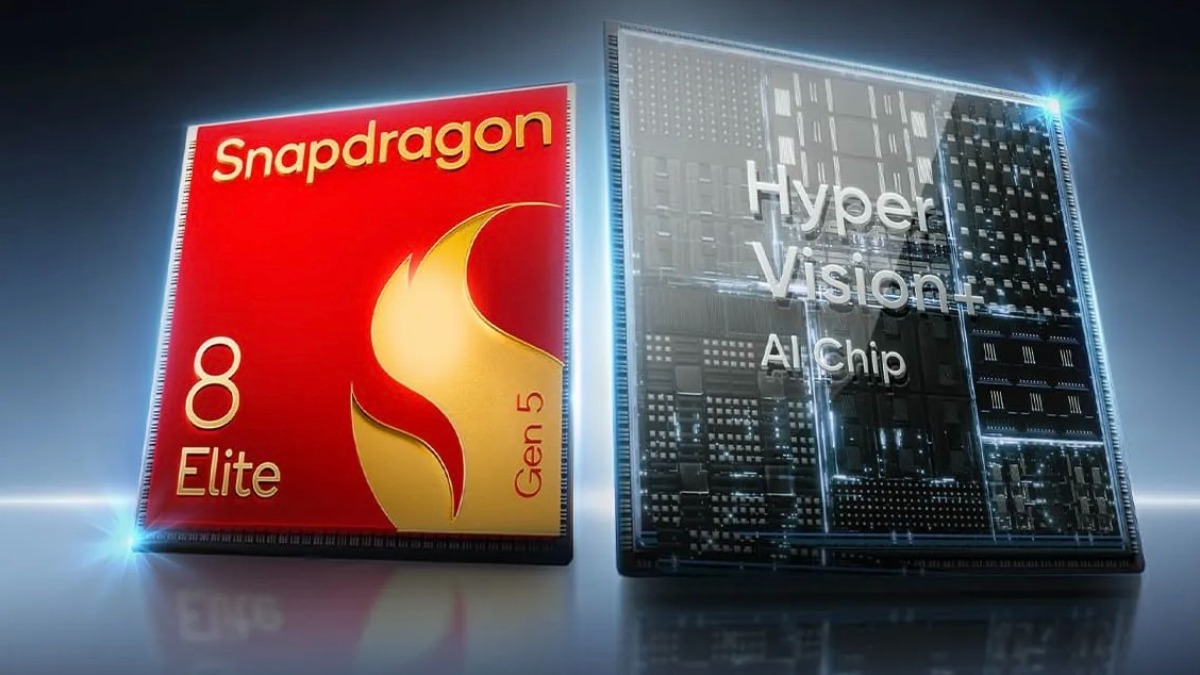
The GT 8 Pro also integrates a new Hyper Vision AI chip, providing an enhanced gaming experience. Moreover, it features a 7,000mm2 vapour chamber to keep thermal throttling at bay, which is, by the way, the largest cooling system ever found in a Realme smartphone. Regarding the storage configuration, it is equipped with up to 16GB LPDDR5x RAM and 512GB UFS 4.1 storage.
Software-wise, the new Realme flagship runs on Realme UI 7, which is based on Android 16. The software aims for a natural and seamless experience. The brand focuses on fluid animations, a clean and vibrant interface with gentle highlights, and AI-powered tools that are both practical and simple to use.
Why the Realme GT 8 Pro Stands Out Among New Flagships
Although the Realme GT 8 Pro boasts impressive specs on paper, its base variant is priced at Rs 72,999. That pricing places it squarely against the newly launched OnePlus 15. While both phones seem to follow similar flagship philosophies at first glance, the approaches they take are distinctly different.
The OnePlus 15, for instance, has shifted toward a performance-first identity, moving away from the well-rounded formula that made the OnePlus 13 so popular. Realme, conversely, is positioning the GT 8 Pro as a more balanced device that tries to blend power with everyday versatility. In many ways, the narratives the two brands usually follow appear to have switched places.