Every day brings a new trend in the tech world. One moment, everyone is talking about AI, and the next, the focus shifts to how compact smartphones have become. Right now, all eyes are on the iPhone Air. After Samsung introduced the Galaxy S25 Edge, its slimmest smartphone yet, Apple is now ready to take things a step further with the launch of the iPhone Air, which also happens to be its thinnest smartphone to date.
iPhone Air
Rs 1,19,900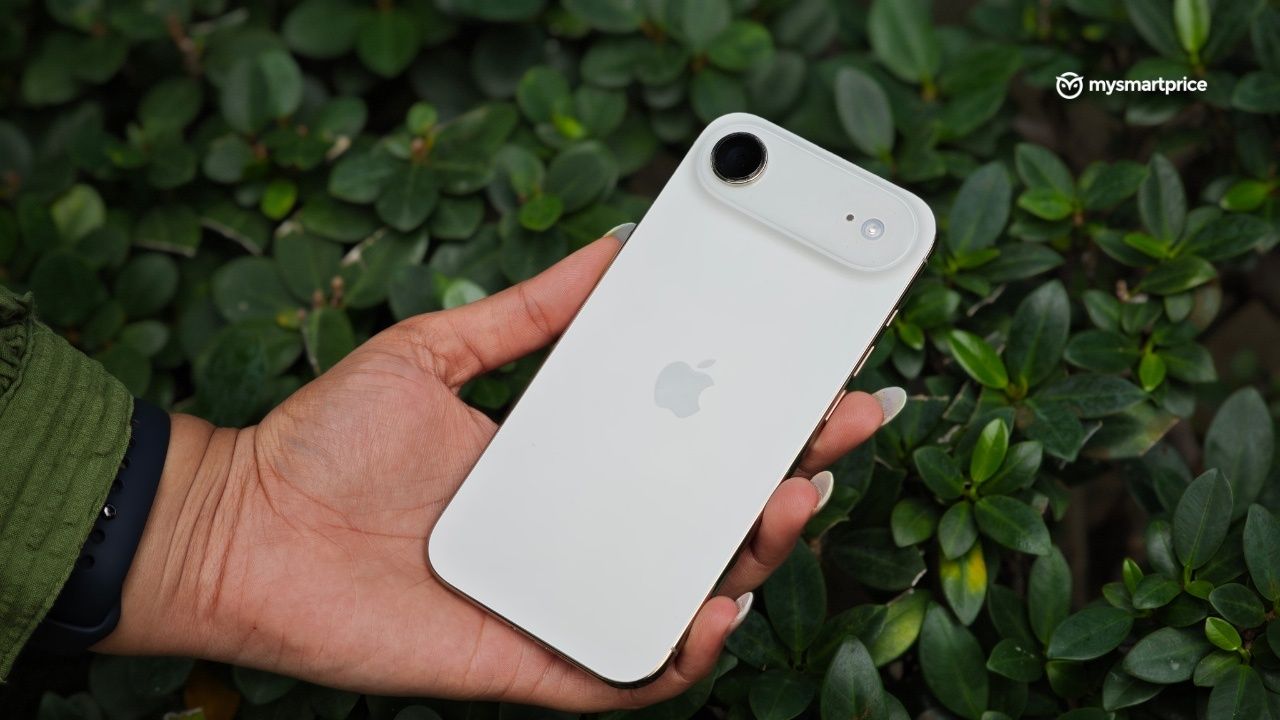
What Is Good?
- Exceptionally slim and premium design
- Gorgeous 120Hz Super Retina XDR OLED display
- Natural and detailed daylight photography
- Excellent selfie camera with ultra-wide and Centre Stage support
- Smooth and refined iOS 26 experience
What Is Bad?
- No ultra-wide camera
- Average battery life
- Occasional heating during extended use or camera activity
These new launches take me back to the days of Gionee smartphones, when Alia Bhatt was the brand ambassador and the company was at the height of its popularity. Then came a phase of bulky devices, and for years, we simply got used to whatever designs brands offered. But in 2025, the comeback of slim smartphones feels refreshing and nostalgic at the same time.
Having used both the Galaxy S25 Edge and the iPhone Air, I can confidently say that the competition between these two is quite exciting. If you’re someone who appreciates sleek design and doesn’t mind paying a bit more for that elegant form factor, you’re going to love what the iPhone Air brings to the table. I’ve spent some time with the device, and here’s what I think about it.
Form Factor, Design and Display
For everyone who often complains that Apple never changes its design, this year’s iPhone Air might finally change your mind. It looks completely different and brings a fresh perspective to Apple’s design language. The long camera island on the back immediately sets it apart from the iPhones we’re used to seeing. Although it comes with just a single rear camera, the overall design feels more refined and distinctive.
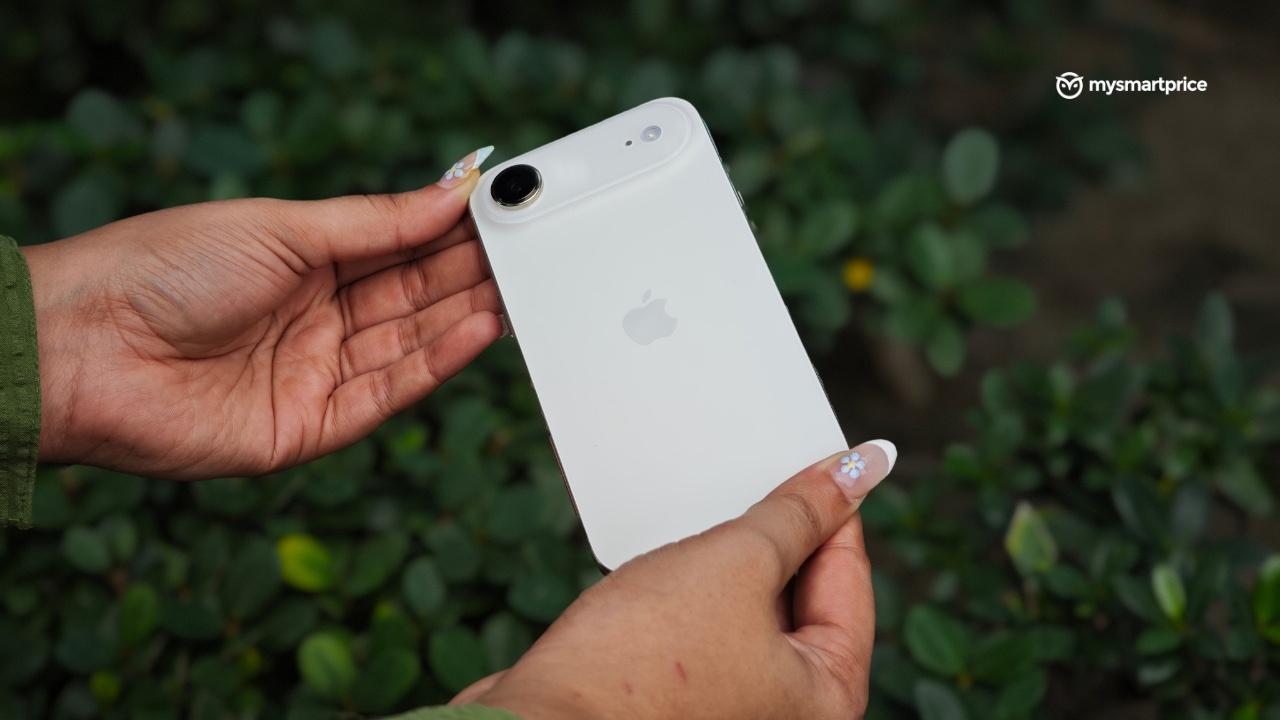
The first time I held the iPhone Air, it instantly reminded me of the Galaxy S25 Edge. The difference, however, is in the thickness. The iPhone Air measures just 5.6mm, while the Galaxy S25 Edge is slightly thicker at 5.8mm. On paper, the difference may seem minimal, but the Air genuinely feels slimmer in hand. Surprisingly, it still manages to be 2 grams heavier than the Edge, which speaks volumes about its solid build quality.
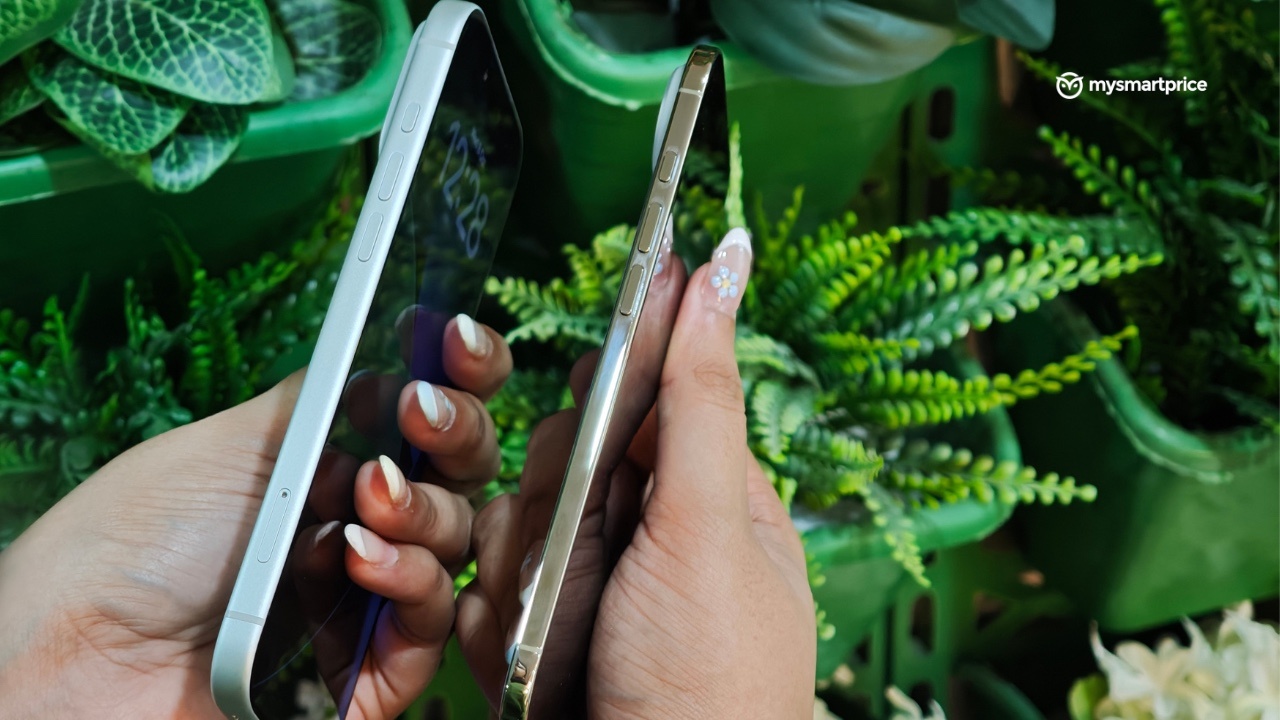
What really stands out is the iPhone Air’s overall form factor. It looks and feels incredibly premium, and you can tell that Apple has paid attention to every tiny detail. The phone features the Action button, the Camera Control button, and the USB-C port, just like the other recent iPhones, but everything feels more neatly put together. However, this time there’s a small yet significant change: the iPhone Air doesn’t come with a SIM card slot. It’s entirely eSIM-only, which keeps the frame clean and helps Apple achieve that ultra-slim profile.
When it comes to size, the iPhone Air is slightly larger than my primary phone, the iPhone 17. That said, its ultra-slim design does make me nervous to hold it without a case. Being this thin comes with both advantages and drawbacks. Sure, the design is stunning and turns heads instantly, but without a case, you’ll constantly worry about slipping it out of your hand or pocket. Personally, I found myself using a case most of the time, whether I was at home or out and about. I just couldn’t bring myself to handle such a slim phone without one. On the other hand, our Executive Director, Soham, had a completely different take. He firmly believes that the iPhone Air should be used as it is because of its titanium frame and ceramic panel. He even said, “If you can’t use the slimmest iPhone without a case, then what’s the point of having the slimmest iPhone in the first place?” Honestly, I couldn’t disagree with that logic. He’s right, after all. But at the same time, I wasn’t ready to test my luck. The idea of watching this ultra-thin phone slip even once is enough to make my heart race, so I’d rather stay cautious than regretful.
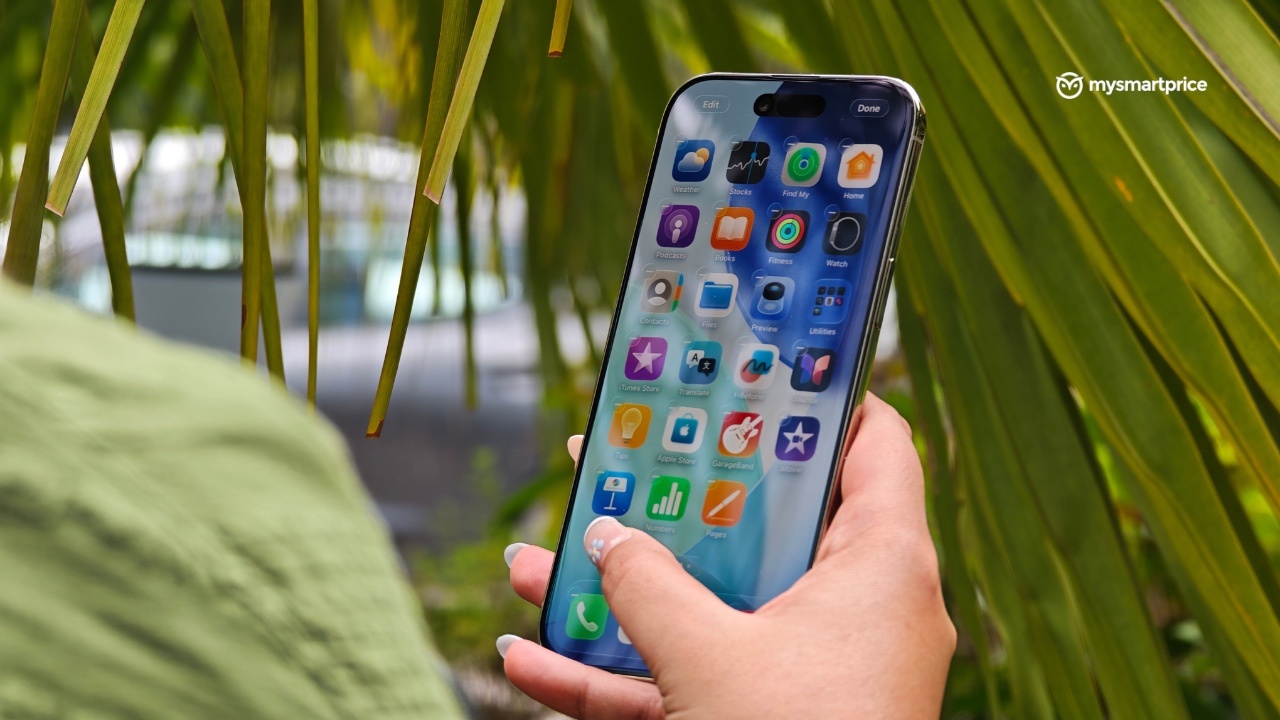
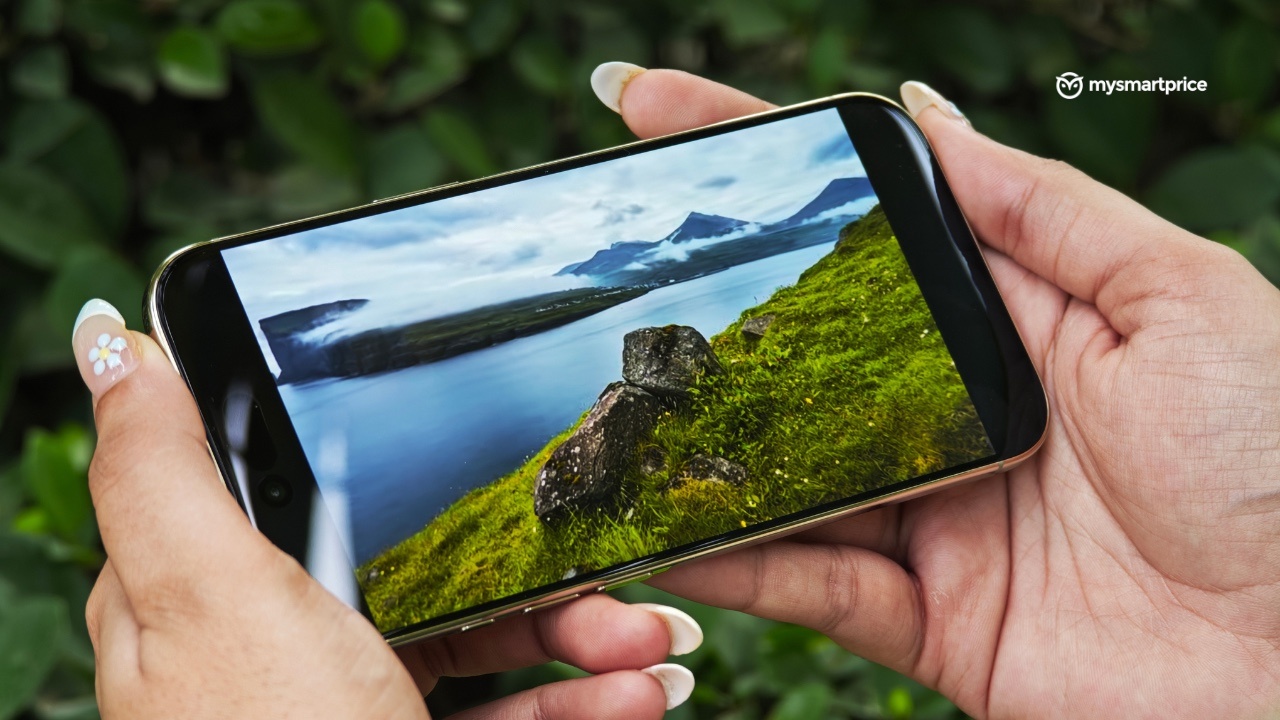
When it comes to the display, the iPhone Air features a 6.5-inch Super Retina XDR flat OLED panel that finally supports 120Hz ProMotion. Apple is catching up to what other smartphone brands have been offering for a while, and it shows. In daily use, the display feels smooth and responsive. Coming from a Pro Max device, I’m used to fast and fluid interactions, and the Air manages to deliver the same experience without compromise. Opening and closing apps feels seamless, with no lags or stutters. HDR videos on YouTube look stunning, with vibrant colours, accurate brightness, and lifelike details. Whether I’m using it indoors or outdoors, the screen remains clearly visible, even under bright sunlight. For everyday use, the iPhone Air’s display handles everything effortlessly and makes for a very enjoyable experience.
Hardware and Software
The iPhone Air is powered by the Apple A19 Pro chipset, built on a 3nm process. This is the same chipset that runs the iPhone 17 Pro and 17 Pro Max. On paper, it sounds like a powerhouse, but let me be honest: the Air is not meant to be a performance beast that can handle everything flawlessly. If raw power is your priority, the iPhone 17 Pro series is a better choice.
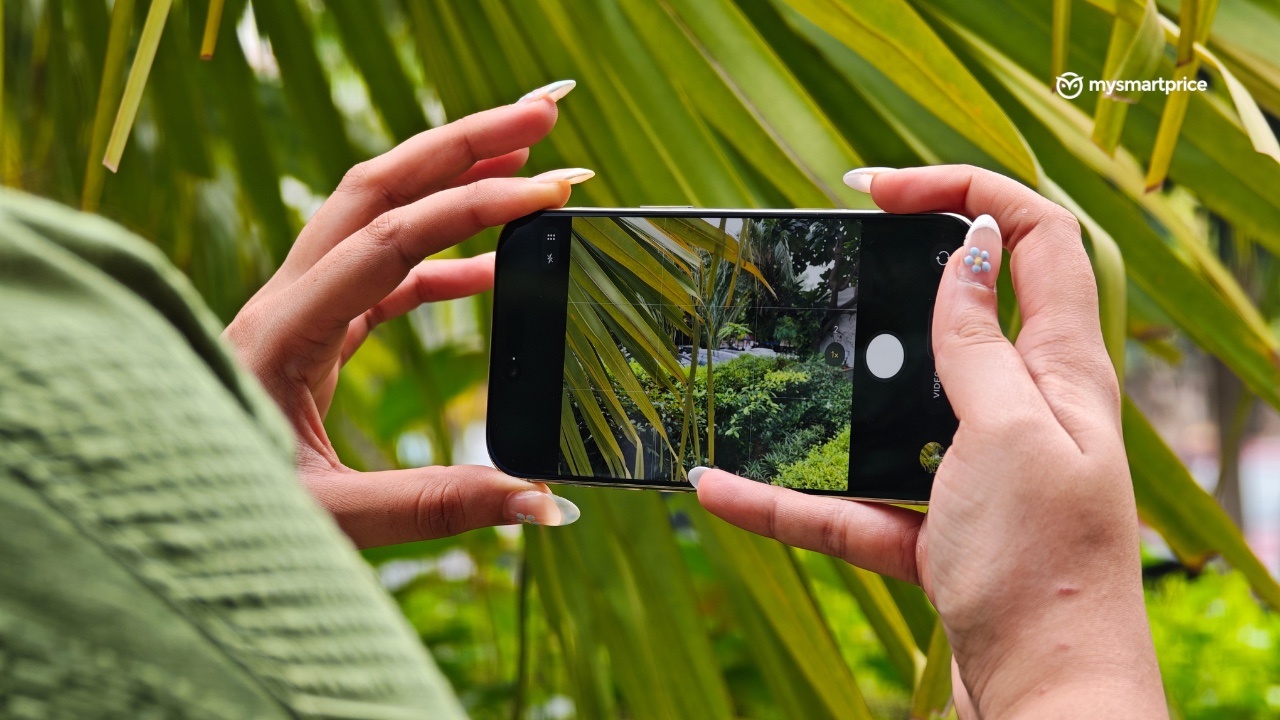
To put things into perspective, I mostly used the iPhone Air for taking photos of the device itself for this review. I barely touched it otherwise, just using the display for a couple of minutes and clicking a few shots here and there. Even with Delhi’s weather starting to cool down, the back panel of the iPhone Air heated up near the camera module without much use, making it slightly uncomfortable to hold for more than a minute. I asked my colleagues to try it as well, and they agreed.
Interestingly, when I ran benchmarks like AnTuTu and Geekbench, the phone didn’t heat up significantly. It got warm but never to an uncomfortable level. After running the benchmarks, I used the phone normally to see if the warmth affected performance, and it handled everything smoothly. There were no lags or stutters, and day-to-day usage felt completely fine.
In terms of performance scores, the iPhone Air scored 2,088,484 points on AnTuTu. Scoring over 2 million points is impressive and puts it in a similar league as smartphones powered by the Qualcomm Snapdragon 8 Elite. You can check out our AnTuTu score graph below to see how the iPhone Air compares with other 8 Elite devices.
Every day use of the iPhone Air is smooth and effortless, but certain tasks can cause it to heat up. For example, taking multiple photos in a row or streaming high-quality videos on YouTube or Netflix for an extended period can gradually warm up the back panel. The phone’s slim design, while stunning, limits heat dissipation, so the thin chassis doesn’t leave much room for the heat to escape. This can make the rear panel feel warm, and in some cases, even hot to the touch.
So, if you are someone who frequently plays games or performs heavy tasks on your phone, the iPhone 17 Pro series is a better choice. Its slightly larger body and improved cooling make it more suitable for extended intensive use while keeping performance consistent.
The iPhone Air runs on iOS 26 right out of the box. While Apple’s naming convention still feels a bit confusing, the new software introduces plenty of fresh and exciting features. One of the most talked-about ones is Liquid Glass, which has already become a meme favourite online. Some people question the need for a transparent interface, but I actually like it. It suits my style of personalisation, though it might not appeal to everyone. It really depends on what kind of experience you want from your phone.
What I love most about iOS is how seamless and thoughtfully designed it feels. Everything works together effortlessly, and it’s those tiny details that make all the difference. For instance, I have this habit of calling someone and waiting for them to pick up before putting the phone to my ear. With iOS 26, a soft haptic feedback lets me know the moment the call connects. Even if I’m not looking at the screen, that tiny vibration feels reassuring and oddly satisfying.
These small touches might seem trivial, but they’re what make the iOS experience feel so refined. My fondness for iOS might sound a little biased, but I genuinely can’t imagine switching to Android anytime soon.
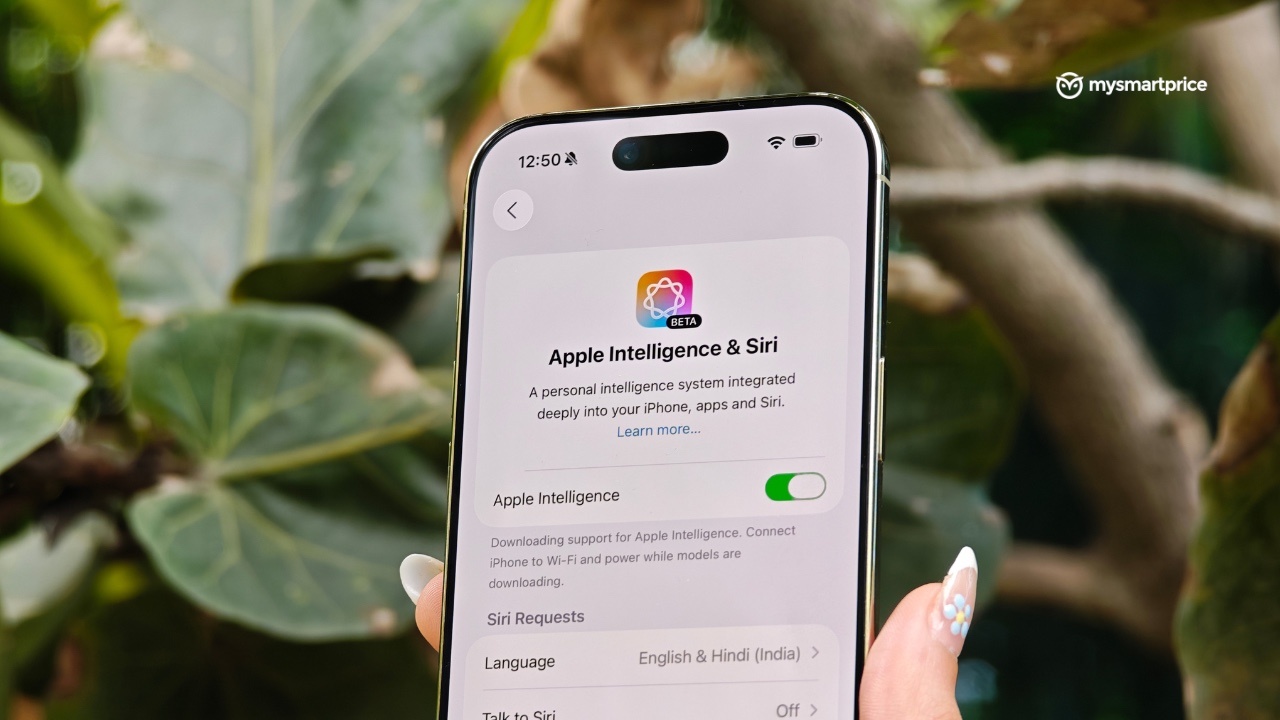
The iPhone Air comes equipped with Apple Intelligence, and while I don’t find myself using it every single day, it’s reassuring to know that it’s always there when I need it. Some of its features are genuinely useful. For instance, the object eraser in the Photos app works beautifully for removing unwanted elements from pictures, and the improved writing tools in the Notes app make jotting down thoughts or editing drafts so much smoother. Even if you’re not into AI features, you’ll eventually find moments where they quietly make your life easier.
Cameras
The iPhone Air comes with a 48MP wide lens, the same one found on the iPhone 17, and that’s where the setup ends. I still miss having an ultra-wide camera, especially when trying to capture a larger scene or fit a group into the frame. That said, the primary camera performs beautifully in daylight. Shots are sharp, colours pop naturally, and the greens in particular look vivid without being overly saturated. There’s also little to no noise in bright outdoor conditions, and the dynamic range is handled exceptionally well, maintaining detail in both highlights and shadows.










The story shifts a bit in low light, where the camera tends to be hit or miss. Lens flare can be distracting under artificial lighting, and the 2x zoom mode introduces noticeable noise and softness. But the real surprise lies in the front camera. The iPhone Air’s 18MP multi-aspect selfie lens is extraordinary. It captures lifelike skin tones and excellent depth, making selfies look natural and flattering without heavy processing. The addition of the ultra-wide selfie mode and Centre Stage makes group selfies and video calls far more convenient, automatically keeping you in focus even as you move. While the rear setup leaves me wanting more, the selfie experience is easily one of the best in its class.
Battery and Charging
Given how slim the iPhone Air is, the battery capacity was bound to take a hit. We’ve seen something similar with the Galaxy S25 Edge, though Apple’s version isn’t as limited. The iPhone Air comes with a 3,149mAh battery, which sounds decent on paper but doesn’t really scream long-lasting. Still, that’s the trade-off you make for a phone that’s this sleek. In day-to-day use, it comfortably made it through a full day when I stuck to light or moderate tasks. But once I started using the camera more often or streamed a few shows, the battery drained faster than I’d like. It’s not terrible, just not meant for heavy users.
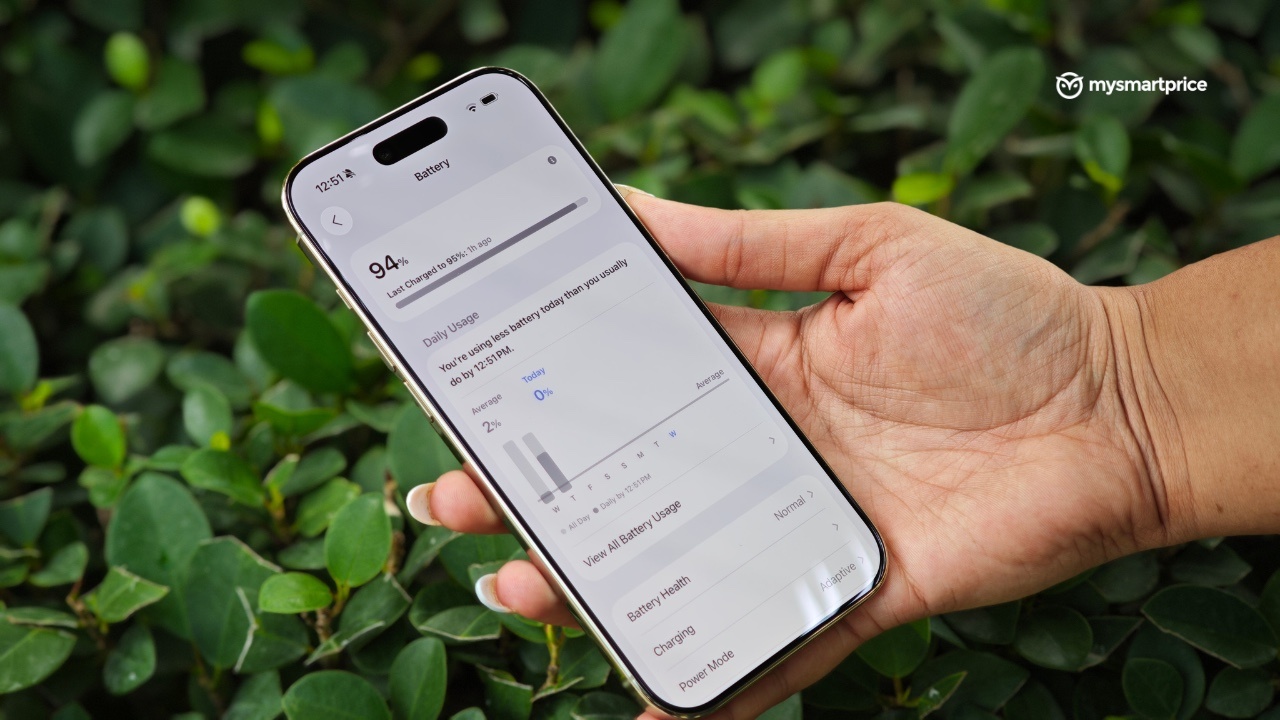
Adding to that, Apple continues its no-charger-in-the-box streak, so you’ll need to buy one separately. Using an Apple-certified charger, it took around 52 minutes to fully charge from zero, which is quite reasonable. Overall, the iPhone Air’s battery isn’t its strongest suit, but for a phone that’s all about style and portability, it holds up well enough to get you through the day.
Verdict
The iPhone Air feels like a breath of fresh air in Apple’s lineup, both literally and figuratively. It’s a stunning piece of hardware that proves elegant design can still make a statement in 2025. The ultra-slim build, refined display, and seamless software experience make it one of the most polished iPhones yet. However, that thin frame comes with a few compromises, like limited heat management and an average battery life. While it’s not intended for power users or gamers, the iPhone Air is ideal for those who value design, everyday efficiency, and reliable performance in a lightweight form. It’s more of a lifestyle device than a powerhouse, and that’s exactly its charm.
If you’re looking for a phone that turns heads every time you pull it out of your pocket and still delivers the classic iPhone experience, the Air is worth considering. It may not replace the Pro models in sheer performance or versatility, but it confidently carves out its own space as the most elegant iPhone Apple has ever made.