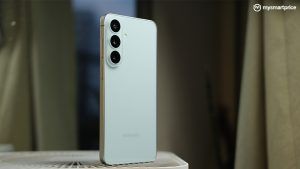
The sub-Rs 30,000 smartphone segment has become increasingly difficult to stand out in, with brands pushing larger batteries, faster displays, capable chipsets, and now rising hardware prices due to the shortage. However, Motorola’s Moto G Max takes a slightly different route by bringing several of these elements together while keeping the experience relatively straightforward.
Moto G max
Rs27,999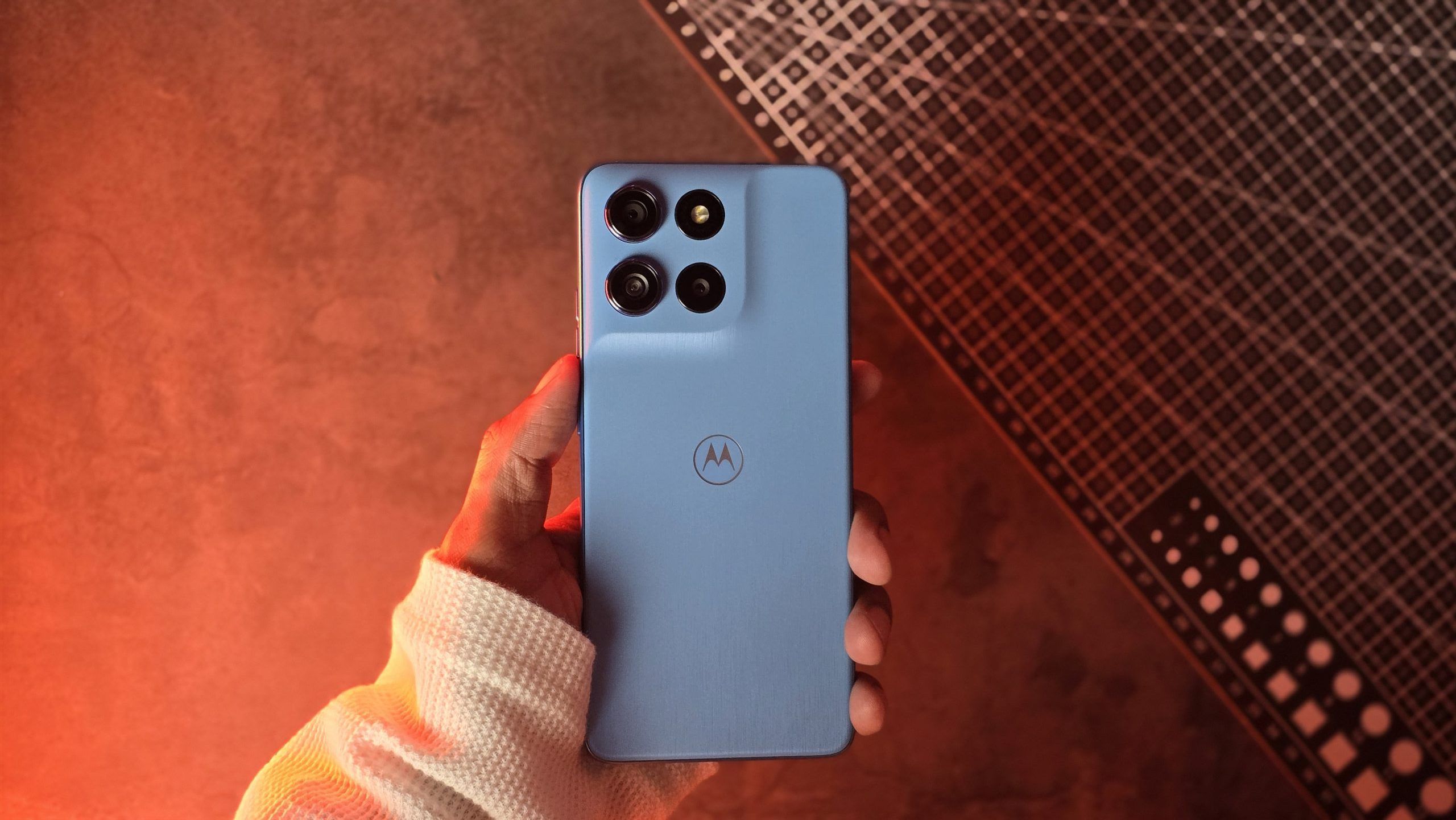
What Is Good?
- Premium-looking satin-inspired design with a distinctive finish
- Strong battery endurance from the 7,000mAh silicon-carbon cell
- Smooth 120Hz display with useful Water Touch technology
- Stereo speakers and 3.5mm headphone jack add useful versatility
- Clean Android 16 experience with minimal bloatware
What Is Bad?
- 213-gram weight makes it a fairly substantial handset
- LCD panel lacks the contrast and blacks of AMOLED alternatives
- 30W charging feels conservative for a 7,000mAh battery
The Moto G Max is priced at Rs 27,999 for the 6GB RAM and 128GB storage variant that is paired with a 7,000mAh battery, 120Hz display, Snapdragon 6s Gen 4 chipset, and a 50-megapixel Sony LYTIA 600 primary camera. It also brings features such as a 3.5mm headphone jack, stereo speakers, IP64 protection and MIL-STD-810H certification.
I spent some time with the phone and came across it as a fairly complete package rather than a device built around just one headline specification.
A Premium-Looking Design That Stands Out In The Segment
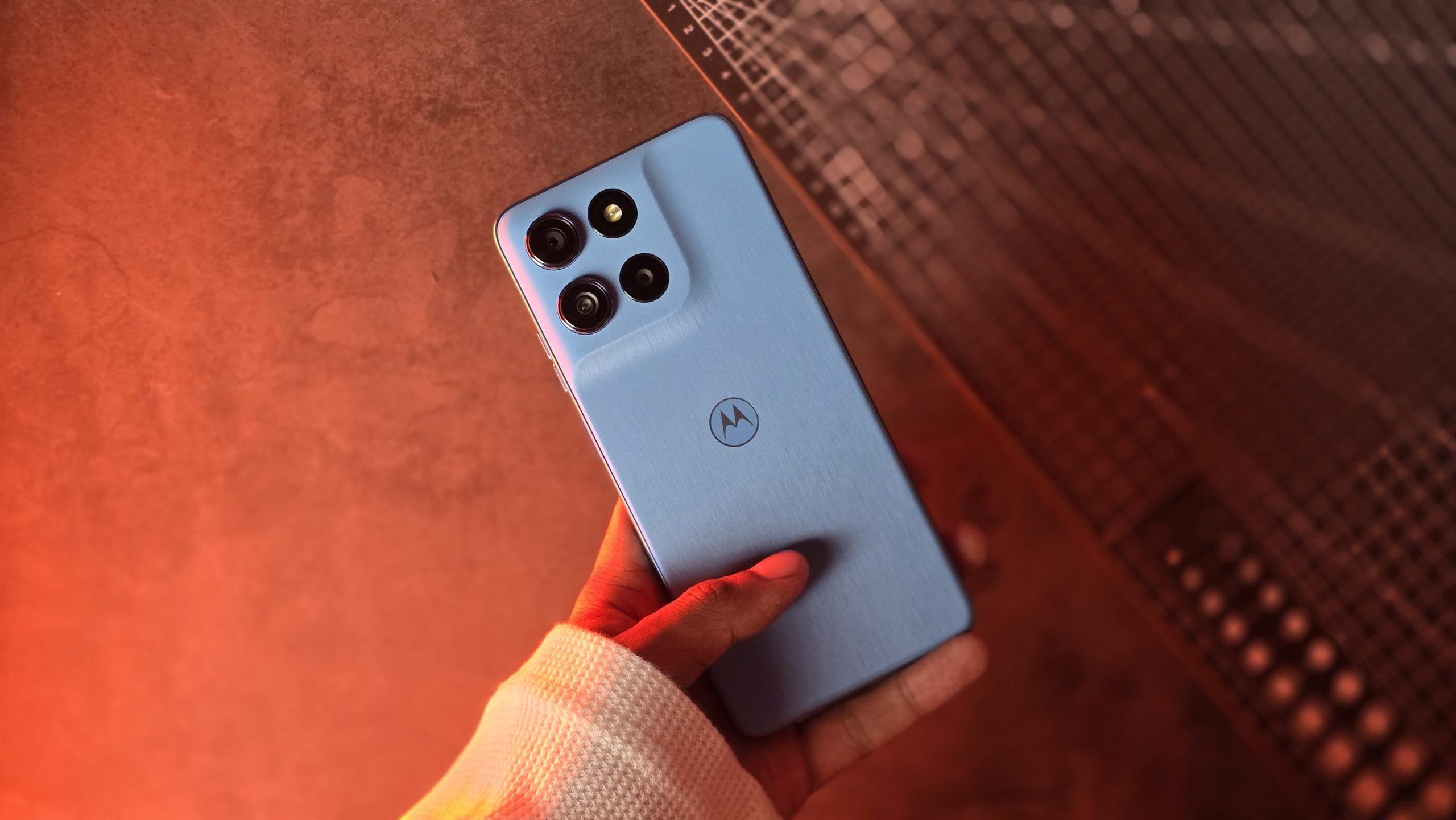
The Moto G Max makes a strong first impression, largely because of its finish. Motorola has used a satin-inspired texture on the rear panel that gives the phone a more refined appearance than its price might suggest. During my usage, I barely noticed any fingerprints or smudges, so that is another plus for the material.
The flat frame looks clean, and the grip also felt reassuring to me. The phone is certainly substantial at 8.6mm thick and 213 grams. But the weight is reasonably well managed considering the large battery inside. The camera housing blends neatly into the rear panel, with the circular camera rings and metallic detailing adding some visual character.
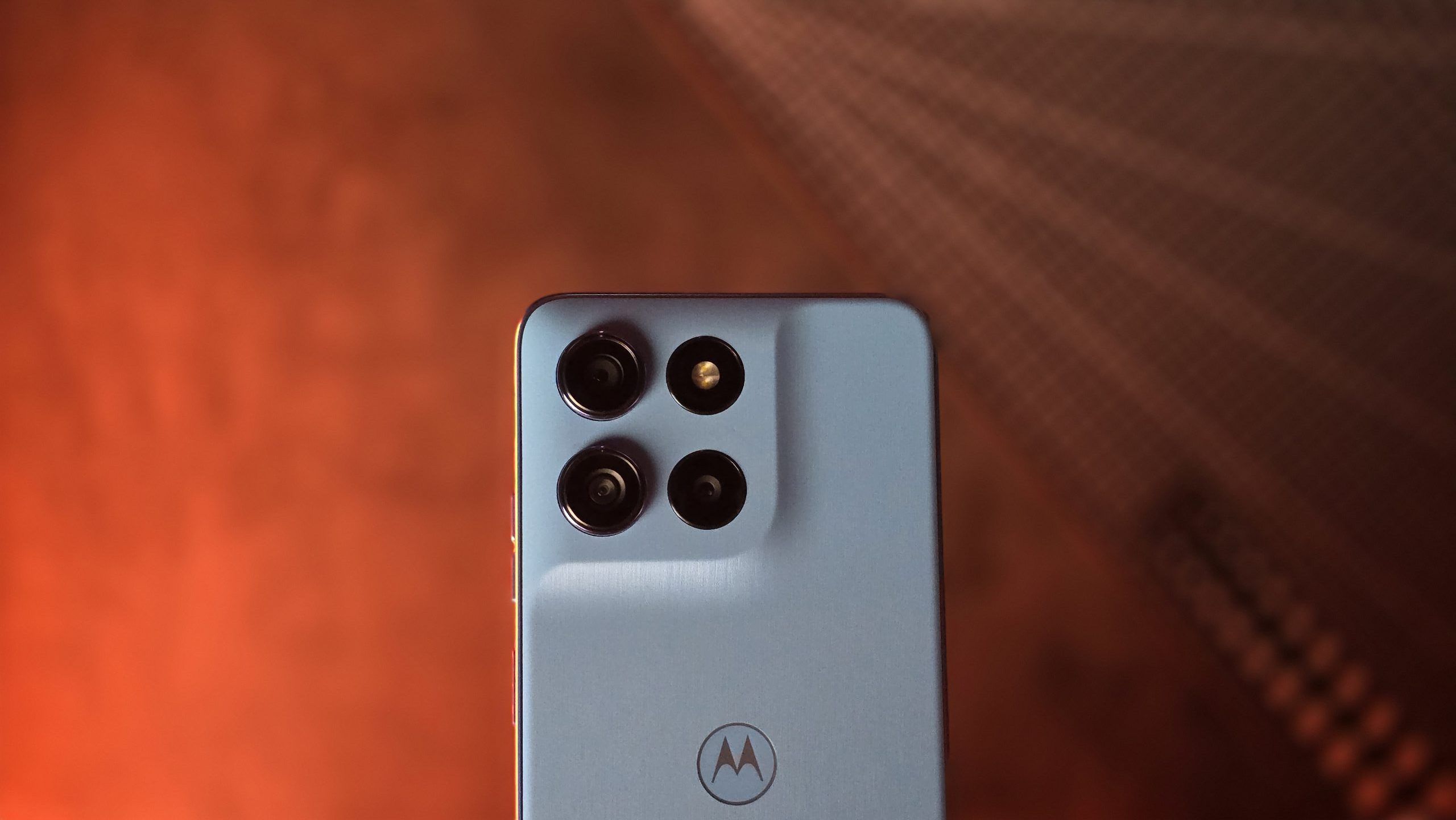
Motorola offers the phone in Pantone-validated colour options, including Alaskan Blue, StarGaze and Malága. I would say these shades give the handset a more distinctive identity, particularly when compared with some of the more conventional finishes in this segment for example Vivo T5x, Redmi note 17, Oneplus N6 etc.
The Moto G Max also retains a 3.5mm headphone jack alongside a USB Type-C port. Durability is another area where Motorola has added some useful extras, with an IP64 rating, MIL-STD-810H certification, and Corning Gorilla Glass 7i protection.
A Smooth 120Hz Display With a Few Trade-offs
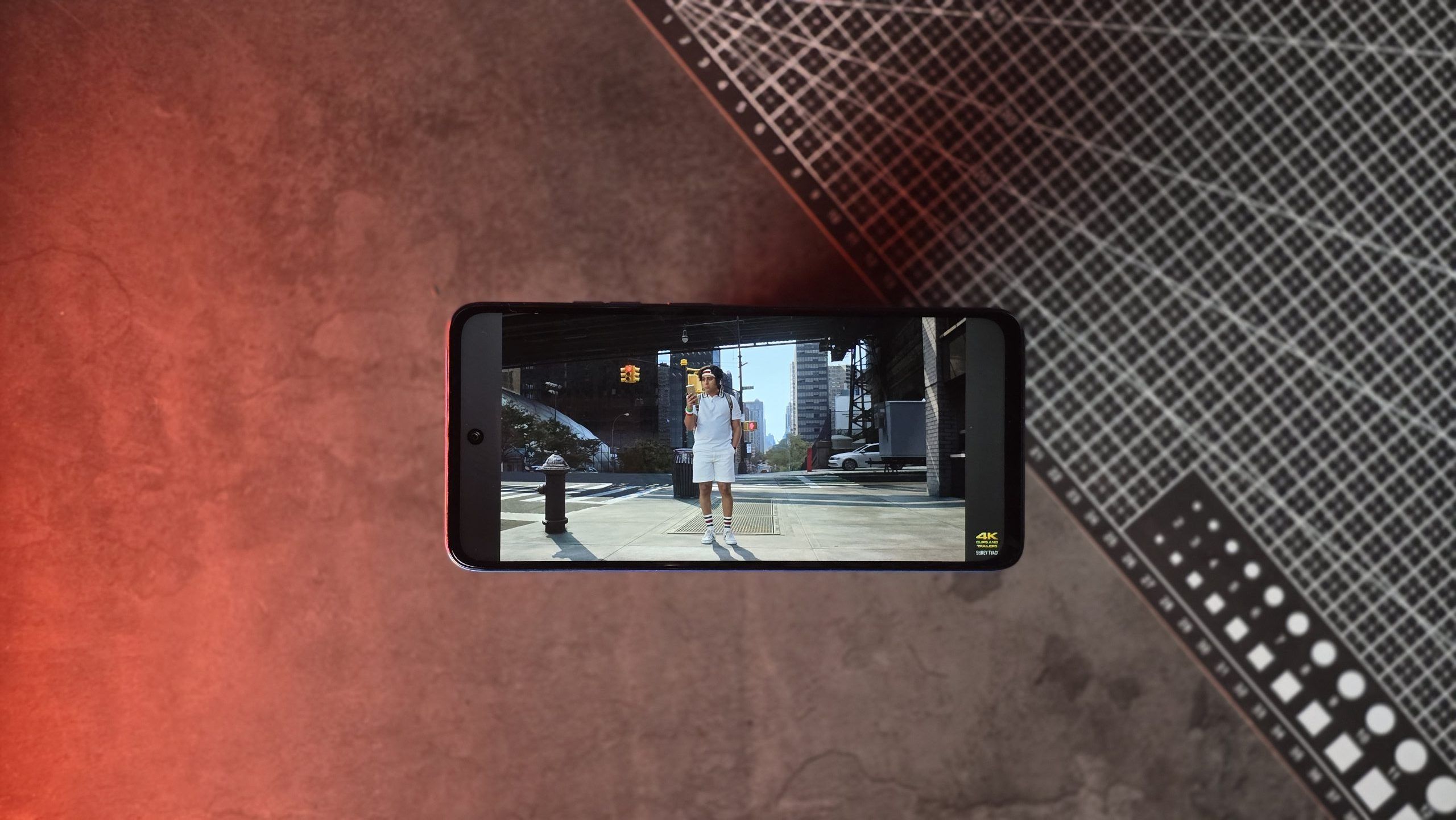
The Moto G Max features a 6.72-inch Full HD+ LCD panel with a 120Hz refresh rate. The higher refresh rate makes scrolling through social media feeds, browsing, and navigating the interface feel noticeably smoother.
The display can reach a claimed peak brightness of 1,050 nits, and I noticed that during my outdoor usage as well. The visibility is reasonably good in brighter conditions. Colours are also handled well for an LCD panel, with Motorola’s Display Color Boost adding some extra vibrancy without making the output appear excessively saturated.
It is still an LCD panel, so it does not offer the deeper blacks or contrast associated with AMOLED displays found on some competing smartphones. However, during my usage, the quality of the LCD panel felt brilliant, and I think we can give the credit to Hello UI.
One particularly useful addition is Water Touch technology, which allows the screen to remain responsive when your fingers are wet. It is a small feature, but one that can prove useful during everyday use, particularly in wet conditions.
A Capable Primary Camera (In Good Lighting)
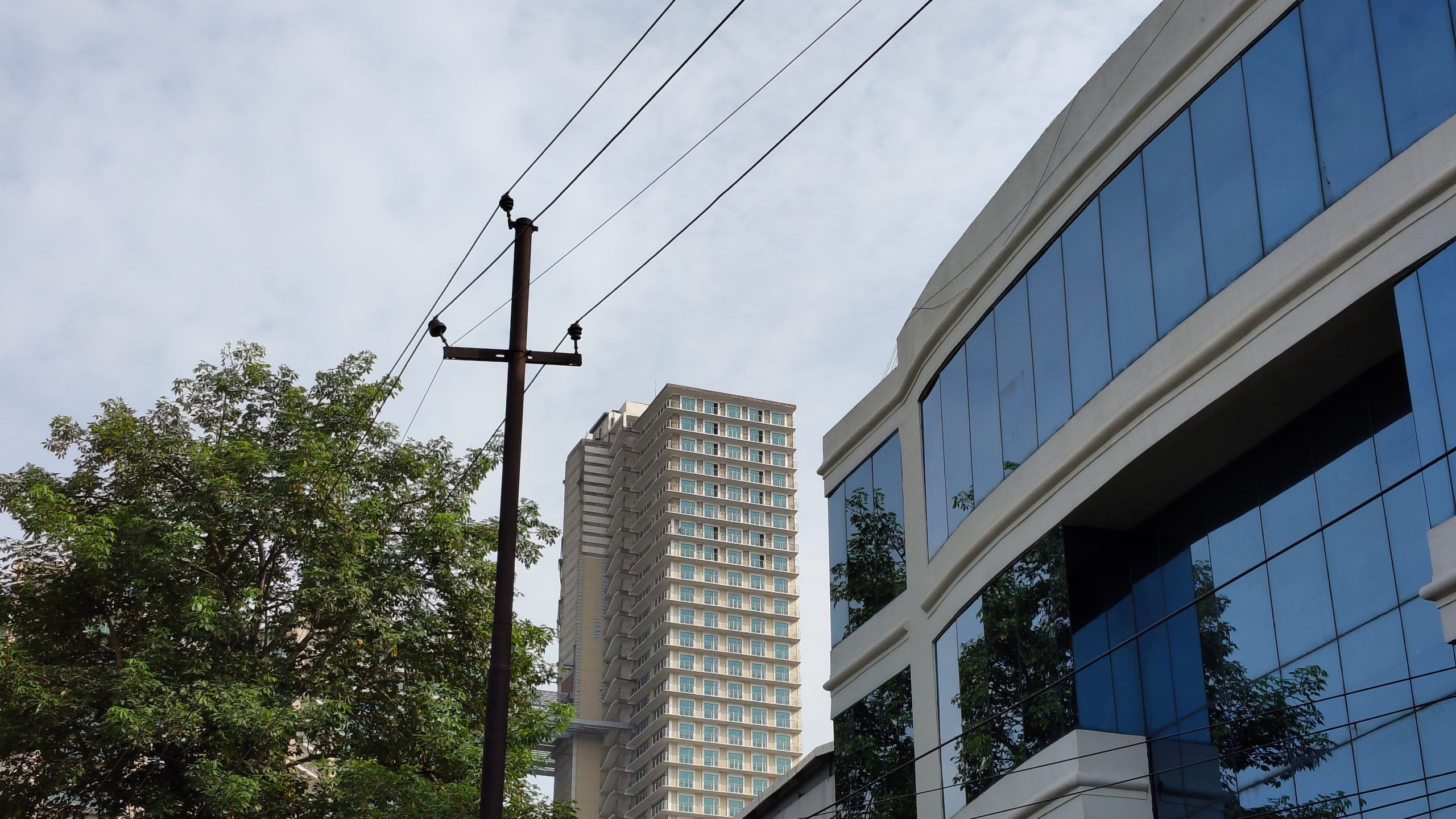
Photography is another area where the Moto G Max punches above its segment positioning. The primary camera uses a 50-megapixel Sony LYTIA 600 sensor and produces particularly pleasing results in daylight.
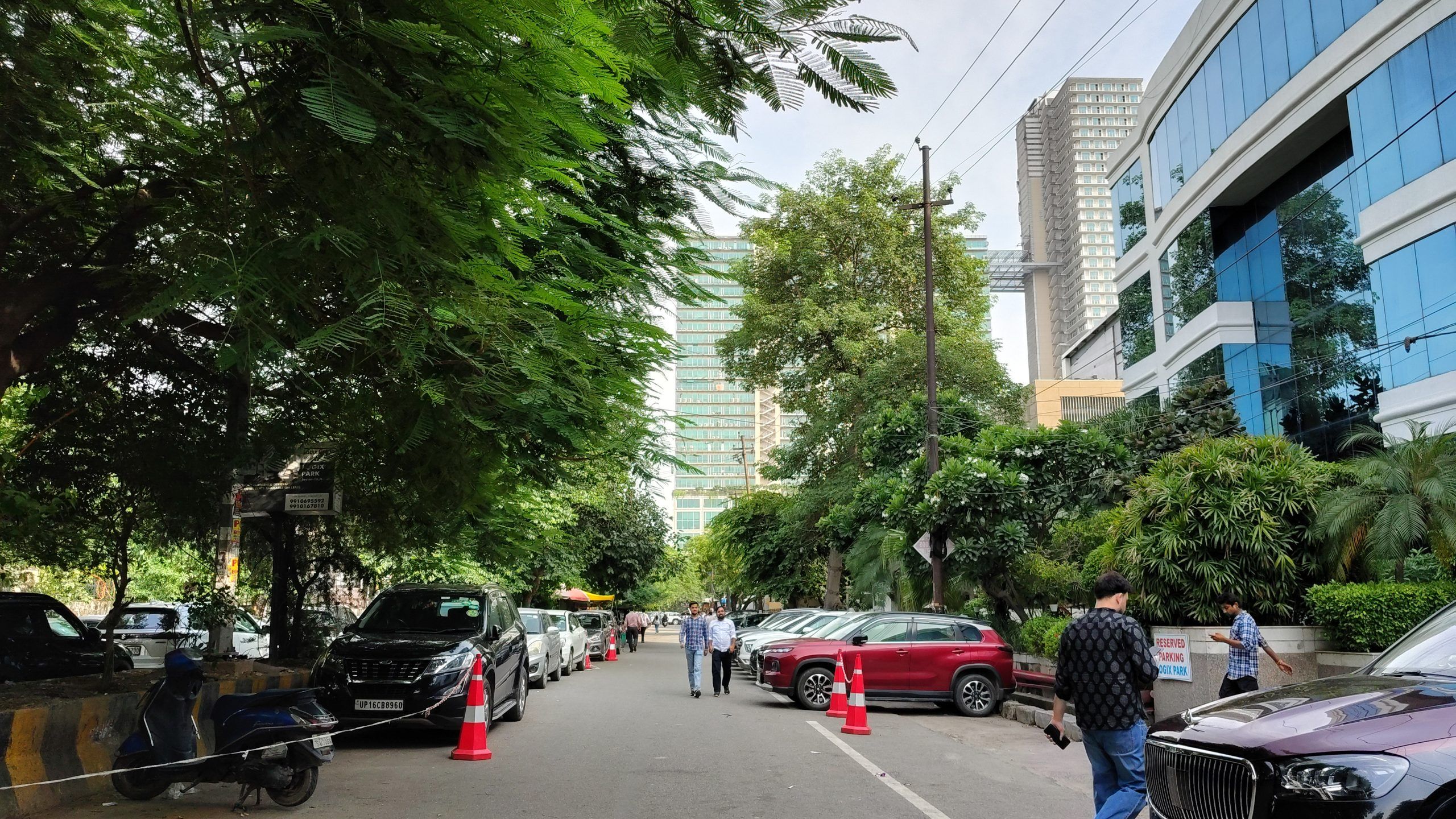
Images generally offer good colour accuracy and a decent dynamic range in favourable lighting. However, the level of detail can drop when shooting in less well-exposed conditions. During testing in a cafe, for instance, 2x zoom shots showed some loss of fine details and appeared softer than images captured in better-lit surroundings. The camera still handles low-light scenes reasonably well, but the results are more convincing at the primary focal length.
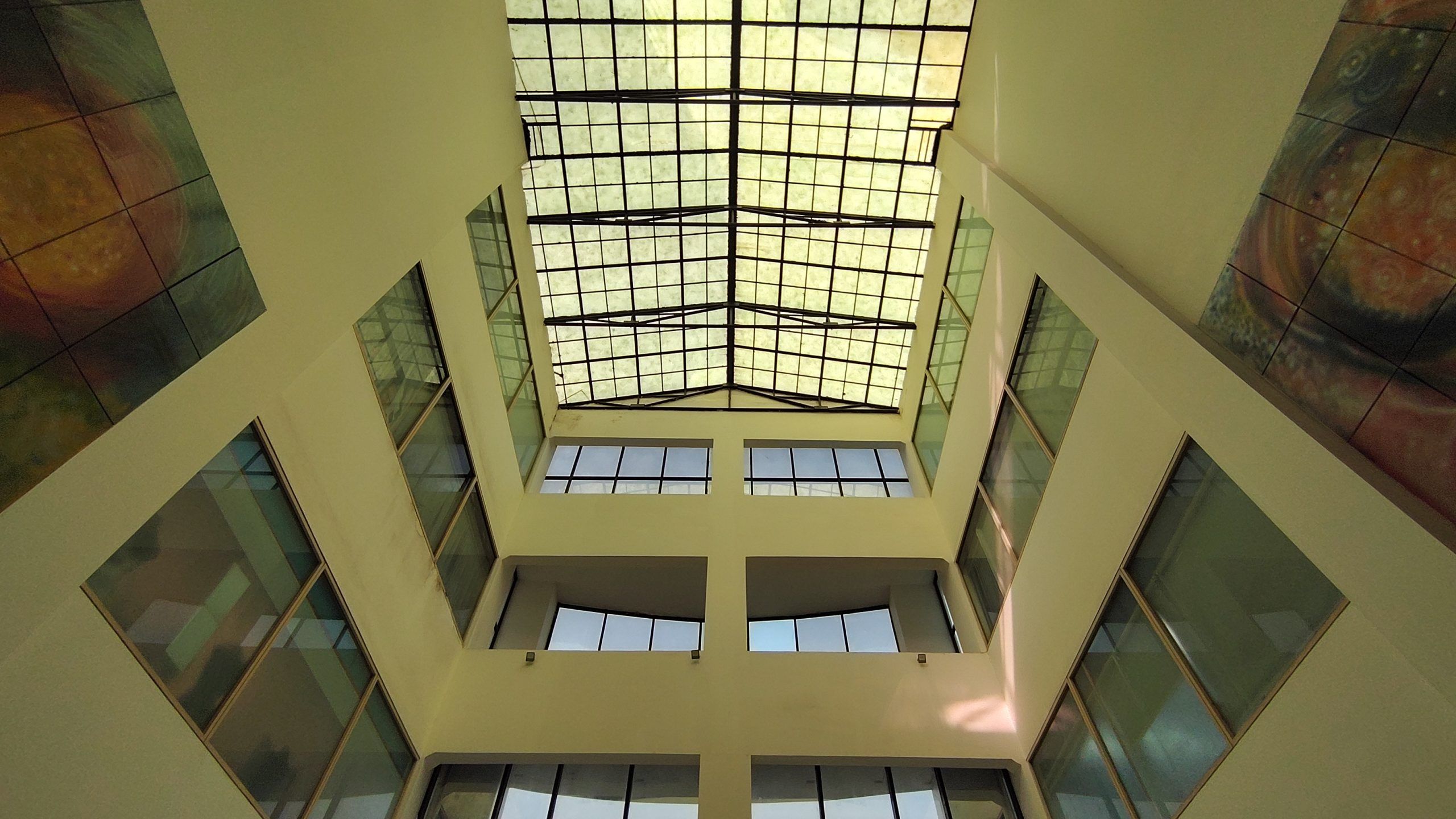
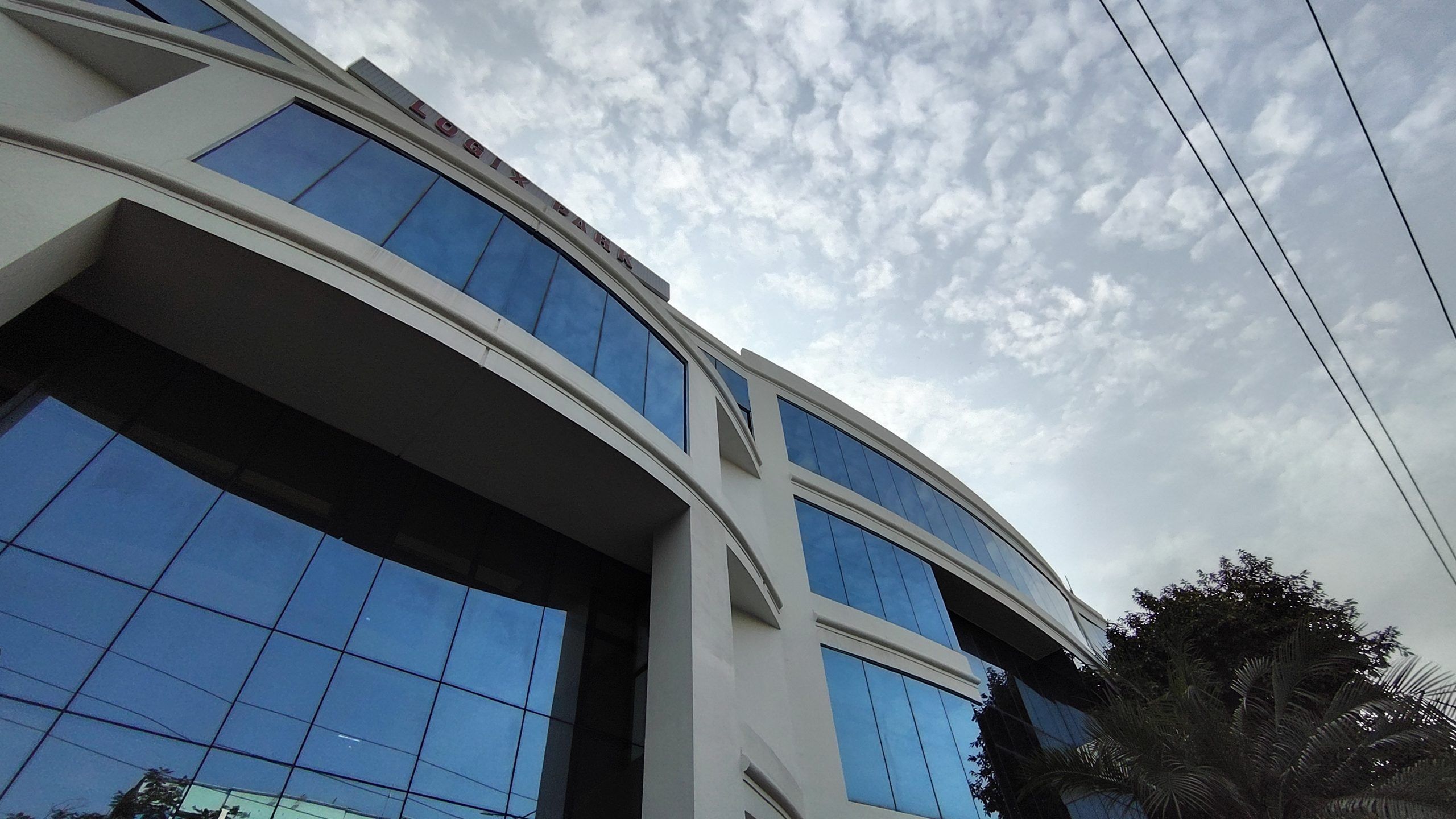
The 8-megapixel ultrawide camera provides additional flexibility for landscapes and group photographs, although it is naturally not at the same level as the primary sensor. A 32-megapixel front camera handles selfies and video calls, making the setup fairly versatile for everyday users.

Motorola also benefits from Google’s suite of AI-powered editing tools through Google Photos, and features such as Magic Eraser, Photo Unblur, Reimagine, Auto Frame, Portrait Blur and Portrait Light provide plenty of scope for refining images after they have been captured.
However, the whole camera experience is not exceptional, but its consistency and colour reproduction make it one of the more convincing aspects of the Moto G Max.

Smooth Everyday Performance, But Not For Gaming
The Moto G Max is powered by the Qualcomm Snapdragon 6s gen 4, which is paired with LPDDR5X RAM and UFS 3.1 storage. During our testing, the handset managed an AnTuTu score of 802543, which gives a reasonable indication of its performance capabilities.
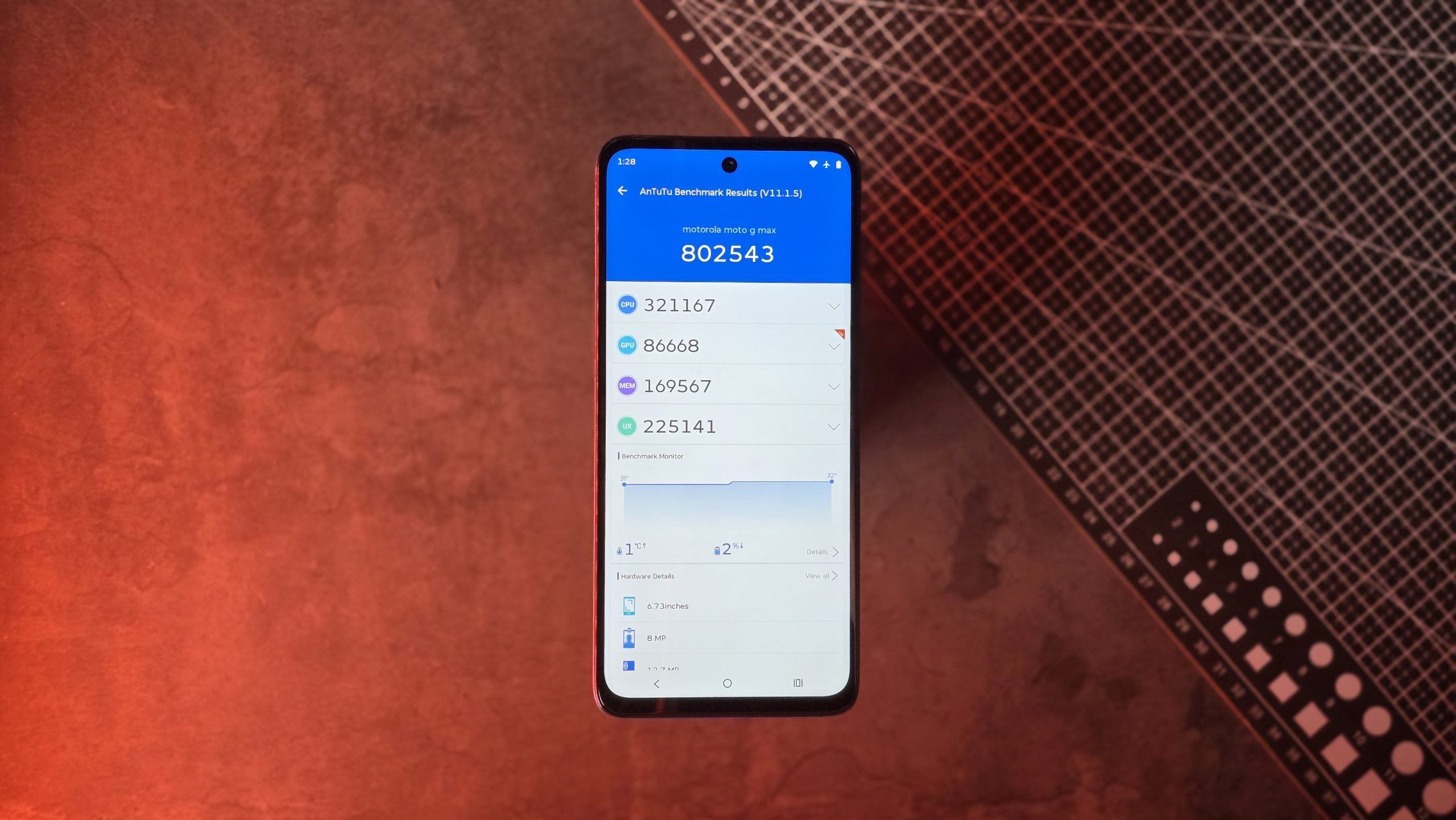
The phone felt smooth and responsive in my day-to-day usage. Switching between applications and handling multiple tasks does not result in any obvious performance concerns. In addition to it, the Moto G Max can also comfortably handle casual gaming, but when I played heavy games like BGMI, it felt slightly underpowered.
However, the Moto G Max is not positioned as a dedicated gaming phone, but its performance package is sufficiently capable for the majority of everyday requirements.
Stereo Speakers And a Headphone Jack Add Versatility
The Moto G Max keeps several features that are becoming less common in this price range. It comes with stereo speakers and supports Dolby Atmos as well as Hi-Res Audio. And I really liked the inclusion of a 3.5mm headphone jack because wired audio still beats wireless audio. The Hi-Res audio support gives the phone some additional flexibility for music and media consumption.
A Large Battery That Should’ve Lasted Longer
The Moto G Max comfortably gets through a day on a single charge with its 7000mAh battery. With a more moderate usage pattern, I could stretch it further, while heavier usage naturally brought me closer to the charger by the end of the day.
Interestingly, our PCMark Battery test returned a runtime of 14 hours and 11 minutes. That figure may seem a little modest for a phone carrying a 7,000mAh cell, but there is a reason for it. The Moto G Max uses an IPS LCD panel, which tends to consume more power during sustained, demanding usage than an AMOLED display. So, while the battery capacity is undoubtedly one of the phone’s strengths, the display does have some bearing on its endurance under continuous heavy workloads.
For charging, the phone supports 33W wired charging and took close to 80 minutes to go from 20 to 100 percent in our testing. It is not the fastest charging solution in this segment, but given the large battery, the combination still makes the Moto G Max well suited to users who prioritise longer usage between charges.
Clean Android Experience With Useful Durability Features
The phone runs Android 16 out of the box and follows Motorola’s familiar clean software approach. There is relatively little unnecessary software clutter, while features such as Google Gemini and Circle to Search add useful functionality.
Motorola also includes Moto Secure and ThinkShield for Mobile for additional security. The company promises two years of Android OS updates and three years of security updates.
The software experience is therefore clean and straightforward, although the update commitment is not particularly class-leading for the segment.
On the durability front, the combination of Gorilla Glass 7i, MIL-STD-810H certification and IP64 protection gives the Moto G Max a useful layer of protection against everyday mishaps, dust and light splashes.
Verdict: The Focus Is Endurance
The Moto G Max felt like an appealing option for buyers looking beyond individual specifications and wanting a more complete smartphone experience.
Its battery, camera performance, IPS LCD display, and clean software may not be the best in the segment, but they make a strong combination.
Thought, the LCD panel and relatively conservative charging speed could be better. And the software support could be longer. Still, at Rs 27,999, the Moto G Max delivers a well-rounded package with few major compromises.