The upper mid-range smartphone segment is more competitive than ever, with brands pushing flagship-grade hardware into more accessible price brackets. The challenge here is simple but tough to execute: deliver a near-flagship experience without crossing into true flagship pricing. Motorola has been steadily refining its Edge series to hit that balance. The Edge 70 and Edge 70 Fusion already cover the value and performance-focused ends. The Edge 70 Pro aims higher, bringing in premium camera hardware, a much larger battery, and a more powerful chipset. On paper, it looks like a serious step up. After spending some initial time with the device, here's how it shapes up.
Design And Display
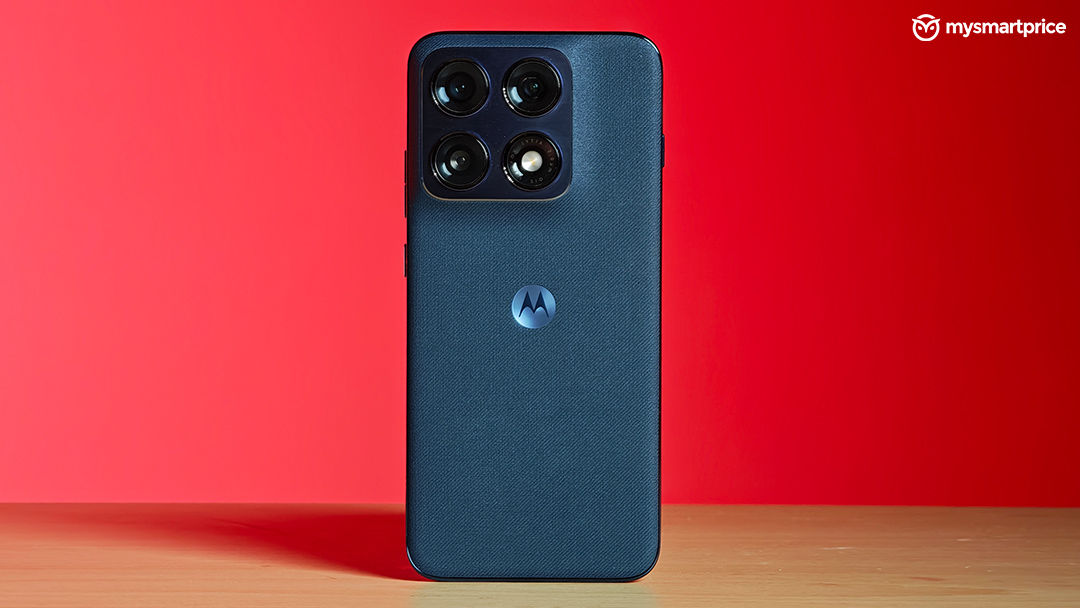
The Edge 70 Pro doesn't feel different than its siblings. Motorola is leaning into design with more Pantone-validated finishes. It resembles the older sibling Edge 60 Pro in terms of design, where the Edge 60 Pro and the Edge 70 Pro have a triple camera setup. However, in Edge 70 Pro, three new Pantone-validated finishes carry a unique identity, which feels refined while keeping fingerprints in check. The camera module is clean and functional. It doesn't try to dominate the back panel and sits relatively like the edge series. Build quality is solid, backed by Gorilla Glass 7i and IP68/IP69 ratings. The added MIL-810H certification gives some confidence in everyday durability. On the front, the 6.8-inch Extreme AMOLED display is easily one of the highlights. You get a 1.5K resolution panel with a 144Hz adaptive refresh rate. The sharpness is immediately noticeable over standard FHD+ screens, and the high refresh rate keeps everything fluid.

The claimed 5200-nit peak brightness sounds excessive, but in real-world outdoor use, visibility is decent. In our in-house display brightness test, it only reached a maximum of 731 nits, which might be a device issue, as we have observed other Motorola devices reaching up to 2000 nits.
Performance And Hardware
The phone is powered by the MediaTek Dimensity 8500 Extreme paired with up to 12GB of LPDDR5X RAM, which positions it firmly in flagship territory on paper. With a high-performance core setup, it promises both speed and efficiency. In early use, performance feels fast and stable, and while the company claims an Antutu Score of 2.4 million, we got just above the 2.1 million mark. App launches are quick, multitasking is smooth, and there are no visible stutters.
Gaming performance has been decent so far. Titles like BGMI run smoothly with stable frame rates reaching up to 60 FPS, but we expected a higher frame rate since we already tested that with other devices carrying the same chipset, which may be improved with future updates, and thermal performance remains under control during shorter sessions. Long-term sustained performance is something that will need deeper testing, which we will delve into in our in-depth review.
Camera
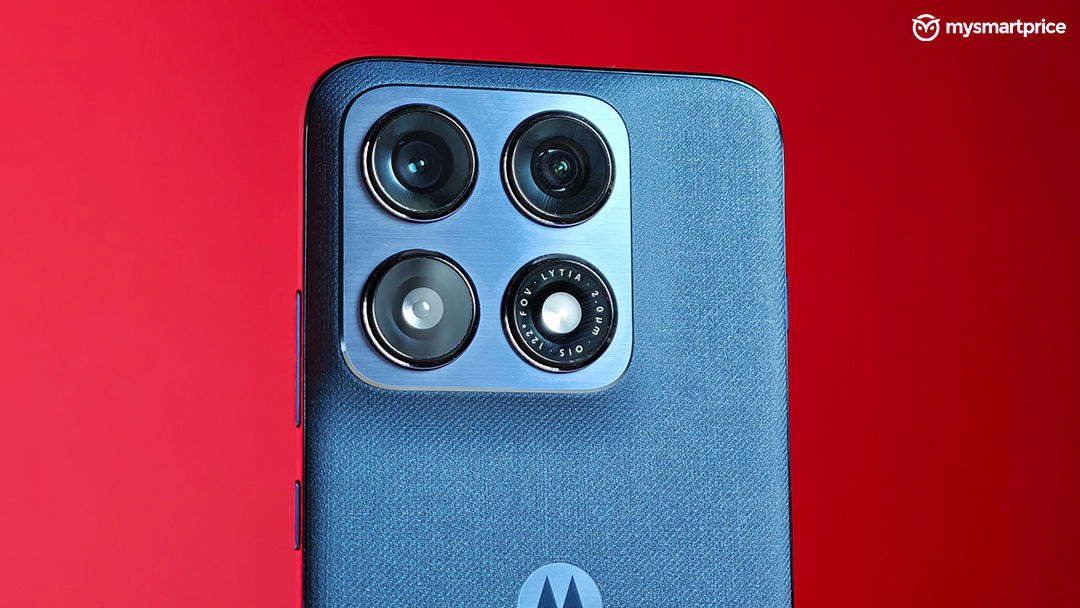
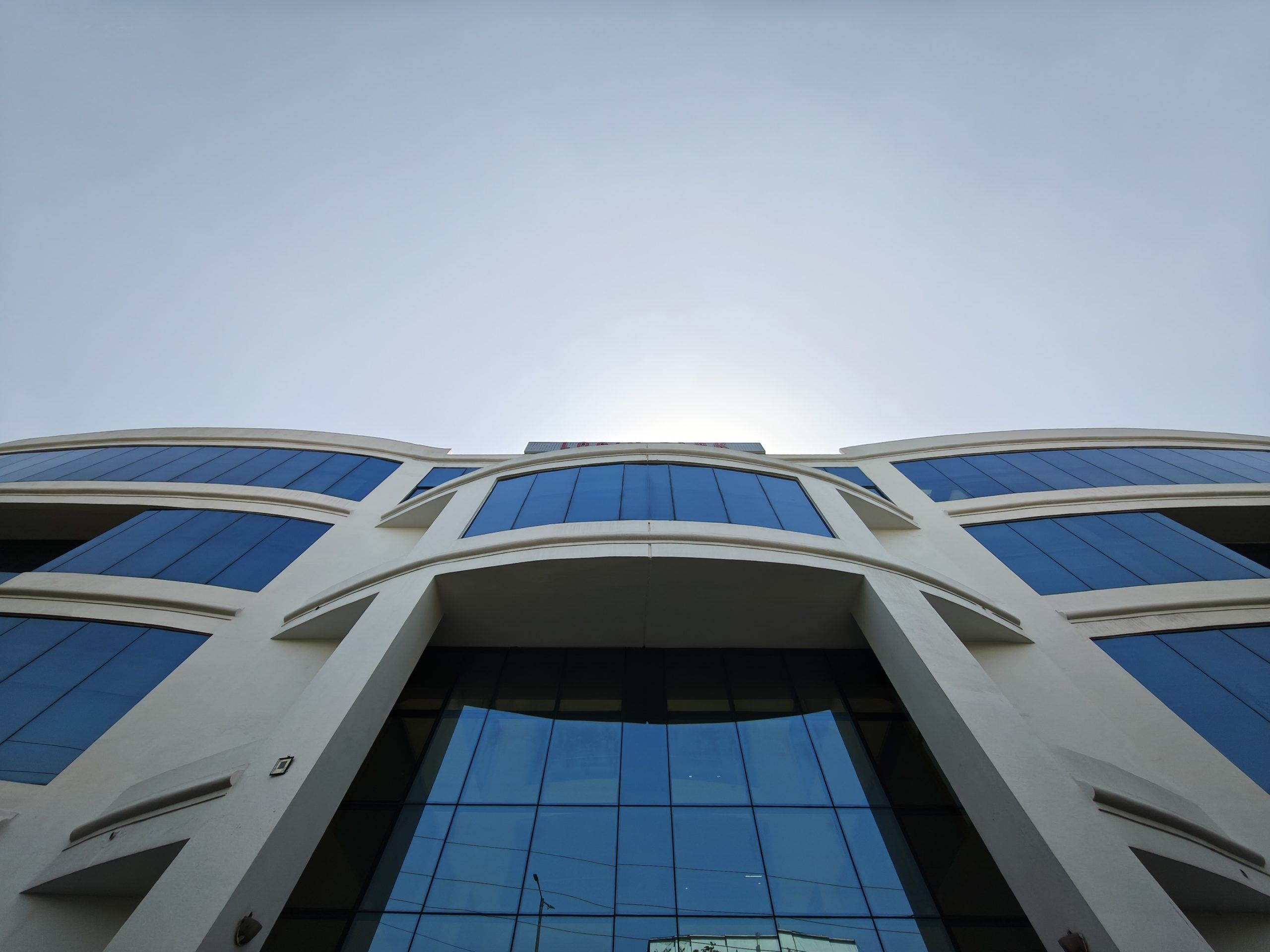
This is clearly the headline feature. The 50MP Sony LYTIA 710 sensor is something you typically see in this segment, and Motorola is leaning heavily into its low-light capabilities. Initial results are promising. Daylight shots show strong detail, balanced colors, and good dynamic range. The ultra-wide camera performs consistently without major color inconsistencies, which is often a weak point in this range. Low-light performance looks improved compared to typical mid-range phones, especially in terms of noise control and texture retention. The front camera also delivers sharp and natural-looking selfies. Video recording is 4K up to 60 FPS across all camera lenses. Below are the camera samples for the new Moto Edge 70 Pro.







A more complete evaluation will depend on extended testing across different scenarios.
Battery And Charging
The 6500mAh battery is one of the biggest highlights here. It's unusually large for a phone in this category, and early usage suggests it could deliver excellent endurance. Motorola claims over two days of usage, and while that remains to be verified, the initial drain rate looks very controlled. The inclusion of a 90W charger in the box is a big plus, especially at a time when many brands are removing chargers entirely. Charging speed is fast, takes under an hour for a full charge, though that needs proper testing.
Software And Features
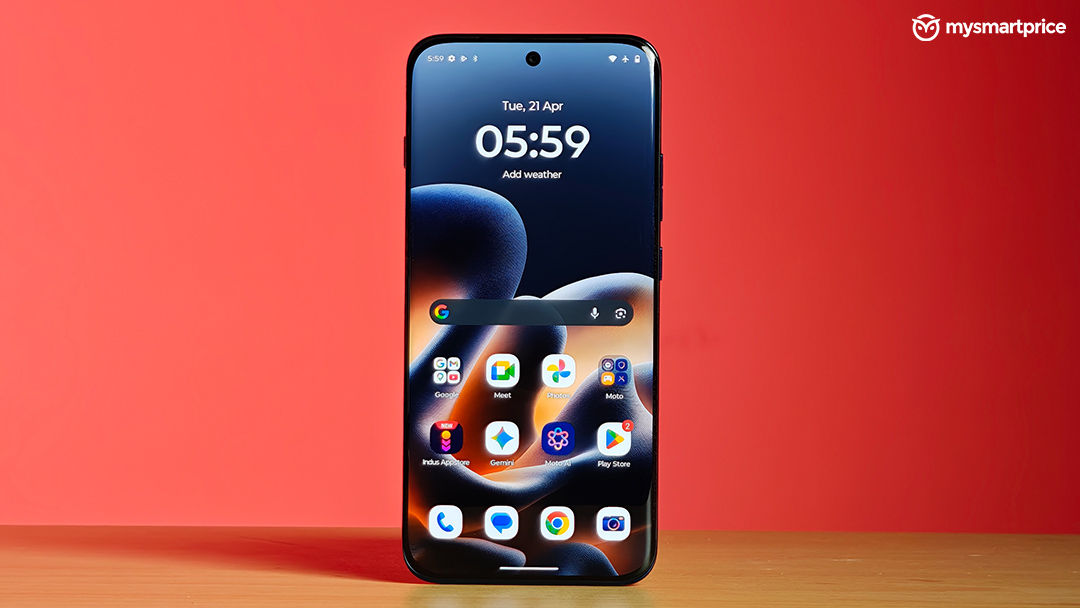
The Edge 70 Pro runs Android 16 with Motorola's clean software approach. The experience remains close to stock, with minimal bloat and smooth navigation. Moto AI features are integrated across the system, including smart suggestions, notification summaries, and real-time transcription. These features feel more practical than experimental. Motorola is promising 3 years of OS updates and 5 years of security patches, which is competitive and adds long-term value. Dolby Atmos and Hi-Res Audio support round out the multimedia experience.
Final Thoughts
The Motorola Edge 70 Pro makes a strong first impression by focusing on meaningful upgrades. The camera sensor stands out in this segment, the battery size addresses a major user concern, and the performance package feels close to flagship levels. The display and durability ratings further strengthen its case. However, the real question is whether all of this comes together consistently enough to justify its expected pricing above ₹40,000. Competition in this range is intense, with strong alternatives offering aggressive pricing or specialized strengths. The Edge 70 Pro looks like a well-rounded package on paper, but its real value will depend on sustained performance, camera consistency, and battery reliability in everyday use. A full review will give a clearer answer, but for now, this feels like Motorola's most serious attempt yet at bridging the gap between upper mid-range and true flagship territory.