With the Nothing Phone 4a, the brand continues to develop a formula that has helped it stand out in an increasingly crowded smartphone market. The phone maintains the brand’s familiar visual identity, with only subtle adjustments that slightly alter its character, especially in the way the Glyph interface now appears more restrained. The price has also increased compared to the previous generation, likely due to higher memory and storage costs, as well as the transition to faster UFS 3.1 storage.
Nothing Phone 4a
Rs 31,999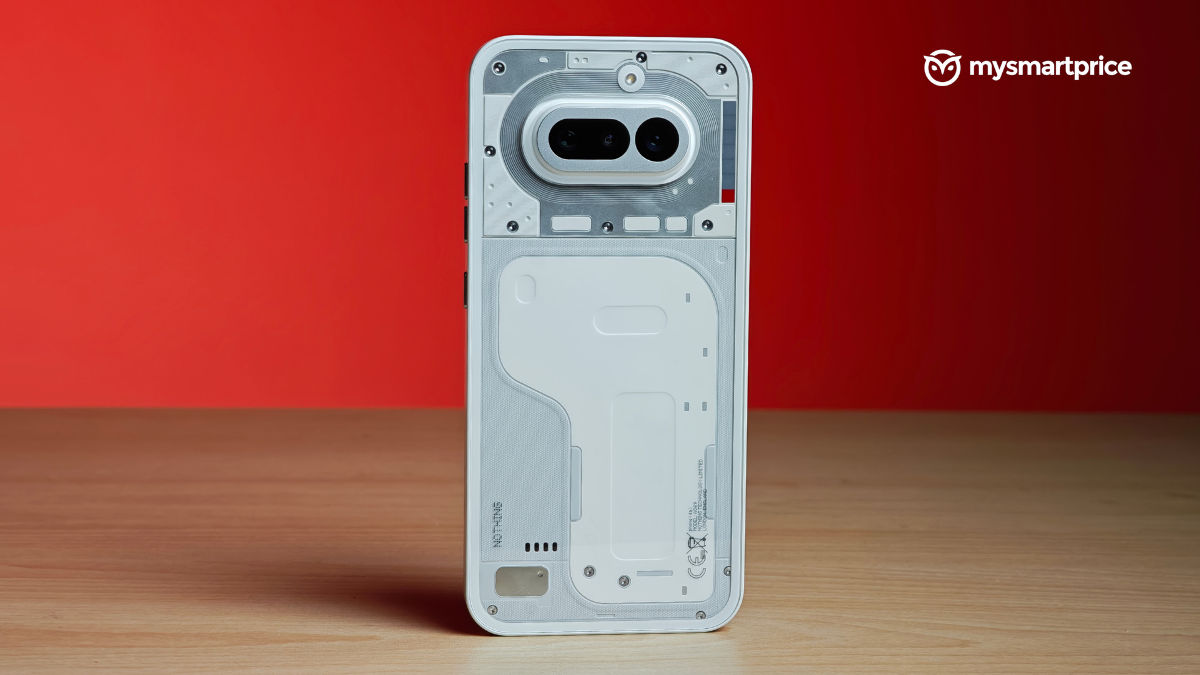
What Is Good?
- Distinctive transparent design with a comfortable in-hand feel
- Smooth, bright display with balanced colour tuning
- Reliable cameras, especially for portraits and low-light shots
- Stable everyday performance with dependable battery life
What Is Bad?
- The Glyph interface feels less expressive than before
- Not the strongest performance for the price segment
- Only IP64 rating
This positions the Phone 4a within the competitive sub-Rs 40,000 segment. The Motorola Edge 70 offers a more powerful processor and a sleeker aluminium build, while last year’s Realme GT 7 and the iQOO Neo 10 continue to attract with strong performance and capable cameras.
To understand where the Phone 4a fits, I spent several days testing it across everyday scenarios. Here is my detailed review.
Design and Build Quality
The Nothing Phone 4a retains the brand’s familiar transparent aesthetic, complete with exposed bolts, contrasting colour panels, and the signature metal oval plate around the camera. It still stands out in a segment where most phones are looking increasingly alike.
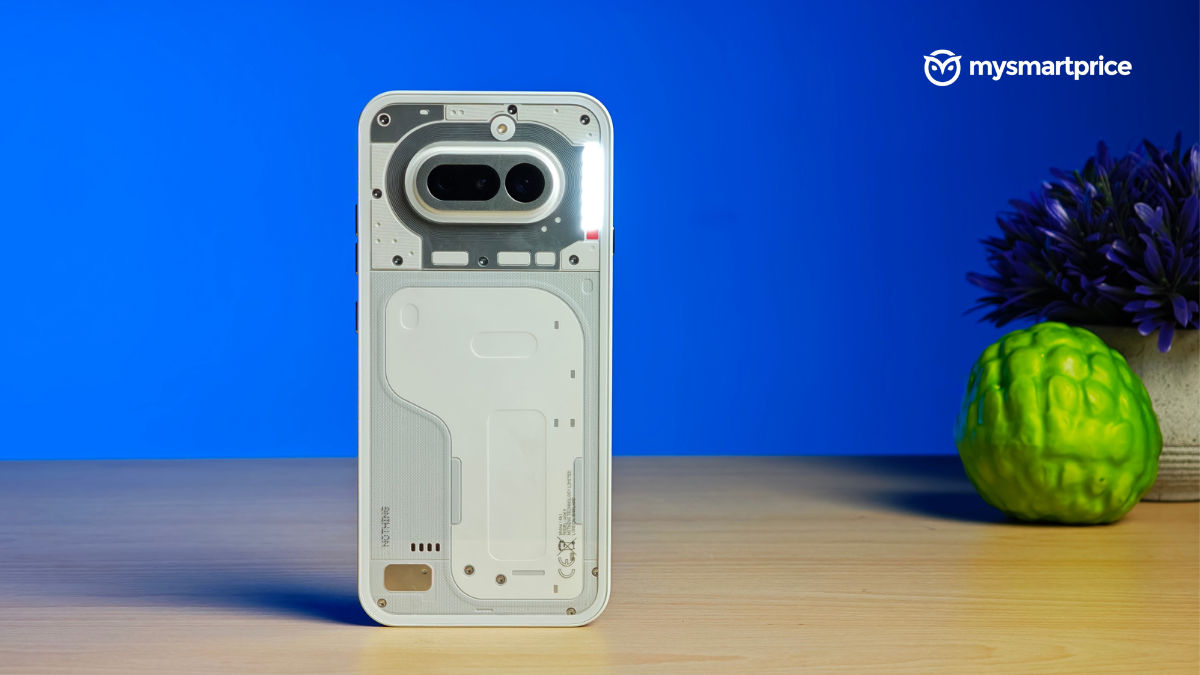
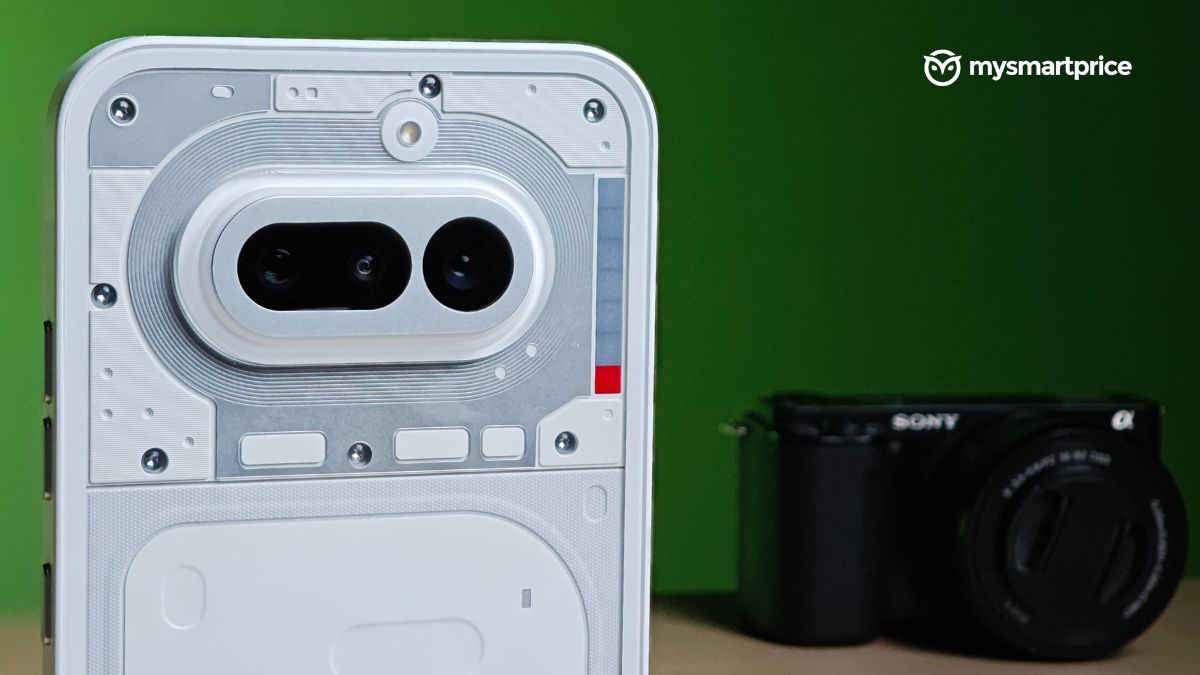
However, the Glyph interface demonstrates a clear change in approach. In earlier models, the LED strips were arranged around the camera module in multiple segments, creating more dynamic lighting patterns for notifications and visual cues. On the Phone 4a, this layout has been simplified to a single vertical strip with nine LEDs on the right side of the back panel. The system still conveys useful information such as incoming calls, timers, volume adjustments, and app activity, but the fewer lighting zones restrict how expressive the effects can be.
This simplified approach resembles the CMF Phone 2 Pro’s shift from experimental modular accessories to a more standardised universal cover, where flexibility was sacrificed for practicality. Compared to the more playful lighting arrangements seen on the Phone 2a and Phone 3a, the Phone 4a’s Glyph design appears more restrained and functional, prioritising clarity over visual flair.
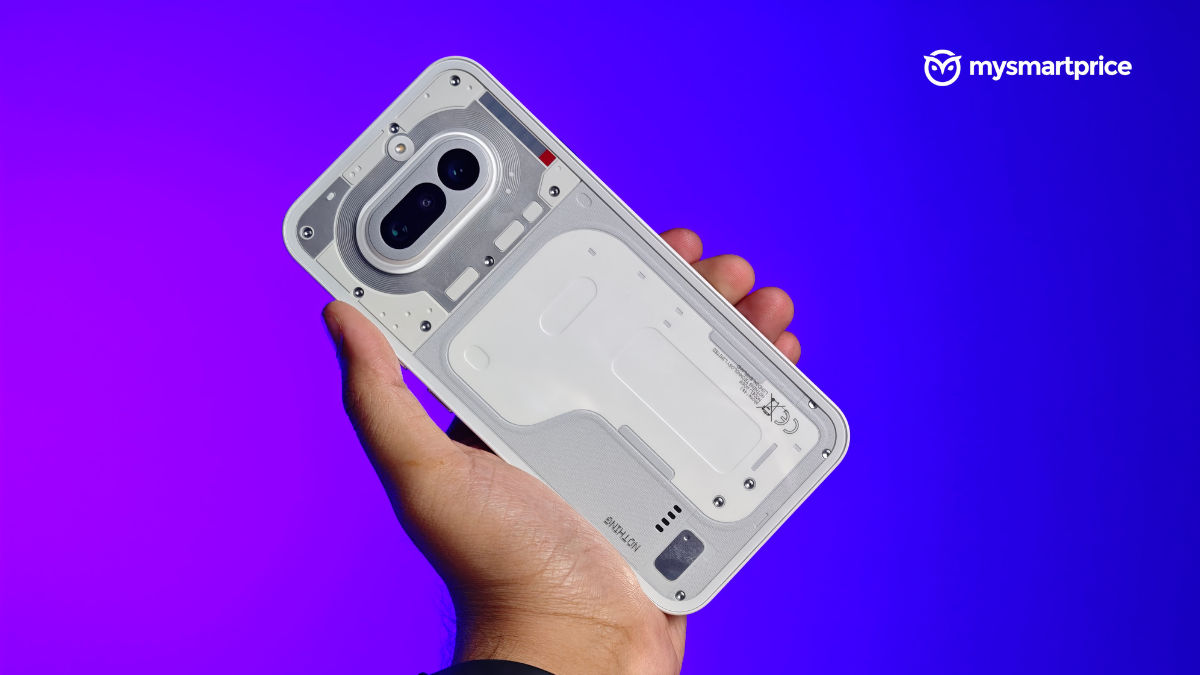
The in-hand feel is easy to appreciate. The thickness strikes a comfortable middle ground, feeling reassuring without seeming bulky or overly. The weight is similarly well-balanced, giving the phone a sturdy feel while remaining comfortable to use for long stretches. Overall, the proportions make the Phone 4a feel well-considered and pleasant to live with day to day.
| Design | Specifications |
| Colour Options | White (our review unit), Black, Blue, and Pink |
| Weight | 205g |
| Thickness | 8.5 mm |
| IP Rating | IP64 |
| Port and Button Placements | Bottom: Primary microphone, USB port, speaker grille, and SIM card tray
Top: Secondary microphone Right Side: Power button and volume button |
While the physical build feels solid in hand, the water and dust protection could have been improved. The Phone 4a has an IP64 rating, which provides only basic protection against accidental water exposure. This level of durability is noticeably lower than that of most of its competitors. For example, the recent Motorola Edge 70 and last year’s Realme GT 7 offer far superior IP68 and IP69 ratings.
Display and Audio Quality
The Nothing Phone 4a features a 120Hz refresh rate, which makes everyday navigation feel quicker and more responsive. Scrolling through social media feeds, web pages, and long articles feels smooth, with less stutter during fast movement. Animations when opening apps or switching between tasks also appear more seamless, giving the interface a controlled, consistent feel during regular use.
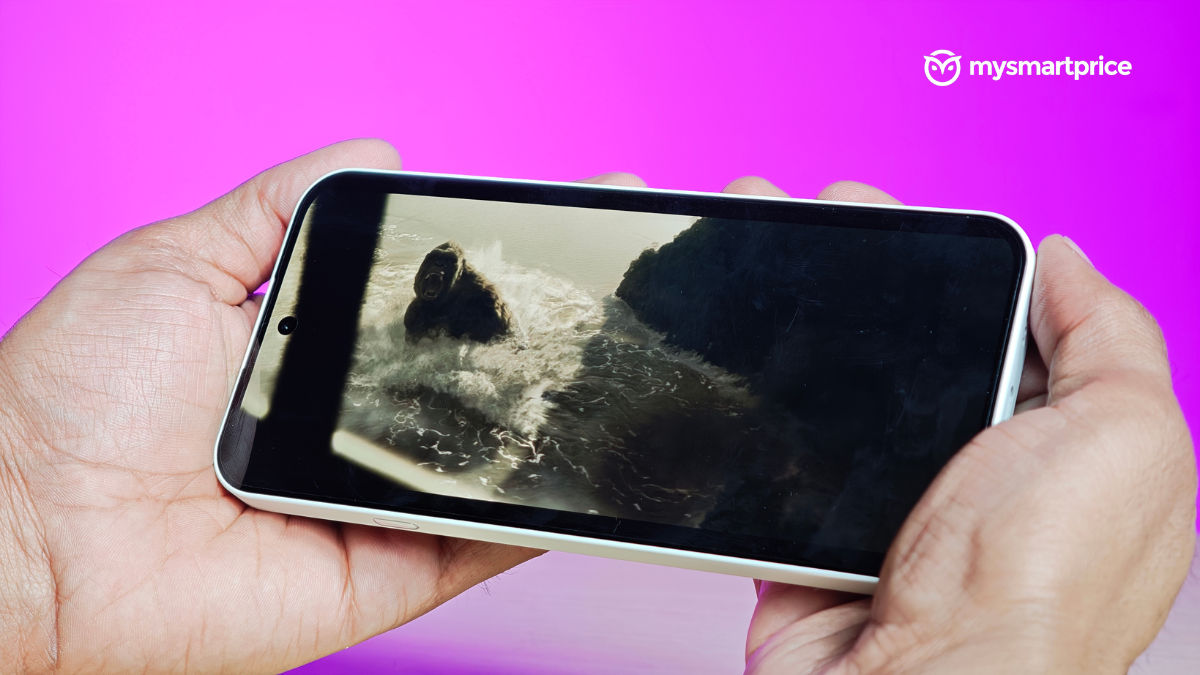
During testing, the panel reached a peak brightness of 2160 nits, making a noticeable difference outdoors. The screen remains legible even under direct sunlight. However, the brightness behaviour is not always entirely consistent. HDR videos appear slightly dimmer than those on the Motorola Edge 70 Fusion, while standard apps with bright white backgrounds, such as the Google Play Store, often seem more intense than expected.
In various movies and series, the display handles darker scenes well. Fine shadow details remain visible, allowing environmental textures and background elements to come through clearly. The colour tuning prioritises realism over punchiness, resulting in visuals that appear balanced. Animated content looks lively without appearing artificially enhanced, which makes the overall viewing experience feel more natural.
| Display | Specifications |
| Size | 6.78-inch |
| Type | Flexible AMOLED |
| Resolution | 1.5K resolution (1224 x 2720) |
| Refresh Rate | 120Hz |
| Peak Brightness | Claimed: 4500 nits, Tested: 2160 nits |
| Display Protection | Corning Gorilla Glass 7i |
Alongside the display, the Nothing Phone 4a provides a similarly reliable audio experience. The stereo speakers deliver clear sound with good separation between vocals and instruments, helping music and dialogue come through distinctly. Even at higher volume levels, the output remains controlled with minimal distortion, making the phone dependable for everyday listening.
Performance and Software
The Nothing Phone 4a is equipped with the Snapdragon 7s Gen 4 chipset and faster UFS 3.1 storage. In everyday use, the phone feels quick and reliable. The interface is smooth, apps open without delay, and routine tasks like streaming, photography, and casual gaming run seamlessly. The shift to UFS 3.1 storage makes a noticeable difference, with faster load times than UFS 2.2 on the Phone 3a.
That said, the Snapdragon 7s Gen 4 isn’t exclusive to this segment and is also seen in more affordable devices like the Motorola Edge 70 Fusion. In the sub-Rs 40,000 range, rivals such as the Motorola Edge 70, iQOO Neo 10, and Realme GT 7 tend to offer better benchmark scores and stronger peak performance.
The Phone 4a, then, is clearly tuned for consistency over outright speed. It prioritises smooth, reliable day-to-day performance rather than chasing top-end numbers.
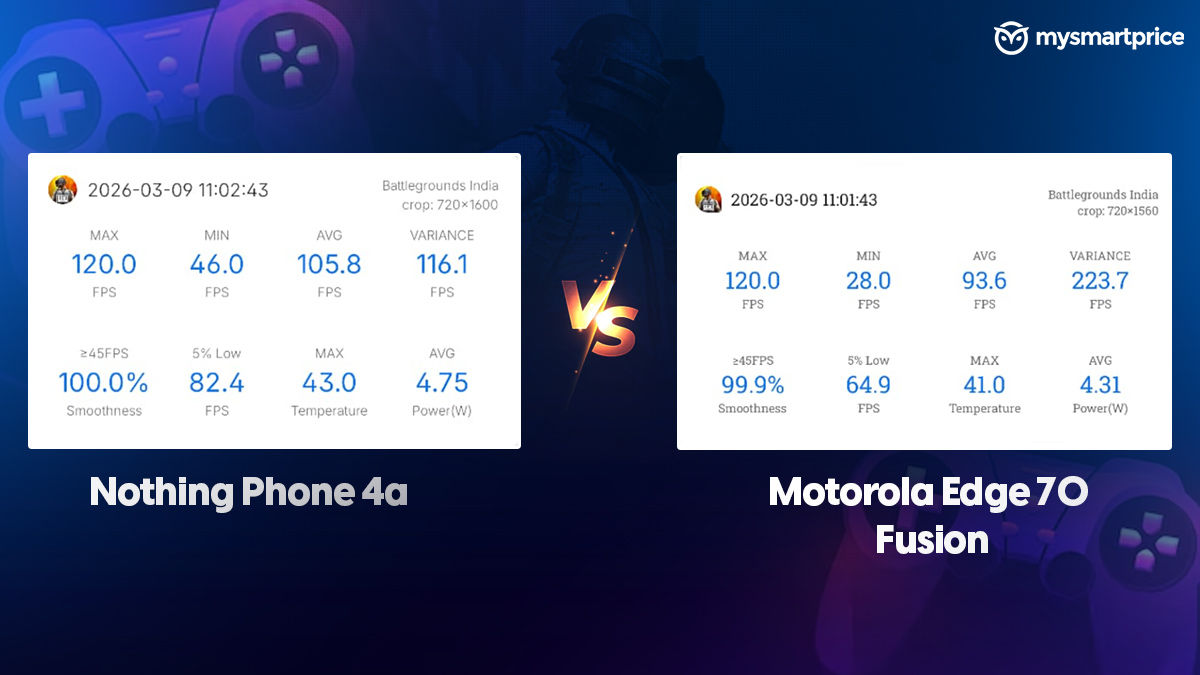
For users who push the hardware harder, gaming gives a clearer sense of how the Nothing Phone 4a handles sustained workloads. In BGMI, it averages 105.8 fps, surpassing the Motorola Edge 70 Fusion’s 93.6 fps, while offering better frame stability, as evidenced by a smaller gap between the average FPS and the 5% low. This smoother performance comes with marginally higher temperatures, reaching 43°C compared to Motorola’s 41°C. Overall, the Phone 4a feels more comfortable with lighter, pick-up-and-play titles like Candy Crush, yet can handle short sessions of more demanding games without issue.
| Hardware | Specifications |
| RAM | Up to 12GB LPDDR4X |
| Storage | Up to 256GB UFS 3.1 |
| Storage Test | 121946 |
| CPU Throttling Test | 82% |
| Software Version | Nothing OS 4.1, based on Android 16 |
| Connectivity Details | Bluetooth 5.4 and Wi-Fi 6 |
| Number of Software Updates | Three years of major OS upgrades and six years of security patches |
At its core, the Phone 4a runs Nothing OS 4.1 based on Android 16. The experience stays close to stock Android but feels more refined, with fluid animations and smooth transitions that keep navigation responsive.
Beyond familiar features like Essential Space, the new Essential News widget stands out. It curates stories based on your selected interests and presents them through a dedicated homescreen widget. The audio format is a notable addition, with a voice-led news brief designed to mimic a broadcast-style update.
Cameras
The Nothing Phone 4a approaches photography with a practical advantage by including a dedicated telephoto lens rather than relying heavily on digital cropping like many rivals. This provides greater flexibility in framing shots and helps maintain clarity when zooming in on distant subjects.
| Cameras | Specifications |
| Primary camera | 50-megapixel, OIS, f/1.88 |
| Secondary camera | 8-megapixel, 120° FOV, f/2.2 |
| Tertiary Camera | 50-megapixel, 3.5x periscope, OIS, f/2.88 |
| Selfie camera | 32-megapixel, f/2.2 |
| Video capabilities | Up to 4K at 30fps for the primary camera and 1080p at 60fps for the front camera |
In daylight, the primary camera leans towards a more expressive style. Images appear vibrant, with stronger contrast and slightly deeper shadows, giving photos a moodier character rather than aiming for completely neutral tones.





Portrait photography is a clear strength. The telephoto lens enables pleasing subject separation, while the background blur looks smooth and natural. The same lens also performs well for close-up shots, capturing macro images with controlled depth and a well-defined point of focus.
The ultra-wide camera remains useful for landscapes and group shots, though its HDR processing is not always as consistent as the main sensor when dealing with complex lighting.
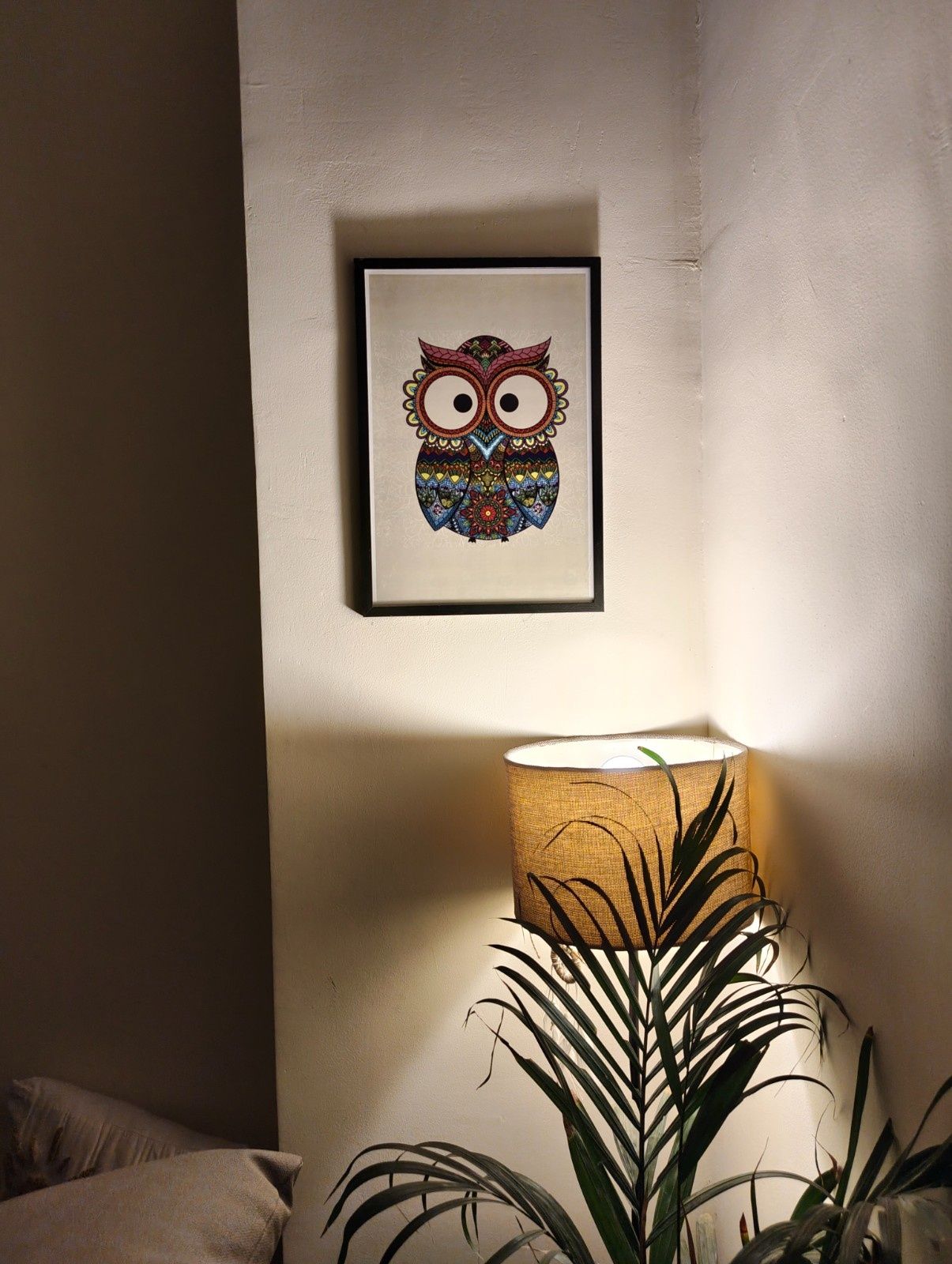

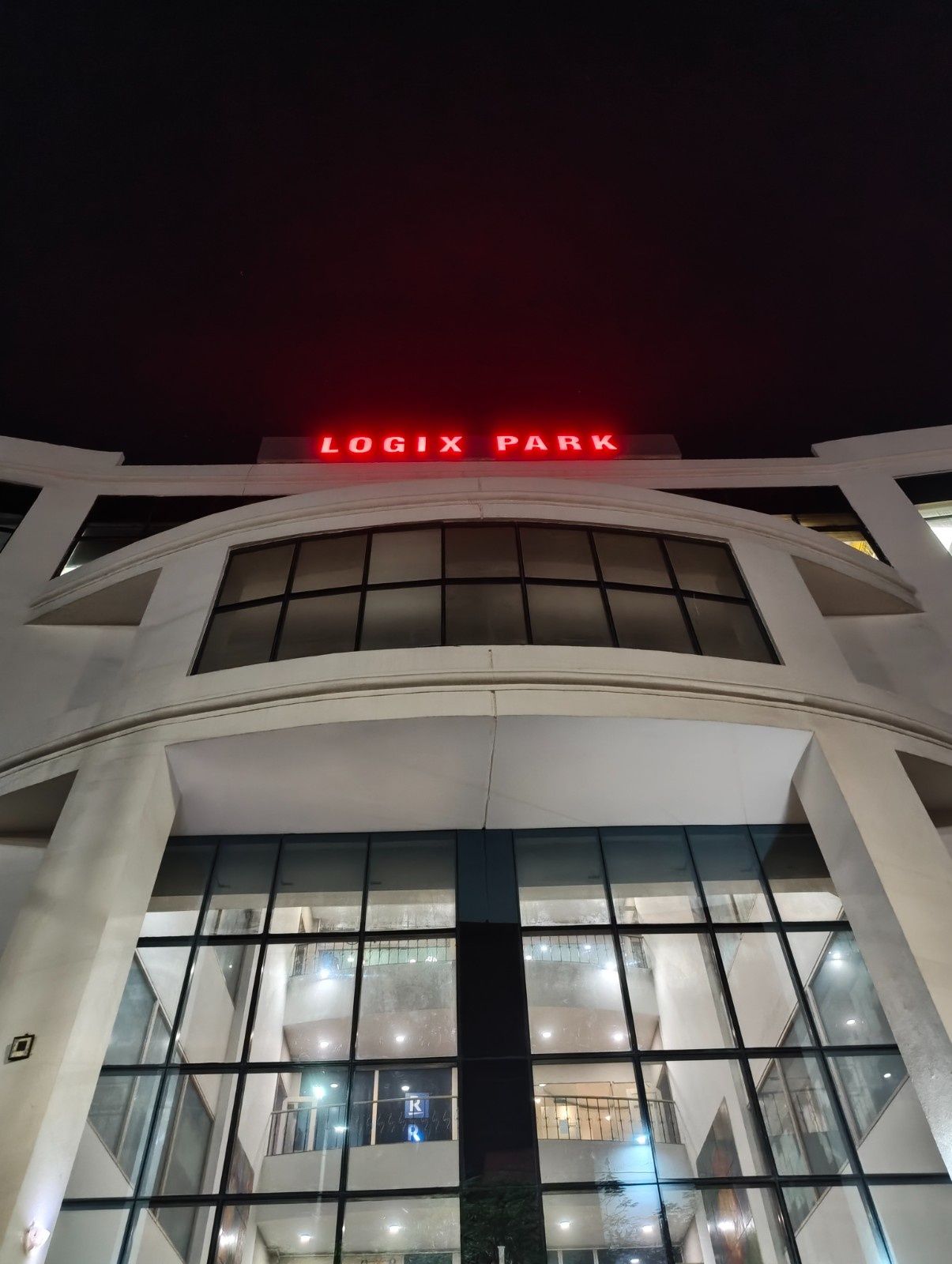
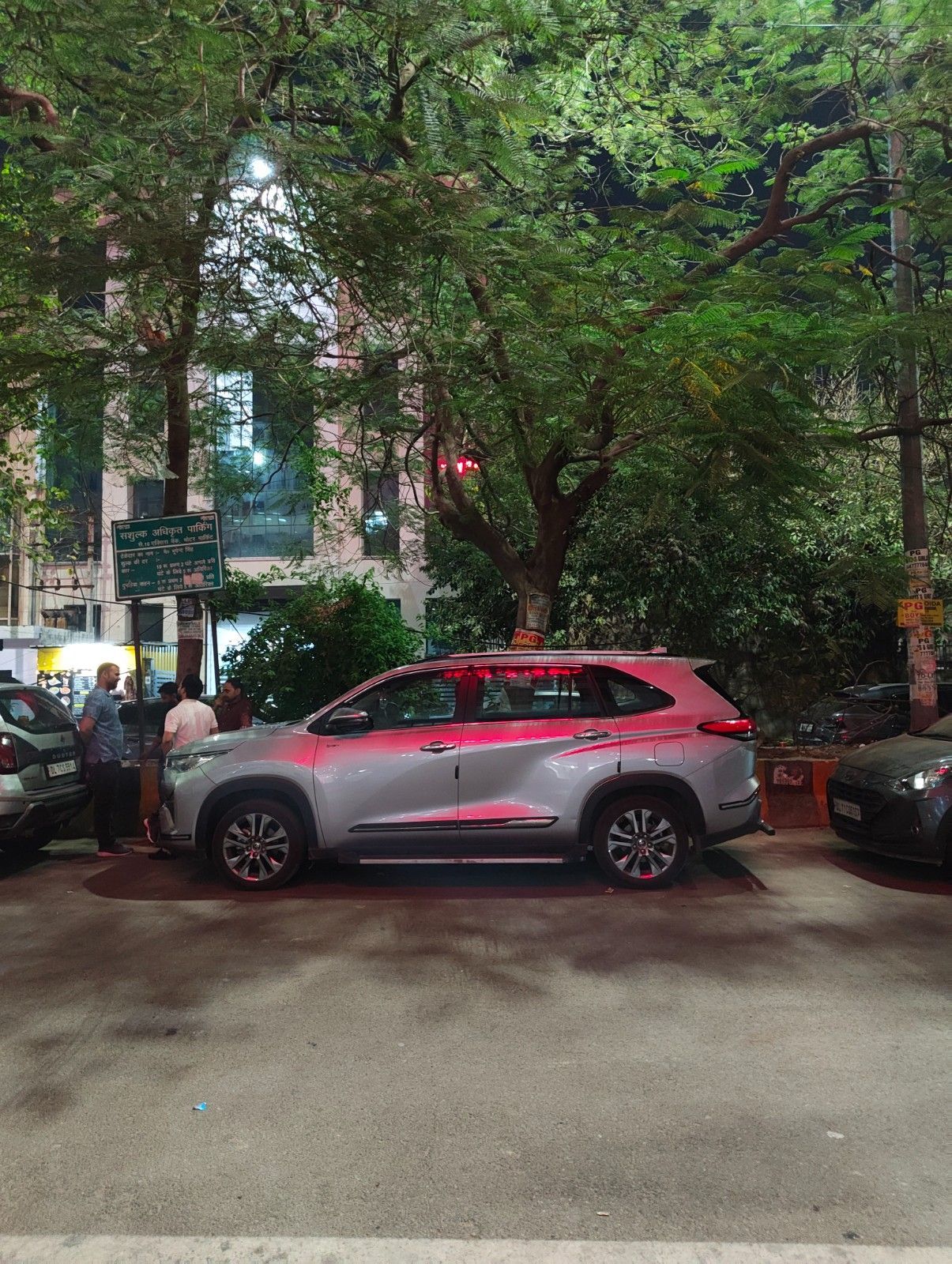
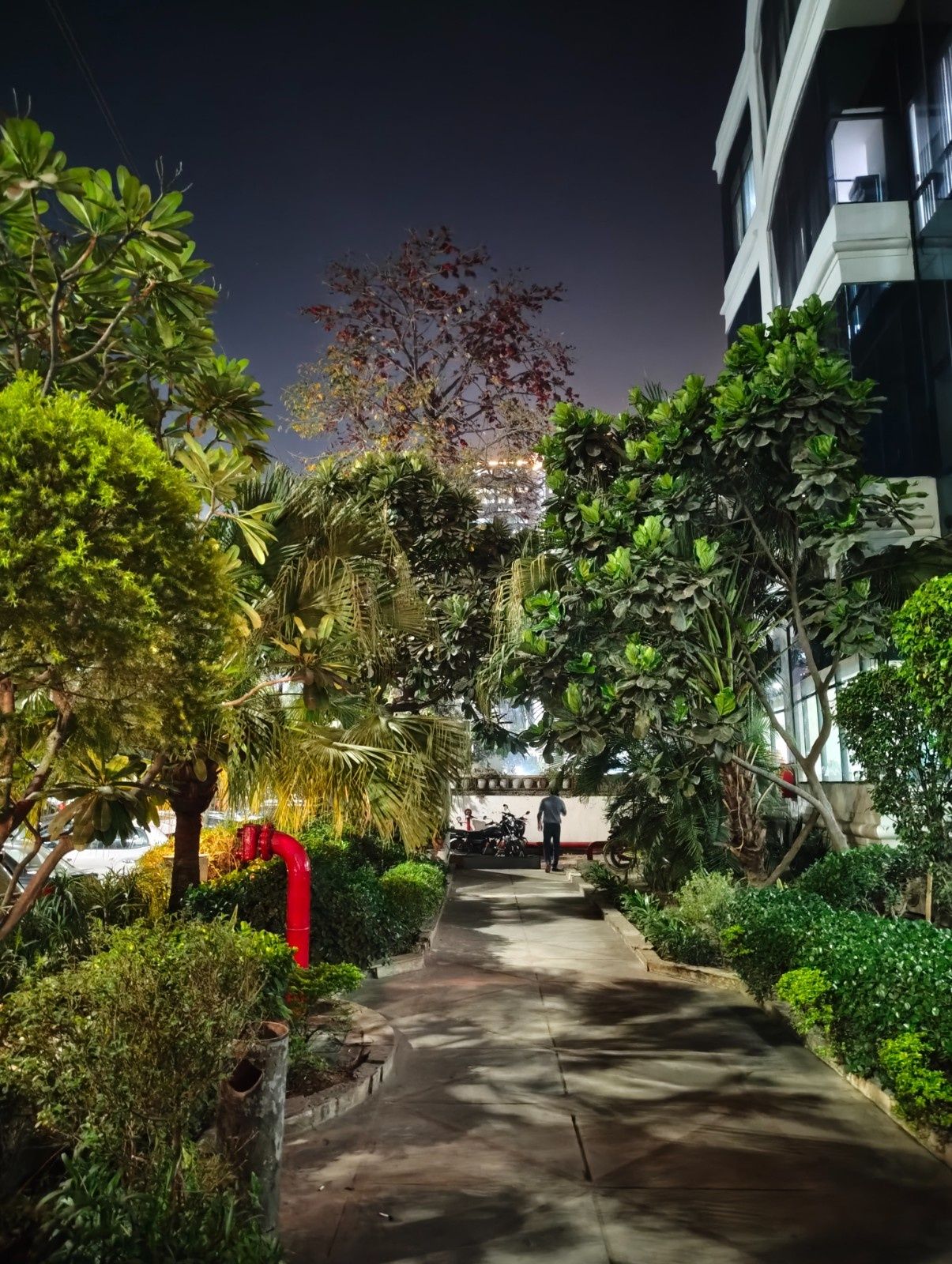
In low light, the camera keeps images sharp and colourful without introducing excessive noise. Night photos appear clean and remain suitable for social sharing.
The 32-megapixel front camera also performs reliably, handling exposure carefully and producing selfies that look bright, balanced, and naturally flattering.
Battery
The Nothing Phone 4a features a 5,400mAh battery, and its software optimisation plays a key role in extending endurance. In benchmark tests, it comfortably outlasts the Motorola Edge 70 and comes surprisingly close to the Redmi Note 15 Pro Plus, which relies on a much larger 6,500mAh battery to deliver similar results.
In daily use, the battery is reliable. A routine involving streaming shows, browsing YouTube Shorts, messaging, and brief gaming sessions typically yields around seven to eight hours of screen-on time. More often than not, it leaves enough charge by the end of the day without requiring an early top-up.
The retail box does not include a charger. The Phone 4a supports 50W wired charging, and with a 120W PD adapter, a full charge takes approximately 1 hour and 15 minutes, making it convenient for overnight or quick top-ups during the day.
Verdict
The Nothing Phone 4a offers a well-balanced experience that emphasises everyday usability over impressive specifications. Its transparent design still feels unique, the display appears natural, and the cameras work reliably in various situations. Battery life is sufficient to get through a busy day, and Nothing OS 4.1 maintains a clean, smooth interface. However, the Glyph interface feels less expressive than before, performance is not the best in this price range, and the IP64 rating provides only basic protection. Nonetheless, the Phone 4a remains an easy phone to appreciate for its consistency and thoughtful design.