The sub-Rs 25,000 smartphone category has become really competitive in the past couple of years. Displays are smoother than ever, cameras have improved significantly, and even affordable chipsets are now powerful enough for everyday use. However, right now, this segment is also struggling due to the rising hardware prices. It seems to be getting difficult for brands to launch value-for-money smartphones in this segment.
OnePlus N6
Rs 22,999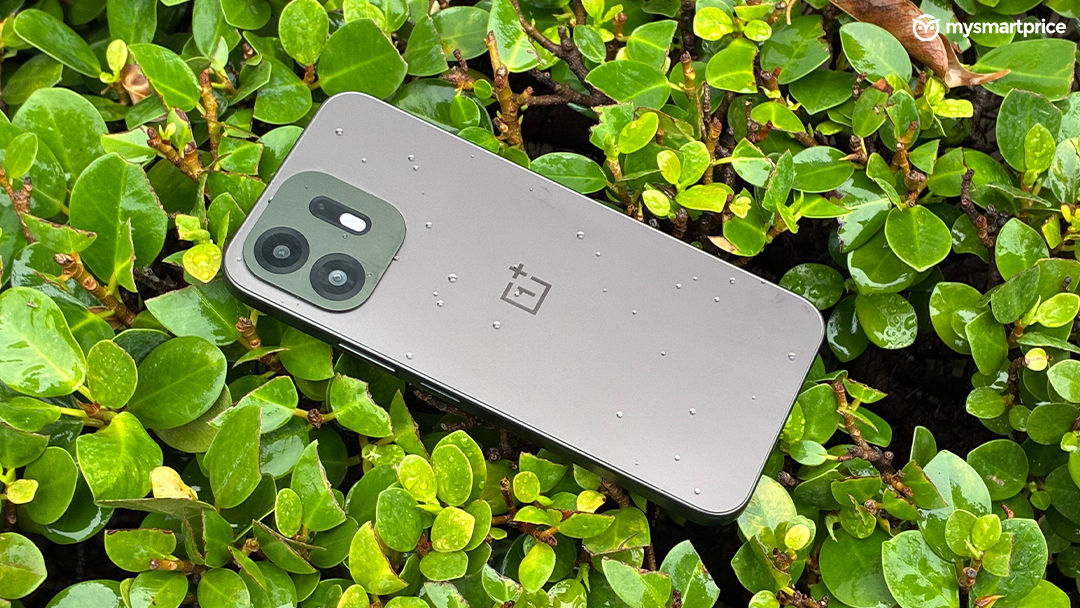
What Is Good?
- Outstanding battery life with the 8,000mAh silicon-carbon battery that easily lasts two days.
- Clean OxygenOS 16 experience with smooth animations, minimal bloatware, and useful AI editing features.
- Decent day-to-day performance for browsing, streaming, navigation, social media, and multitasking.
- Solid build quality with a fingerprint-resistant matte finish, IP65 rating, and MIL-STD-810H certification.
What Is Bad?
- HD+ LCD display feels dated when competitors offer Full HD+ panels
- Below-average outdoor brightness
- Gaming performance is limited
Now in that confusing market, instead of chasing benchmark numbers or loading the phone with flashy hardware, OnePlus has taken a different approach with the N6. The company’s newest budget smartphone focuses on something many users care about just as much as performance: battery life.
The OnePlus N6, with a starting price of Rs 22,999, packs an 8,000mAh battery, OxygenOS 16, and hardware that’s designed to deliver a reliable day-to-day experience rather than headline-grabbing specifications.
Follows The Modern OnePlus Design Language
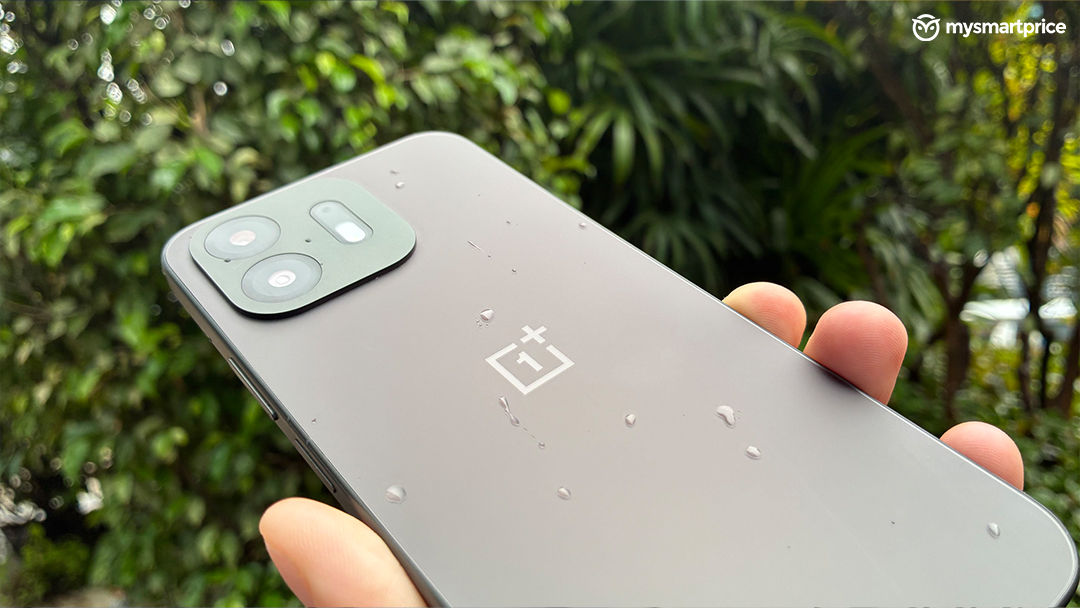
If you’ve seen a OnePlus phone launched over the past year, the N6 will feel instantly familiar. The square camera module placed on the top-left corner and the flat side rails closely resemble the company’s recent design language, which makes it look more premium than its price might suggest.
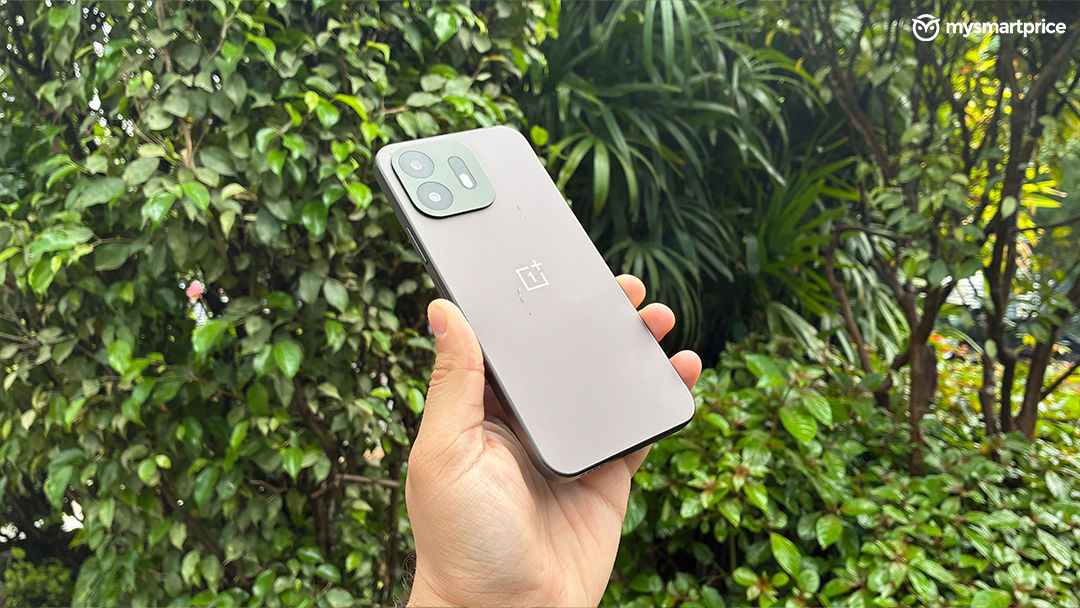
I had the Pitch Black colour variant for review, and I quite like how formal it looks. The matte rear panel keeps fingerprints surprisingly well under control, which is always a welcome touch considering how easily glossy finishes attract smudges.
However, to keep the costs under control, OnePlus went with a polycarbonate body instead of glass or metal. Now, it might not scream premium, but it does not look cheaply made either. The construction is solid, the buttons feel tactile, and there are not any obvious compromises in day-to-day usage.
But we need to talk about its size.
At 224 grams and 8.88 mm thick, the OnePlus N6 is noticeably larger than most smartphones in this segment. That’s hardly surprising considering it houses an 8,000mAh battery. Thankfully, the weight distribution is balanced enough that the phone doesn’t feel awkward in the hand, although using it for a long time with one hand can be uncomfortable for some people.
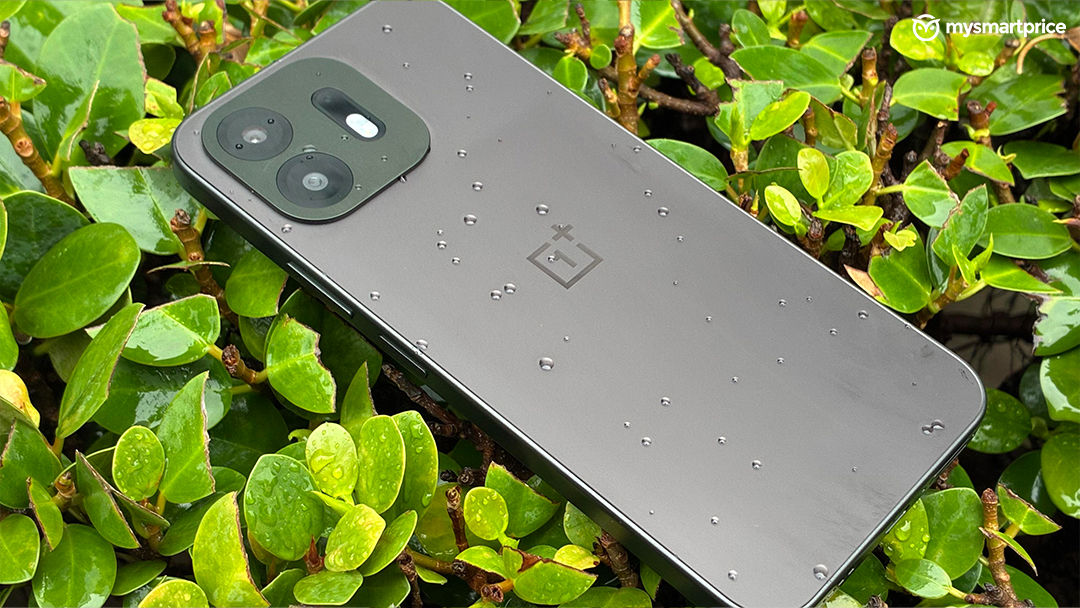
On the durability front, OnePlus has included an IP65 rating alongside MIL-STD-810H certification. While IP65 feels a little conservative in 2026, it should still offer enough protection against dust and accidental splashes for everyday use.
Display Looks Natural, But Doesn’t Shine The Brightest
The OnePlus N6 features a 6.75-inch HD+ LCD display with 120Hz adaptive refresh rate support.
In your routine use, it does the job fairly well. Colours look vibrant and not overly saturated; viewing angles are decent, and the higher refresh rate makes scrolling through apps and social media feel smooth, and it’s good to have an essential feature like this in a budget phone.
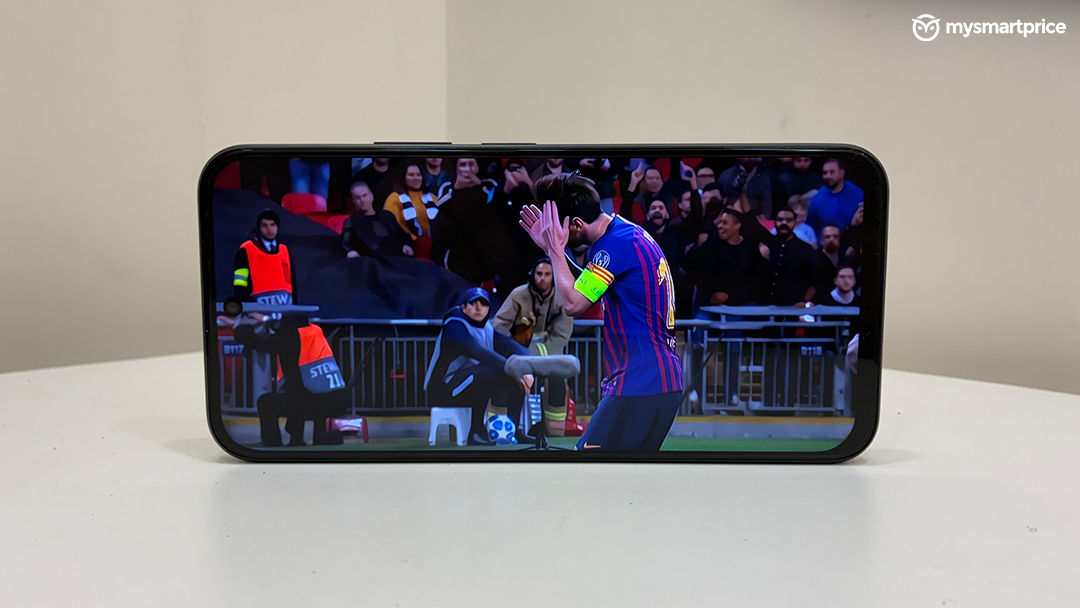
However, this is also where the cost-cutting becomes most evident. Many other brands now offer Full HD+ AMOLED panels at this price, while the N6 still sticks with an HD+ resolution. It feels a step behind when reading smaller text or streaming high-resolution videos.
Also, the thick chin at the bottom constantly keeps reminding you that this is an entry-level smartphone and not a Nord-level device.
In our brightness test, we recorded a peak brightness of 820 nits through a lux meter. To judge it, it is not the best number in the segment, which reflects in real-world usage as well. Under bright afternoon sunlight, I occasionally found myself wishing the panel could get a little brighter.
The OnePlus N6 Is An Everyday Device
With an 8000mAh battery, of course it is an everyday device. I’d say it’s a 3-day device! But what makes this battery last longer is a budget SoC. These processors run at lower clock speeds and prioritise efficiency, which means lower power consumption.
The OnePlus N6 runs on MediaTek’s Dimensity 6360 Apex processor, which is coupled with up to 6GB of RAM and 128GB of storage. This isn’t a chipset that competes with performance-focused smartphones, and OnePlus doesn’t market it as one either. Instead, the focus is clearly on everyday reliability.
But still, if you want to see the power comparison with its competitors, here are the benchmark scores:
In usage such as web browsing, messaging, navigation, streaming content, photography, and switching between multiple apps, the N6 handles everything without too much trouble. Apps open quickly, multitasking feels stable, and you don’t experience any frustrating slowdowns, at least in the initial days.
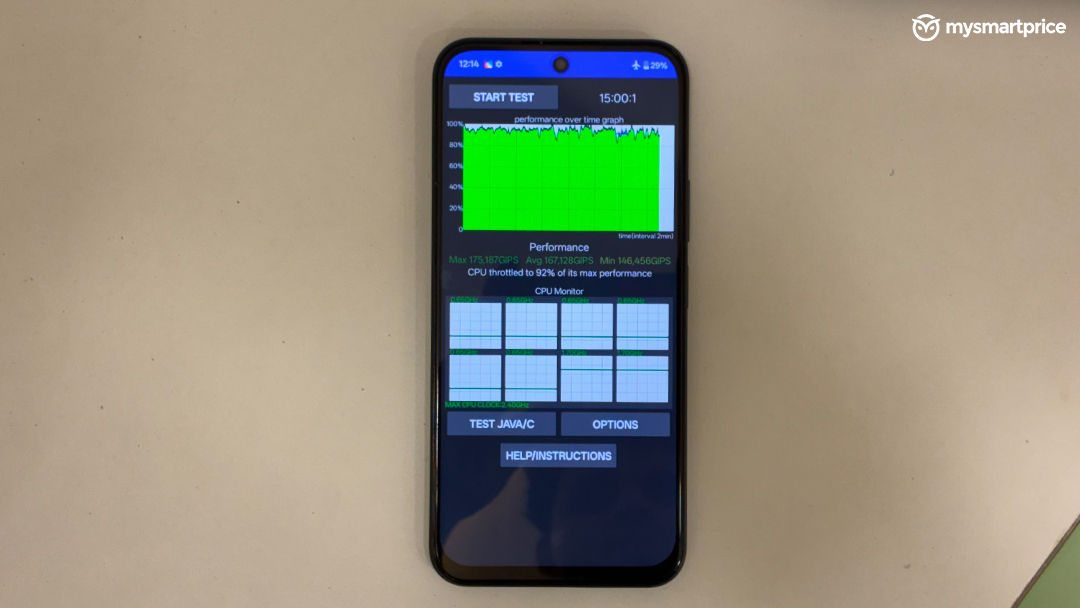
Gaming, however, is where the hardware starts showing its limits. If you want to play demanding games like Genshin Impact on it, then they are best played at lower graphic settings. If you increase the visual quality, there are going to be frequent frame drops.
However, the OnePlus N6 redeems itself with the software experience.
It runs on Android 16-based OxygenOS 16, and it offers one of the cleanest software experiences available in this segment. Animations are fluid, navigation is polished, and OnePlus has thankfully avoided filling the phone with unnecessary bloatware.
Like almost every smartphone launched this year, the N6 also comes with a bunch of AI-powered editing tools, including AI Eraser, AI Unblur, Portrait Glow and Reflection Remover. They’re useful additions for occasional edits, even if they are not the phone’s biggest selling point. The brand has offered 2 years of software updates and 3 years of security patches.
Thoughts On OnePlus N6’s Camera
The OnePlus N6 has two camera sensors on the back. You get a 50-megapixel primary camera accompanied by a 2-megapixel depth sensor, and selfies are handled by an 8-megapixel front camera.
If I talk about the camera samples, OnePlus continues to favour a relatively natural image processing style. Now I like vibrant pictures, but the colour accuracy is also one thing I respect a lot. Because it is hard to code the software as humans see it.
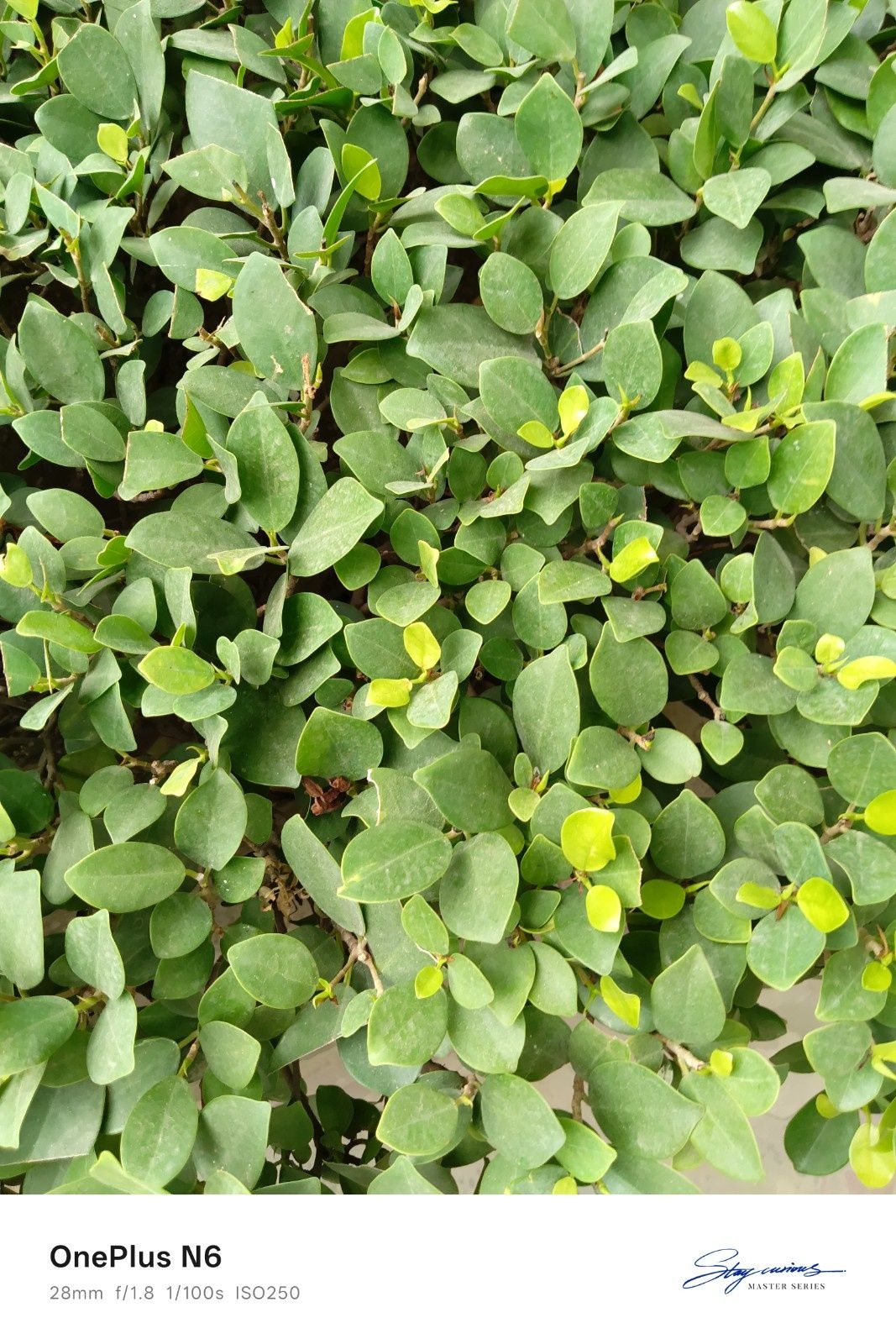
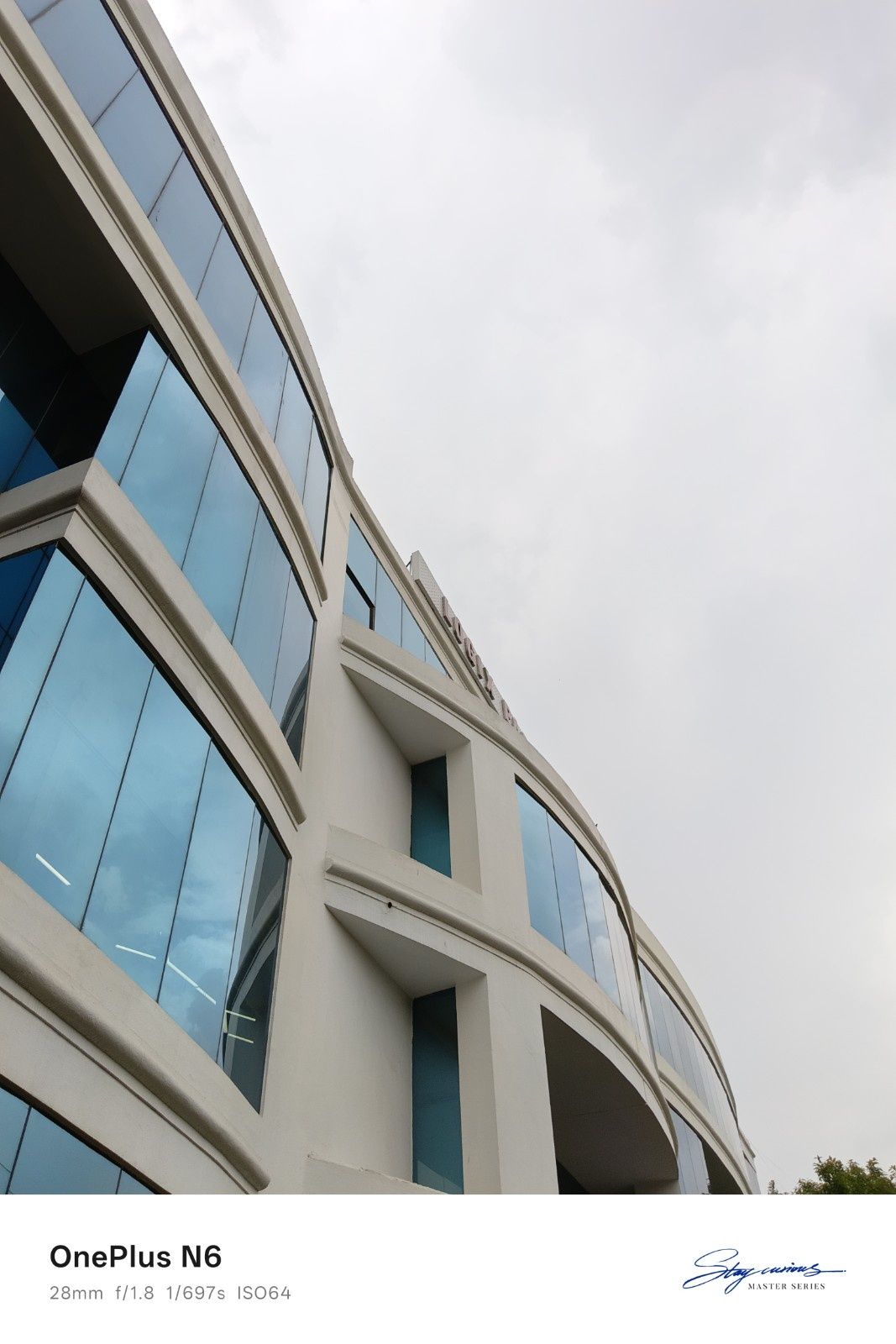


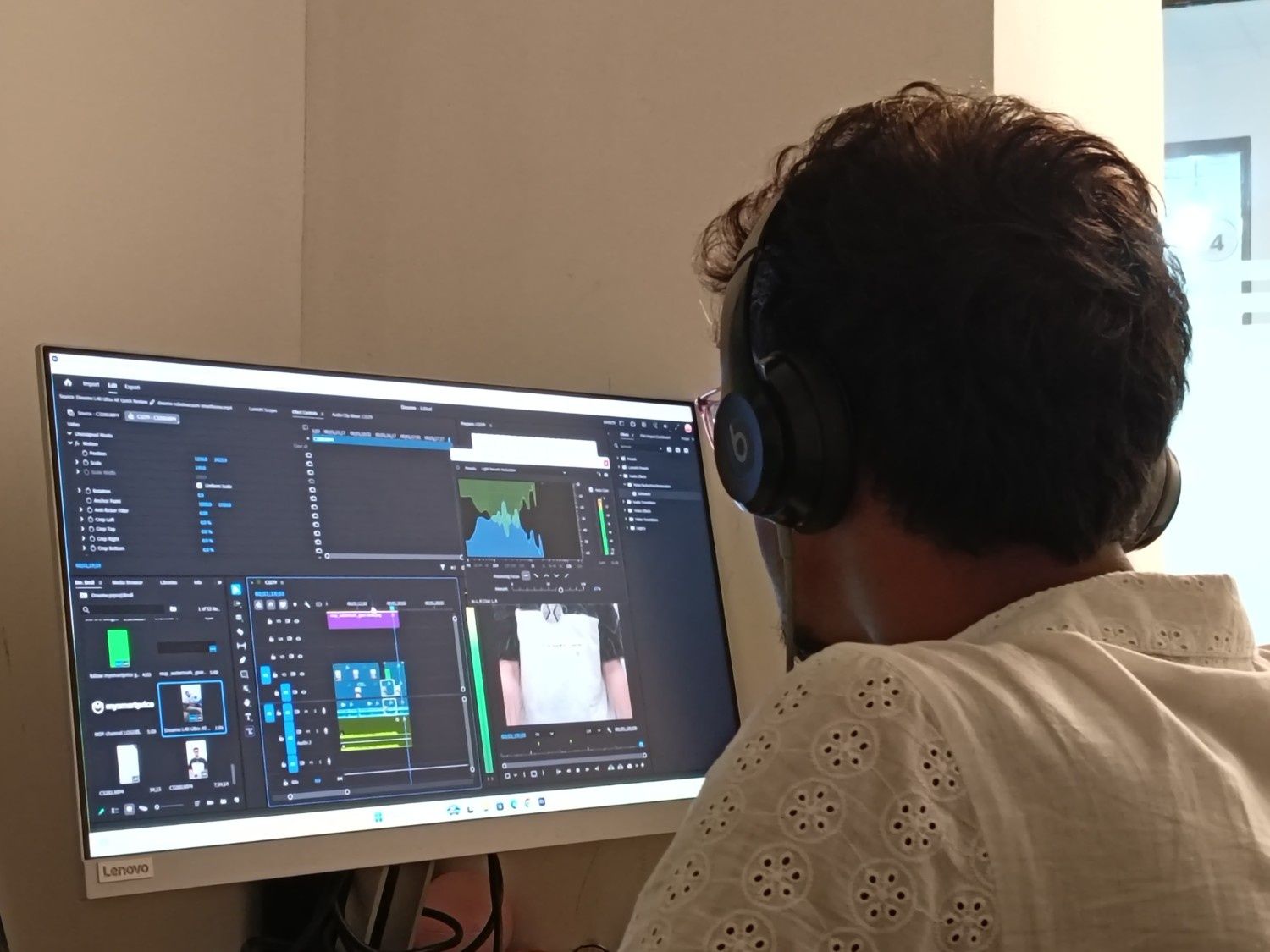

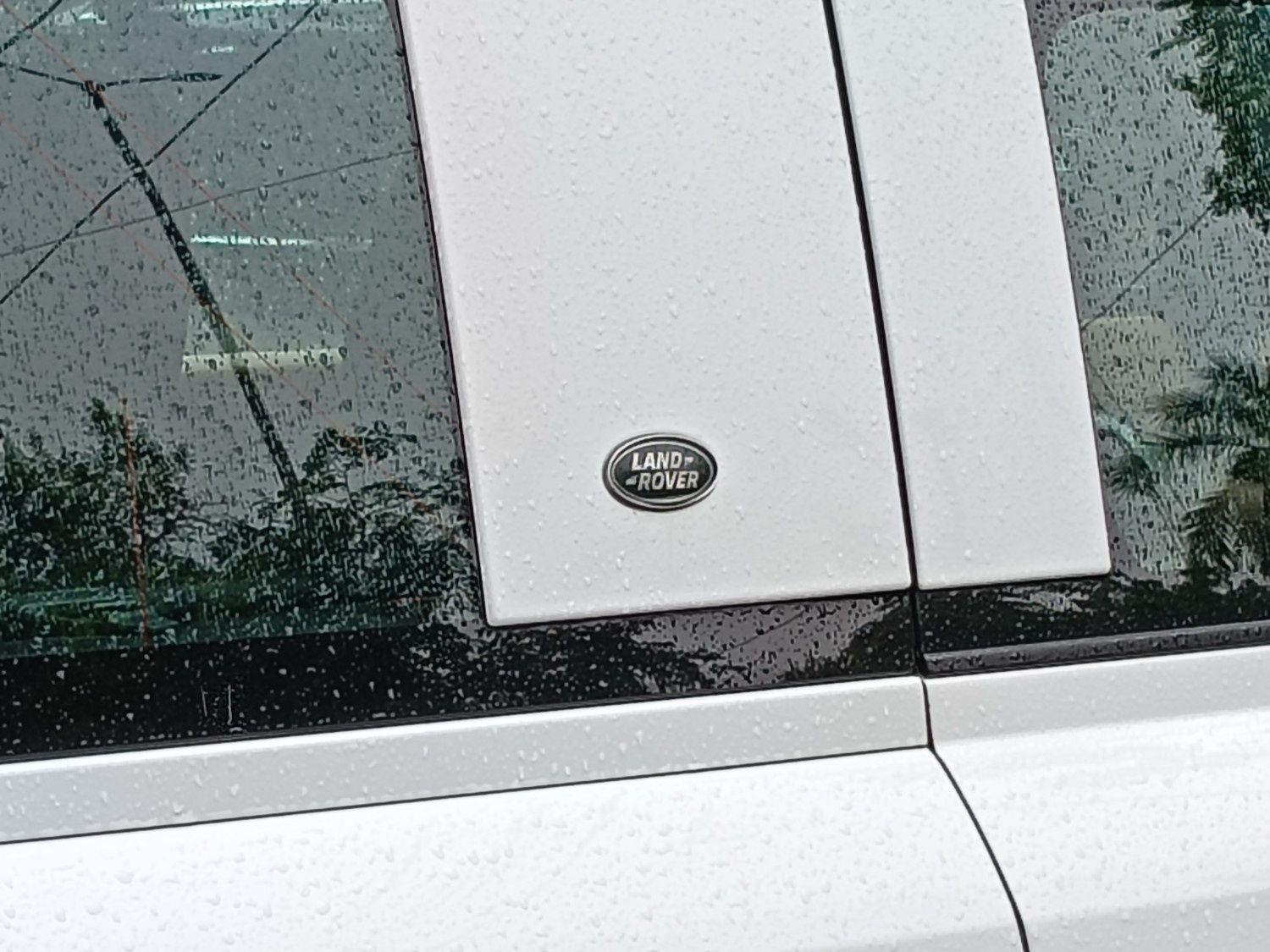
Daylight shoots have balanced colours, decent dynamic range, and details that work for social media. However, if you zoom in, you can notice a loss of detail with that softer texture. Portraits are a strong point for this camera setup. The subject-object separation is mostly accurate, the bokeh looks natural, and even your skin tones look natural.
The Highlight Of The Package
The phone packs an 8,000mAh silicon-carbon battery, and after using it, I can confidently say that it’s the biggest reason to consider this phone. I am talking about a routine that involves navigation, photography, social media, messaging, streaming videos, and occasional gaming, and in the end, you will still have plenty of juice left.
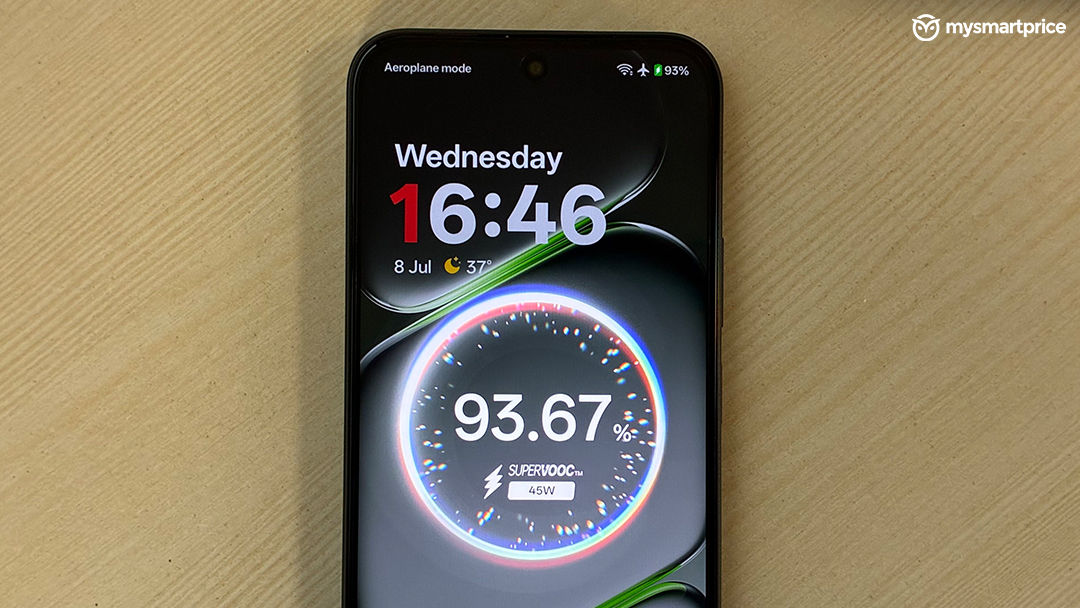
So, moderate users can easily get two full days of use on a single charge, and if you use your phone even less, then you get more hours on it. Its standby battery is also good. The phone lost only 2-3% battery overnight.
To charge that massive battery, the N6 comes with 45W fast charging support. We saw the smartphone go from 20% to 100% in about an hour and a half. Yes, it should have been 80W at least, but I think it’s understandable given the price you are paying.
Verdict
Instead of chasing the fastest processor, the sharpest display, or the most feature-packed camera system, OnePlus has focused on building a smartphone that’s dependable in everyday use. The clean OxygenOS experience is one of the best you’ll find in this segment, performance is reliable enough for most users, and the cameras, while limited, work for casual photography.
Of course, these two compromises are hard to ignore. The HD+ LCD display feels outdated when several competitors offer AMOLED panels, and gaming performance is also just average.
But if there’s one thing the OnePlus N6 sells well and absolutely nails, it’s battery life. Not having to constantly think about charging your phone is surprisingly liberating, and it’s an experience that not a lot of smartphones in this price range can offer.
So, if you are willing to spend Rs 22,999, the OnePlus N6 won’t be the right choice for gamers, photographers, or enthusiasts, but it would be the right choice for everyone.