Nowadays, the sub-Rs 20,000 smartphone market seems more competitive than ever. The smartphone under the radar today is Poco’s latest entrant, the Poco M8. It is also trying to carve out a space for itself in this segment, but how? The phone starts at Rs 18,999 and features a noticeably slimmer body, a curved AMOLED display, Qualcomm’s Snapdragon 6 Gen 3 chip, and a larger battery than last year’s Poco M7. On paper, it looks like a sensible step forward, but specifications are not everything, right? The phone has to be properly optimised, and it has to perform smoothly. Is that the case with the Poco M8? After spending some time with it and testing it, I have some thoughts.
Poco M8
Rs 18,999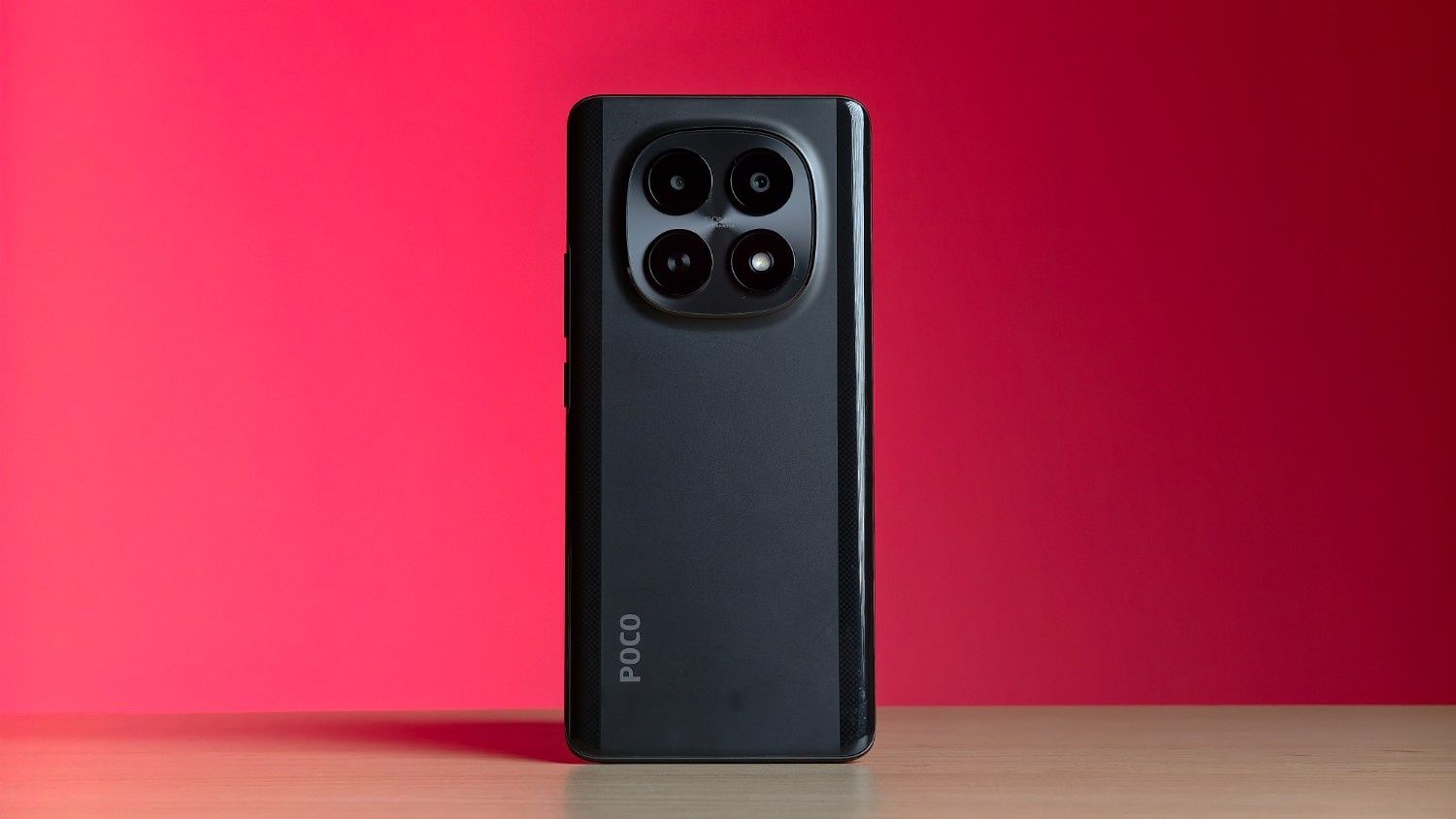
What Is Good?
- Clean and refined design
- Excellent AMOLED display
- Strong battery life
- Long software support
What Is Bad?
- Average camera performance
- Conservative feature set
It Definitely Looks Clean (Feels Good Too)
This time around, Poco has clearly toned down the loud design language that it went for last time. The new Poco M8 looks cleaner and more restrained, leaning into a more “premium-lite” aesthetic. At just 7.35 mm thick and 178 grams, it feels easy to handle for a phone with a 6.77-inch display. Long scrolling sessions or one-handed use do not feel tiring either, which is what we all want when we talk about lightweight and sleek phones.
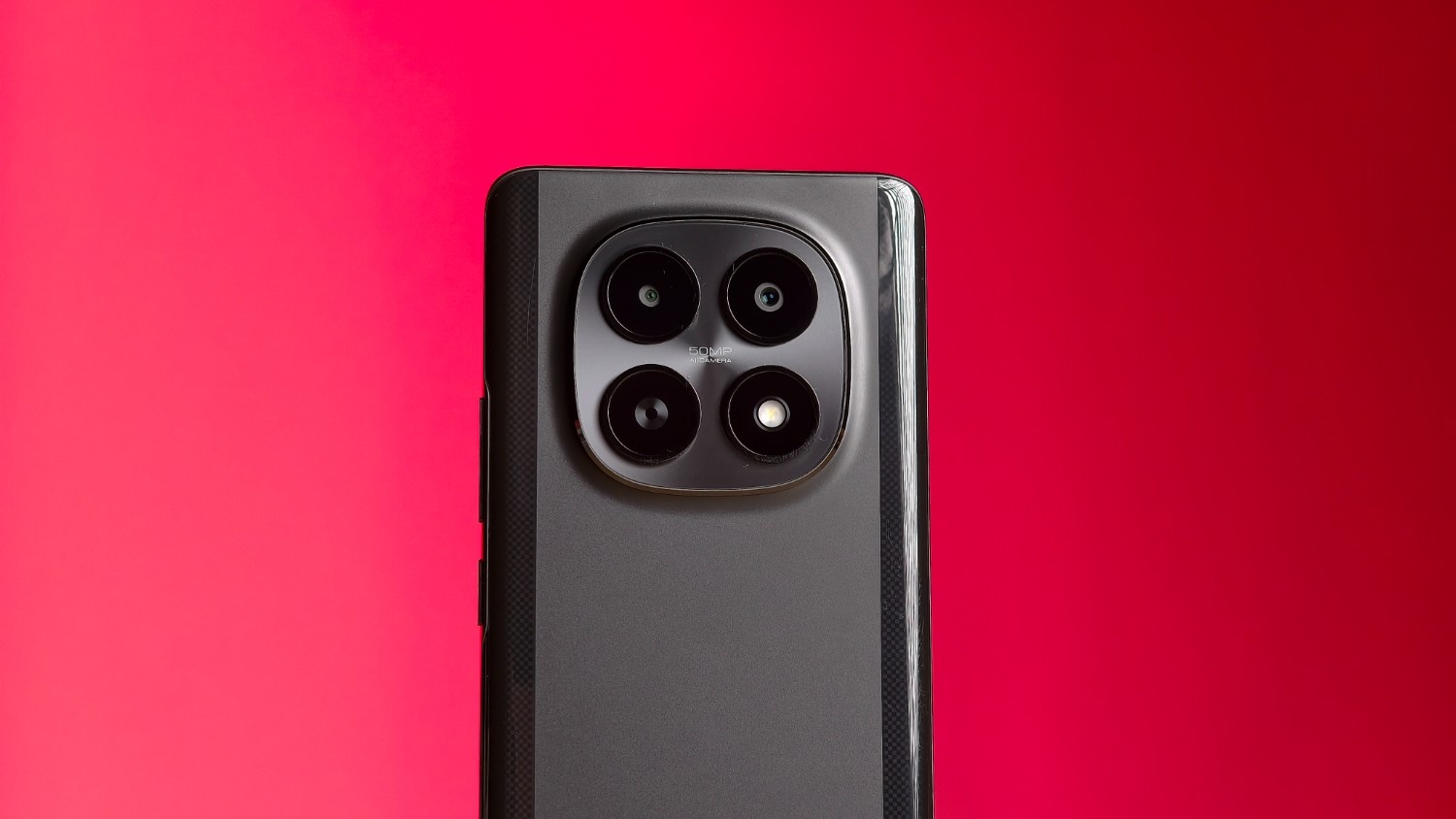
You get a two-tone finish on the rear panel that adds a little bit of visual interest to the phone without looking too much. There’s also a subtle line pattern across the back that catches light nicely, giving it a slight 3D effect. The square camera module blends neatly into the back panel and doesn’t wobble much when the phone is placed on a table.
Despite the plastic frame, the build feels solid, and the phone doesn’t feel cheap. It may not scream “flagship,” but it certainly looks and feels more refined than older Poco M-series devices.
Display is Its Biggest Strength!
The highlight of the Poco M8 is its 6.77-inch curved AMOLED display. It offers a Full HD+ resolution, a 120Hz refresh rate, and a claimed peak brightness of 3,200 nits. In real-world use, it delivers sharp visuals, deep blacks, and pleasing contrast.
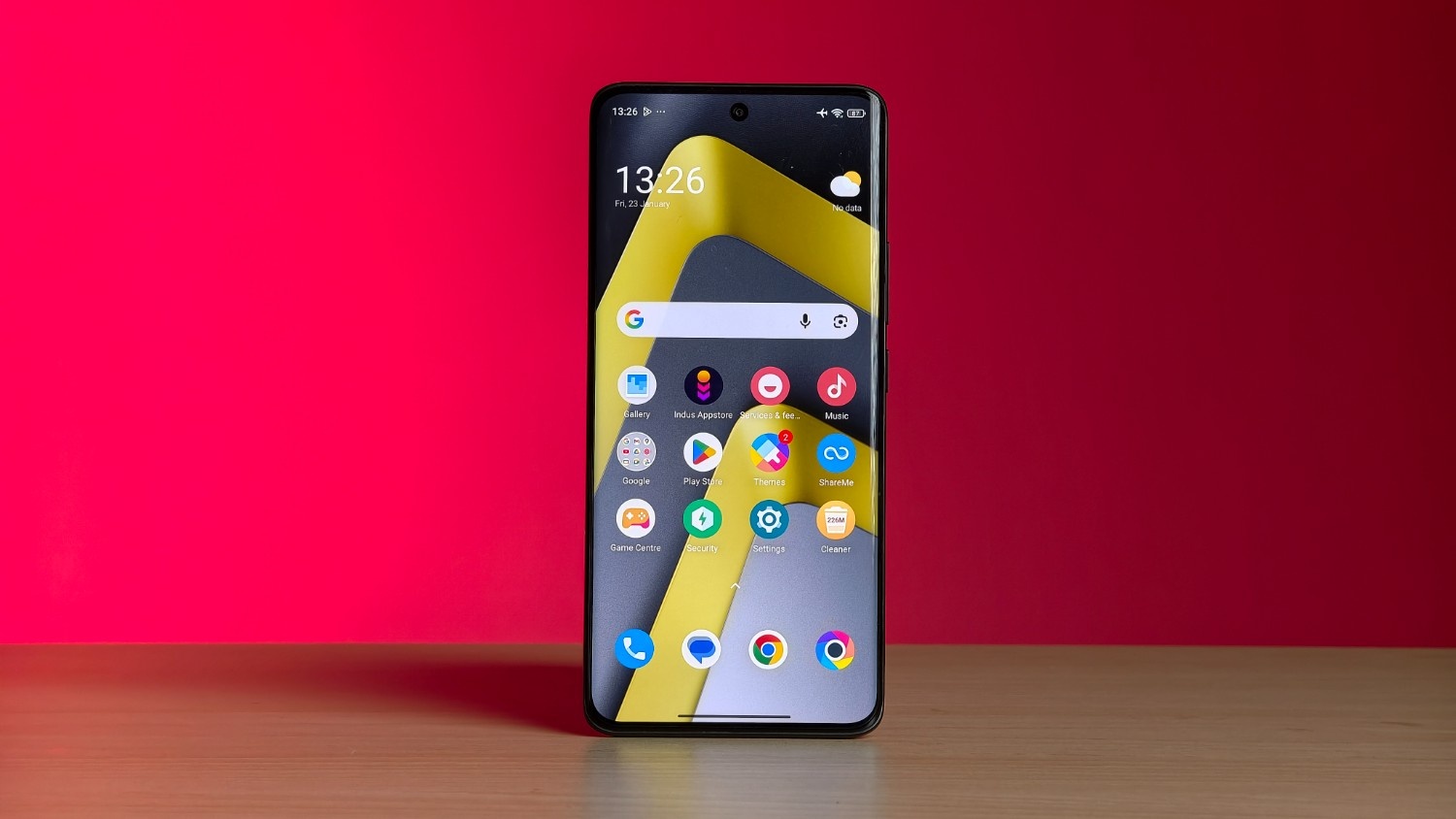
Talking about colour production, colours seem a little punchy, but the settings menu offers tuning options if you prefer a more natural look. Now, I am a fan of curved screens, and this smartphone has one. The curved edges add a premium touch, and accidental touches weren’t an issue during daily use.
The screen is bright as well. I used it outdoors, and it was pretty comfortable. Under direct sunlight, the display doesn’t get very reflective. Moreover, with the 120Hz refresh rate, the Poco M8 feels snappy and responsive.
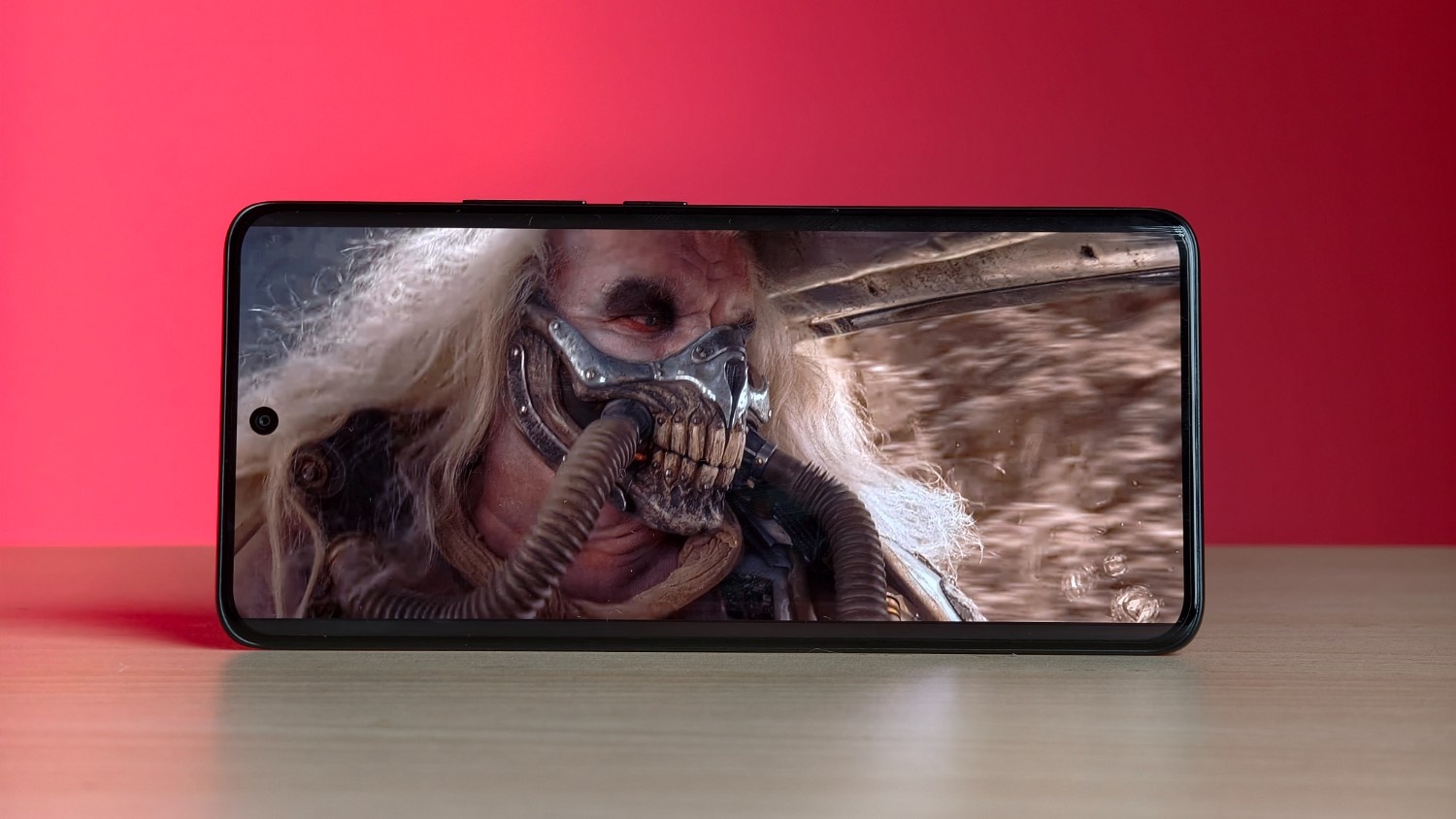
While it doesn’t support HDR for streaming platforms, the overall viewing experience is still very enjoyable for YouTube, social media, and casual gaming. In this price segment, this is one of the more immersive displays you can get.
Smooth for Daily Use, Limited for Heavy Gaming
The Poco M8 runs on the Snapdragon 6 Gen 3 chipset, which is paired with up to 8GB RAM and 256GB expandable storage.
Let’s talk about our benchmark testing first. The Poco M8 has scored over 8 lakh points in AnTuTu, which seems like a decent number, but not the best. Some other phones in this price segment, such as the Infinix GT 30 and Realme P4x, have even scored around 1 million points in this benchmark test. In Geekbench 6, we see a similar story in this test as well.
In my daily usage, browsing, texting, watching videos, and multitasking, I didn’t find any hiccups, and the phone performed well. App switching is generally smooth, though the refresh rate sometimes dips when several apps are active in the background. So, if you are someone who keeps a lot of apps running, you can face some occasional slowdowns.
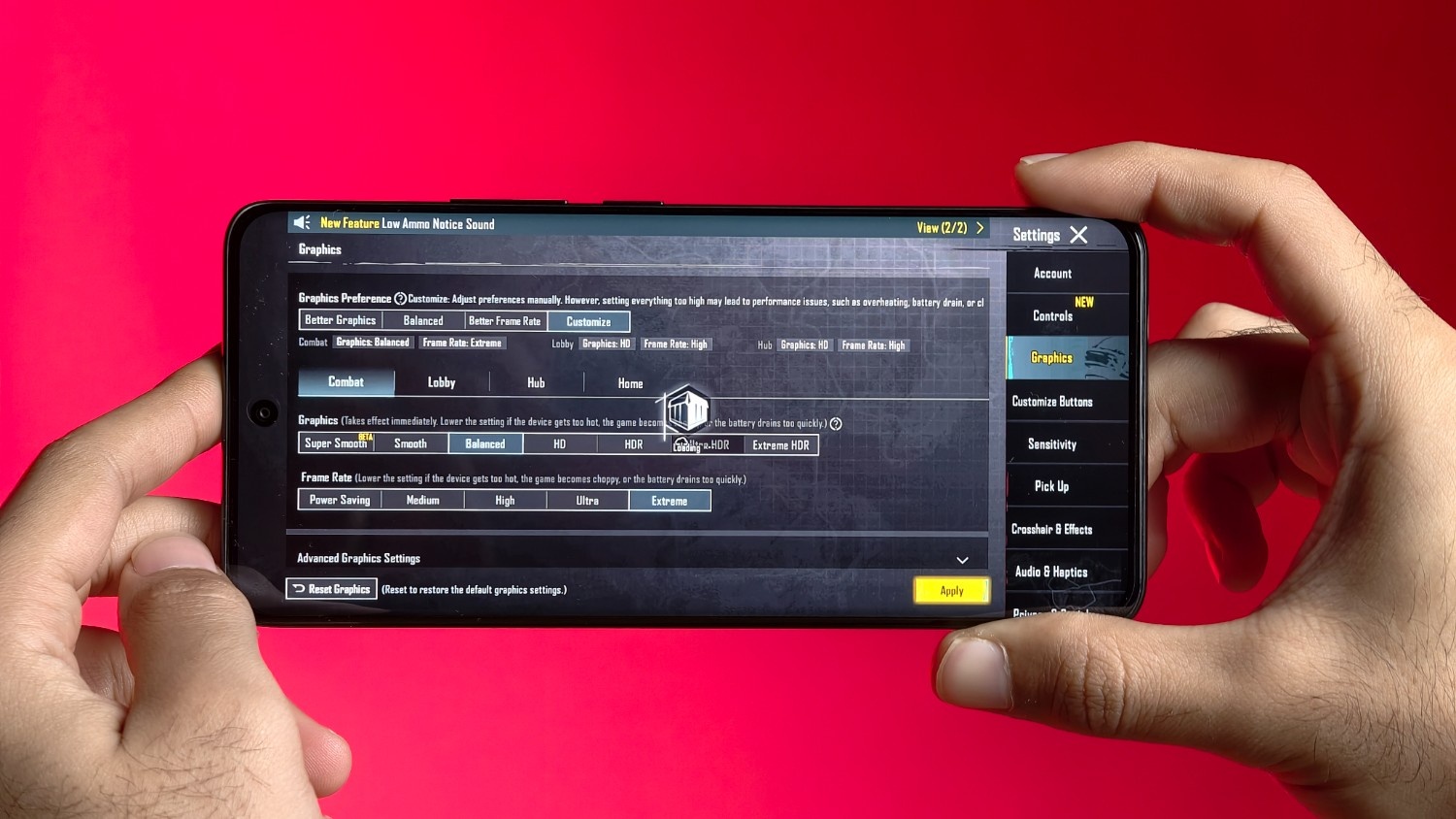
Gaming performance is acceptable only for casual users. Titles like BGMI and Call of Duty: Mobile run at lower graphics settings; for example, BGMI is limited to 30 FPS only. Simply put, this phone is meant for casual gaming, not for power users.
The Poco M8 runs on HyperOS 2, which is based on Android 15, and the brand has promised four years of software updates and six years of security patches. The UI feels slick, and animations are well-optimised. You get plenty of customisation options for the home screen, lock screen, and system visuals. AI features like Circle to Search and Gemini also work accurately, as expected.
Where it stumbles is the amount of bloatware. There are a lot of pre-loaded apps on the phone, and while most can be uninstalled, the cluttered out-of-the-box experience does take away points from the otherwise polished feel that the Poco M8 is going for.
Is Poco M8 a Good Camera Phone? Umm…
The Poco M8 features a dual-camera setup with a 50-megapixel primary sensor and a 2-megapixel depth sensor. You also get a 20-megapixel front camera for selfies.

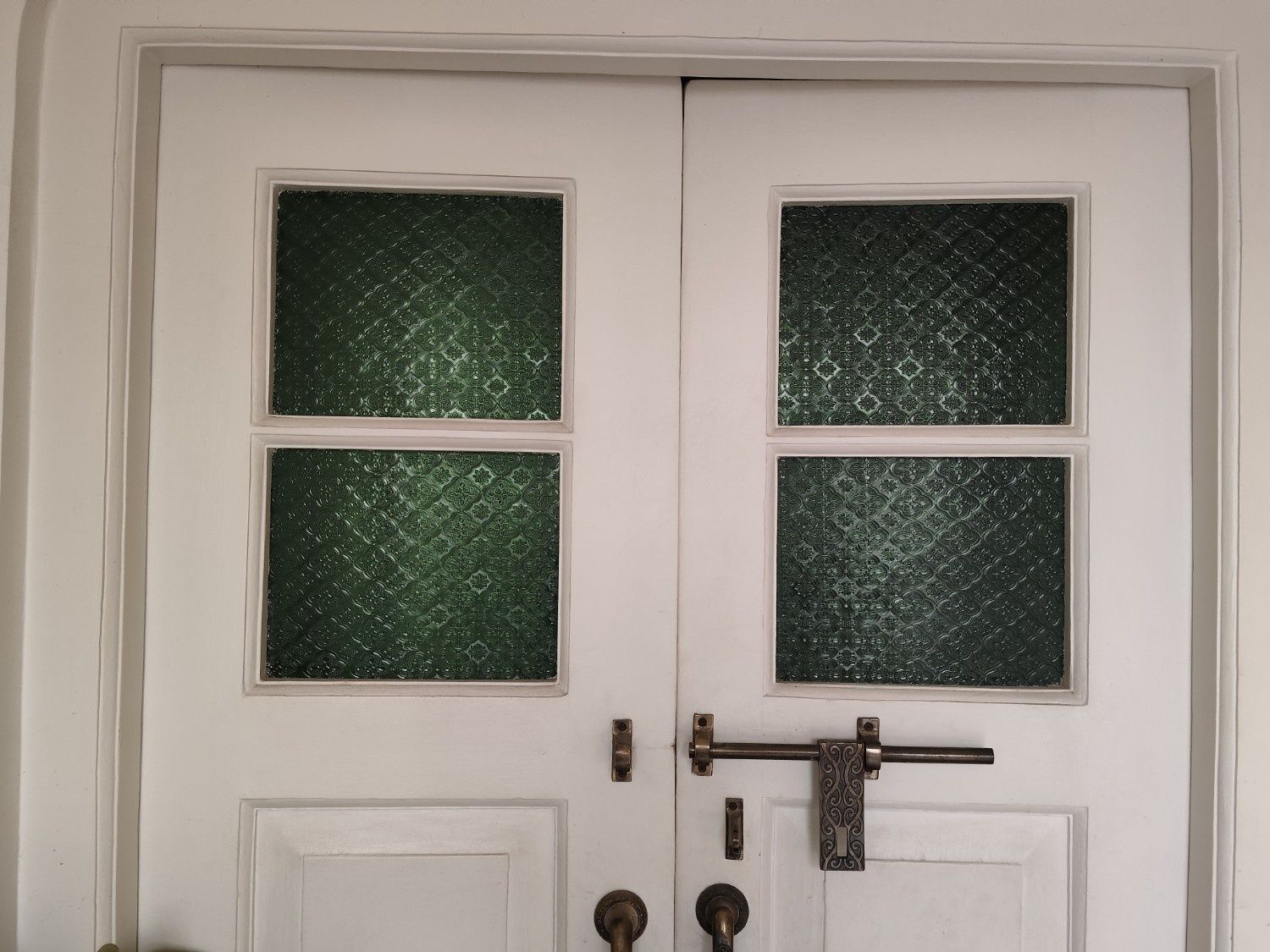

If you’re clicking pictures under good lighting, you can use them on your Instagram, but the phone struggles with details and colour accuracy. The images can look slightly warm, and even the contrast isn’t always consistent.
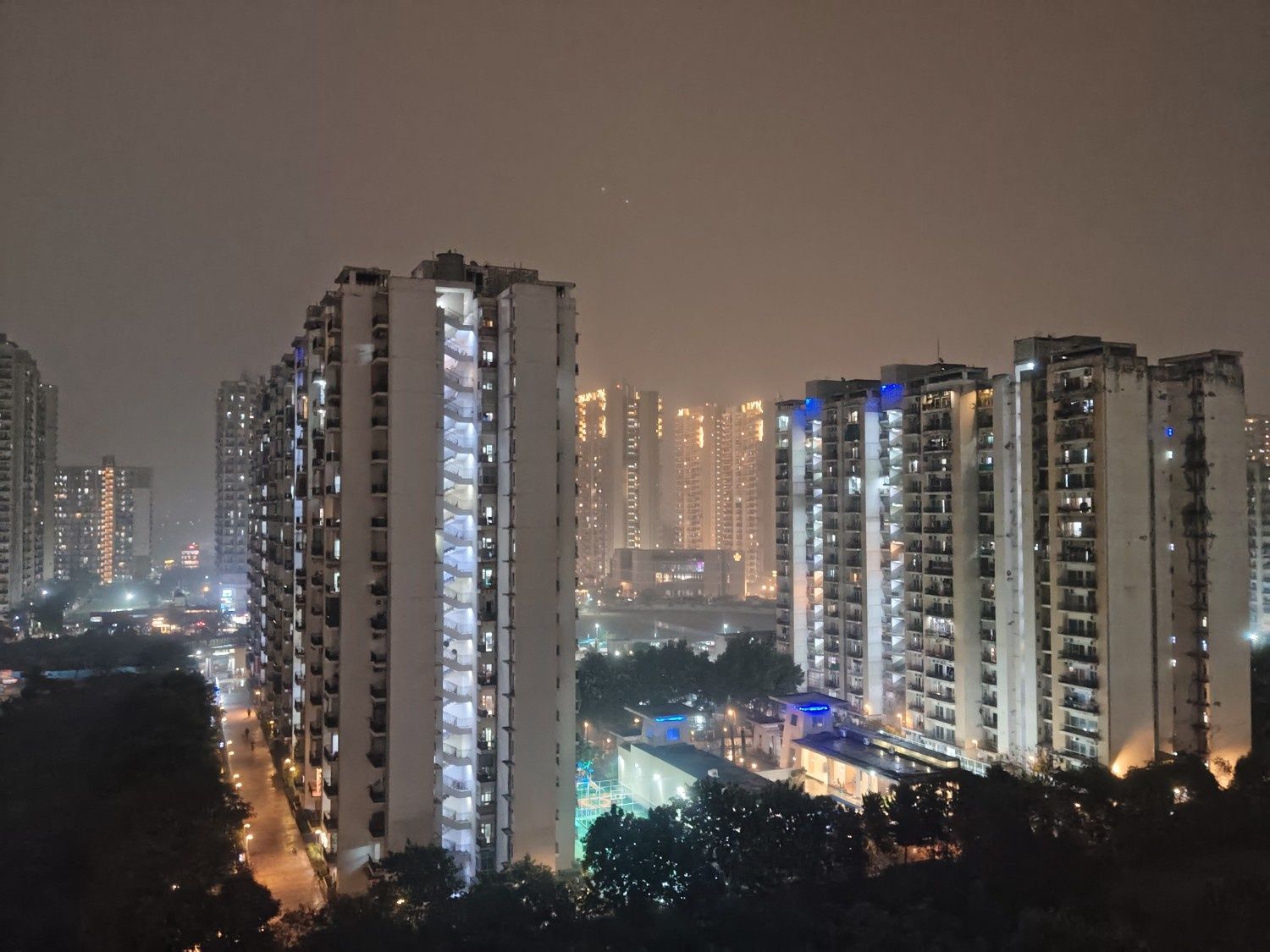

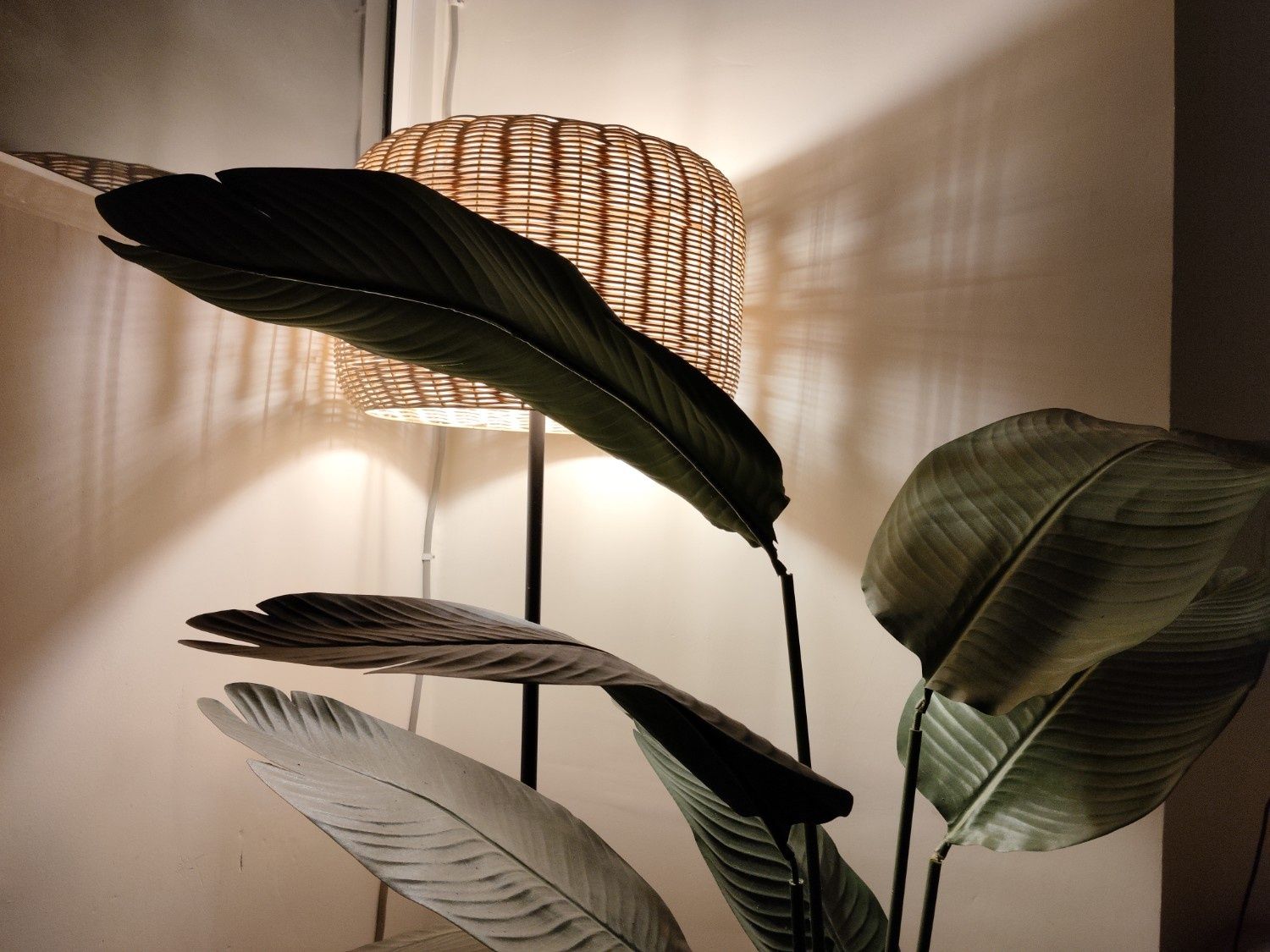
The low-light performance of this phone is a clear weak spot. The pictures turn out grainy, exposure control is inconsistent, and light flares are common. Even with night mode enabled, the results aren’t as good as those of other competitors.

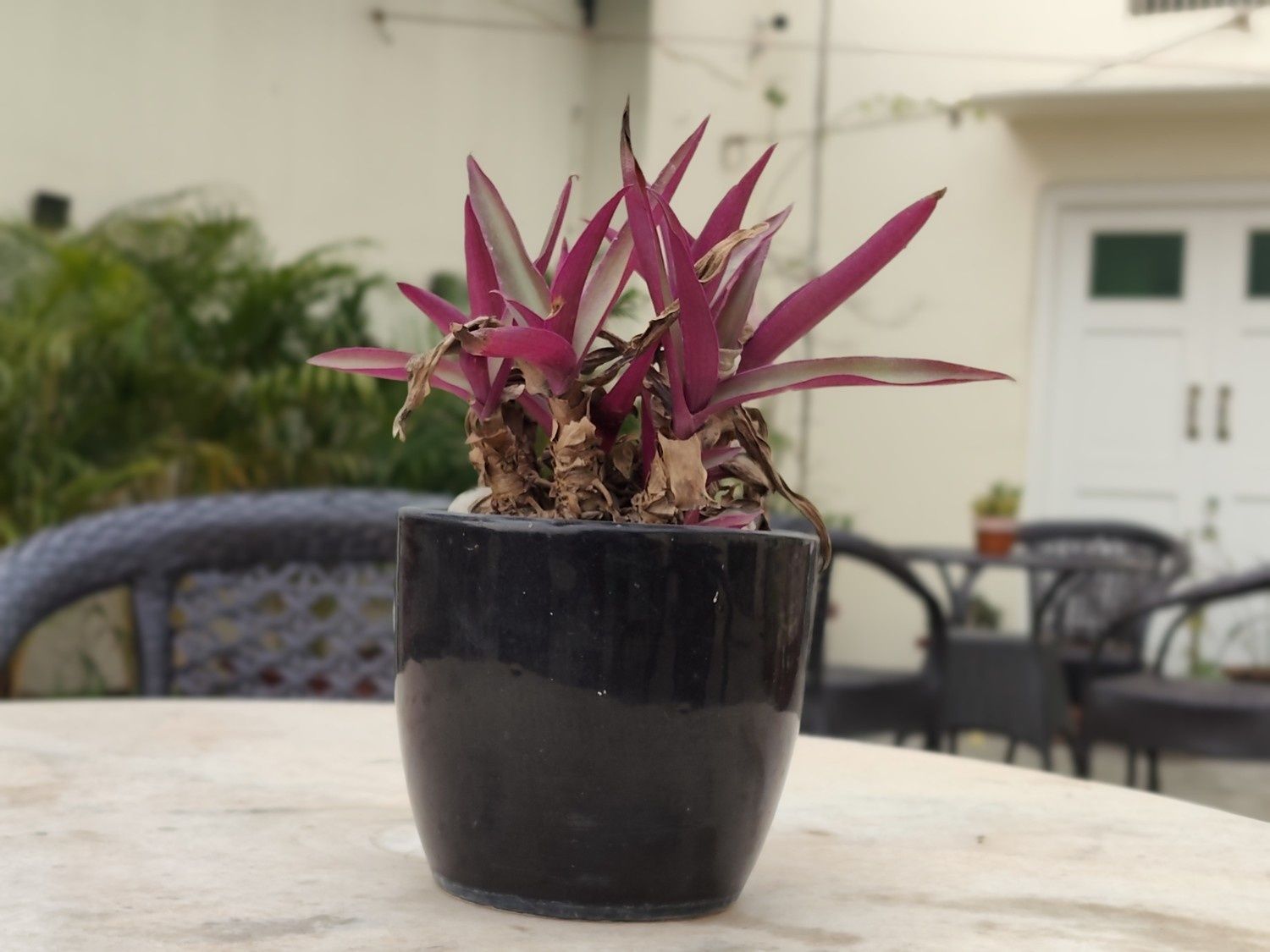


While using the portrait mode, you do get decent edge detection and background blur thanks to the dedicated depth sensor. But the details aren’t great here either. The front camera also has a similar case. Selfies look okay in daylight, though skin tones can be hit or miss.
Great Battery Life
Battery performance is another area where the Poco M8 does well. The 5,520mAh battery easily lasts over a day with regular use, including browsing, streaming, and social media. Even on heavier days with gaming and navigation, it usually makes it to the night without a recharge.
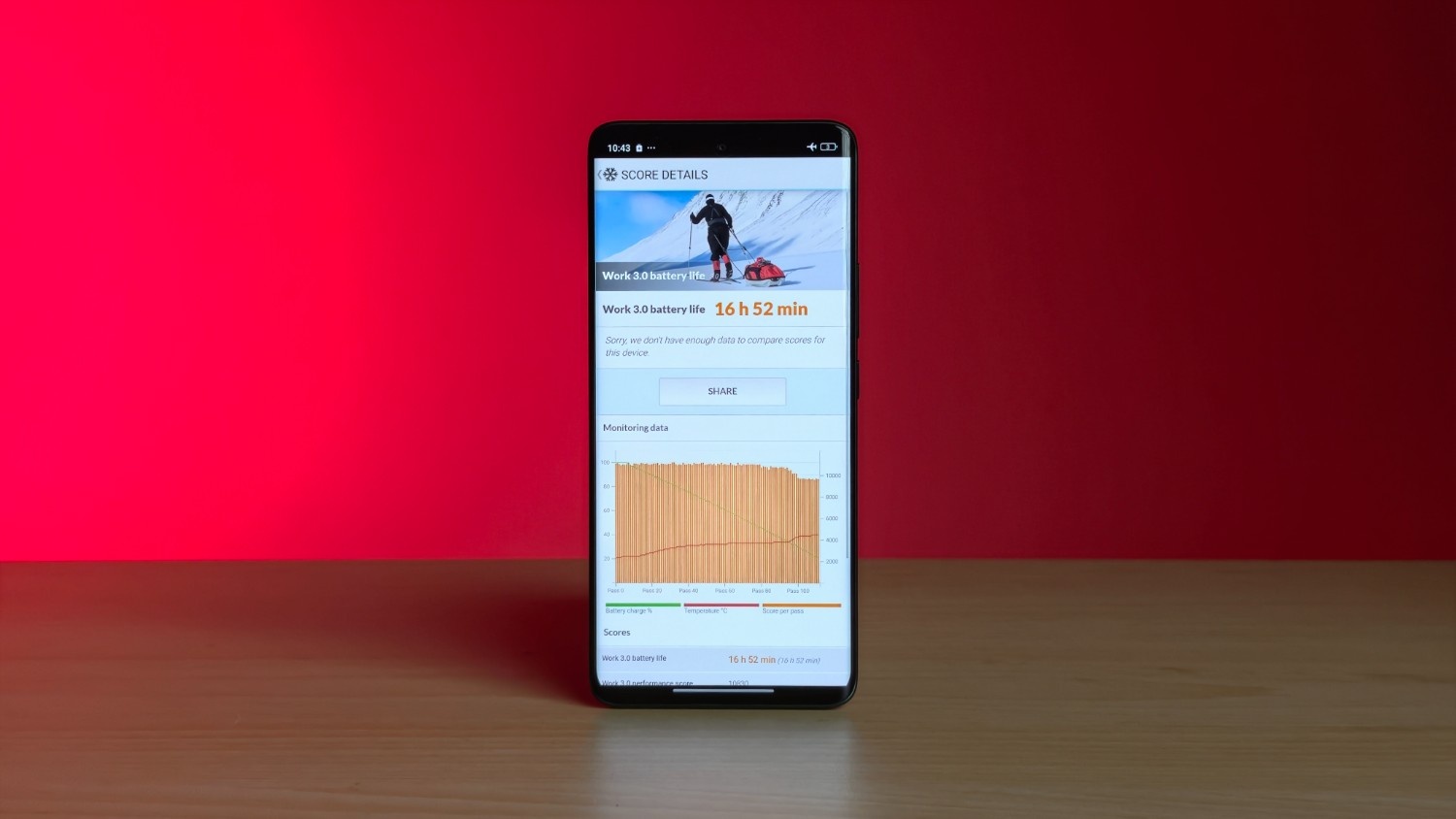
In the PCMark battery life test, we recorded an on-screen time of 16 hours and 52 minutes, with 20% battery still remaining. Under the box, you get a 45-watt charger that juices up the phone to 50% in just 30 minutes, and a full charge takes less than an hour.
Final Verdict
So the thing is that the Poco M8 is not the most exciting phone under Rs 20,000. Phones like the CMF Phone 2 Pro and iQOO Z10x feel more exciting in this segment. But on the other hand, the Poco M8 feels as normal as a Thursday in a week. Leave the camera aside, and it’s actually a phone you’d want to buy. It focuses on delivering a refined design, a genuinely excellent AMOLED display, dependable everyday performance, and strong battery life. Add to that long software support, and it becomes a very sensible long-term purchase.