The Redmi Note series has mostly been about offering customers a little bit more than they would expect from a phone in that budget – be it better cameras, bigger batteries, or stronger value for money. With the newly launched Redmi Note 17 Pro, however, Xiaomi seems to have taken a bit of a different approach. This time, their focus is not on everything but has been streamlined to durability and battery life.
Redmi Note 17 Pro
Rs 36,999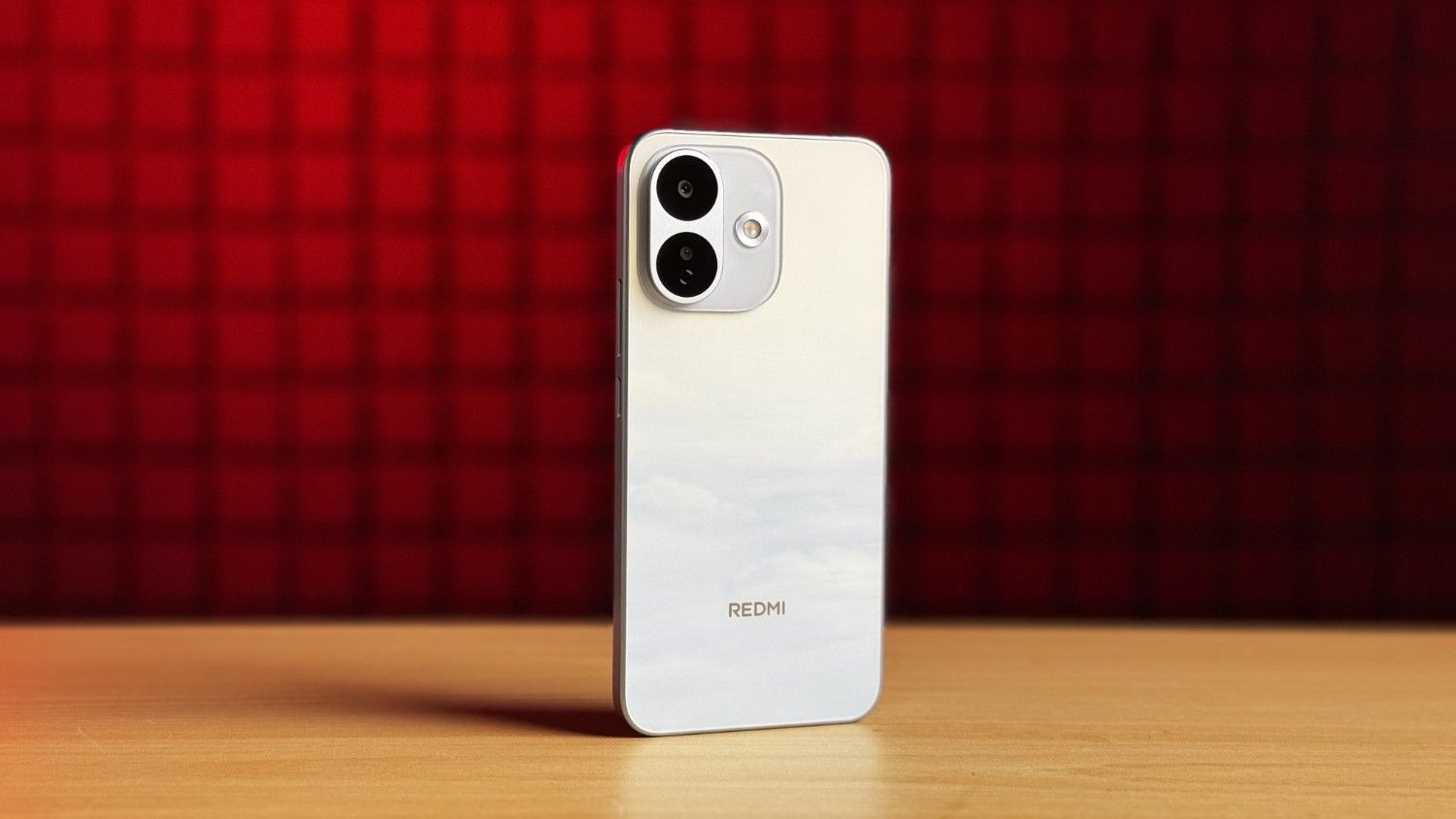
What Is Good?
- Excellent battery life from the 9,000mAh battery
- Tough and durable build
- Long software and security support
- Large, bright 6.83-inch 1.5K AMOLED display
What Is Bad?
- Snapdragon 6s Gen 4 feels underpowered for the price
- Cameras are average, especially in low light
- Plastic build doesn't feel particularly premium
To be fair, the phone delivers on both ends, but now, the sub-Rs 40K segment is no longer the easy recommendation segment it once was, especially considering the recent smartphone price hikes, so the expectations are also a lot higher.
On paper, the Redmi Note 17 Pro does tick a lot of boxes – you get a large AMOLED display, a massive 9,000 mAh battery, high durability ratings, and long-term software support. But does it justify its Rs 36,999 price tag? Let me tell you.
The Redmi Note 17 Pro Is Tough, Practical, But Not Quite Premium
The Redmi Note 17 Pro is neither slim nor flashy. At 226 grams, it is a heavy phone, and I have noticed that in my everyday use. However, unlike some devices, the weight feels justified.
Xiaomi has gone aggressive on durability. You get IP66, IP68, IP69, and even IP69K ratings, which is rare at this price. Add Gorilla Glass Victus 2, and this is easily one of the more rugged phones in the segment. I could have used it in the rain, around dust (this I actually did), or generally without constantly worrying about damage.
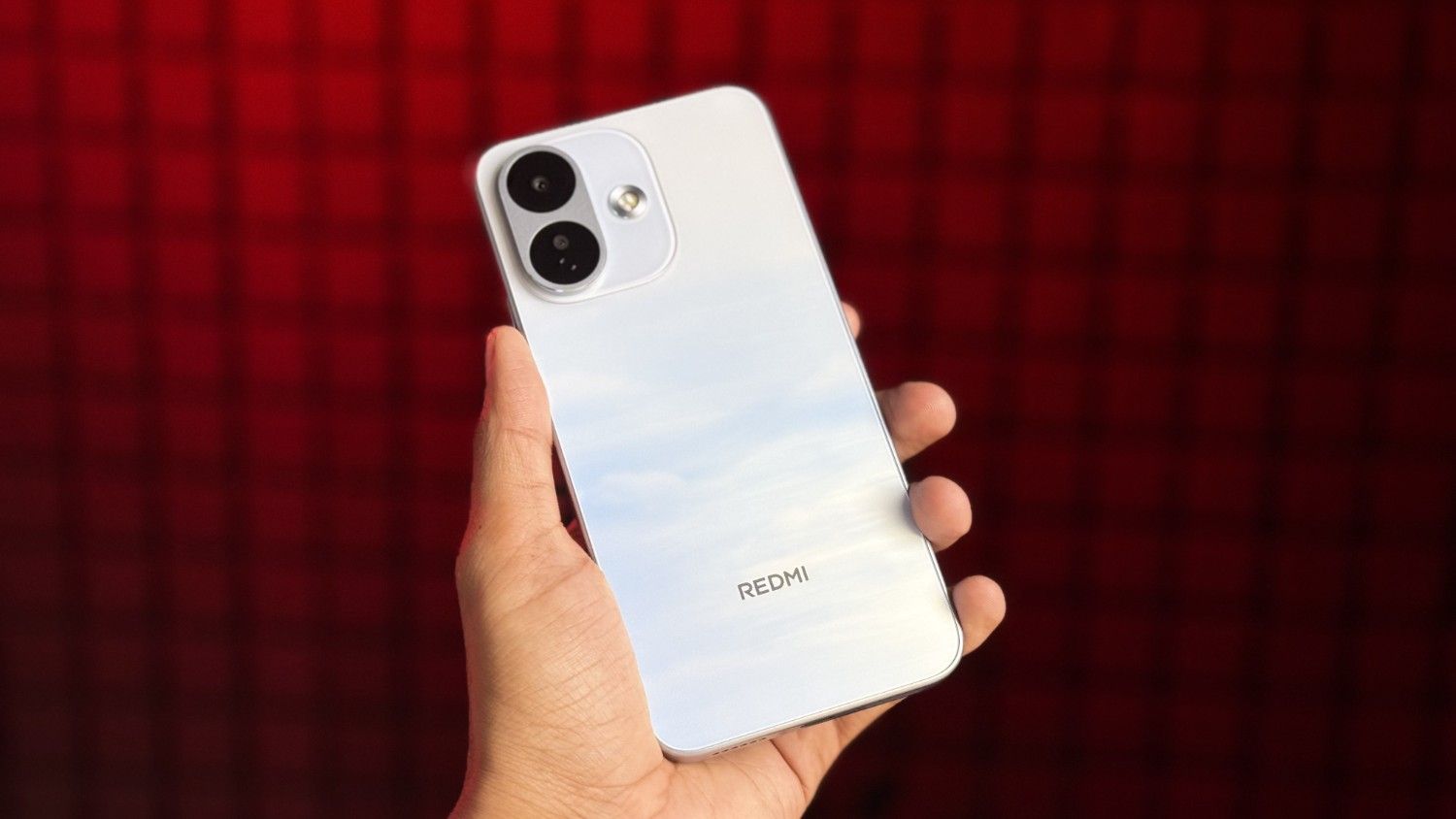
Now, about the looks: this is a clean design, and the Cloud Blue review unit I am using looks good, has a subtle pattern, and doesn’t attract fingerprints. But the plastic back and frame do take away from the in-hand feel. So yes, it is a sturdy phone, but it doesn’t feel premium.
It’s Big Screen Is An Easy Win
The 6.83-inch 1.5K AMOLED panel is one of the easiest things to like about the phone. It is large, bright, and just very comfortable to use. Whether it’s watching videos, scrolling Instagram, or reading, the display holds up well. Outdoor visibility is decently strong, so I didn’t really struggle even under direct sunlight during my usage.

The colours are also pretty vibrant, and the flat panel makes content consumption feel more consistent. In our brightness test using a lux meter, we recorded a peak brightness of 1326 nits.
If you like to watch content without TWS, the stereo speakers are loud enough for casual use, especially with the boost mode. However, at higher volumes, I feel clarity dips a bit, but for most people, this setup works well for everyday media consumption.
Smooth For Daily Use, But That’s About It
Things were well and good until we got to the performance part of the Redmi Note 17 Pro. It runs on the Snapdragon 6s Gen 4, and this is where things get a bit tricky. Yeah, you can blame AI for that! Had it been 2023, you would be getting a Snapdragon 8s series chipset at this price.
In regular use, the phone performs well. Apps open quickly, multitasking is smooth, and you don’t run into major issues during everyday tasks. Even with things like navigation, camera, and Bluetooth running together, it manages fine.
If you want to know about the benchmarks, it scored over 9 lakhs on AnTuTu. I have compared these numbers with some of the best phones in the segment, and the Redmi Note 17 Pro couldn’t beat them in this test. However, on the CPU throttling test (stress test), it maintained 90% stability, which means that it may not be the most powerful phone, but it is quite consistent with whatever power it can generate.
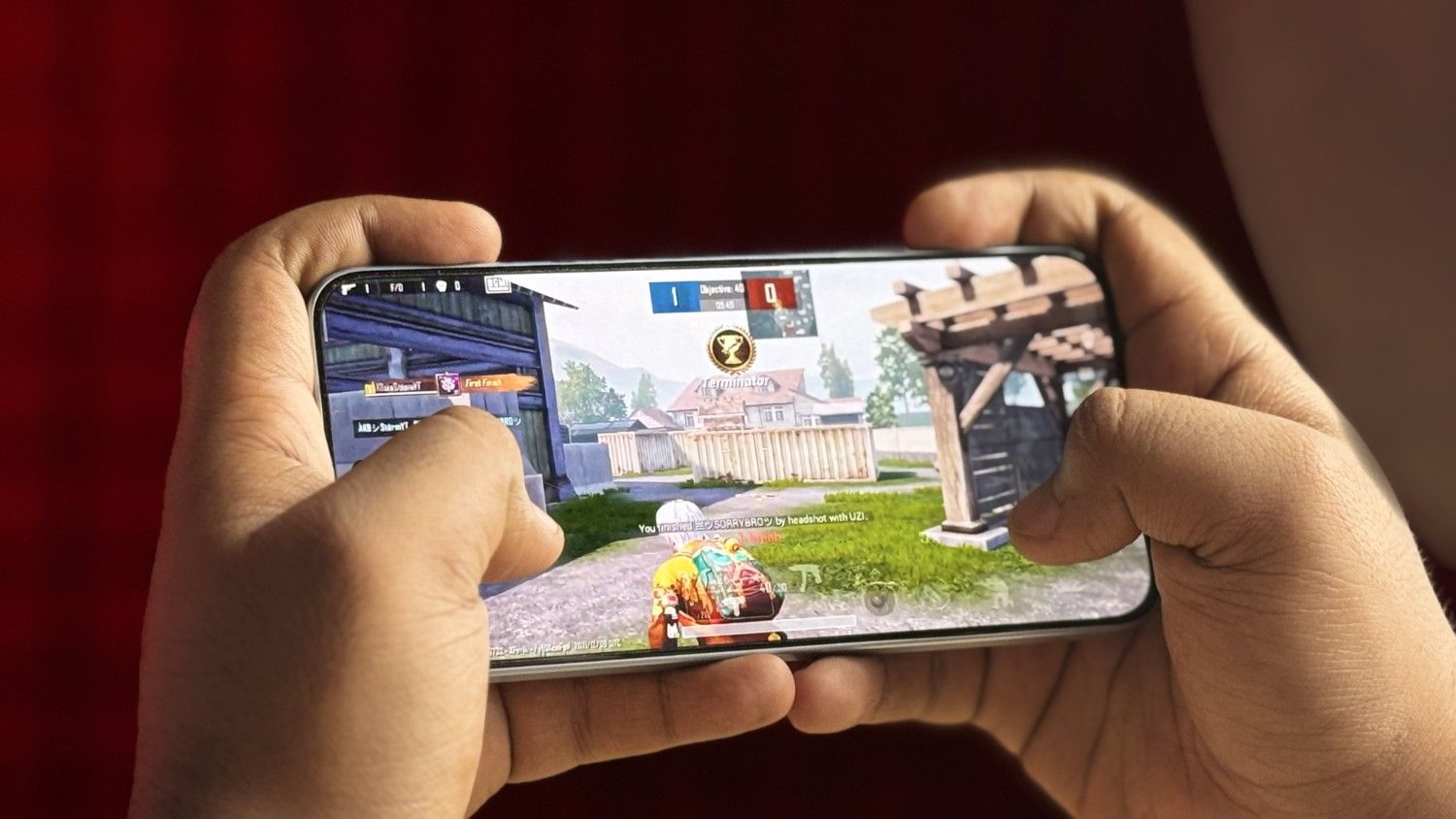
But, at this price point, most of us are looking for real-world performance that can stand out. And that’s where the Note 17 Pro falls slightly short. Gaming is possible, but longer sessions bring frame drops, and you can feel the limits of the chipset. When we tested gaming on this smartphone, we recorded an average of 58.3 FPS in BGMI. Yes, the smartphone only supports 60 FPS gameplay.
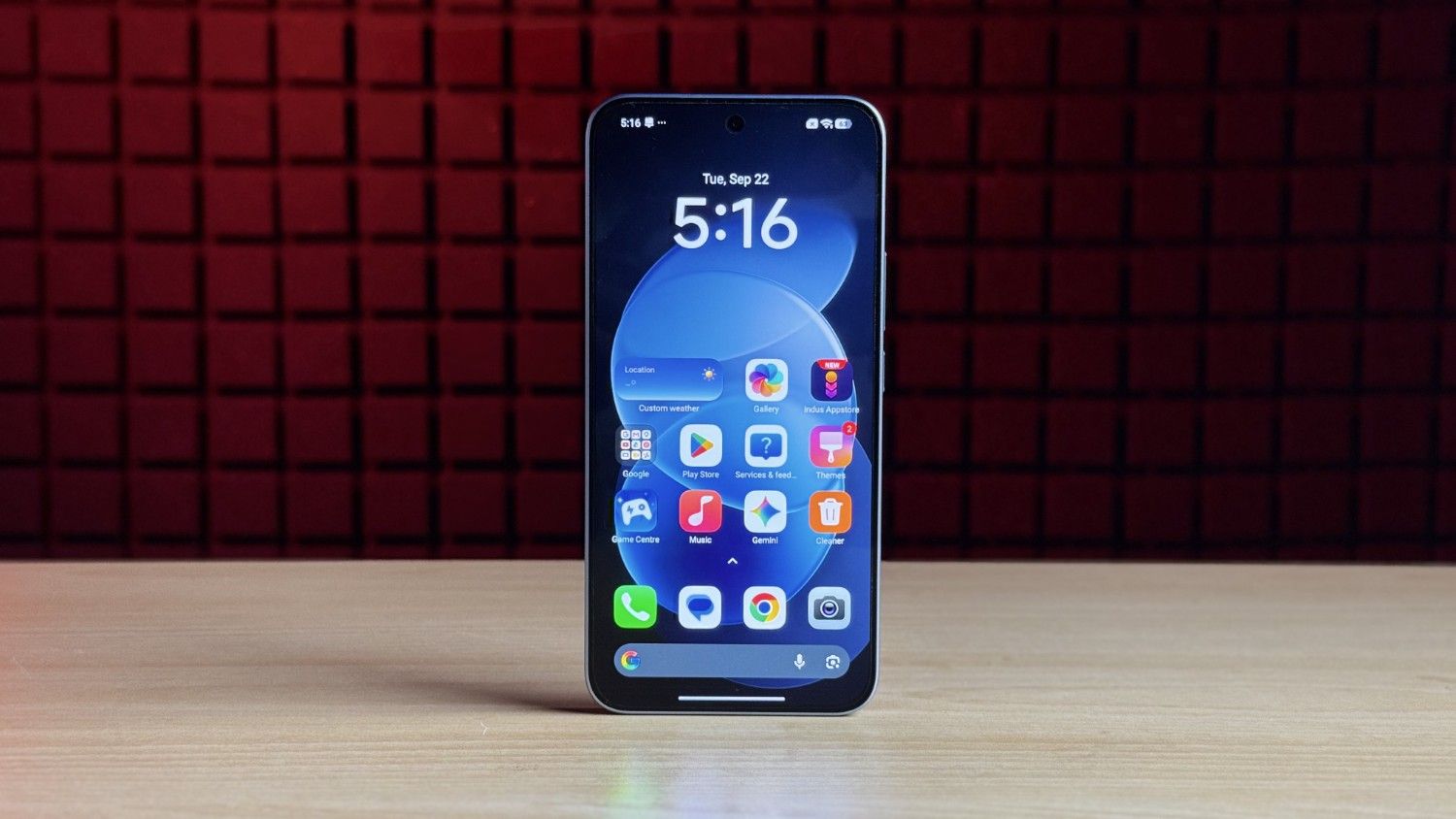
On the software front, the Redmi Note 17 Pro runs on Android 16-based HyperOS 3, and Xiaomi has promised 4 years of OS updates along with 6 years of security updates. The UI is familiar, customisable, and feature-rich. But it still comes with pre-installed apps and some clutter that you’ll probably want to clean up, which I did because it allows you to remove bloatware.
The Cameras Are Decent, But Don’t Expect Too Much
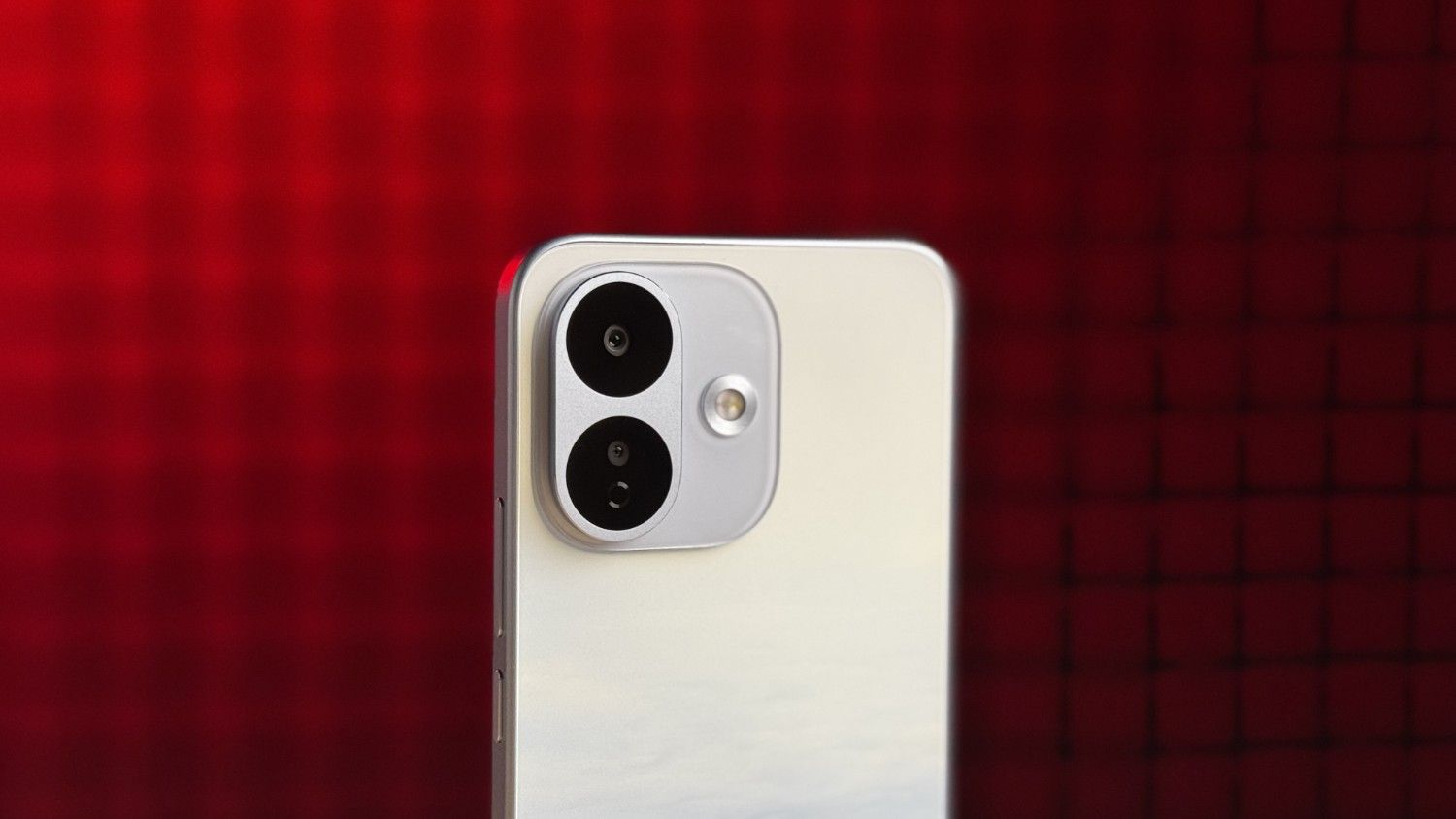
The Redmi Note 17 Pro houses a dual camera setup on the back with a 50-megapixel main camera and an 8-megapixel ultrawide lens.
The main camera does a good enough job in daylight. You get decent detail, slightly boosted colours, and fairly consistent results. Dynamic range looks decent, though there is some processing involved, especially when it comes to skin tones, which can look a bit smoothened at times. Portrait mode works well in good lighting, with edge detection that’s doable.

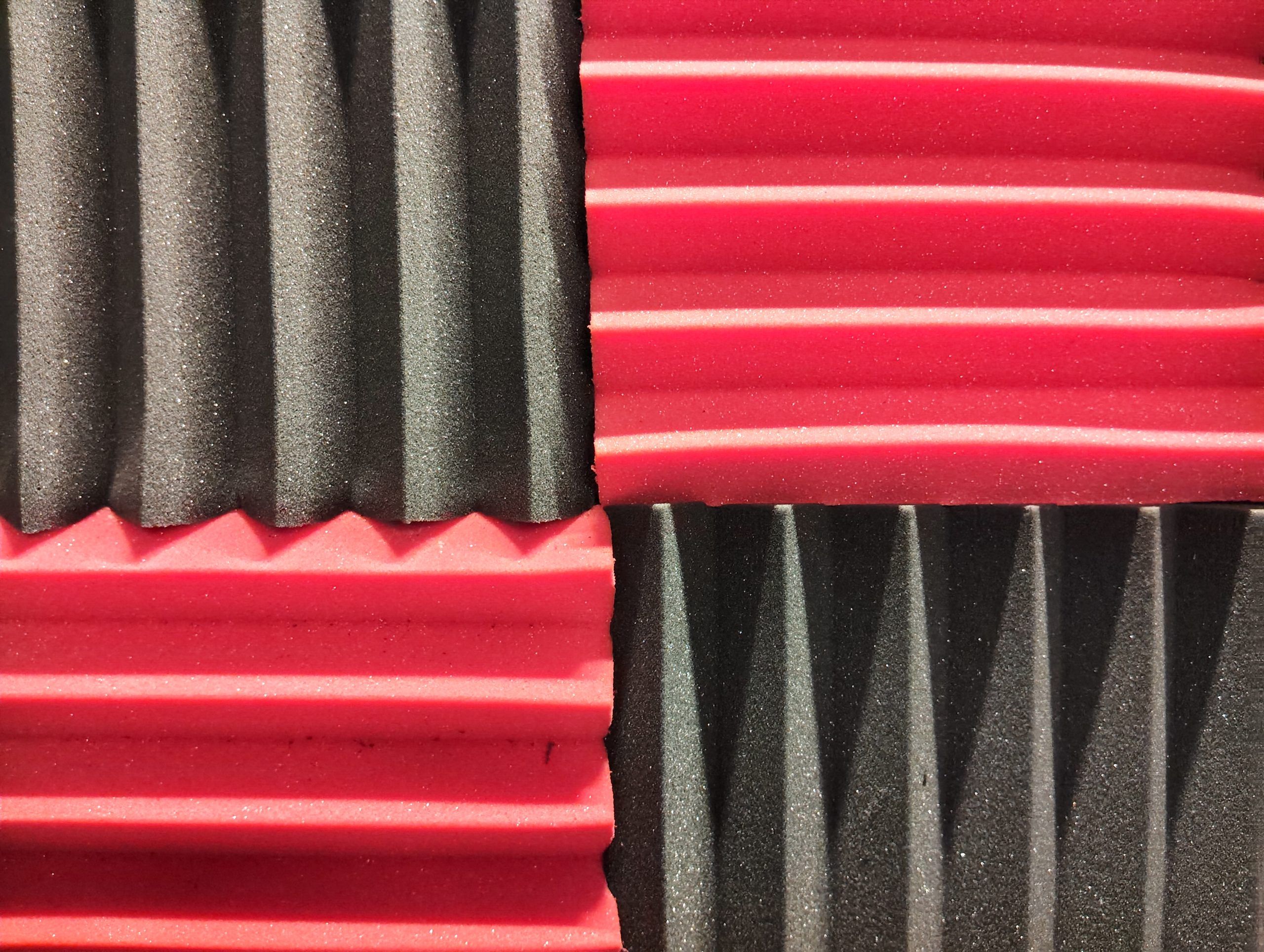


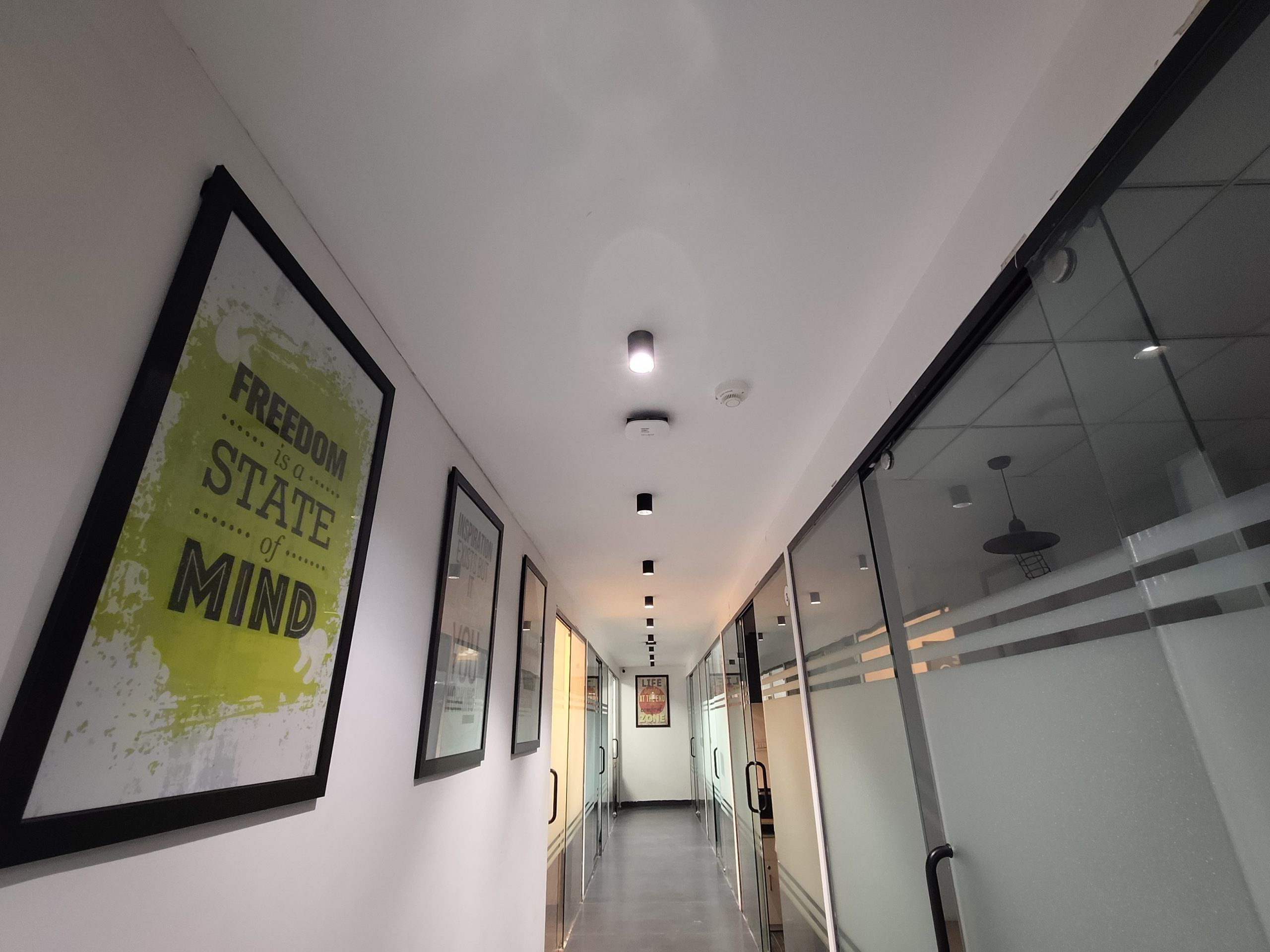
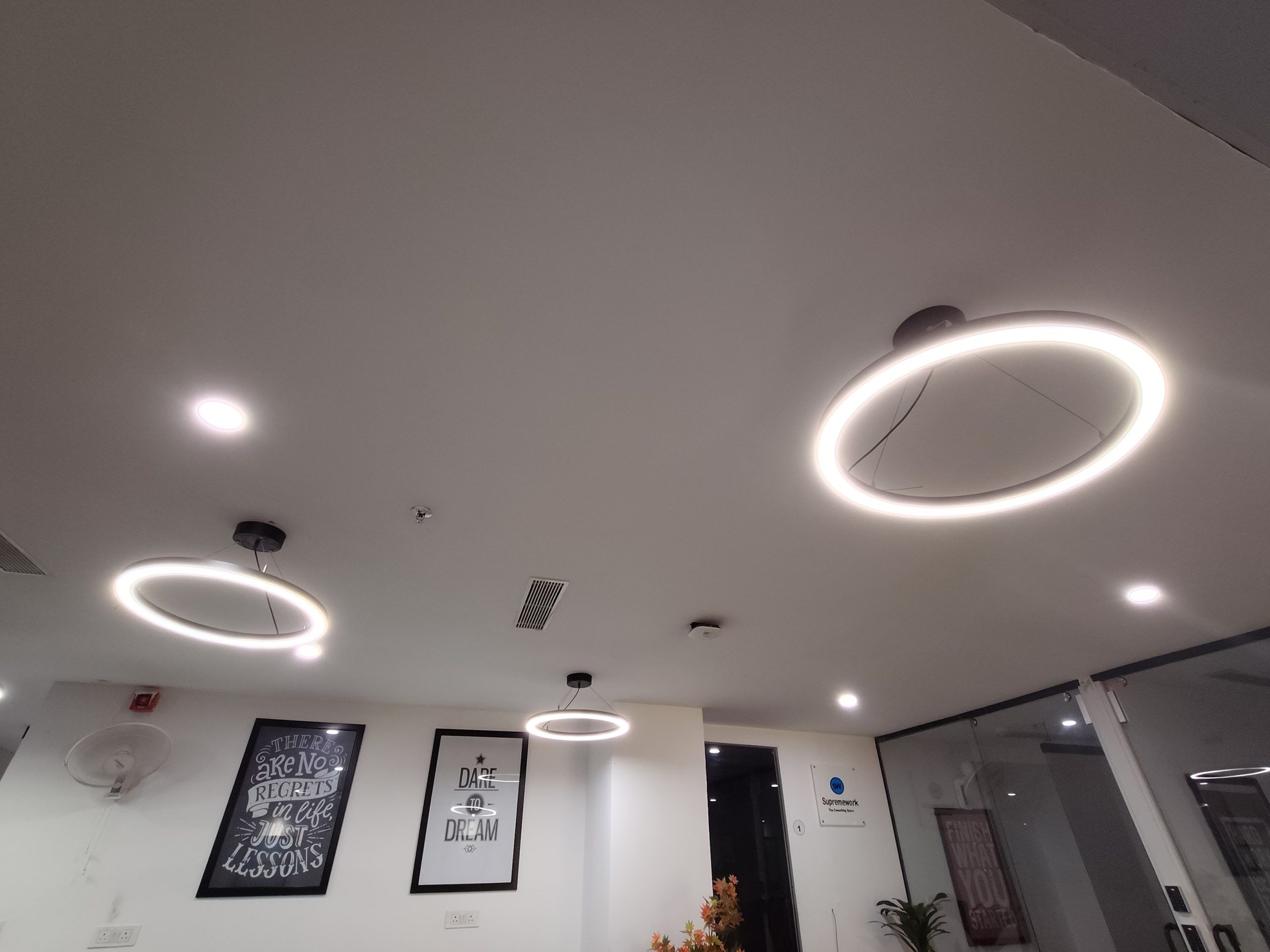










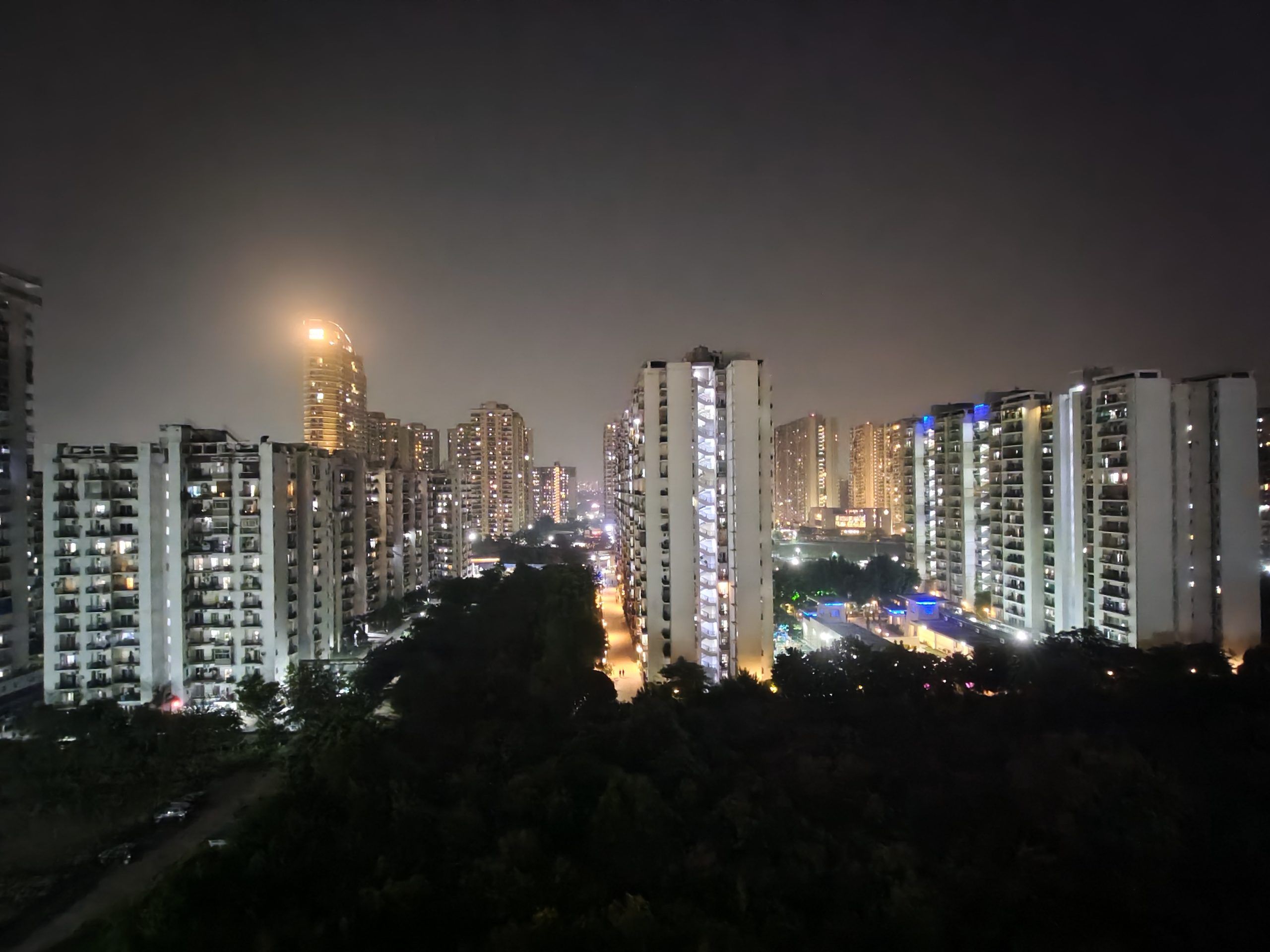


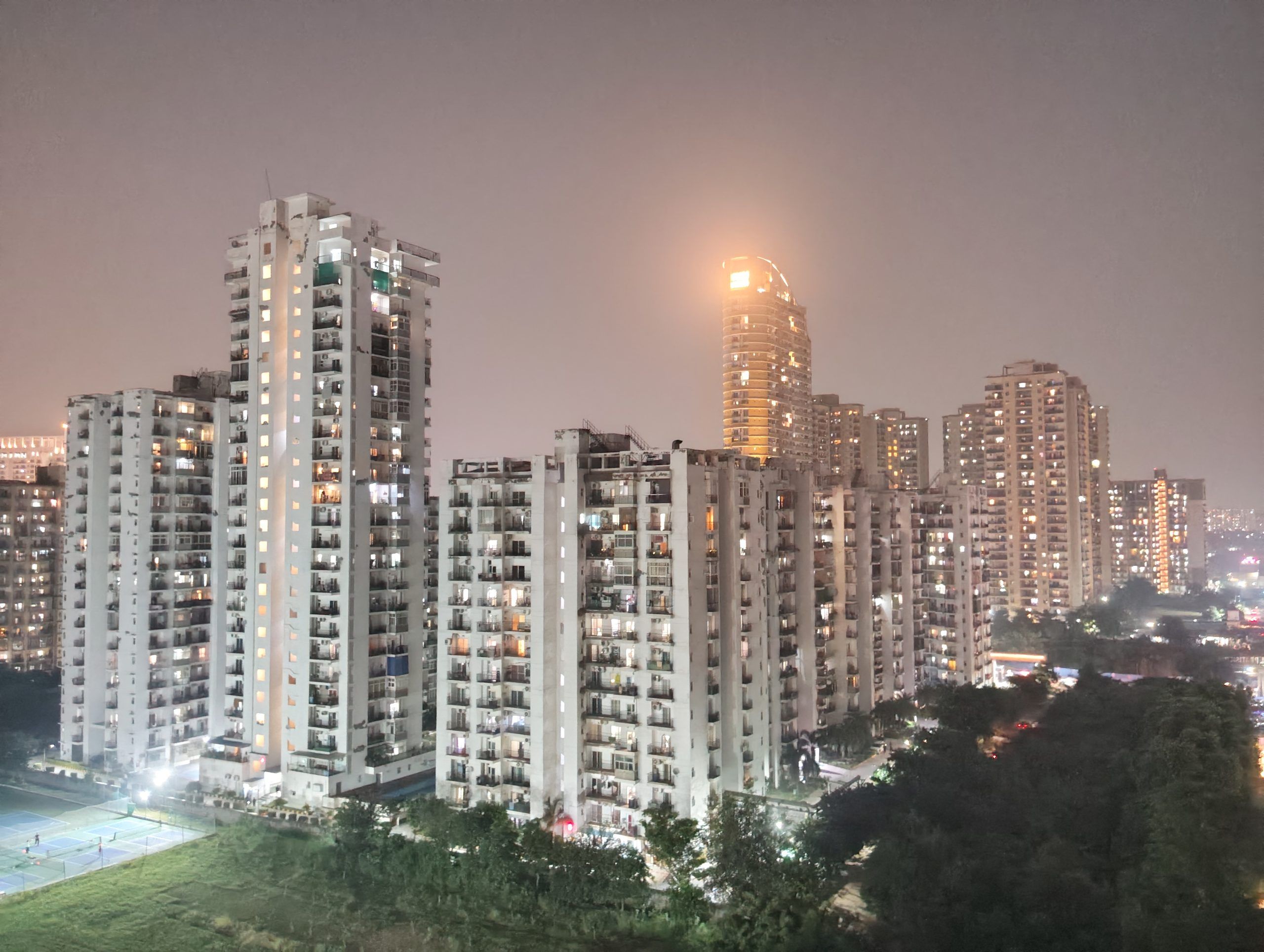
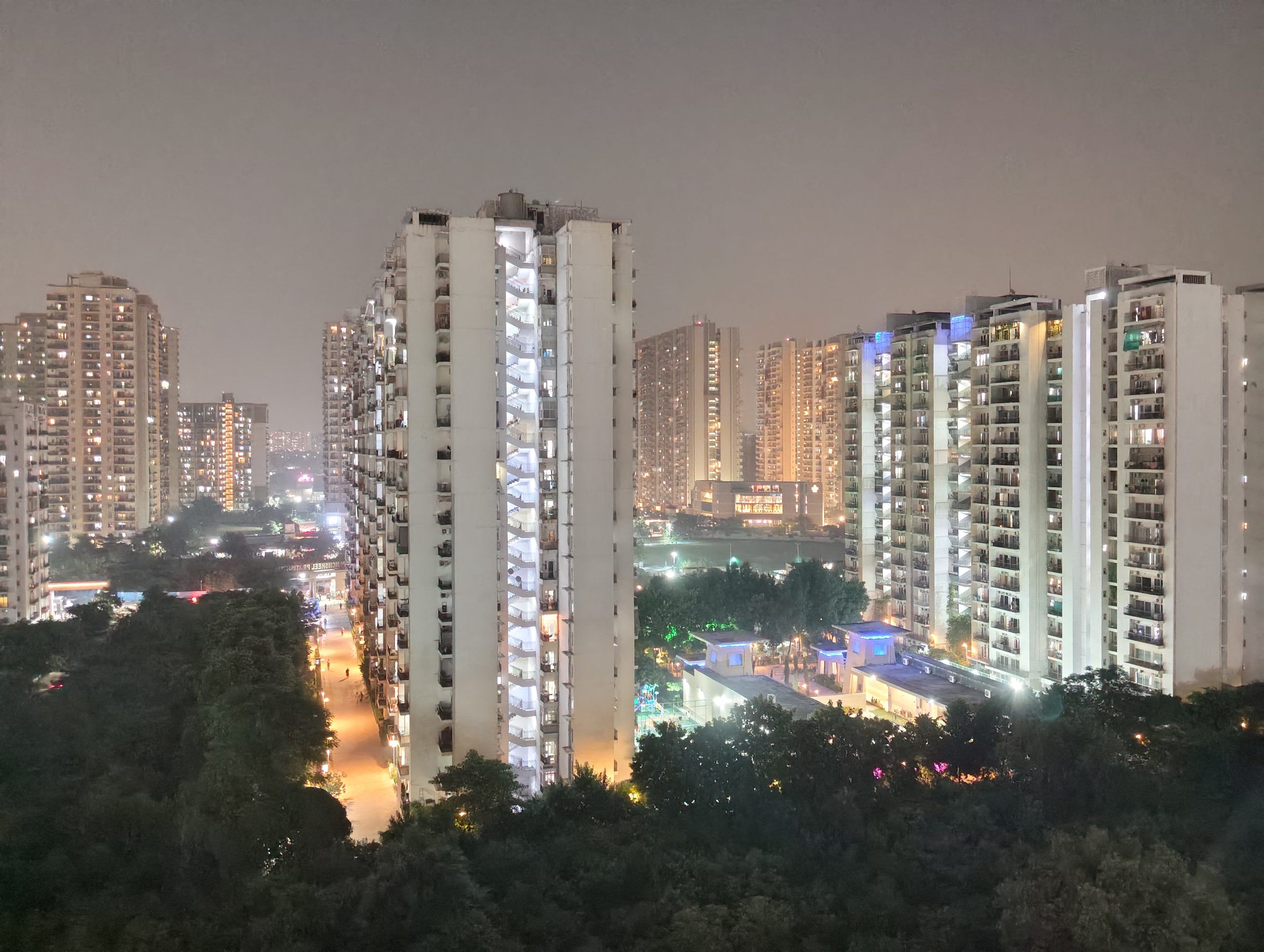
The ultrawide lens is definitely usable, but as always, it is clearly weaker than the primary camera. There’s a visible drop in details and dynamic range, and it’s best used in good lighting conditions.
However, I won’t recommend you click pictures in low-light conditions on this smartphone. There is also noise and over-processing that cannot be easily ignored.
The cameras of the Redmi Note 17 Pro feel decent in daylight. You can get social media-ready pictures, and if you have a slight sense of photography, you might end up clicking good pictures too. But know that the cameras are not its strongest suit.
Talking About The Strongest Suit, Here It Is – Battery!
If you would ask me one reason to pick this phone, it would be its battery life. It houses a 9,000 mAh battery, and that completely changes the experience of using the phone. You’re easily getting close to two days of usage, even with fairly heavy use. In our PCMark Battery Life test, the phone lasted over 24 hours, which is seriously impressive. And during my usage also, I barely remember when I had to charge it.
On the charging front, you are getting 67-watt fast charging support, which takes about 90 minutes for the phone to juice up to 100%. Technically, this is not the fastest charging speed you would get in the segment, but with a battery that big, you only have to charge once every couple of days, so it is acceptable.
Verdict
To quickly sum it up, the Redmi Note 17 Pro is a very clear, focused device. It prioritises battery life, durability, and a good display experience, and it does all of that well.
But at Rs 36,999, it’s competing with phones that offer better performance, better cameras, and a more premium feel. So it really comes down to what you want.
If your priority is battery life and reliability, this is one of the best options you can get right now, but if you’re looking for a balanced all-rounder, the Note 17 Pro starts to feel like a compromise. Yes, it’s dependable, it’s practical, just not the most exciting phone in its segment.