There is a strange trend in smartphones right now. Every brand wants to build the perfect all-rounder. Better cameras, slimmer designs, more AI features, brighter displays, faster charging, bigger batteries. Everyone is trying to do everything in many ways.
Redmi Turbo 5
Rs 37,999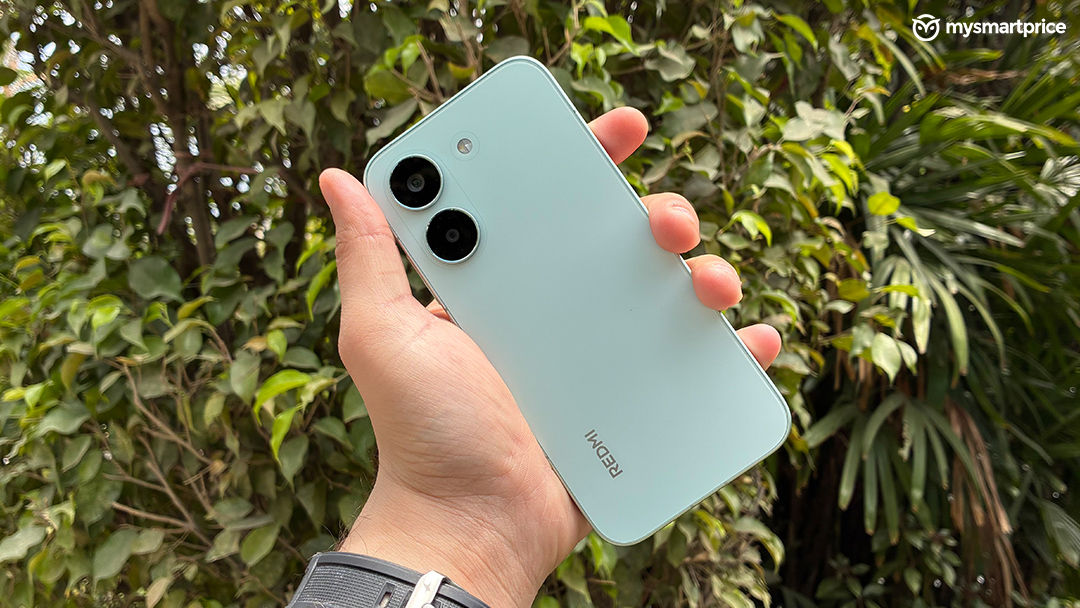
What Is Good?
- Excellent gaming performance
- Massive battery with 100W fast charging
- Bright AMOLED display and durable IP69-rated build
What Is Bad?
- Average camera performance
- Excessive Bloatware
Then there is the Redmi Turbo 5, it feels familiar. If you’ve used the POCO X8 Pro, you’ll immediately notice the similarities. That’s hardly surprising considering both devices sit under Xiaomi’s umbrella and share much of their underlying DNA. However, Redmi hasn’t simply rebadged a POCO phone here. The Turbo 5 comes with its own identity.
The Redmi Turbo 5 takes a different approach. Instead of trying to be the best camera phone under Rs 40,000 or the most premium-looking device in the segment, Redmi has built a smartphone for a very specific audience. Gamers. Power users. People who spend hours on BGMI, scroll endlessly through social media, binge-watch content on weekends, and want a phone that simply refuses to die before the day ends. The result is a smartphone that gets a lot right, but also asks you to accept a few compromises along the way. After spending a couple of weeks with the Redmi Turbo 5, I think Redmi finally understands what a performance-first smartphone should look like.
Display And Design
The display is exactly what a gaming-focused smartphone should have.

Bright, colourful, responsive, and immersive. The 6.59-inch AMOLED panel gets extremely bright outdoors, HDR content looks fantastic, and the 120Hz refresh rate ensures everything feels fluid. I particularly liked how immersive the front of the phone feels. The slim bezels and centred punch-hole camera keep distractions to a minimum while watching videos or gaming. The colours are definitely tuned towards the vibrant side rather than strict accuracy, but honestly, most users will probably prefer it that way. Combined with the stereo speakers, this is an excellent entertainment device.
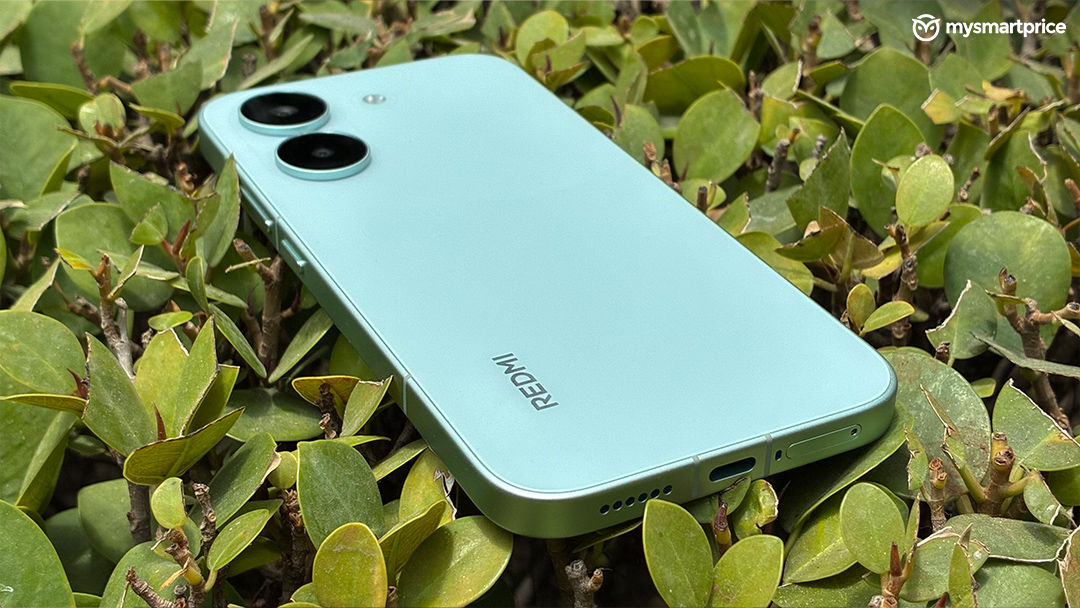
One area where the Turbo 5 genuinely surprised me was durability. Most phones in this segment offer basic water resistance and call it a day. Redmi went much further. You get IP66, IP68, IP69, and IP69K certification, making this one of the toughest smartphones available under Rs 40,000. The aluminum frame and glass construction also help the device feel considerably more premium than previous Redmi phones. The Pixel Matrix lighting system on the rear won’t be a deciding factor for most buyers, but I found it surprisingly useful for notifications when the phone was face down on my desk. At over 200 grams, it isn’t exactly lightweight, but the weight feels justified once you consider the battery size and durability credentials.
Performance
For years, brands like iQOO, POCO, and OnePlus have dominated the performance-focused smartphone conversation. Redmi has always been included in this discussion, but rarely as a segment leader. The Turbo 5 changes that. Powered by the MediaTek Dimensity 8500 Ultra chipset, paired with LPDDR5X RAM and UFS 4.1 storage, the smartphone feels incredibly quick in everyday use. Apps launch instantly, multitasking feels effortless, and heavy workloads never seem to trouble the device.
Gaming is where the phone really shines. Whether it was BGMI or Genshin Impact, the Turbo 5 consistently delivered stable frame rates with Wild Boost enabled. The experience feels smooth, responsive, and most importantly, reliable. Benchmark numbers also back that up. The phone comfortably crosses the 2 million mark on AnTuTu and performs strongly in CPU throttling tests. More importantly, it maintains that performance over time instead of delivering short bursts before slowing down.
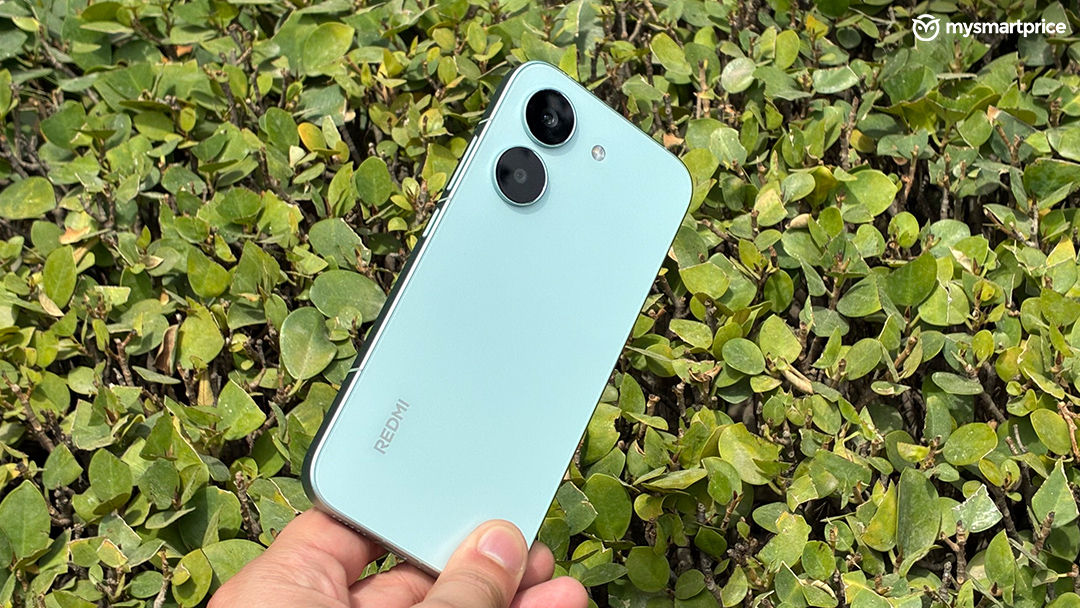
That doesn’t mean the cooling system is perfect. During extended gaming sessions, I could feel the area around the camera module warming up. The phone never became uncomfortable to hold, but it is clear that there is still room for thermal optimisation. Devices like the OnePlus Nord 6 manage heat slightly better. Still, for most gamers, this is one of the strongest performance packages available in the segment today.
Battery
Whenever a brand talks about a giant battery, I automatically become skeptical.
Usually, the real-world results don’t match the marketing. However, this was not the case with the Redmi Turbo 5 as the phone largely delivers. The 7,540mAh battery is genuinely useful and easily gets through a full day of heavy usage. Gaming, video streaming, photography, navigation, and social media barely seem to trouble it. What surprised me more was the charging speed. Despite packing one of the biggest batteries in the segment, the included 100W charger gets the phone back up surprisingly quickly. Even if you completely drain the battery, you’re never waiting very long before you’re back in business. My only complaint is standby efficiency. The phone loses slightly more battery overnight than I expected, which prevents it from fully exploiting its enormous battery capacity. It isn’t a deal-breaker, but it is noticeable.
Software
HyperOS 3 continues to improve. The software feels fluid, visually polished, and surprisingly feature-rich. Xiaomi’s ecosystem integration remains one of its biggest strengths, especially if you use multiple devices. The AI features are also practical enough to use rather than feeling like marketing checkboxes.
But Xiaomi still hasn’t fixed its biggest software problem. Bloatware.
There are simply too many pre-installed apps on this phone. Some can be removed, some can’t, and together they make the software experience feel messier than it needs to be. It’s frustrating because the actual software underneath is quite good.
Cameras
The cameras are fine.
Not great. Not terrible. Just fine.
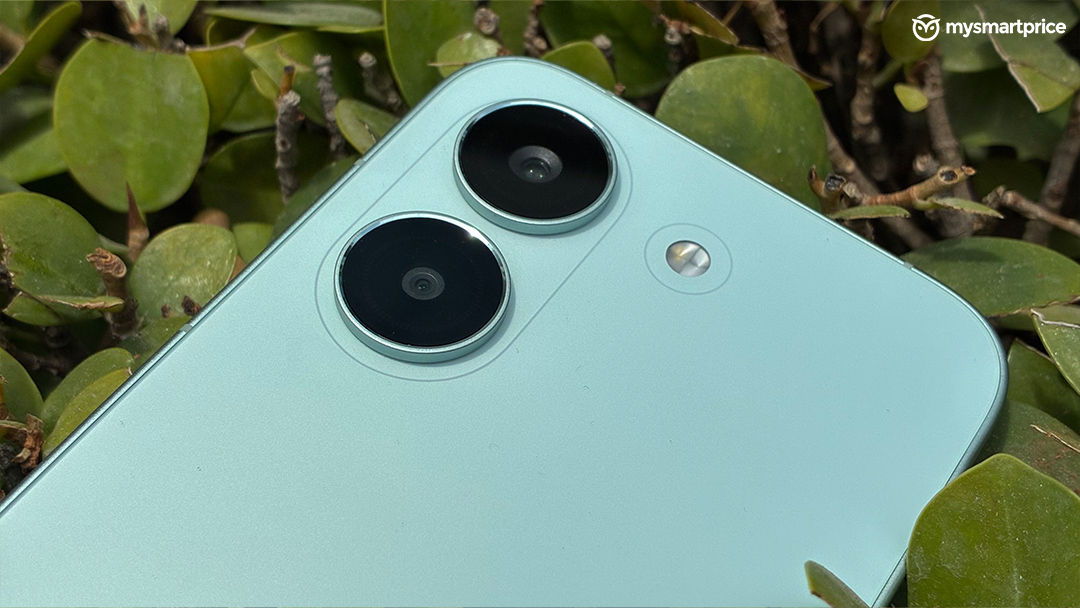
The 50MP Sony IMX882 primary sensor does most of the heavy lifting. In daylight, photos look sharp, vibrant, and social-media ready.







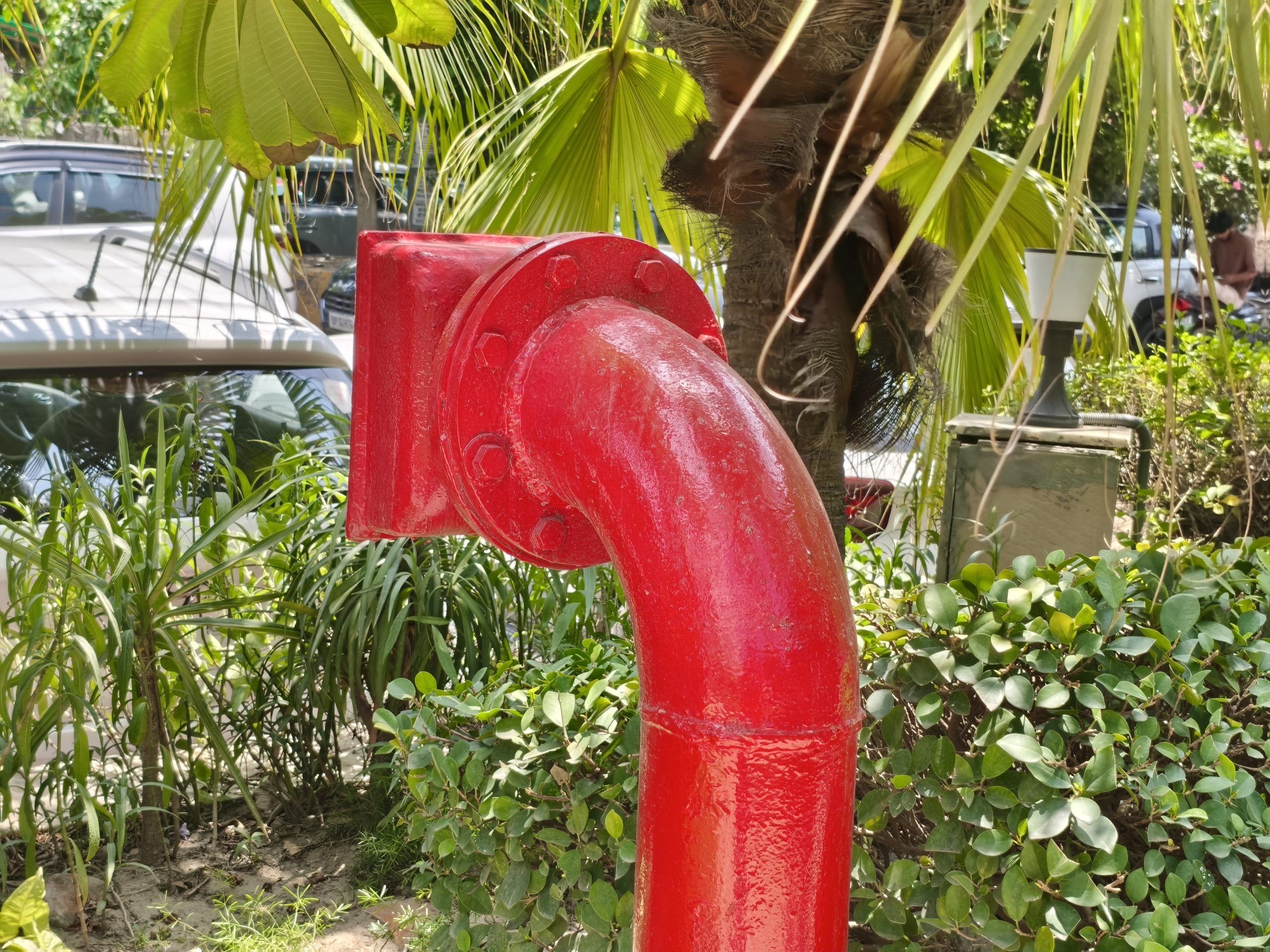
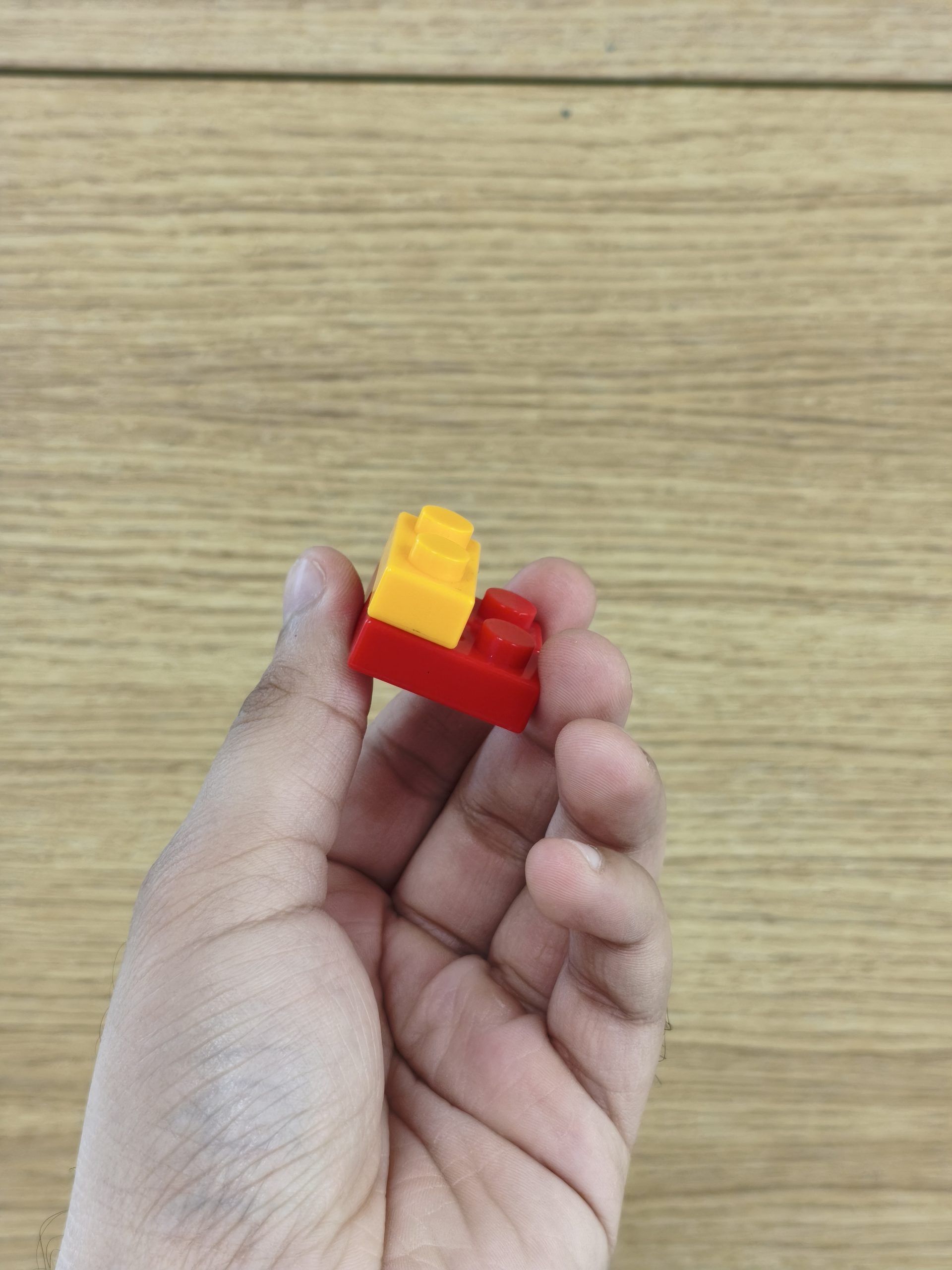


Low-light performance is respectable as well. The problems start once you move away from the primary camera. The ultrawide camera feels average, portrait performance can be inconsistent, and selfies aren’t particularly impressive. Compared to devices like the Motorola Edge 70 Pro, the difference becomes obvious. And honestly, that’s okay. Because this phone was never trying to be a camera champion. Redmi clearly spent its budget on performance, battery life, display quality, and durability. The camera system simply reflects those priorities.
Verdict
The Redmi Turbo 5 knows exactly what it wants to be, and that clarity works in its favour.
You get a bright AMOLED display, excellent gaming performance, reliable sustained power, a massive 7,540mAh battery, 100W fast charging, and one of the most durable builds in this segment. The Dimensity 8500 Ultra handles everything from everyday multitasking to high-frame-rate gaming without breaking a sweat, while the combination of IP66, IP68, IP69, and IP69K ratings gives the phone an edge that very few competitors can match.
That said, the Turbo 5 isn’t perfect. The cameras are serviceable rather than exceptional, thermal management could use some refinement during extended gaming sessions, and HyperOS still comes loaded with far too many pre-installed apps. At Rs. 37,999, the Redmi Turbo 5 is best suited for gamers, power users, and anyone who values battery life and performance over camera versatility.
If photography is your top priority, the Motorola Edge 70 Pro remains the stronger choice thanks to its superior camera system and cleaner software experience. Meanwhile, if you’re looking for a more balanced all-rounder with a similar performance-first philosophy, the POCO X8 Pro is also worth considering. However, if your checklist starts with gaming performance, battery endurance, fast charging, and durability, the Redmi Turbo 5 is easily one of the strongest options you can buy in its price segment.