The Vivo X200T highlights Vivo’s ambition to make smartphone photography more accessible across price segments. The brand has steadily worked toward offering capable camera systems at different price points, and the X200T is a clear extension of that approach. Despite being priced below Vivo’s Rs 70,000 flagships, including the X300, it adopts a similar formula, featuring Zeiss-optimised triple 50MP cameras and competent hardware such as a 6,200mAh battery.
Vivo X200T
Rs 59,999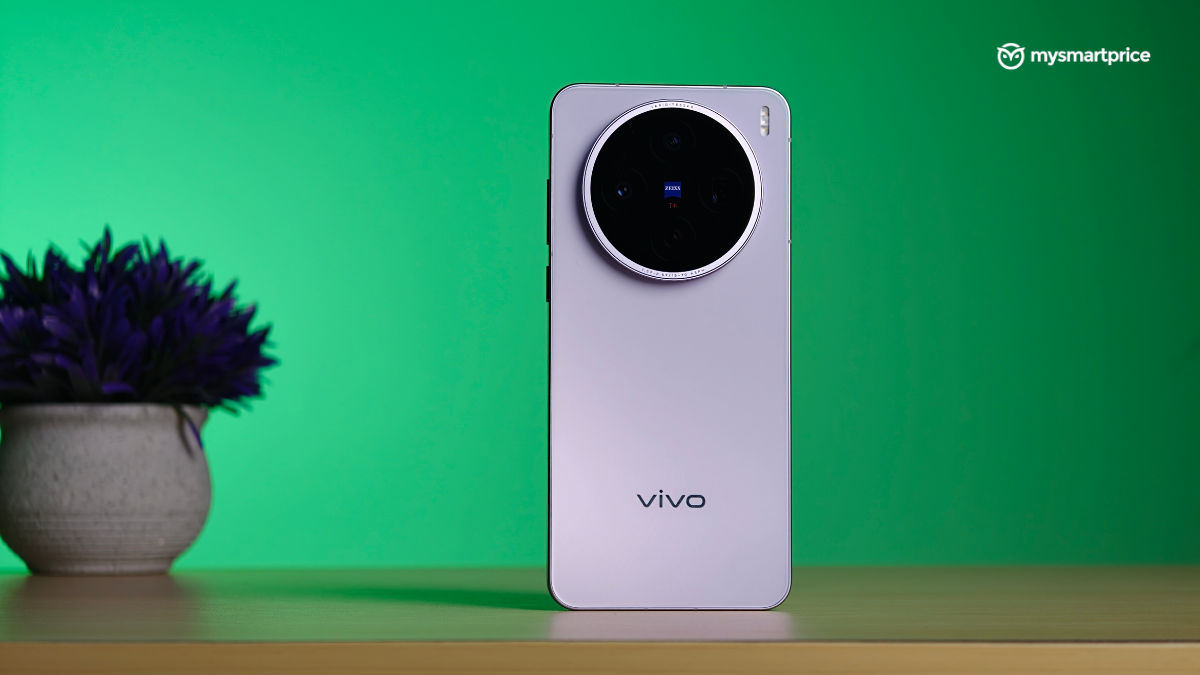
What Is Good?
- Excellent battery life with fast charging
- Consistent camera performance across scenarios
- Smooth day-to-day and gaming performance
- Bright, vibrant AMOLED display
What Is Bad?
- Feels slightly heavy during long use
- Speakers lack depth at higher volumes
Competition in this segment has grown stronger in recent times. Motorola recently launched the Signature, which also focuses heavily on cameras while offering a slimmer, more striking design and a slightly more powerful chipset.
However, specifications alone do not reveal the full picture. To see whether the Vivo X200T can stand out against this competition and justify its camera-centric pitch, I used it as my primary smartphone for several days.
Battery and Charging
The X200T has yet again reinforced Vivo’s dominance over most competitors in battery life. The 6,200 mAh battery, combined with exceptional optimisation, helps the phone set a new benchmark for others in the sub-Rs 60,000 segment. In our battery test, the X200T enjoys a significant lead over the OnePlus 13s. It even outperforms the Vivo X200FE, which has a similarly sized battery.
The X200T also gains an edge over the Motorola Signature, which is unsurprising given the 1,000mAh gap in battery capacity between the two.
In real-world use, the phone consistently delivered around seven to eight hours of screen-on time with moderate usage. This included roughly two hours of video streaming, regular social media browsing, and short gaming sessions spread throughout the day. The bundled 90W charger was able to fully recharge the battery from 0 in about an hour, making quick top-ups practical during daily use.
Camera
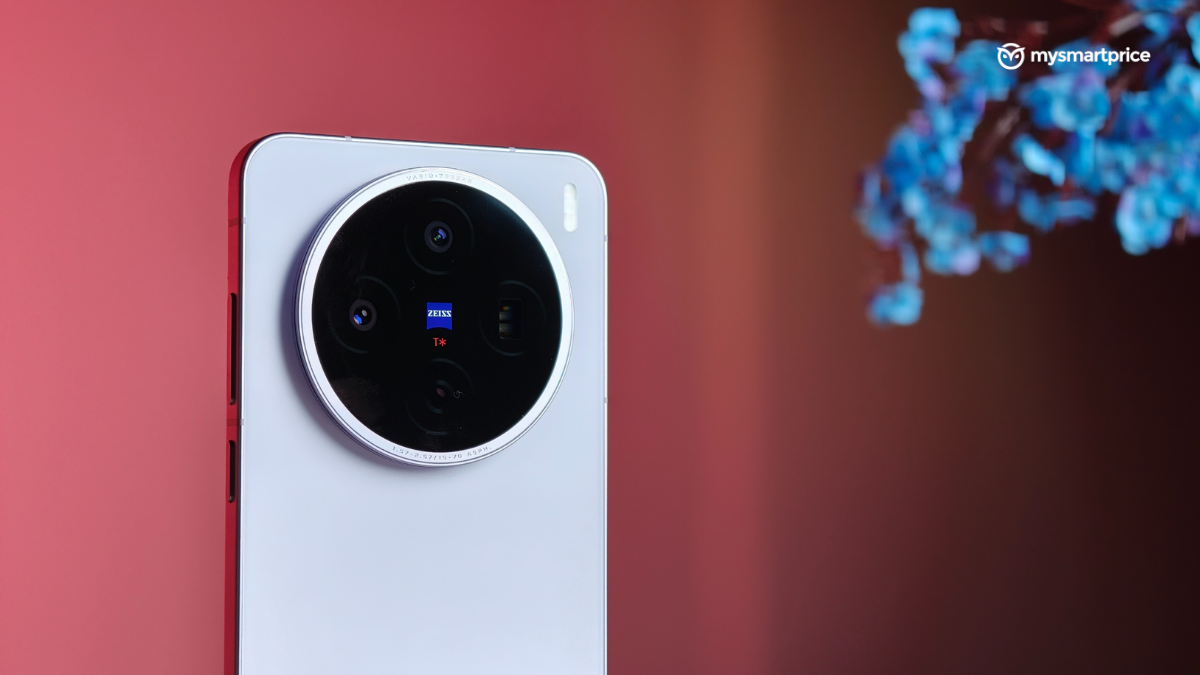
The cameras are one of the X200T’s defining features, as they carry Zeiss branding, usually seen on Vivo’s flagship and camera-centric V-series phones. Considering this, the brand has handled its tuning thoughtfully, ensuring the phone delivers photographs that appeal to most photography enthusiasts.
| Cameras | Specifications |
| Primary camera | 50-megapixel, Sony IMX 921, OIS, f/1.57 |
| Secondary camera | 50-megapixel, ultra-wide, Samsung JN1, f/2.0 |
| Tertiary Camera | 50-megapixel, 3x periscope, Sony IMX882, OIS, f/2.57 |
| Selfie camera | 32-megapixel, f/2.0 |
| Video capabilities | Up to 4K at 60fps for the primary and front cameras |
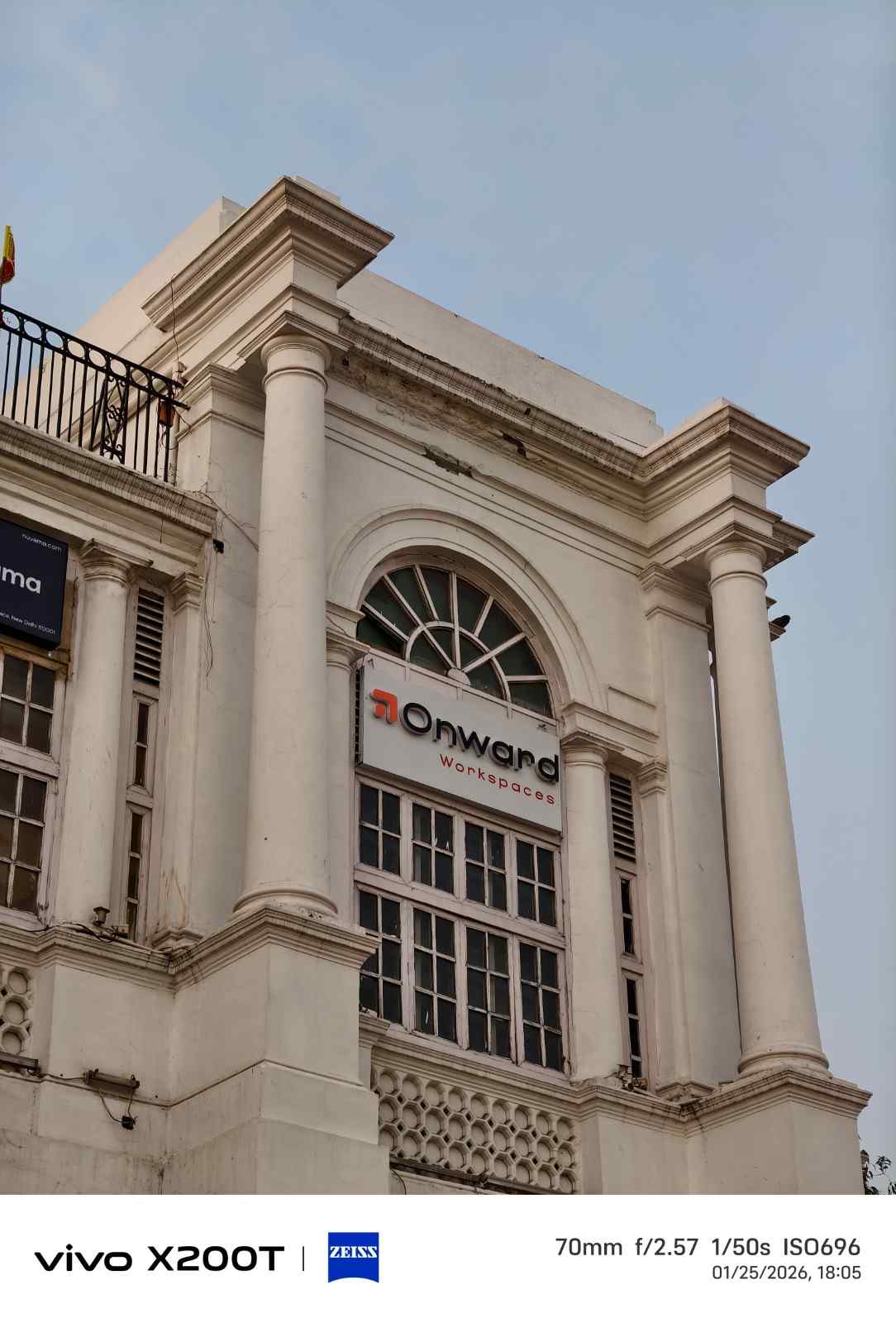




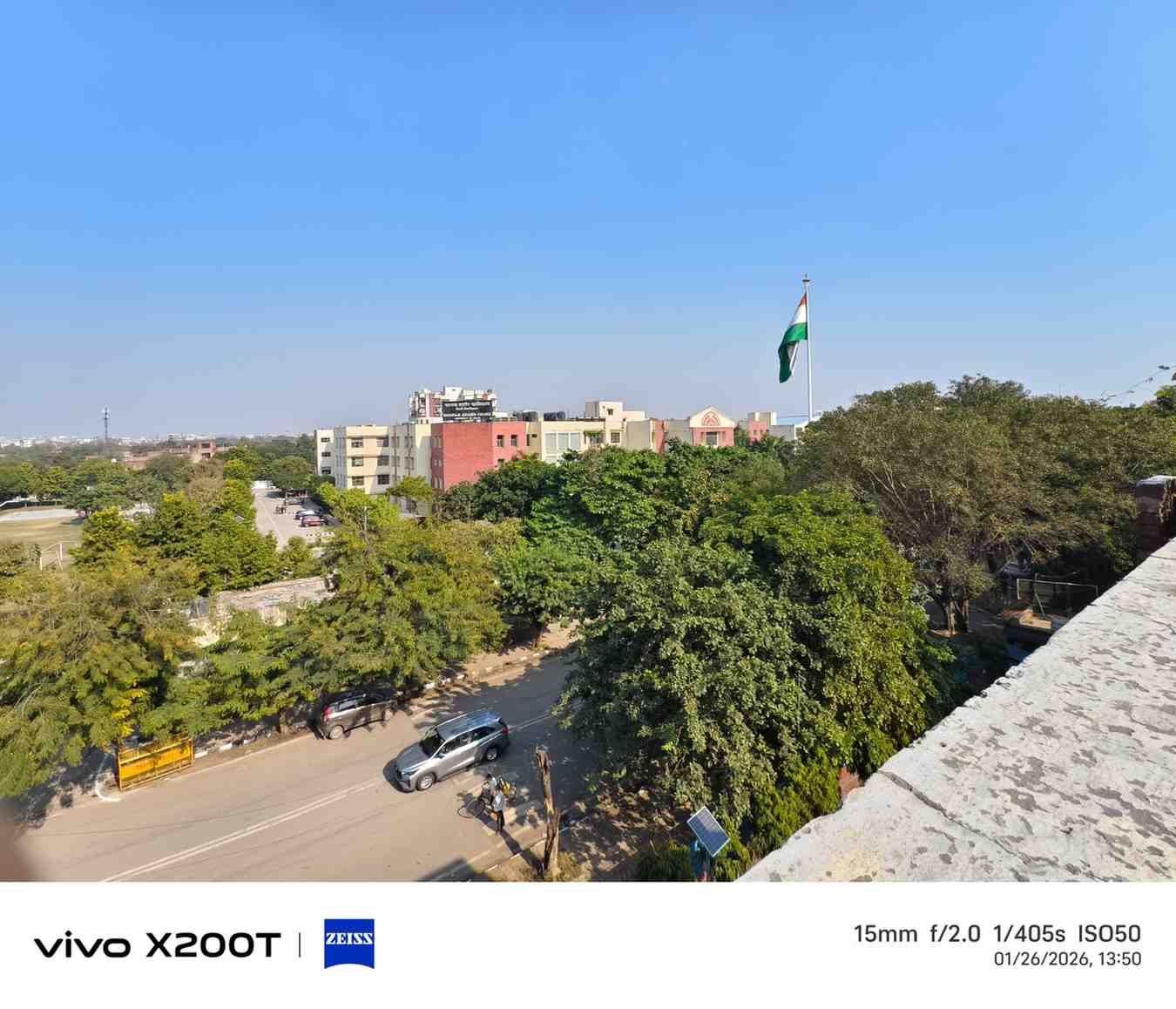
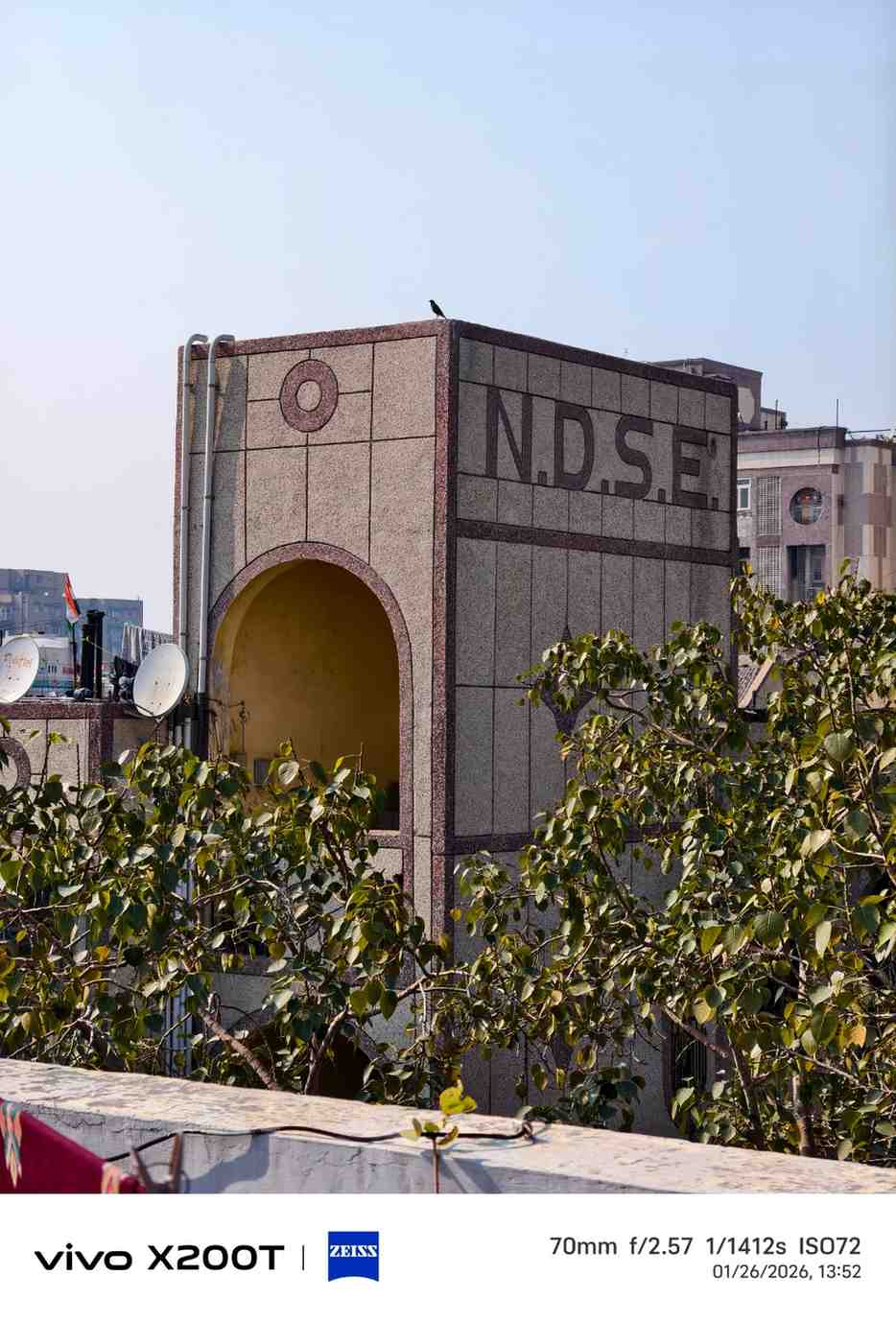



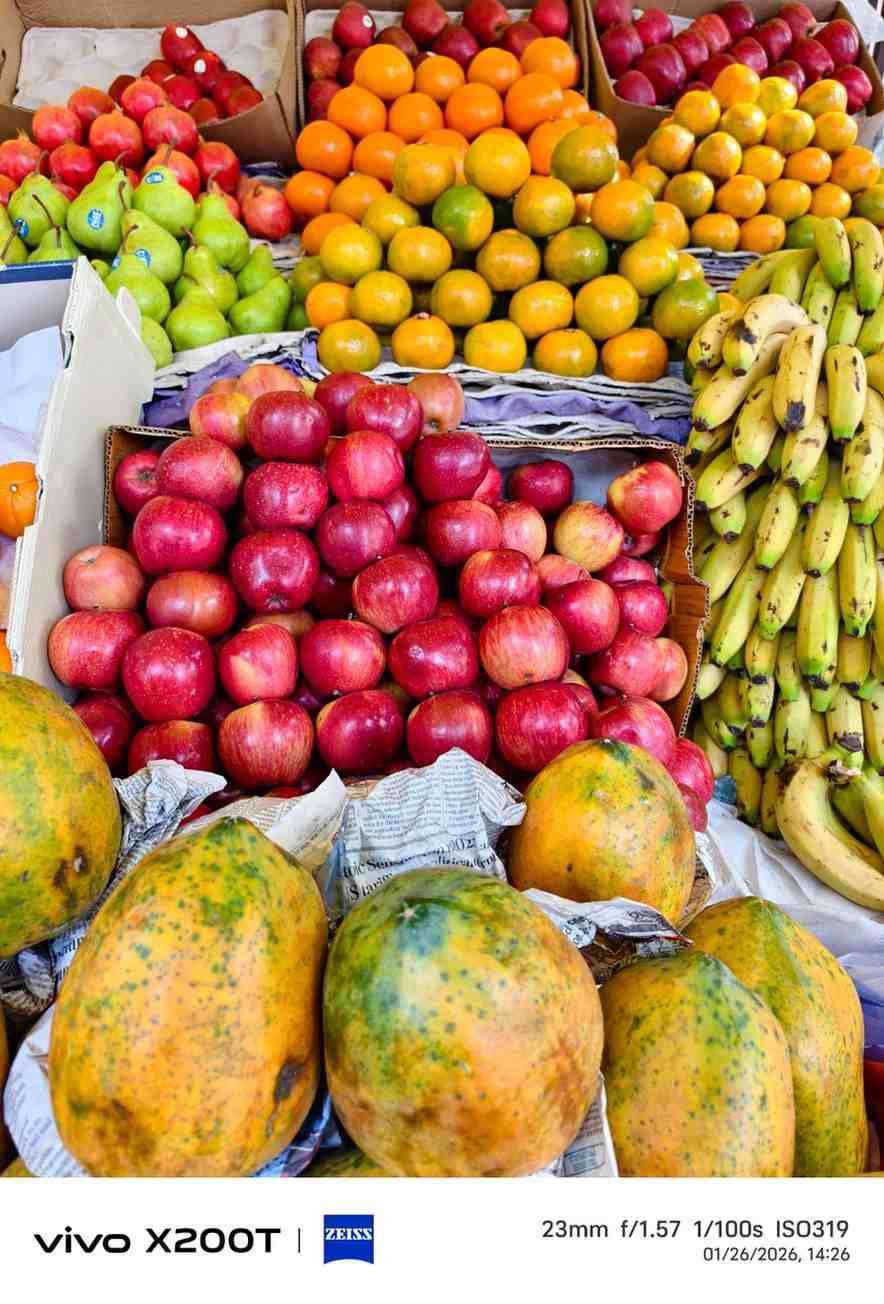

Daylight images captured using the primary camera retain colours closer to the original scene. In terms of detail, fine textures, such as flower petals, appear sharp and well-defined. Regarding HDR processing, the primary camera also maintains a good balance between darker and brighter areas, letting highlights, such as textured skin, show through even in shadows.
The 3x periscope camera shares many qualities with the primary camera, capturing crisp photographs with near-accurate colours. It even excels at HDR processing. Portrait images taken with this lens retain human skin tones well, complemented by a uniform blur around the subject. That said, the bokeh around the subject sometimes ends up looking overprocessed.
The ultra-wide camera maintains the colour consistency with the other cameras. However, images captured with this camera appear less visually detailed than those captured with Signature’s ultra-wide camera. Moreover, its field of view appears shallower than that of the latter.



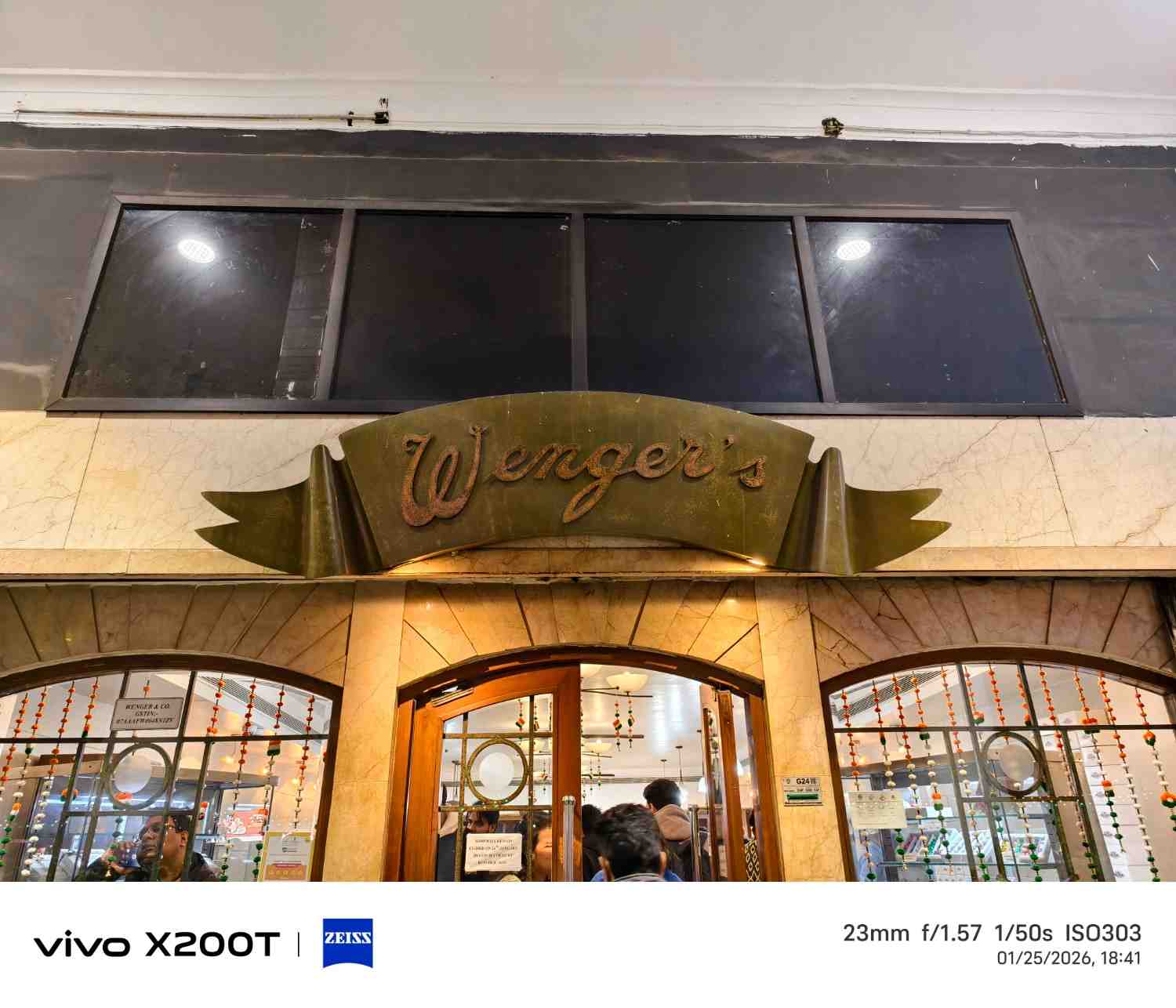




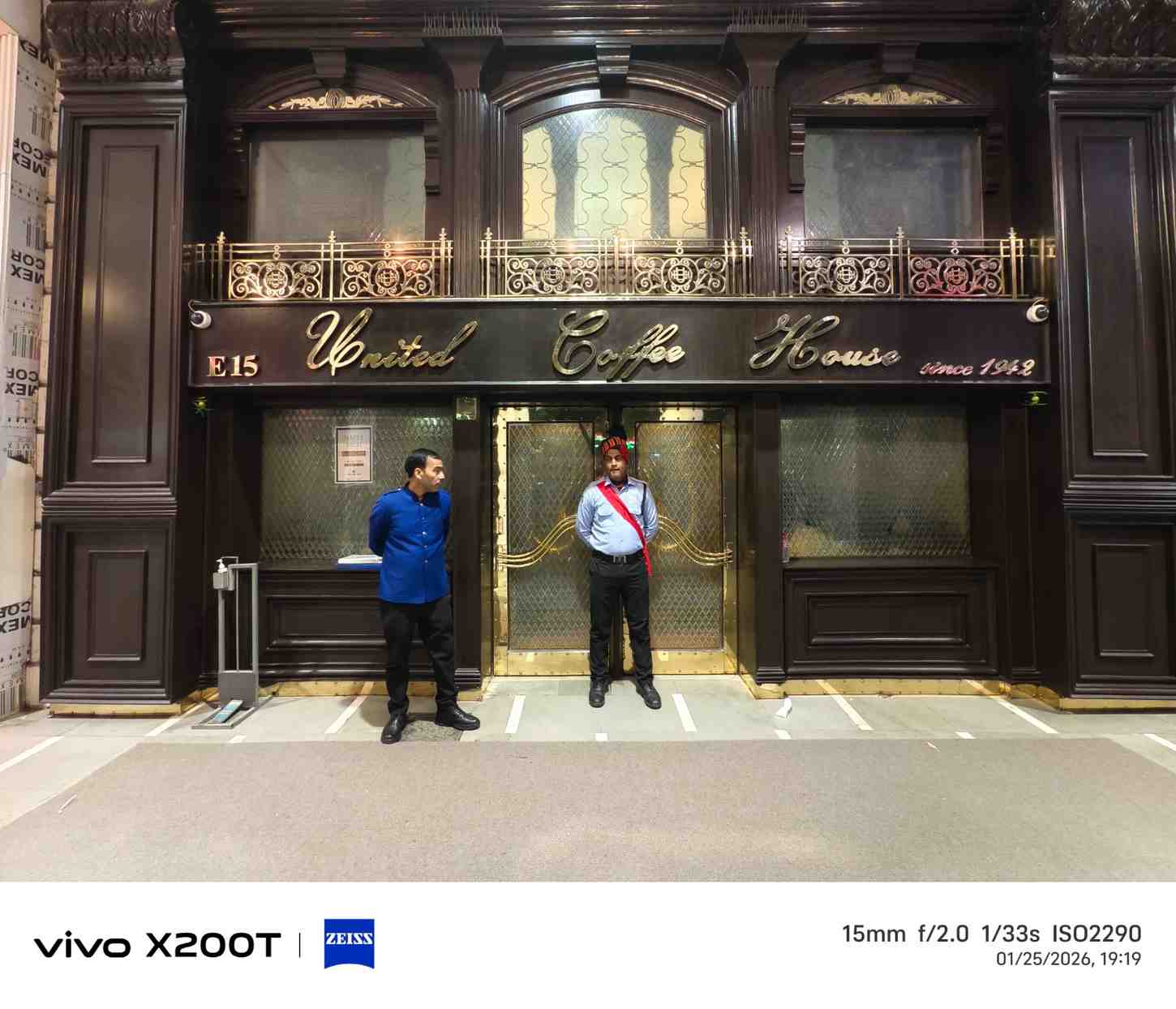
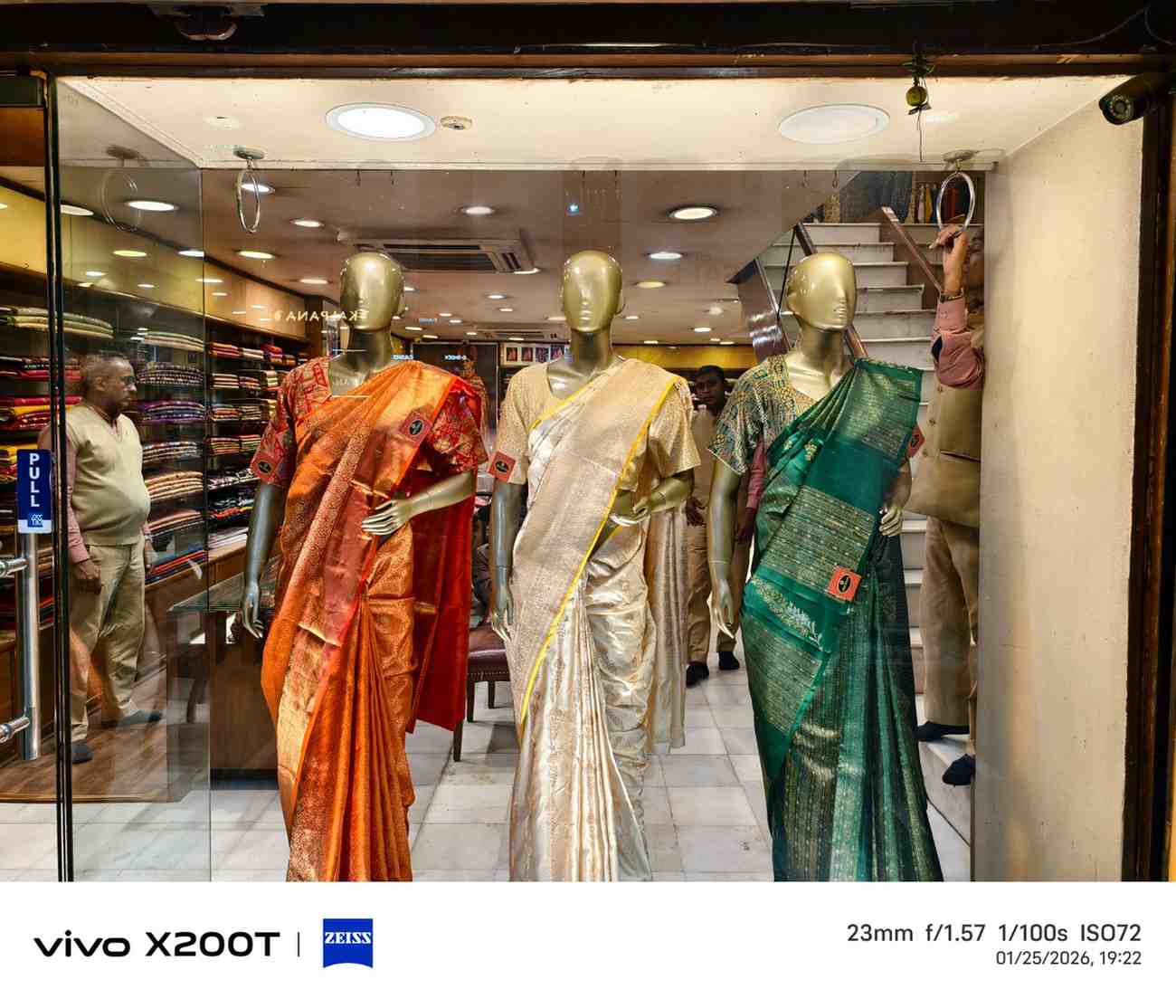


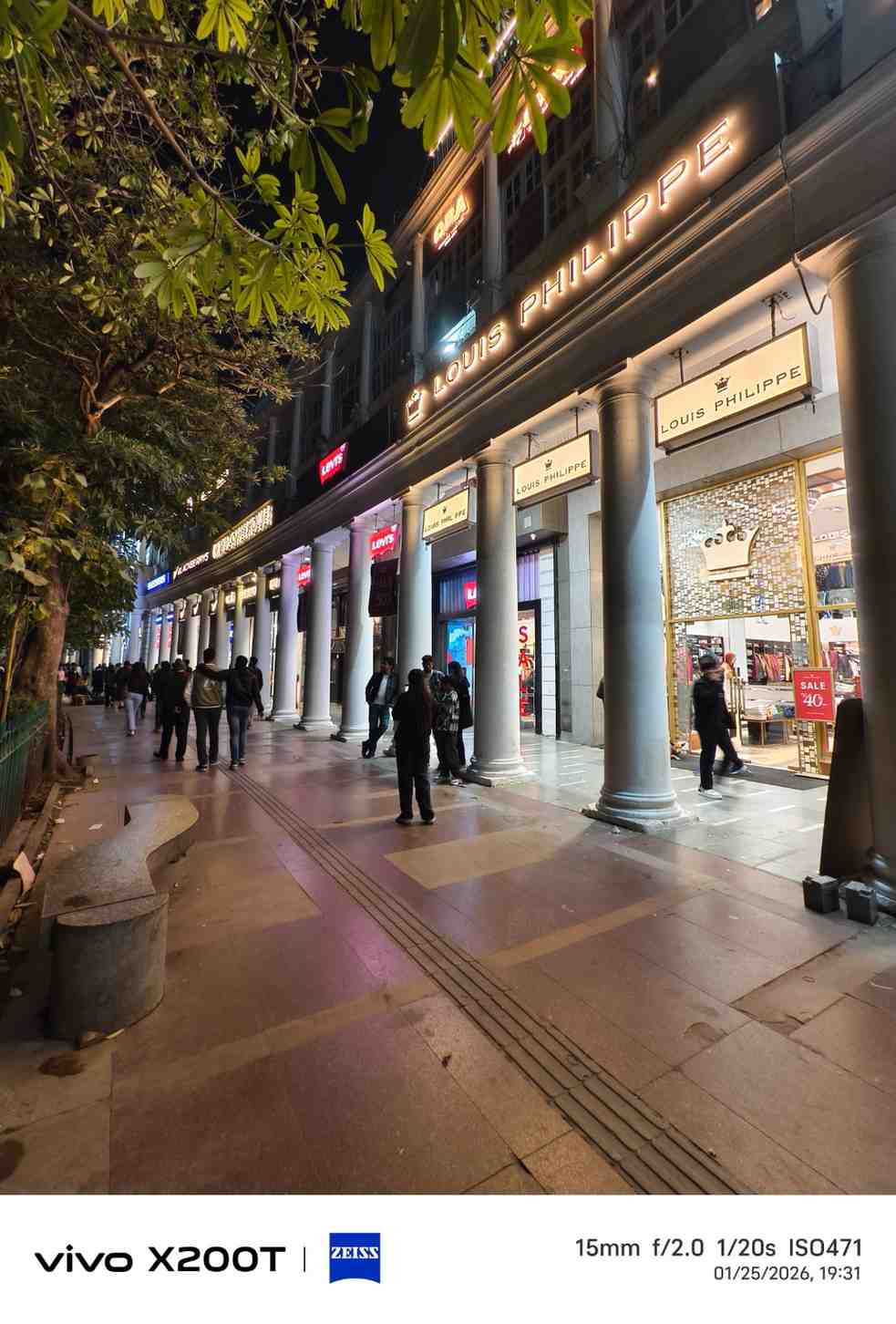

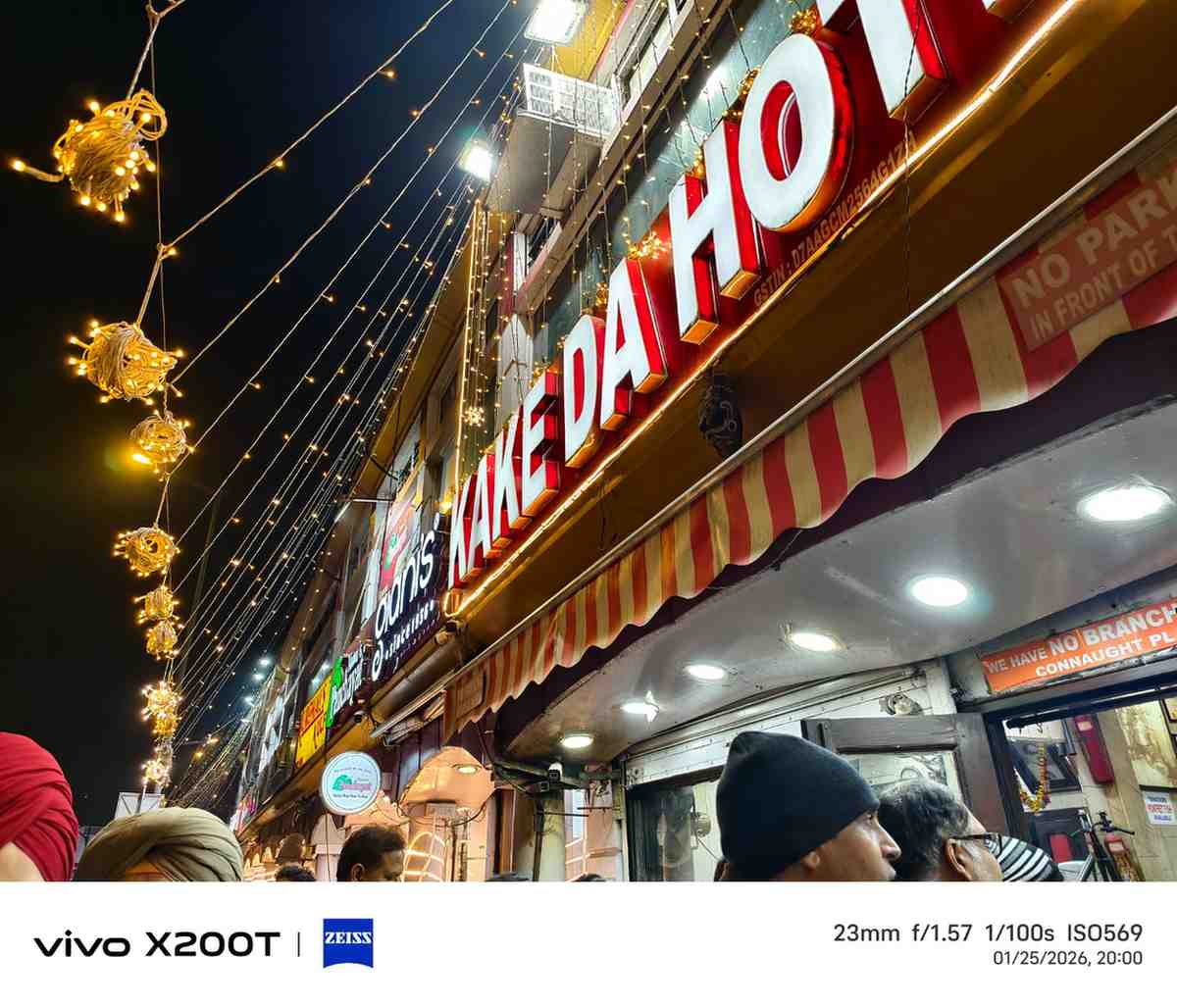
The X200T’s three cameras also fare well in low-light conditions. The darker environment sometimes causes them to lose image clarity, as they drop their shutter speed to compensate for the reduced light. Otherwise, their images come out sharper, with colours fairly close to natural.
The front camera captures striking selfies with detailed texture and nearly accurate skin tone. Its low-light images exhibit similar qualities with slightly reduced clarity.
Performance and Software
The X200T runs on the Dimensity 9400+ SoC, a last year’s flagship processor, continuing Vivo’s recent trend of using older chipsets, as seen with the X200FE and T4 Ultra. This strategy puts the X200T in a difficult position regarding raw value. At Rs 60,000, it effectively offers the same benchmark performance as competitors that cost Rs 10,000 less and feature the newer hardware.
So, its premium pricing doesn’t reflect a clear performance lead.
Although Vivo’s use of older chipsets may raise questions when looking at the benchmark results, the brand has leveraged its expertise to deliver a great user experience. In everyday use, the X200T glides effortlessly through every task without slowing down, whether watching a series, snapping photos, or playing games.
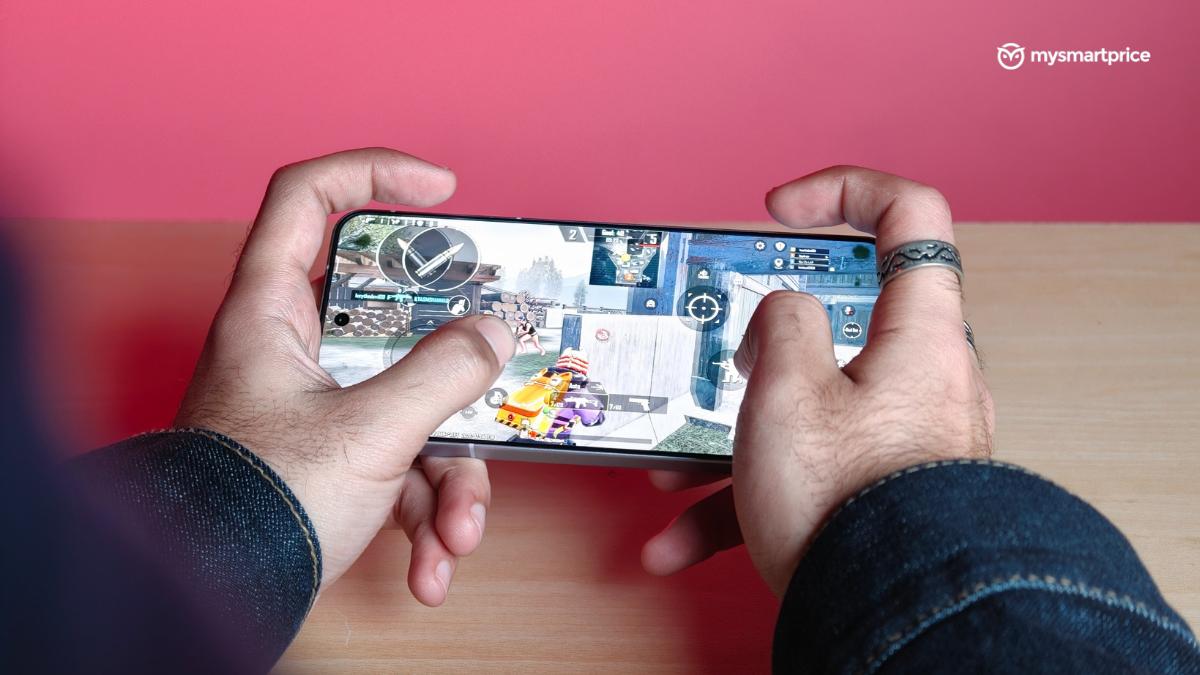
This consistency is evident in gaming performance, as well. In BGMI, the phone maintained a frame rate of around 118.3fps at the lowest setting, as expected for this hardware. The X200T even exhibited great frame stability, with the smallest variance between its average and 5% low-frame-rate values. Vivo’s phone did so while keeping its temperature under 36°C. On the other hand, the Samsung Galaxy S25 FE reached 40°C during the stress test. This highlights that the X200T’s chassis is designed to dissipate heat without effectively throttling performance. All in all, the X200T can run most visually demanding games while delivering consistent performance under sustained load.
| Hardware | Specifications |
| RAM | 12GB LPDDR5X |
| Storage | Up to 512GB UFS 4.1 |
| Storage Test | 145153 |
| CPU Throttling Test | 64 per cent |
| Software Version | OriginOS 6, based on Android 16 |
| Connectivity Details | Bluetooth 5.4 and Wi-Fi 7 |
| Number of Software Updates | Five years of major OS upgrades and seven years of security patches |
Beyond performance, the X200T’s software experience holds up well in daily use. OriginOS, based on Android 16, feels visually polished and consistent, with smooth animations and predictable transitions that keep the interface feeling responsive over long sessions.
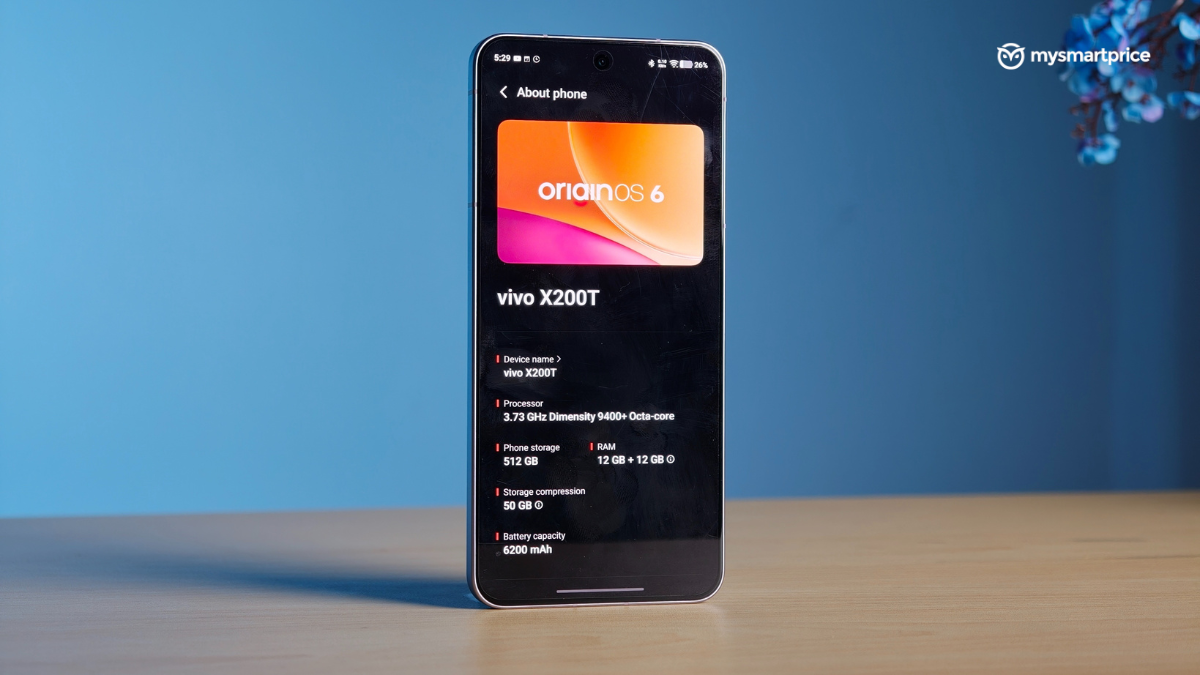
More importantly, some of its features translate into real efficiency gains. Origin Island, Vivo’s take on Apple’s Dynamic Island, proved genuinely useful when sharing content. In our usage, dragging an image from the gallery immediately surfaced relevant apps such as Instagram, cutting down the number of steps needed to post and reducing friction in routine tasks.
The flip side is that the X200T lacks on-device AI functionality despite its dedicated NPU. As a result, most of its generative AI features still rely on the cloud to operate. Low network connectivity can prevent users from accessing these features. They may stop responding or fail to implement changes users want, such as omitting a photo bomber. While this issue is widespread among other brands as well, I would’ve appreciated it if Vivo paved the way for integrating on-device AI features into its phones.
Having said that, the X200T balances things out with long-term software support. It comes with five years of software updates, which is substantial in Vivo’s context and feels adequate for the segment.
Display and Audio Quality
Aside from the thicker bottom bezel, the X200T’s flat AMOLED display is nearly perfect. It has been tuned to let highlights stand out more in darker scenes. As a result, live-action content, such as Monarch: Legacy of Monsters, comes out sharper and well-detailed. In addition, the display brings out the vibrancy of animated content, including the My Hero Academia: Vigilantes series, making it visually striking.
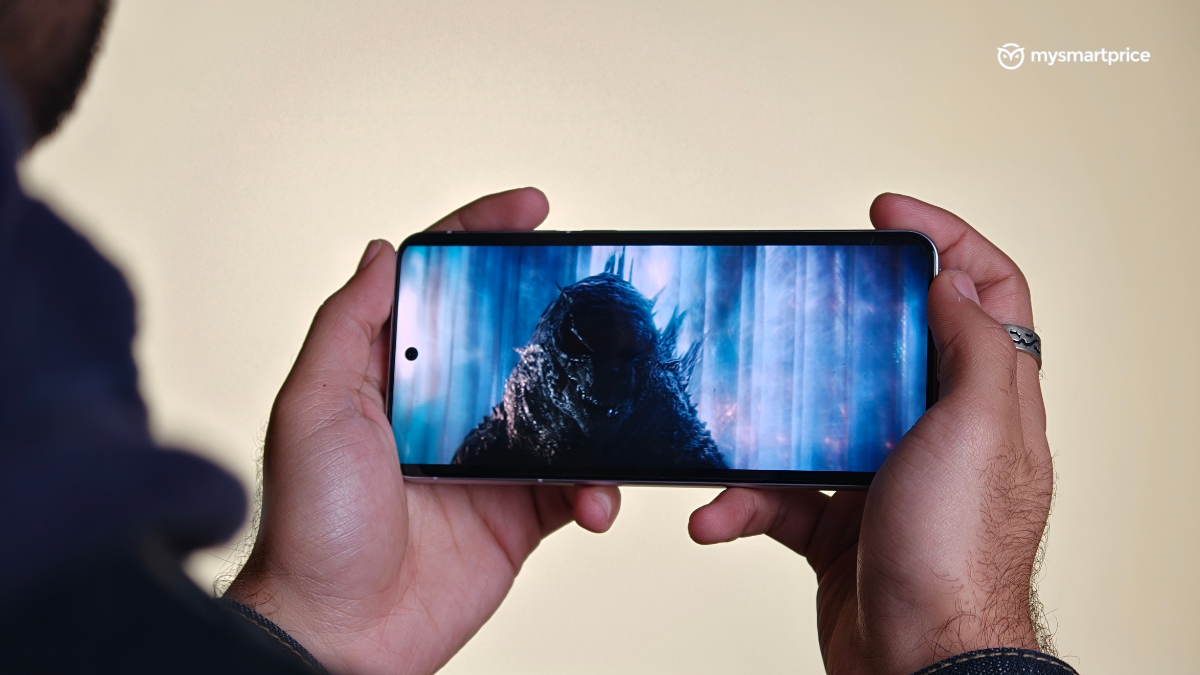
Content remains legible on the X200T’s display even under direct sunlight. In bright outdoor conditions, the panel exceeds the typical 700-nit baseline, making text and on-screen elements easy to read without hunting for shade.
- Size: 6.67-inch
- Type: AMOLED
- Resolution: 2800×1260 pixels
- Refresh Rate: 120Hz
- Display Protection: SCHOTT Xensation Core
- Peak Brightness
- Claimed: 5000 nits
- Tested: 2220 nits
The stereo speakers limit the overall multimedia experience. Mid-range frequencies lack body, which makes music sound flatter than expected. At higher volumes, the speakers also fall behind the Motorola Signature in perceived loudness, despite the X200T having more headroom on paper.
Design and Build Quality
In recent years, Vivo’s premium phones have leaned toward familiarity rather than experimentation, and the X200T follows that playbook. It borrows the fit and finish of the X300 series, delivering a similar in-hand experience at a lower price point.
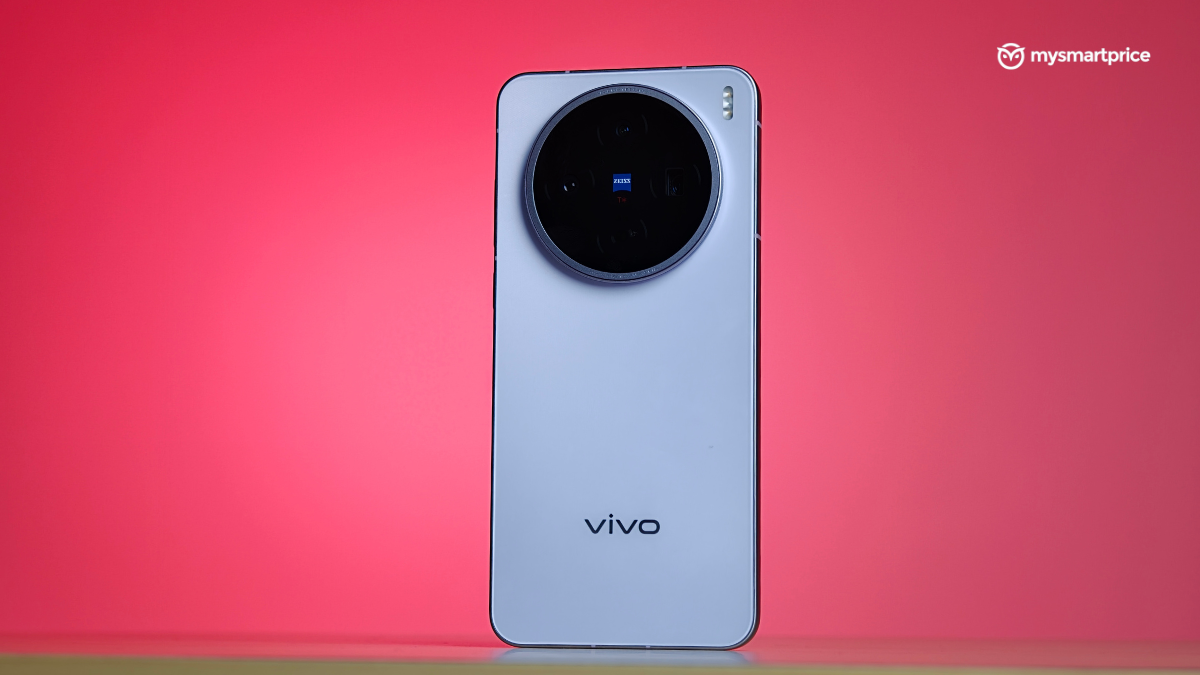
The boxy chassis with subtly contoured edges feels comfortable to grip, much like Vivo’s flagship models. The camera module is one area where the X200T differentiates itself, using a colour-matched border that blends neatly into the rear panel and reinforces its premium positioning.
Vivo has also given the X200T a noticeable amount of heft. While this adds to the perception of build quality, it can make the phone feel slightly fatiguing to hold during extended use.
- Colour Options: Seaside Lilac (our review unit) and Stellar Black
- Weight: 205g
- Thickness: 7.99mm
- IP Rating: IP68+IP69
- Port and Button Placements
- Bottom: Primary microphone, SIM Card tray, USB Type-C Port, and speaker grille
- Top: Secondary microphone and speaker
- Right side: Power button and volume button
The similar excellence we have seen in the X200T’s design also carries forward to its build quality. While its metal frames make it feel structurally sound, the IP68 and IP69 ratings ensure stronger protection against accidental water damage.
Verdict
The Vivo X200T is a solid premium smartphone that focuses on everyday usability. Its excellent battery life and fast charging make it easy to rely on throughout the day, while the cameras deliver pleasing results in most lighting conditions. Performance stays smooth for daily tasks and gaming, and the bright AMOLED display enhances both video and animated content. Clean software, strong build quality, and long-term update support further strengthen the overall experience.
On the downside, the phone feels slightly heavy, and its speakers are average. That said, these shortcomings do little to overshadow its strengths, making the Vivo X200T a dependable and well-rounded choice under Rs 60,000.