Even before you decided to read this review, you would have known the obvious: the Vivo X300 Pro is a camera-centric phone. And that it is, but not in a buzzword-heavy, spec-sheet sense, but in how it behaves when you actually use it. I got this smartphone last month, and to be honest, I’ve travelled a lot with it. Even my primary smartphone is a top-notch flagship of 2025, the iPhone 17 Pro Max, but still, when it came to pictures, I only used the Vivo X300 Pro. Now, there could be two reasons: (A) Because I had to review this smartphone, or (B) maybe I was actually enjoying using it as a ‘Camera’.
Vivo X300 Pro
Rs 1,09,999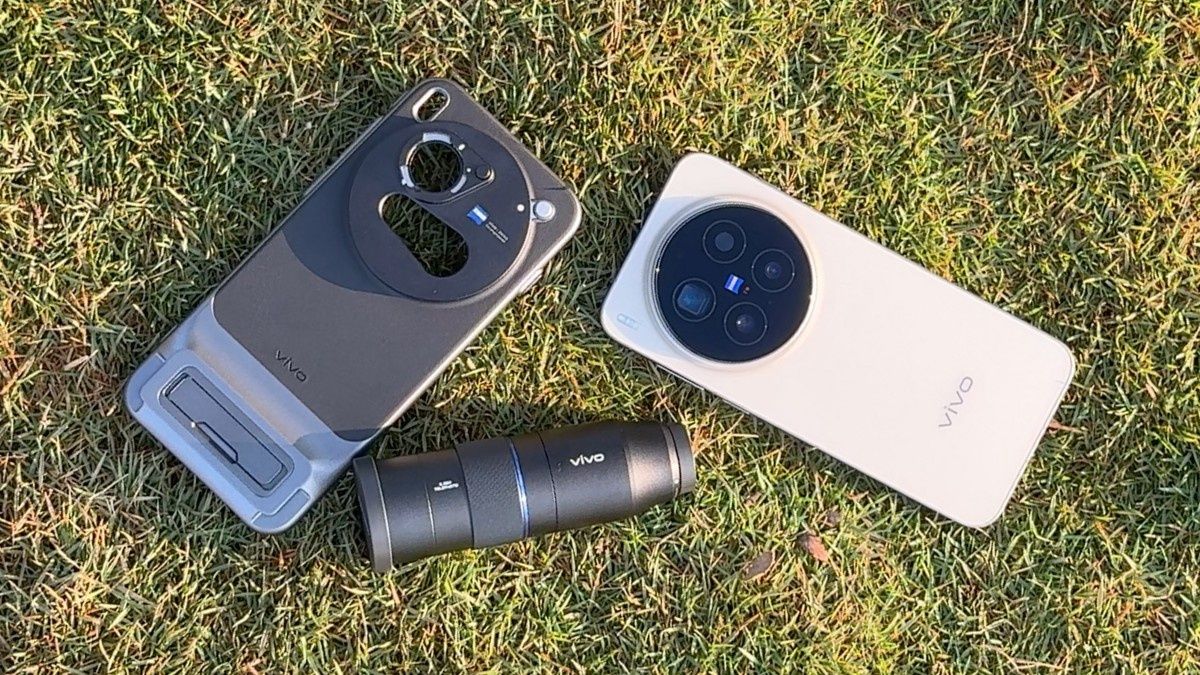
What Is Good?
- Exceptional Camera Consistency
- Class-leading Telephoto Performance
- Excellent Portraits
- Stable, sustained Performance
- 2 Days of Battery Life
What Is Bad?
- Telephoto Converter Lens Lacks Versatility
- Video quality drops beyond 3.5x zoom
- Not a big leap over its predecessor
After using it extensively for a month, from shooting photos and videos to gaming, editing, scrolling, and everyday multitasking, the Vivo X300 Pro feels like a genuinely well-rounded flagship. But around this price range, most of the smartphones feel genuine. We need more details, right? More importantly, when it comes to its pricing (Rs 1,09,999), does it feel genuine then? Well, I have worked hard on this review. Give it a read, and hopefully you’ll get your answers.
Brilliant Cameras, But Nothing Beats The Telephoto
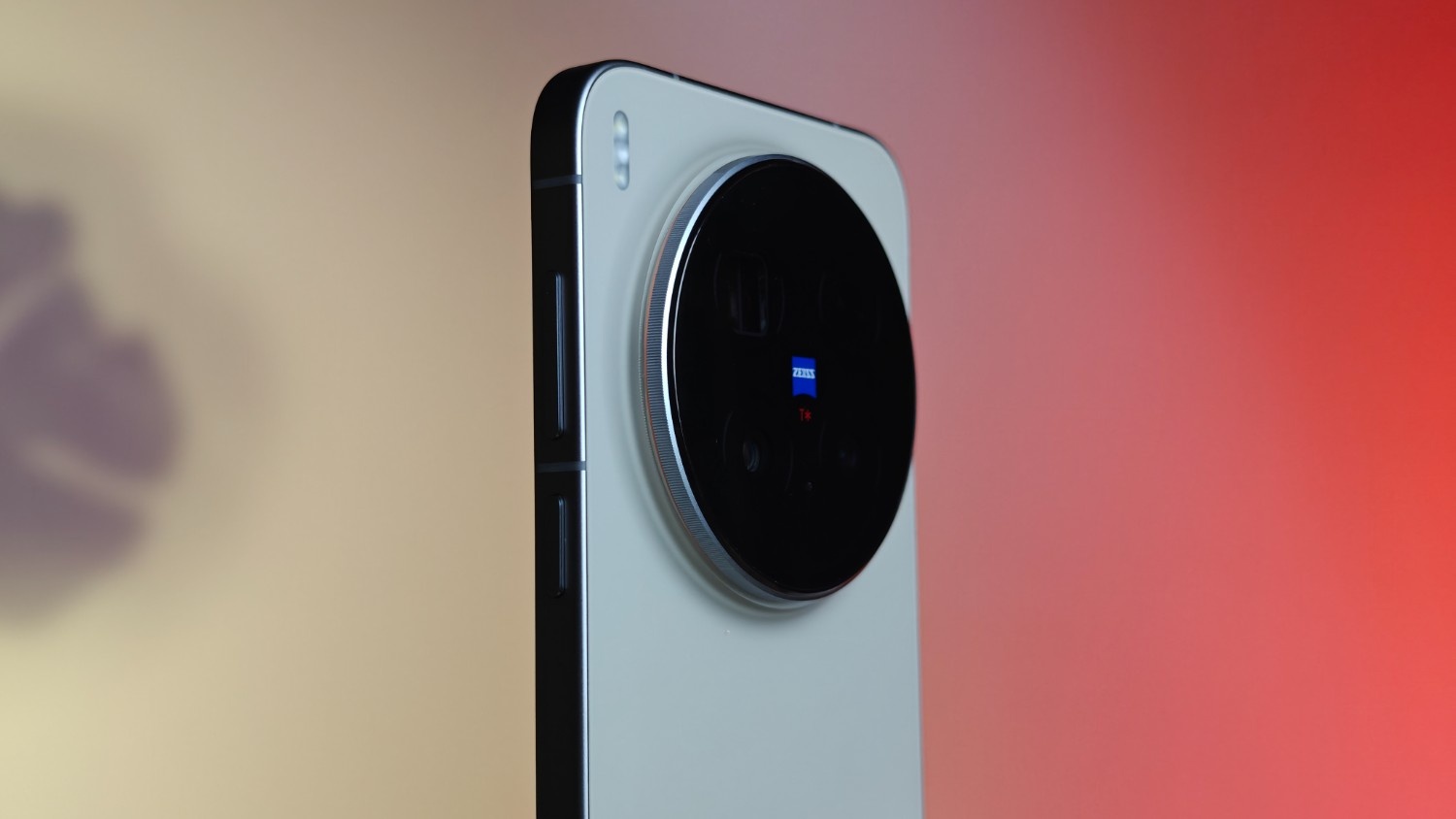
Let’s address the elephant in the room: the camera, and to be honest, it sounds really tempting on paper. The Vivo X300 Pro holds a triple camera setup with a 50-megapixel Sony LYT-828 primary camera, a 200-megapixel periscope telephoto shooter, and another 50-megapixel ultra-wide lens. Along with that, all these sensors are ZEISS-tuned, and the 200-megapixel periscope telephoto comes with ZEISS APO. In simple words, the ZEISS APO is generally a high-quality lens for exceptional colour accuracy and sharpness. On the front too, you get a 50-megapixel selfie shooter. Now that we have the specs out of the way, let’s get to the real deal.
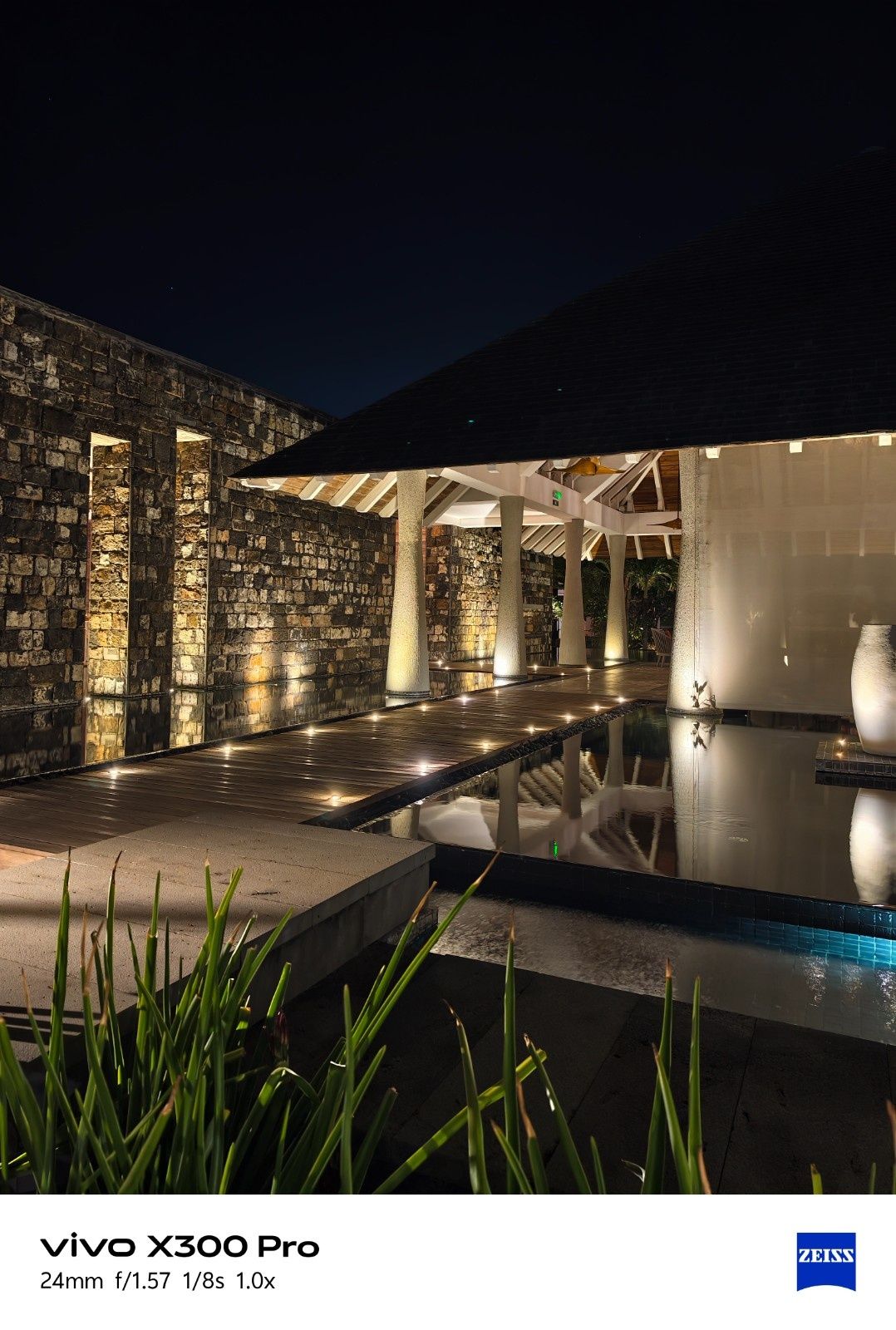
Even before you take the tricky shots, the main camera sets the tone straight away. Daylight shots that I took from the Vivo X300 Pro look clean and balanced, with restrained HDR and colours that stay on the natural side. Greens don’t look artificially vibrant, skies retain gradients, and contrast is controlled enough that images don’t feel processed. There’s a sort of calmness to the output that becomes noticeable when you shoot repeatedly across different scenes.




What stood out for me the most while using the X300 Pro was how little second-guessing the camera required. Exposure is reliable, colour behaviour is consistent, and you quickly learn what kind of image you’re going to get. And when you’re shooting a lot, that predictability matters.
Low-light performance continues Vivo’s strong track record. The main camera exposes reliably, maintains wide dynamic range, and preserves detail without aggressive noise reduction. Highlights stay under control, shadows retain structure, and handheld night shots look pretty professional.
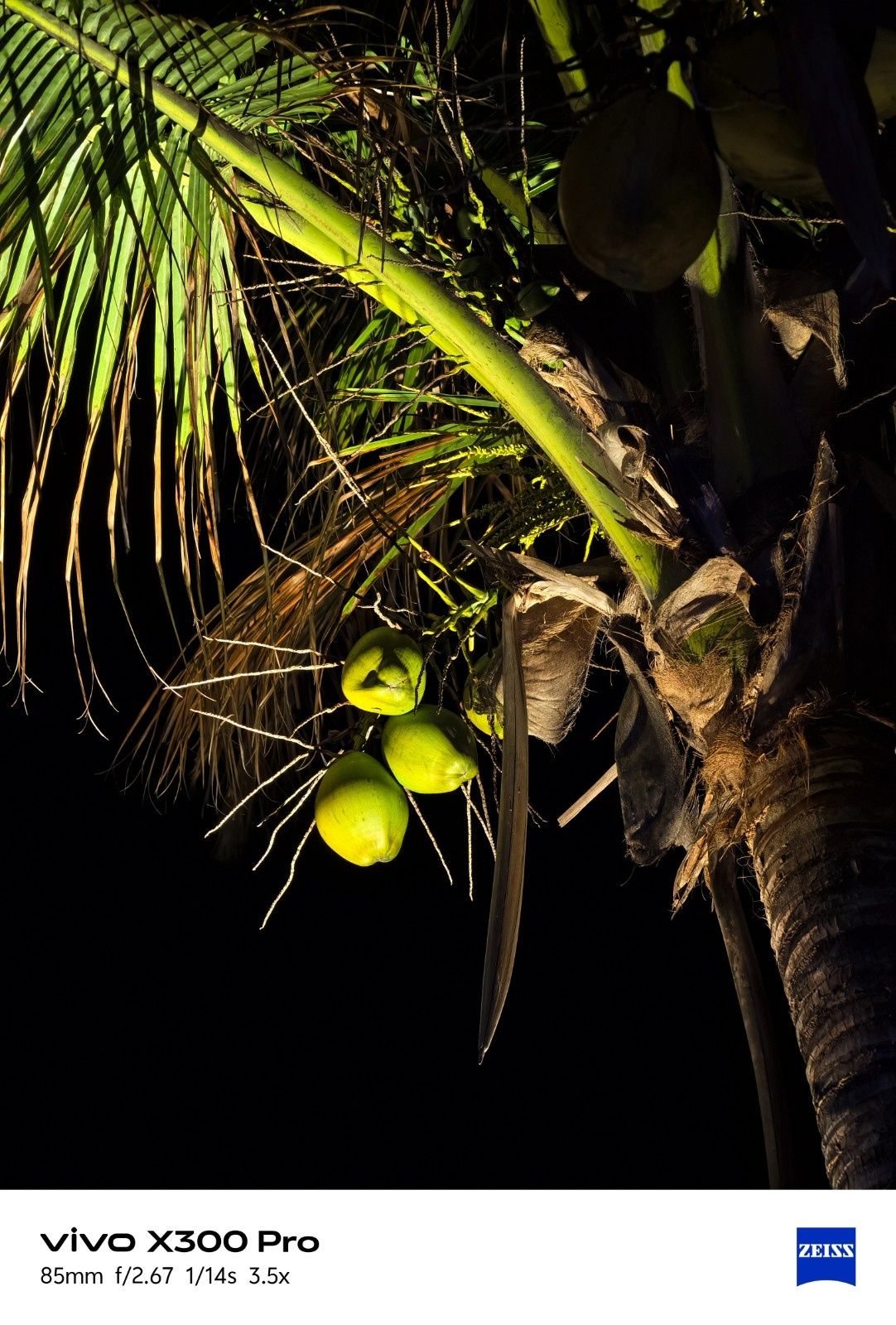
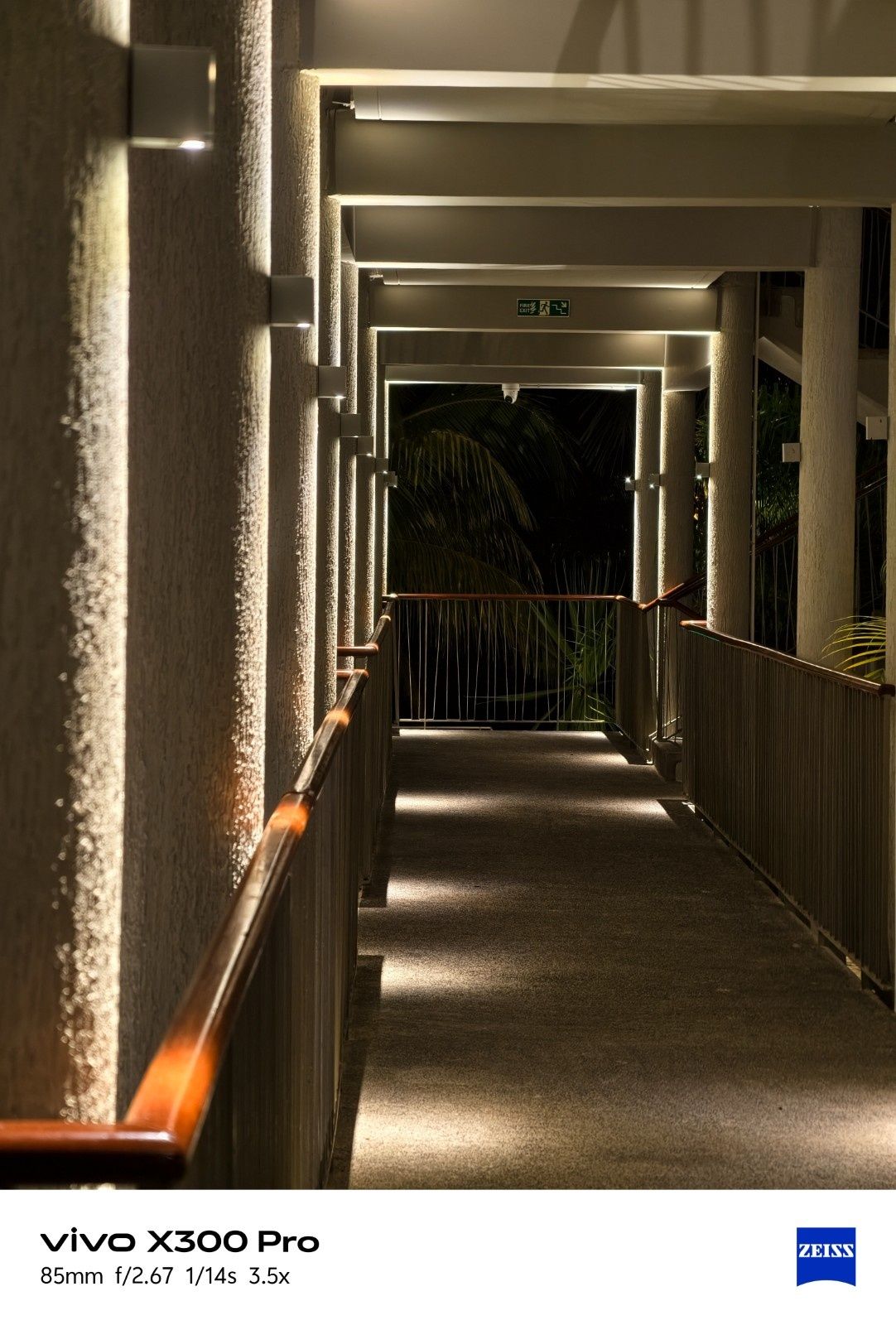

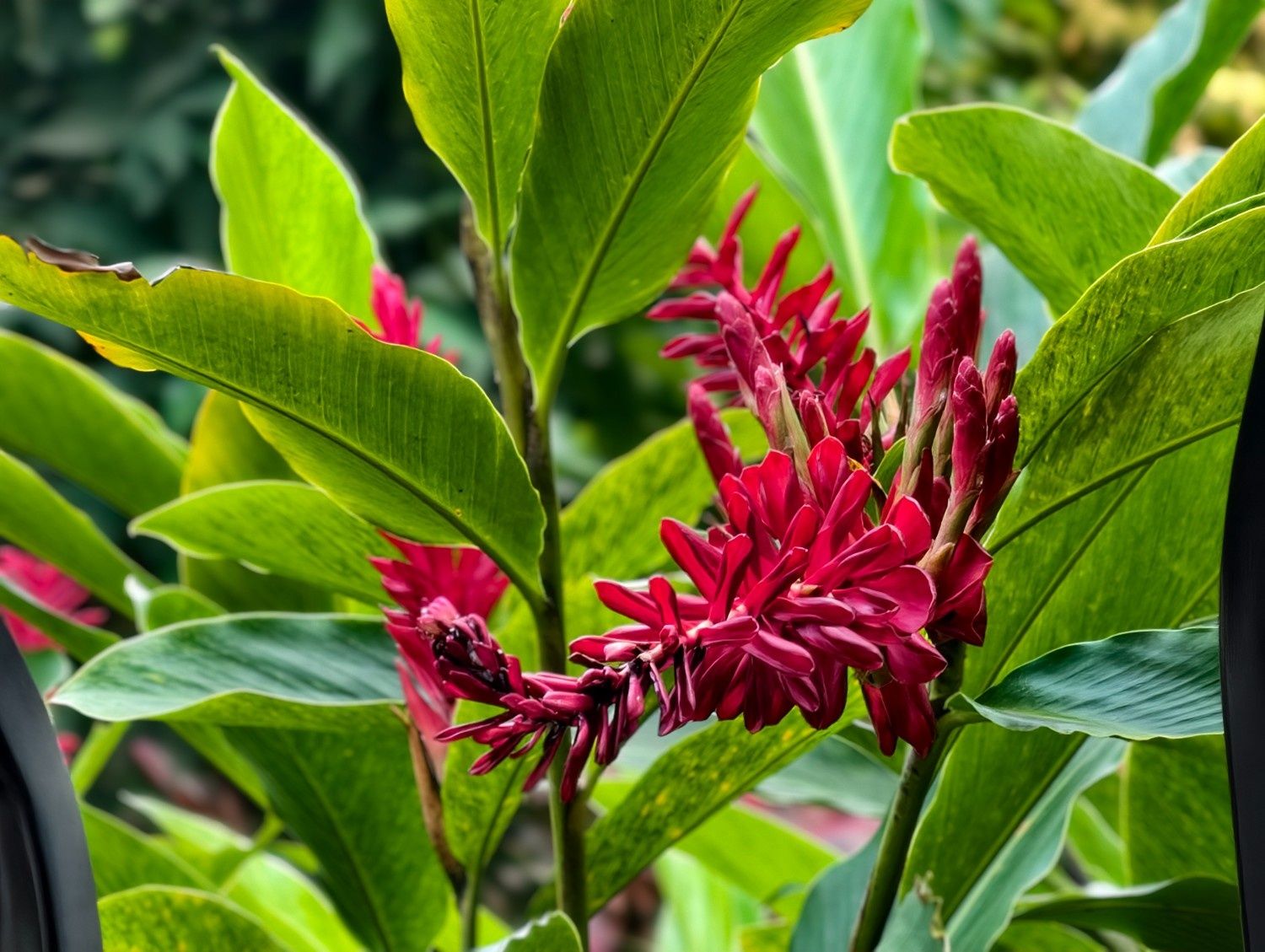
Okay, if you thought that was impressive, the telephoto camera is where the X300 Pro genuinely separates itself from the crowd. Even at higher native zoom levels, detail retention remains strong. Distant subjects, birds, boats, trees, and buildings hold together without collapsing into smudged textures or harsh sharpening. Fine details remain readable, and edges don’t look artificially outlined. Don’t take my word for it, just look at the shots.




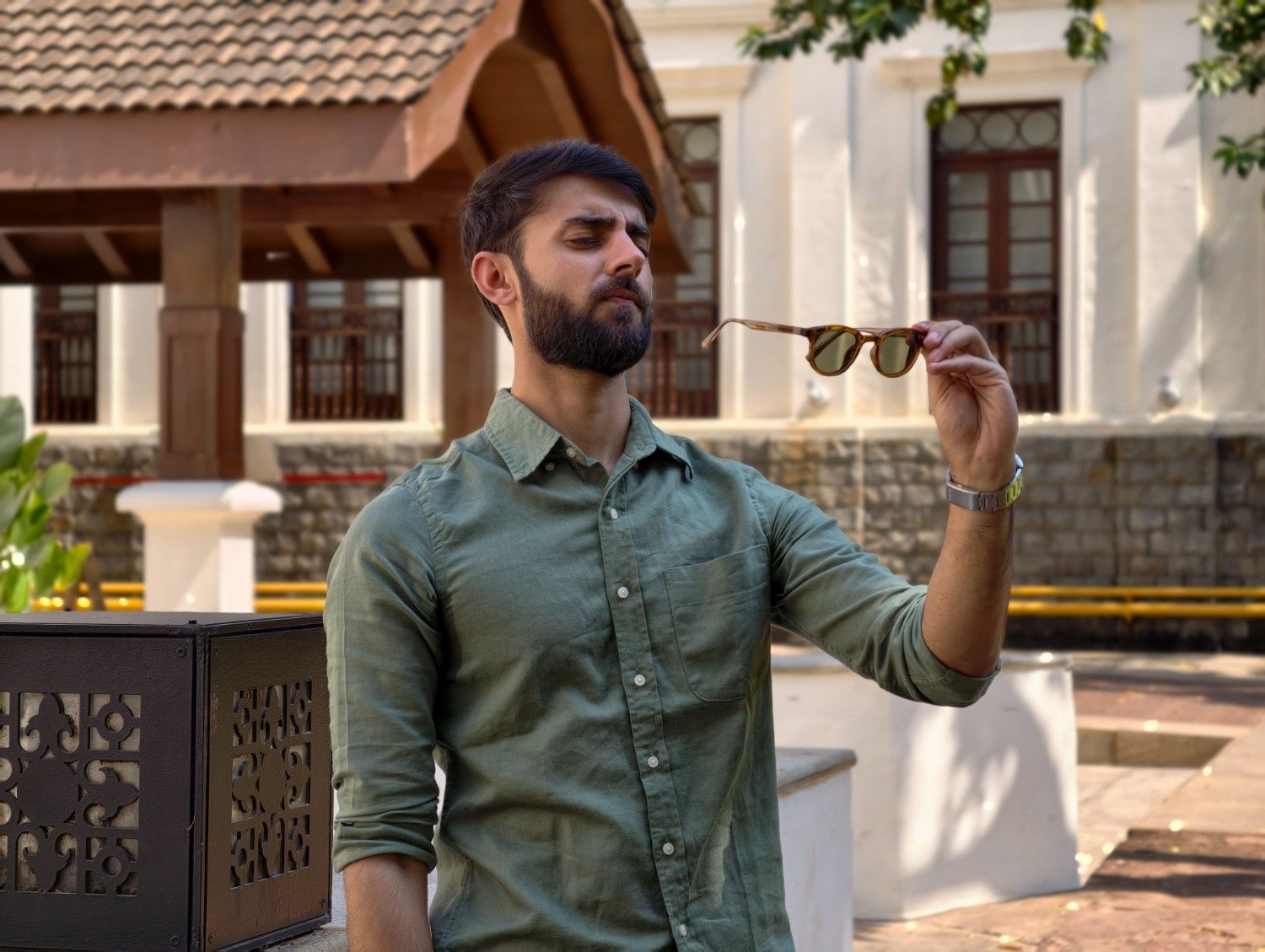
Portraits are another quiet strength of the X300 Pro. Edge detection is reliable, skin textures are preserved, and faces retain depth and contrast. Telephoto portraits, in particular, look natural, with a gradual separation between subject and background rather than an obvious software-like blur.


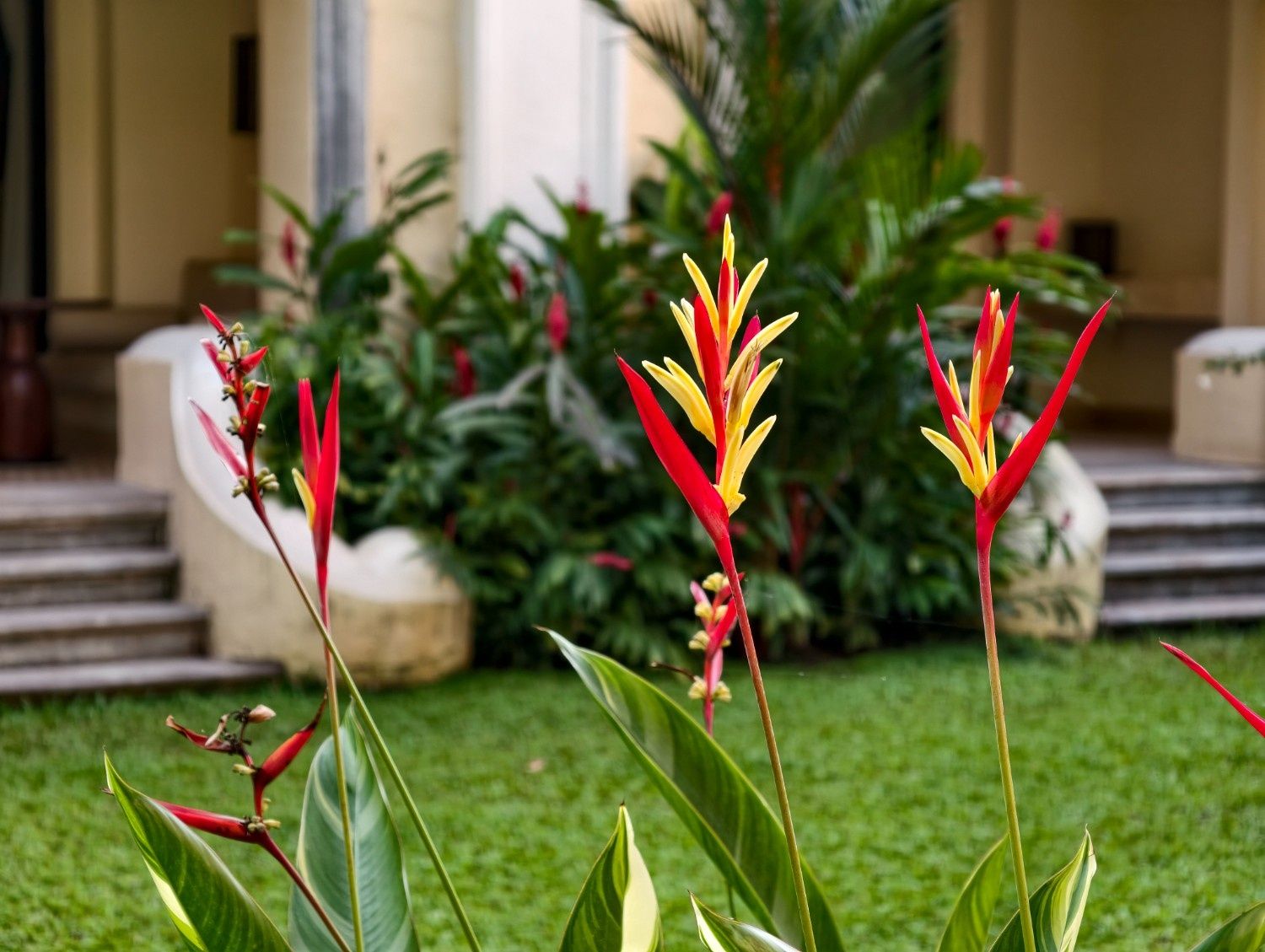
Now Vivo is also selling a telephoto converter with the X300 Pro, something similar to the Oppo Find X8 Pro. And attaching it to the camera changes its character noticeably. Long-range shots start to feel more optical. Subject separation improves, background compression looks more natural, and textures hold up better.
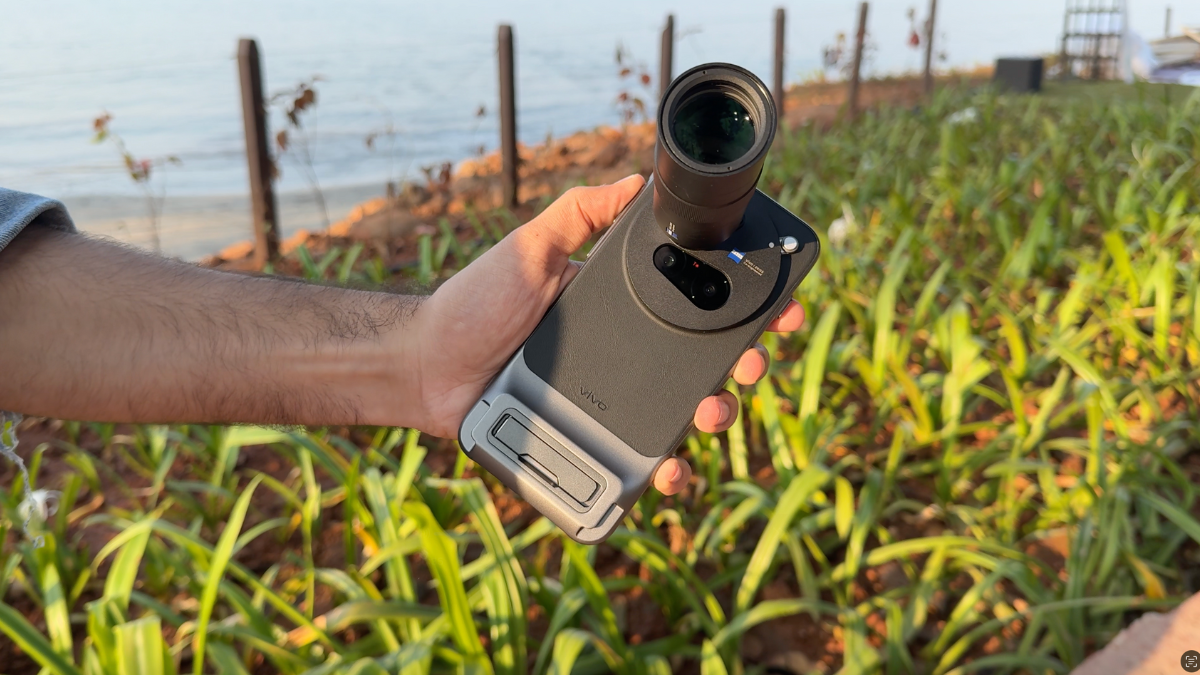
Look at these shots I took; you will get what I am trying to say. Feathers, body contours, and fine details remain intact instead of turning artificial. The difference isn’t dramatic, but it’s meaningful, particularly in the 8x–15x range, where most smartphones start leaning heavily on AI. And it is at that point, the X300 Pro stops behaving like a conventional camera phone and starts feeling like a specialised tool.
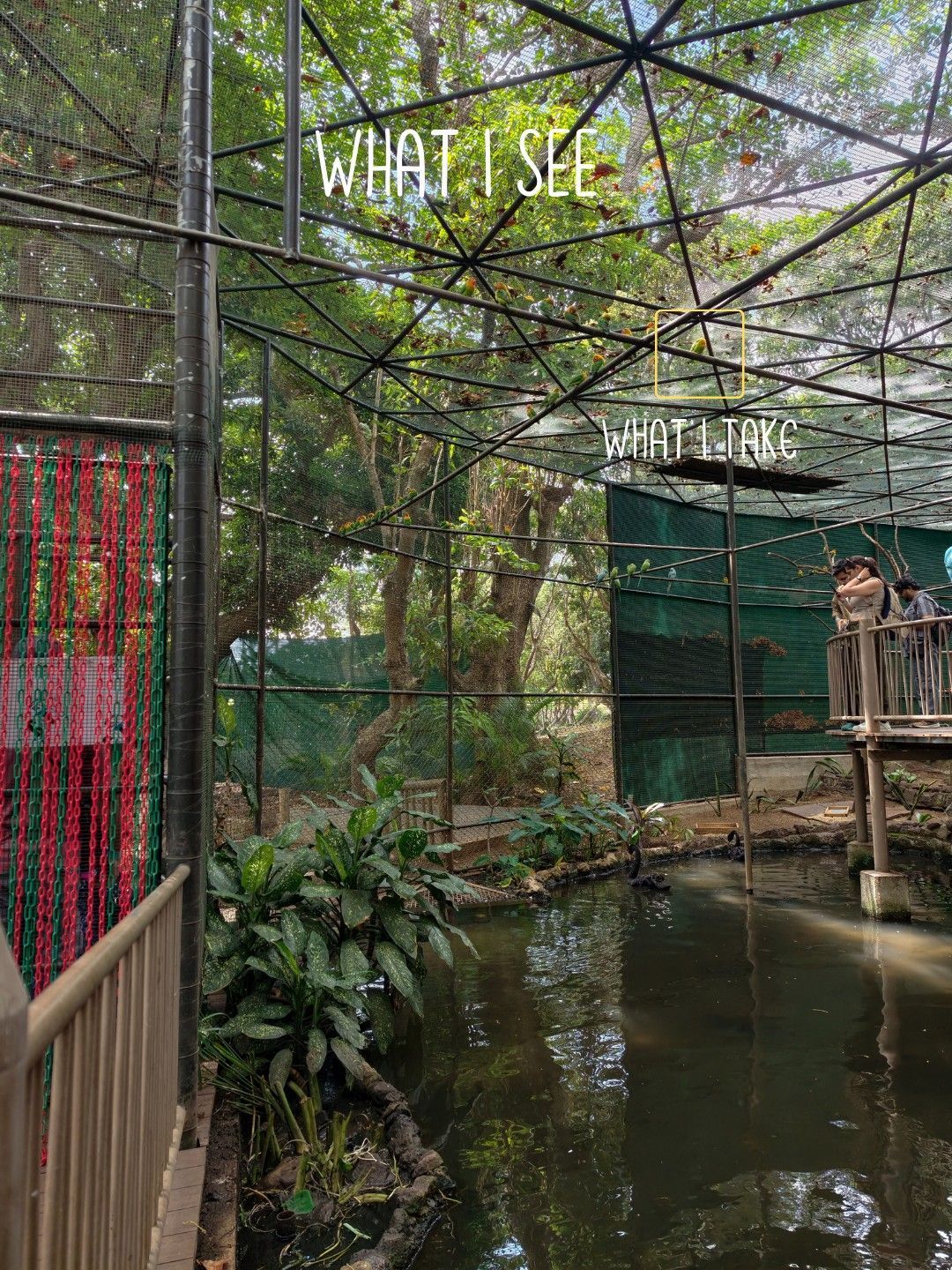





The telephoto extender kit retails for an additional Rs 18,999, and if you have that kind of extra cash, I would recommend going for it. Because for wildlife, long-distance subjects or controlled compositions, it delivers results that are difficult to replicate on a smartphone otherwise.
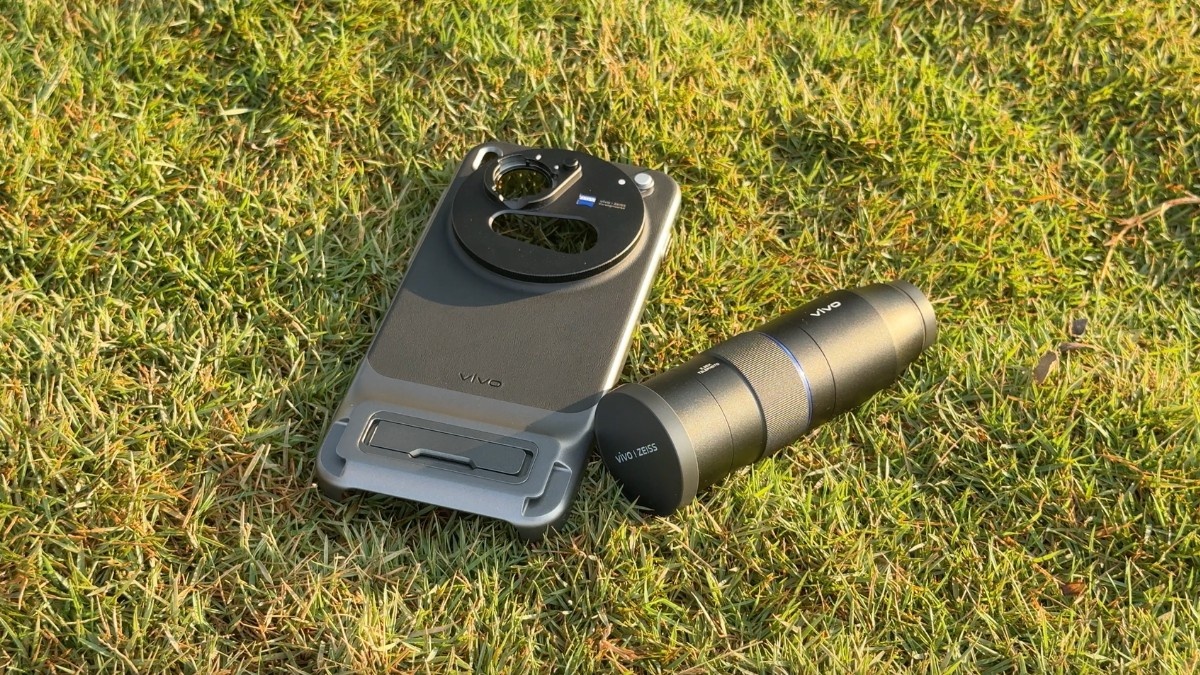
But with that said, the telephoto converter isn’t something you’ll use casually. It adds bulk to the already heavy smartphone, requires steady handling, and a little bit of precision as well. If you’re a professional photographer, travel a lot, or are a photography enthusiast, the lens would make more sense for you. Also, one more thing, you cannot use this lens on any other phone, and Vivo hasn’t confirmed forward compatibility on it. So there’s a possibility that if you purchase it, you won’t be able to use it on any device except the X300 Pro (even in the future).


Selfies see a meaningful upgrade this year, too. Close-up selfies are actually sharp, and images shot at arm’s length retain detail across the frame. Skin tones look natural, dynamic range is wide, and in good lighting, the results are easily usable beyond just for social media. However, in dimmer conditions, sharpness drops and colours feel slightly muted compared to the rear cameras, but overall quality still remains good.
And lastly, even videos are not bad. With Dolby Vision turned on, zoom set on 3.5x (85mm), you can actually shoot a decent-looking cinematic shot, straight out of a professional camera. One thing that impressed me the most is the stabilisation, and that is actually a must-have with a smartphone that brings crazy zoom capabilities. In the video mode, you get one interesting feature – Eco Mode. This keeps your phone cool even if you are shooting for a longer duration in a hot environment. But video samples do take a hit in quality and colours if you zoom more than 3.5x.
To sum it all up, if you show someone the shots that you have captured on the Vivo X300 Pro, without any editing, they would easily pass it for DSLR shots clicked by a professional.
But a phone is not defined by its camera alone, so let’s quickly discuss other aspects of the Vivo X300 Pro too before you decide if you want to buy it or not.
Vivo X300 Pro Looks Elegant, And Feels Bold
At a glance, the Vivo X300 Pro looks similar to the X200 Pro; it is more of a refinement rather than a reinvention. In India, the phone launches in Dune Brown and Phantom Black colourways. My review unit is the Dune Brown variant, which stands out for its matte, frosted glass back that isn’t fragile. Fingerprints are minimal, and everyday smudges don’t immediately ruin the finish. And interestingly, this panel is scratch-resistant. You can literally wipe off any minor scratch on this phone.
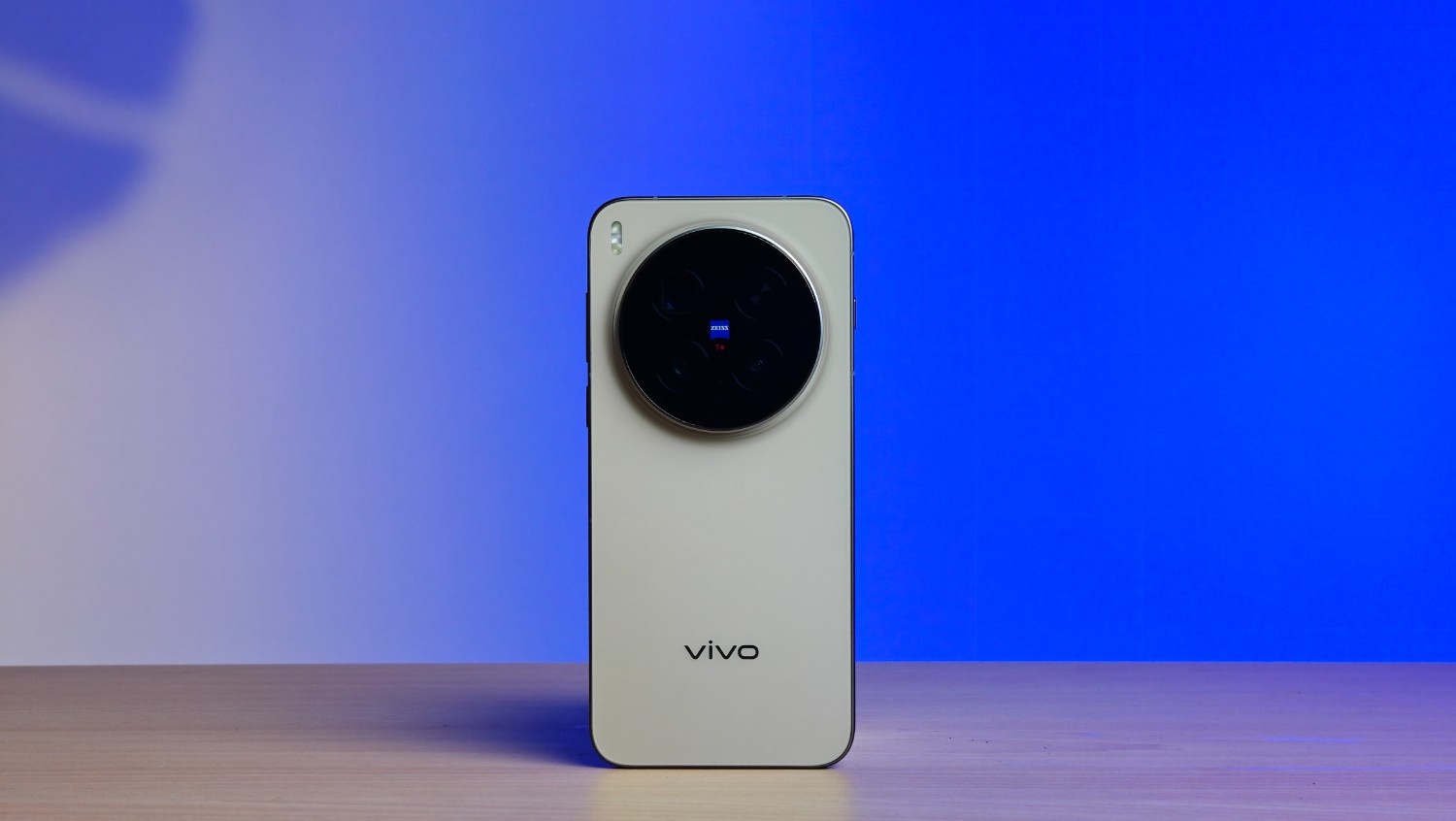
The aluminium frame is well finished, buttons are tactile, and overall fit and finish feel solid. The camera module is large and unapologetic. While some will find it visually overpowering, oversized camera bumps have become a visual cue for serious camera phones, and the X300 Pro leans into that identity confidently.
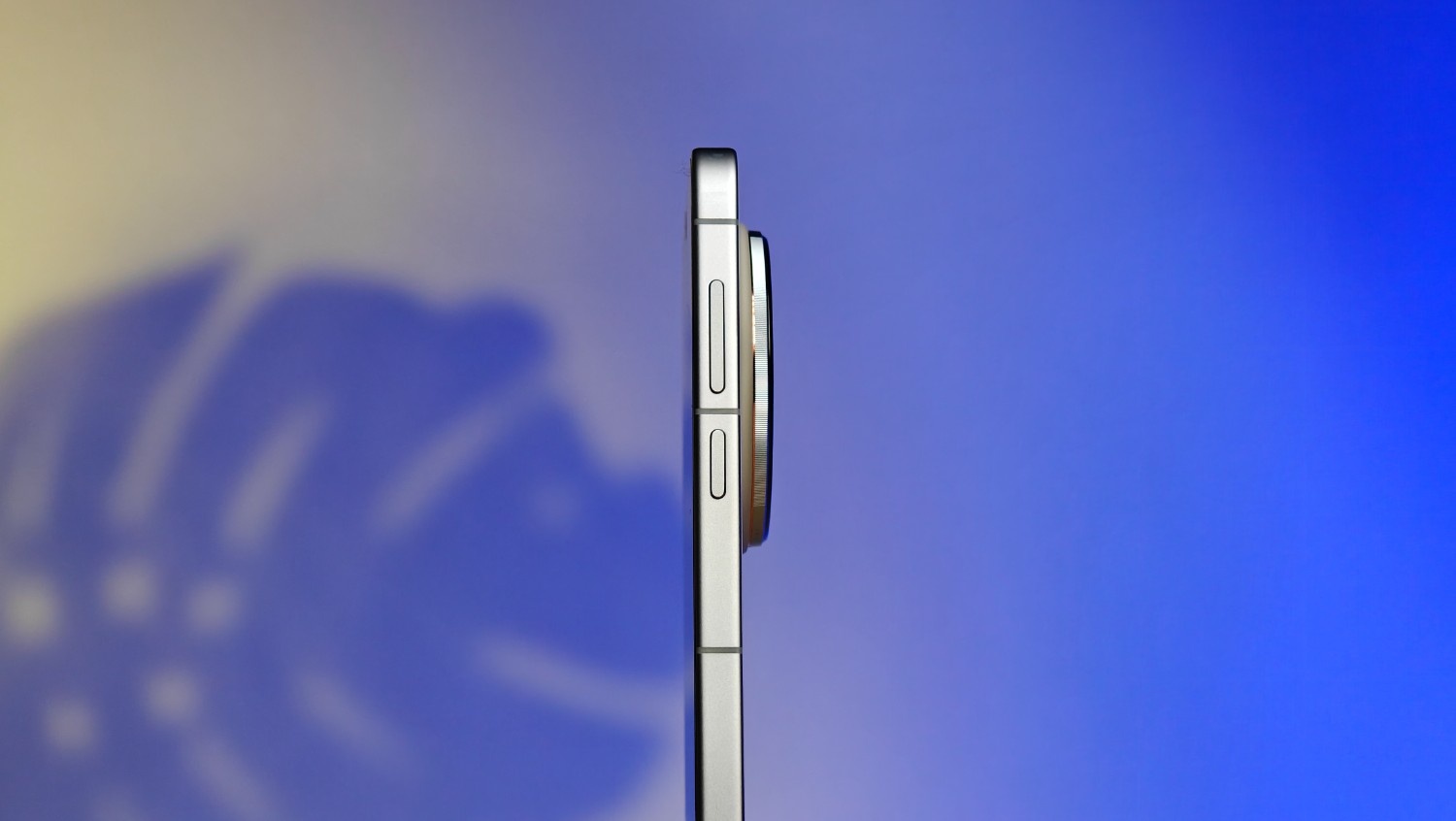
The phone, however, is on the larger and heavier side at 226 grams. One-handed use may be challenging for some, but in the ultra-premium segment, compact phones are kind of rare. The phone also comes with an IP68/69 rating against dust and water, so if you spill tea, coffee, or any other drink, no need to worry.
Is The Display Also That Good?
The Vivo X300 Pro features a 6.78-inch LTPO AMOLED display supporting a 120Hz refresh rate, HDR10+, and Dolby Vision. And the display does exactly what it needs to do. It’s bright, with 4500 nits of peak brightness, sharp, and consistently pleasant, whether you’re scrolling, editing photos, or watching videos.
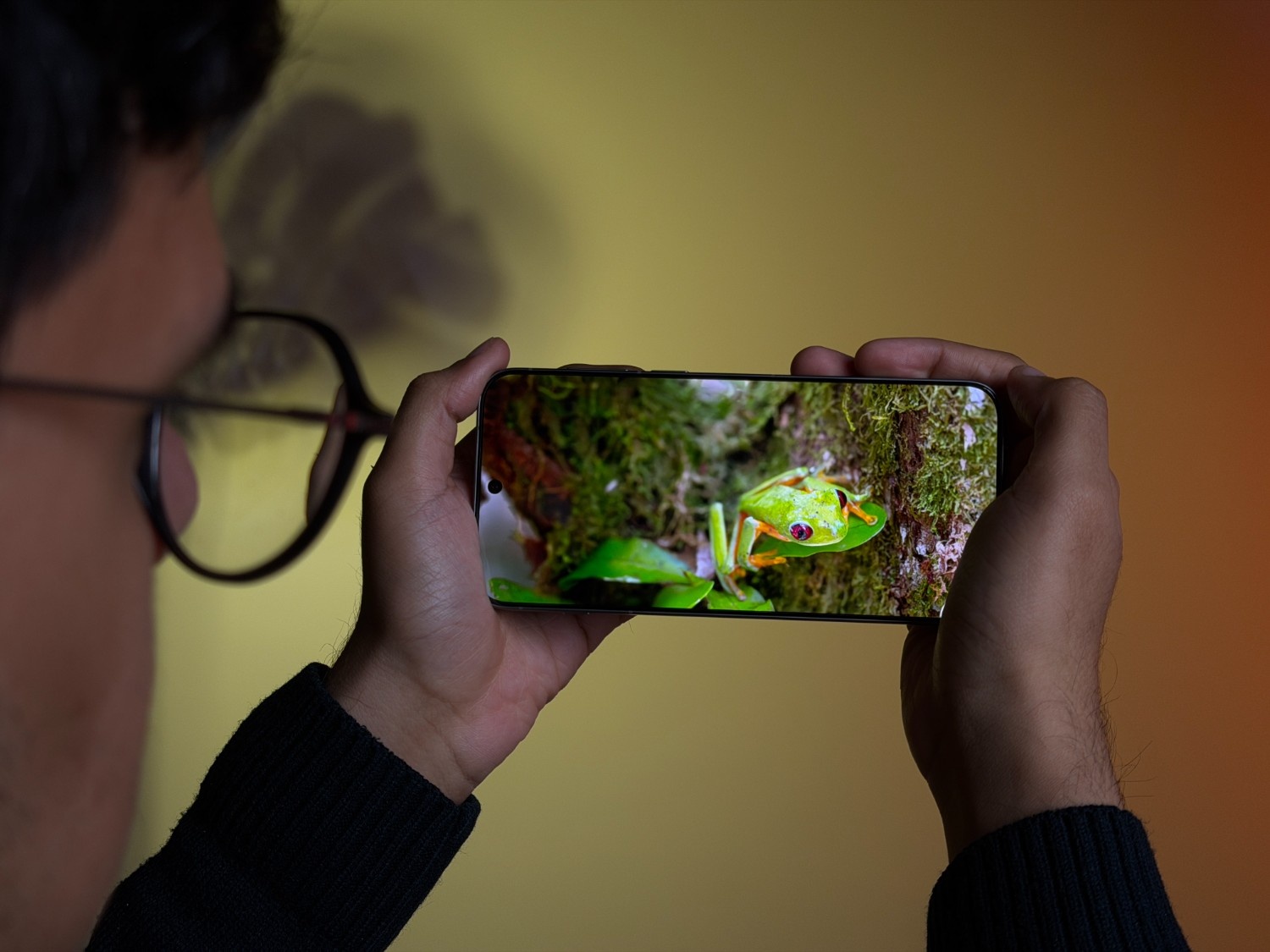
Colour tuning is balanced rather than exaggerated. Whites look clean, contrast is controlled, and saturation doesn’t spill into the artificial territory. Moreover, the animations you get to see on this phone are fluid, scrolling is smooth, and the panel remains readable even in harsh lighting. For a phone aimed at creators, this one makes sense.
Vivo X300 Pro X MediaTek Dimensity 9500
Performance is where the Vivo X300 Pro quietly surprises. It is powered by the MediaTek Dimensity 9500 chipset, which is also used in its direct competitor, the Oppo Find X9 Pro. In benchmarks, it sits among the strongest Android phones of 2025, with AnTuTu scores crossing 3.4 million and strong Geekbench results across single-core (3394 points) and multi-core (9946 points). However, smartphones powered by the Snapdragon 8 Elite Gen 5 processor, such as the iQOO 15 and OnePlus 15, scored better in benchmarks.
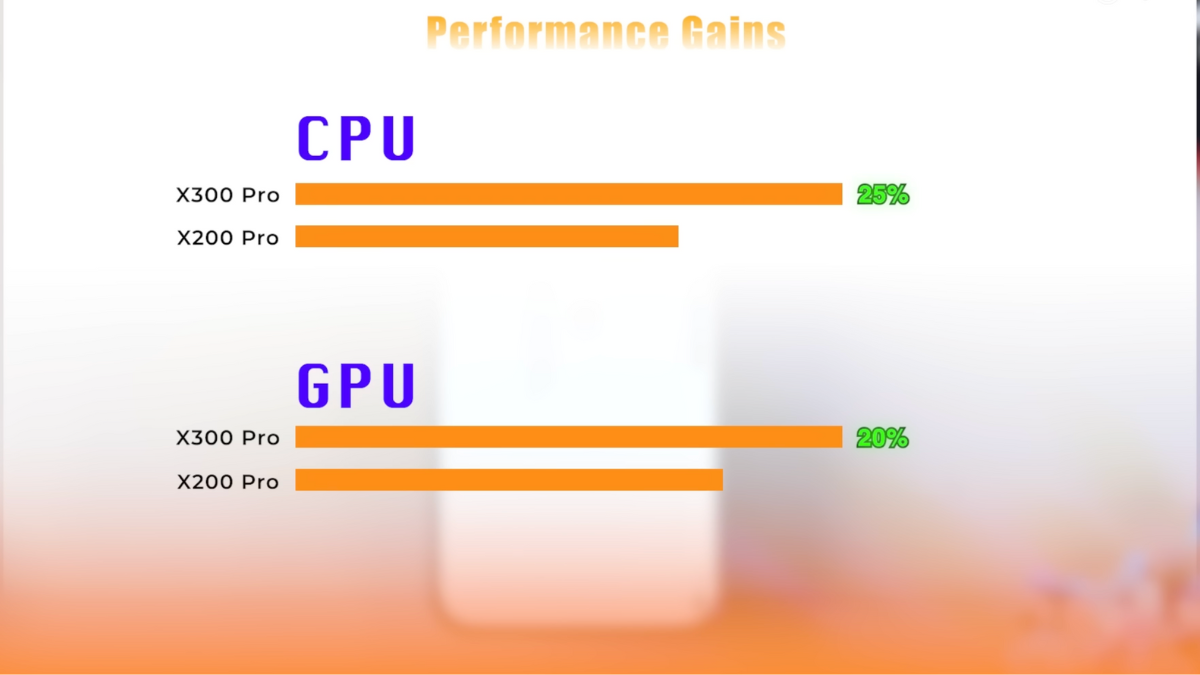
But more important than the numbers is how the phone behaves under stress. Extended gaming sessions, heavy benchmarking, and multitasking don’t trigger aggressive throttling. Thermals are controlled and predictable, but the phone does warm up under continuous load after around 30 minutes.
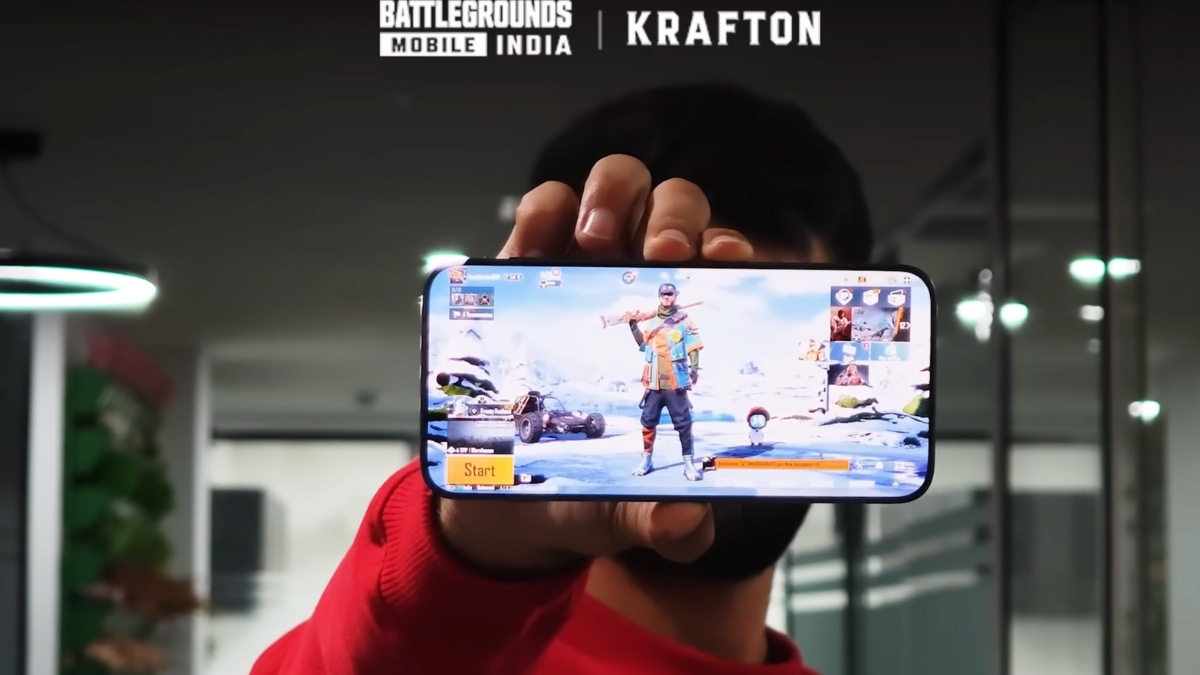
I also ran demanding games like BGMI and Genshin Impact smoothly at high frame rates and with consistent performance. In BGMI, we recorded Max 121 FPS, and an average of 117.4 FPS with 100% smoothness. And in Genshin Impact, we recorded an average FPS of 59.3 with again, 100% smoothness. So, you’re sorted on that front.
If you are a creator, then tasks such as exporting 4K video, rendering stabilised clips, and uploading large files don’t take too much time.
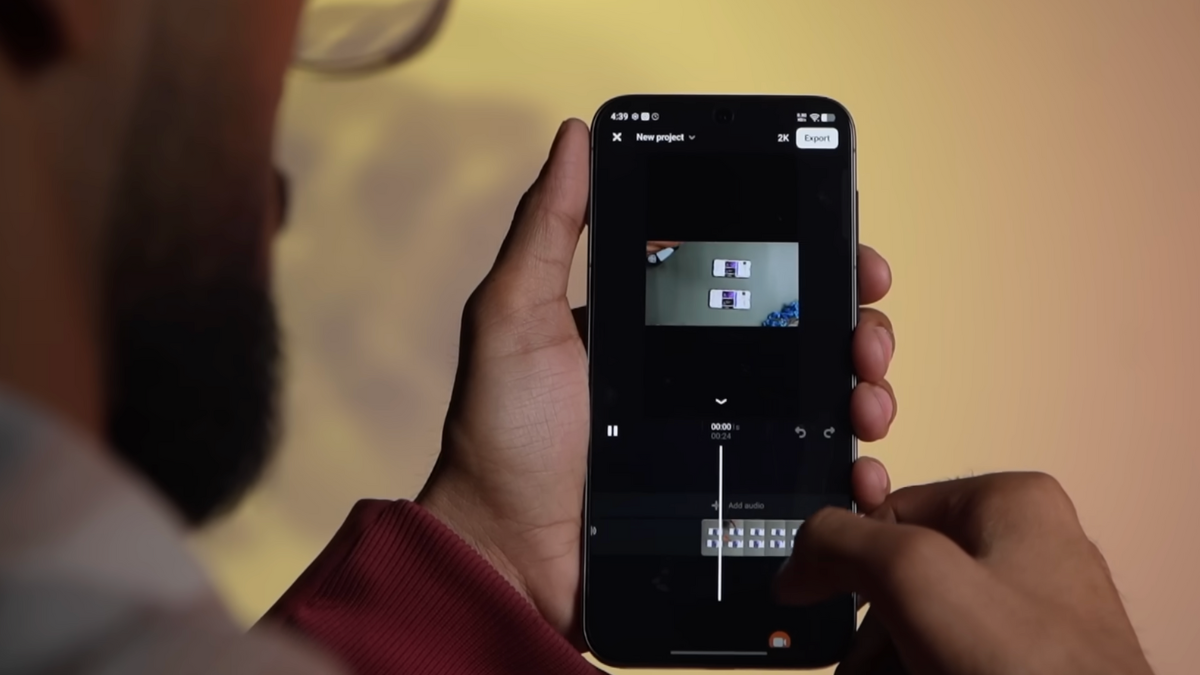
On the software front, the Vivo X300 Pro is the first smartphone to run on OriginOS 6, and it’s not the kind of software that tries to impress you instantly, but only if you are coming from a stock Android UI or iOS. If you have been using the Vivo phone, this software update genuinely feels like an upgrade.
Checks The Battery-Life Box Too!
Battery life is another area where the Vivo X300 Pro quietly does its job well. It comes with a 6,510mAh battery, and in daily use, that translates to comfortably getting through a full day without having to think about charging.
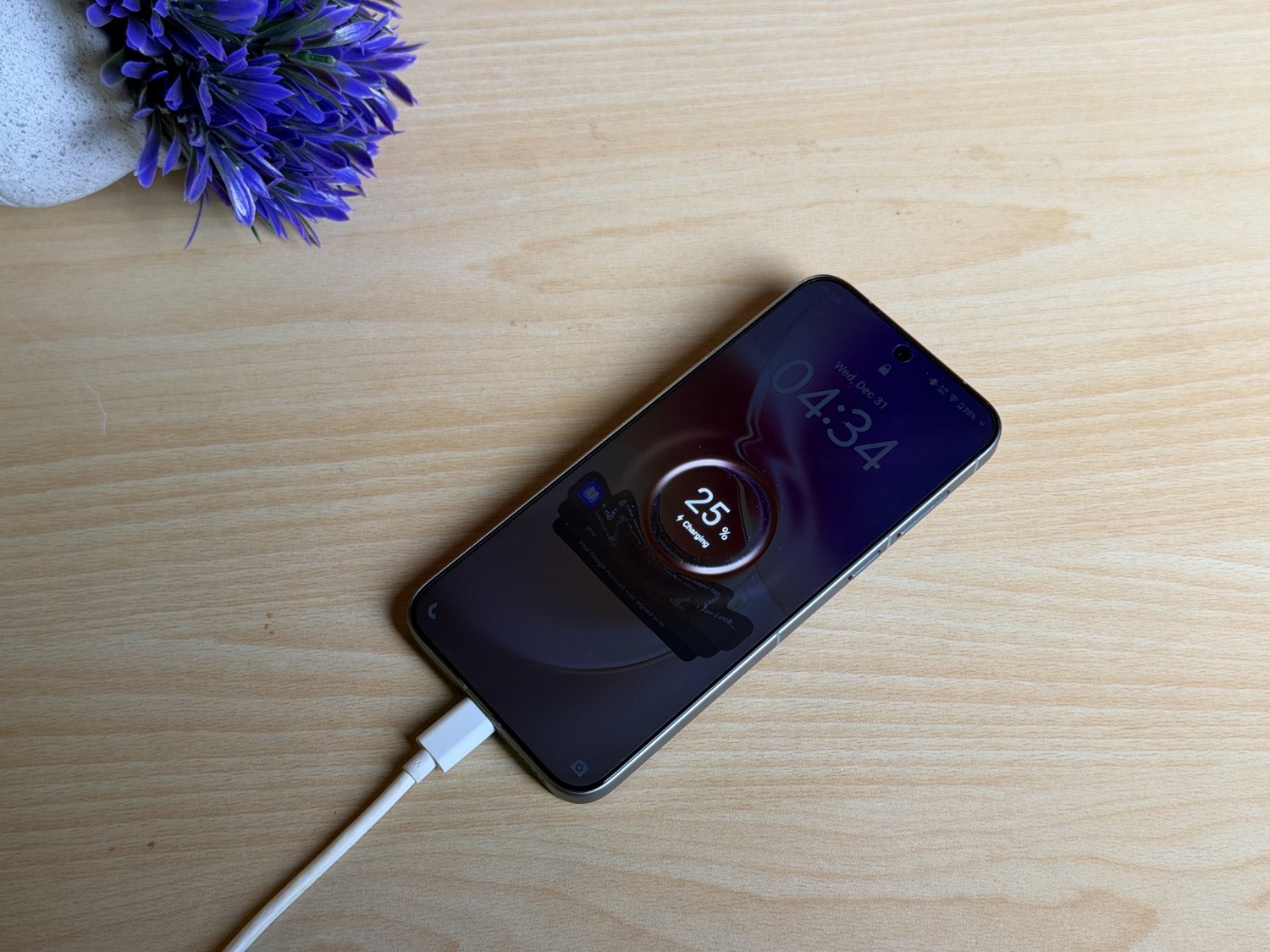
With regular usage, I was often ending the day with close to half the battery still left. That gives you enough headroom to start the next morning without immediately reaching for the charger. When you do need to top up, the 90-watt fast charger gets the job done quickly, taking roughly 40 minutes to go from 20% to 100%.
So, What’s My Take On The Vivo X300 Pro?
Now, should you buy the Vivo X300 Pro at a starting price of Rs 1,09,999? See, the predecessor of this smartphone is really decent. Camera enthusiasts actually bought that phone. Now, the Vivo X300 Pro does not feel like a major upgrade over its predecessor, but it is definitely a standout option if we compare it with other phones.
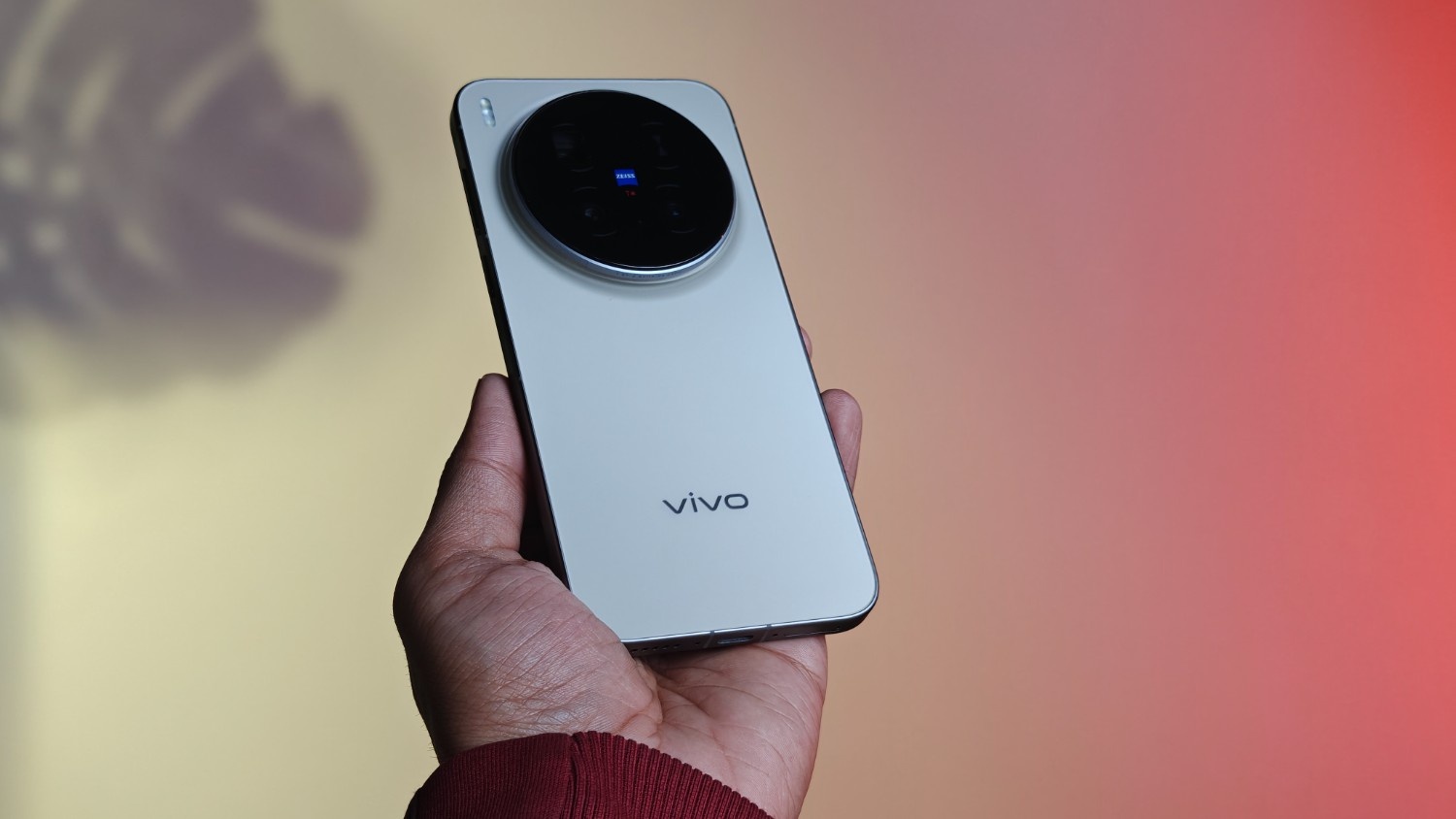
The camera system, especially the telephoto setup, delivers consistency and reach that very few smartphones can match. It also borders on being a specialised tool for photography enthusiasts with the optional telephoto converter.
What makes it easier to recommend this year is that the rest of the phone holds up just as well. Performance is stable, the display is well-tuned, battery life is reliable, and the software feels controlled once you get used to it.
I review a bunch of phones every month and usually move on once the testing is done. The Vivo X300 Pro, however, is one of those rare phones that I have kept around longer than expected. And that in itself tells you something.
So, if photography matters to you and you want a flagship that doesn’t compromise elsewhere, the Vivo X300 Pro is a strong contender.