Every year, Xiaomi launches an ‘Ultra’ phone that sounds crazy on paper, but trust me, this time it sounds unreal if you take a look at the specifications. A 1-inch type main camera sensor, the world’s first LOFIC tech on a smartphone, continuous optical zoom with moving sensor inside the camera module, the Snapdragon 8 Elite Gen 5, LPDDRX5 RAM, UFS 4.1 storage, and more. This is easily the most loaded smartphone of 2026 I have tested so far. But specifications don’t always translate into experience. When you put this much advanced hardware into a device the size of a smartphone, you need to focus fully on optimising every parameter. That’s when it actually starts producing exceptional results.
Xiaomi 17 Ultra
Rs 1,39,999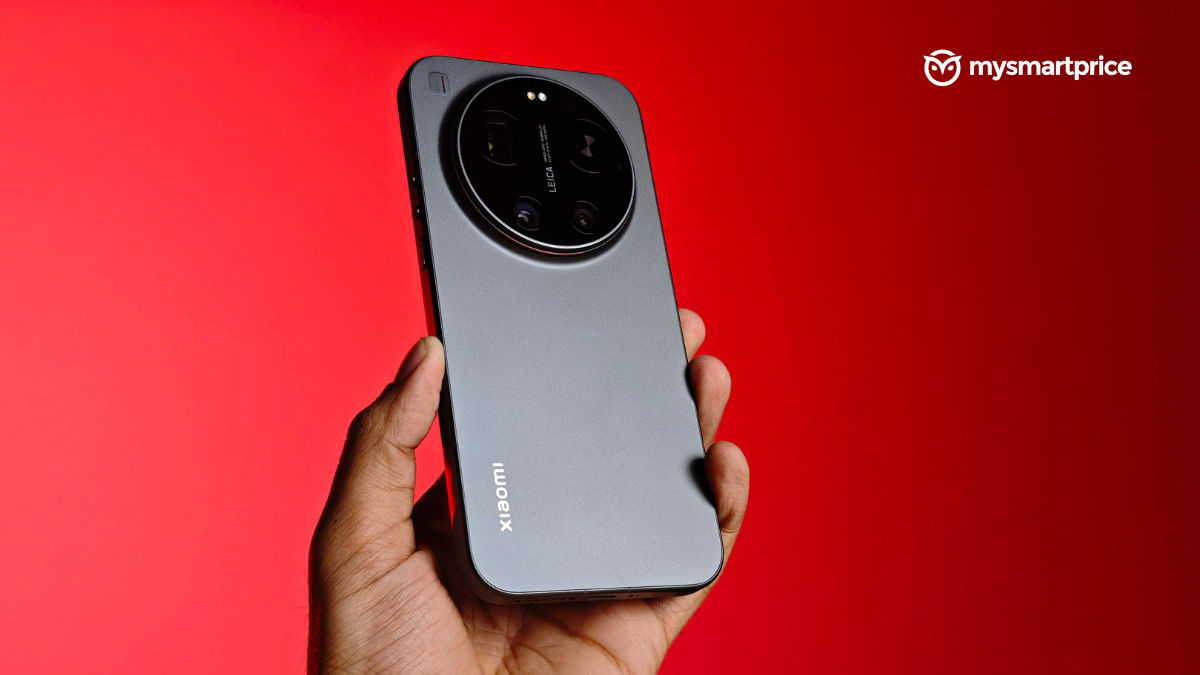
What Is Good?
- Exceptional camera system
- Best display on a Xiaomi phone yet
- Flagship-level performance
- Versatile charging options
- Premium build and strong in-hand feel
What Is Bad?
- Ultrawide camera is weaker than other sensors
- Throttling under heavy load
- Might feel bulky if you have smaller hands
So, is the Xiaomi 17 Ultra actually an insane phone, or is it just another spec monster? Let me tell you.
Big, Bold, And Premium
The Xiaomi 17 Ultra is the top-end smartphone of the brand, and it reflects in its looks as well.
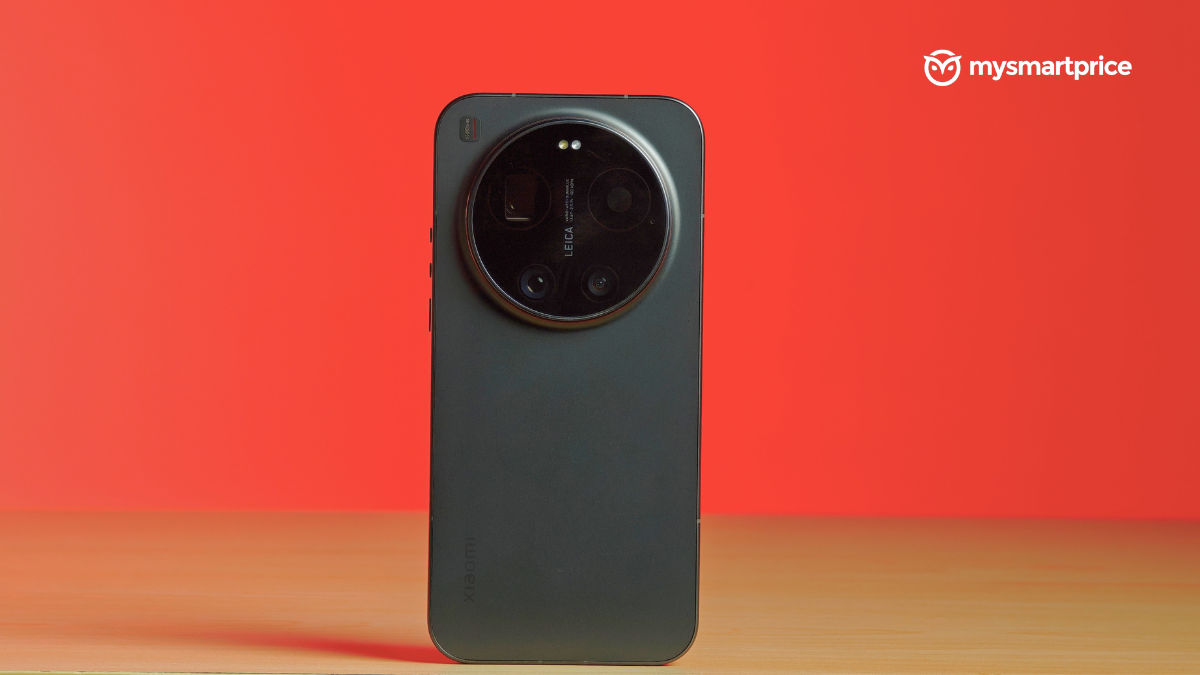
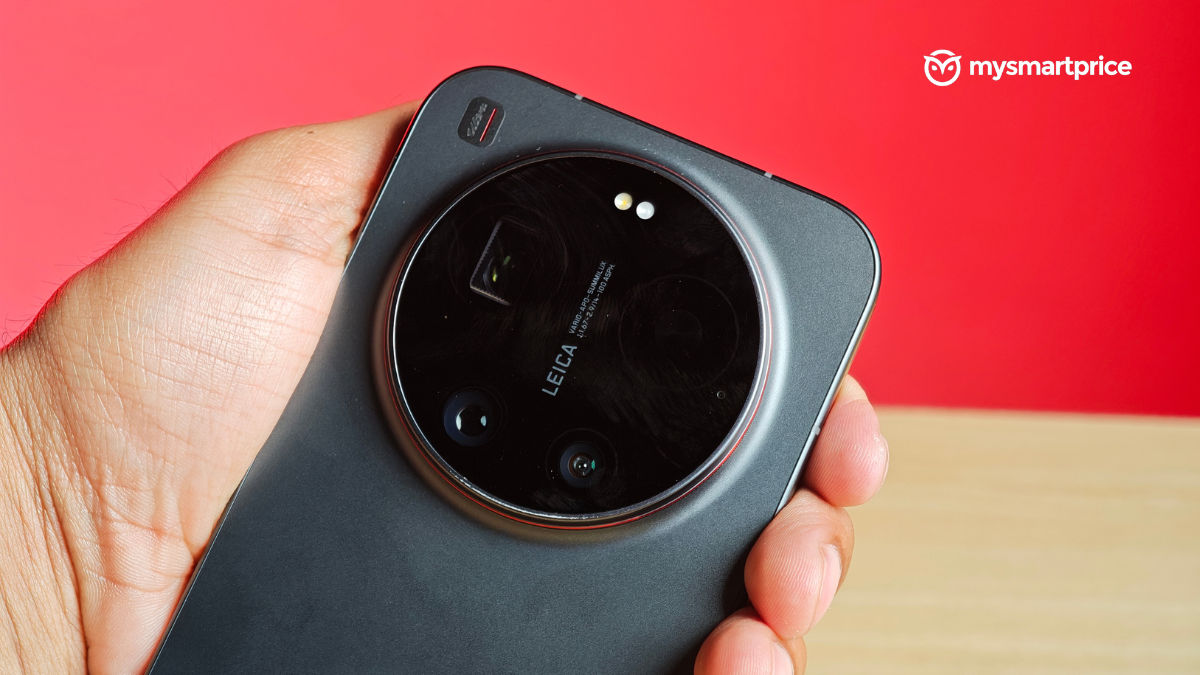
It’s bold, bulky, and premium. You get two colour options with this one: Black and White. There is one more green colour as well, which looks really cool, but unfortunately, it hasn’t come to India. The black variant I’ve used also looks attractive with its matte black finish and a hint of red around the camera module.
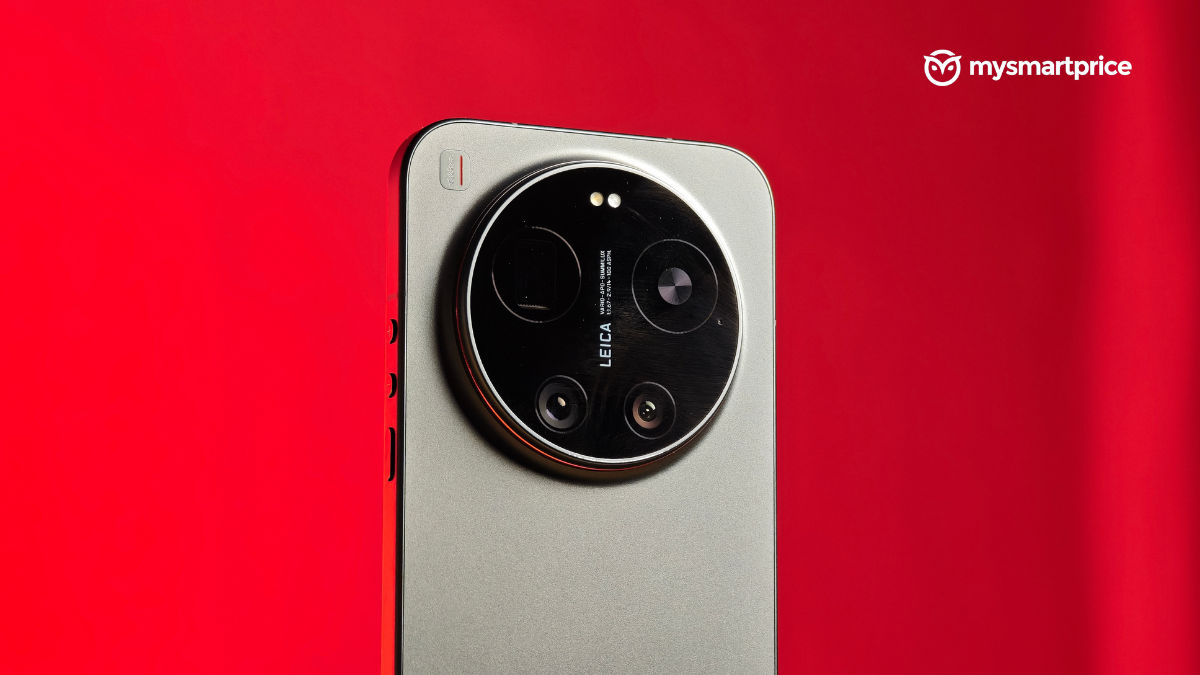
Speaking of the camera module, it is the biggest one I have seen on a phone. The circular camera module, which is noticeably lifted, is the USP of this phone, and Xiaomi made sure it won’t go unnoticed. If you ask me, these big camera modules have started growing on me ever since phones such as Vivo X300 Pro and Oppo Find X9 Pro came out. Big protruding camera modules are no longer a con, but an identity for good camera phones.
However, the size of this phone might not be for everyone. The display of the Xiaomi 17 Ultra measures 6.9 inches. It is also not the slimmest or lightest phone, measuring 8.29mm in thickness and weighing 218.4 grams. But, still, its thickness and weight are less than those of the iPhone 17 Pro Max.
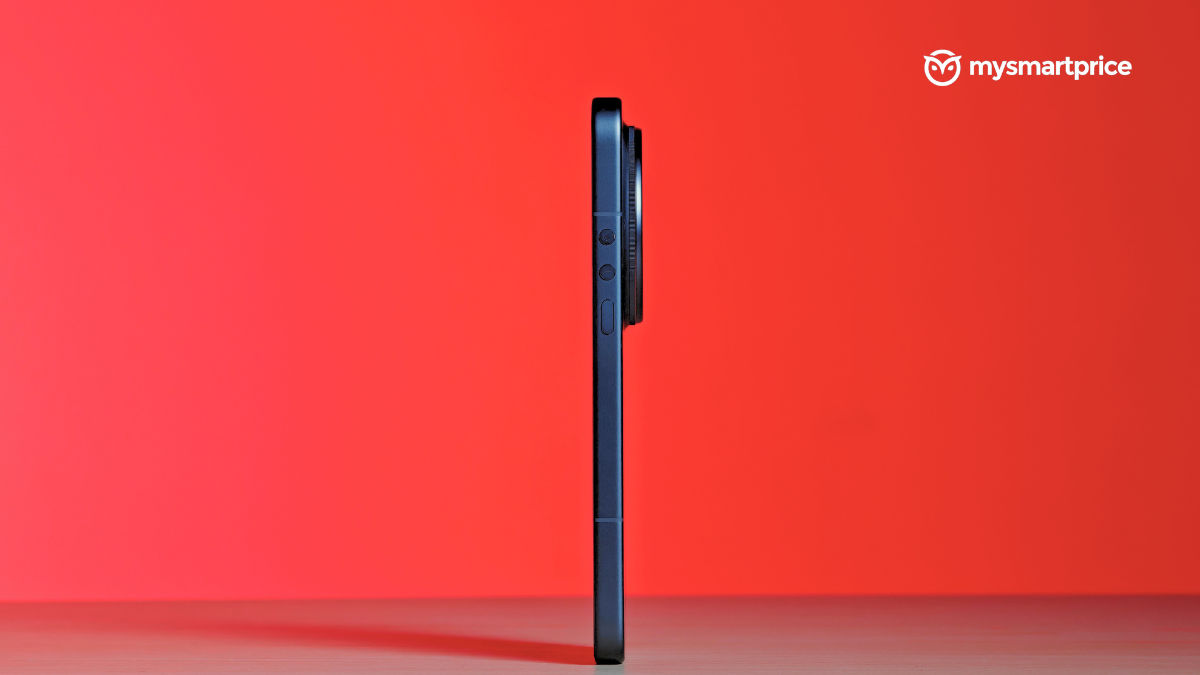
I love how Xiaomi opted for round physical buttons for volume control, which I think last I saw was on the iPhone 5s and Sony Xperia. Makes it look unique. However, the grip leaves room for improvement if you’re using the phone without a case. Its fibre-reinforced plastic back and aluminum frame with matte finish make it slippery. During my usage, I dropped the phone two times (not on a hard surface) because the case wasn’t on. And even if it had fallen on a hard surface, the phone would have survived, but it could have gotten some dents and scratches. So I suggest you get a back cover before you purchase this smartphone. The one you get inside the box, with the phone, is not something you want to use with an Rs 1,39,999 smartphone. I’ll be very honest, it feels cheap and makes the phone even more bulky.
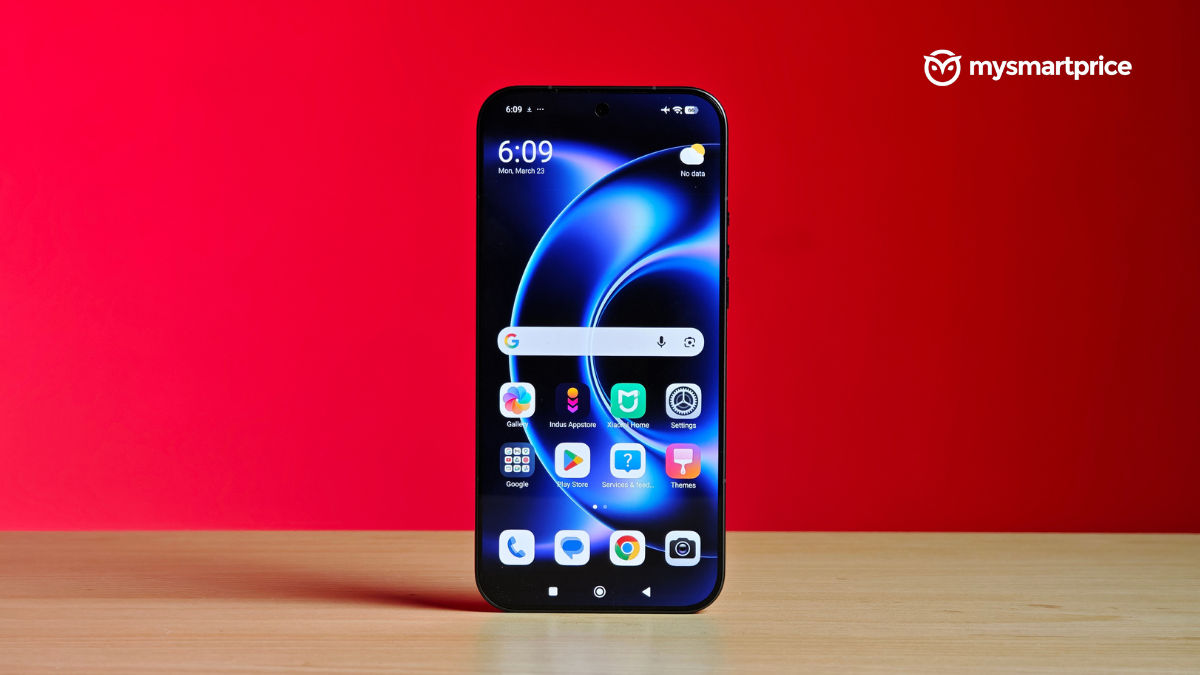
For display protection, Xiaomi has used the Xiaomi Shield Glass 3.0, but why not the Corning Gorilla Glass Armor? There shouldn’t be much difference between these two, but Corning protection is more reliable and popular when it comes to display protection. To protect against dust and water, the Xiaomi 17 Ultra comes with an IP68 rating.
To sum it up, the Xiaomi 17 Ultra is not the most sleek phone, but it gives you that flagship feel when you actually grab it and use it. The ergonomics of this smartphone are really nice, but its slippery nature makes it risky without a case. And from a distance, it also looks like an expensive camera phone.
Best Display On A Xiaomi Phone So Far!
Let me tell you about the specifications first. The Xiaomi 17 Ultra has a 6.9-inch LTPO AMOLED display, which supports up to 120Hz refresh rate and can go as low as 1Hz, when required, to save juice. Moreover, the display also supports HDR10+ and Dolby Vision content, and has accessibility features such as ‘Wet Touch’ and ‘Glove Touch’. According to Xiaomi, the claimed peak brightness of this phone is 3500 nits.
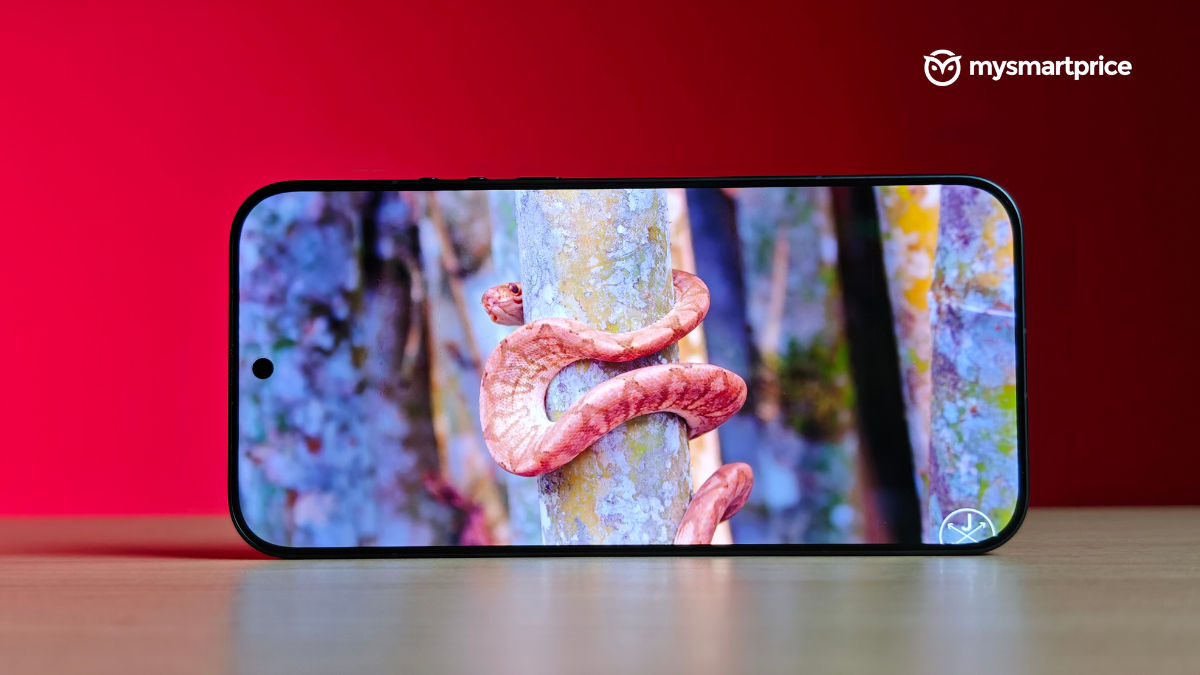
Now, as per my observations, this is, by far, the best display I have seen on a Xiaomi smartphone. The way it’s supposed to be. It has an in-display ultrasonic fingerprint sensor, which works really fast. The 120Hz refresh rate works brilliantly, making the phone feel snappy. The animations and transitions also feel smooth, and you can even customise the speed of some animations from Settings.
Like last year, the Xiaomi 17 Ultra also features a flat display, and the bezels this time are crazy thin. The screen-to-body ratio of this smartphone is 92%, which is quite a high number. If you like to watch movies and shows on your smartphone, this one won’t disappoint. The AMOLED panel handles dynamic range well. You can see pretty much everything in dark scenes, and in bright scenes, the colours try to stay on the natural side.
In my daily use, I really liked using the Xiaomi 17 Ultra for its snappy response and display so bright that you’d actually start worrying about the battery. Yes, when you use the phone under direct sunlight on Auto Brightness, the Xiaomi 17 Ultra can get really bright. In our testing, we recorded a peak brightness of 3190 nits on auto mode, which is a very impressive number because the claimed peak brightness itself is 3500 nits. It never comes this close.
Content consumption doesn’t rely solely on display; there has to be good audio output as well for a good experience. The Xiaomi 17 Ultra features a stereo speaker setup, with a bottom-firing primary speaker and a secondary unit in the earpiece. While the bottom speaker is slightly louder, the difference is not noticeable in regular use. The overall audio output is balanced and warm, with clear vocals and sufficient loudness for everyday use.
High Benchmark Numbers, Smooth Gaming, And A Little Bit Of Throttling
On paper, the Xiaomi 17 Ultra sounds loaded. It is powered by Qualcomm’s most powerful smartphone SoC, the Snapdragon 8 Elite Gen 5. It comes with a single storage option, 16GB RAM, and 512GB storage. This is LPDDRX5 RAM and UFS 4.1 storage, ensuring the phone stays smooth and quick. Sounds loaded, right? Now, here’s how it looks in our testing.
In AnTuTu, it has scored over 3.8 million points, surpassing the Oppo Find X9 Pro, Samsung Galaxy S26 Ultra, and the iPhone 17 Pro Max. And a similar story we can see in the scores of Geekbench 6 as well. But how powerful a device is and how consistent it is with that much power are two different things.
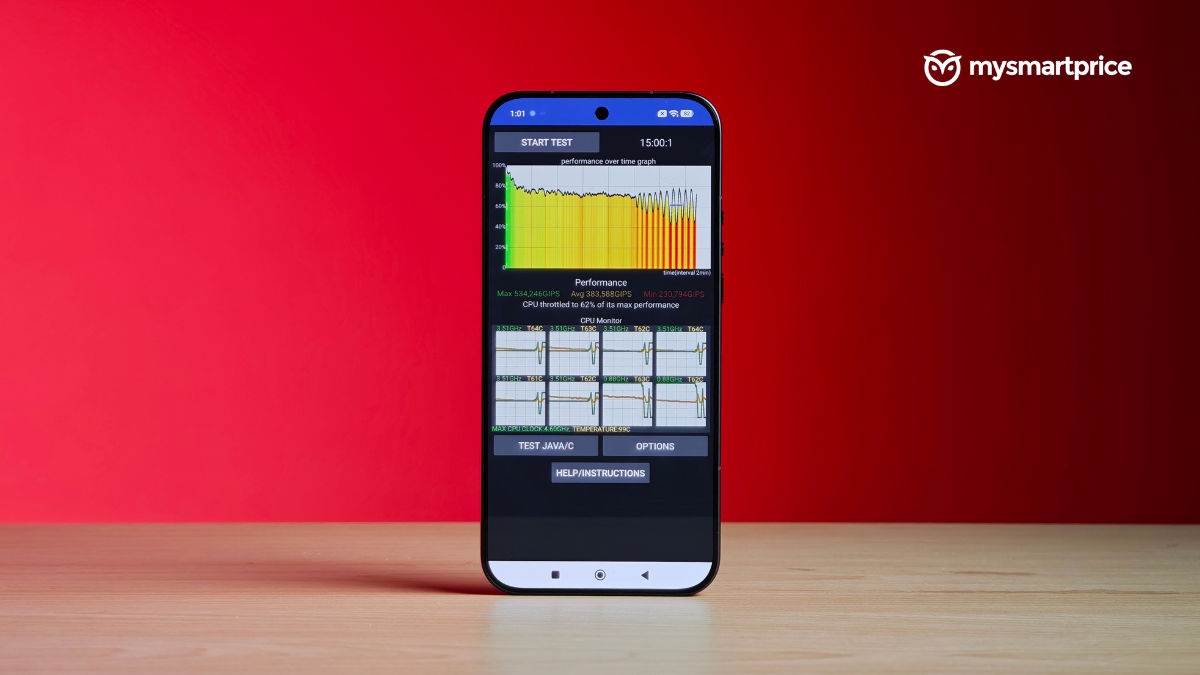
We ran a 15-minute stress test, and eventually the phone started throttling. But this usually happens with every new flagship smartphone, as it takes time for the hardware to work efficiently. So, hopefully, Xiaomi will try to fix this with OTA updates.
We all know that numbers and benchmarks don’t tell the entire story. So, we fired up a BGMI match to test how well it performs during heavy tasks.
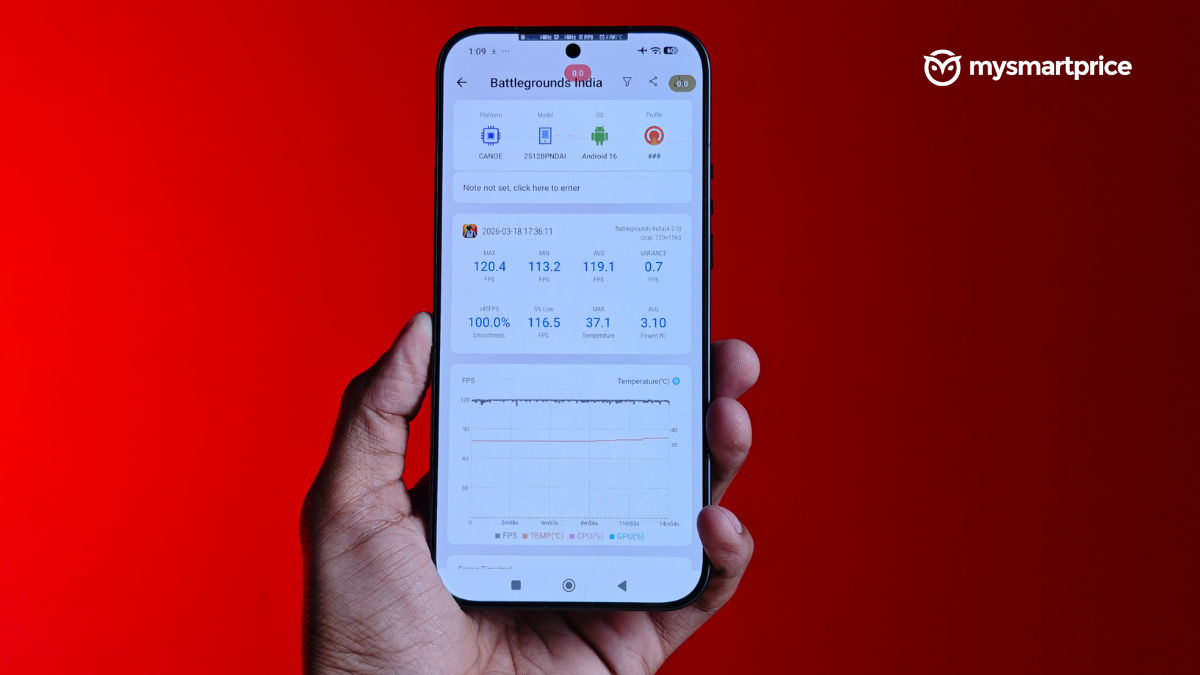
The graphics setting was set on 120FPS, and after a Classic Erangel Match, we recorded an average FPS of 119.1 with 100% smoothness. And experience-wise too, the gaming feels super fluid on this phone. Yes, it does get warm, as reflected in the stress test too, but its “3D Dual-Channel IceLoop” vapour champ works effectively to cool it down.
So, with all the best performance tech, the Xiaomi 17 Ultra does sound loaded on paper, but is loaded in real-world scenarios too. And we still have to talk about its main feature – the Camera.
Xiaomi 17 Ultra Changes How You See Smartphone Cameras
If there is one reason to buy the Xiaomi 17 Ultra, it is the camera. And not just because of the specs, but because of how confidently it performs in real-world scenarios. The camera setup includes a 1-inch type 50-megapixel main camera with Leica optics, a 200-megapixel periscope telephoto, and a 50-megapixel ultrawide. On paper, this sounds like a complete flagship camera system, but in reality, it is slightly more nuanced than that.
Starting with the main camera, this is easily one of the best sensors you can get on a smartphone right now. In daylight, it captures images with excellent detail, accurate colours, and almost no noise. The Leica tuning helps here. Colours look natural without being dull, and vibrant without feeling overdone.



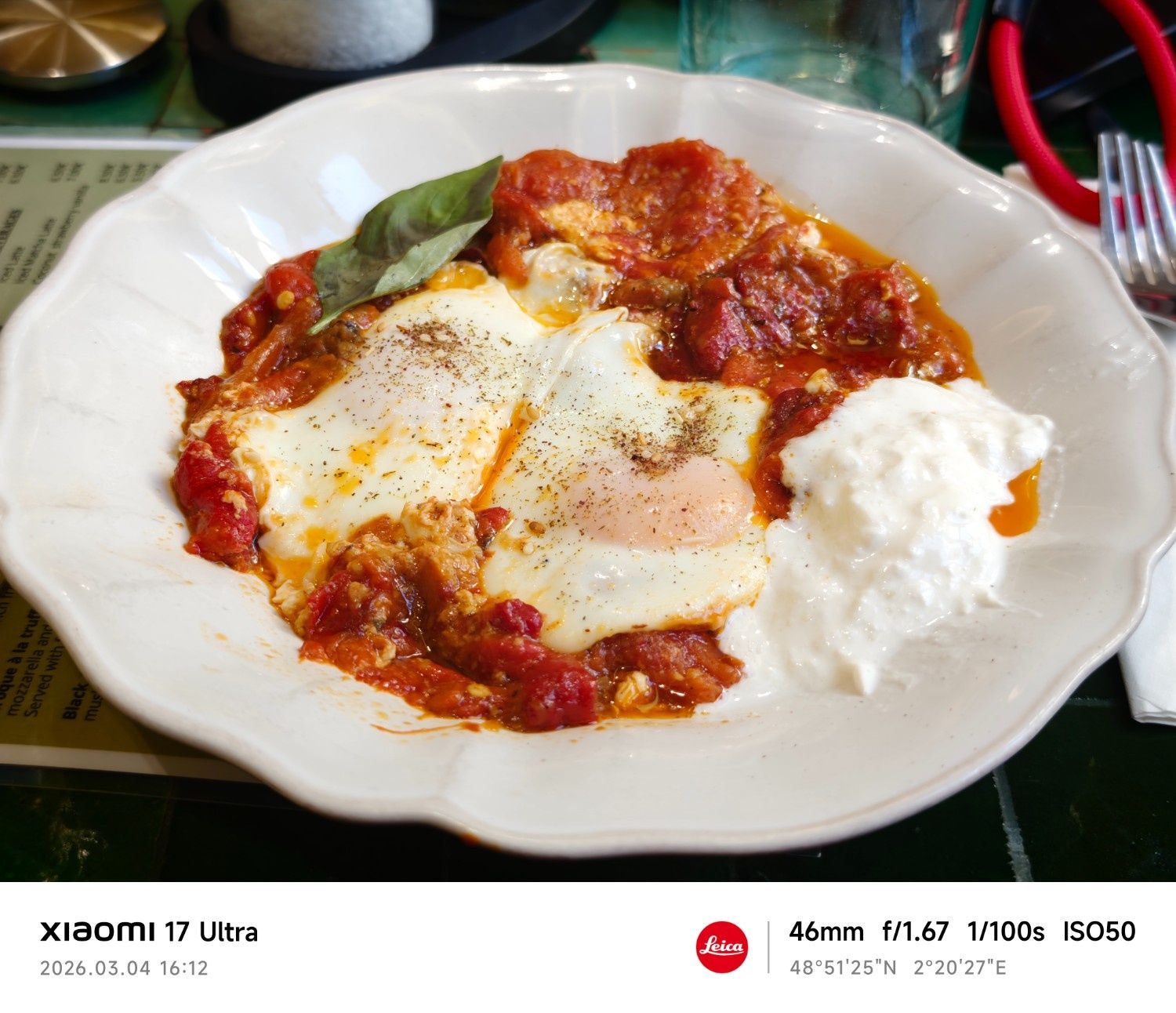
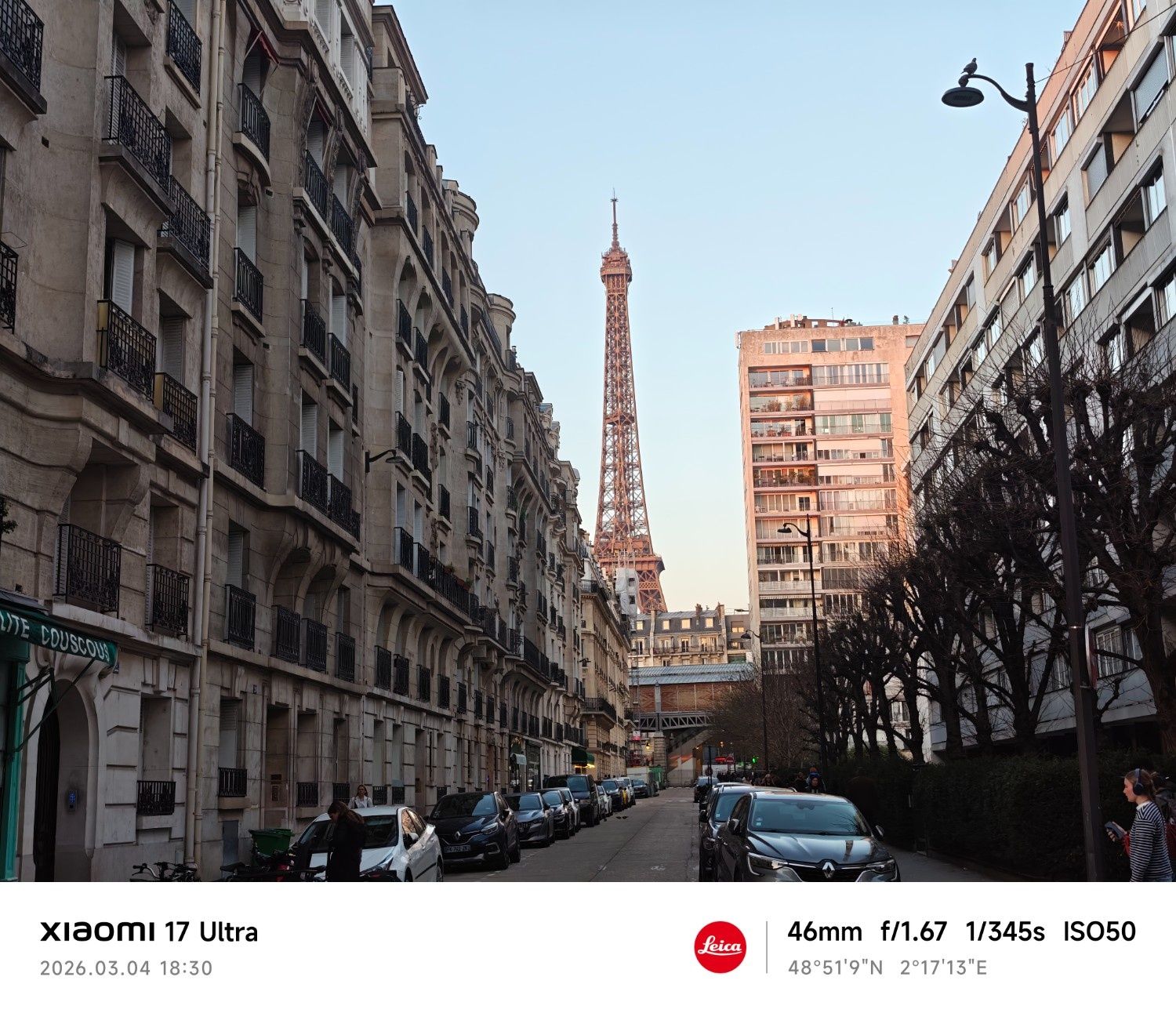
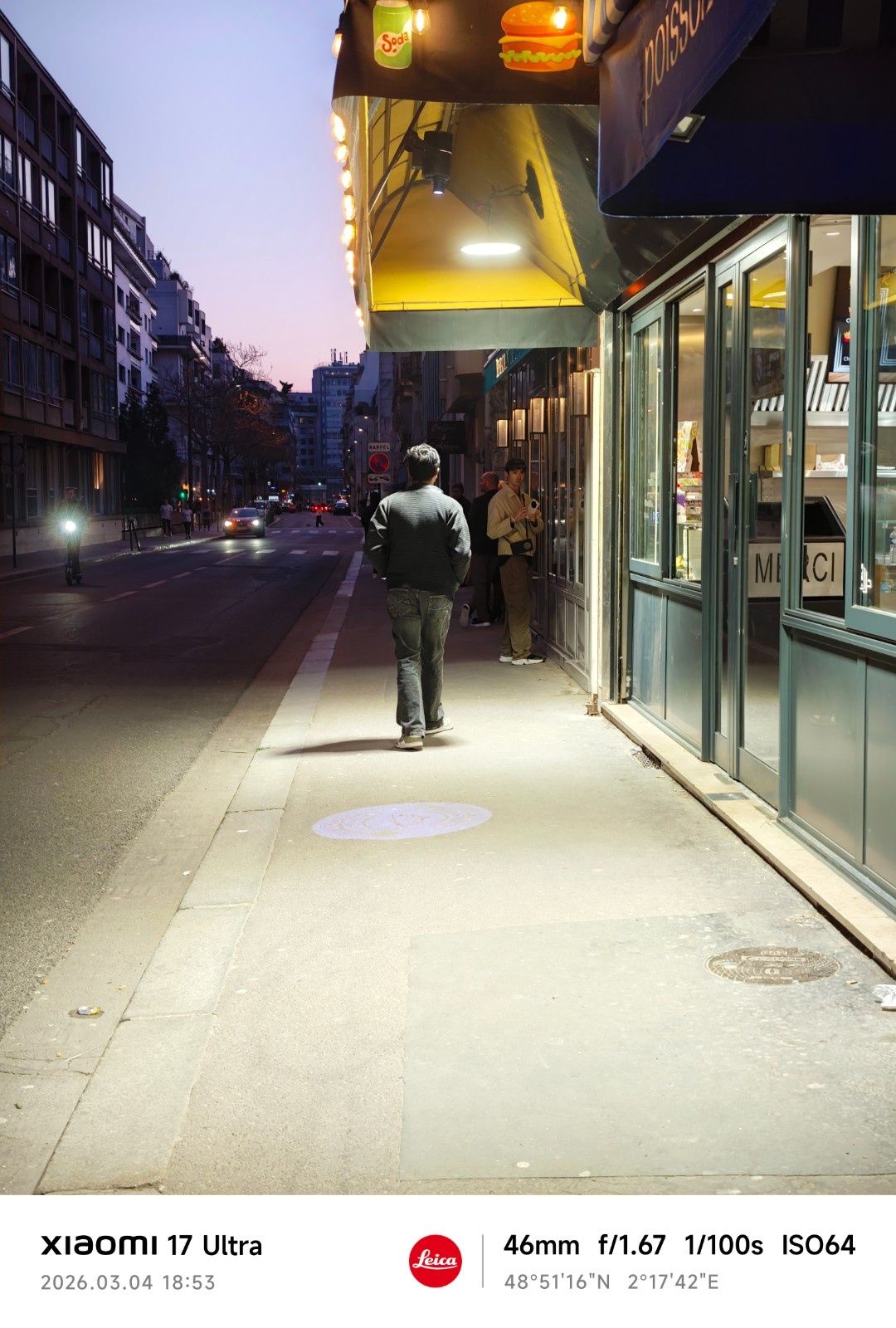
In the camera UI, you can shoot in two modes, Leica Authentic and Leica Vibrant. The Authentic mode is more cinematic, especially useful for street photography, as it adds a subtle vignette and a more film-like tone.



On the other hand, Leica Vibrant is better suited for everyday shots like you saw above, offering slightly punchier yet still natural-looking colours, as seen in the samples above.
Low-light photography is where this camera really stands out. Thanks to technologies like LOFIC, the phone captures scenes in a way that feels more natural than processed. Highlights are controlled well, shadows retain detail, and images don’t suffer from excessive HDR effects or artificial brightening. It feels less like the phone is fixing the image and more like it is simply capturing what is there.






The telephoto camera is also a very interesting part of this setup. Xiaomi has used a 200-megapixel sensor with continuous optical zoom between roughly 3.2x and 4.3x, and the results are genuinely impressive. Whether you are shooting at 75mm or pushing towards 100mm, the images remain sharp, consistent, and detailed. Portraits, in particular, look excellent. There is real optical depth here, not just software blur, which makes photos feel closer to a proper camera than a smartphone.







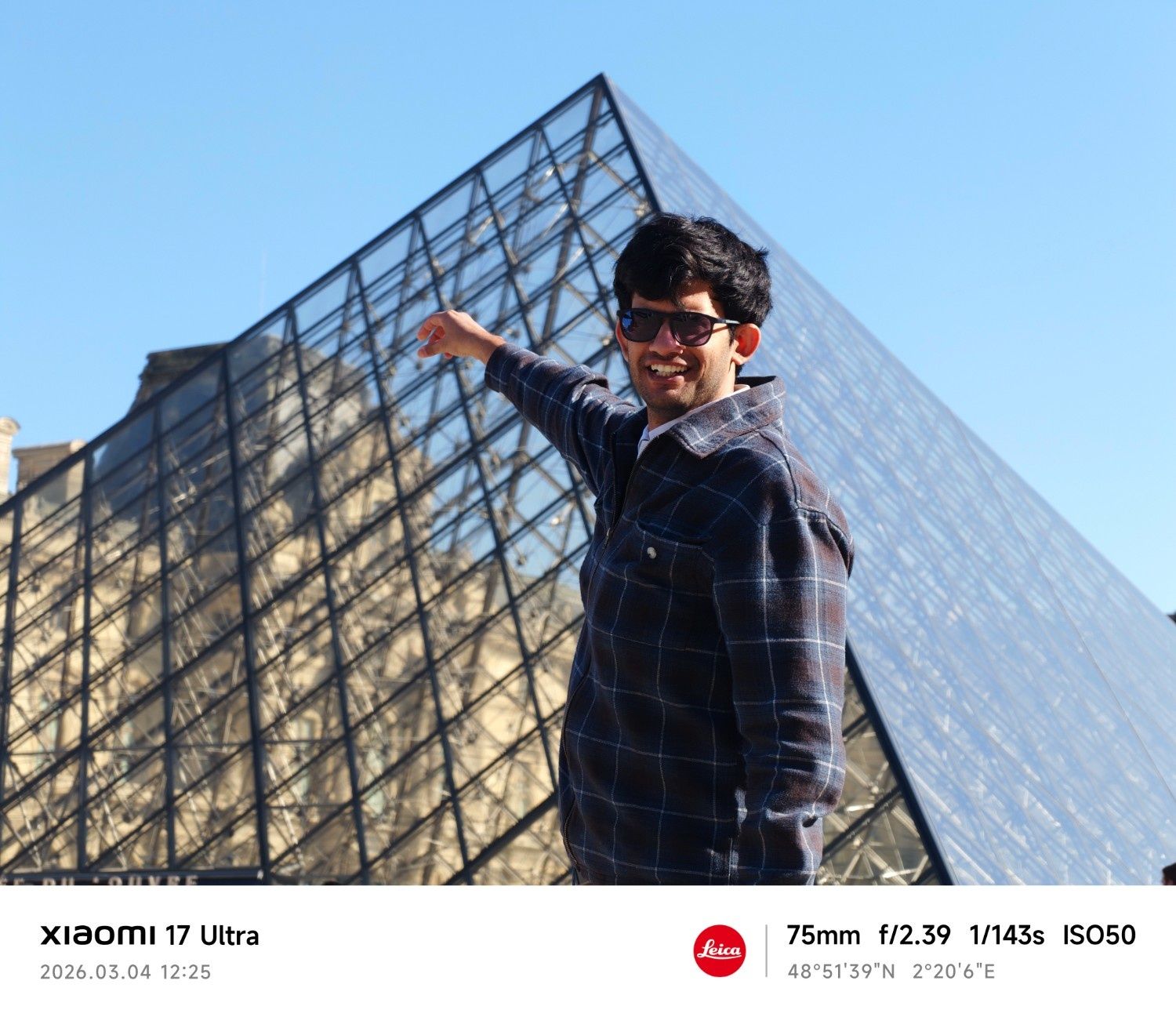

Now, coming to the continuous zoom itself, the gap between 3.2x and 4.3x is not very wide. It’s a good step forward, but it would have been even more impressive if this optical range extended further, ideally covering something like 1x to 5x seamlessly.
While the ultrawide camera captures crisp and vibrant pictures, it is also the weakest of the three. It gets the job done in daylight with decent detail and colour consistency, but it does not match the quality of the main or telephoto sensors. In low light, the gap becomes more noticeable, with softer details and slightly darker output.



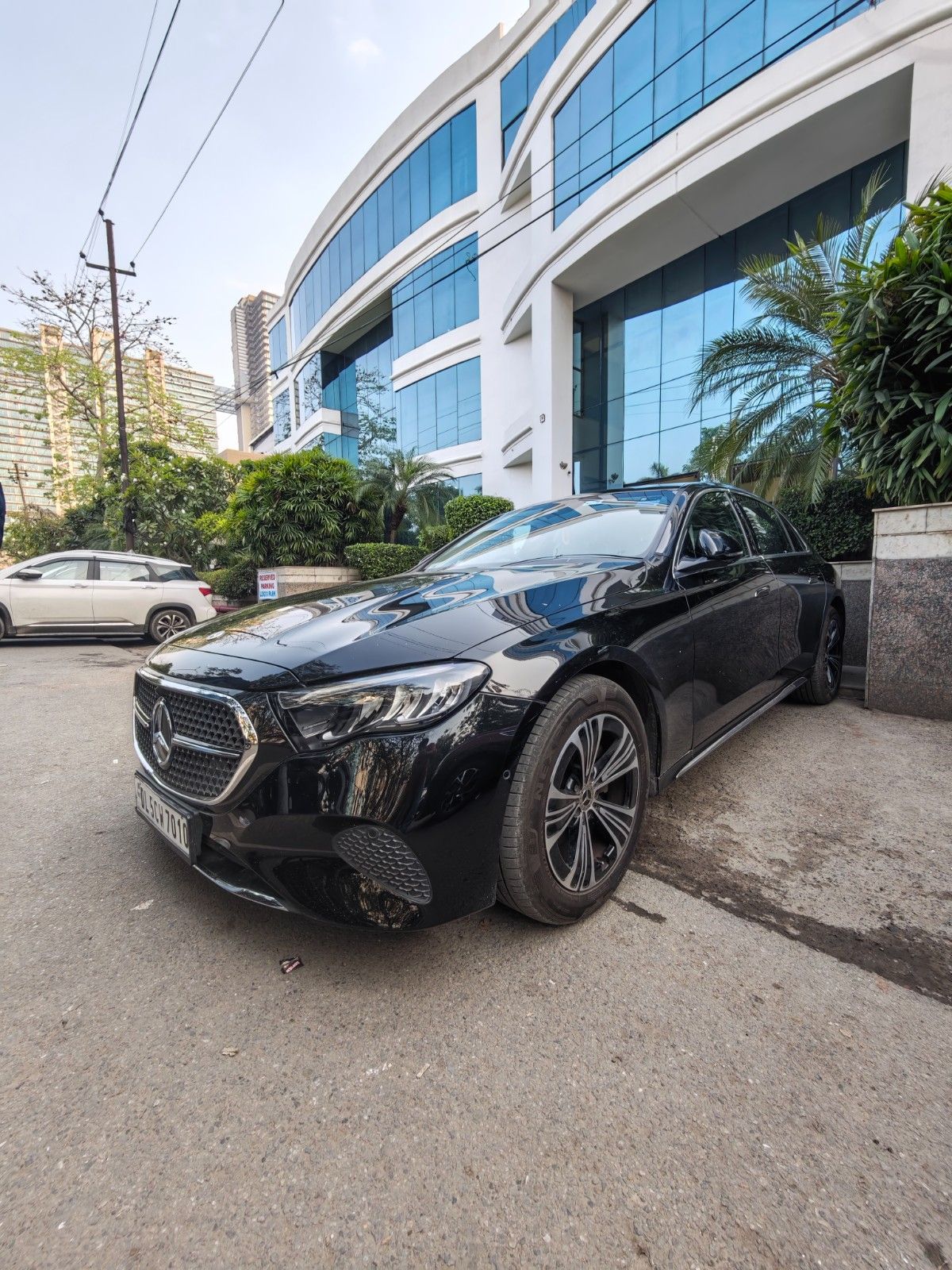

Coming to videos now, I am seriously impressed with their stabilization. Many phones give you the ability to shoot distant subjects, but forget about stabilization. But on the Xiaomi 17 Ultra, even at 4x, you can shoot beautiful videos with great stability. Moreover, you also get an option to record in 8K 30 FPS as well as 4K 120FPS. In videos, colours stay on the natural side, details remain intact, and it handles dynamic range very well with LOFIC enabled.
Overall, the Xiaomi 17 Ultra delivers one of the most complete camera experiences in this segment. The main camera is reliable, the telephoto is exceptional, and while the ultrawide could have been better, it does not take away from the overall experience.
To put it simply, the Xiaomi 17 Ultra does not try to impress you with aggressive processing. Instead, it focuses on capturing scenes with detail, depth, and consistency. And that is exactly what makes it one of the best camera phones right now, and the best from Xiaomi so far.
Xiaomi 17 Ultra Battery
Xiaomi has put a 6000mAh silicon-carbon battery in the 17 Ultra. But the Chinese variant gets a 6800mAh battery, and honestly, I don’t understand this decision. Europe is still understandable because of regulations, but in India, big batteries are always appreciated. Users have heavy usage, weather conditions are extreme, and on top of that, we don’t have public chargers everywhere like China or Europe. So yeah, this feels like a bit of a compromise.
But this 6000mAh battery also does a decent job. In our PC Mark Battery Life test, the smartphone lasted for almost 22 hours. And that too, when 20% of its battery was still left. In my daily usage, which includes 1-2 hours of gaming, some photography, and mostly social media scrolling, the Xiaomi 17 Ultra lasted more than 35 hours on a single charge.
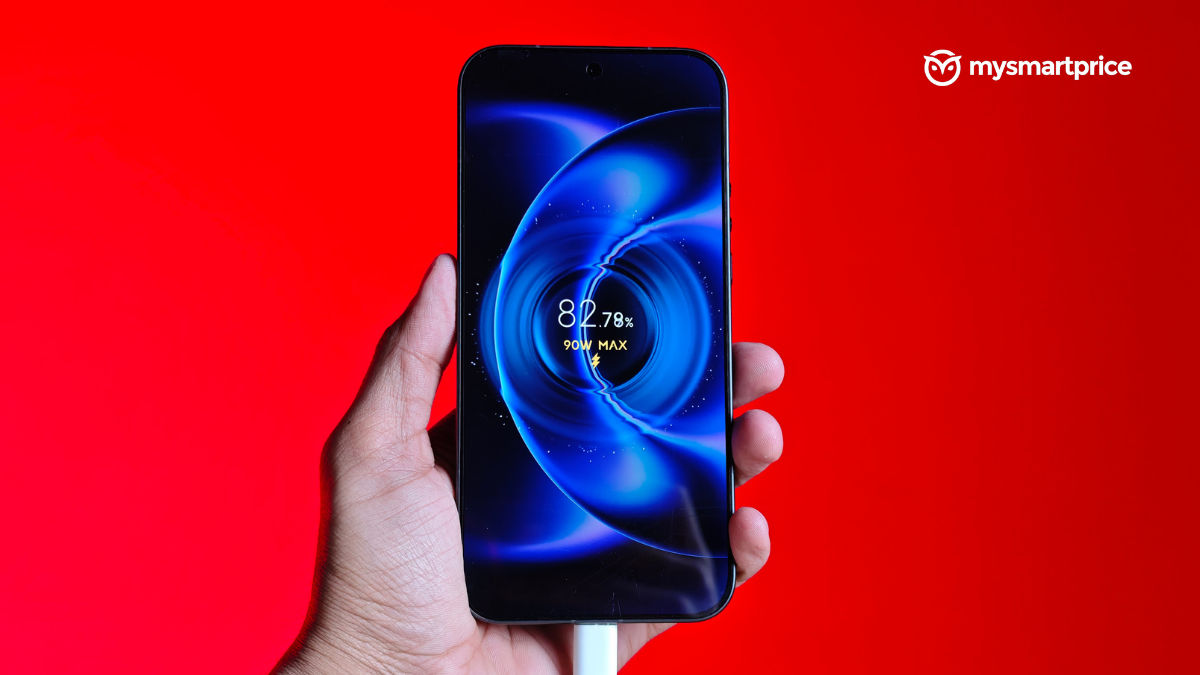
The charging bit is also top-notch. You get 90-watt of fast charging support, 50-watt of wireless charging support, 22.5-watt of reverse wired charging support, and 10-watt of reverse wireless charging support. With this many options for charging and reverse charging, this phone can be used as a power bank too, not only for your small devices, but for smartphones too.
Xiaomi 17 Ultra Verdict
So, should you buy the Xiaomi 17 Ultra? More importantly, who should buy it? Camera enthusiasts? Without a doubt. But who else?
At this price point (Rs 1,40,000), most people usually go for an iPhone. But there’s also a set of users who are done with Apple and want to try something new, especially on Android. If you’re one of those people, the Xiaomi 17 Ultra makes a strong case.
I’ll be honest, spending this much on a Xiaomi can feel a bit uncertain, but this is the kind of phone that actually shows you what modern smartphone tech is capable of. You will actually end up learning new stuff about modern hardware. And beyond the cameras, it’s also a solid daily driver that can handle pretty much everything you throw at it.