Hisense has inaugurated its first manufacturing facility in India at Sri City, Andhra Pradesh, marking a decisive shift from an import-led approach to a local manufacturing model. Developed through a joint venture with Epack Manufacturing Technologies, the 10-acre plant has been built with an investment of over USD 30 million and will begin commercial production in February 2026.
In an earlier interaction with MSP around its air conditioner roadmap, the company had indicated that localisation of AC production was on the cards as part of its India growth strategy. The commissioning of this facility now brings that plan to life and formalises Hisense’s long-term manufacturing commitment to the market.
A Dedicated AC Hub With 0.75 Million Unit Capacity
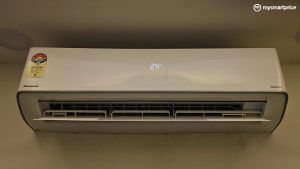
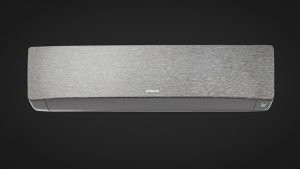
Phase one of the Sri City facility is focused exclusively on room air conditioners. The plant will manufacture Hisense’s core AC portfolio for India, including the F-Series, Eco Series, Intelli Perla Series and the upcoming Intelli Pro Series.
The initial installed capacity stands at 0.75 million units annually, and once fully operational, the facility will account for 100 percent of Hisense India’s room AC production.
For a category where demand is expanding beyond metros into Tier II and Tier III cities, and where inverter and energy-efficient models dominate consumer preference, this scale gives Hisense greater control over quality, cost and supply timelines.
Laying the Groundwork for Multi-Category Expansion
The Sri City campus is being developed in phases. While Phase one centres on air conditioners, Phase two, scheduled for Q2 FY27, will add washing machine production across top-load and front-load categories. Phase three, planned for Q3 FY27, will extend manufacturing to LED televisions.
The facility currently employs around 500 people and is expected to scale to nearly 1,500 employees over the next 12 to 24 months. Recruitment is underway across supply chain, administration, technical and manufacturing roles.
This phased expansion signals that Hisense is building India not just as a sales market but as a long-term manufacturing base capable of supporting multiple appliance categories.
Why Local Manufacturing Changes the Equation
India’s room air conditioner market continues to grow on the back of rising temperatures, increasing urbanisation and deeper appliance penetration. At the same time, cost pressures, regulatory changes and supply-chain disruptions have pushed brands to strengthen localisation.
For Hisense, the Sri City plant enables reduced dependence on imports, improved supply-chain responsiveness and potential cost efficiencies. The facility will cater to both domestic and export markets, giving the company flexibility as volumes scale.
Until now, Hisense India operated through an import-heavy and partner-supported model. This plant marks its transition to a more integrated local manufacturing structure, aligning with the broader Make in India push and the government’s focus on domestic production.
The Bigger Play in India’s Appliance Market
The commissioning of the Sri City plant comes at a time when competition in India’s AC market is intensifying, with established and emerging brands expanding capacity and pushing premium features at sharper price points.
By localising production, Hisense positions itself to compete more effectively in the mid and premium AC segments where pricing, availability and speed to market are critical.
From where we see things, this development is not just about a new factory. It reflects a structural shift in how Hisense plans to operate in India. The next phase will hinge on how efficiently the company leverages this manufacturing base to deliver competitive pricing, stronger distribution and products tailored for Indian consumers.