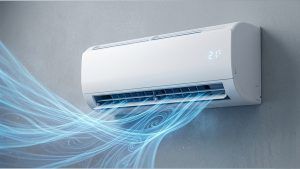
Urban Company is planning to enter the air conditioner market under its in-house brand, Native. The move reflects a much larger ambition to evolve from a home-services platform into a complete home-solutions ecosystem. It seems that the company is looking to bring together its strengths in installation, repair, and maintenance with its own line of appliances that can be sold, serviced, and upgraded within the same network.
The company has already launched water purifiers and smart locks under the Native brand. With the ACs, the company is not only seeking to capture higher-value customers, but it is also entering into a more competitive category. India's room air conditioner market is valued at more than ₹25,000 crore and is growing at an annual rate of around 12 to 15%. Longer summers (heat waves), improved affordability, and increasing awareness of energy efficiency are driving adoption, particularly across Tier 2 and Tier 3 cities.
The logic for Urban Company is straightforward. The brand already enjoys high visibility in AC servicing, one of its most advertised verticals. By creating its own range of products, it can ensure quality control, streamline service delivery, and reduce dependence on third-party manufacturers. It also fits into the company's larger plan to improve customer lifetime value by combining product ownership with subscription-based maintenance.
Challenges for Urban Company
From a macro level, all these look to be good plans to help Urban Company transition to newer roles. However, the transition from a service marketplace to a hardware brand brings new challenges. While many customers trust Urban Company to clean or repair their AC units, it is uncertain whether they would choose to buy an air conditioner from the same platform. Appliance purchases involve higher emotional and financial investment, and consumers typically gravitate towards brands that have an established reputation for reliability, warranty support, and nationwide service infrastructure.
Competitive Landscape
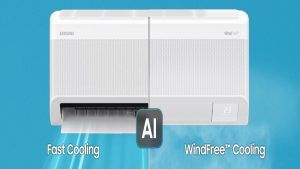
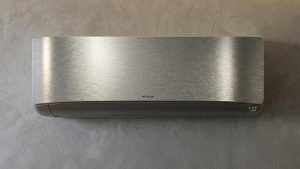
Urban Company's timing coincides with an increasingly competitive market. Voltas continues to dominate the value-for-money segment through its wide distribution network. LG is well known for its strong service and advanced inverter and AI-driven cooling systems. Blue Star and Daikin maintain strong brand equity in premium and commercial cooling, while Samsung has made an aggressive push this year with its WindFree and AI-enabled models to capture a larger market share.
Urban Company’s New Growth Plan
For Urban Company, success will depend on how effectively it can position itself against these established players. The company will need to ensure product quality, efficient spare part logistics, robust warranty coverage, and a consistent service experience across cities. Marketing will also play a critical role, since consumers currently associate Urban Company with convenience and on-demand services rather than durable goods.