For a really long time, smartwatches have tried to strike a balance between being useful and being too much. With the Galaxy Watch Ultra 2, Samsung doesn’t really care about that balance anymore. Why am I saying that? Because the Galaxy Watch Ultra 2 is one of the most feature-packed smartwatches that you can buy right now. It is faster, brighter, tougher, and more capable than almost anything else in the Wear OS space.
Samsung Galaxy Watch Ultra 2
Rs 64,999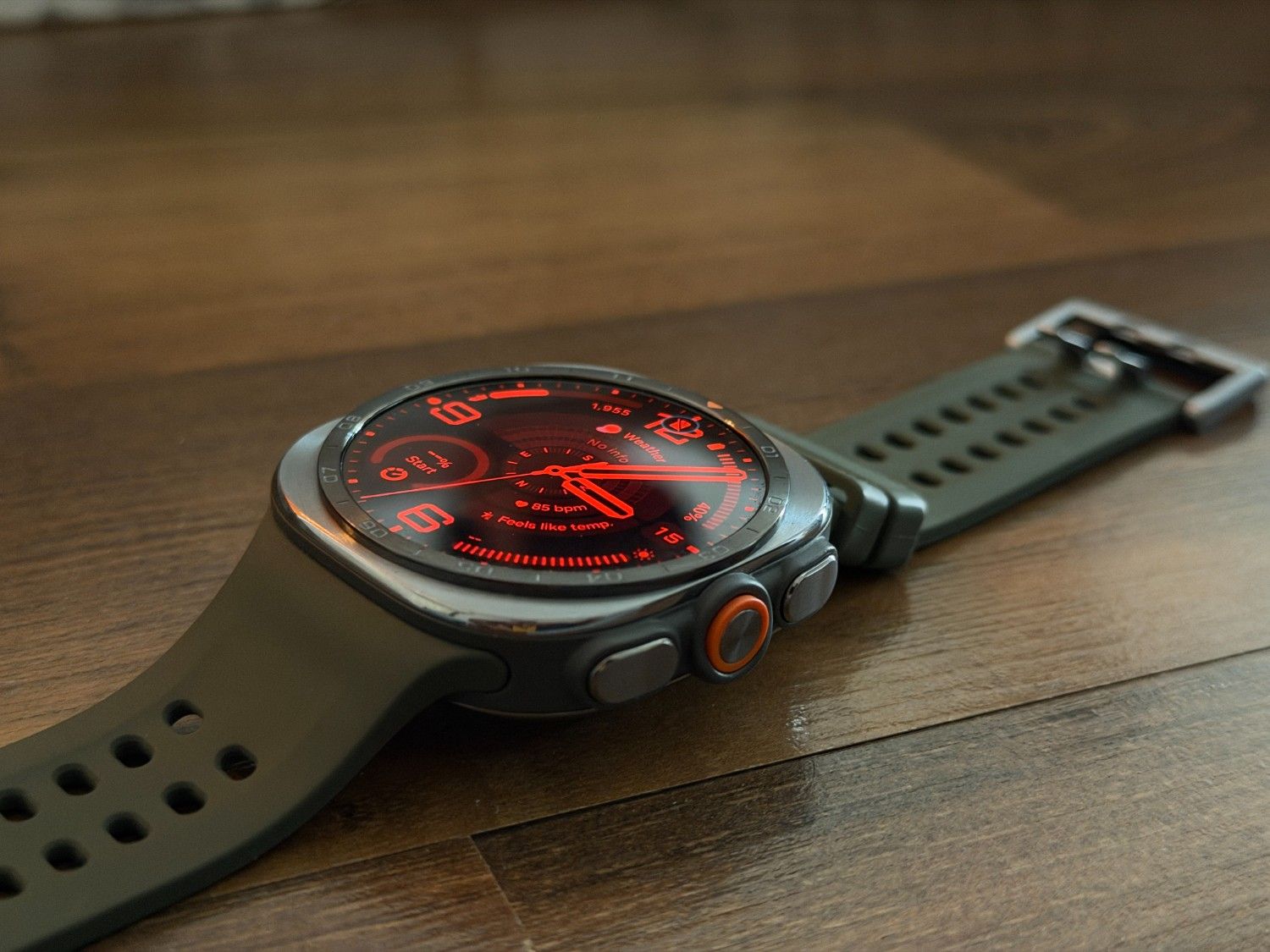
What Is Good?
- Rugged, premium titanium design built for outdoor use
- Fast and smooth performance with the Snapdragon Wear Elite
- Extensive running, cycling, swimming and multisport features
- Detailed sleep and recovery tracking
- Useful navigation features including GPX routes and Track Back
What Is Bad?
- Overkill for users with basic smartwatch needs
- Some advanced health features require a Samsung phone
- Battery charging remains part of the daily routine
This is a very good smartwatch, and on paper it addresses most of the complaints I have had with Android smartwatches for a while, but it is also very specific. After you spend a lot of time with this watch, you realise that this watch isn’t trying to be just your daily wearable. It wants to be your fitness tracker, outdoor buddy, notification hub, and occasionally, even your phone.
With a starting price tag of Rs 64,999, this smartwatch might work for you, or it might not work for you, and that depends less on what the watch is capable of and more on how it fits into your lifestyle.
It Is Built For Adrenaline Junkies
The Galaxy Watch Ultra 2 thinks that you’re someone who runs marathons for breakfast, takes a dive in the open sea just casually, and does something serious all the time, not only because of how feature-loaded it is, but also because it looks rugged, outdoorsy, and built for extremes.
It has a titanium frame, a raised casing, and a bright orange Quick button. To add to the whole rugged vibe, you are getting 10ATM water resistance, an IP69K rating, MIL-STD certification, and even EN13319 certification for diving.
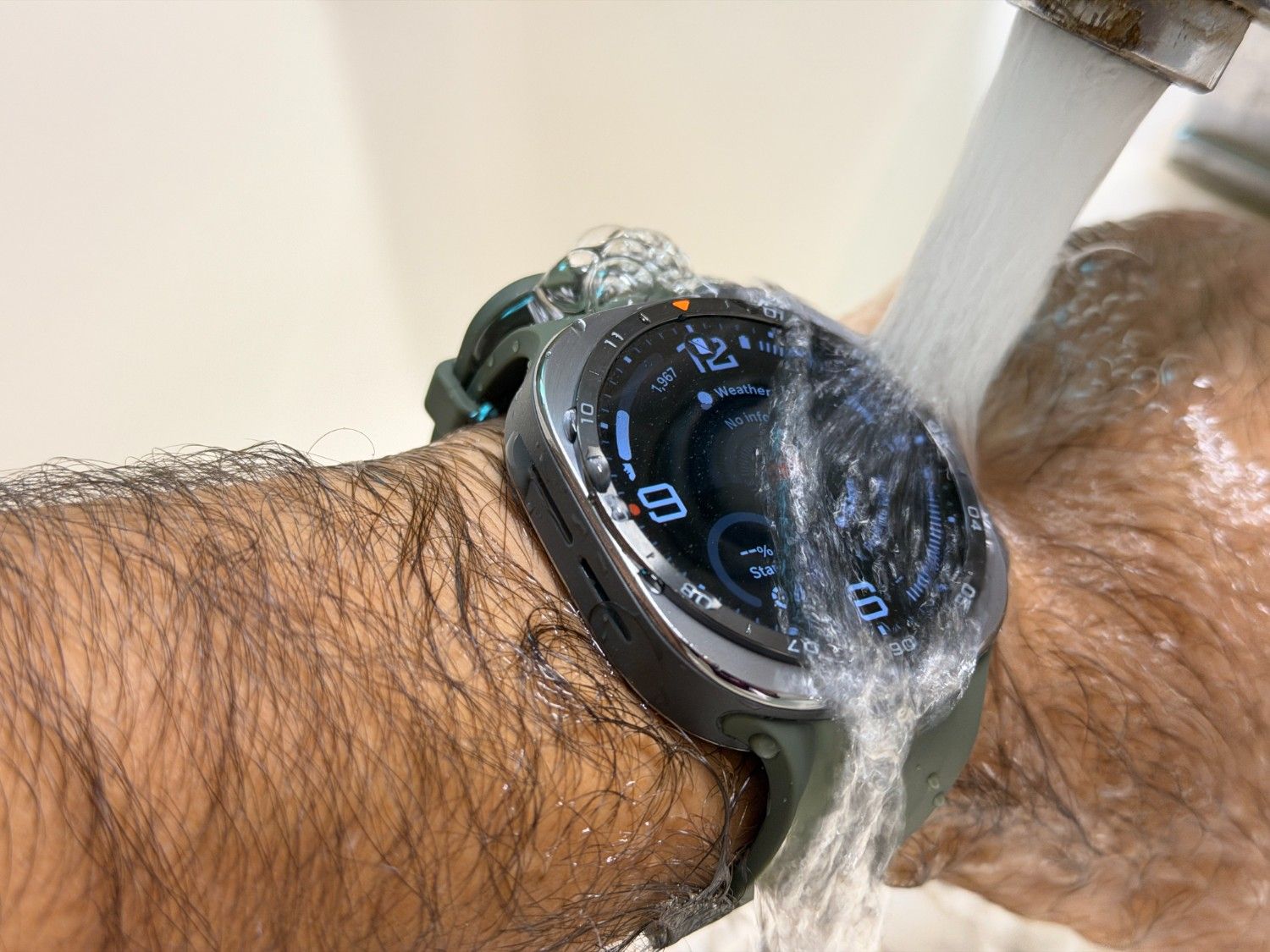
Clearly, this is not a casual smartwatch; it is for someone who hikes, swims, tracks routes, and maybe even dives. So, the question now is: are you that person?
I see a lot of people outside India doing all of these activities a lot. They go for casual hikes, surfing, and all of those outdoor activities, and I can see this watch fitting into their lifestyles perfectly. Back home in India, we have started to see a similar trend with running and marathons. But things like casual mountain climbing or hiking are not actually common in urban Indian cities where most of the clientele for this smartwatch lives.
If you are not doing all of that regularly, and by that I don’t mean the weekend paddle sessions, then this watch starts feeling like overengineering. Basically, you are wearing something which is built for extreme conditions to check WhatsApp notifications while in a meeting because you can’t pick up your phone, to track steps, and to go to the gym.
A Display That Makes Me Use It More
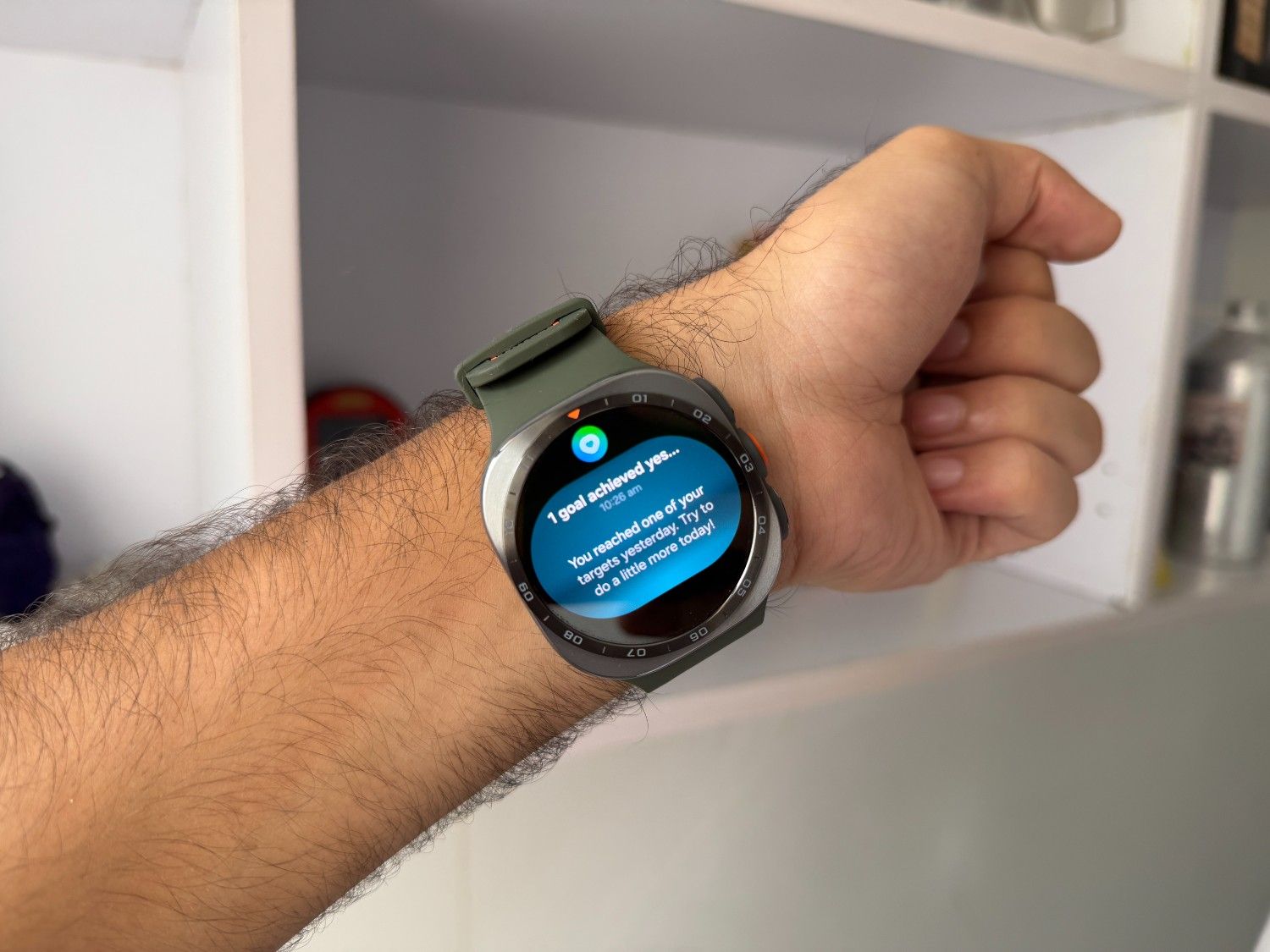
When it’s Samsung, you know the displays are going to be great, and the display here is the best part of the watch. It’s a 1.52-inch AMOLED panel that gets incredibly bright, up to 5000 nits, and that actually shows in real use. Outdoors, under direct sunlight, mid-run, it stays perfectly readable without you having to adjust anything.
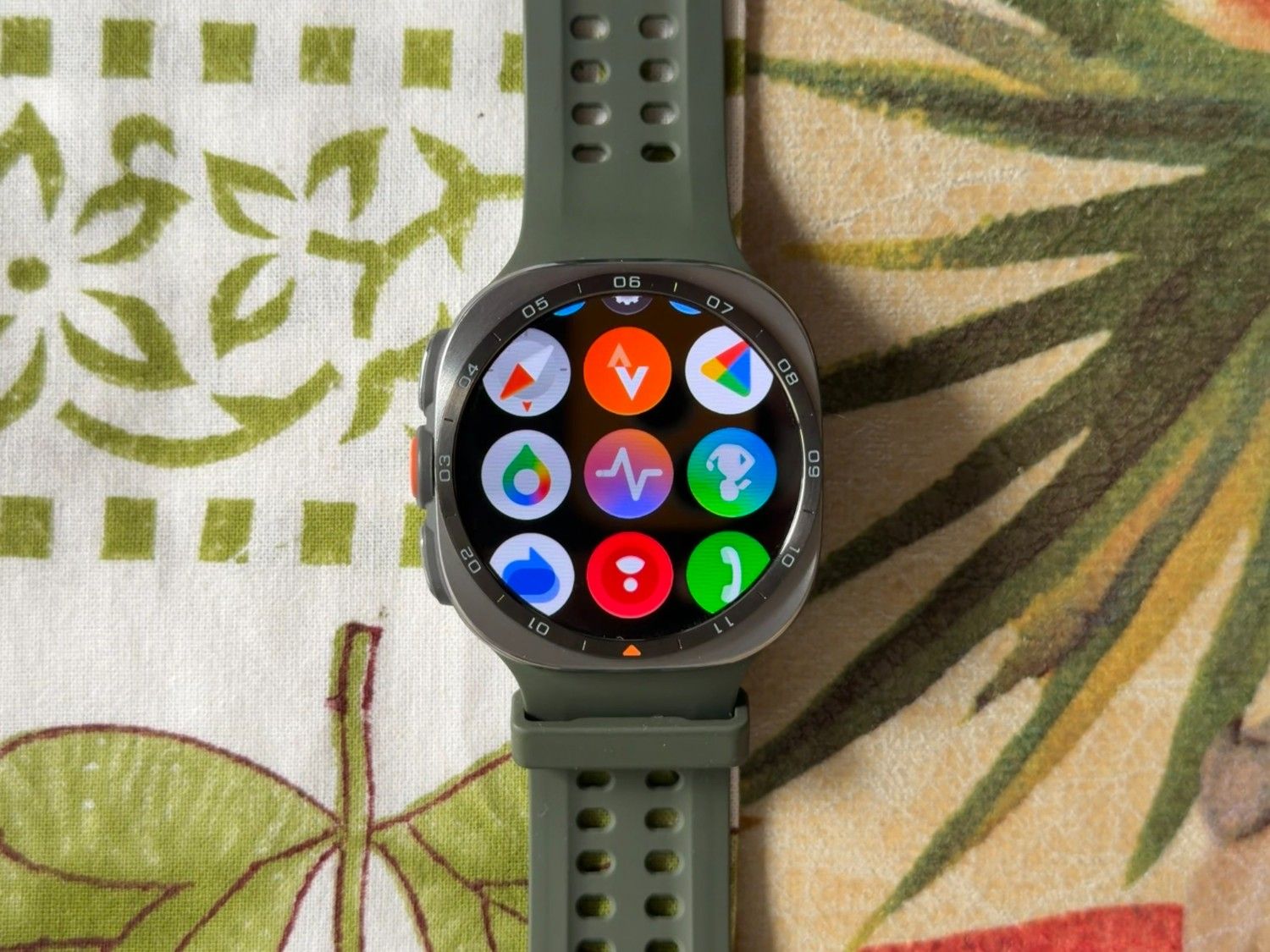
Everything feels sharp and smooth. The animations are fluid, scrolling is responsive, and the shift to the Snapdragon Wear Elite platform makes a noticeable difference in day-to-day use. Apps open quickly, multitasking holds up well, and the overall experience feels polished in a way older Wear OS watches didn’t always manage.
There’s no physical rotating bezel, which still feels like a missed opportunity, but the digital bezel works well enough once you get used to it.
What stood out to me is how a better screen changes your behaviour. You end up interacting with the watch more. Notifications are easier to read, messages easier to reply to, and apps easier to open. It pulls you in. If that’s what you expect from your smartwatch, then Galaxy Watch Ultra 2 delivers.
Living With It: More Than Just a Companion
The Watch Ultra 2 does a lot, and it knows it. You can take calls directly from your wrist, reply to messages, control music, install apps, use Google services, and even run it independently with LTE if you enable eSIM. There are gestures like raise-to-talk, pinch controls, and quick shortcuts that make interactions faster. All of this feels really convenient.
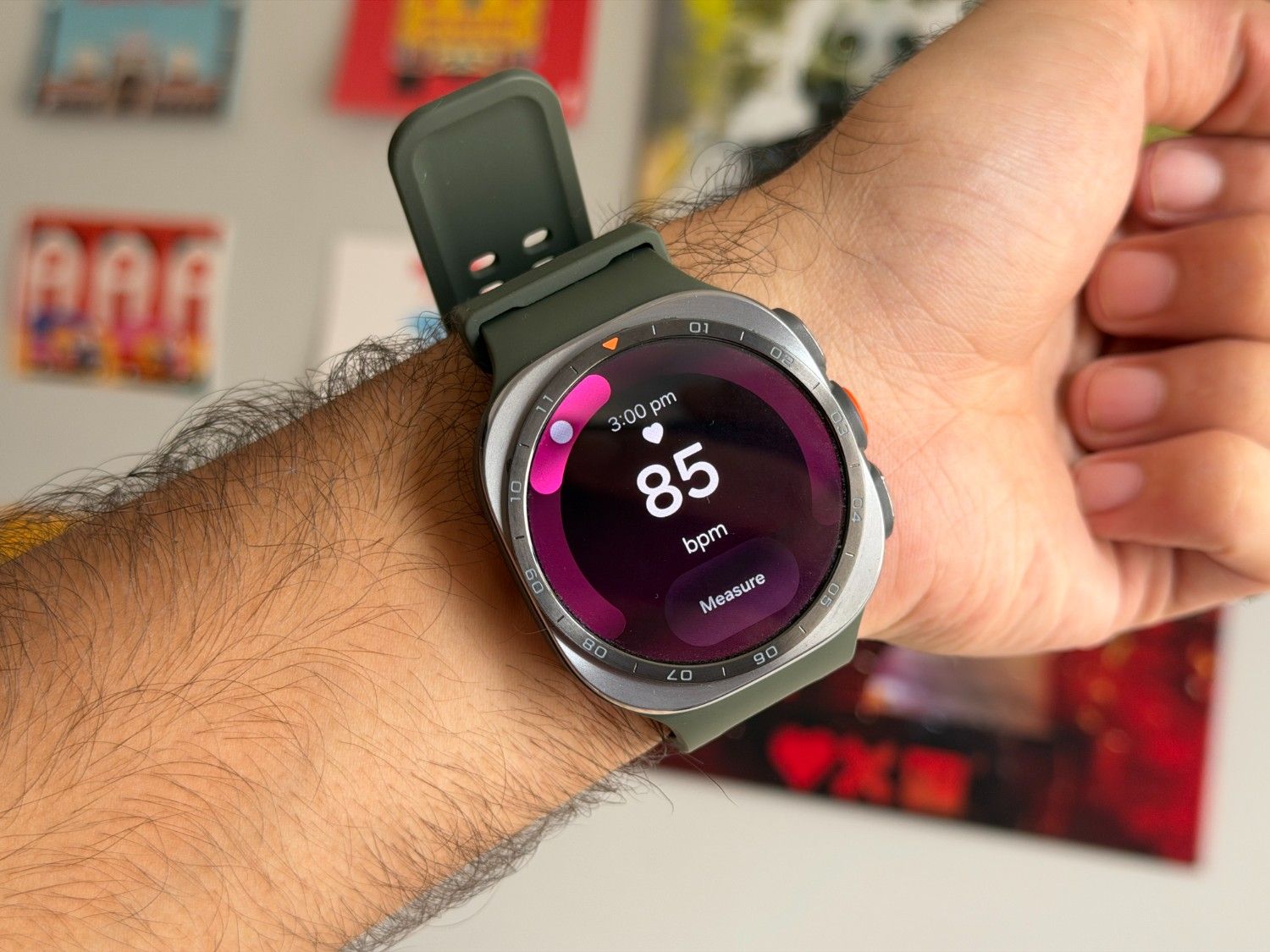
You don’t have to reach for your phone as often, and you can just do the small things on your wrist. It seamlessly fits into your day, but that also means that the watch is always active. It lights up, taps your wrist, gives you something to check. Not in a distracting way necessarily, but in a way that it is trying to constantly remind you that “hello, I am here”.
Fitness Tracking: Where It Justifies Itself
As expected, the Galaxy Watch Ultra 2 offers superb fitness tracking. The tracking is detailed, reliable, and genuinely useful if you care about fitness beyond just step counts.
Let’s talk about running in particular, which is the trend these days. GPS locks quickly and stays accurate, even in areas with trees or interference. You get dual-frequency tracking, GPX route imports, turn-by-turn navigation, and a Track Back feature that’s really useful for outdoor runs.
Initially, I mentioned how this watch is for people who run marathons for breakfast. The watch offers a lot of stuff for people who like that. You get trail running modes, multi-sport tracking, cycling metrics, VO2 max, elevation data, and even hydration insights based on sweat loss. It’s clearly designed for users who want more than just basic tracking.
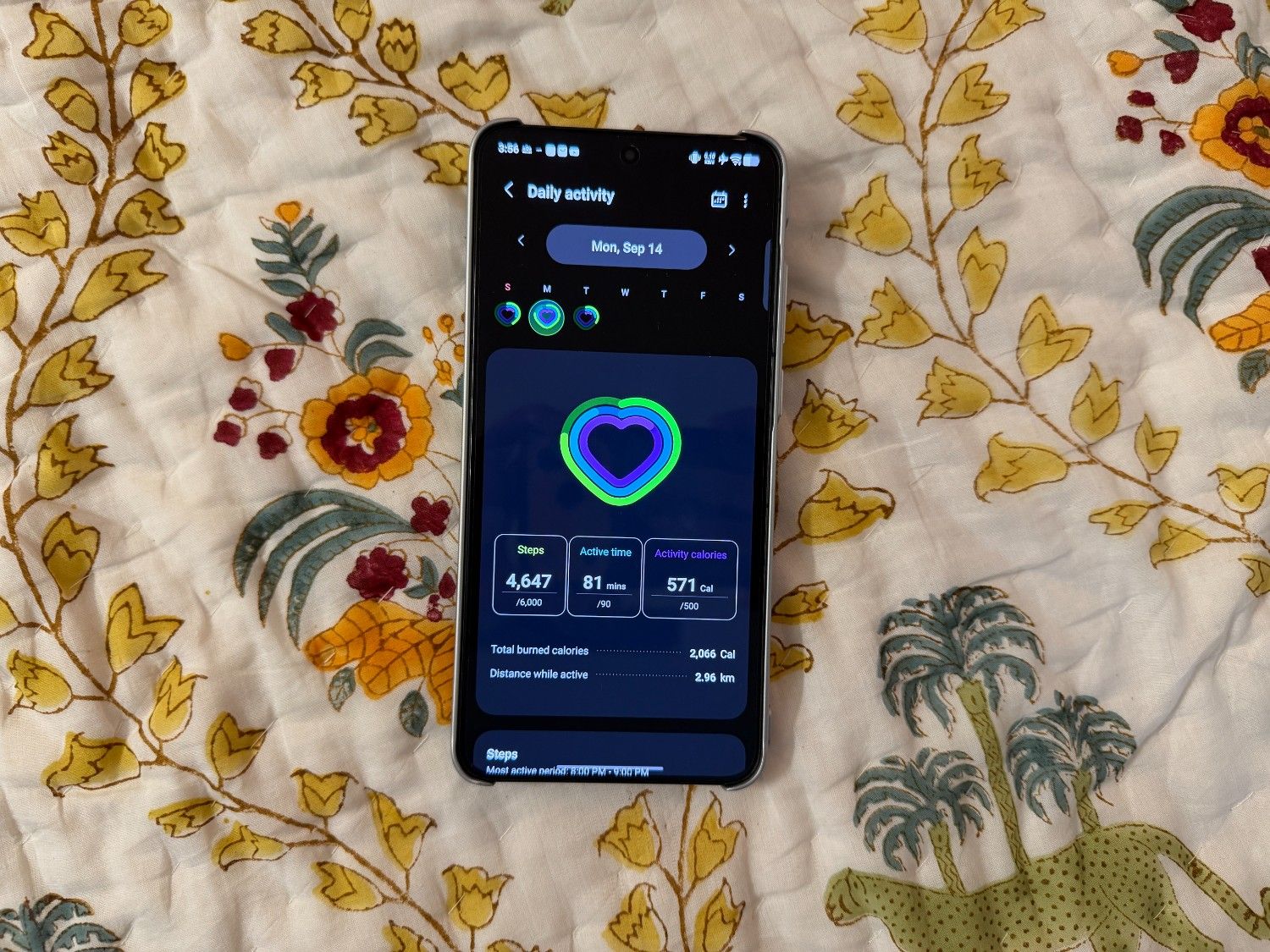
All of this is active tracking. So, you are seeing your stats in real time, and you can adjust based on them.
Recovery and sleep tracking are also a big part of fitness tracking. As expected, the watch is also pretty strong here with stage breakdowns, blood oxygen variation, skin temperature, and coaching insights over time. The Energy Score feature tries to simplify all of this into a daily readiness number, which works well enough as a quick snapshot.
If you take fitness seriously or are an athlete, all of this will make a lot of sense to you.
Health Features: Comprehensive, With Context
With the watch, you are getting a lot of health tools too. Heart rate, stress, SpO2, ECG, blood pressure, body composition- it’s all here. The basics like heart rate and sleep tracking feel reliable enough for everyday use, and the data is presented in a way that’s easy to understand.
But… yes, there’s a but. Some features, like ECG and blood pressure, are limited to Samsung phones. Blood pressure also requires periodic calibration with a separate cuff-based monitor. Body composition readings are useful directionally, but not something you should treat as precise.
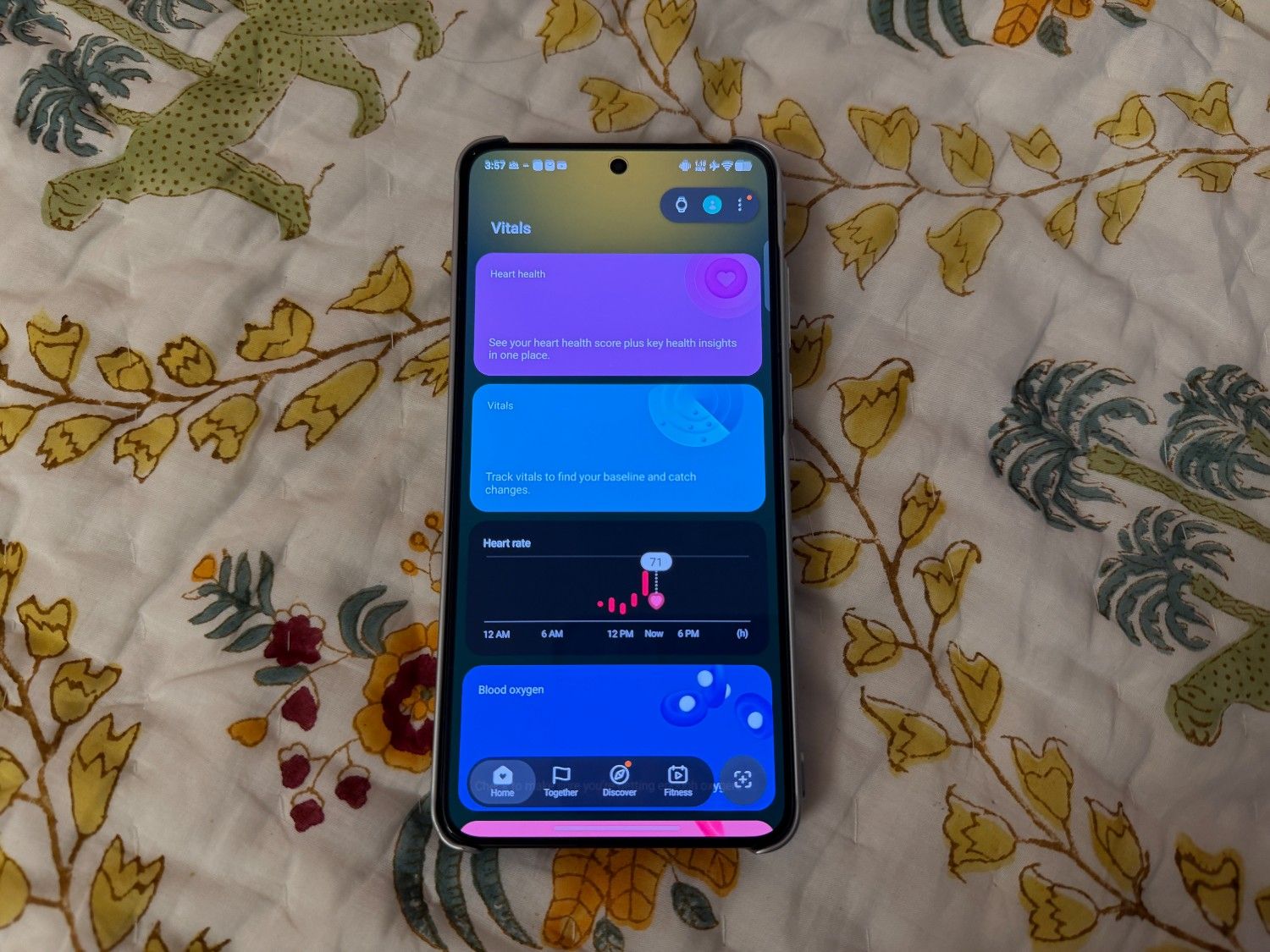
All of this is pretty usual for wearables, but you need to keep it in mind.
Battery Life: Better, Still Part of the Routine
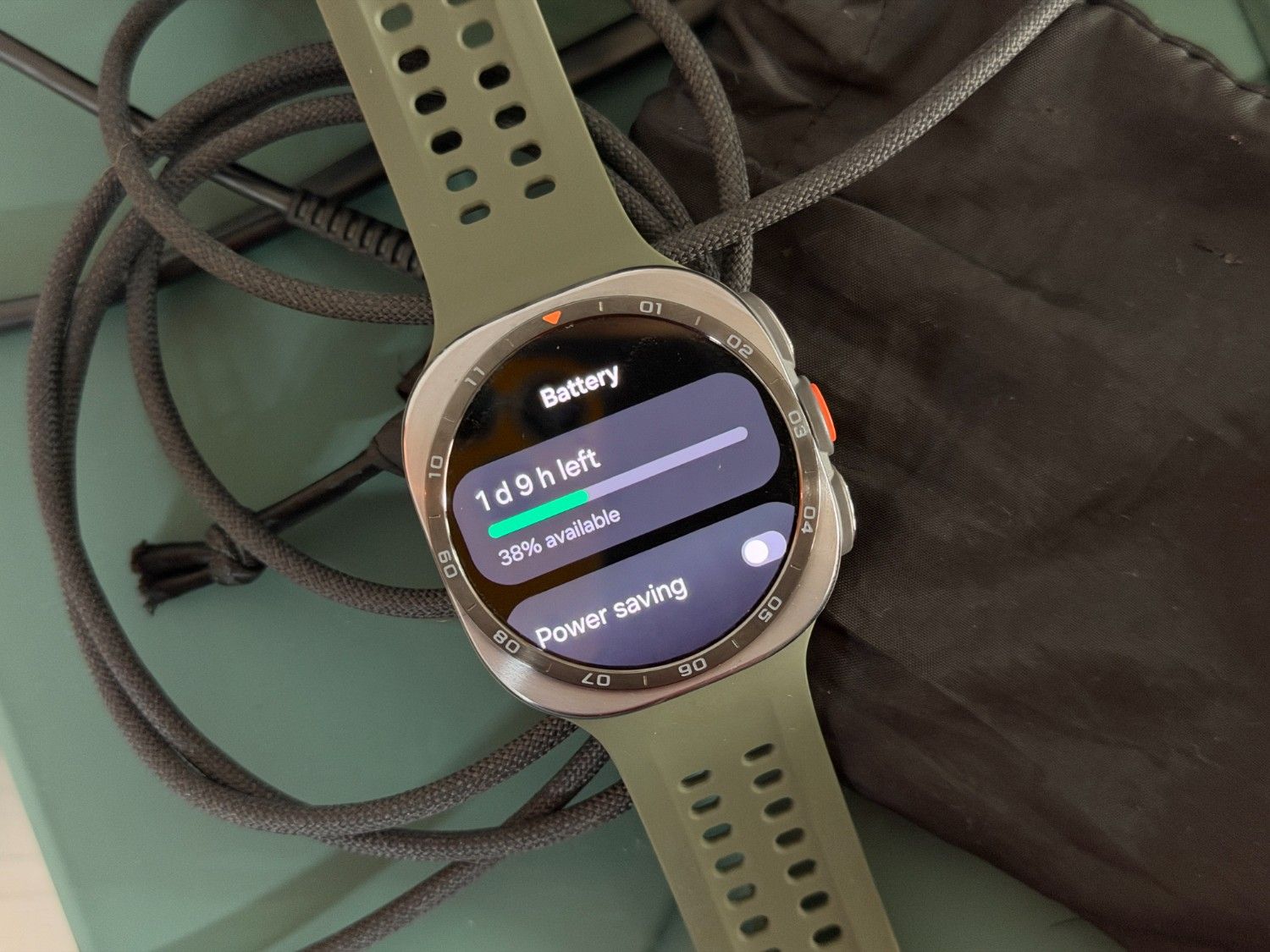
The Galaxy Watch Ultra 2 gets an 800mAh battery, an upgrade that brings it ahead of competitors. With continuous tracking, notifications, and regular use, you get around two and a half to three days of battery life.
Plus, you’re getting fast charging too. It charges to around 40% in just 30 minutes, and you can juice it up to 100% in about an hour and a half.
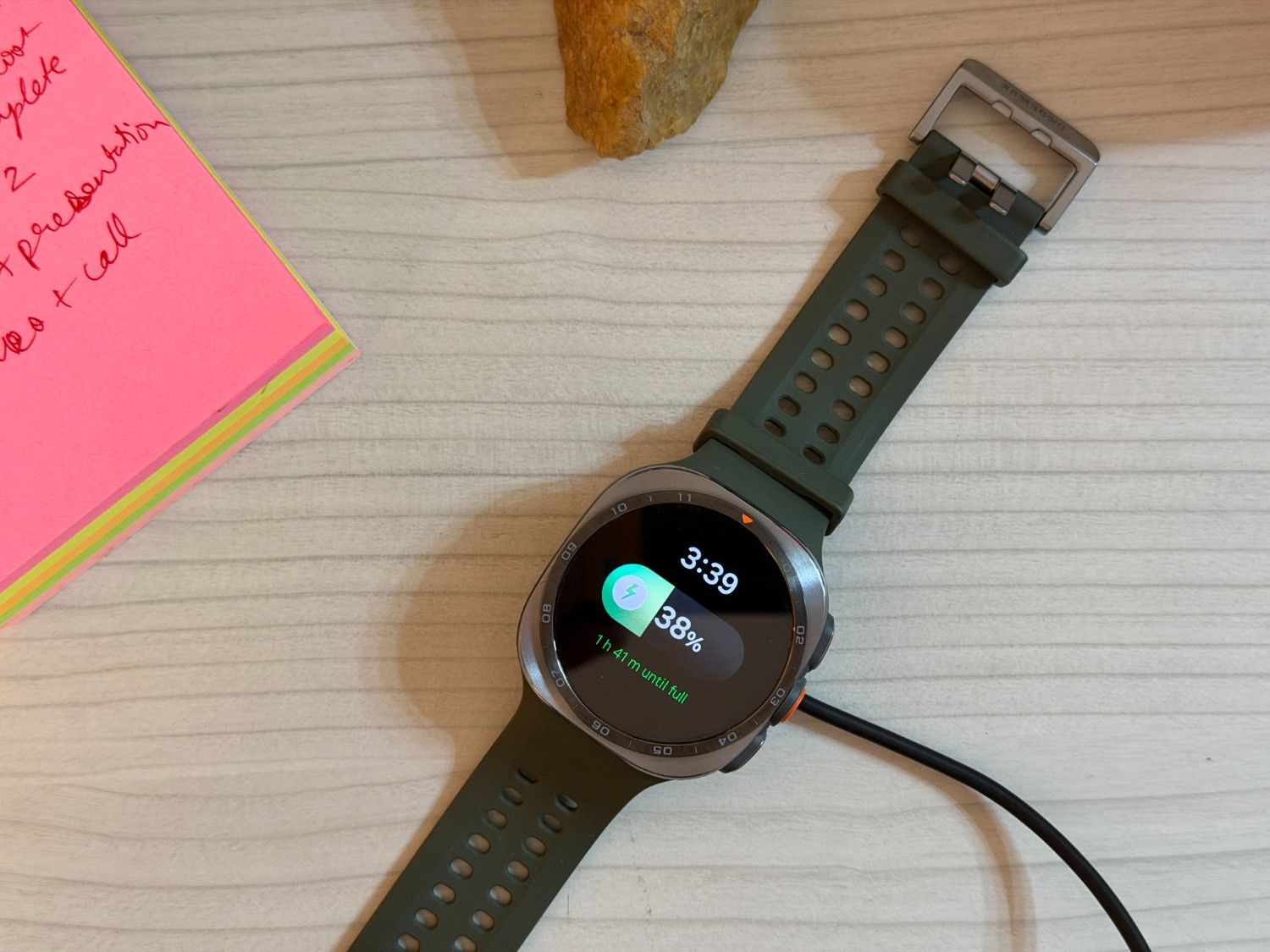
However, the battery anxiety associated with smartwatches remains. I still constantly thought about charging it. So, there’s that added layer of maintenance.
Things I Noticed Over Time
Okay, there are some things that I only noticed after using it for a couple of weeks. Firstly, the Galaxy Watch Ultra 2 doesn’t support older Galaxy Watch chargers, and reverse wireless charging from Samsung phones is no longer an option here. You have to rely on the bundled charger.
Also, there is no running power metric on the watch, which you would expect if you are paying over Rs 60,000 for a smartwatch. Additionally, to run some of the more advanced health features, you need to have a Samsung phone. I know Samsung is trying to promote its ecosystem experience, and it also makes sense to have a Samsung watch with a Samsung phone, or a Pixel Watch with a Pixel phone, but it does feel like a bummer. Like, I had to carry a Samsung phone around along with my Vivo just to test this properly.
Should you buy the Galaxy Watch Ultra 2?
If you’re someone who actually uses your smartwatch to its full potential, you run regularly, you track workouts seriously, you spend time outdoors, and you want detailed health data on your wrist, then yes, this is one of the best options you can buy right now on Android. It’s fast, it’s reliable, and it delivers on almost everything it promises.
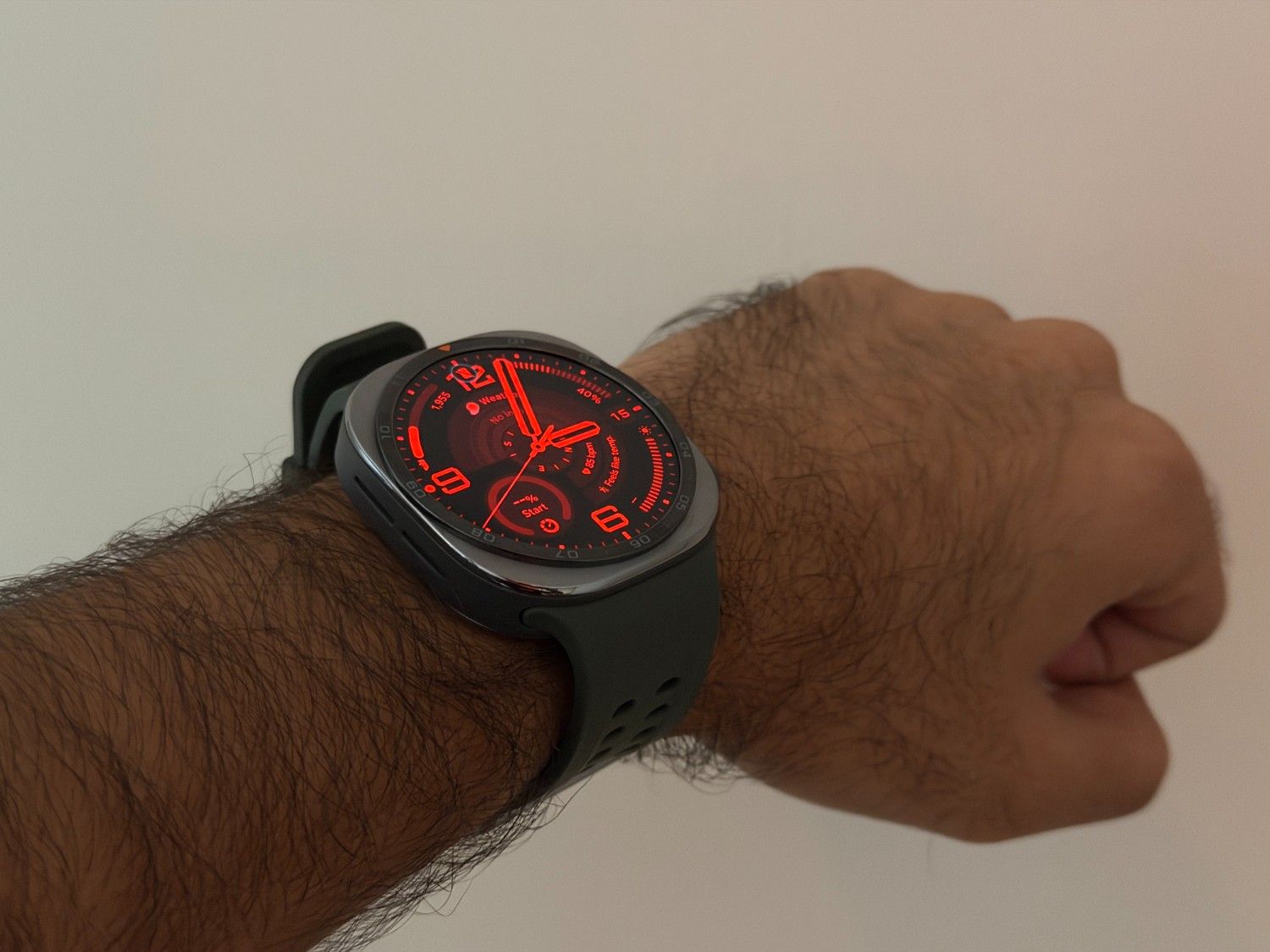
However, if your usage is more basic – just notifications, steps, the occasional workout – then this starts to feel like a lot to watch for not a lot of need.
And that’s really what the Galaxy Watch Ultra 2 comes down to. It’s not about whether it’s good or not. That it is. It’s about whether you’re the kind of user it’s built for because this isn’t trying to be a simple, everyday smartwatch anymore. It’s trying to be everything at once. For the right person, that works really well.