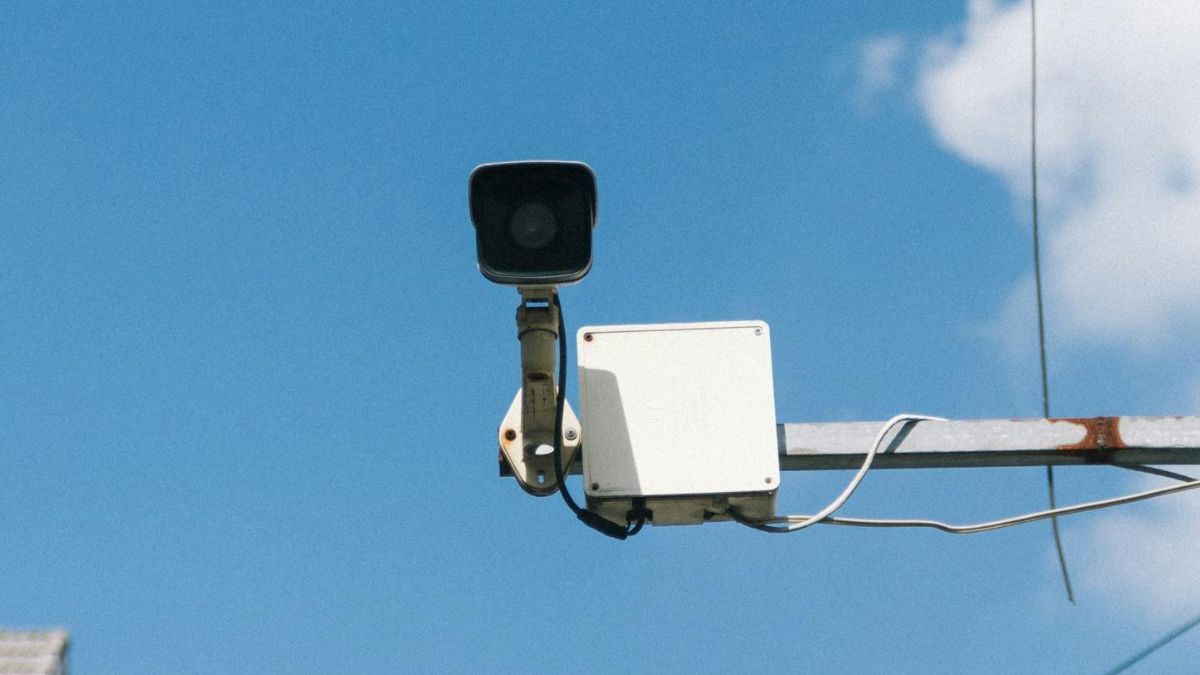
Delhi's CCTV surveillance network is currently undergoing a critical, security-first transformation. In a decisive mandate prioritising data sovereignty and national security, the Delhi Government has initiated the phased removal of 1.4 lakh Chinese-origin CCTV cameras across the capital. This sweep, beginning with the immediate replacement of 50,000 units, addresses escalating concerns over supply-chain vulnerabilities and foreign data routing, marking a definitive pivot toward trusted, homegrown security ecosystems.
The Catalyst: National Security and the STQC Mandate
The Public Works Department (PWD), which manages a sprawling network of nearly 2.8 lakh cameras, is systematically phasing out legacy foreign hardware to eliminate potential cyber-vulnerabilities. The replacement systems are required to strictly adhere to the central government's new Standardisation Testing and Quality Certification (STQC) guidelines. This ensures that every internet-connected device watching the capital’s streets is heavily encrypted, locally vetted, and immune to unauthorised external access.
The DPDP Act: Surveillance Meets Data Privacy
Beyond hardware vulnerabilities, this policy shift is deeply intertwined with India’s evolving legal landscape, specifically the Digital Personal Data Protection (DPDP) Act. The Act fundamentally changes how surveillance is treated. In addition to physical monitoring, it is about responsible data management.
The DPDP Act mandates that data collection must be transparent and that individuals must retain control over their personal information. For public and private surveillance, this requires a foundational trust that the hardware and the organisations managing it are securely storing and utilising data without compromising citizen privacy.
The Industry Response: Trust as a Foundation, Not an Option
For Indian security manufacturers, this overhaul is a powerful validation of their long-standing commitment to domestic regulations and robust data hygiene. Homegrown brands are stepping into this gap not just as equipment vendors, but as vital partners in maintaining national security.
Talking about how big this change is and what it means for the market, Pushkar Gokhale, Business Head – Security Solutions Business at Godrej Enterprises Group, explains how the industry is evolving:
“The recent regulatory actions mark a key turning point for India's security industry. In a space like CCTV, where data protection and national security overlap, trust and accountability must be foundational. With the DPDP Act evolving, organisations need to be transparent about how data is handled. At Godrej, we focus on building trusted, high-quality security solutions aligned with these standards.”
Delhi CCTV Upgrade Moves Ahead with Phased Rollout and Strict STQC Compliance
The Delhi government's decisive action sets a bulletproof precedent for urban infrastructure across India. Choosing surveillance systems today goes beyond price. It plays a direct role in protecting national security. By transitioning to compliant, transparent, and locally trusted systems, Delhi is proving that true public safety requires safeguarding not just the physical streets, but the digital footprint of every citizen walking them.