Intel appears to be back on track with Panther Lake, marking a return to form in mobile processors with a stronger focus on both CPU performance and Arc graphics progress.
Panther Lake is Intel's latest laptop-focused Core Ultra Series 3 lineup and the first built on the 18A process. The range is split into three tiers: X-Series chips for high-performance gaming and creative workloads, Core Ultra 9, 7, and 5 models for premium everyday laptops, and low-power variants for thin-and-light systems.
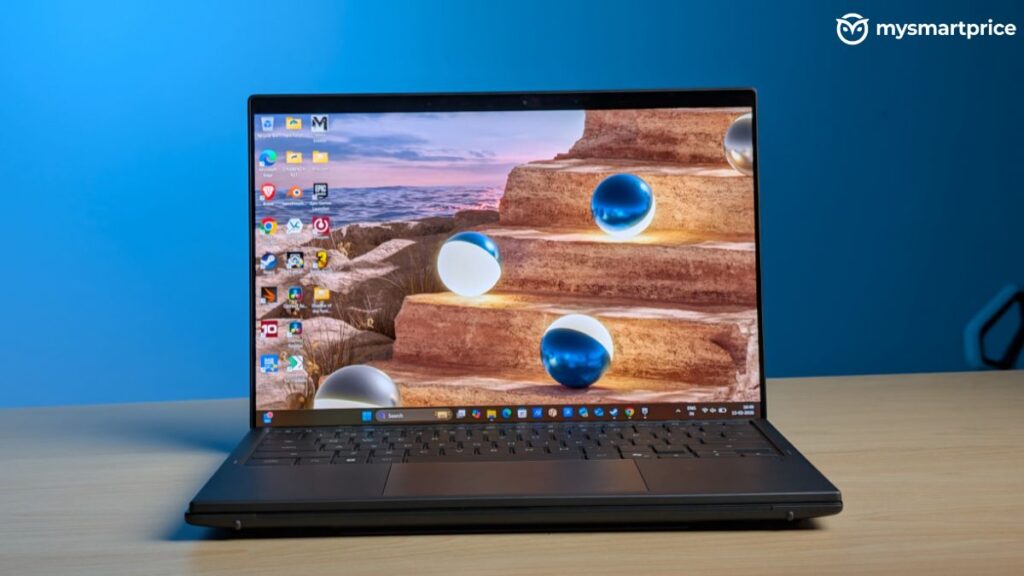
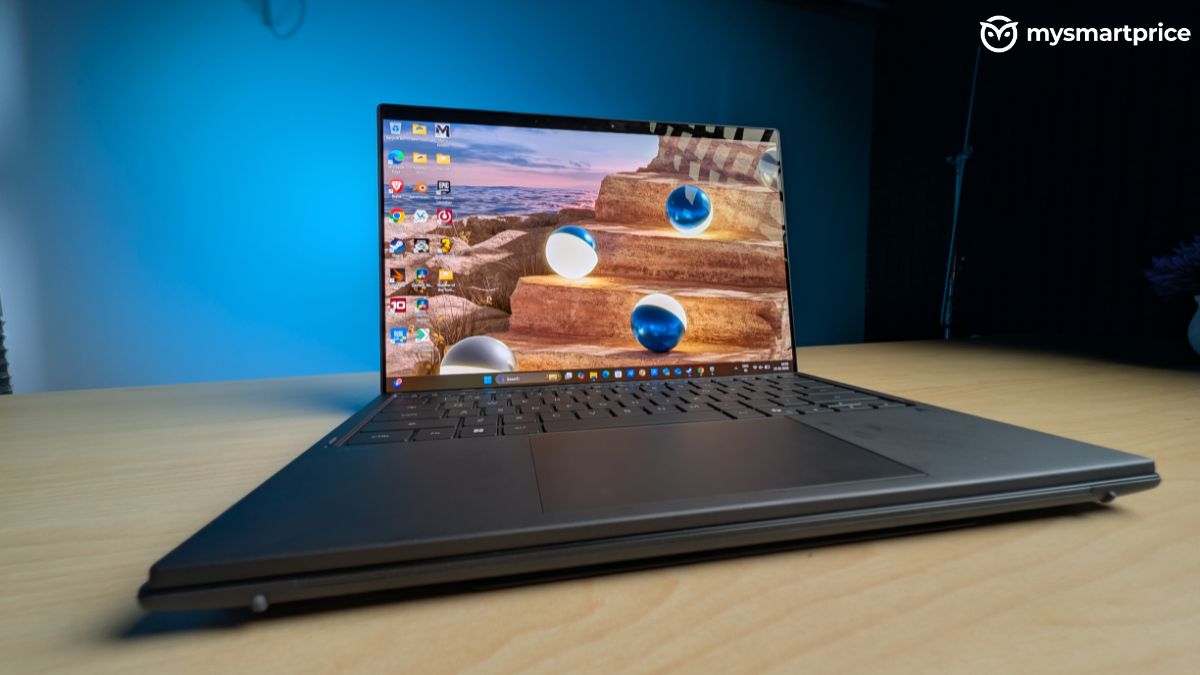
This article focuses on the flagship Intel Core Ultra X9 388H, which pairs a 16-core, 16-thread CPU with the Intel Arc B390 iGPU, making it Intel's most powerful mobile processor to date in terms of integrated graphics. We also briefly discuss the test laptop, noting that while the unit is China-specific, its build, cooling, and thermal behaviour should broadly reflect global Panther Lake designs.
ASUS ZenBook Duo 14 Specifications
Model: ASUS ZenBook Duo 14 (UX8407A, MR sample)
Color: Moher Gray
Display: 14.0-inch (35.6 cm) folded WQXGA+ touchscreen
Processor: Intel Core Ultra X9 388H
RAM: 32GB LPDDR5X (on-board)
Storage: 1TB PCIe Gen 4 SSD
Wireless: Wi-Fi 7 (11BE), Bluetooth
Ports: USB 3.2, 2× Thunderbolt
Operating System: Windows 11 Home
Keyboard: US layout
Battery: 4-cell, 99Wh
Asus ZenBook Duo: Design, build, and connectivity
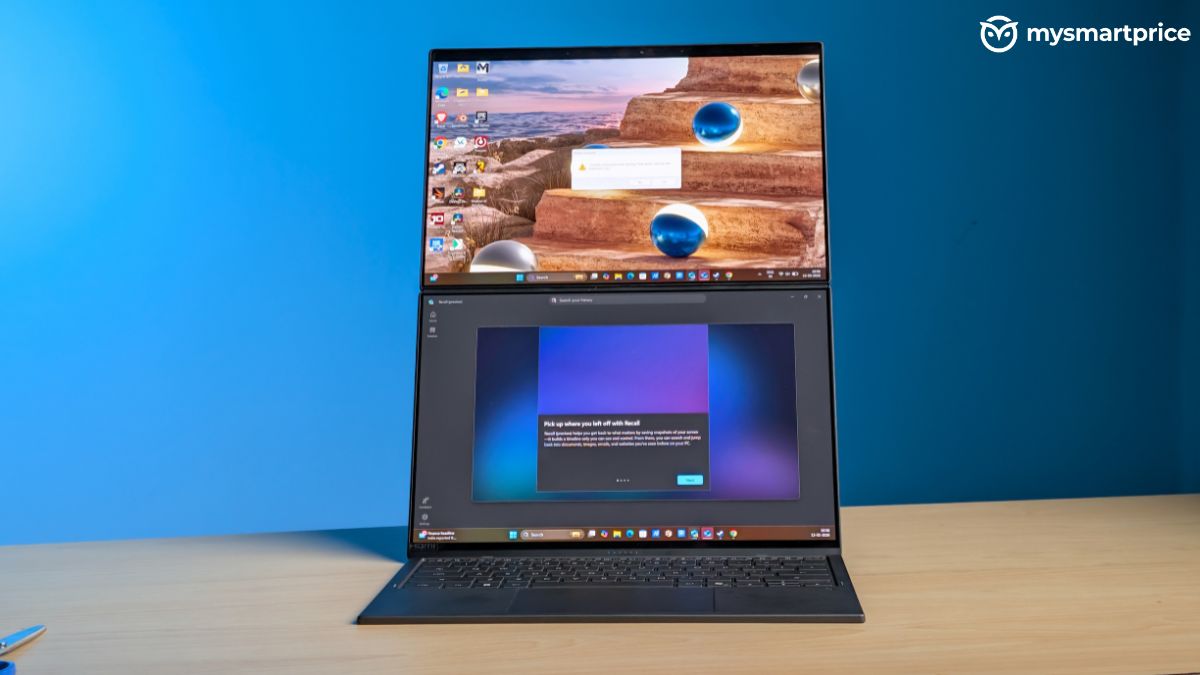
The 2026 Asus ZenBook Duo sees a major refresh, highlighted by a refined dual-screen design with anti-reflective coatings, a 70 percent smaller gap between panels, higher brightness with nearly doubled HDR output, and a smoother 144Hz refresh rate. Asus has also improved the hinge for better stability, upgraded the speakers, and slightly reduced the overall footprint, though final details will be confirmed at launch.
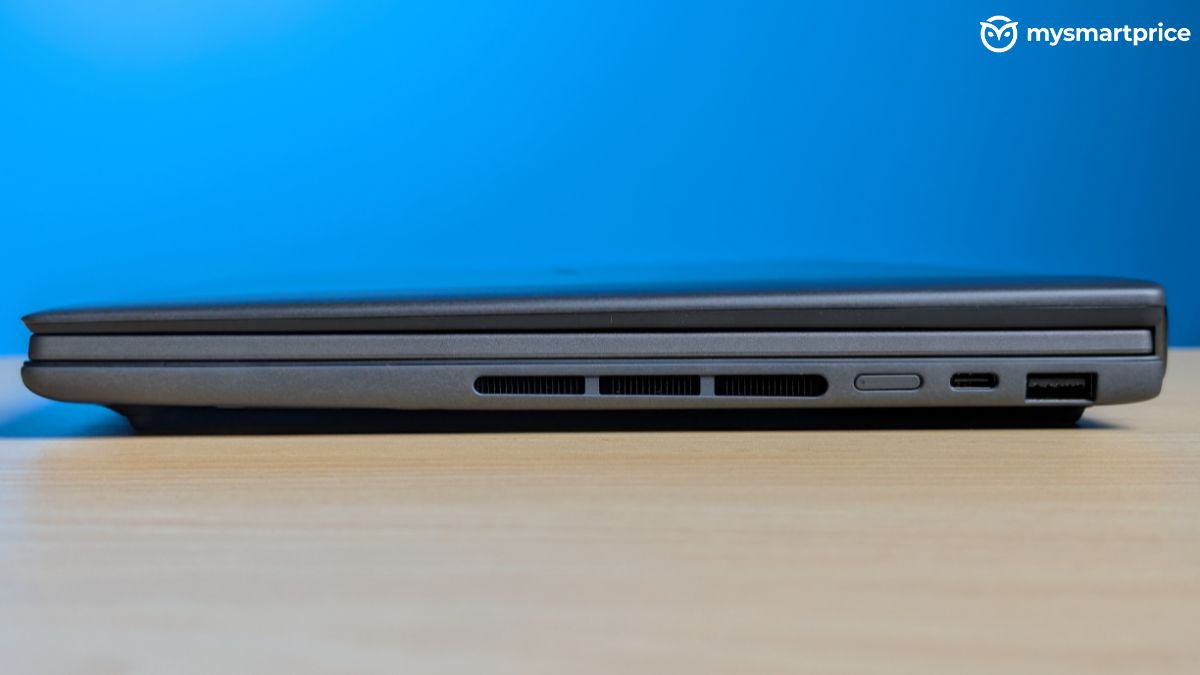
Under the hood, the ZenBook Duo moves to Intel Core Ultra Series 3 (Panther Lake) processors, paired with a revised cooling system and a much larger 99Wh battery, up from 75Wh.
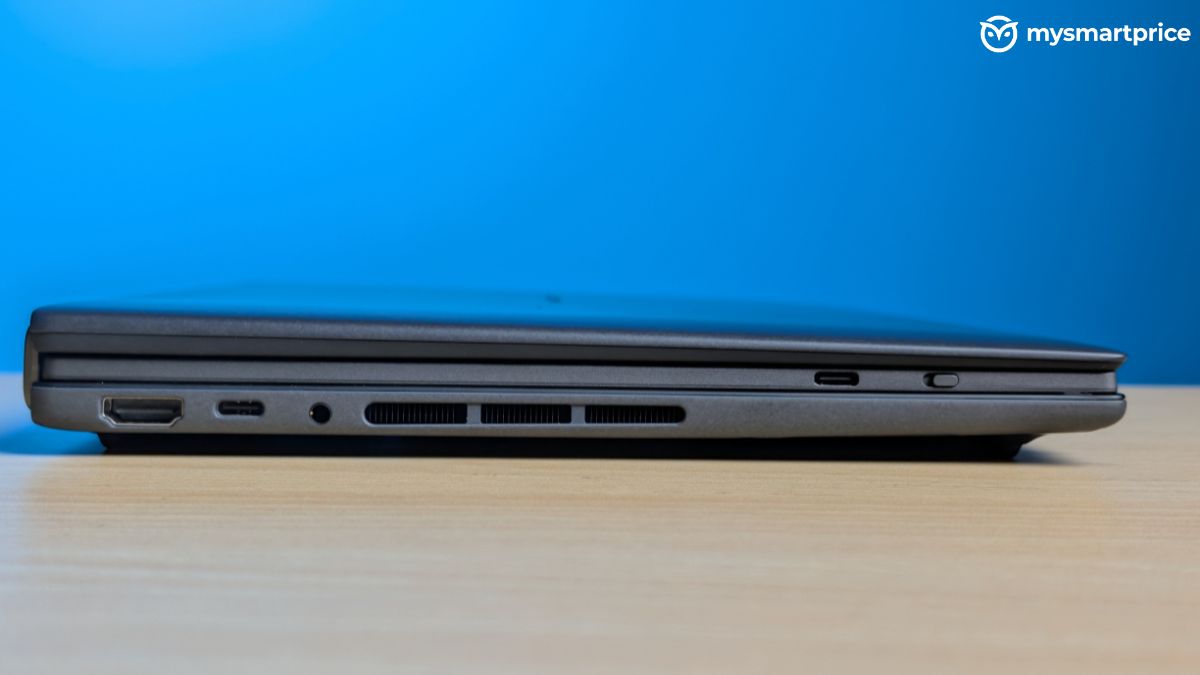
The detachable keyboard remains a standout feature with pogo-pin charging, Bluetooth, and USB-C support, while connectivity is handled by dual USB4 ports, USB-A, HDMI, and a 3.5mm audio jack, including support for fast data, external displays, and eGPUs.
Intel Core Ultra X9 388H: Chip design overview
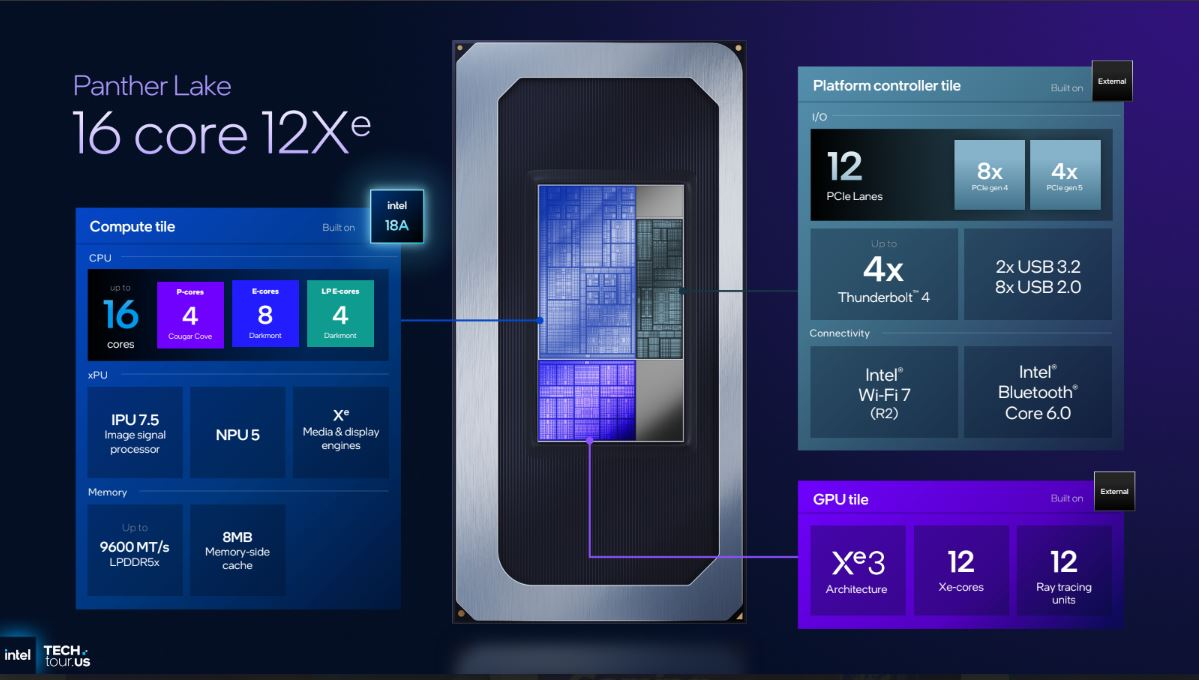
The Intel Core Ultra X9 388H is a high-performance mobile chip built on Intel's Panther Lake-H platform, using the advanced 18A process, comparable to modern 3 nm-class nodes. It adopts a multi-tile design instead of a single monolithic die, with each tile handling a specific function.
This architecture builds on Intel's hybrid-core approach introduced with Alder Lake and refined through Meteor Lake. The main compute tile packs 16 CPU cores across performance, efficiency, and low-power efficiency cores, along with 16 threads and 18 MB of L3 cache. It supports up to 96 GB of LPDDR5X memory at speeds of up to 9600 MT/s and PCIe Gen 5.
Graphics are handled by a dedicated Intel Arc B390 tile with 12 Xe3 cores, hardware ray tracing, and high clock speeds. A separate platform controller tile manages I/O and connectivity, including Thunderbolt, Wi-Fi 7, and Bluetooth, aiming to balance performance and efficiency in modern laptops.
Usability, form factor, and dual-screen workflow
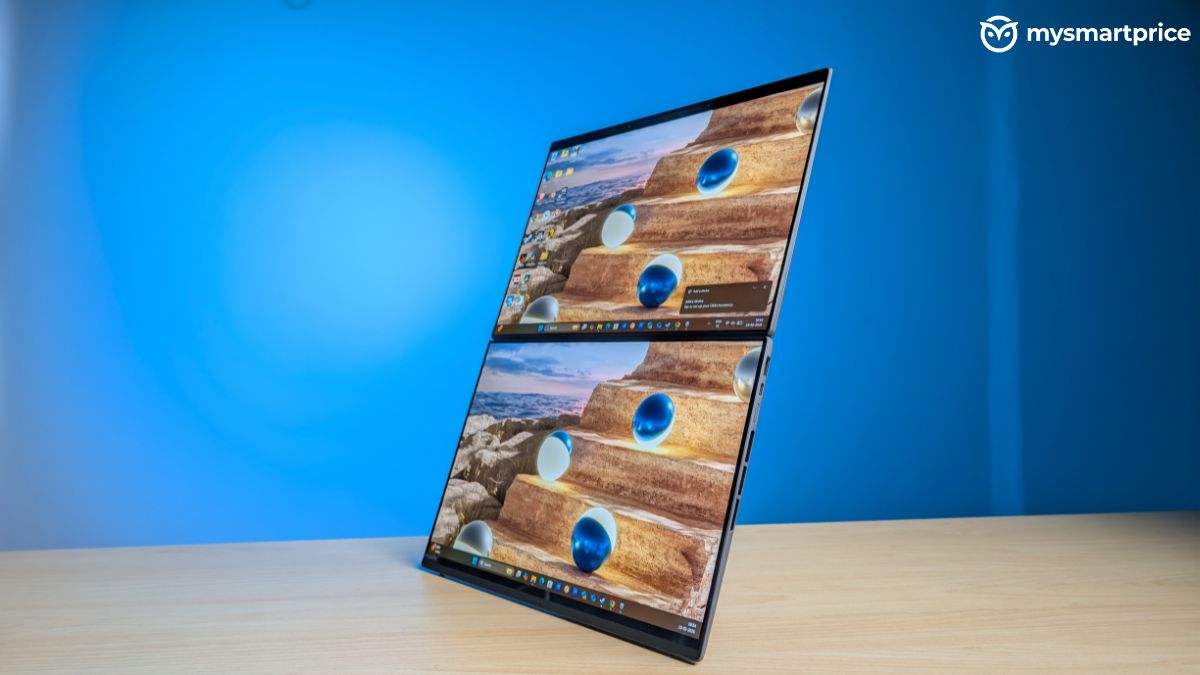
The ZenBook Duo continues to stand out because Asus has clearly refined how the dual-screen setup works in everyday use. The detachable keyboard makes it easy to switch between a traditional laptop layout and a full dual-screen workspace. Once the keyboard is removed, the system instantly switches to an extended display mode, which makes multitasking feel far more natural.
Much of this experience is driven by Asus' ScreenXpert software. Apps can be stretched across both screens, moved between displays with simple gestures, or placed on the lower screen, which can act as a customizable control panel. This panel can show shortcuts, brightness and volume controls, or even function as a virtual keyboard or touchpad. In supported apps like Word or Excel, the lower display can turn into a dedicated tool area, freeing up the main screen for content.
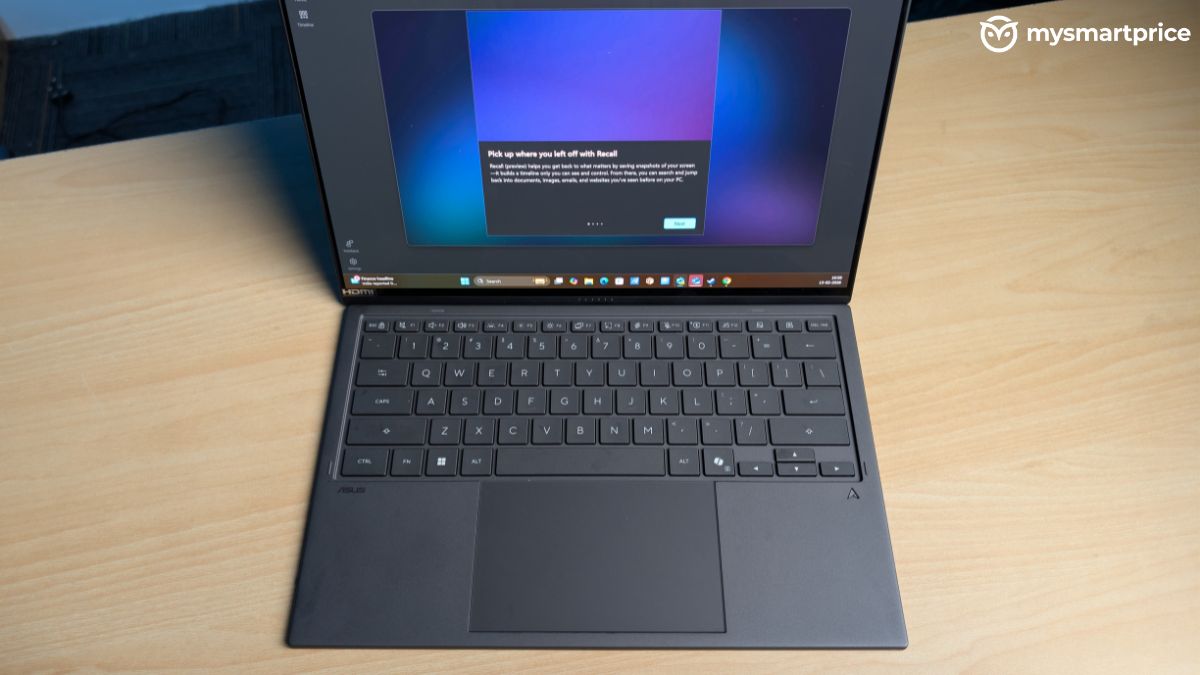
From a design standpoint, Asus has reworked the hinge so the laptop can now fold completely flat, while also reducing the gap between the two displays. The updated aluminium chassis and built-in kickstand add to the overall sturdiness without making the laptop feel bulky. At around 1.65 kg, it remains reasonably portable for a dual-screen machine.
Despite its unconventional layout, the ZenBook Duo still feels familiar when used like a regular laptop. With the keyboard attached, typing and trackpad use feel normal, which helps ease the learning curve. The ability to switch between laptop, dual-screen, and desktop-style modes gives the Duo a level of flexibility that few productivity laptops currently offer.
Intel Core Ultra X9 388H: Benchmarks, thermals, and gaming performance
The Intel Core Ultra X9 388H delivers a clear jump in CPU performance, especially in single-core workloads. In Cinebench R23, it scores 2,018 points, comfortably ahead of the previous Core Ultra 9 258V at around 1,860, and not far off Intel's last-generation HX-class flagship despite operating at much lower power.
Multi-core performance also improves significantly, with the X9 388H scoring around 20,000 points, roughly double that of the Core Ultra 7 258V. While HX-class chips still lead here, the gains within a 45W-class processor are substantial.
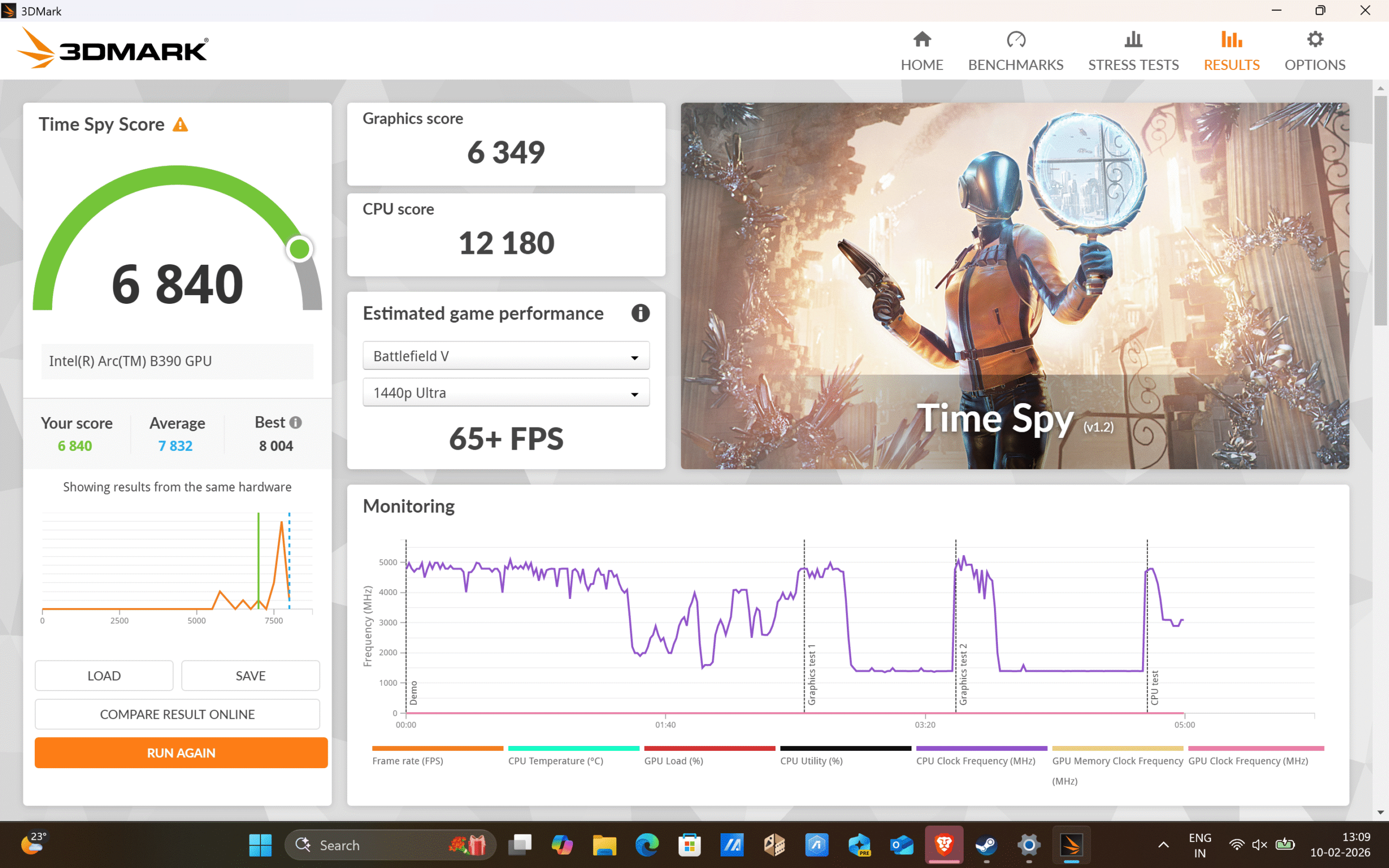
Efficiency is where the chip really stands out. During extended stress testing, total package power stayed between 45 and 53W, with sustained temperatures in the 85–89°C range. Thermal limits are clearly being pushed, and the system did not fully pass the 3DMark Extreme Stress Test, likely due to the slim dual-screen chassis.
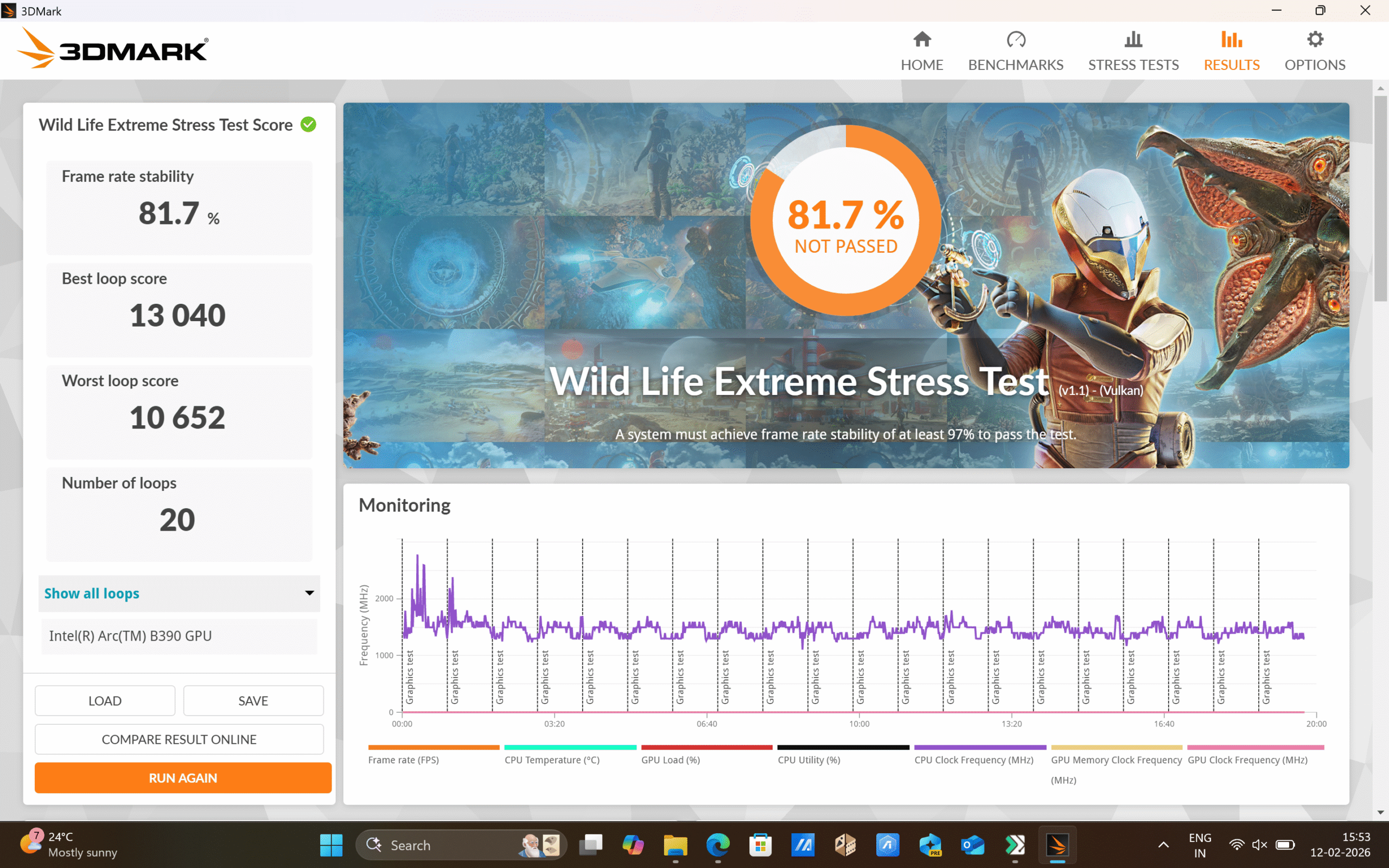
On the graphics side, the integrated Arc GPU scores 6,840 in 3DMark Time Spy. While this sits below RTX 4050 laptops, the gap is smaller than expected given the power difference. In practice, the X9 388H delivers close to entry-level dedicated GPU performance while consuming roughly one-third the power.
In gaming, the advantage is clear. In Forza Horizon 5, the X9 388H pushes beyond 110 FPS at high settings, while in Cyberpunk 2077 it maintains over 80 FPS with upscaling. Compared to similar chips, Panther Lake's flagship consistently comes out on top, even if thermal headroom remains its main constraint.
Asus ZenBook Duo: Display and speakers
The ZenBook Duo's dual OLED displays remain the highlight, offering excellent contrast, accurate colours, and wide gamut coverage for creative work. Brightness reaches around 500 nits in SDR and up to 1,000 nits with the ambient light sensor enabled, though manual control peaks closer to 640 nits.
Audio is also noticeably improved, with a new six-speaker setup delivering louder, fuller, and more immersive sound than previous generations, making the Duo better suited for media consumption.
Intel Core Ultra X9 388H and Asus ZenBook Duo: Verdict
The takeaway with the Intel Core Ultra X9 388H is straightforward. It delivers a clear jump in performance, but it also draws significantly more power. Average CPU consumption rises from around 28W on Lunar Lake to roughly 45–50W here. In return, multi-core performance and gaming results see major gains, with some titles, such as Forza Horizon 5, showing close to a doubling in frame rates.
Thermals are harder to judge in isolation. The chip is clearly being pushed, but the results are closely tied to the ZenBook Duo's slim, dual-screen design, which brings its own cooling limitations. As a result, it is difficult to separate the processor's behaviour from the constraints of the form factor.
As for the Asus ZenBook Duo, it continues to stand apart. With meaningful refinements to usability, displays, and overall design, it remains a genuinely unique dual-screen laptop. For now, there is still no real alternative that offers the same combination of flexibility and productivity-focused innovation.