Anyone who has spent four years on an Indian campus knows the pattern. A phone bought in first year, well-reviewed and well-loved, is typically limping by third: battery fading before the day does, storage warnings mid-exam-season, updates that quietly stopped. It still works. It just can’t be relied on. That is the structural weakness of the sub-₹30,000 segment, optimised for the day of purchase rather than the years after, and it hits hardest those with least room for error: students and first-jobbers, for whom the phone is exam-notes scanner, interview device, your wallet and family video-call line at once.
Samsung’s Galaxy A27 5G is pitched at that problem. This is not a camera review or a benchmark run; it asks what a family debates before the money leaves the account. Is this a sound four-year purchase?
The Case for Keeping It Four Years
The number that defines this phone is six: six years of Android OS upgrades and six years of security patches, from Android 16 and One UI 8.5 through 2032. Where two to four years remains the segment norm, that is unusual enough to change the buying math. A first-year student would still be receiving new Android versions after graduation.
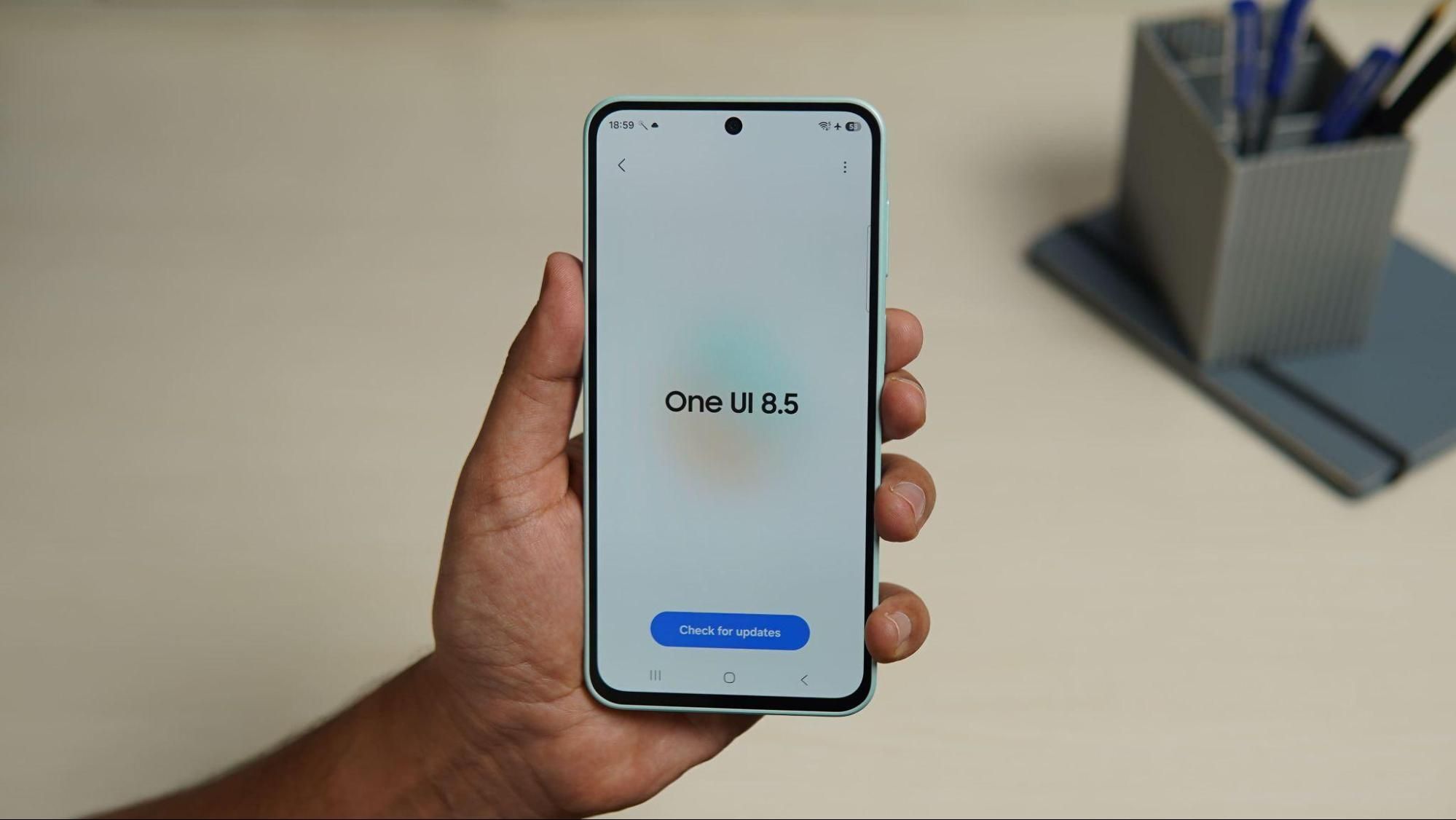
Two qualifications. This is a promise, not a delivery, and Samsung’s mid-range phones have historically received updates months after its flagships. And six years of software only matters if the hardware still feels usable in year five, a bet no reviewer in 2026 can settle. What can be said is that Samsung’s record on honouring these commitments is among the strongest in Android, while most rivals here promise less.
The Galaxy AI Features That Earn Their Keep
A six-year runway is only as valuable as the software on it. The A27 5G runs One UI 8.5, the same platform as Samsung’s premium S series, so features paid for by phones costing three times as much filter down. Not the full Galaxy AI suite: this is a curated selection rather than the flagship experience, and honesty requires saying so.

The standout is Voice Transcription, which turns lectures into searchable text and translates across 22 languages, though Samsung notes an account login is required for some AI features. In an Indian classroom, that means a lecture in Hindi, Tamil or Bengali becomes revisable notes the night before an exam, in a country where millions study in one language and interview in another. Marketed as AI, it works as a study tool. Quick Share and a customisable Quick Panel round out software that compounds over a thousand college days rather than impressing in one. The shared foundation also puts the phone in line for future feature drops, with one caveat: the six-year commitment covers OS and security firmly, while which AI features reach mid-range silicon is decided release by release.
Fast and Efficient Enough, and Where It Isn’t
The Snapdragon 6 Gen 3 is not a flagship chip, and to Samsung’s credit, the company does not pretend otherwise, marketing the phone on reliability rather than power. It is a competent 4nm mid-tier processor, helped by LPDDR5X RAM that holds apps in memory rather than reloading them, and its limits show in sustained gaming where similarly priced rivals offer more. What the 4nm process buys instead is efficiency: with the 5,000mAh battery, a full college day of maps, hotspotting and calls ends with charge to spare.
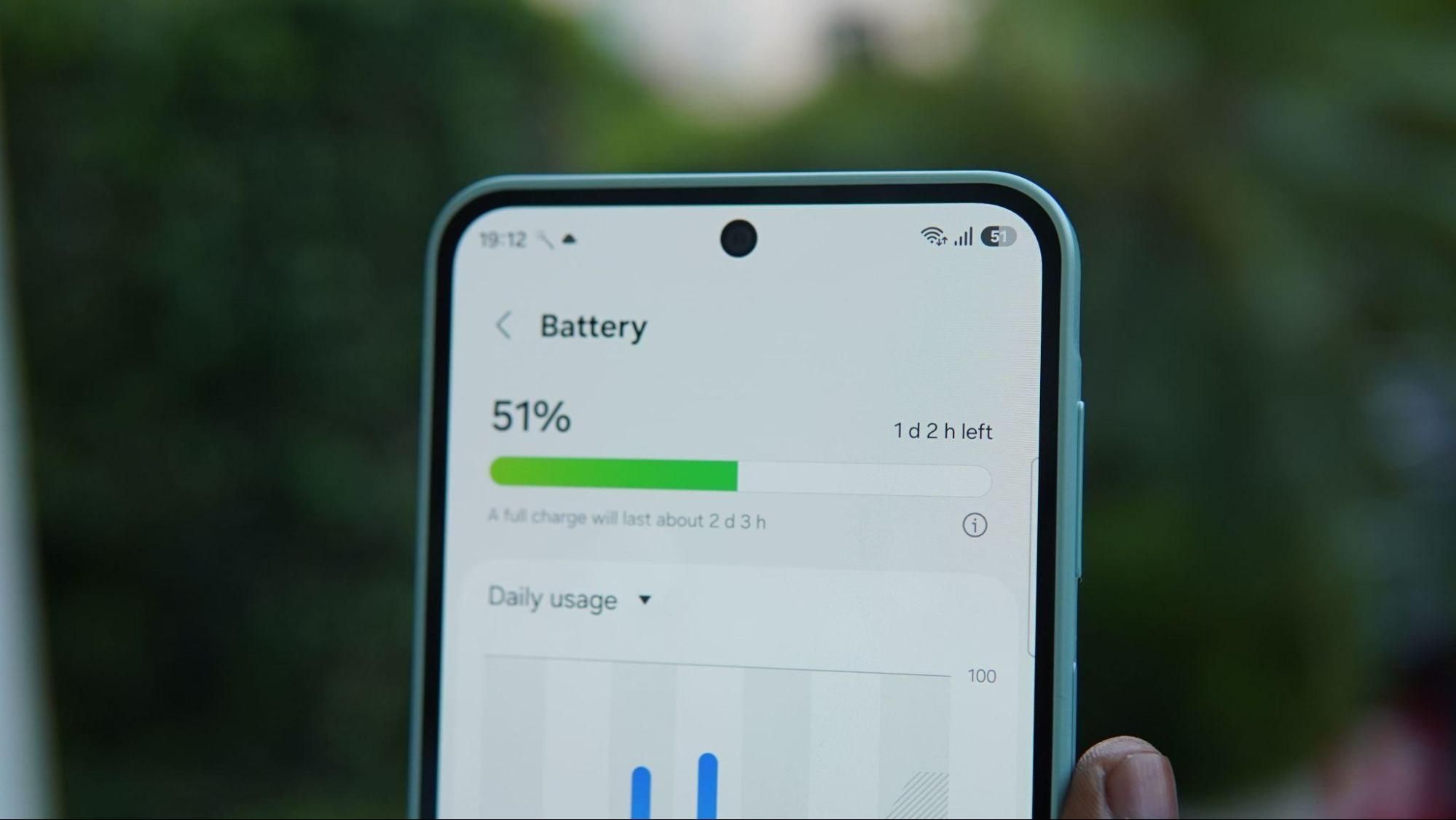
Charging is the clearest compromise. At 25W, about 45 percent in half an hour, the phone sits well behind rivals offering 67W and more. The charitable reading is that gentler charging stresses a battery less over years of cycles; the plainer one is that it is also a cost decision. Both are true.
The 6.7-inch 120Hz FHD+ Super AMOLED display is the easiest part to recommend. Samsung remains the dominant AMOLED panel maker, and Vision Booster adjusts contrast against exactly the glare Indian users live with: a dim lecture hall into afternoon sun, a map at a bus stop in May. For the hours of PDF revision student life involves, it is a clear cut above the LCDs still at this price.
The OIS Camera: A Dependable Daily Tool
The camera on the Samsung Galaxy A27 delivers on areas that matter the most to students. The 50MP main sensor carries optical image stabilisation, which several rivals at this price still omit, and OIS is what helps the unglamorous work: the whiteboard photographed before it is erased, answers scanned for the study group, the video call home on the 12MP front camera. The careful tuning of the image-processing algorithm that balances natural look with the right amount of post processing. All of this comes together along with the clever suite of software that manages editing post capture.
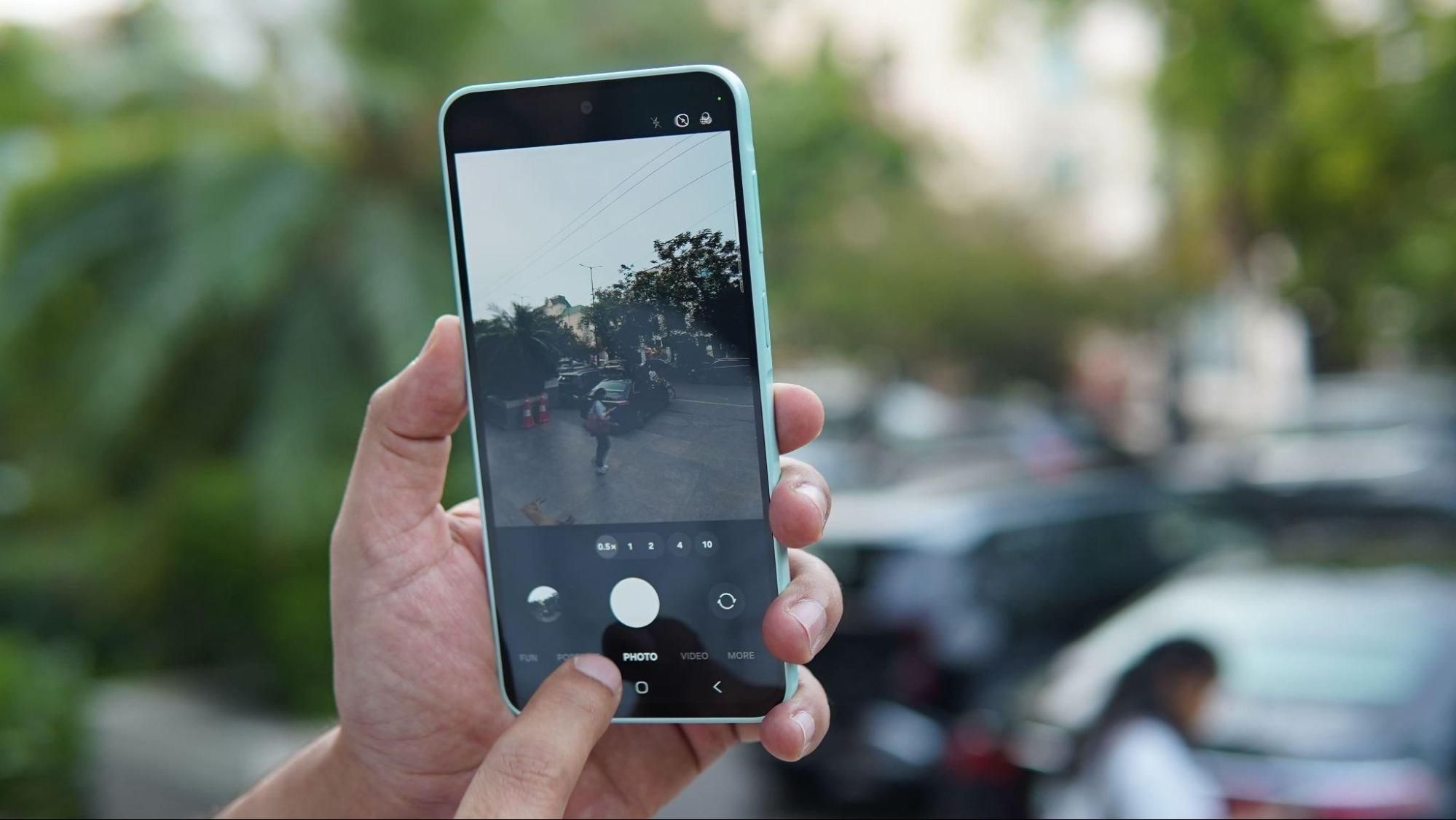
The bottomline; good for the price with the right balance; anyone choosing on photography alone should read our creator-focused assessments first.
Fortified In The Right Areas
Glass here is a financial instrument. An AMOLED screen replacement in this class can approach half the phone’s price, and for a household that budgeted once, a single bad drop is the kind of unplanned expense that ends with a taped-over screen for a semester. The A27 5G carries Corning Gorilla Glass Victus+ front and back, from the family Samsung uses on S-series flagships, rated in Corning’s lab tests to survive drops from up to 2 metres.
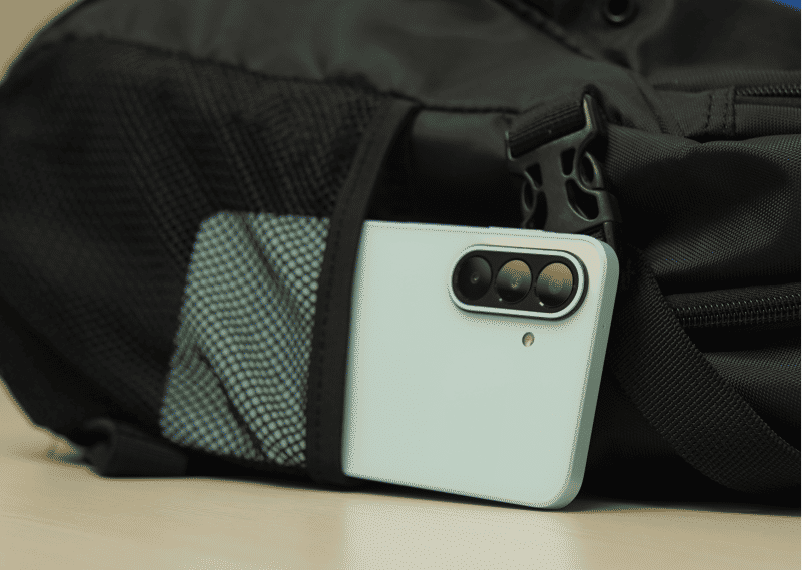
It also means fewer of the scuffs that matter for resale in a country where the old phone funds part of the next one. But the IP64 rating covers splashes only, a step down from the IP67 its own predecessor carried: the one spec where this phone retreats rather than advances.
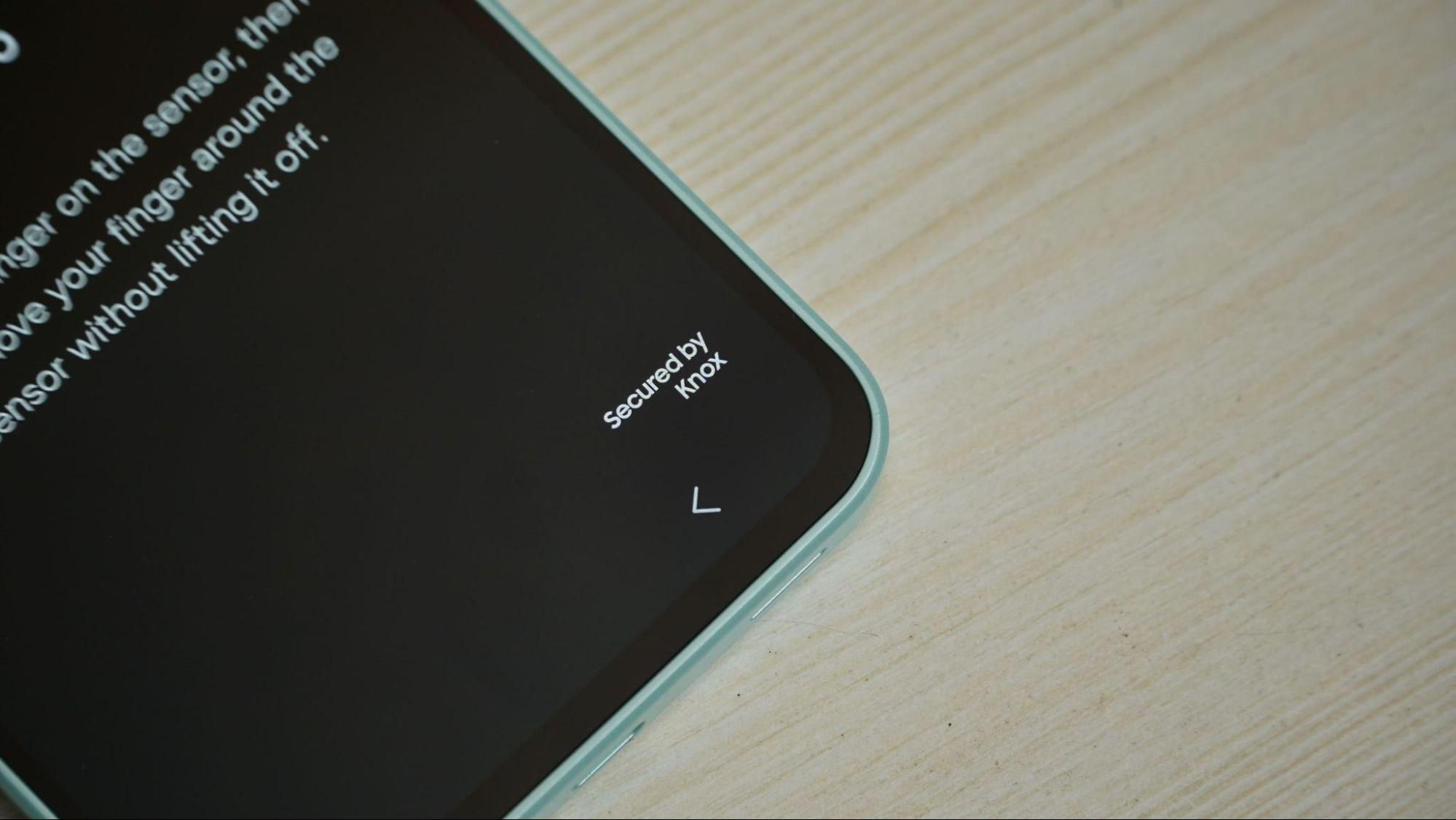
Knox Vault walls PINs, biometrics and credentials off from the main OS in a physically isolated enclave, here carrying EAL5+ certification. An Indian student’s phone holds more of their life than a wallet ever did: UPI at the kirana counter and the metro gate, DigiLocker documents, Aadhaar-linked services, eventually the first salary account. Samsung’s fine print notes the A-series implementation may differ from its flagships, so the fair claim is flagship-grade philosophy rather than identical silicon. Banking apps bring their own security; Knox hardens the foundation beneath them.
2TB Expandable: The Feature That Keeps Paying Back
The A27 5G keeps a hybrid microSD slot supporting up to 2TB, and it is worth being clear-eyed about why the industry dropped the feature elsewhere: without a slot, buyers either pay a premium for storage on day one or pay monthly cloud rent for years, and both suit the seller better than the buyer.

Anyone in final year knows how fast space disappears, between semesters of recorded lectures, scanned notes and datasets for a capstone project that can run into a terabyte. Here that is a one-time card purchase. The catch is the word hybrid: the slot takes a second SIM or a card, not both.
Where It Falls Behind
This is emphatically not a have-it-all device, and Samsung has not tried to build one. The Snapdragon 6 Gen 3 on the Galaxy A27 won’t top the synthetic benchmark race against the gaming-first phones, the rear camera is a practical triple setup rather than a wall of headline sensors, and there is no 100W charging figure to boast of. If your evenings revolve around competitive gaming at maximum settings, performance-first rivals at this price will serve you better, and you should buy one without guilt. The same goes for anyone who wants the phone itself to be the flex.
What Samsung traded that for is the absence of the feeling that actually costs students money: the upgrade itch. Phones built to dazzle in year one are, almost by design, the ones that feel dated in year two, because their identity was a spec beaten six months later. The sacrifice is real: peak performance, charging speed, bragging rights. The return is a phone you stop thinking about.
Should you buy the Samsung Galaxy A27?
Buy it if you are a student or first-jobber, needing a phone that is trustworthy and reliable in the same way over the entire ownership period. The six-year OS update runway, Victus+ on both faces, Knox Vault security and the 2TB storage support aren’t just specs or features. They are the insurance policy that prevents the phone from feeling dated and irrelevant in year three of ownership. The Galaxy A27 5G makes the segment’s most convincing case for a phone designed to be kept rather than replaced.
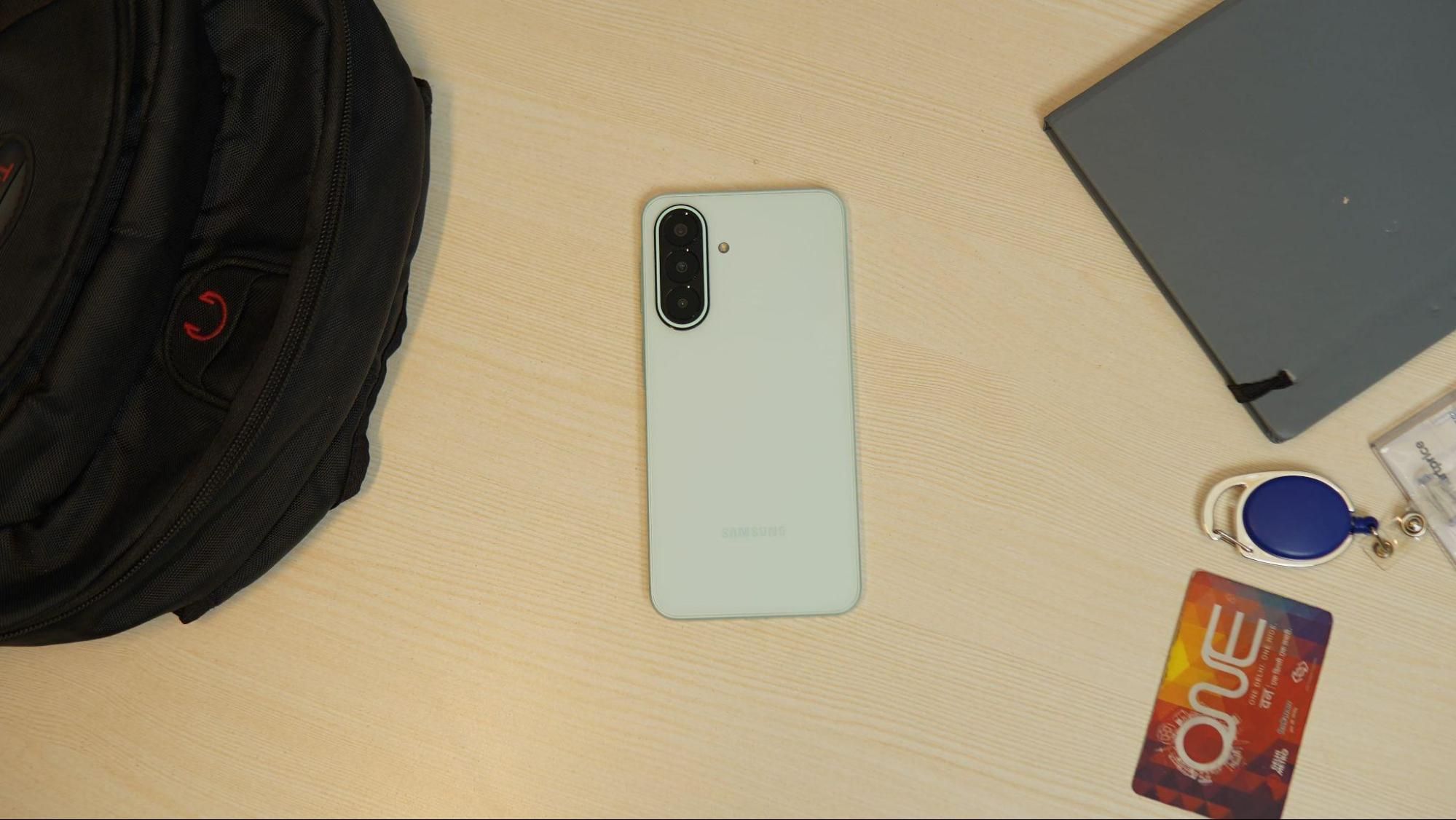
Which is why this is the rare purchase both generations of an Indian household agree on: the student sees a phone that will not age out mid-degree, the parent sees money well spent
If you want the fastest chip or the flashiest spec sheet, look elsewhere and do it happily. This is not a phone aimed only at gamers or pure performance seekers but it is a true all-rounder that will last your college days.
FAQs
How long will the Samsung Galaxy A27 5G receive software updates? Six years of Android OS upgrades and six years of security updates from the date of manufacture, shipping on Android 16 with One UI 8.5, running through 2032. That is among the longest commitments in this segment. Timing may vary; Samsung’s mid-range updates have historically arrived after its flagships.
Is the Samsung Galaxy A27 5G a good phone for college students? For students and families prioritising longevity and total cost of ownership, it is one of the strongest options under ₹30,000: Gorilla Glass Victus+ on both faces, EAL5+ Knox Vault security, a 120Hz AMOLED display, all-day battery, expandable storage and six years of updates. It is a long-term keeper rather than a spec-sheet showpiece.
Who should not buy the Samsung Galaxy A27 5G? Buyers whose priority is peak performance. The Snapdragon 6 Gen 3 favours efficiency over benchmark scores, charging stays at 25W, and protection is IP64 rather than the IP67 its predecessor offered. Serious gamers and buyers who want chart-topping numbers are better served by performance-first rivals in the same price band.
Does it support expandable storage? Yes, up to 2TB via microSD, alongside onboard UFS 3.1 storage. The slot is hybrid, so it takes a second SIM or a memory card, not both.