For years, refrigerators, washing machines, and ovens all looked the same—boxy, white, and purely functional. Today, that's no longer enough. As Indian homes become more expressive, modern, and space-conscious, design has become a make-or-break factor in the large appliance market. Consumers aren't just buying machines; they're buying statement pieces that reflect their lifestyle, personality, and taste.
Appliances as Décor
The shift is most visible in the way kitchens are evolving. Once tucked away, kitchens are now open, social spaces that flow into living rooms and dining areas. In such settings, appliances can't stick out as eyesores; they need to blend seamlessly or stand out stylishly.
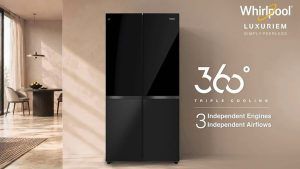
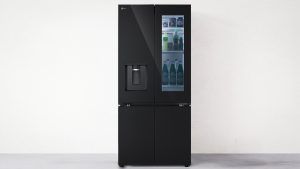
Take LG's Mood Up refrigerator with colour-changing panels. It doesn't just cool food, it sets the mood for the entire kitchen. Whirlpool's Lapis Grande series, inspired by natural stone, is another example of refrigerators doubling up as design centrepieces.
At the premium end, BSH has been shaping this design-first movement. "We are not just responding to the growing trend of design and premiumisation but are shaping it," says Saif Khan, MD and CEO at BSH Home Appliances India. Minimalist exteriors, nature-inspired finishes, and built-in solutions are turning Bosch and Siemens appliances into décor elements rather than machines.
Cultural Heritage Meets Modern Homes
Interestingly, design isn't only about sleekness or minimalism. Indian consumers also want products that connect with tradition. Whirlpool's Kalakriti range of refrigerators taps into this sentiment with motifs inspired by gilded jewellery (Swarna) and intricate embroidery (Karigari). These designs, aimed squarely at the festive season, make appliances more than just machines—they become cultural artefacts within the home.
"Appliances are now expected to uplift the emotional and aesthetic landscape of the modern home," says Nakul Tewari, Vice President – Marketing, Whirlpool of India. His words highlight how design has gone beyond finishes to become a canvas for identity and cultural storytelling.
Smart Meets Sleek
While aesthetics are grabbing attention, functionality hasn't taken a backseat. If anything, the two are becoming inseparable. Urban households, often space-constrained, demand appliances that solve practical pain points while looking good. Whirlpool's 6-in-1 Flexi Max shelves and 10-in-1 Convertible Modes are examples of thoughtful design balancing usability with aesthetics.
BSH is also bringing smart living into the equation. Its Home Connect ecosystem allows consumers to control ovens, dishwashers, or washing machines through a single app. "Indian buyers are far more discerning today. They want appliances that are high-performing, seamlessly designed, and intuitive," Khan notes. The company works with developers, architects, and designers to co-create homes where appliances integrate invisibly, becoming both smart and stylish.
The Premiumisation Wave
The premium segment is where design has become a true differentiator. Sharp, for instance, has doubled down on premium finishes, floral patterns, and compact forms. "It's no longer just about price; it's about aesthetics, finish, and individual preference," says Mimoh Jain, Vice President of Sharp India Appliances.
BSH's ultra-luxury brand Gaggenau goes a step further, turning appliances into architectural elements that virtually vanish into cabinetry. For aspirational Indian buyers (especially during the festive season) these products are as much about lifestyle expression as utility.
Why It Matters
I have been closely monitoring the large appliances space and reviewing these products for over a year now, and one thing is clear: design is no longer an add-on; it's the core of the purchase decision. Indian consumers are willing to pay more for appliances that look good, match their interiors, or express cultural pride. In modular kitchens and premium homes, the refrigerator or oven isn't hidden away; it's often the focal point around which the theme of the kitchen evolves.
Brands that recognise this shift are already working on introducing products that balance design, heritage, and smart functionality. They are setting the tone for the next phase of the Indian appliance market. Performance is still critical, but design has finally taken its rightful place at the table.