India's summer is no longer just a seasonal spike for appliance brands. It is increasingly becoming a trigger for structural shifts in how consumers buy cooling products. As heatwaves arrive earlier and last longer, the market is seeing not just higher demand, but a noticeable upgrade cycle playing out across categories.
This shift is beginning to reflect in early 2026 performance indicators. According to Saif Khan, Managing Director and CEO at BSH Home Appliances, the company recorded strong double-digit volume growth in its cooling segment in the first quarter, with its top-freezer category posting close to 50 percent year-on-year growth. The company says this is not being treated as a short-term seasonal bump, but as a longer-term category expansion opportunity.
Premiumisation Picks Up as Cooling Becomes Essential
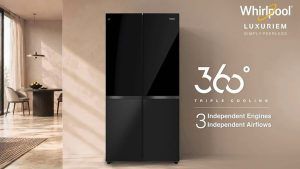
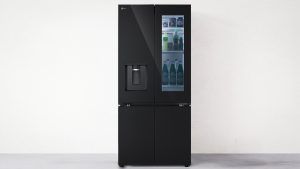
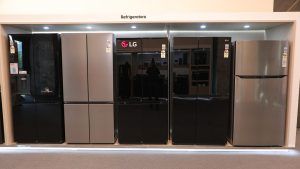
What stands out this season is the nature of demand. Consumers are not just replacing older appliances. They are upgrading. Higher-capacity refrigerators, frost-free inverter models, and multi-door formats such as side-by-side and cross-door units are seeing increased traction. This aligns with a broader premiumisation trend that has been building over the past few years but is now being accelerated by extreme weather conditions.
The logic is straightforward. As temperatures push beyond comfort thresholds, cooling appliances are moving from discretionary purchases to essential infrastructure inside homes. In that transition, factors such as energy efficiency, storage capacity, and consistent cooling performance are becoming more important than upfront cost alone. This is also driving interest in inverter-based systems that promise lower long-term power consumption, even if the initial investment is higher.
At the same time, the market is not moving in one direction alone. While premium formats are gaining momentum, mass categories such as top freezers and single-door refrigerators continue to see steady demand, particularly in non-metro markets. The result is a dual-speed market where premiumisation coexists with volume growth in more accessible segments.
Demand Surges Meet Price Pressures
Retail signals suggest that this demand is also becoming more unpredictable. Appliance sales are increasingly tied to sudden temperature spikes rather than traditional summer timelines. This has already led to early demand bursts in parts of the country, with northern markets expected to see sharper acceleration as peak summer sets in.
However, this demand surge is playing out against a backdrop of rising costs. Brands are navigating input cost pressures linked to global supply chains and currency movements, which have already resulted in calibrated price increases from April. For consumers, this creates a narrow window where delaying a purchase could mean paying more, even as the need for cooling becomes more urgent.
For brands like Bosch and Siemens, both part of the BSH portfolio, the strategy is increasingly centred on localisation and portfolio expansion. The focus is on offering India-specific configurations across price points, while pushing higher-capacity and energy-efficient formats that align with evolving usage patterns.
The larger takeaway is that cooling is no longer just a summer category. It is becoming a year-round consideration shaped by climate volatility, energy costs, and changing household expectations. For consumers, that means the decision is less about whether to upgrade, and more about when and how much to invest.