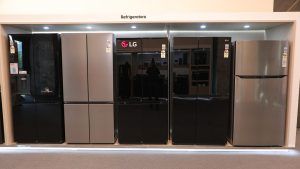
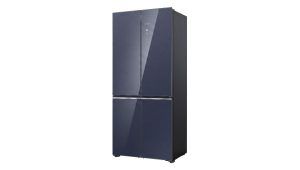
Samsung has expanded its Bespoke AI refrigerator lineup in India with new top-mount freezer models under 300 litres. The move brings smart connectivity and AI-led energy management to a segment that has traditionally been driven by price and basic functionality.
AI For The Masses
The new range includes 236L and 256L models with Wi-Fi connectivity and SmartThings integration. This marks a shift where connected features are no longer limited to premium refrigerators.
Samsung is positioning these models as accessible smart appliances, aiming to bring app-based control and monitoring to everyday households.
Useful Smart Features Over Complexity
AI Energy Mode is the key feature here. It analyses usage patterns and helps reduce power consumption by up to 10 percent. Users can also track electricity usage over time through SmartThings Energy.
This reflects a broader industry trend where energy transparency is becoming a major decision factor for buyers.
The refrigerators offer practical features such as door-open alerts, performance monitoring through SmartThings Home Care, and software updates via Smart Forward. These are designed to improve reliability and reduce maintenance issues over time.
Design and Flexibility Continue to Matter
Samsung continues with its Bespoke flat-door design, which aligns with modern kitchen aesthetics. Select models also offer convertible storage, allowing users to switch freezer space into fridge space when required.
Cooling is handled through All Around Cooling, along with Power Cool and Power Freeze functions for quick chilling.
Pricing and Availability
The new Bespoke AI top-mount freezer refrigerators start at ₹26,090 and are available across retail stores and online platforms.
What This Means for Buyers
Samsung's latest refrigerator range focuses on making everyday usage more efficient rather than adding complex AI features.
If you are upgrading from a basic refrigerator, features like energy tracking, remote control, and better cooling consistency will make a noticeable difference. However, buyers should evaluate whether smart features add real value to their usage before paying a premium.