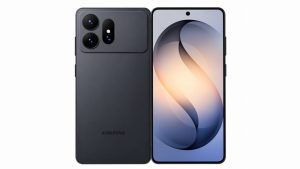
At first glance, the Motorola Signature and Vivo X200T feel like two phones chasing the same flagship buyer, who doesn’t want to spend more than Rs 60,000. Both offer premium design, powerful chipsets, triple 50MP cameras, fast charging, and top-tier displays. But spend some real time using them, and it becomes clear that these phones are built on very different philosophies.
This comparison is not about which phone is better; some of you will like Motorola, and some will go with Vivo. It's about how those high-end specs translate into daily usage, and which phone makes more sense depending on person-to-person.
Design: 1 Point to Motorola!
Modern smartphones have reached a point where "good design" is no longer rare. Most phones today look premium and feel solid. But the Motorola Signature manages to stand out even in this crowded space.
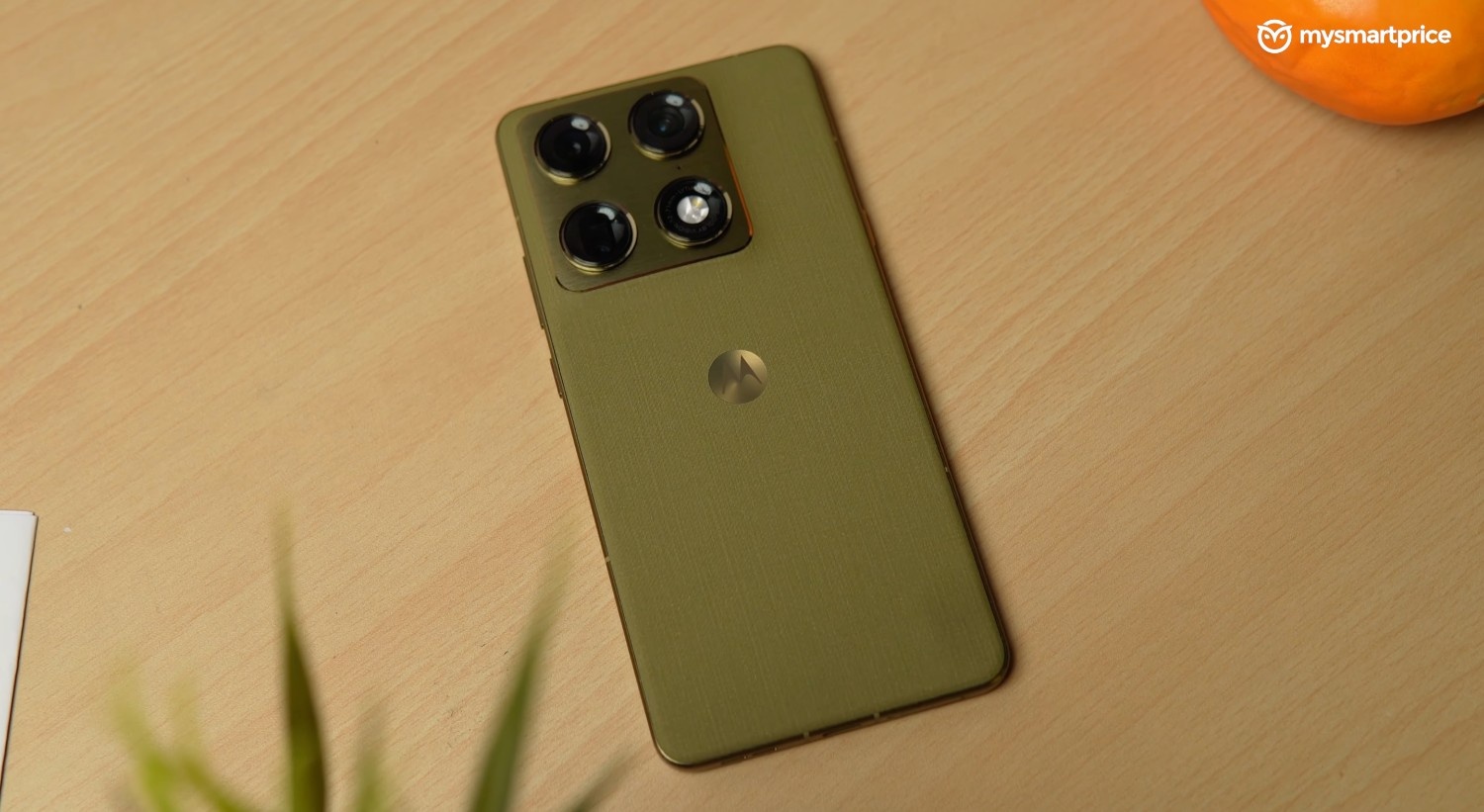
At its price point, the Motorola Signature delivers one of the best fit-and-finish experiences available. The phone is slim, lightweight, and features a quad-curved display that seamlessly blends into the frame. The back panel has a soft-touch finish that feels excellent in the hand and genuinely elevates the everyday experience.
The Vivo X200T takes a different approach, but not so different from other phones in the segment. It follows the same design language that every brand (except Motorola) has been following for their upper mid-range and flagship phones.
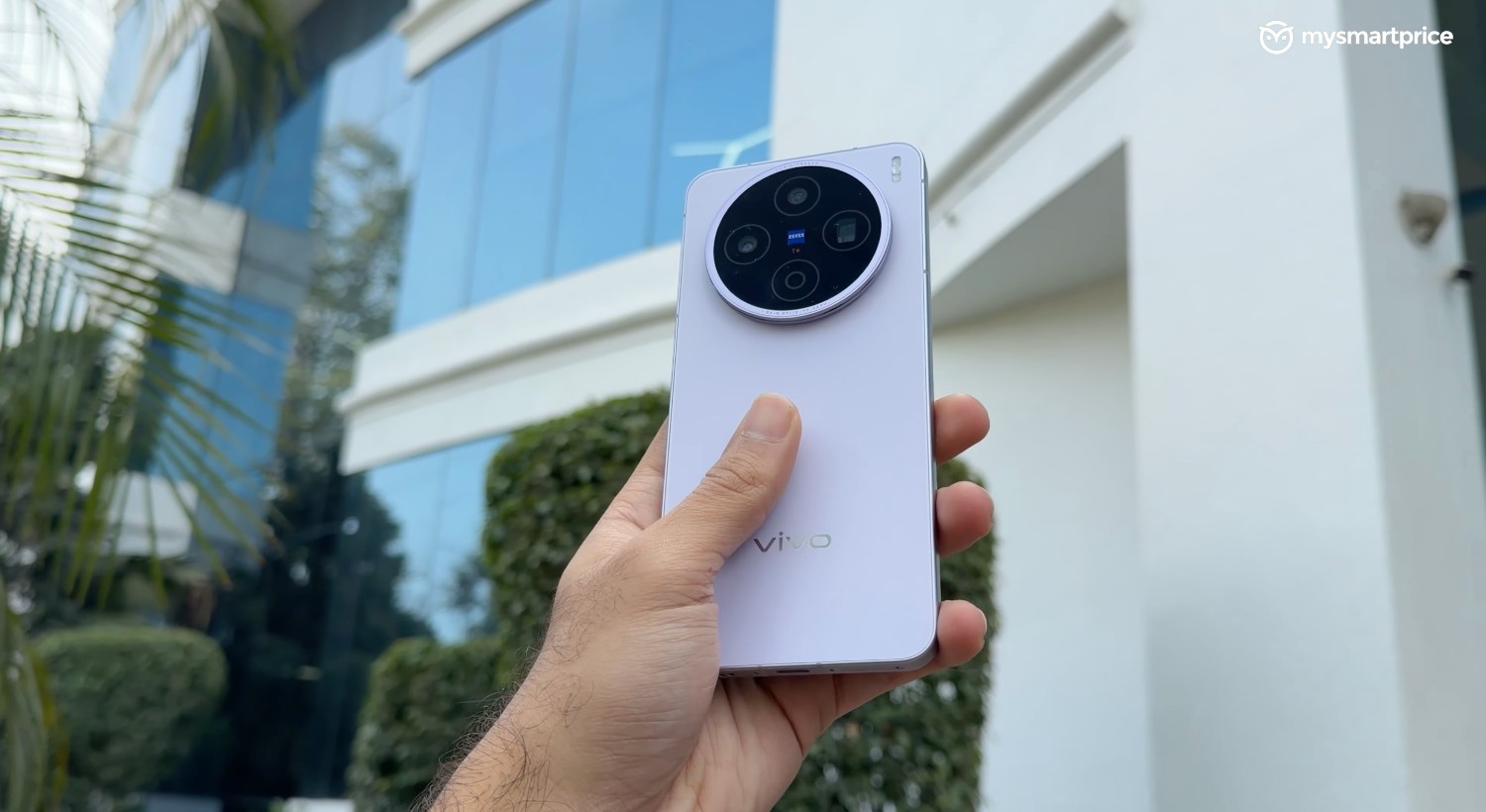
Its design is boxy and flat, yet more restrained and understated, maintaining the familiar Vivo X-series identity. The boxy shape, metallic frame, and bold construction give it a serious, no-nonsense appearance. While it doesn't grab attention the way the Motorola does, it carries a sense of quiet confidence and durability.
Both phones are well protected. The Signature uses Gorilla Glass Victus 2, while the X200T opts for Schott Xensation glass. Both devices are IP68/69-rated for dust and water resistance. However, Motorola goes a step further with MIL-STD-810H military-grade certification, adding an extra layer of reassurance.
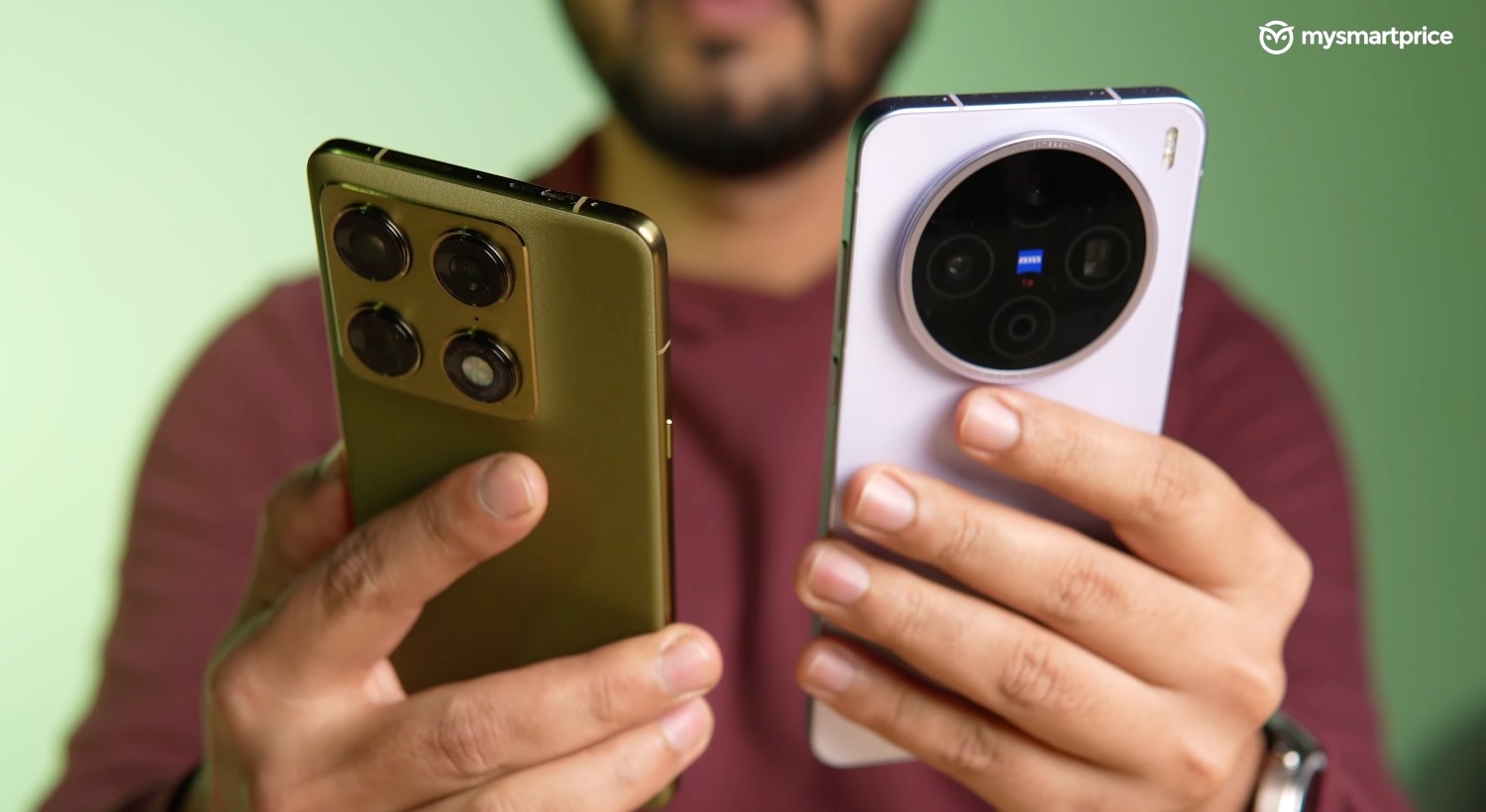
Design verdict: If design, in-hand feel, and durability matter most to you, the Motorola Signature clearly has the edge.
Display and Multimedia
On paper, the displays are quite similar. Both phones use AMOLED panels with 1.5K resolution and HDR10+ support. The main difference lies in refresh rates: 165Hz on the Motorola Signature and 120Hz on the Vivo X200T.
In real-world use, the differences become more apparent. The Vivo X200T has a noticeably brighter display, which helps colours pop and improves visibility outdoors. Its panel also appears slightly sharper and more detailed, especially when viewing high-resolution content.
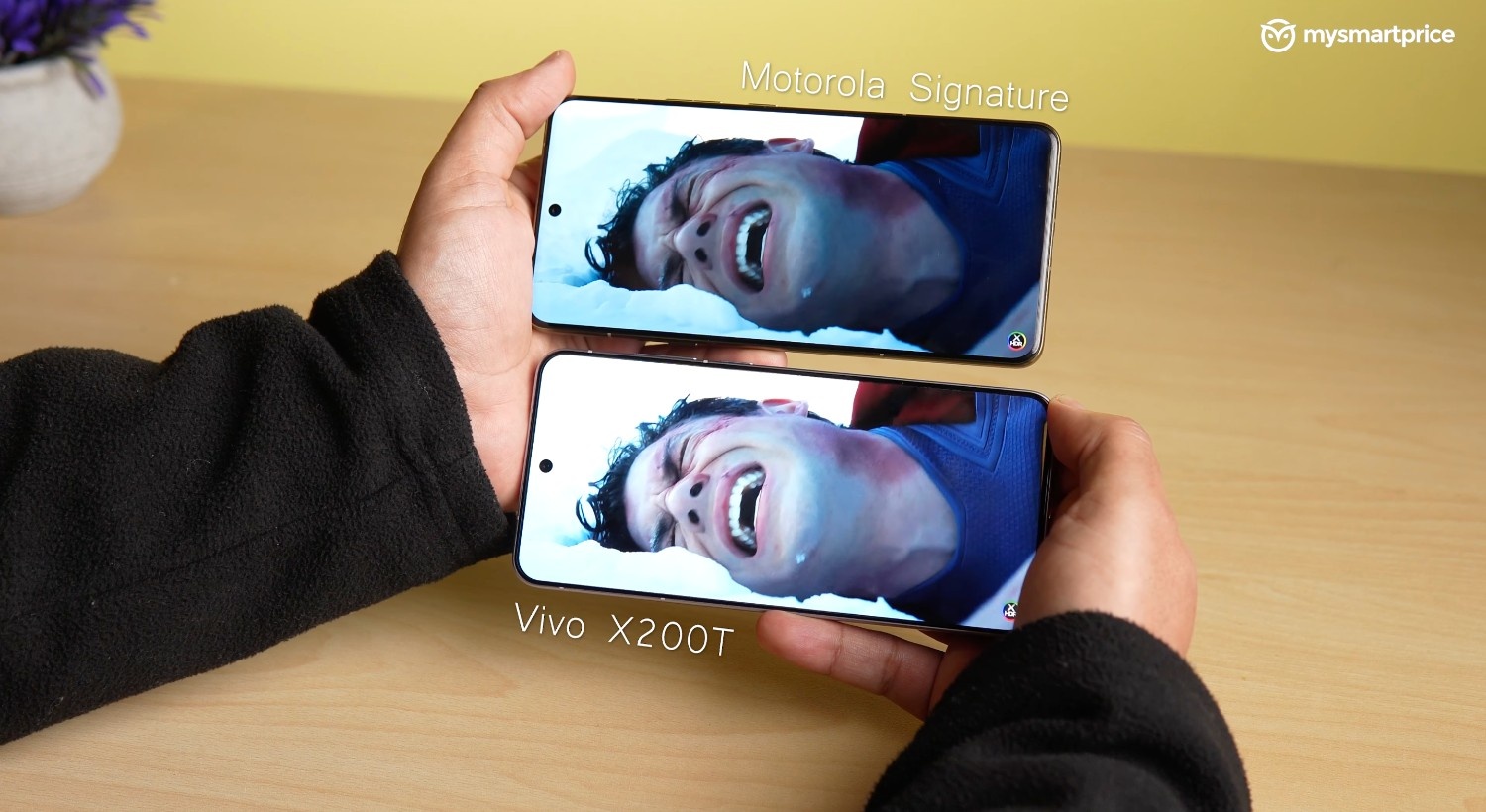
That said, when watching darker scenes or HDR content, both phones perform equally well, with good contrast and controlled highlights.
Where the Signature pulls ahead is in immersion. The quad-curved display, ultra-thin bezels, and better-tuned stereo speakers make watching videos and consuming content more enjoyable. The visuals feel expansive and uninterrupted, which creates a more cinematic experience compared to the flatter, more conventional display on the Vivo X200T.
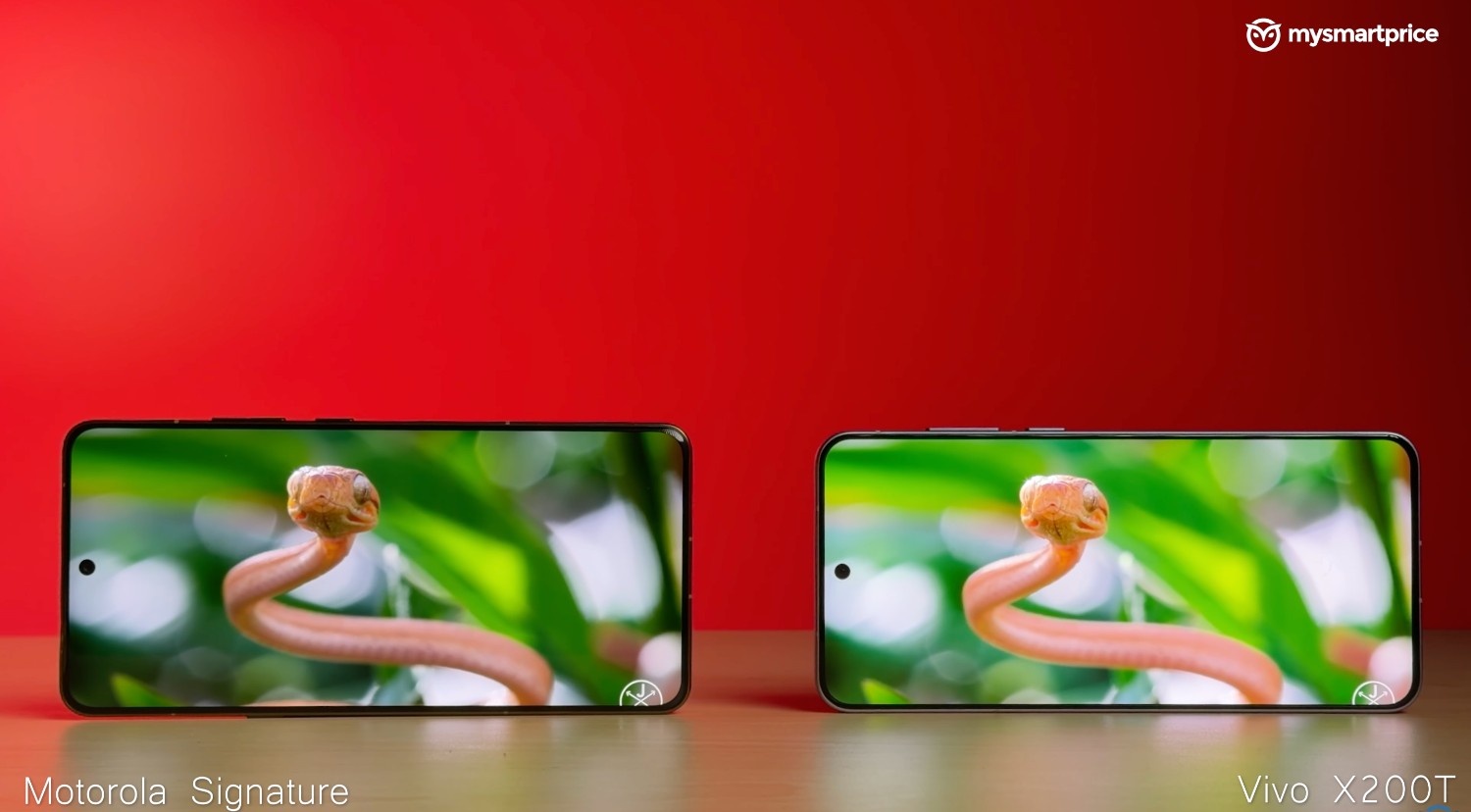
Display verdict: For brightness and sharpness, the Vivo X200T wins. For immersion and multimedia enjoyment, the Motorola Signature feels more engaging.
Performance
If you want to know about their raw performance, this gets interesting. The Motorola Signature is powered by the Snapdragon 8 Gen 5, while the Vivo X200T runs on the MediaTek Dimensity 9400+. This also makes the comparison a classic Qualcomm vs MediaTek matchup.
In raw performance and benchmark scores, the Motorola Signature clearly leads. It is undeniably more powerful on paper. However, its slim design comes with a trade-off: heat management. During extended gaming or heavy usage, the Motorola Signature tends to retain heat, which leads to performance throttling over time.
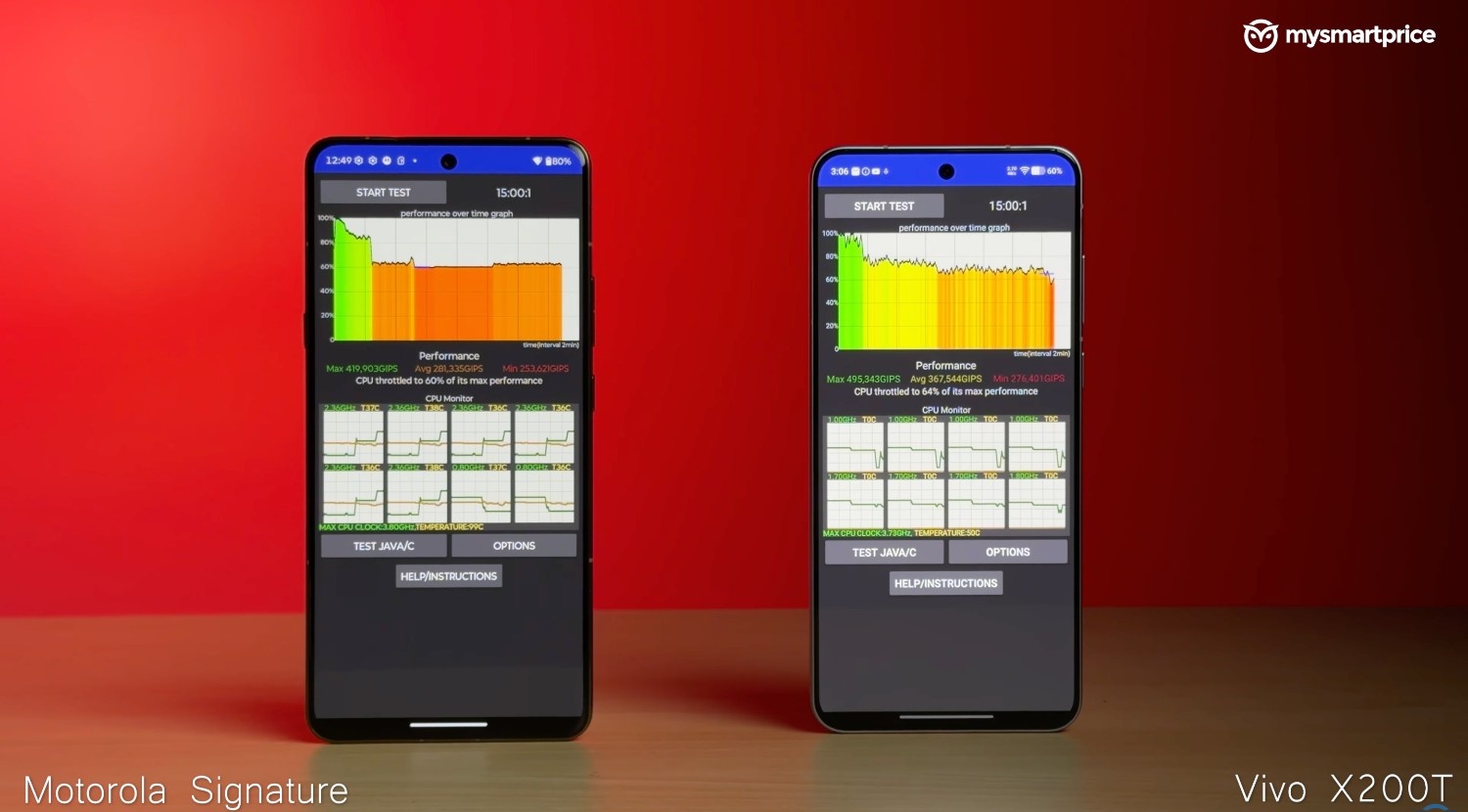
The Vivo X200T also heats up under load, but it cools down faster and maintains more stable performance during longer sessions.
This difference was especially noticeable during gaming tests. Both phones support BGMI at 120 FPS and deliver smooth gameplay initially. A single match runs flawlessly on both devices. However, during extended sessions of four to five consecutive matches, the Vivo X200T maintains better frame consistency.
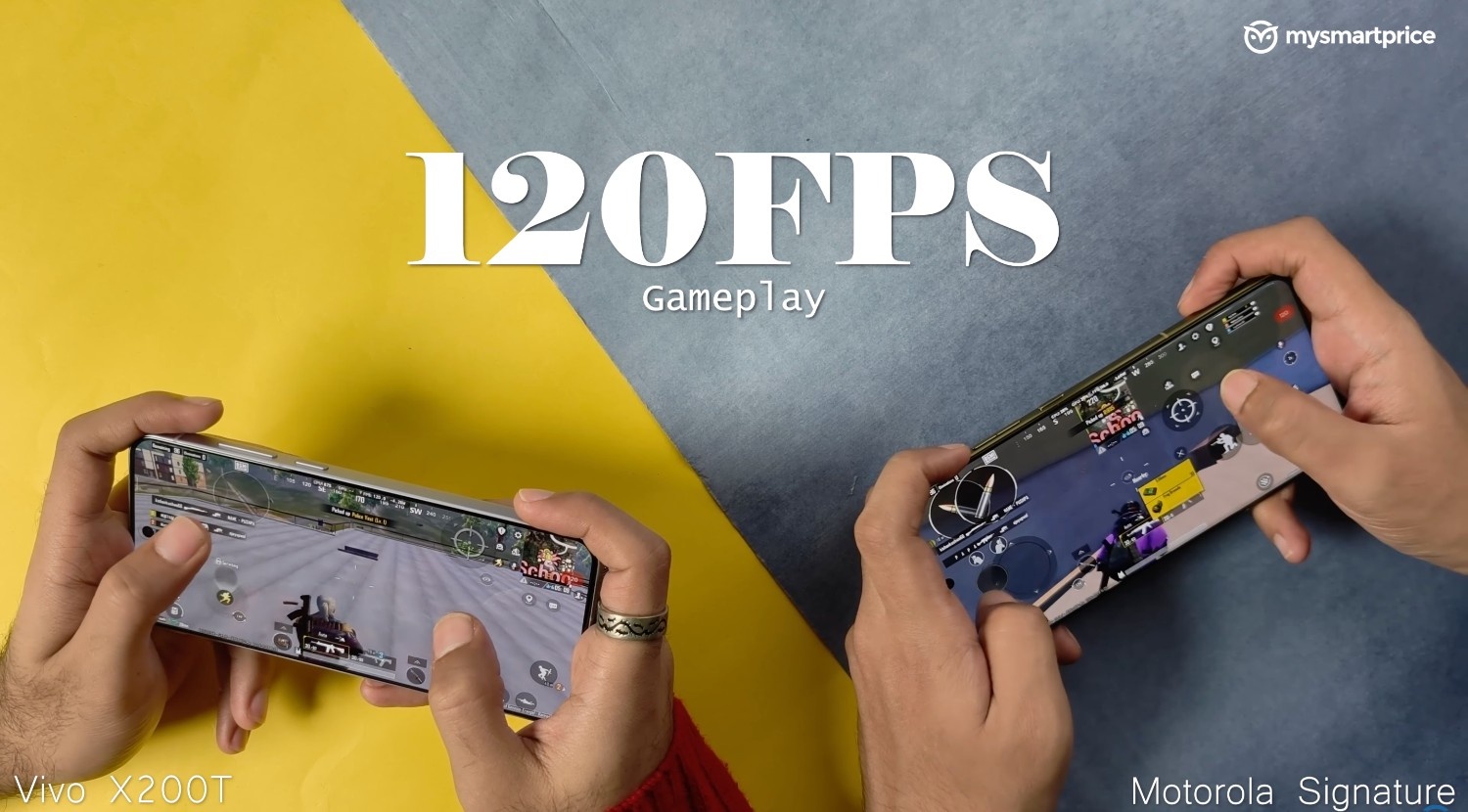
Similar results were observed in graphically demanding games like Wuthering Waves, where Vivo delivered more stable performance over time.
Performance verdict: For short bursts of peak performance, the Motorola Signature is faster. For long gaming sessions and sustained workloads, the Vivo X200T is more reliable.
Camera
For photography, both smartphones come equipped with a triple 50MP camera setup on the back, including a periscope telephoto lens. On paper, they appear evenly matched. In practice, their camera tuning tells a different story.
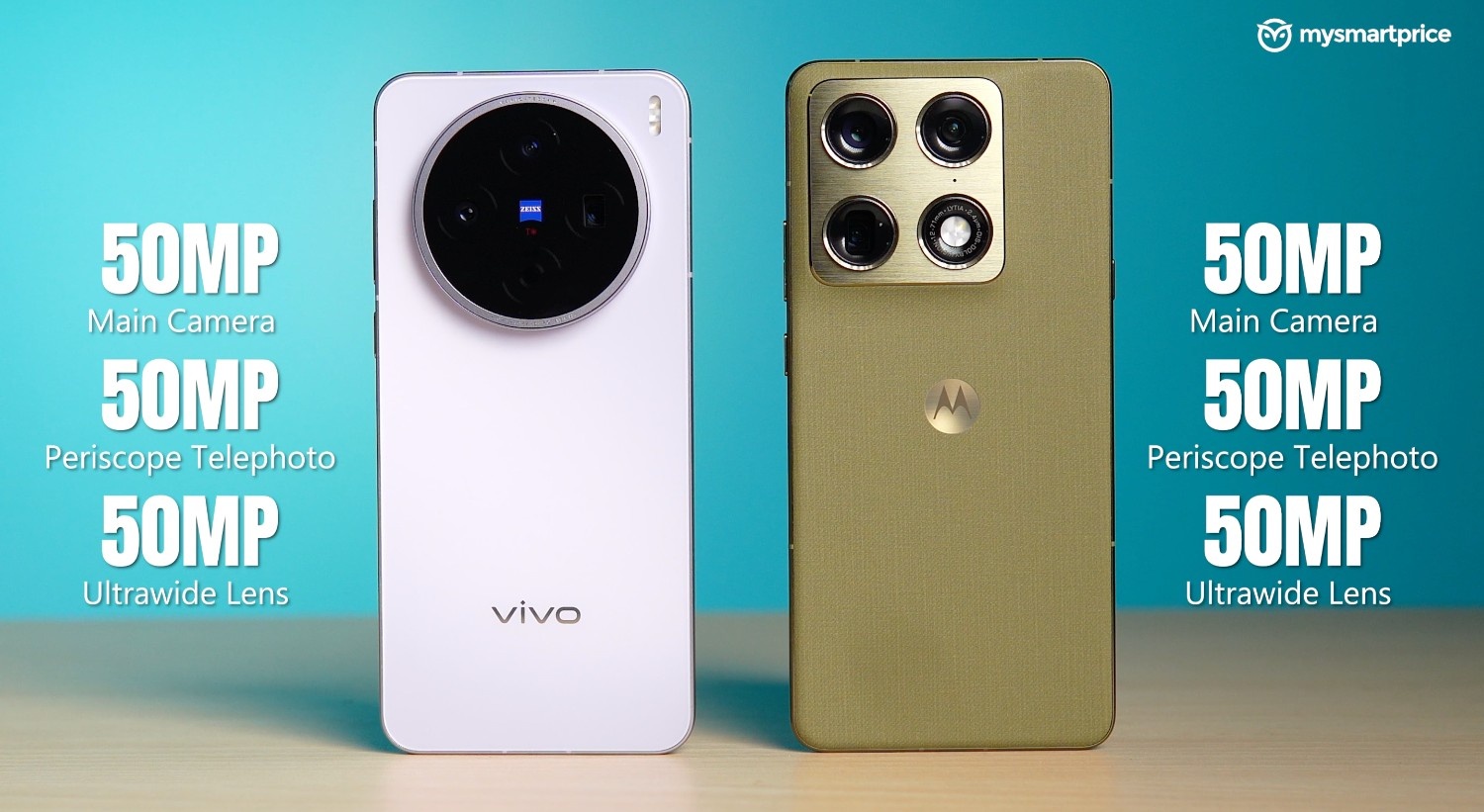
The Vivo X200T's camera system is clearly better optimised. Photos show better shadow retention, more natural colours, and sharper details. Motorola tends to oversaturate colours slightly, and some images, especially in challenging lighting, appear hazy.
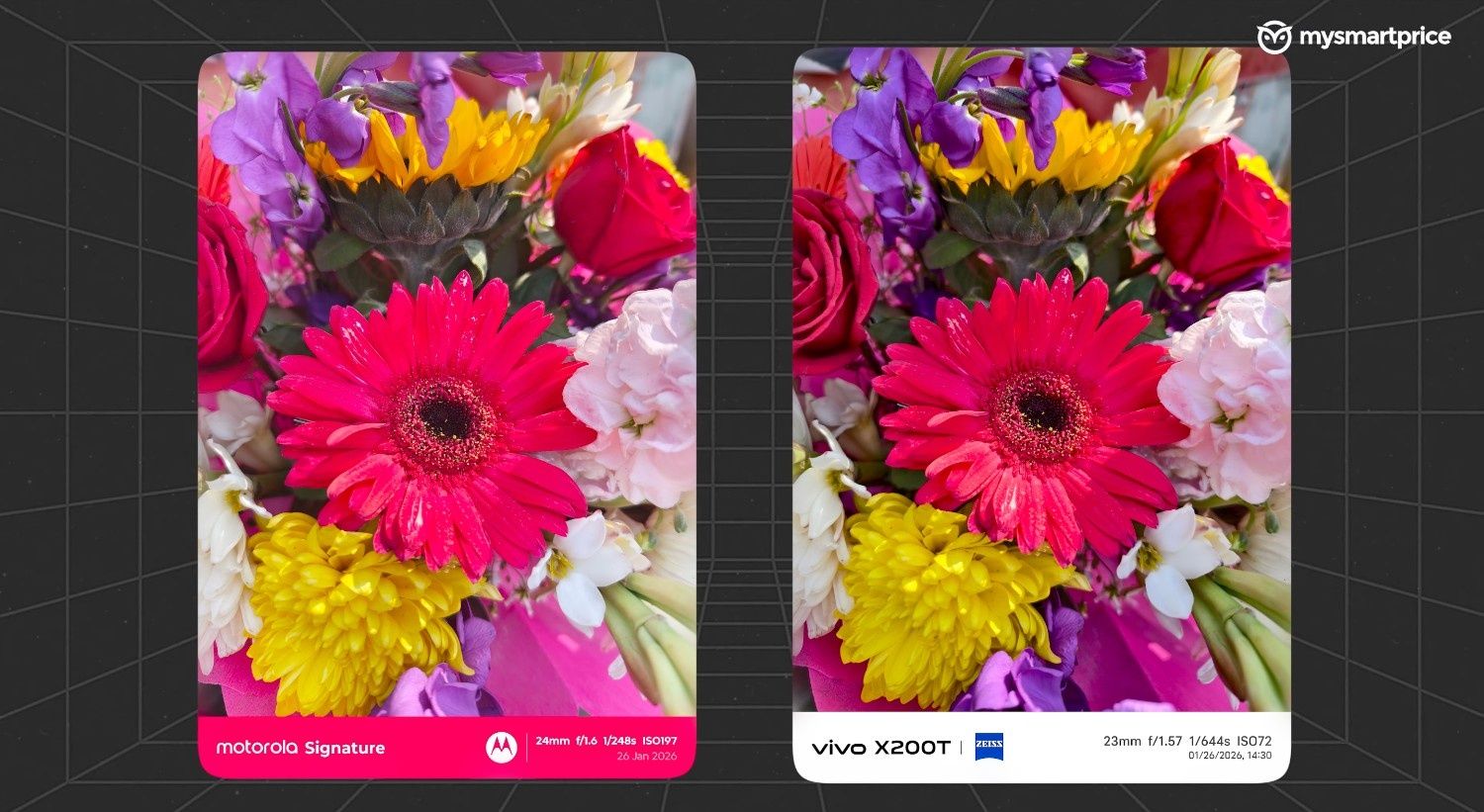
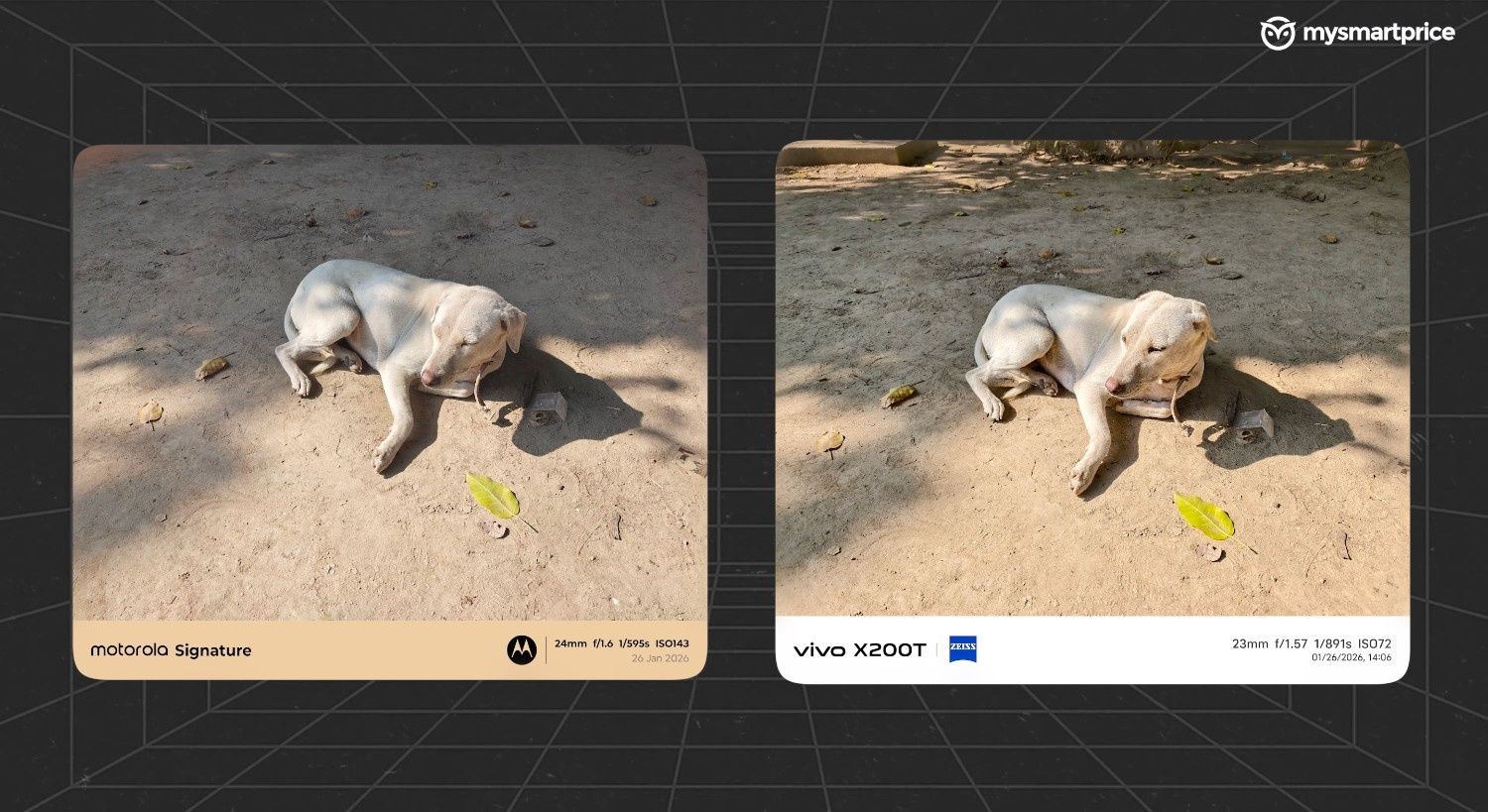
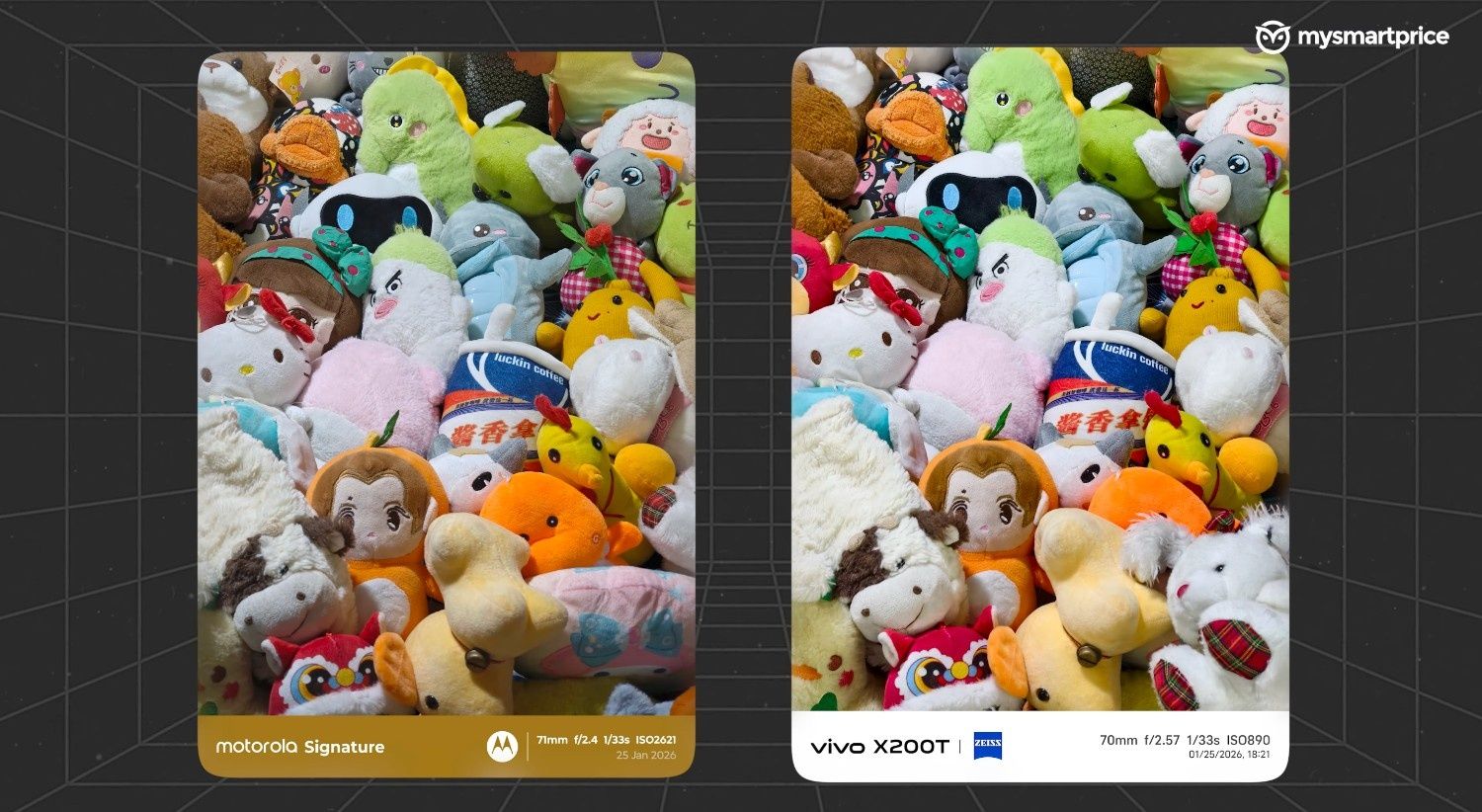
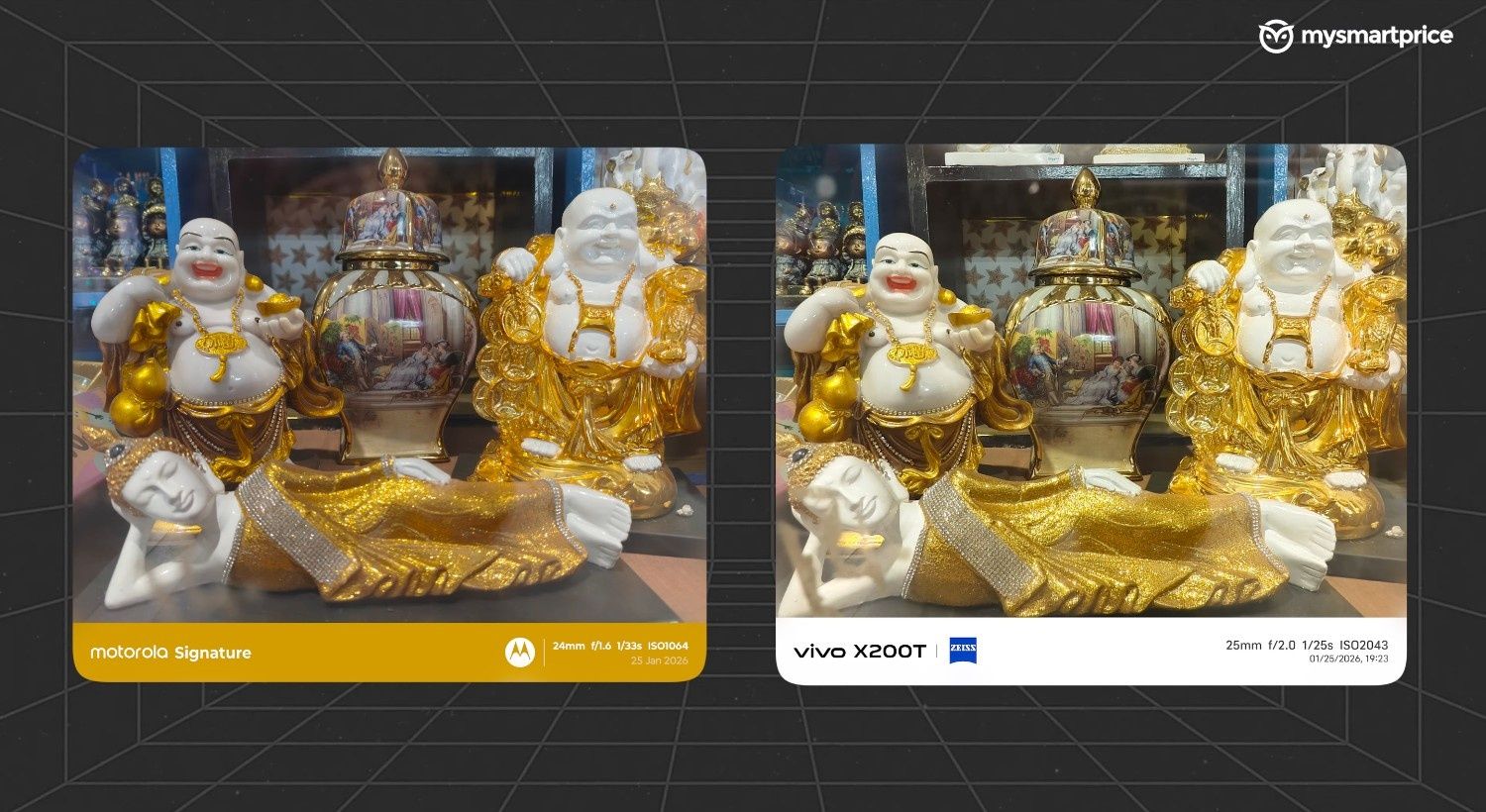
In low-light photography, both the main and telephoto cameras on the Motorola perform well, but the haze issue persists. Vivo's images remain cleaner and sharper in comparison.
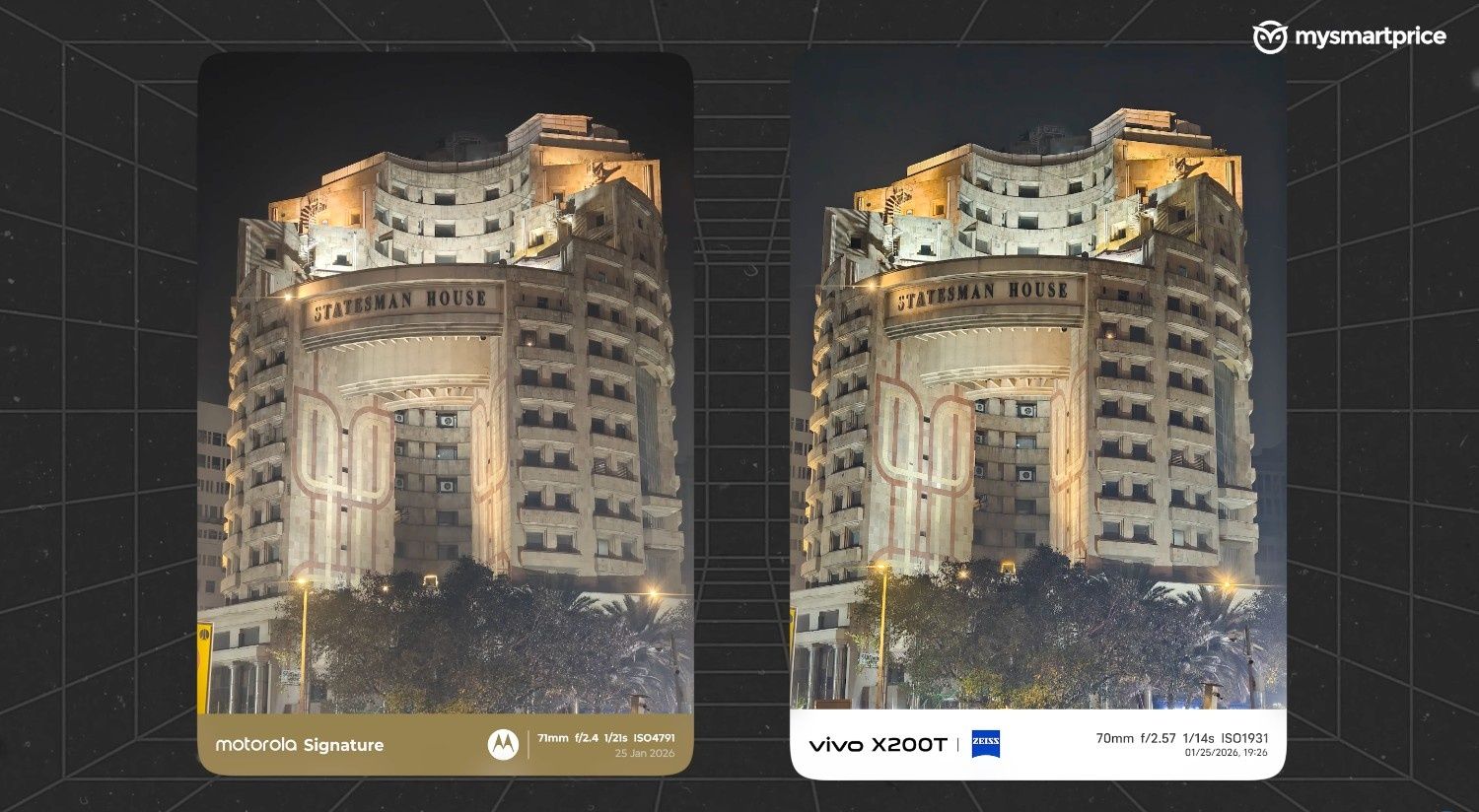
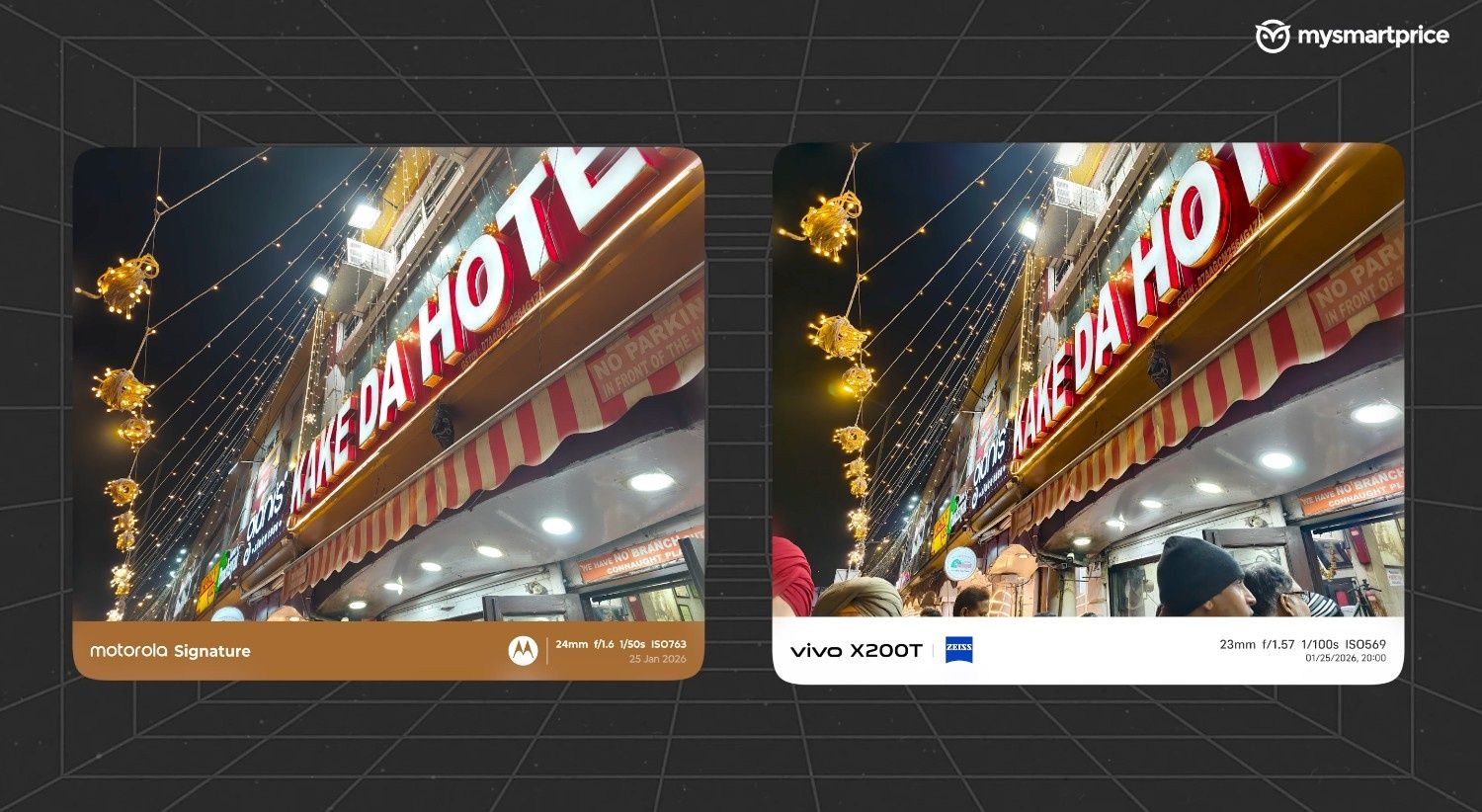
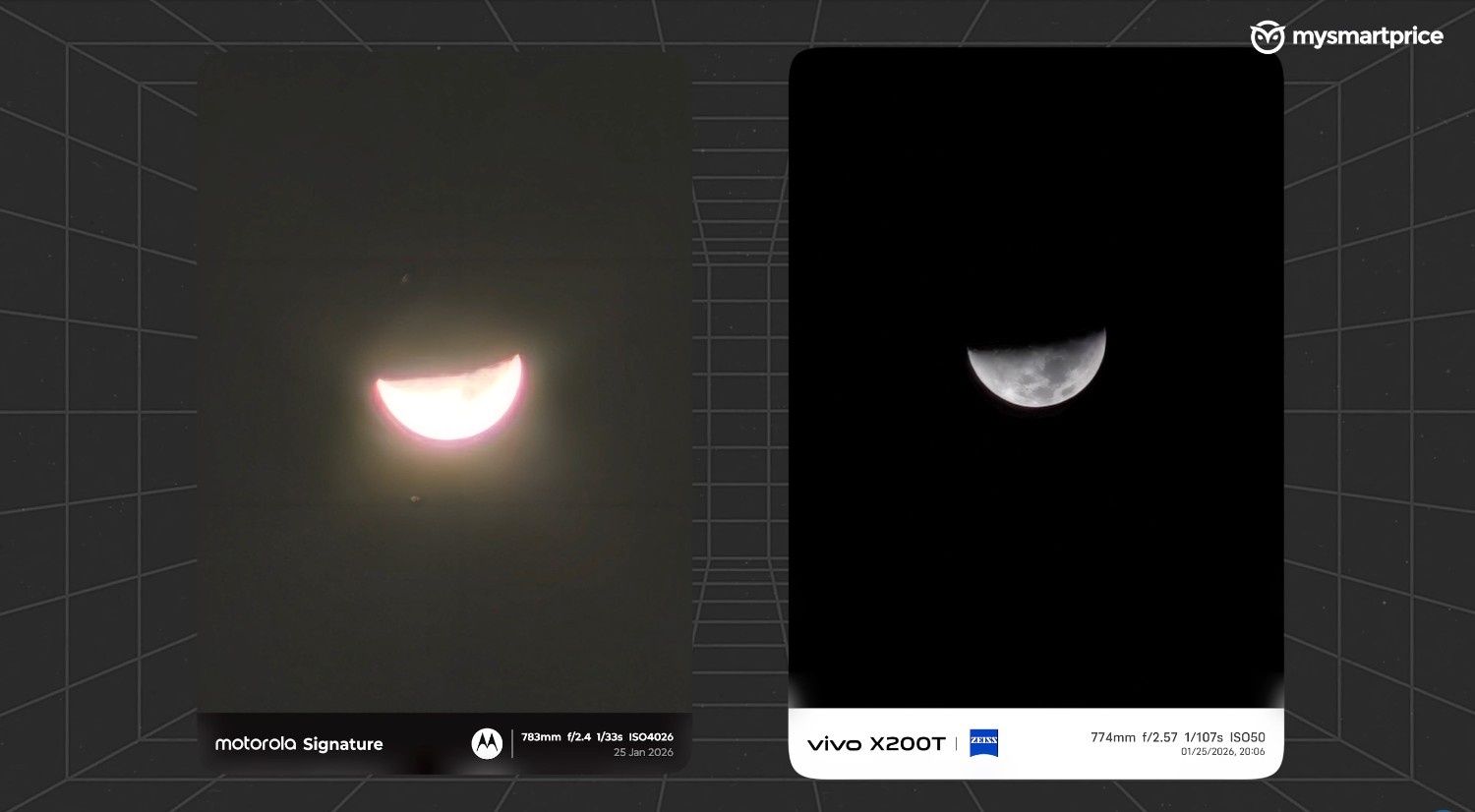
Portrait photography is another area where Vivo excels. Edge detection and subject separation are strong on both phones, but Vivo's AI processing is noticeably more aggressive. In some cases, this AI enhancement can feel excessive, especially when it alters reflections or background details. Motorola's portraits, while less dramatic, often look more natural.


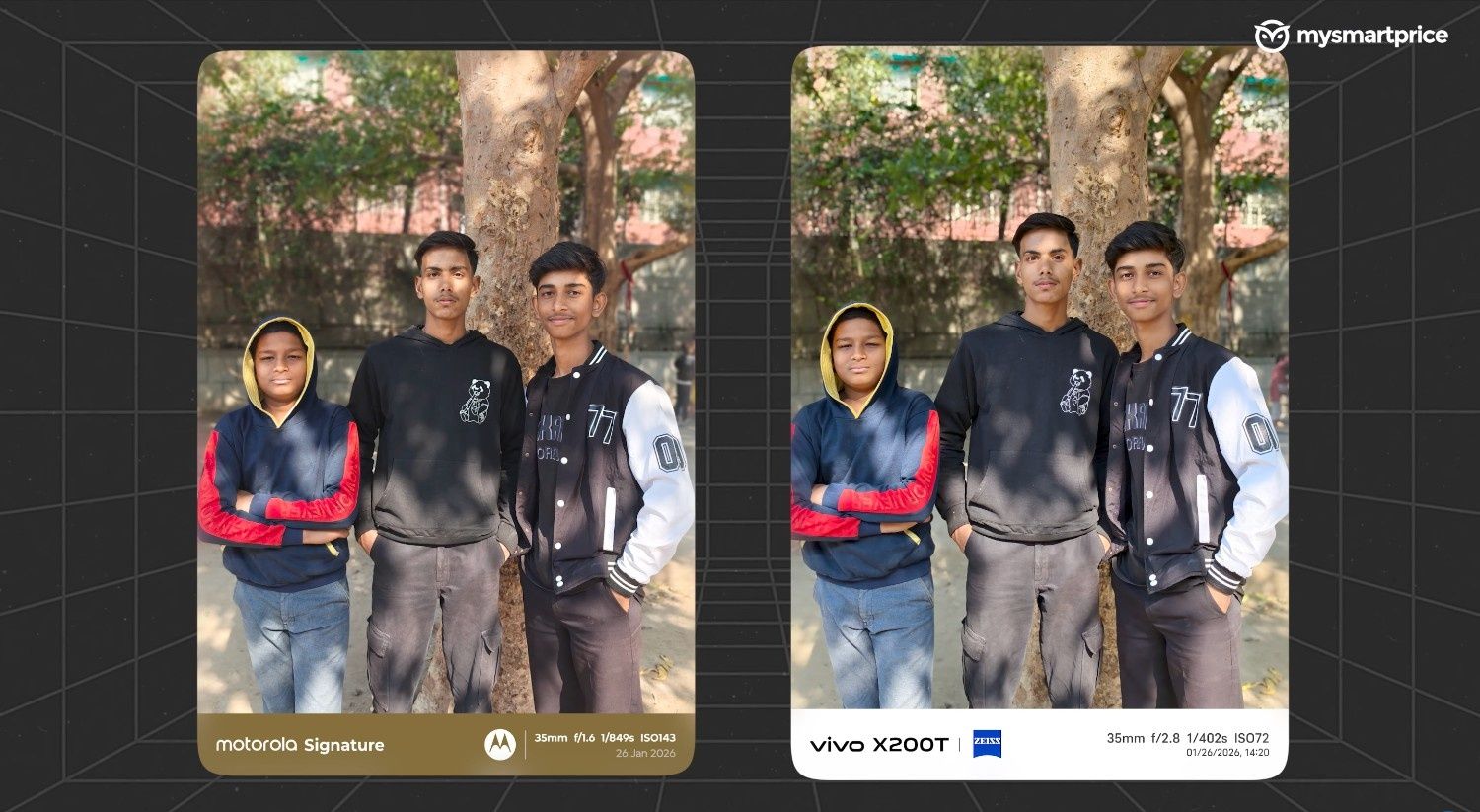
The ultra-wide camera is one area where Motorola fights back. It offers a wider field of view and more consistent results across shots compared to the Vivo X200T.
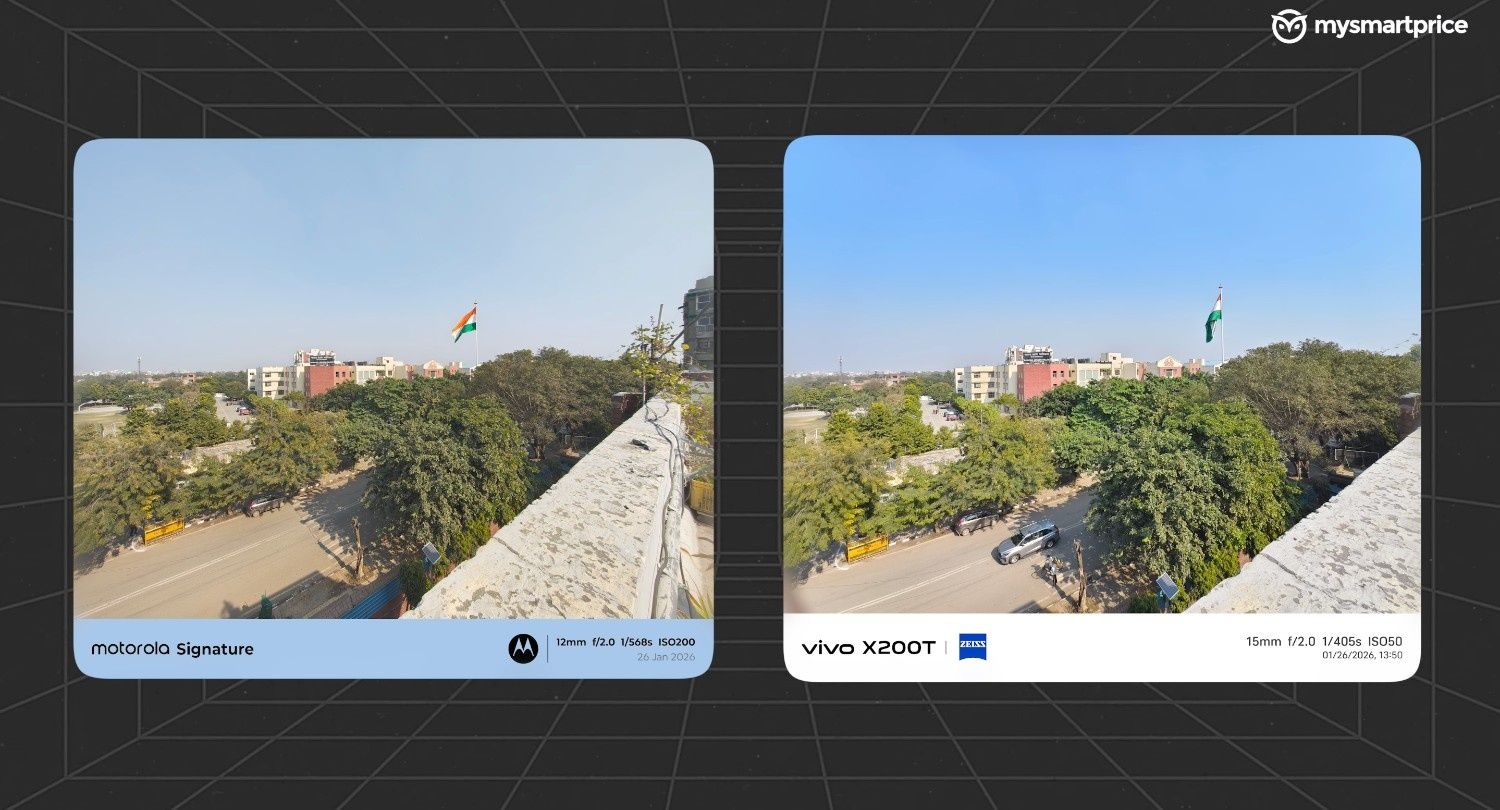
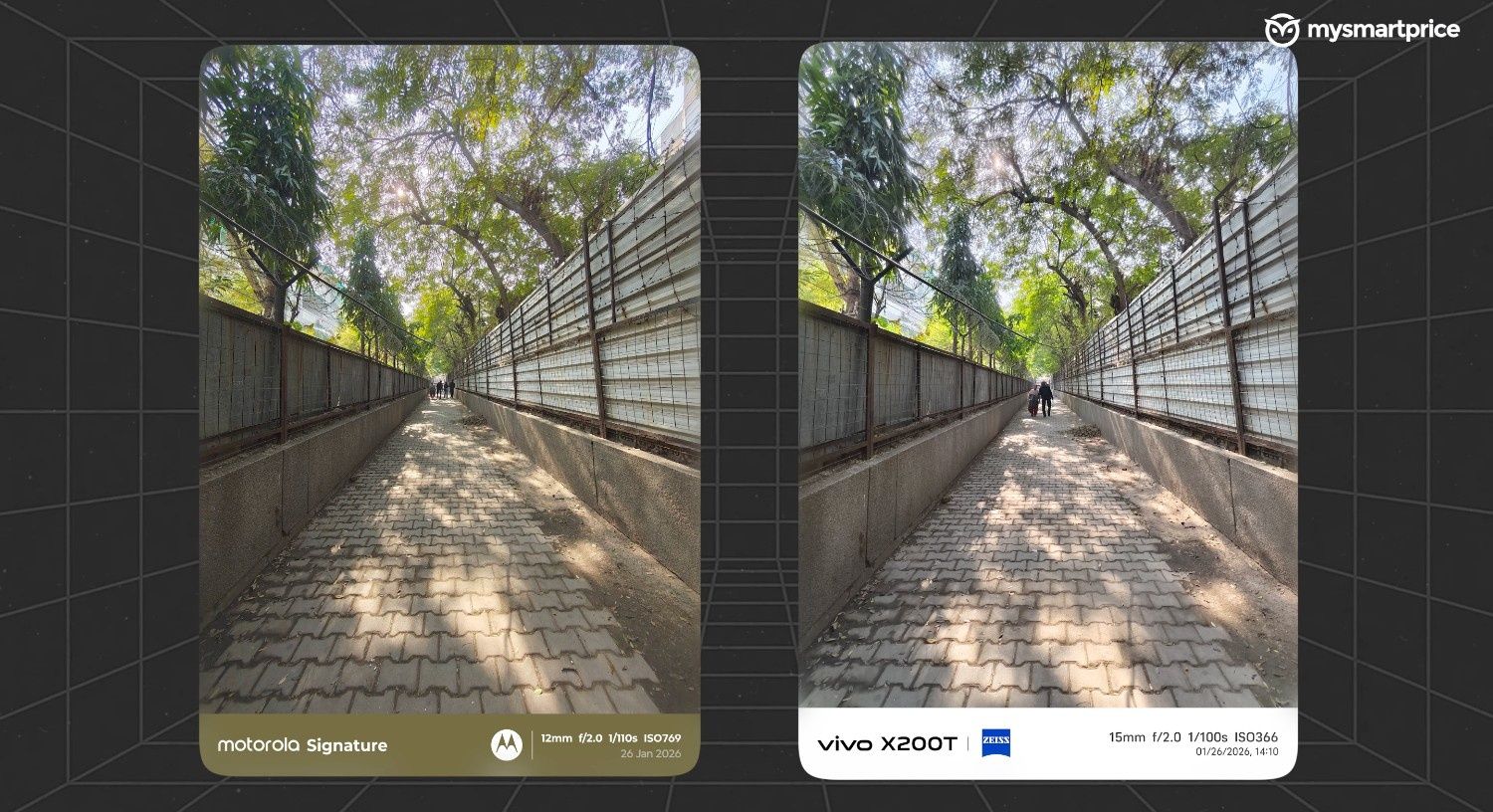
Camera verdict: Overall, the Vivo X200T is the better camera phone, especially for consistency, sharpness, and portraits. Motorola offers strengths in ultra-wide shots but falls behind in overall reliability.
Battery
Battery expectations have changed dramatically in recent years, with many phones now offering 6000mAh or larger batteries.
The Motorola Signature sticks to a more traditional 5200mAh battery. Despite the smaller capacity, it delivers solid screen-on time and comfortably lasts a full day with moderate to heavy usage. In our PC Mark Battery Life test, the phone lasted for almost 17 hours from 100% to 20%.
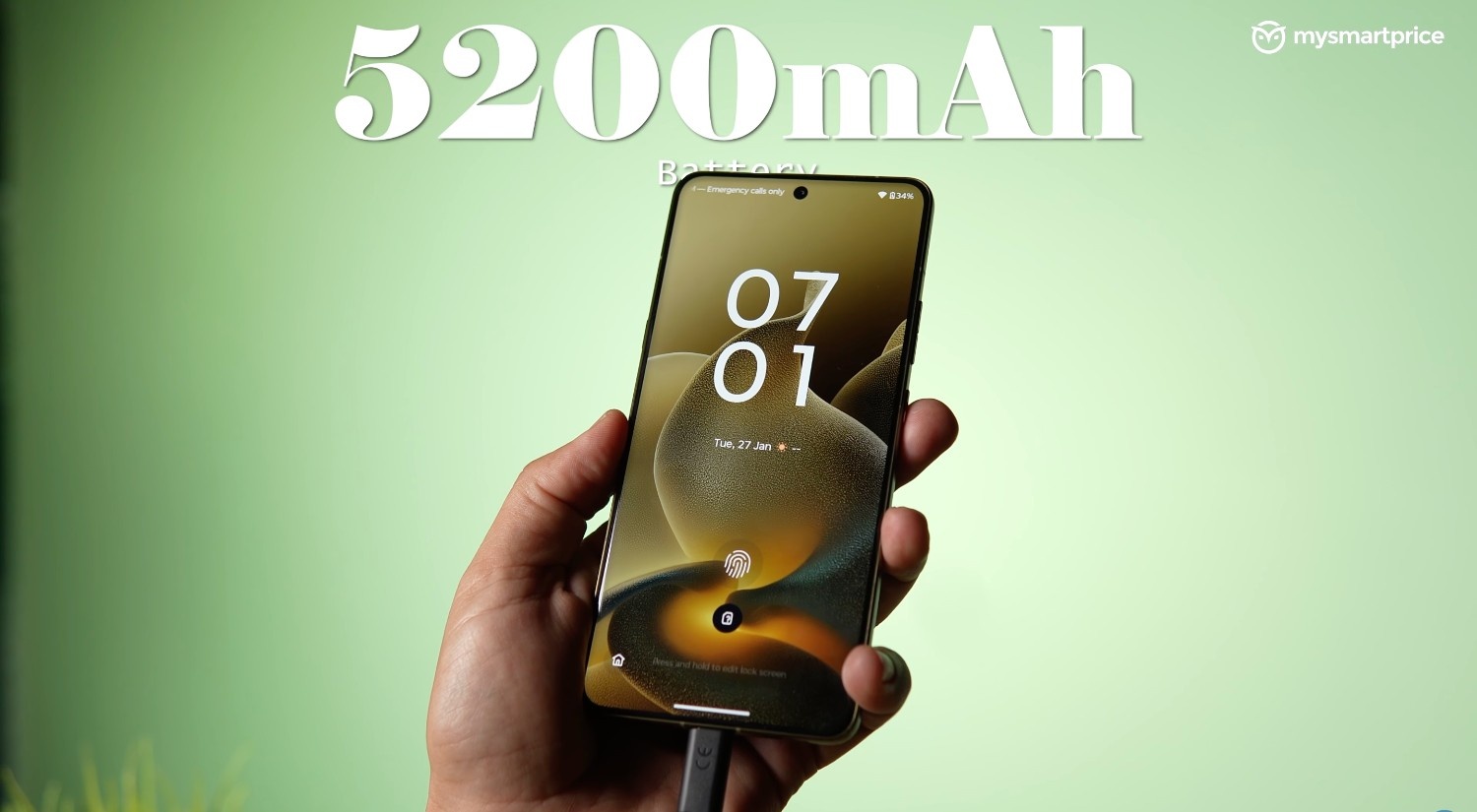
The Vivo X200T, however, takes advantage of its larger 6200mAh battery. It consistently delivers better endurance and can stretch beyond a full day of use with ease. This phone lasted for 22 hours and 27 minutes in the PC Mark Battery Life test.
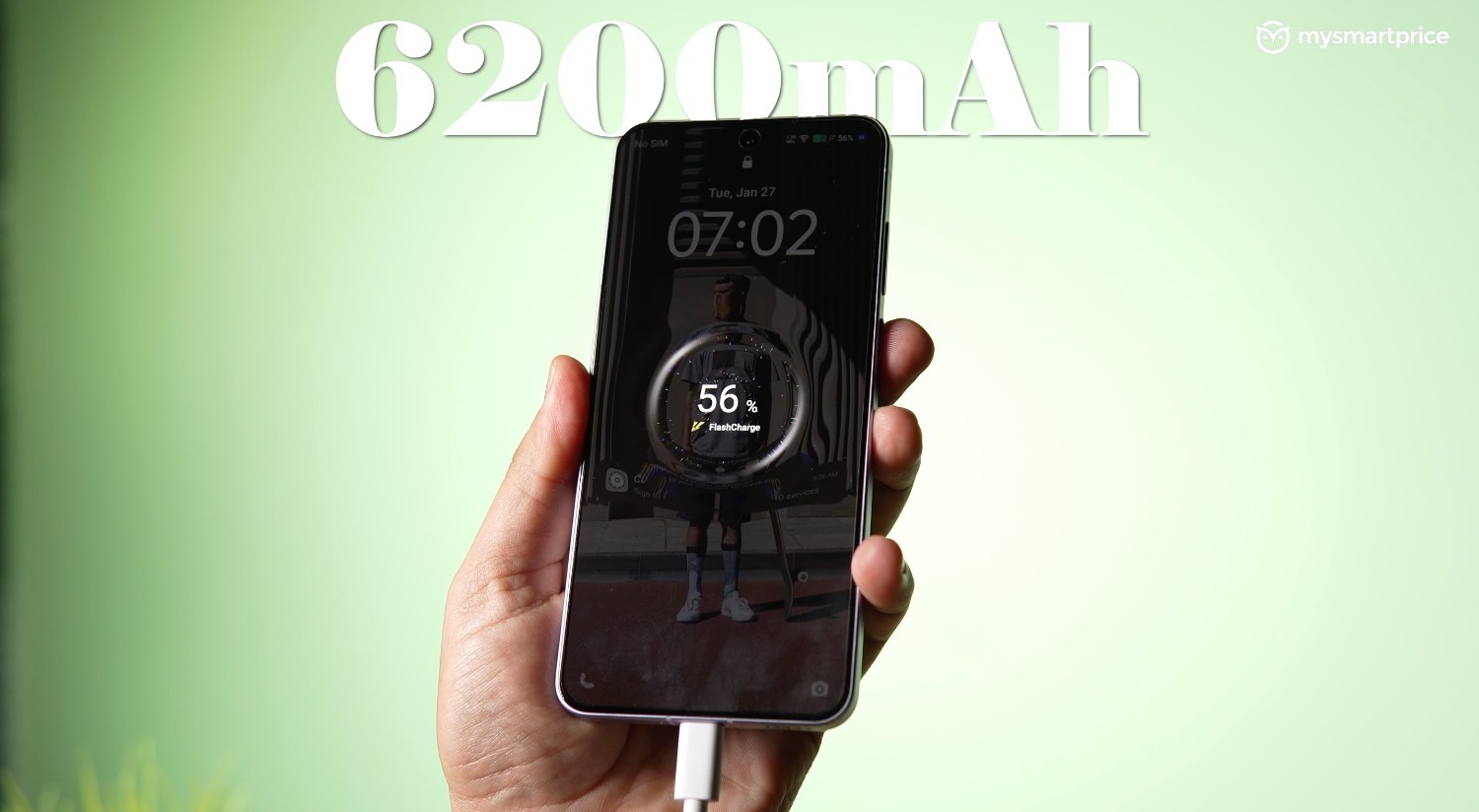
Both phones support 90W fast charging, and charging speeds are not really an issue for either of them.
Battery verdict: Motorola is good. Vivo is better, especially if battery life is a priority.
Verdict
If this comparison had to be summed up in one line, it would be this: the Motorola Signature appeals to the heart, while the Vivo X200T appeals to the mind.
The Signature stands out with its design, in-hand feel, immersive display, and premium personality. It's the phone you enjoy using every time you take it out of your pocket.
The Vivo X200T, on the other hand, excels in consistency. Its camera performance, battery life, and sustained gaming reliability make it a more dependable choice for long-term, heavy use.
Choose the Motorola Signature if design, feel, and multimedia immersion matter most to you. Choose the Vivo X200T if camera quality, battery life, and long-term performance consistency are your priorities. Neither choice is wrong, your usage decides the winner.