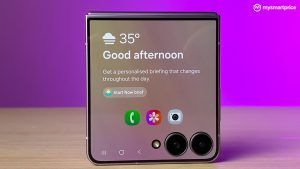
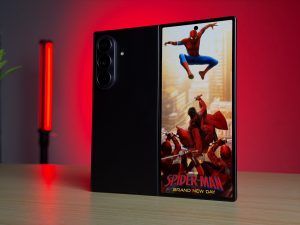
Samsung has taken a different route with the Galaxy Z Fold8. Instead of following the familiar tall and narrow book-style format, it has given the phone a shorter, wider and almost passport-sized shape, designed primarily around watching, reading and everyday entertainment.
Samsung Galaxy Z Fold8
0.00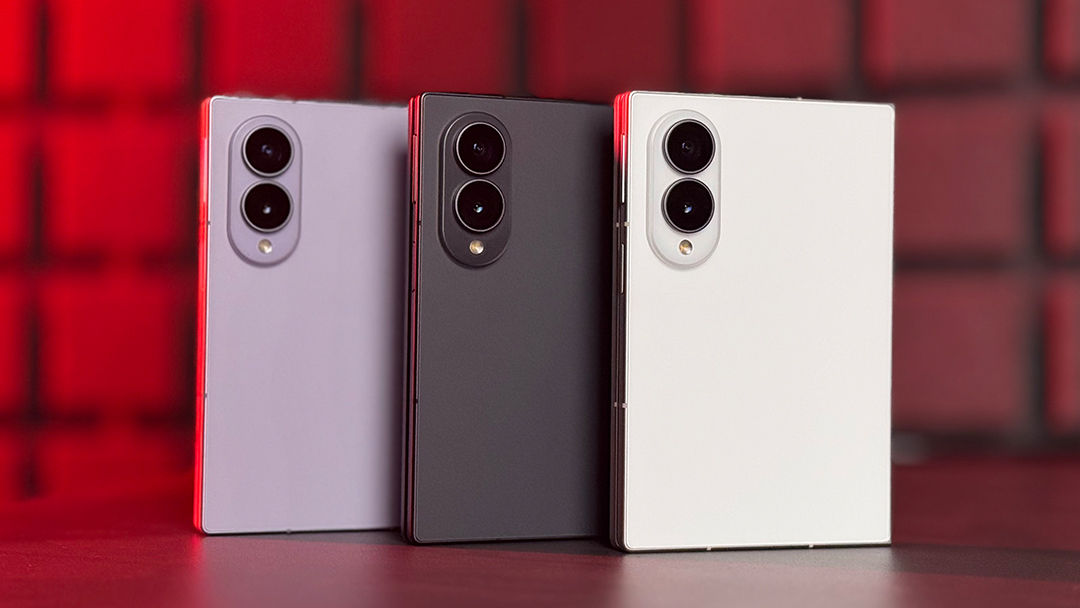
What Is Good?
- Slim, lightweight and genuinely pocketable
- Excellent main display for videos and reading
- Bright screens with a barely visible crease
- Strong everyday performance
- Capable main and ultrawide cameras
What Is Bad?
- No dedicated telephoto camera
- Performance drops during sustained workloads
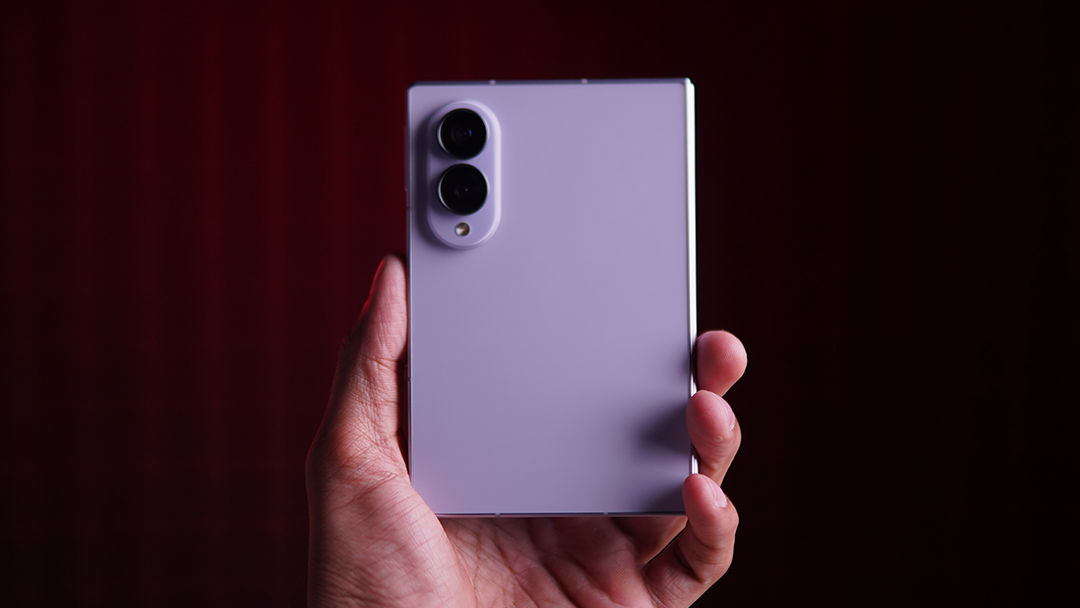
The new form immediately won me over during my first impressions, but a review needs to answer a more important question: does it remain useful after the novelty settles? After spending more time with the Fold8, its strengths have become clearer, but so have the adjustments and compromises that come with using such an unusual phone.
Design and Everyday Usability
The Galaxy Z Fold8’s passport-sized shape is not merely a design experiment. It changes how the phone feels in everyday use, both folded and unfolded. The shorter and wider body looks unusual initially, but the slim and lightweight construction makes it surprisingly manageable.
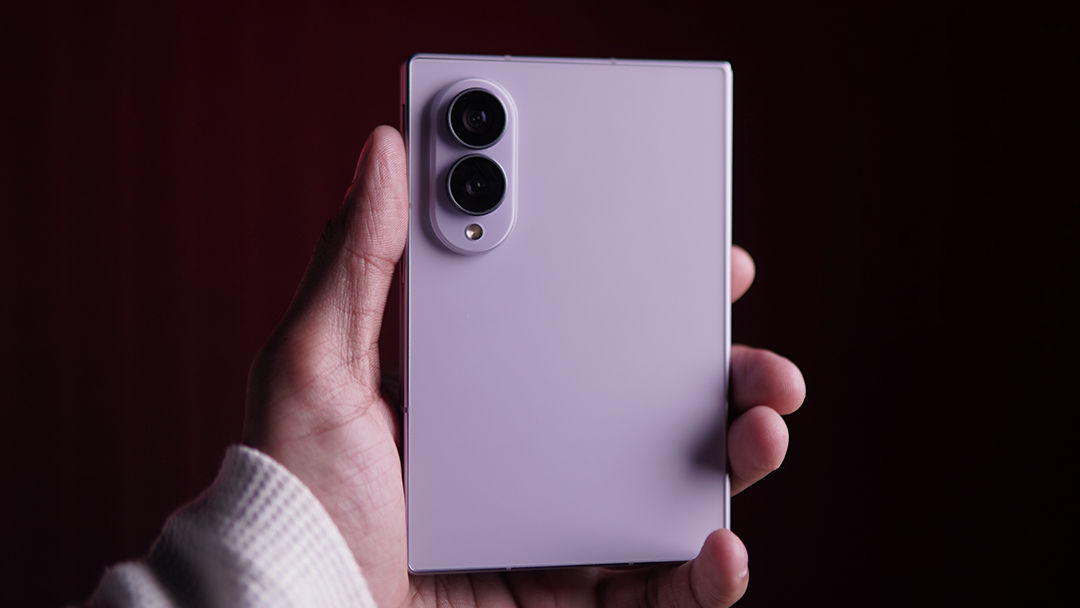
Pocketability is one of its biggest strengths. The Fold8 sat so comfortably in my pocket while travelling that I occasionally had a brief moment of panic, thinking I had left it behind. The wider body did not become tiring to hold either. Samsung has distributed the weight well enough that watching an entire episode on the main display never felt like a stretch.
The adjustment period is not completely avoidable. Holding the wider phone during calls took some getting used to, while typing on the main display came with a learning curve. The split keyboard is not my preferred layout, but it works best across a screen this wide. One-handed scrolling on the cover display, on the other hand, was comfortable.
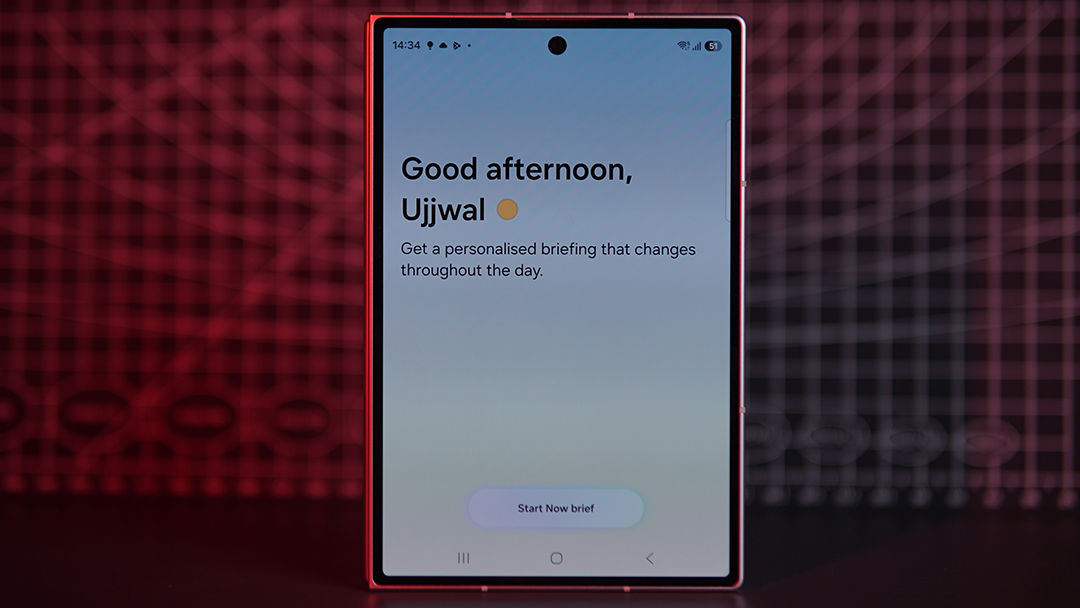
My usage naturally became divided between the two screens. Calls and messages were usually handled without unfolding the phone. Instagram, YouTube and other content-heavy apps almost always pushed me towards the inner display. That is an important distinction because the Fold8 does not remain closed merely because its cover screen is usable. The main display gives you enough of a reason to open it regularly.
Opening the phone remains a two-handed exercise. Despite using it for longer, I never found it noticeably easier to unfold with one hand. The hinge itself feels smooth and reassuring, but the phone does not offer enough purchase for effortless one-handed opening.
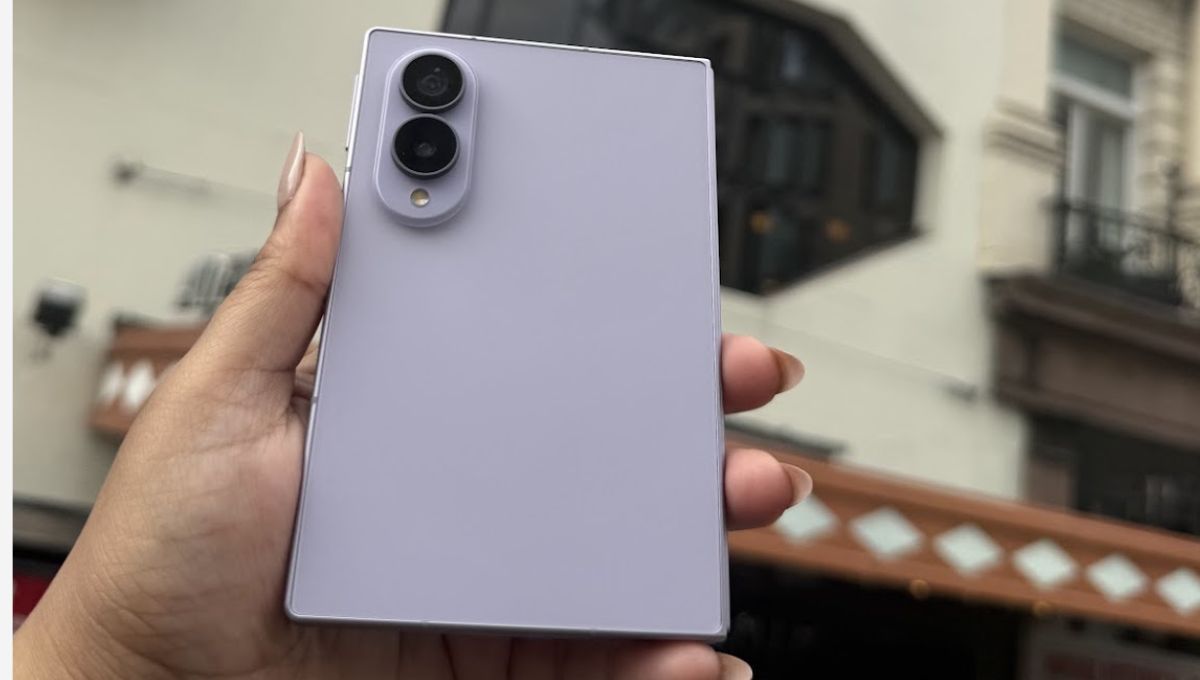
The protruding camera island also makes the Fold8 rock when it is placed on its back and used on a table. I noticed it while tapping the display, although it remained a minor everyday irritation rather than a serious design flaw.
Displays and Content Consumption
The main display is where the Fold8’s unusual shape makes its strongest case. Its 4:3 aspect ratio works particularly well for entertainment, and YouTube and Netflix became some of my favourite ways to use the phone. Black bars remain with certain content, but they do little to take away from the scale and comfort of the viewing experience.
Short-form content is handled well too. Instagram Reels adapted properly to the screen, while TikTok was similarly well optimised when tested on our global unit. I did not frequently encounter awkward cropping or stretched video across either app.
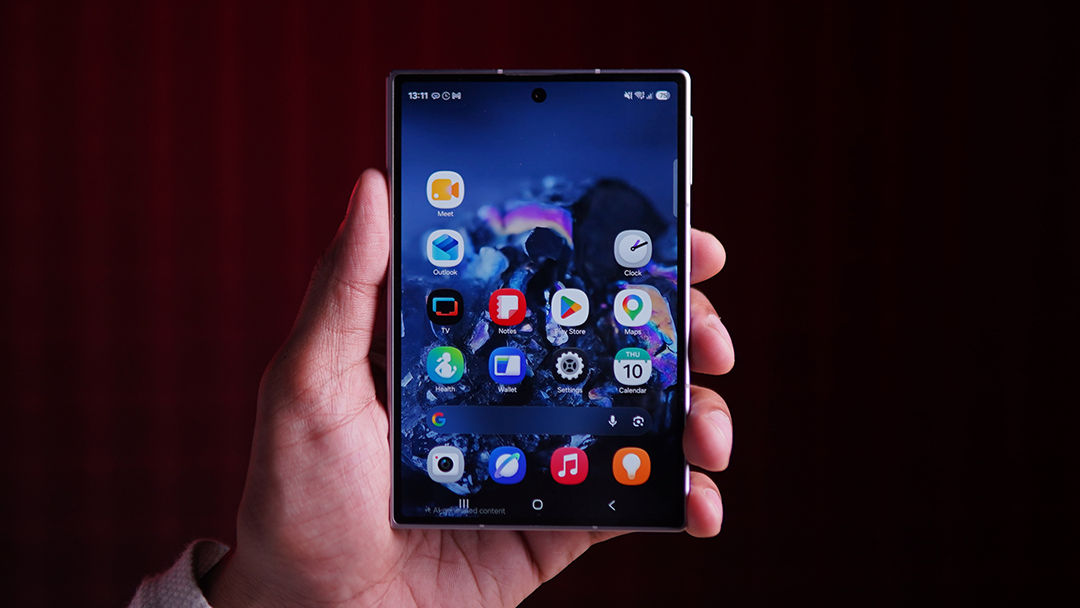
Reading turned out to be an even more convincing use case. Kindle books, comics and long-form articles feel natural on the squarer display. The experience was comfortable enough to get me reading more frequently, which says more about the usefulness of the form factor than the screen specifications alone. Websites and PDFs were less impressive, however, and did not always make equally good use of the available space.
Outdoor visibility was as good as I could reasonably expect from a foldable display, with reflections rarely getting in the way. The crease is also almost nonexistent during regular use. It can still be located if you deliberately look for it, but it effectively disappears once you start watching, scrolling or reading.
The Fold8 takes some adjustment when used as a conventional phone. Unfold it, however, and its wider display becomes the device’s biggest strength. Entertainment and reading do not feel like features added to justify the foldable form. They feel like genuine reasons to choose it.
The Cameras Get the Basics Right
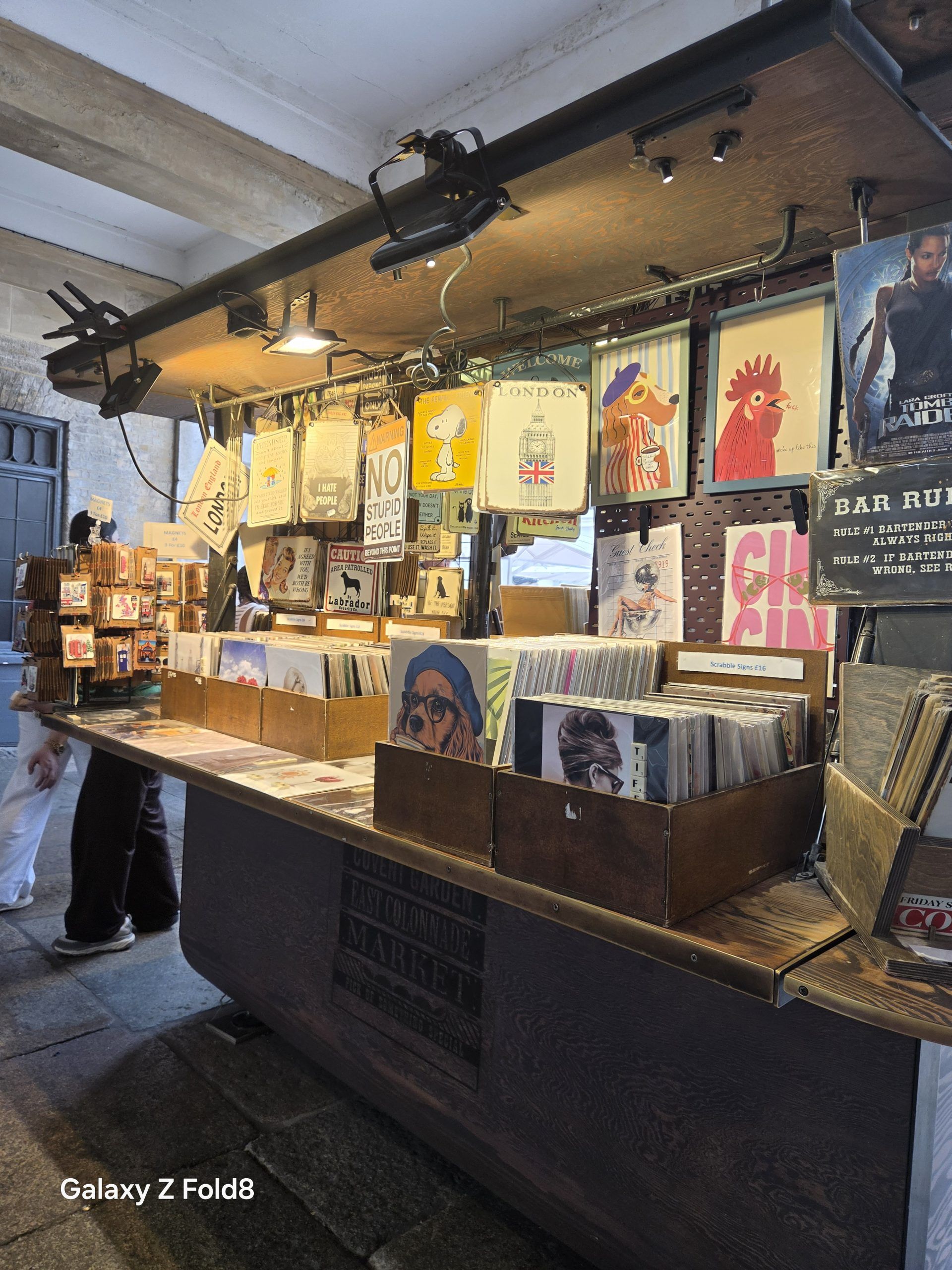
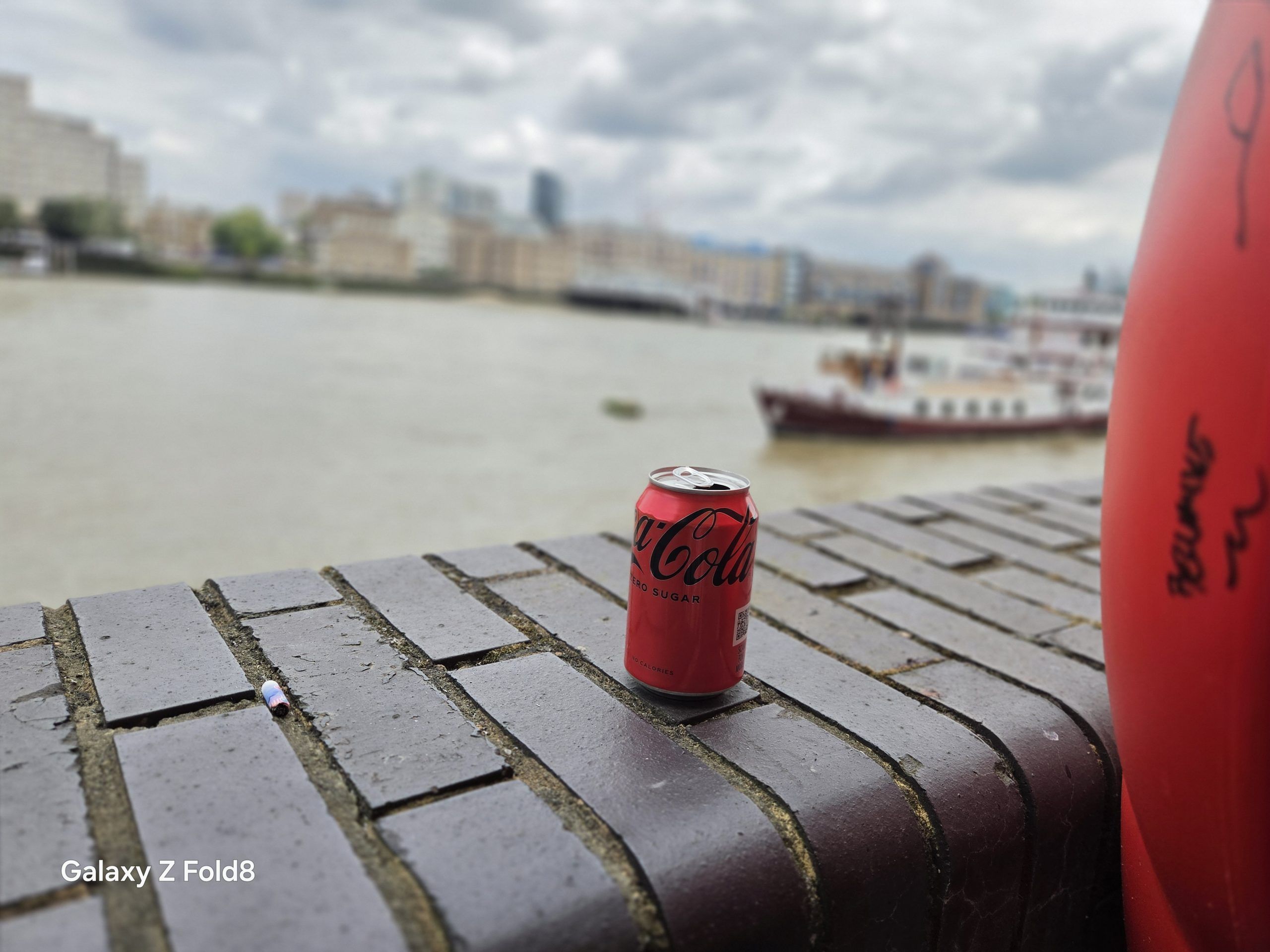
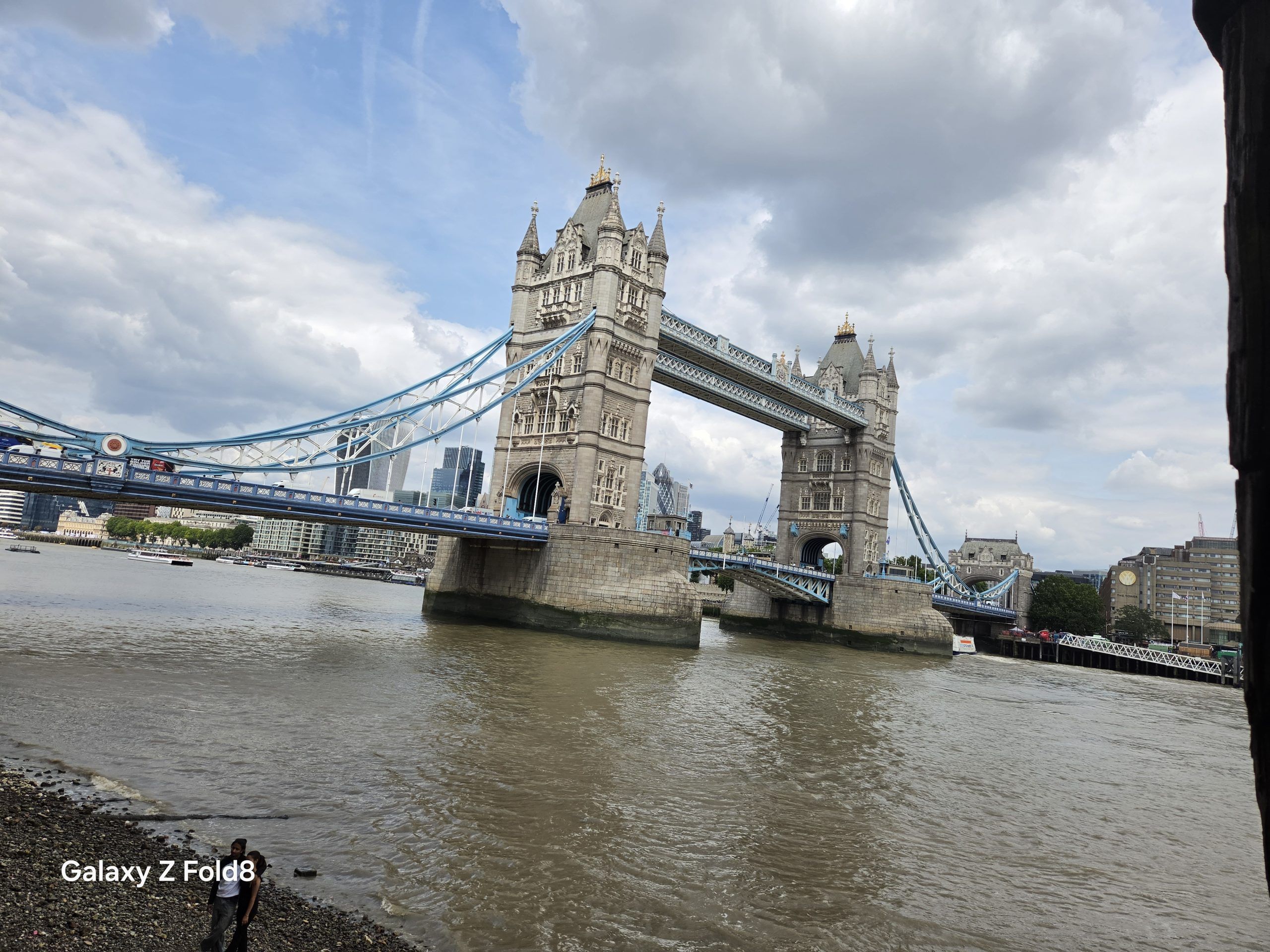
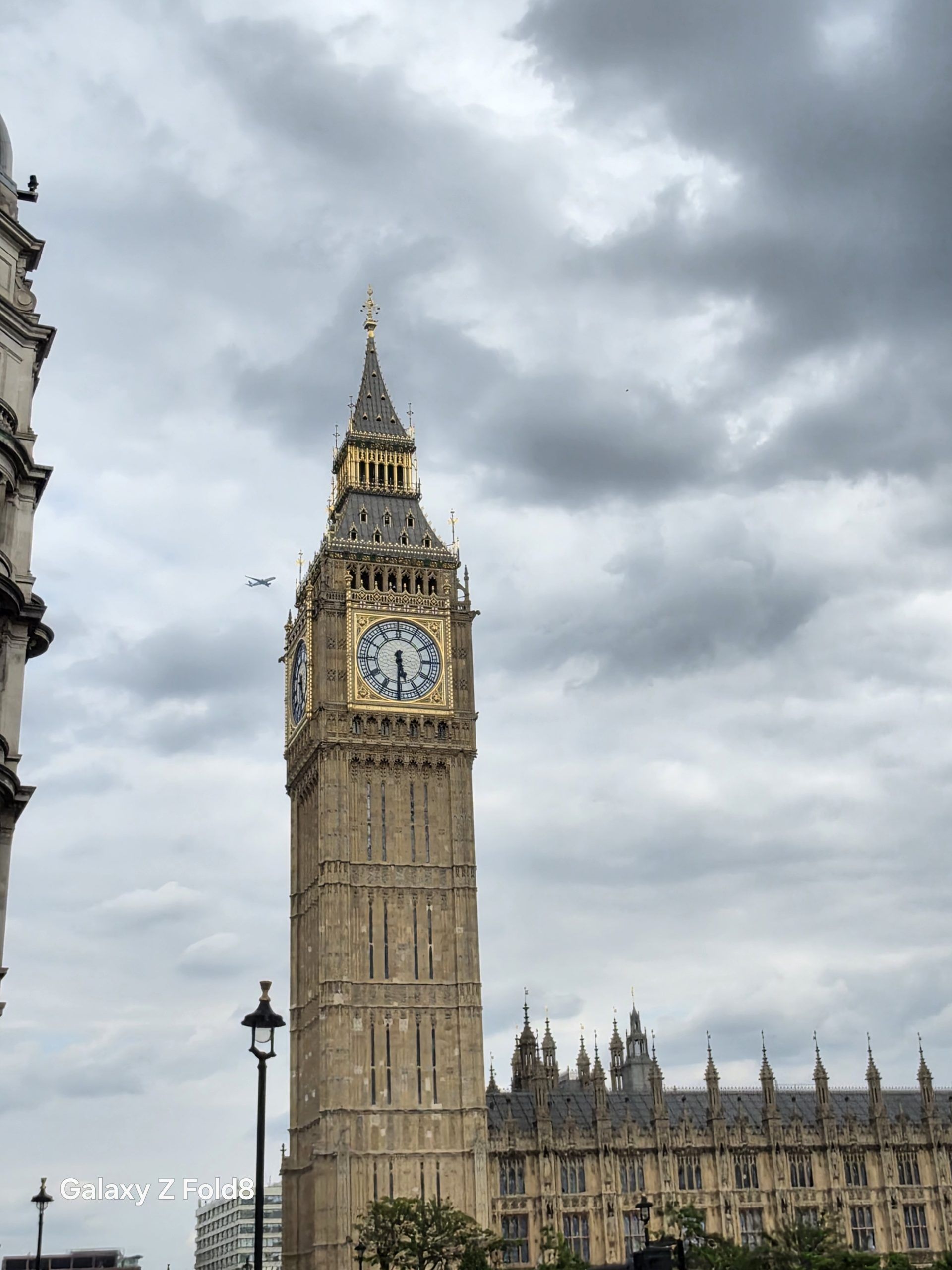
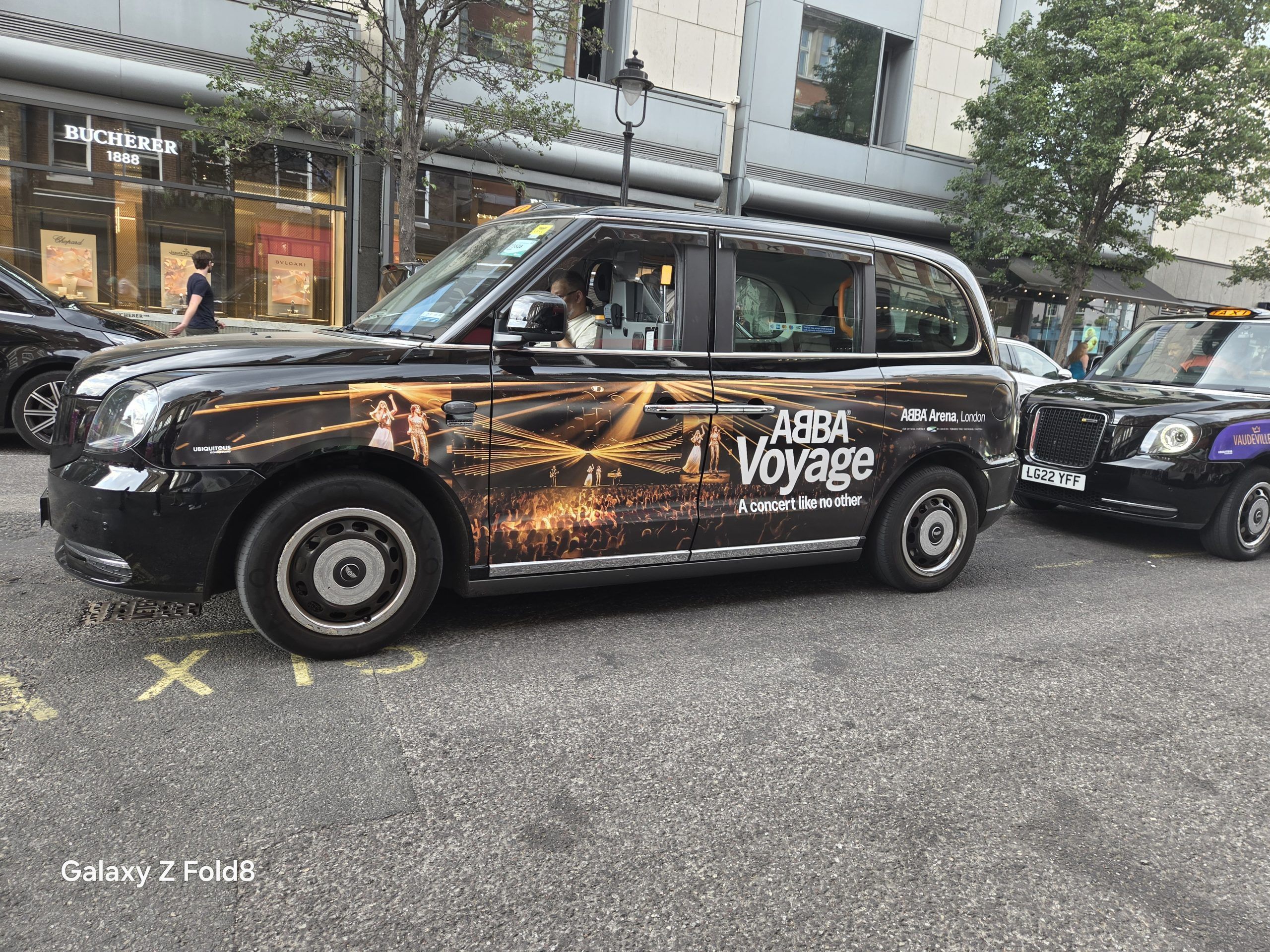
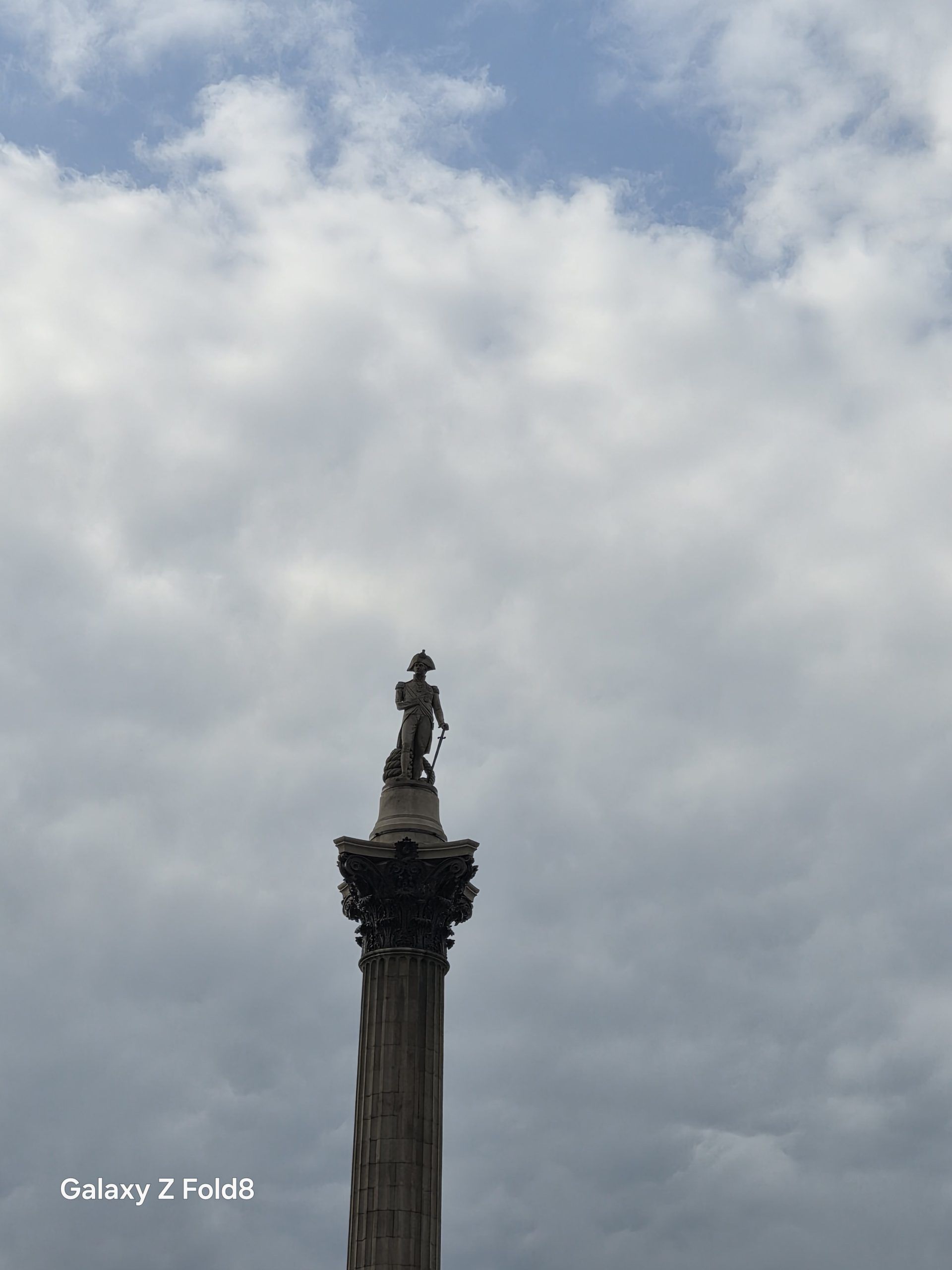
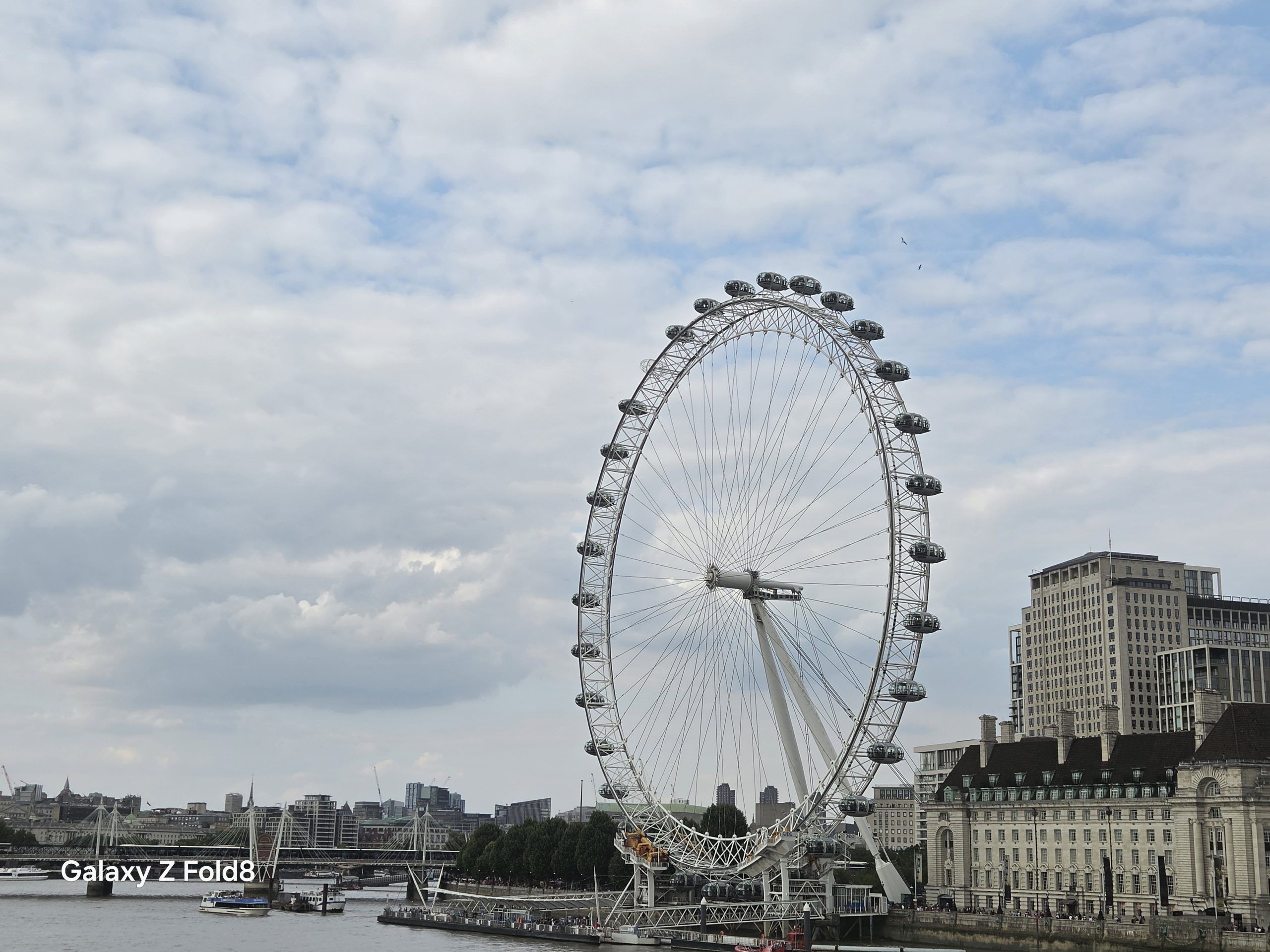
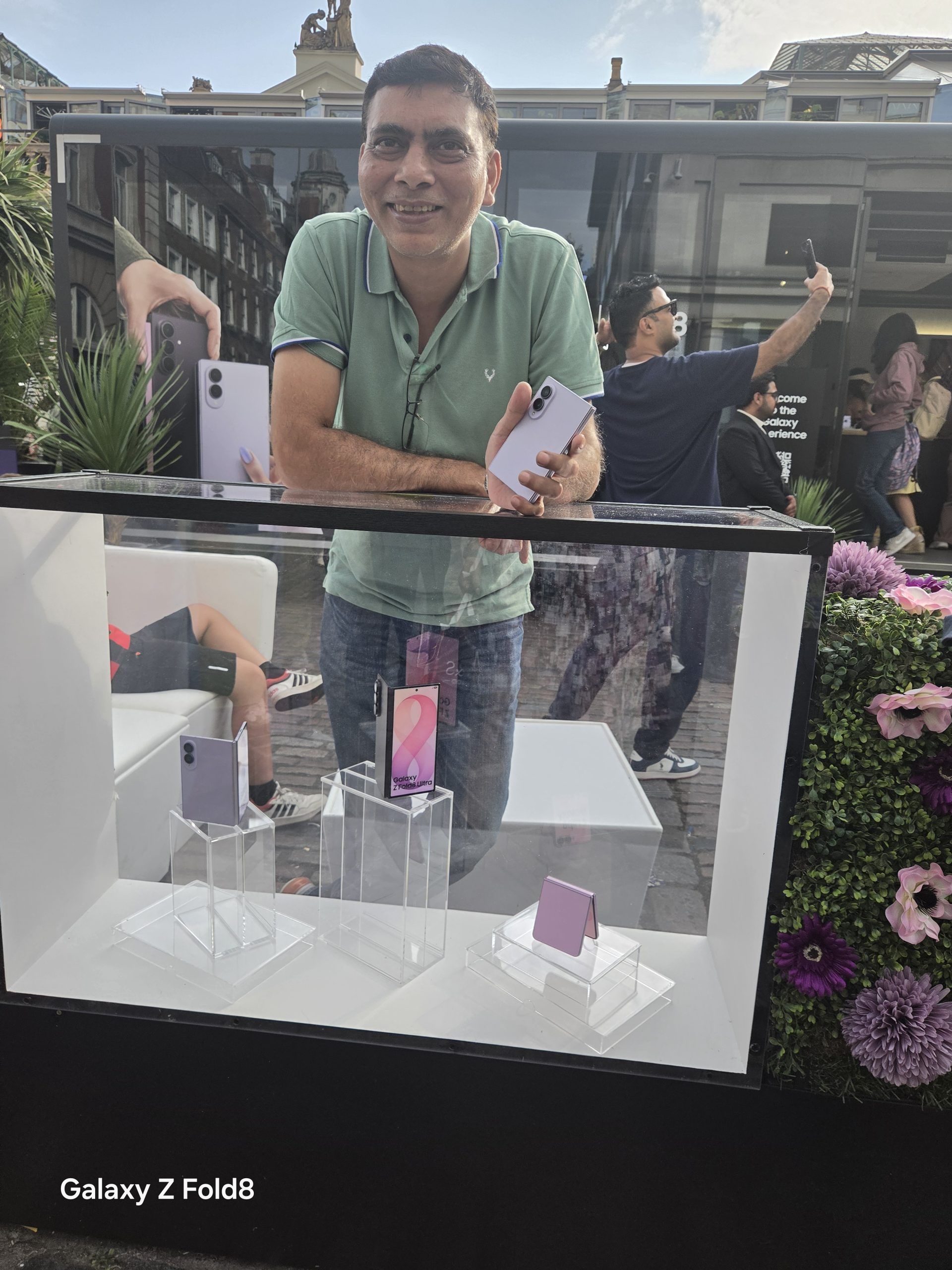
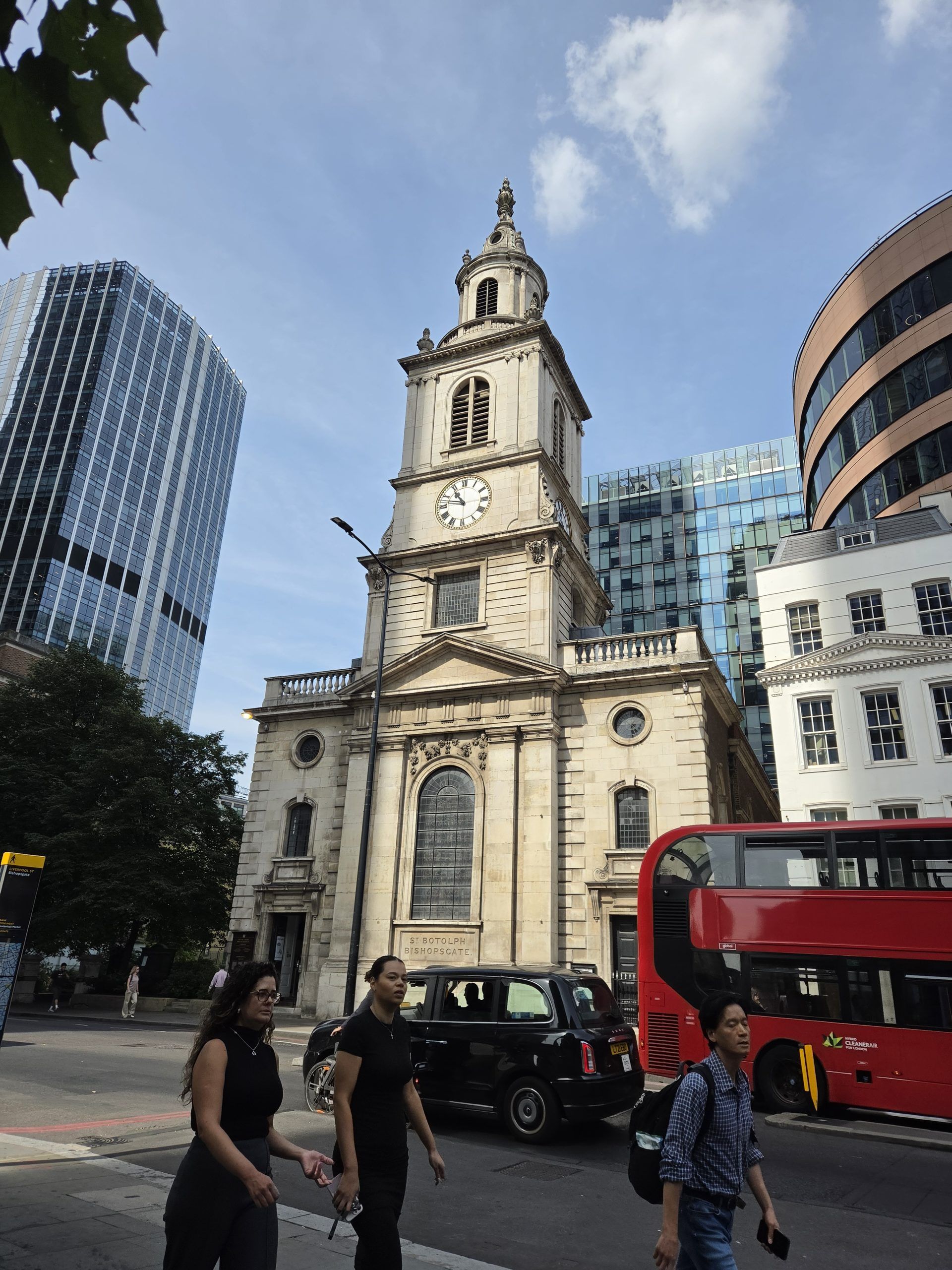
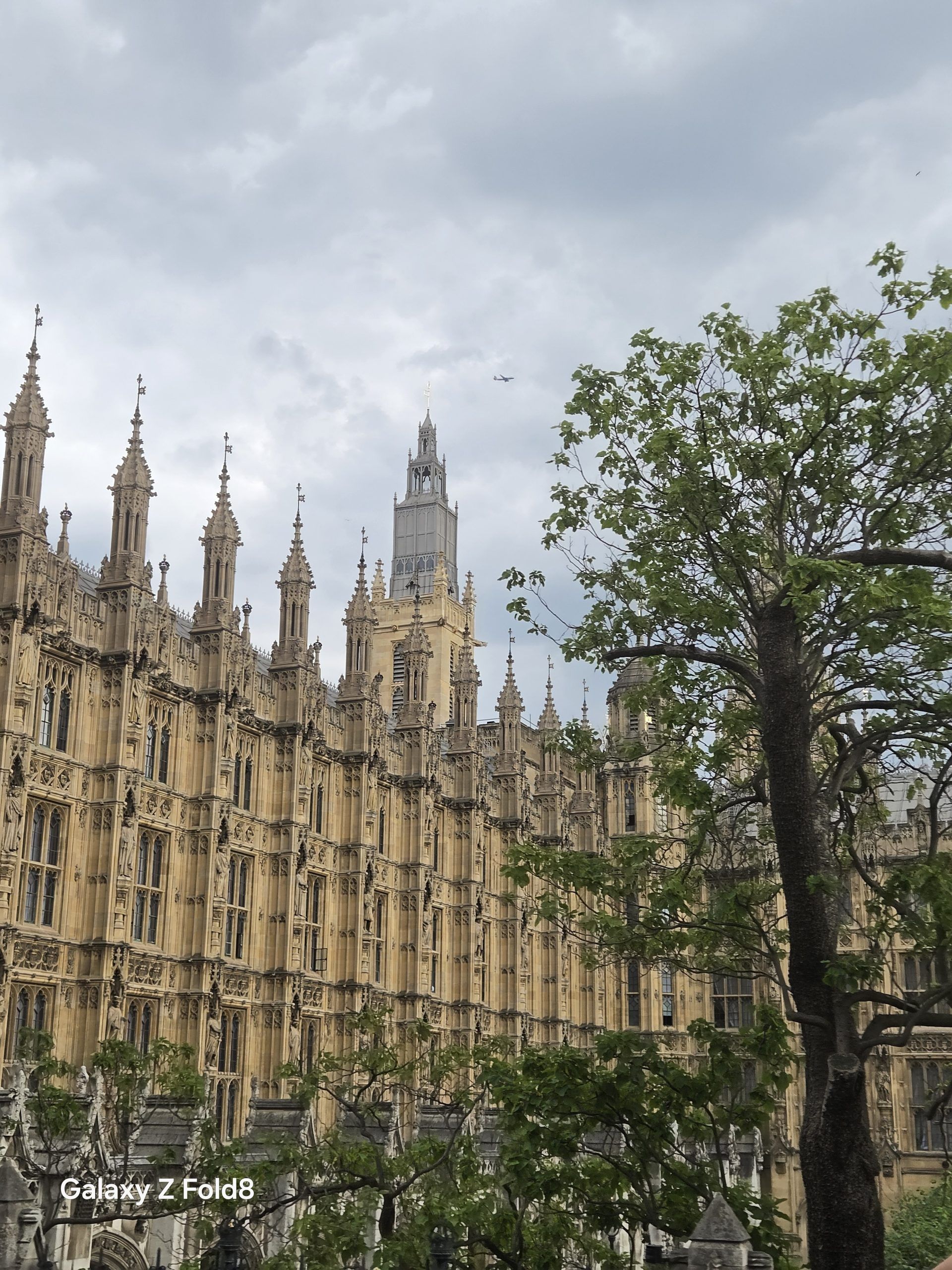
The Galaxy Z Fold8 may not have the most versatile camera setup at this price, but its main and ultra-wide cameras produce dependable results in most conditions. Daylight photographs are detailed, with the intricate stonework in the church, Tower Bridge and Palace of Westminster samples reproduced well. The cloudy skies also retain plenty of texture, although darker foreground subjects in the church photograph lose some shadow detail.
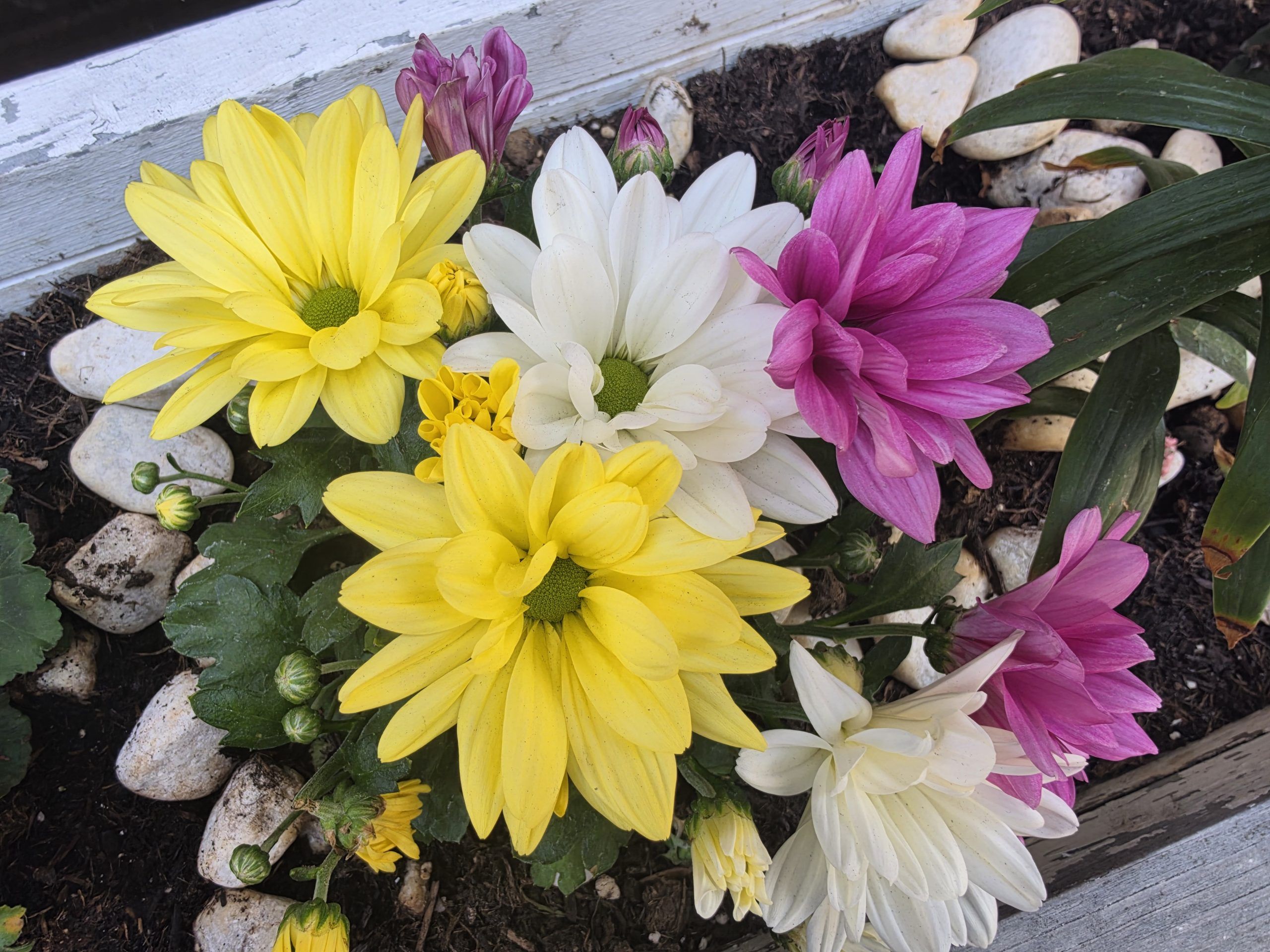
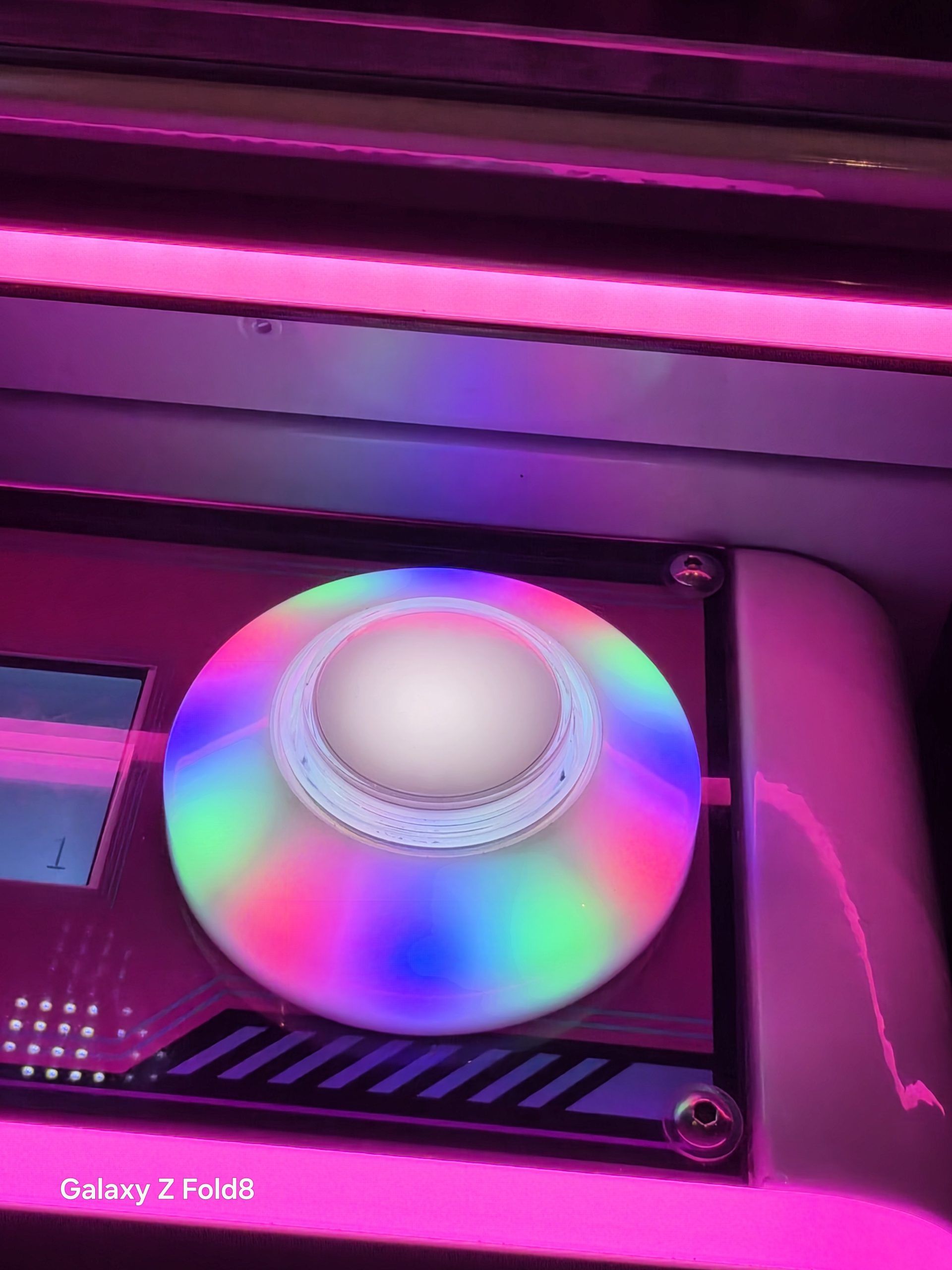
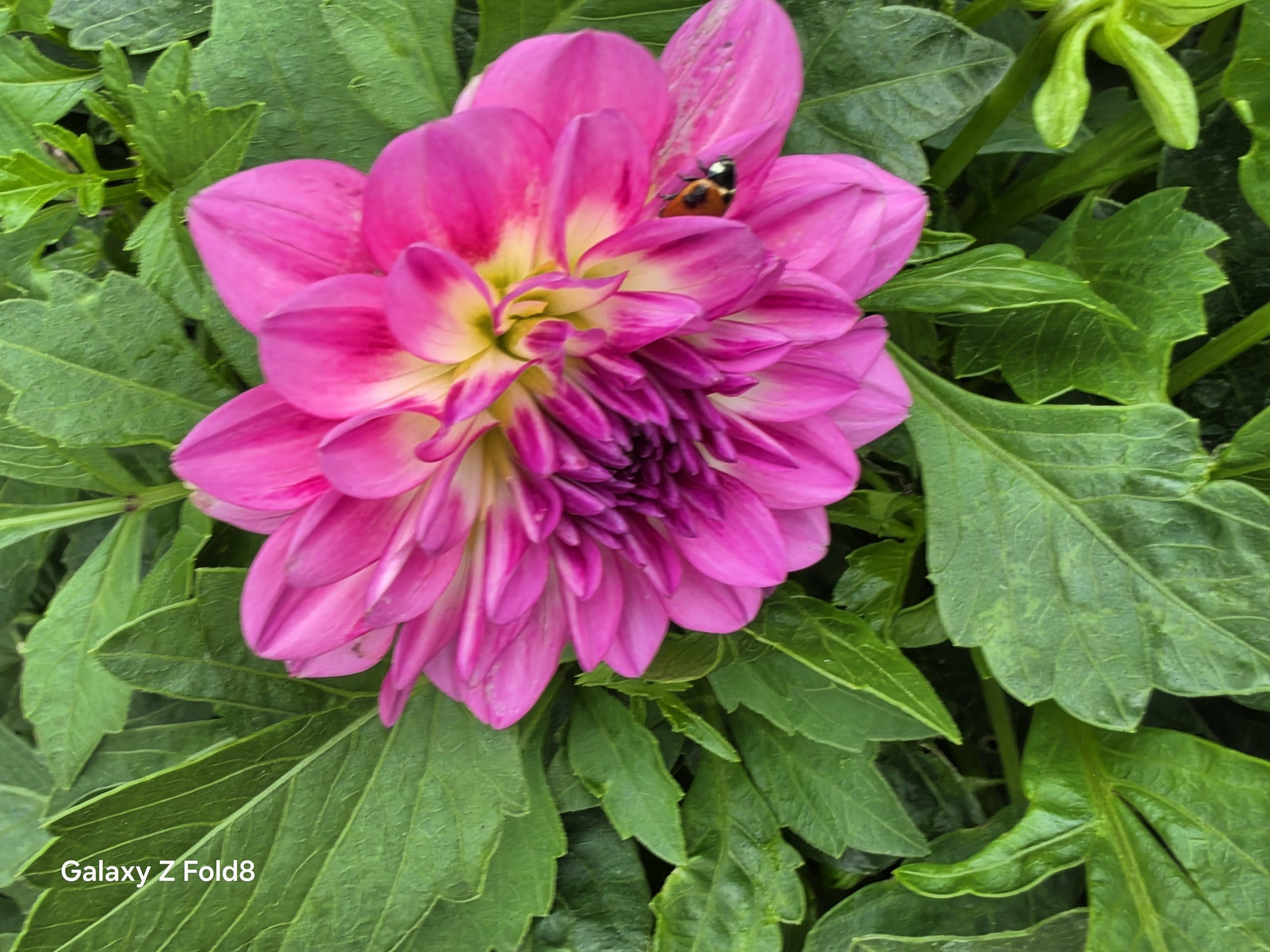
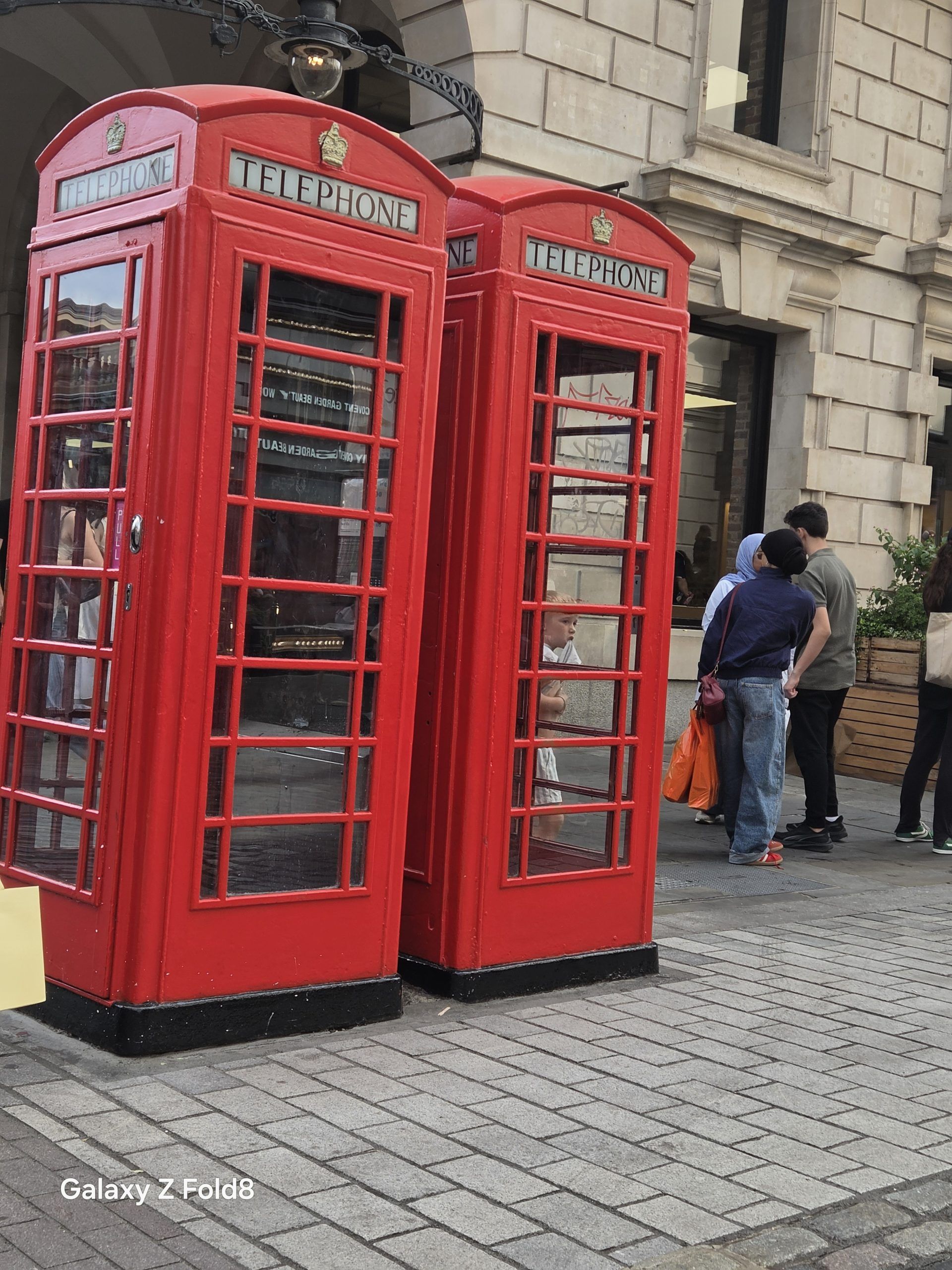
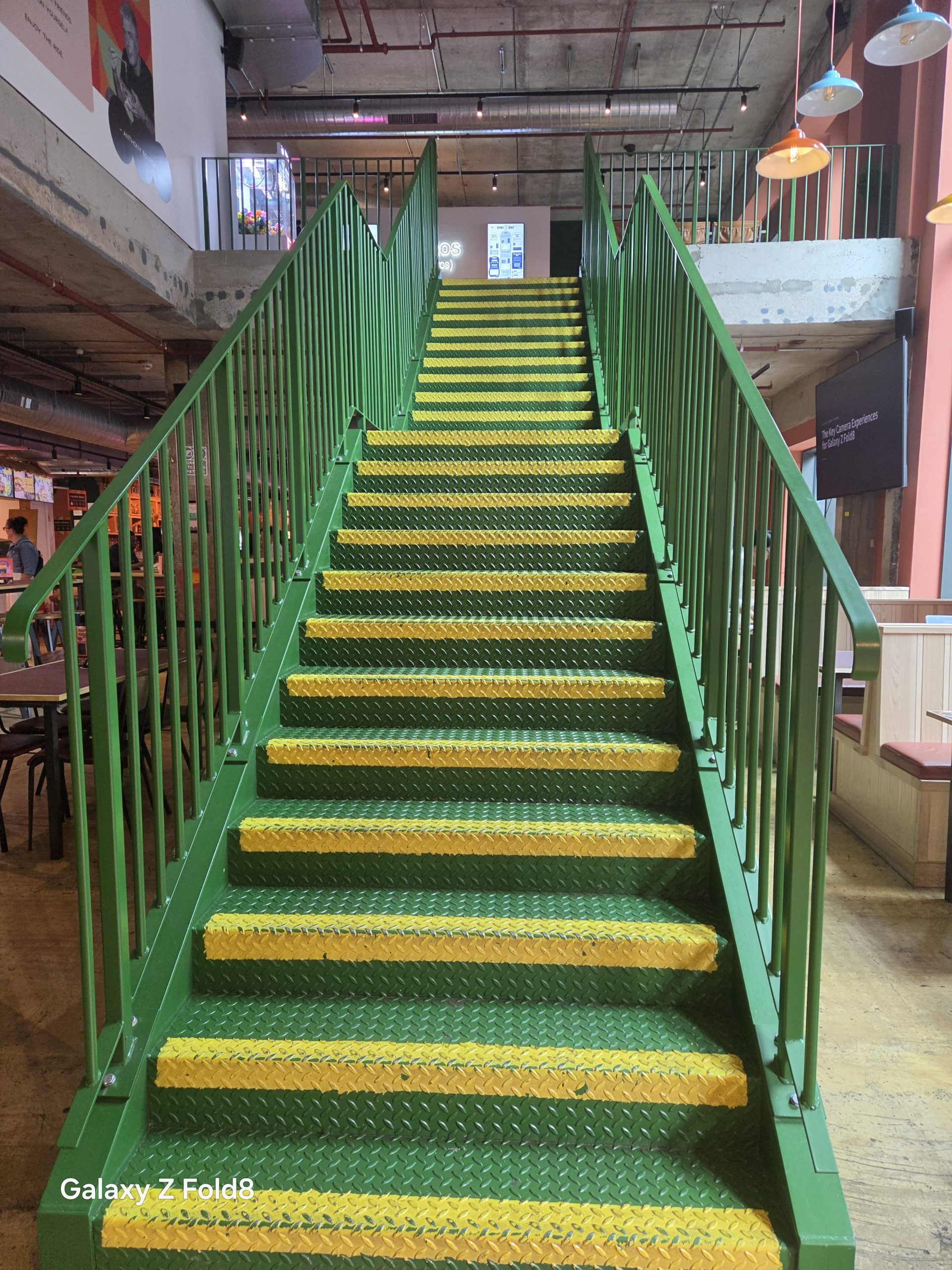
Colours have Samsung’s familiar punch without looking excessive in most photographs. The red telephone boxes stand out while the surrounding stone and pavement remain neutral. Similarly, the yellow, white and pink flowers are reproduced distinctly, with good petal and leaf detail. The close-up of the pink flower even captures the small insect on it, although the pink and green tones appear slightly more saturated than they did in person. The photograph taken under magenta lighting is another good example of the camera separating cyan, green and pink tones instead of allowing the dominant light to overwhelm the scene.
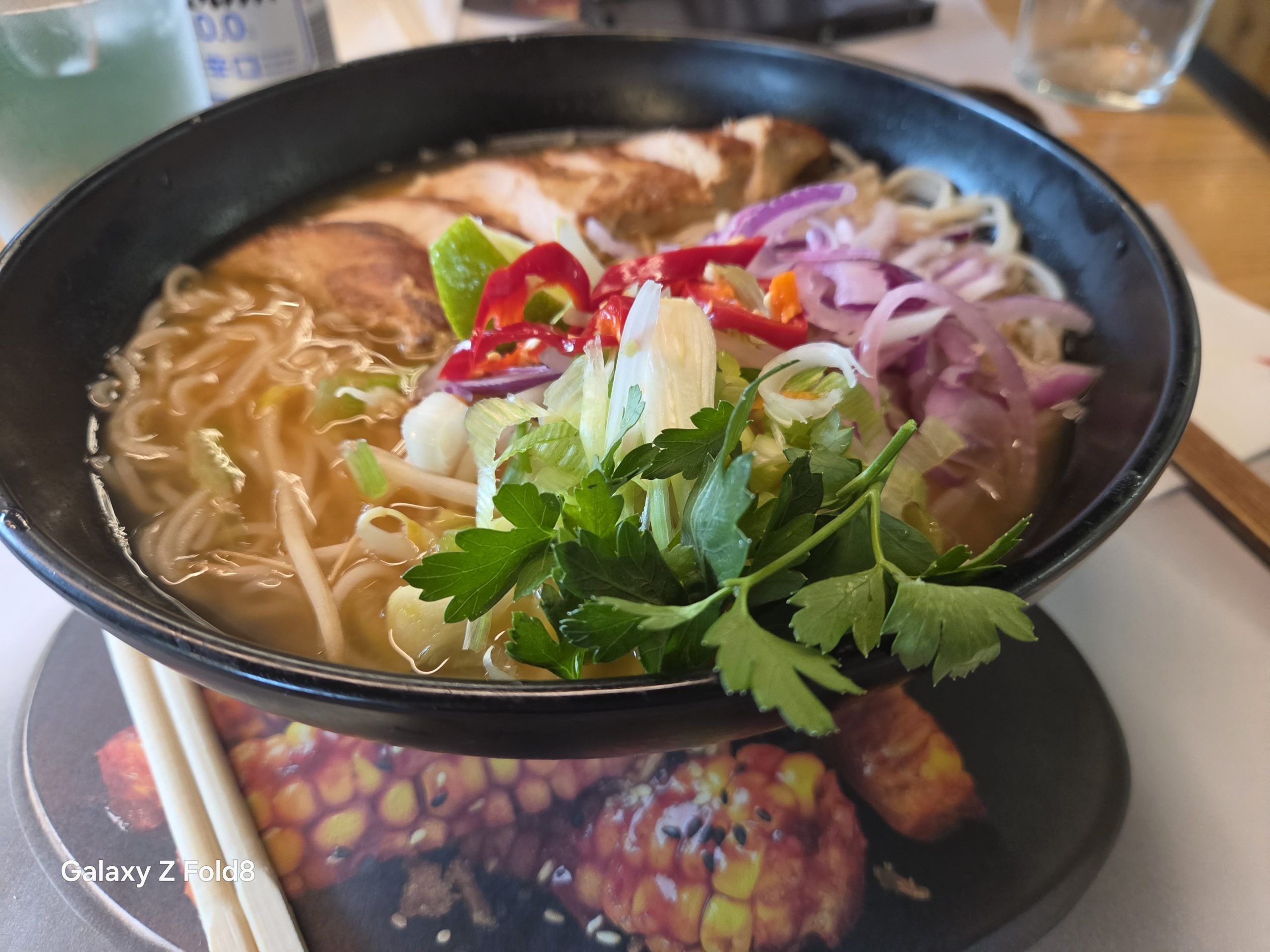
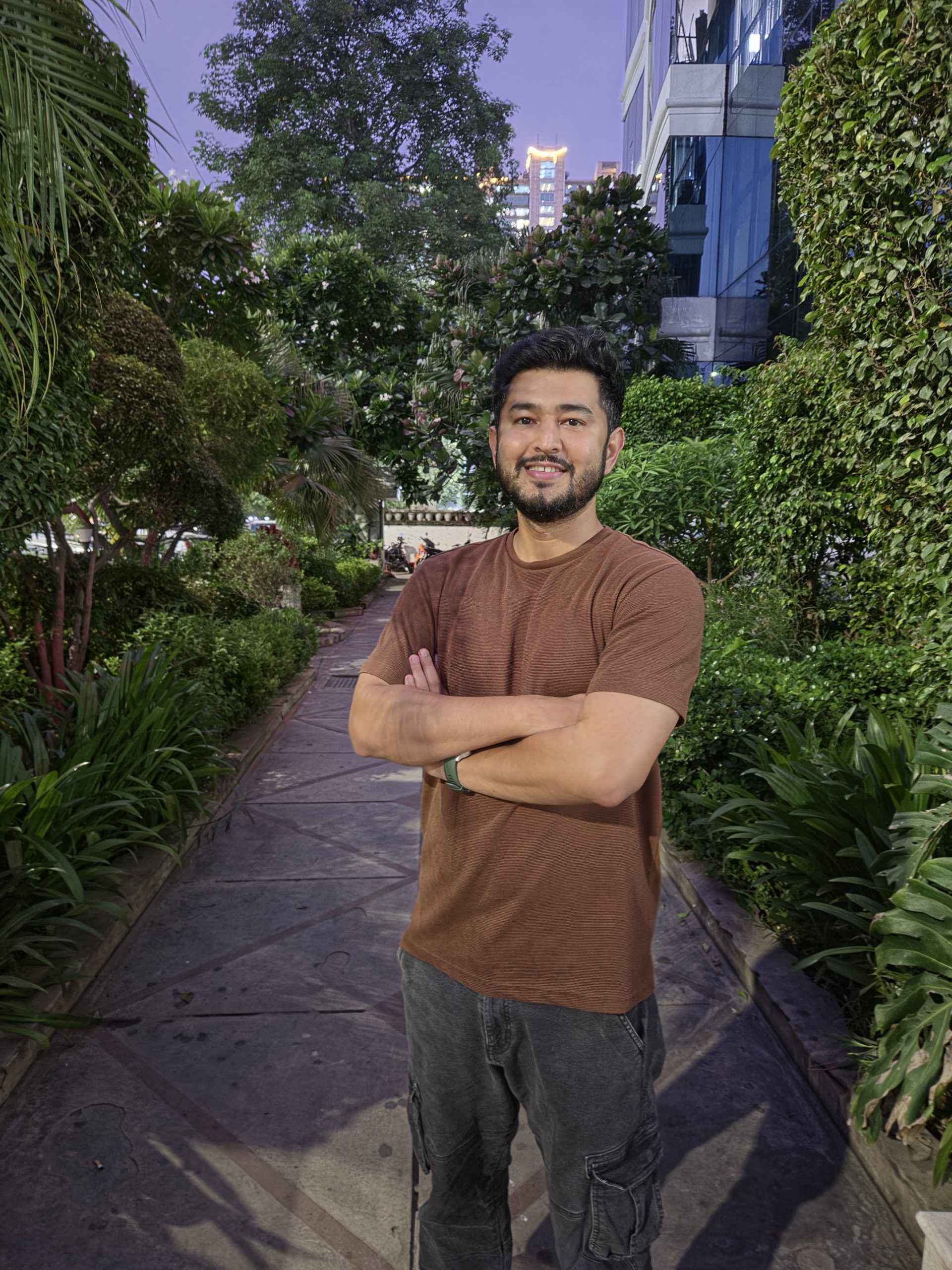
Close-ups of food also turn out well. The noodles, herbs and onions appear detailed and appetising, with a natural fall-off in focus towards the back of the bowl. Portrait mode produces convincing separation around simpler subjects such as the Coca-Cola can, though the blur can look a little aggressive around more complex edges. The portrait of a person taken around dusk is sharper and more balanced, preserving facial, hair and clothing detail while keeping the surrounding greenery visible. Skin tones look slightly warm, but not unnaturally processed.
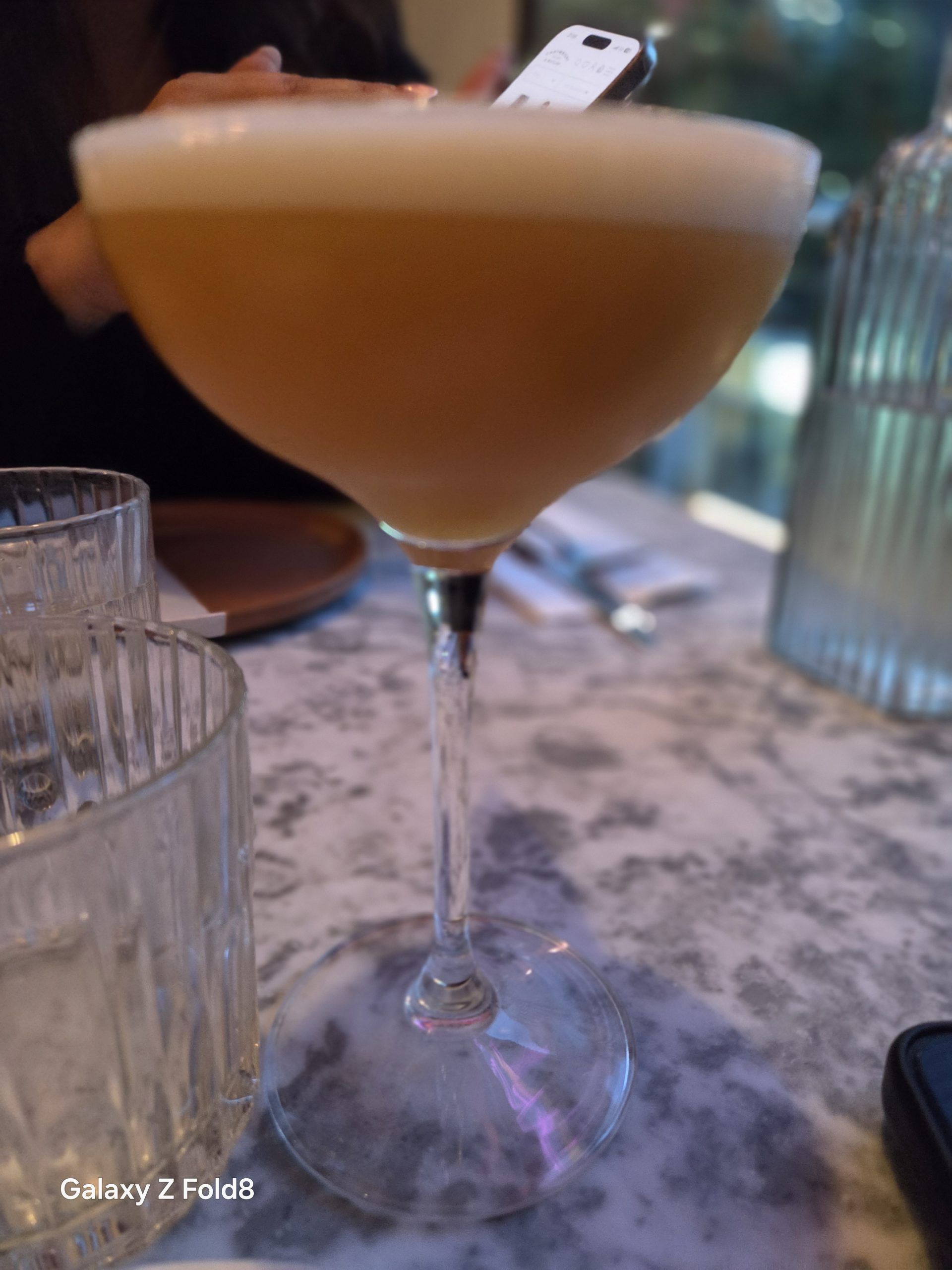
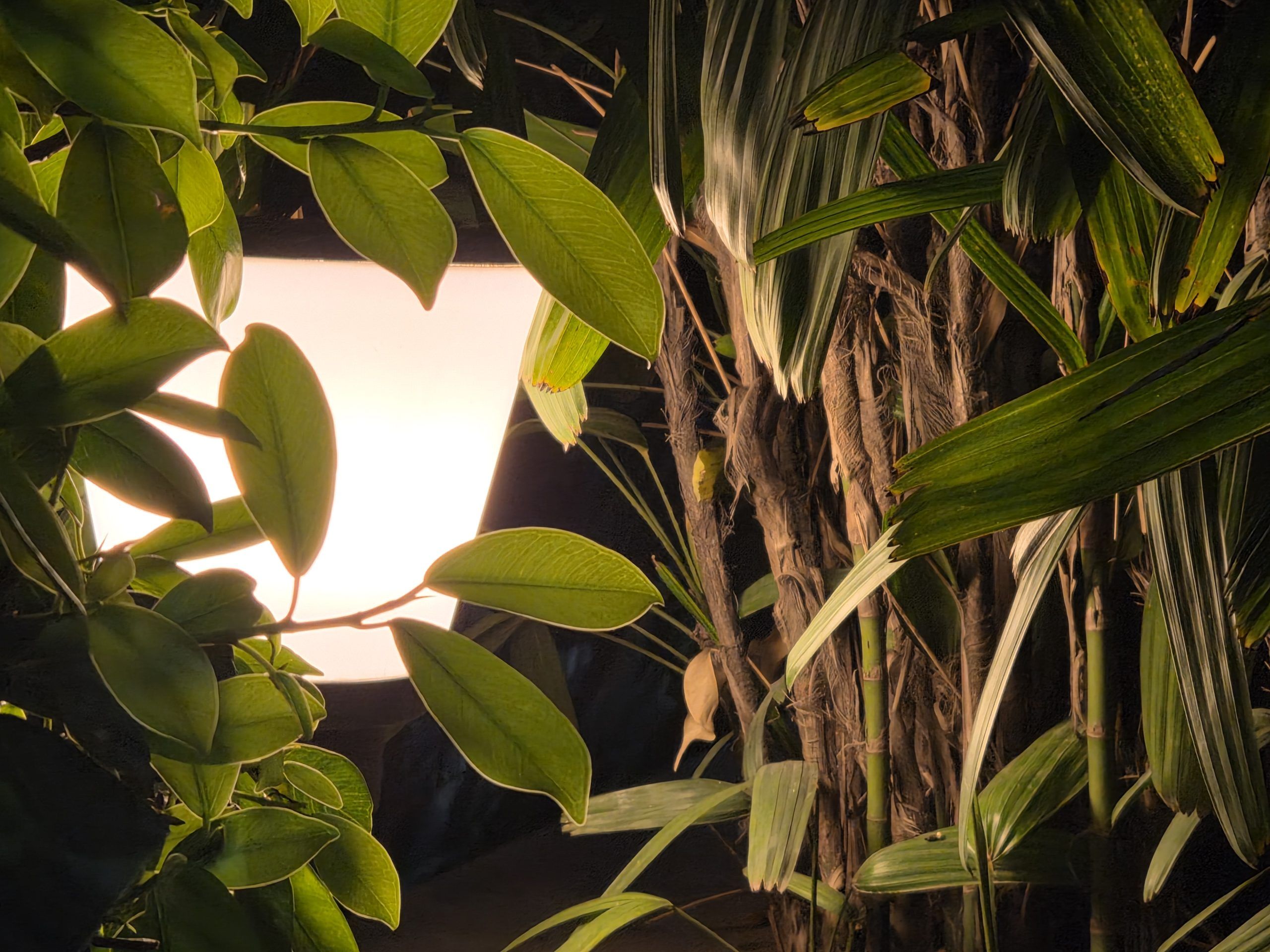
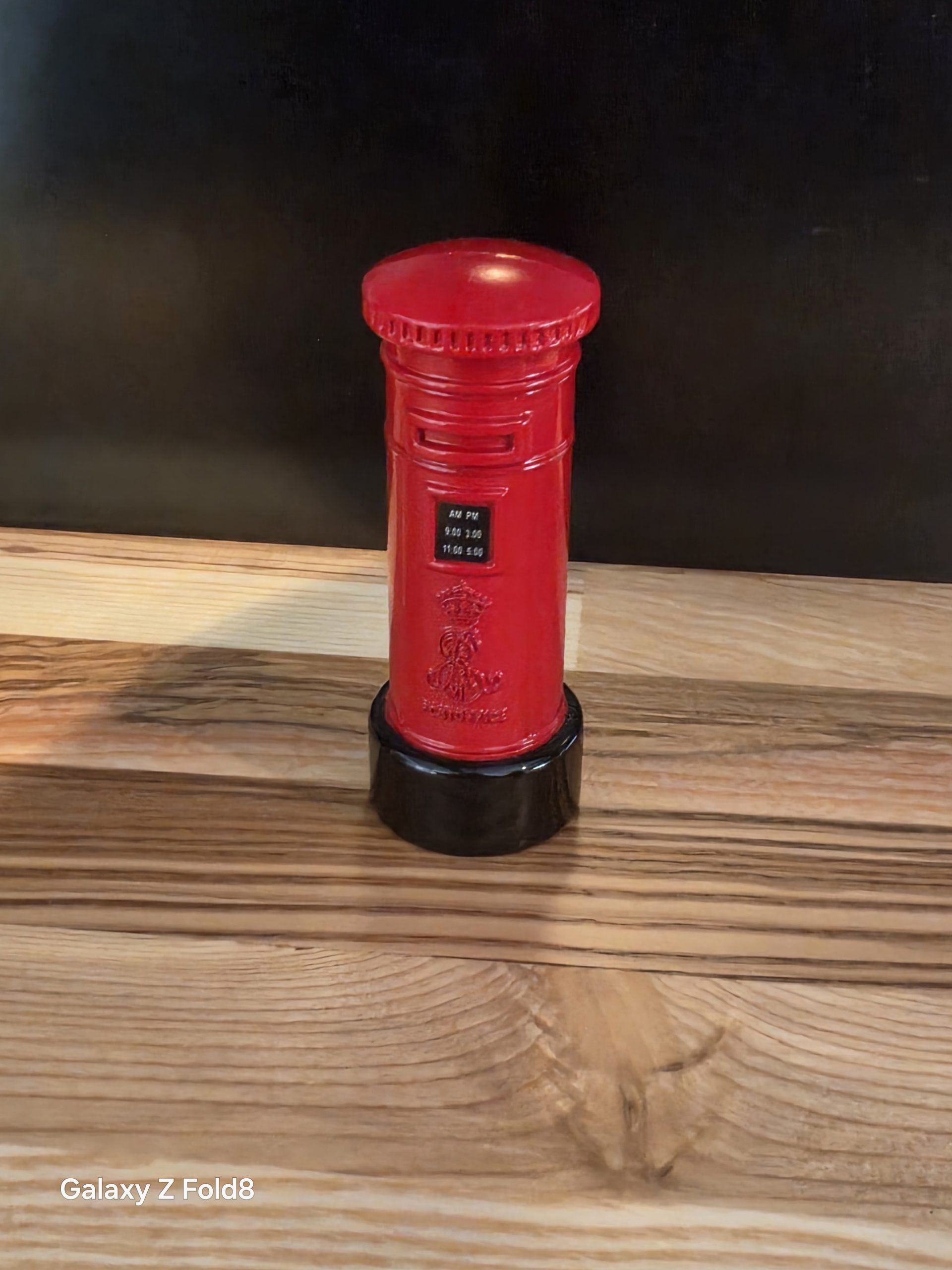
Low-light performance is decent, though less consistent. The foliage sample retains impressive texture in the leaves and tree bark with controlled noise, but the bright lamp is blown out and the deepest shadows lose detail. The indoor postbox photograph preserves the red finish and the grain of the wooden table, although finer details appear softer. The camera also struggled to focus properly on the cocktail in dim lighting, leaving the glass and foam noticeably soft.
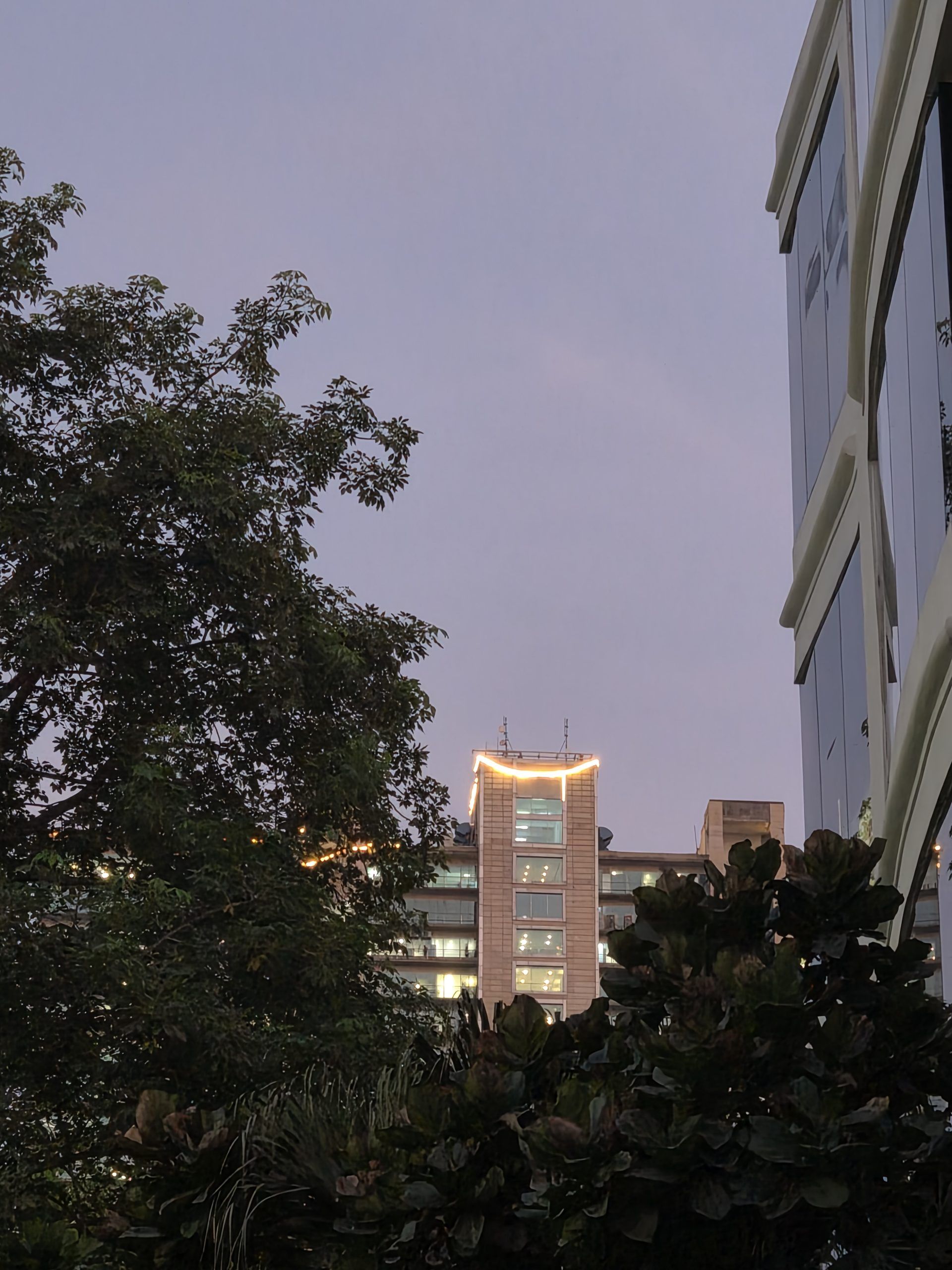
Overall, the Fold8 is a capable everyday camera phone, particularly for daylight landscapes, food and colourful subjects. Its low-light output occasionally needs a steadier hand, while the absence of a dedicated telephoto camera remains a significant limitation at this price. We did not capture enough selfies to judge the front-facing cameras fairly.
Performance and Thermals
Samsung has equipped the Galaxy Z Fold8 with the Snapdragon 8 Elite Gen 5 for Galaxy, the same processor used by the Fold8 Ultra. Our benchmark results show that the smaller Fold8 does not give up much peak performance despite its more compact body.
The Fold8 recorded an overall AnTuTu score of 3,075,613, placing it only around two per cent behind the Fold8 Ultra’s 3,139,404. Its AnTuTu CPU score of 853,861 was also virtually identical to the Ultra’s 854,586. Geekbench 6 showed a wider difference, with the Fold8 returning 3,146 in the single-core test and 9,524 in the multi-core test. The Fold8 Ultra scored 3,515 and 10,091, respectively.
Everyday workload performance was particularly strong. The Fold8 scored 20,811 in PCMark Work 3.0, slightly ahead of the Ultra’s 20,062. The combination of these results suggests that the Fold8 has more than enough processing headroom for multitasking, media consumption and other regular workloads.
Sustained performance is where the thin design begins to show its limitations. The CPU Throttling Test returned 49 per cent, almost identical to the Fold8 Ultra’s 48 per cent. The result suggests that the phone gives up a considerable amount of its peak performance during prolonged heavy workloads, even though shorter tasks are handled quickly.
Graphics performance followed a similar pattern. The Fold8 scored 1,336,247 in AnTuTu’s GPU test and 6,823 in 3DMark Wild Life Extreme, beating the Fold8 Ultra’s respective scores of 1,277,830 and 5,927. However, its 3DMark stability score stood at 48 per cent, compared with 56.4 per cent on the Ultra. The Fold8 also trailed in Geekbench’s OpenCL test, scoring 21,647 against the Ultra’s 24,112. Peak graphics performance is excellent, but the phone is less successful at maintaining that level during an extended stress test.
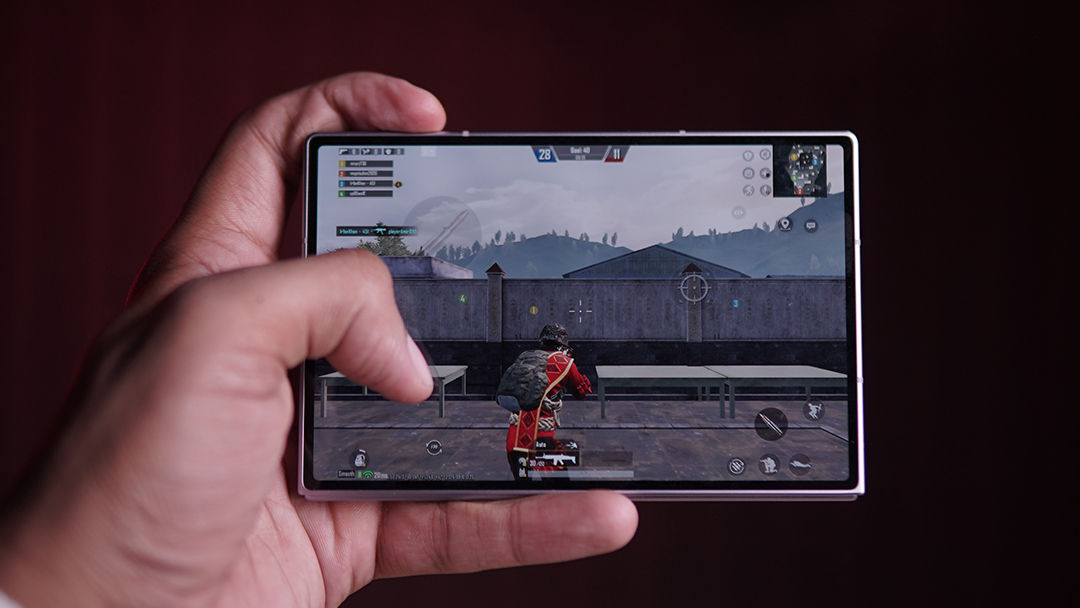
Storage performance is similarly quick. The Fold8 registered 3,935.7MB/s sequential read and 3,562MB/s sequential write speeds, while random read and write speeds reached 1,677.7MB/s and 897.6MB/s. Its AnTuTu Storage and PCMark Storage scores stood at 159,679 and 75,747, respectively. The Ultra was slightly quicker across most storage tests, but the difference is unlikely to create a meaningful bottleneck during normal use.
Overall, the Galaxy Z Fold8 offers flagship-level peak performance and handles everyday workloads extremely well. Its compact, slim body does affect sustained CPU and GPU performance, making thermal stability the more relevant limitation than outright speed.
Battery Life
The Galaxy Z Fold8’s 4,800mAh battery delivered 16 hours and 37 minutes in our PCMark battery test. That is a respectable result for such a slim foldable and suggests that the phone should manage a typical day of calls, messages, social media and content consumption without requiring an early top-up.
The Fold8 Ultra lasted 22 hours and 32 minutes in the same test, giving it an advantage of almost six hours. The gap is significant, especially since the Fold8 Ultra’s 5,000mAh battery is only marginally larger. Battery life is therefore dependable on the Fold8, but it is not one of the phone’s standout strengths, particularly if the main display is used extensively for streaming or gaming.
Software and Multitasking
The Galaxy Z Fold8 runs One UI 9 based on Android 17, and Samsung’s experience with foldables is evident in how the software handles its two displays. The cover screen works well for calls, messages and quick scrolling, while apps move smoothly to the main display when the phone is unfolded. Instagram, YouTube and most frequently used apps adapted well, although certain websites and PDFs did not always make effective use of the wider space.
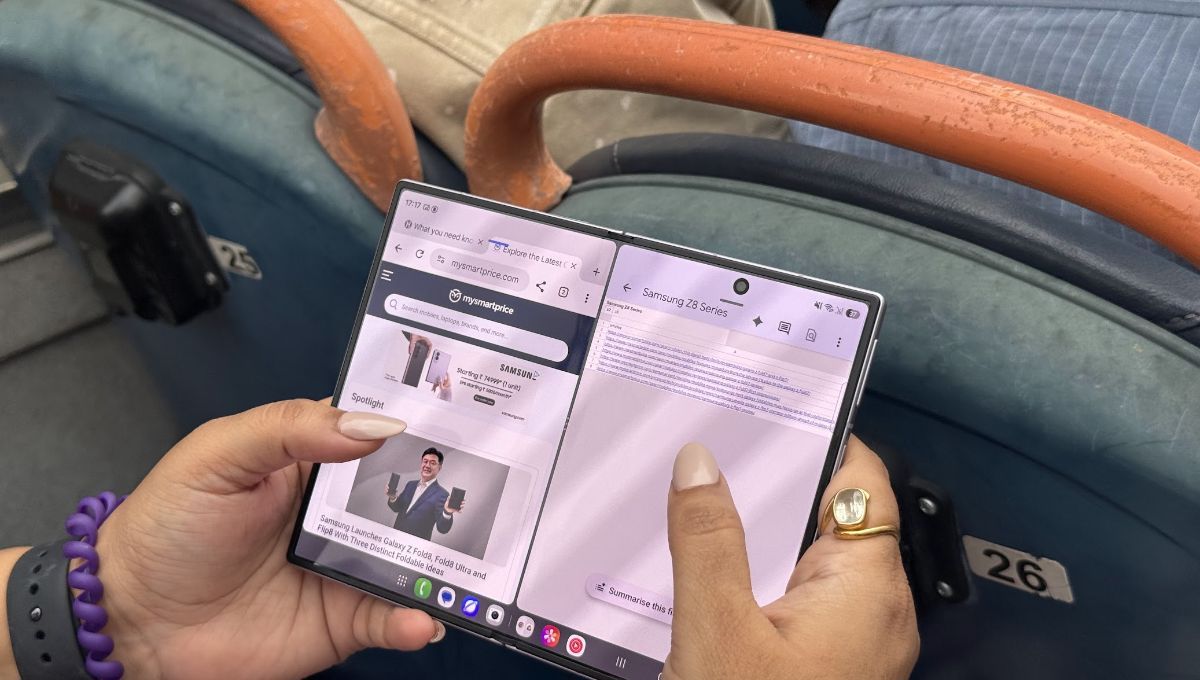
The taskbar and Multi Window make running two apps side by side genuinely useful, particularly when referring to a webpage while replying to a message or working on a document. Three-app layouts are available, but can feel cramped on this screen. Reading remains one of the best reasons to unfold the phone, with books and longer articles feeling far more natural on the 4:3 display.
Samsung is also promising up to seven generations of OS upgrades and security updates. That long support period is important for an expensive foldable that buyers are likely to retain for several years.
Verdict
The Galaxy Z Fold8 proves that its passport-sized design is more than a novelty. It is remarkably pocketable, while the inner display makes watching videos and reading genuinely enjoyable. Performance is strong, battery life is dependable, and the two rear cameras produce good everyday results.
Opening it one-handed remains awkward, sustained performance could be better, and the lack of a telephoto camera is difficult to overlook at ₹1,94,999. Even with those compromises, the Fold8 feels like Samsung’s most interesting foldable in years, especially for someone who values entertainment and portability over a more productivity-focused design.