Motorola is back in the flagship conversation with the new Signature series. After spending the last few years focused on affordable and mid-range phones, the brand is once again aiming higher with a device that promises premium design, capable performance, and a camera-first approach.
Motorola Signature
Rs 59,999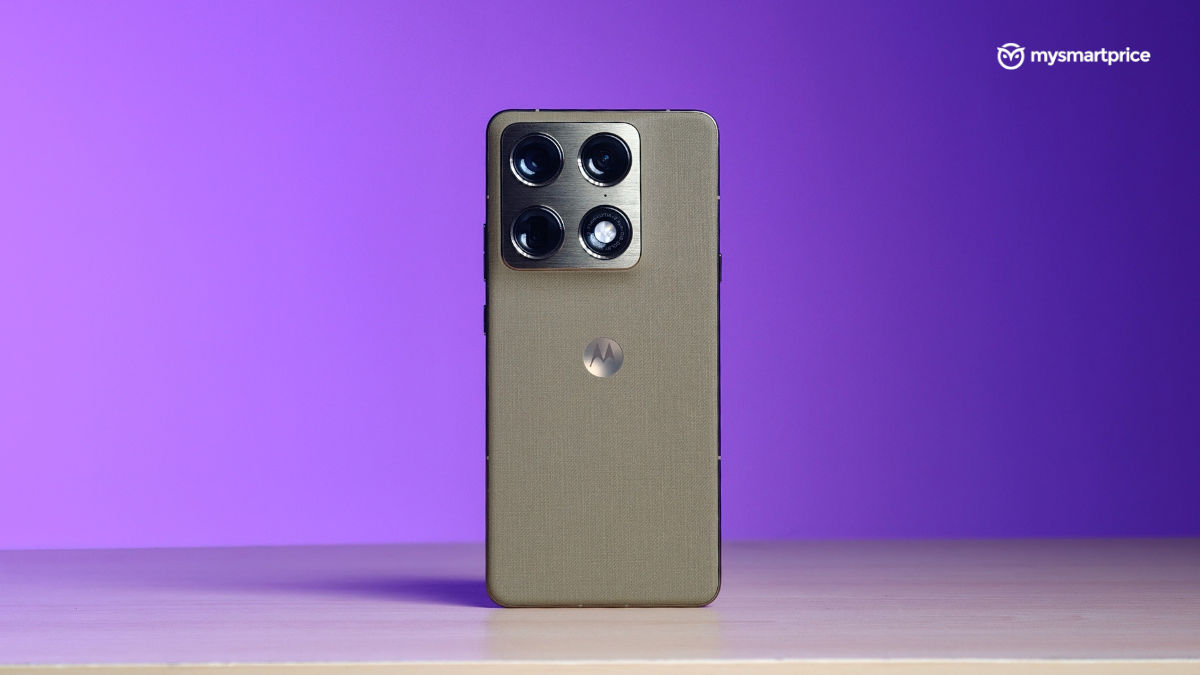
What Is Good?
- Premium build quality with a lightweight, comfortable in-hand feel
- Vibrant LTPO AMOLED display with excellent outdoor visibility
- Consistent camera performance across primary, telephoto, and ultra-wide sensors
- Seven years of software updates and security patches
What Is Bad?
- Performance does not fully justify its near-flagship pricing on paper
- Heavy reliance on cloud-based AI features despite having an NPU
The Motorola Signature, the first phone in this new lineup, ticks the right boxes on paper. It comes with a polished build, a powerful chipset, and a triple 50-megapixel camera setup, clearly positioning itself against established premium players.
But specs alone do not define a flagship experience. To see whether the Signature actually delivers where it matters, I used the phone as my daily driver for a week. Here is how it performed in real-world use.
Design and Build Quality
The Signature carries a sense of sophistication and elegance that people expect from a flagship smartphone. The sleek golden metal rails, the textured fabric finish on the rear, and a broad gold-plated camera module combine to make the phone visually striking.
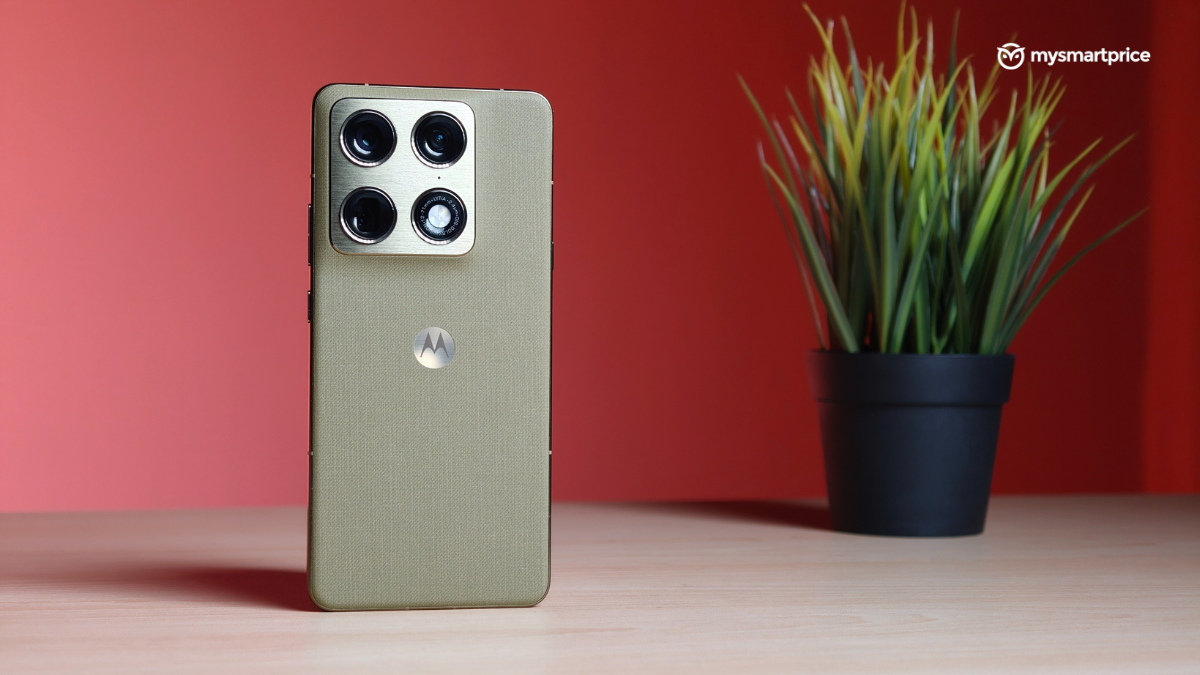
The textured finish and the expansive camera island, in particular, complement each other really well and add a premium touch to the overall appearance.
Even in hand, the Signature maintains its elegant feel through its soft-touch texture and lightweight structure.
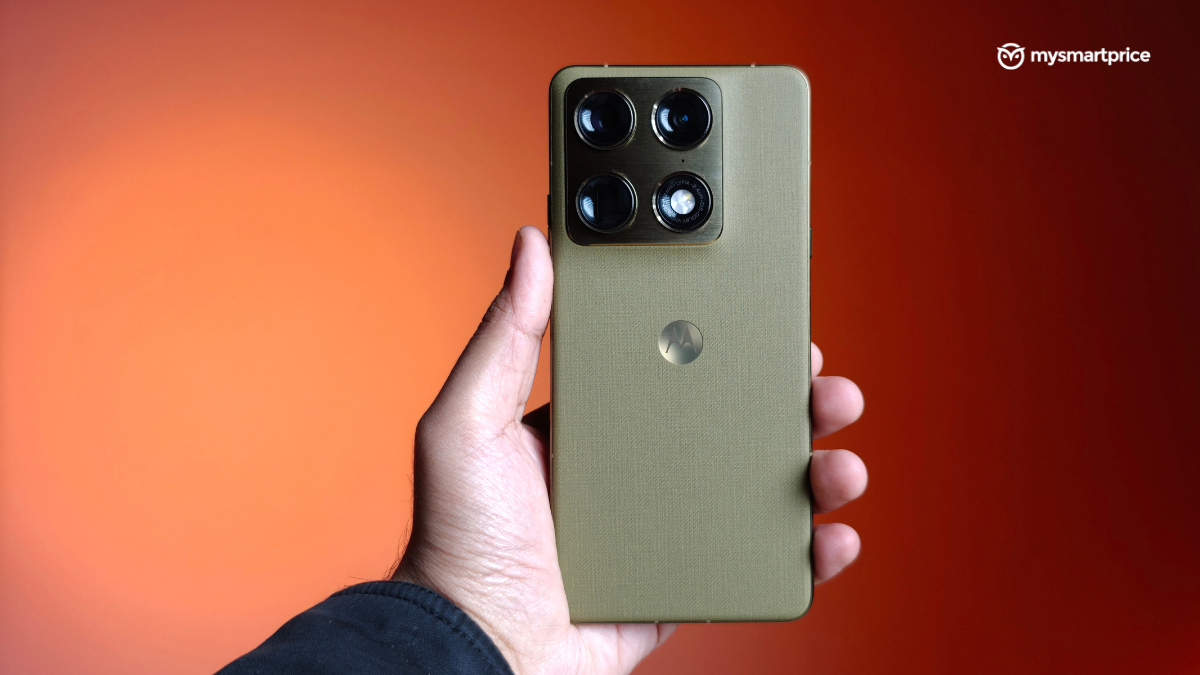
This lightweight body also makes it comfortable to hold for hours, contributing to excellent ergonomics. That said, with its 6.8-inch display, reaching the notification shade can be challenging for people with small hands, including me.
- Colour Options: Pantone Martini Olive (our review unit) and Pantone Carbon
- Weight: 186g
- Thickness: 6.99mm
- IP Rating: IP68+IP69
- Port and Button Placements
- Bottom: Primary microphone, SIM Card tray, USB Type-C Port, and speaker grille
- Top: Secondary microphone and speaker
- Right side: Power button and volume button
- Left Side: AI Key
Beyond design, Motorola has done a commendable job making the Signature a sturdy device despite its slender profile. With a military-grade standard in place, alongside IP68 and IP69 dust and water protection, the phone is well-protected against accidental drops and water submersion. However, caution is still strongly recommended, as no safety mechanisms assure immunity against unpredictable events.
Performance and Software
Performance, of all the aspects, is the only facet of the Signature that may leave people conflicted. The Signature is nearly as expensive as the iQOO 15, but it comes with a Snapdragon 8 Gen 5 SoC that is also available in phones such as the OnePlus 15R, which is approximately Rs 13,000 cheaper. In essence, its performance may not match the flagship-level price tag. This viewpoint is further reinforced by examining its standing in our benchmark tests compared to competitors.
However, practical usage paints a more reassuring picture. During my week of testing the Signature, it was just as snappy and effortlessly juggled every task I threw at it, without slowing down. My usage included surfing the internet, watching YouTube videos, and a few rounds of battle royale in BGMI.
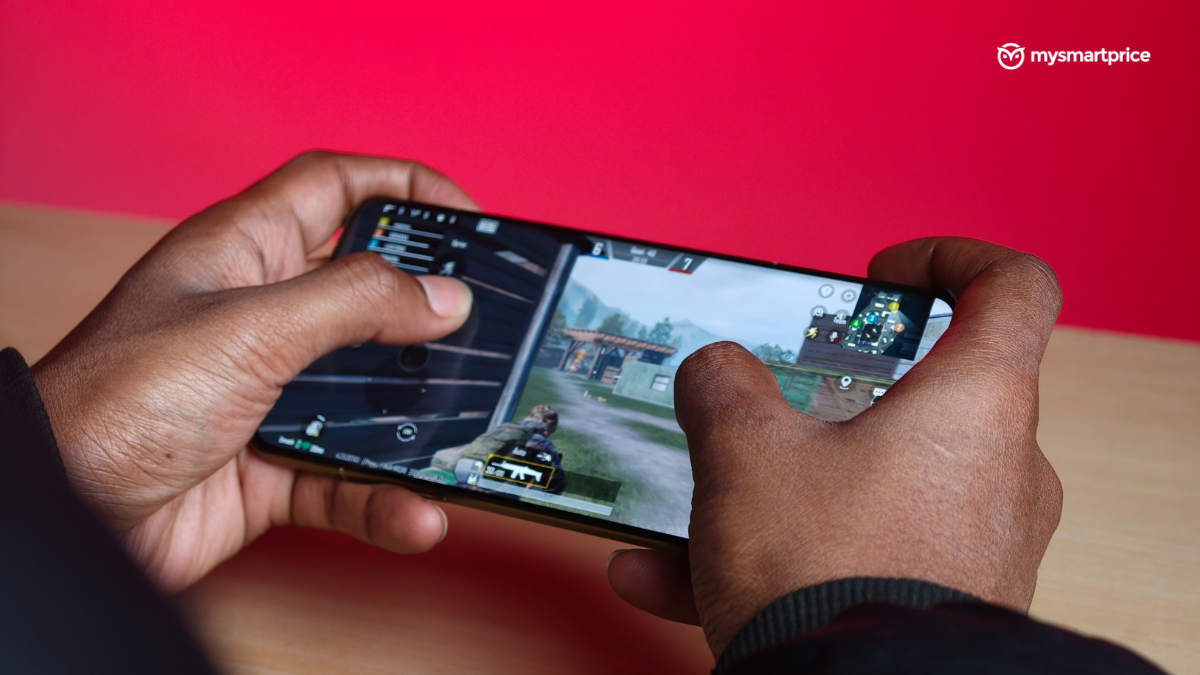
Speaking of BGMI, the game ran at an average frame rate of 118.3fps on the lowest graphical settings, as expected for this hardware. However, the phone struggled to maintain frame consistency throughout the round, as the difference between the average frame rate and the 5% low frame rate was significant. Given the Signature’s slender chassis, the system may have prioritised lower heat output over consistent peak performance. In our stress test, the phone reached a peak temperature of 36°C, approximately two to three degrees cooler than comparable devices we’ve tested, which further supported my suspicions. All in all, the Signature can run most visually intensive games; however, you will be unable to experience consistent, smooth gameplay over an extended period.
| Hardware | Specifications |
| RAM | Up to 16GB LPDDR5X |
| Storage | Up to 1TB UFS 4.1 |
| Storage Test | 246159 |
| CPU Throttling Test | 60 per cent |
| Software Version | Hello UI, based on Android 16 |
| Connectivity Details | Bluetooth 6 and Wi-Fi 7 |
| Number of Software Updates | Seven years of major OS upgrades and security updates |
Aside from the performance, the software is almost just as impressive on the Signature.
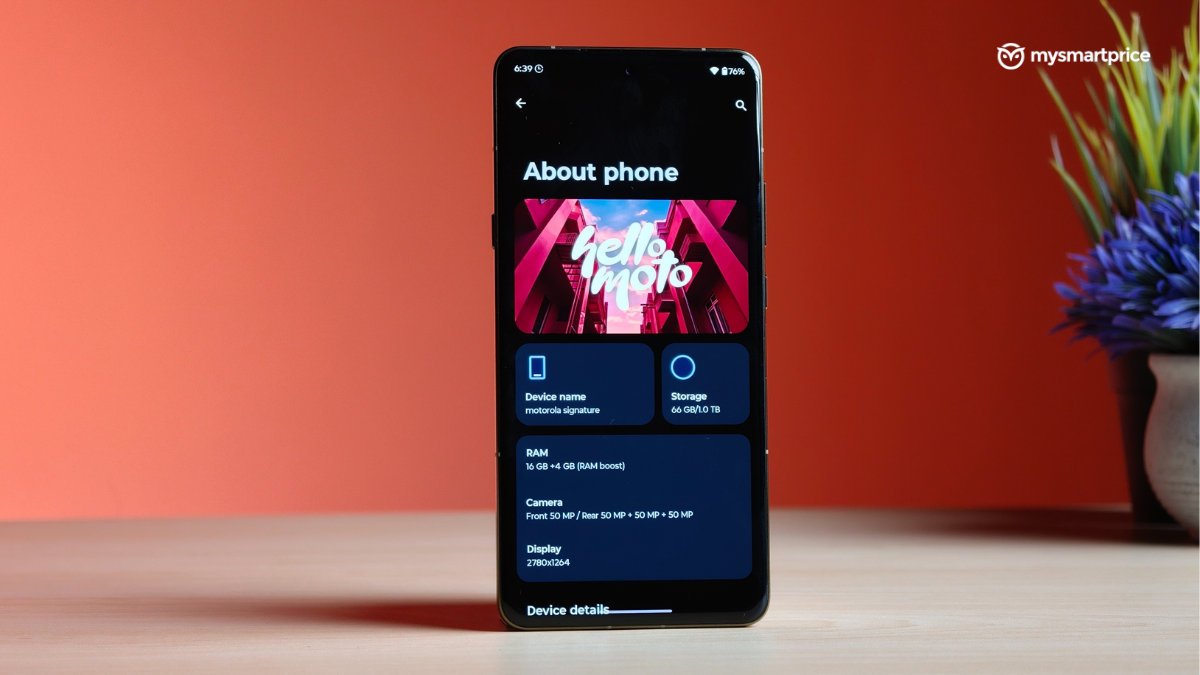
The Hello UI, based on Android 16, is a joy to use, with fluid animations and lively app-opening transitions. The interface also reflects a refined design language that perfectly aligns with the phone’s overall aesthetics.
Feature-wise, the Hello UI includes several AI-powered features that are useful in daily life.
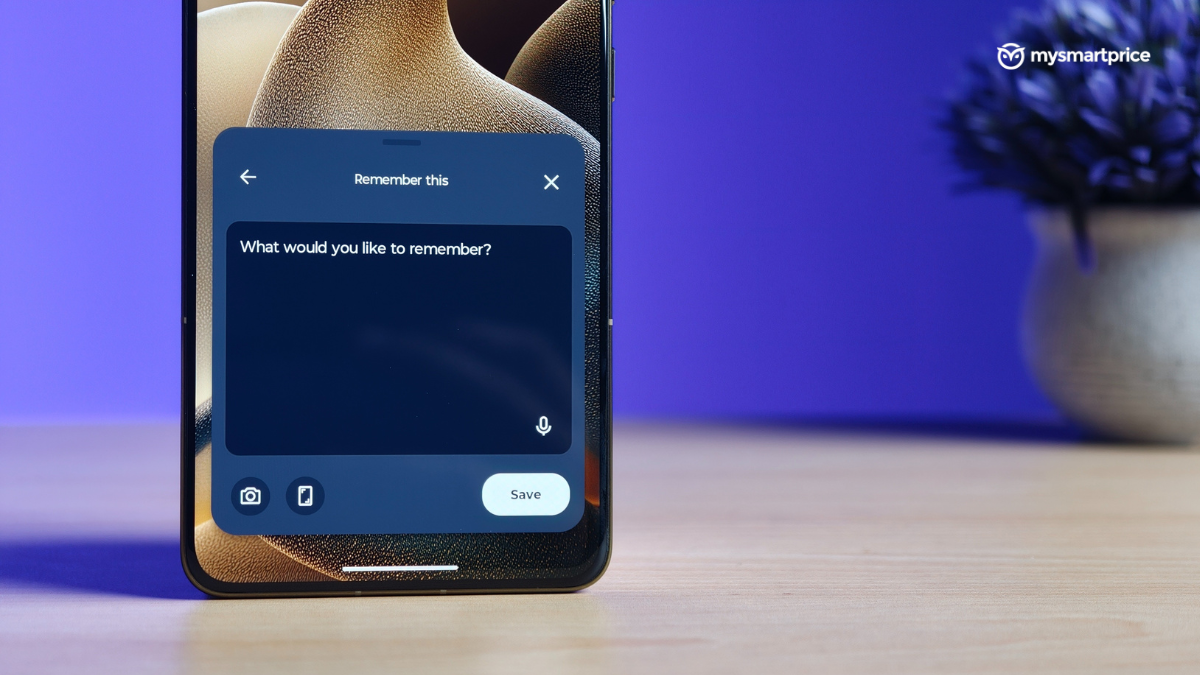
For instance, the ‘Remember This’ feature stored a piece of information, particularly a text message, that I was having difficulty memorising, and helped me recall it upon request. The caveat is that, except for transcription, all the other AI-powered features require an active internet connection to function. This feels like a missed opportunity, given that the Signature includes an NPU, yet most AI features still rely on the cloud. While this issue extends to other brands as well, I would have appreciated it if Motorola had taken the initiative to integrate on-device AI functionalities.
That said, the Hello UI on the Signature redeems itself by supporting seven years of software updates and security patches. This reflects Motorola’s commitment to providing an extended device lifecycle, making it join the ranks of Samsung, Google, and Apple.
Display and Audio Quality
The quad-curved AMOLED display on the Signature is truly one of its strong suits. Its 165Hz refresh rate makes daily interaction with the phone feel smooth. With the LTPO panel in play, the Signature intelligently reduces its refresh rate to lower hertz when high refresh rates are not required, helping conserve battery life.
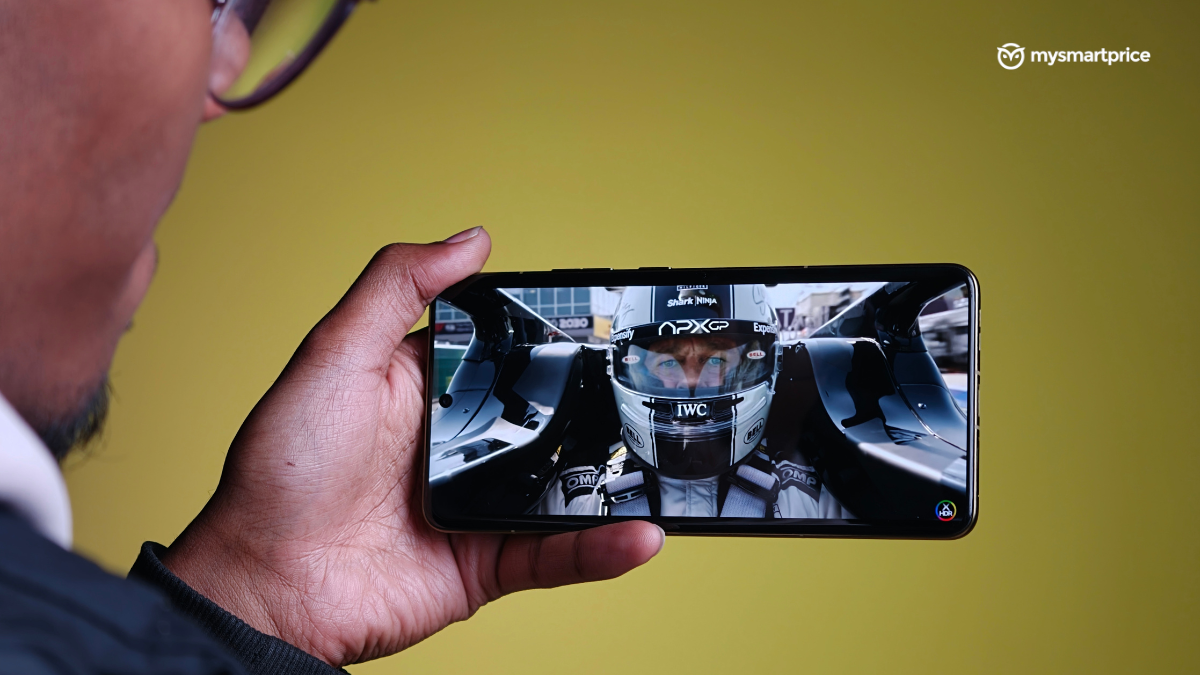
The Signature’s screen also delivers an enjoyable experience when watching animated content. The My Hero Academia: Vigilantes series particularly stood out to me, as it showcased the display’s ability to render vivid scenes strikingly. Even the live-action series, including Monarch, had sharp, well-defined visuals on Signature’s screen.
Outdoor visibility under direct sunlight is exceptional, considering the display automatically cranks its brightness to 1929 nits when needed.
- Size: 6.78-inch
- Type: AMOLED
- Resolution: 1.5K pixels
- Refresh Rate: 165Hz
- Display Protection: Corning Gorilla Glass Victus 2
- Peak Brightness
- Claimed: 6200 nits
- Tested: 1929 nits
The audio experience on the Signature pairs well with its display, offering a holistic experience. The stereo speakers deliver rich music while producing each instrumental note with precision. Moreover, they hardly distort their quality at full volume. The speakers do all this while occupying any space on the smartphone, making them even more impressive.
Battery and Charging
Motorola has packed a 5,200mAh battery into the Signature, a significant feat given that the phone maintains a profile slimmer than two-thirds of its competitors. Beyond this, the battery benefits from solid optimisation, contributing to its respectable scores in our battery test.
The Signature moves ahead of the Samsung Galaxy S25 Plus, despite both devices having similar dimensions and battery capacities.
That said, it slightly lags behind the OnePlus 13, which is not surprising, considering the latter features a larger battery.
In real-world use, Motorola’s flagship generally delivered five to six hours of screen-on time with moderate usage. This encompassed an hour of watching a series, scrolling through memes on YouTube Shorts, and short BGMI gaming sessions. Once completely depleted, the bundled 90W charger took around 45 minutes to recharge the battery.
Camera
The cameras are one of the Signature’s primary selling points. Motorola has handled its tuning competently, ensuring it delivers pleasing photographs across most scenarios.
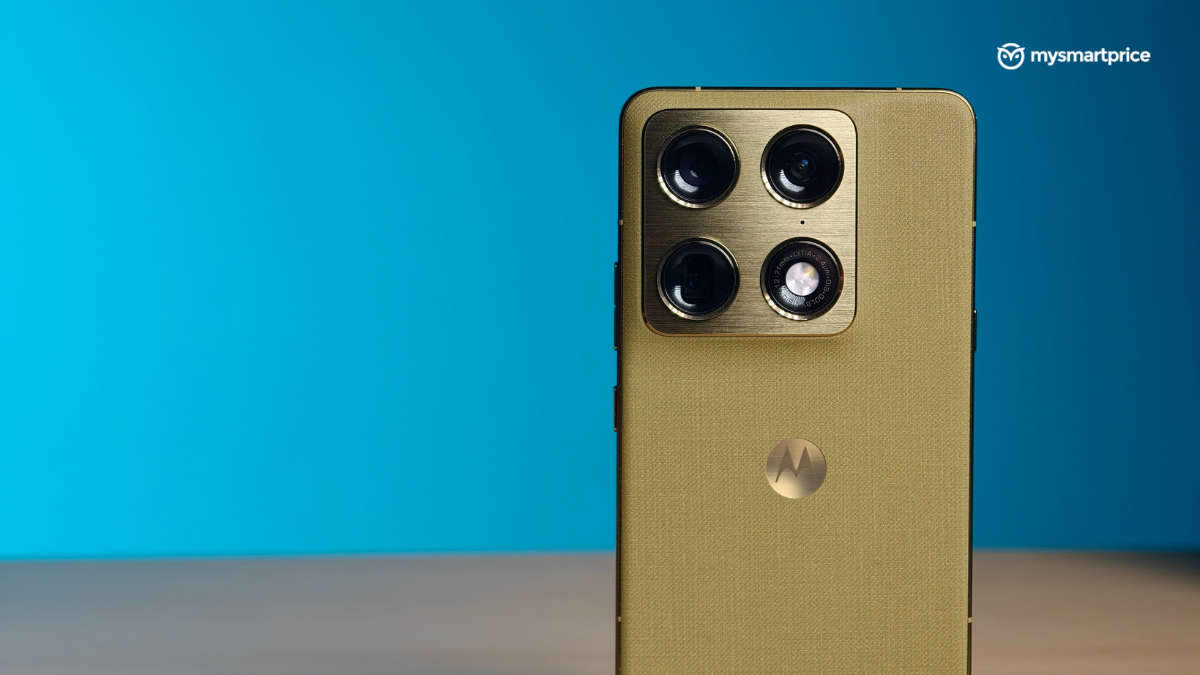
| Cameras | Specifications |
| Primary camera | 50-megapixel, Sony LYTIA 828, OIS, f/1.6 |
| Secondary camera | 50-megapixel, ultra-wide, 122° FOV, f/2.0 |
| Tertiary Camera | 50-megapixel, 3x periscope, OIS |
| Selfie camera | 50-megapixel, f/2.0 |
| Video capabilities | Up to 8K at 30fps for the primary camera and 4K at 50 fps for the front camera |
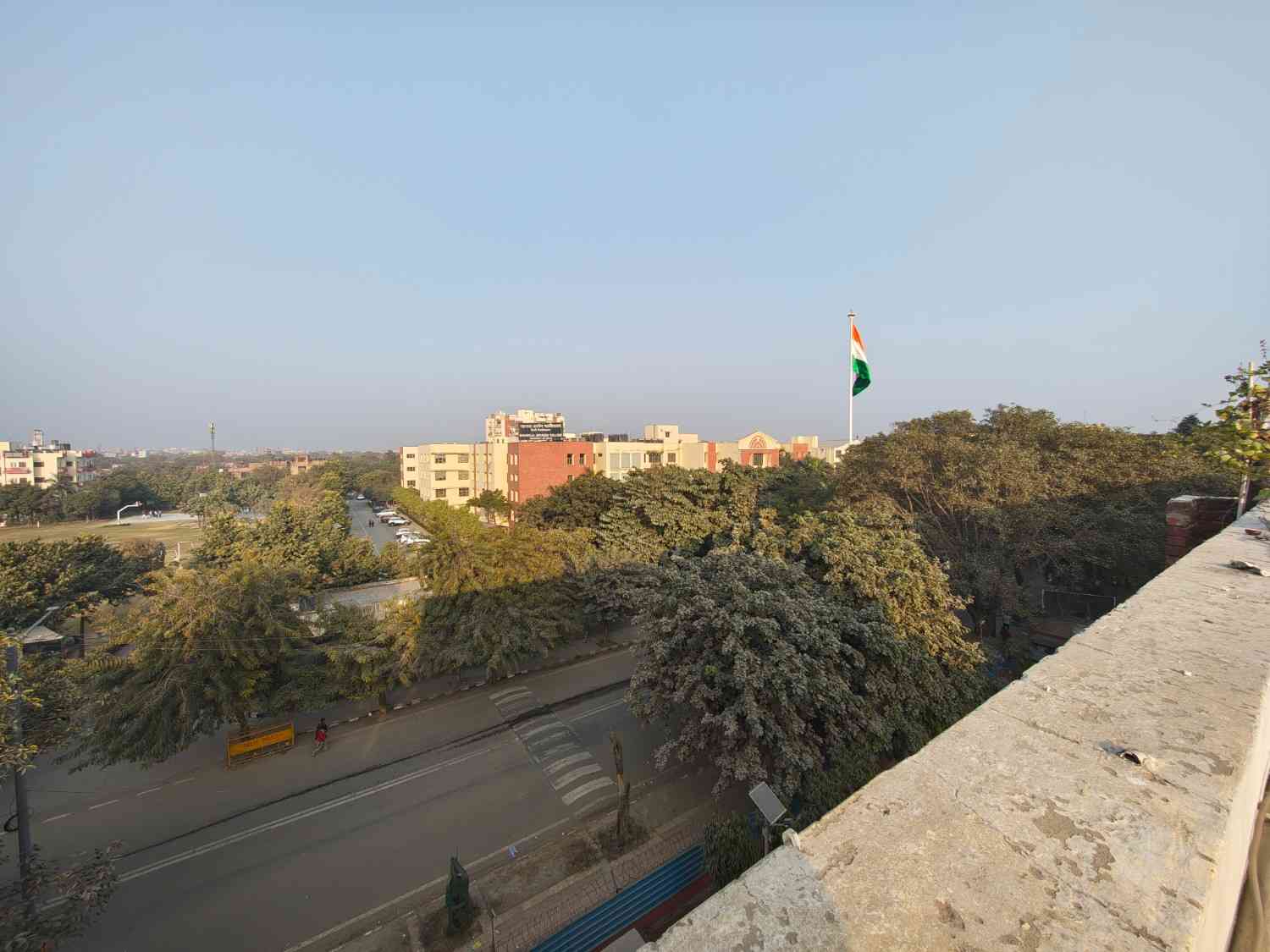
In daylight, photographs from the primary camera often come out closer to the original scene, packing fine details which look just as sharp when zoomed in. While the main camera tends to increase colour saturation, particularly in red and orange, its images still appear visually appealing. Regarding the HDR processing, it effectively balances the darker and brighter areas, allowing each highlight to emerge clearly.


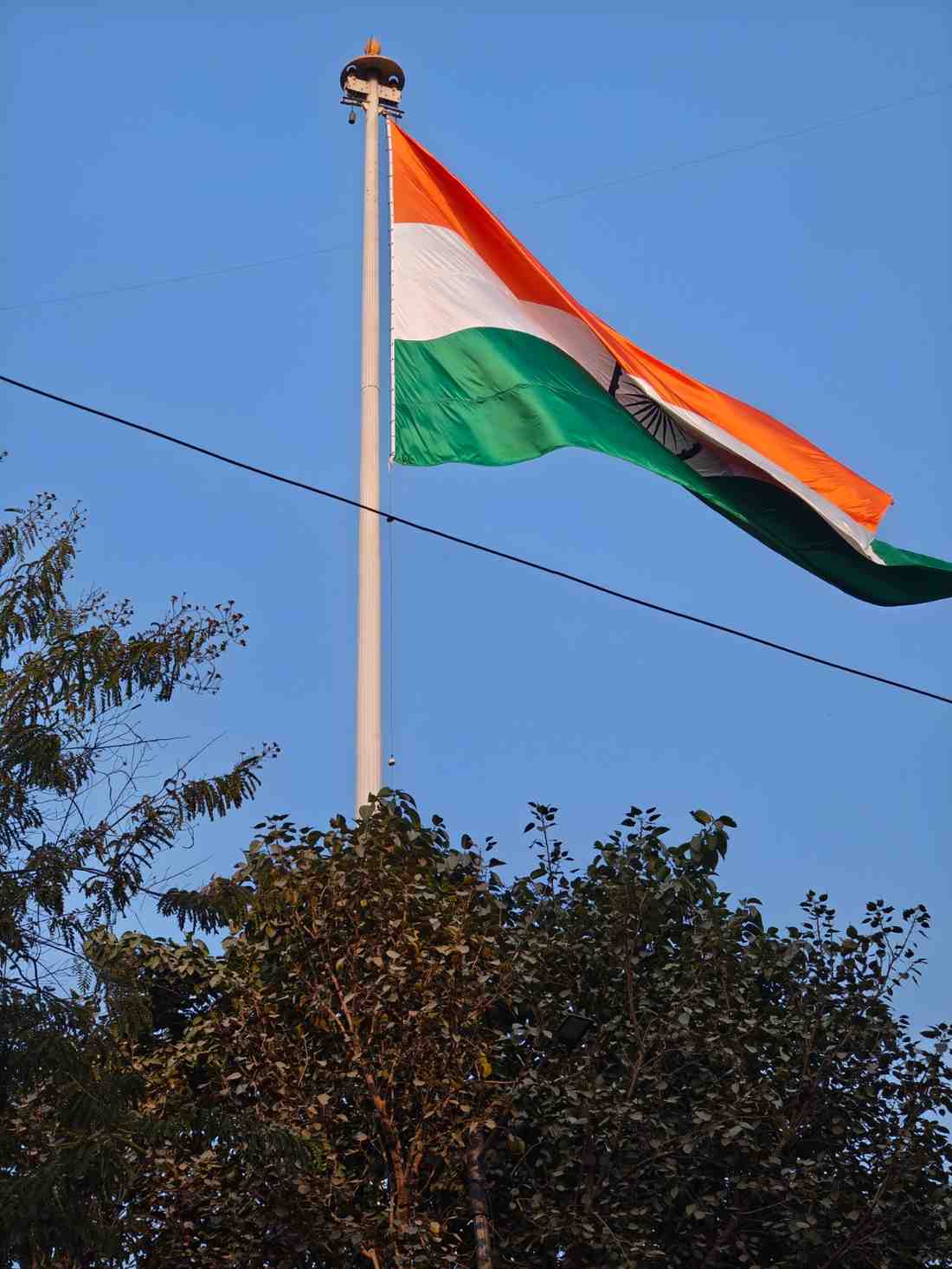







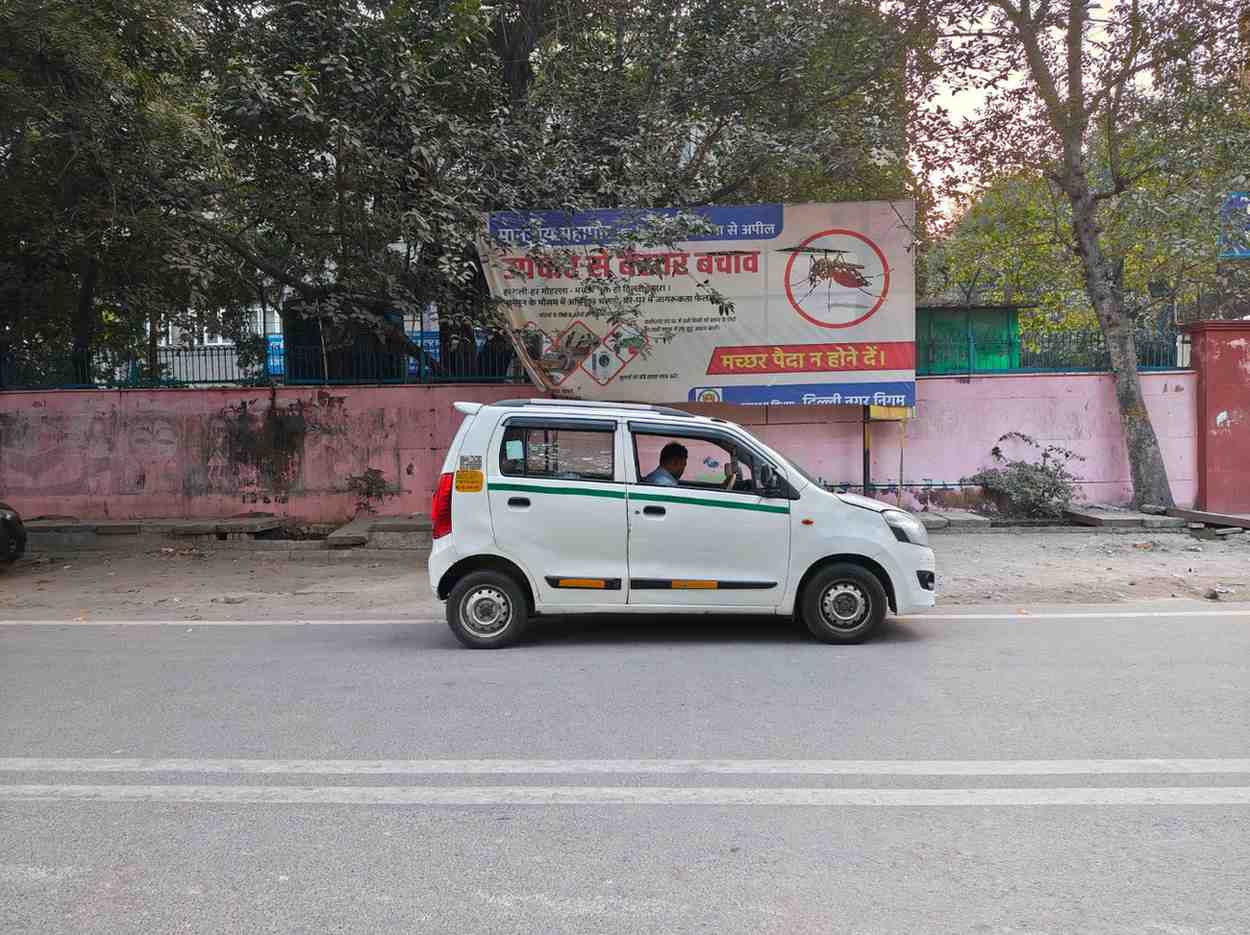









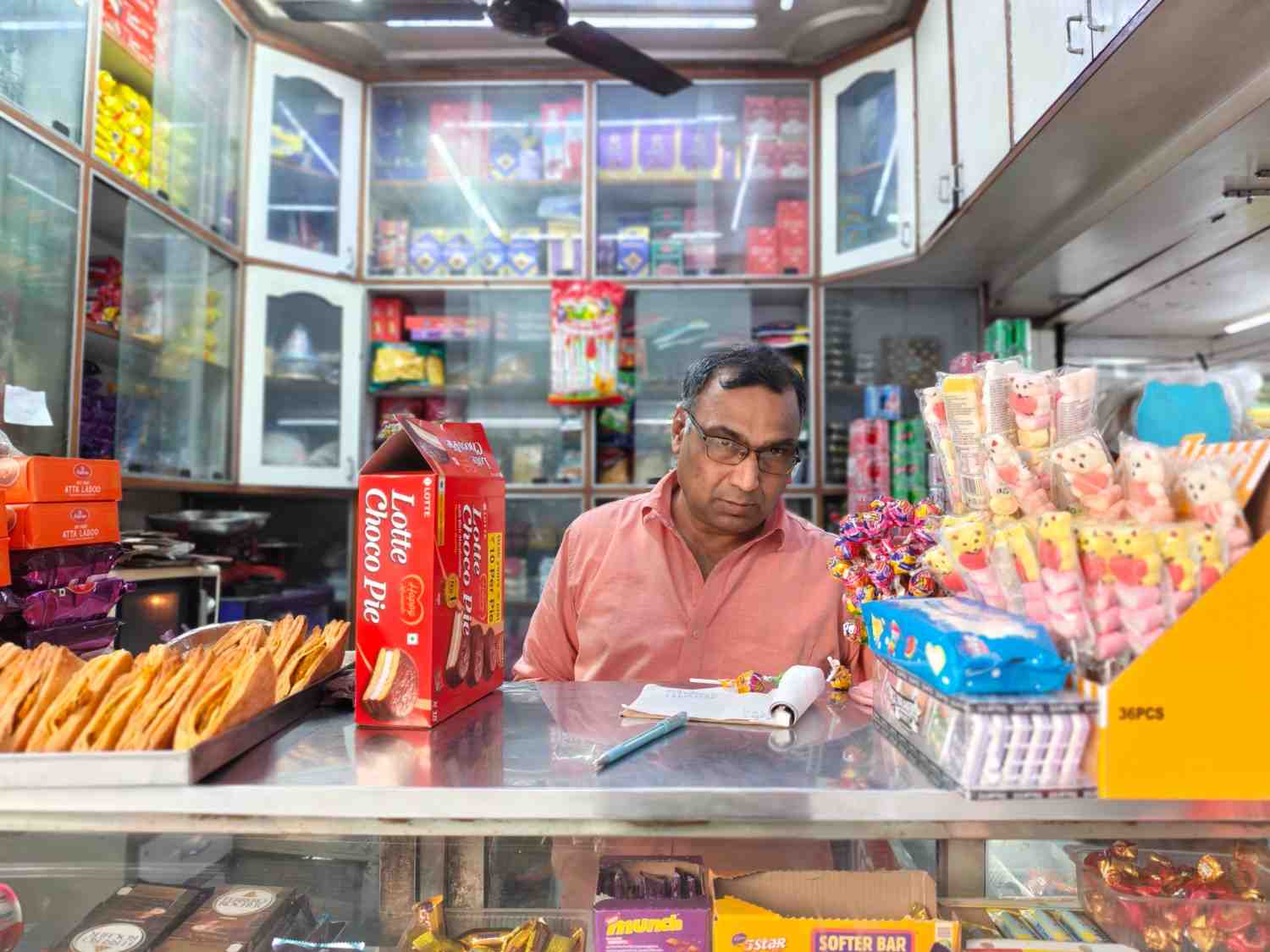
The 3x periscope maintains the colour consistency with the primary camera. Images from this sensor retain the subject’s texture and details well. Portrait photos taken with the periscope also exhibit this exact quality; however, they occasionally struggle to maintain uniform blur around the subject.
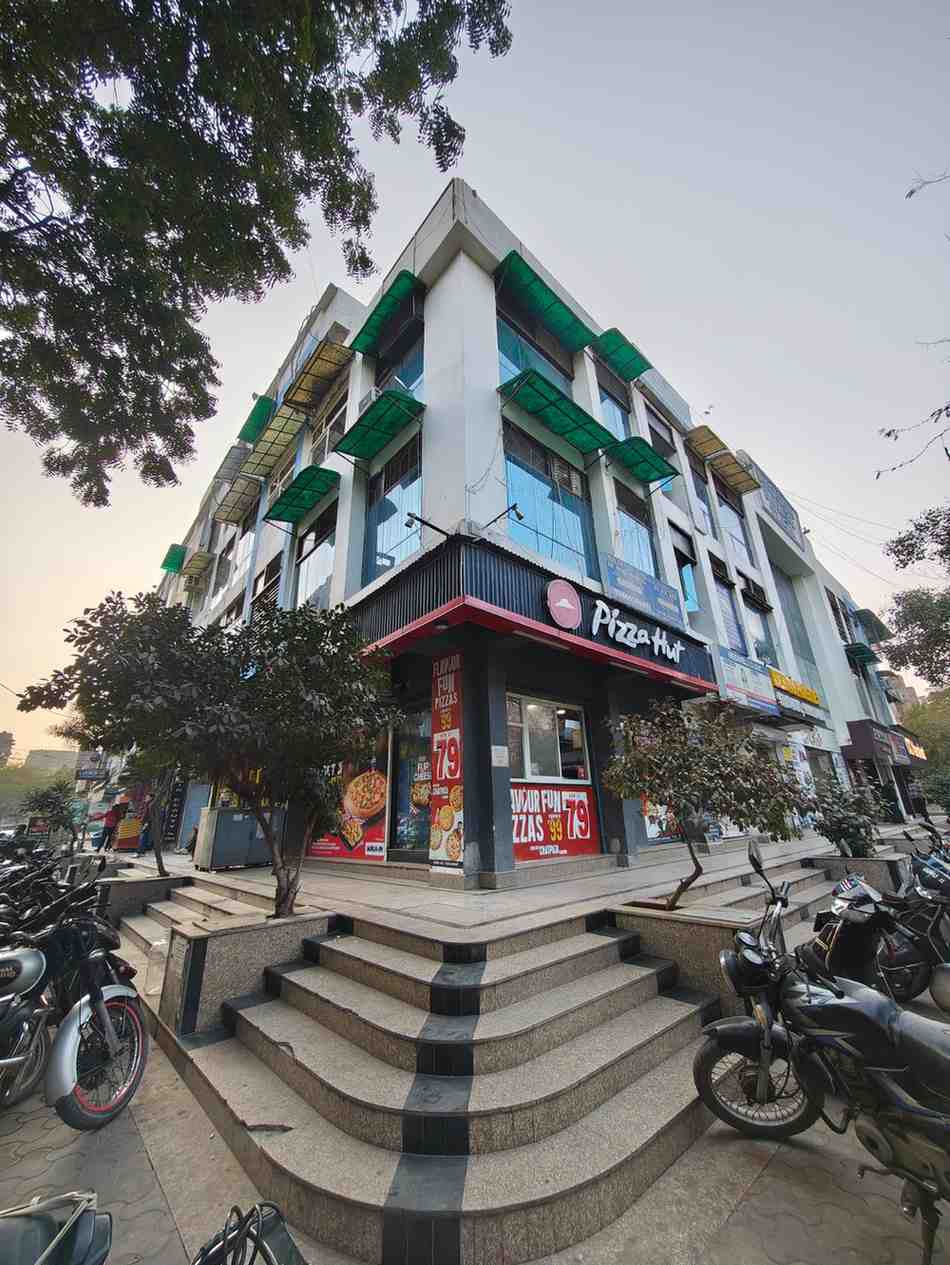
The ultra-wide camera on the Signature captures a wider field of view than most competitors. Additionally, it produces sharp, detailed images while delivering consistent colours, like the other two cameras.
All three cameras also perform effectively in low-light conditions. The dim lighting sometimes causes these cameras to haze images, particularly fine textures like wrinkles.



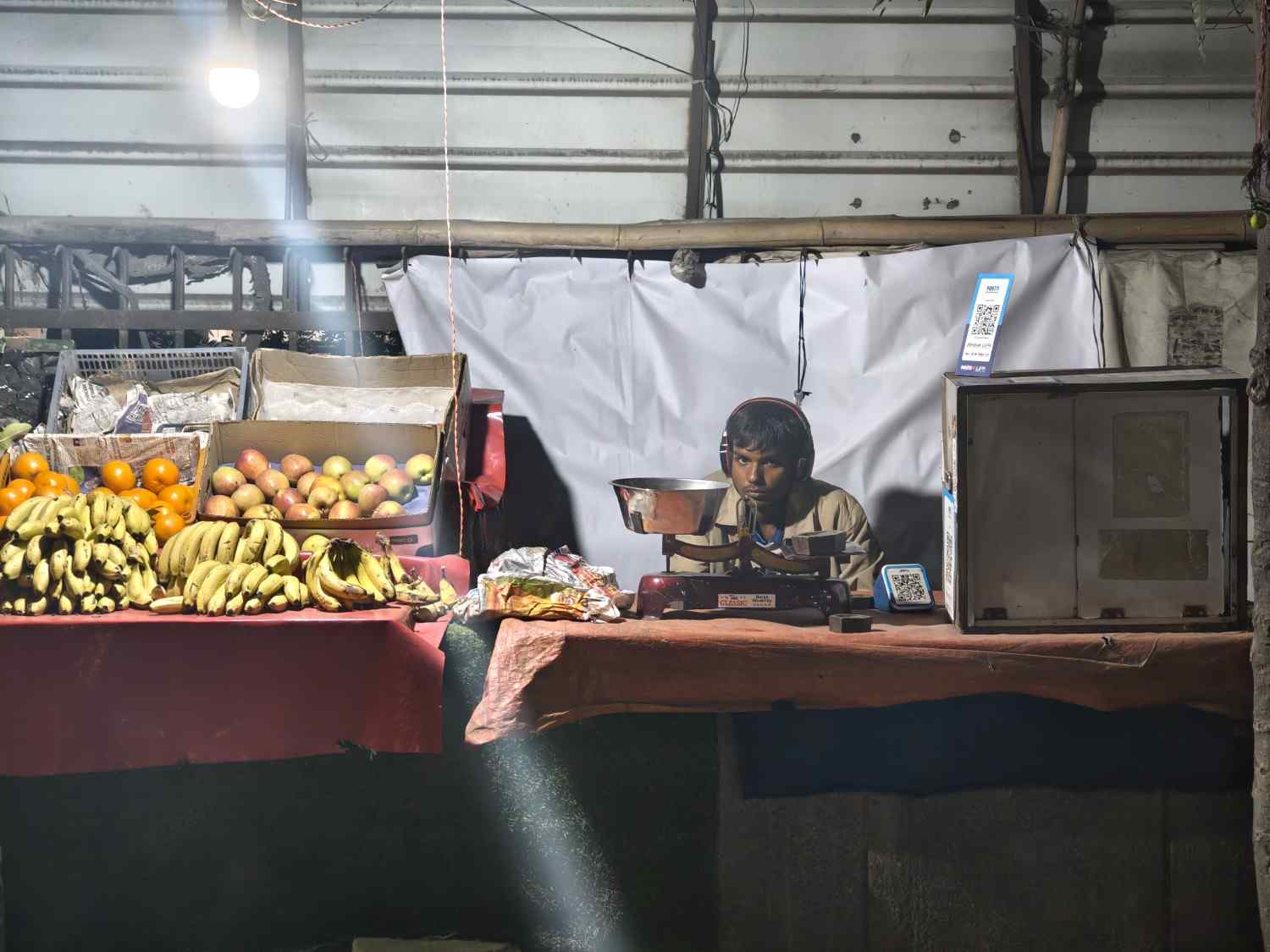














Otherwise, the primary and telephoto cameras deliver detailed photographs with colours that are nearly accurate. Of all the cameras, the ultra-wide camera stood out to me most when taking photographs at midnight. For instance, its viewfinder was pitch black, with some elements still visible. Once clicked, the images from this sensor showcased almost every element of the scene with good HDR processing.



The front camera produces pleasing selfies, with skin tones that are close to accurate, when captured during daylight. Its low-light photos retain fine detail to some extent.
Verdict
The Motorola Signature marks a confident step back into the flagship segment. It impresses with its premium design, lightweight ergonomics, and a refined display experience. The cameras are reliable across lighting conditions and maintain good colour consistency. Daily performance is smooth and dependable, even if it does not fully align with its near-flagship pricing on paper. The reliance on cloud-based AI features also feels like a missed opportunity, despite the presence of dedicated hardware. That said, strong optimisation, solid battery life, and seven years of software updates elevate the overall experience and add long-term value.
With a starting price of Rs 60,000, the Signature competes with phones like the Vivo X200FE and the OnePlus 13s. While both rivals deliver a similarly premium experience in a more compact form factor, they make compromises in areas such as performance and camera capabilities. In comparison, the Motorola Signature offers a more balanced flagship experience without sacrificing any essential aspect.