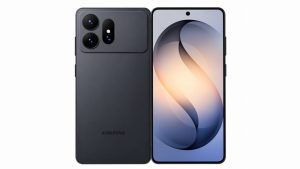
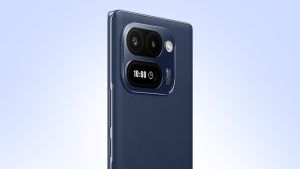
Samsung is setting the tone for its next Galaxy foldables ahead of Galaxy Unpacked, and the message is clear: the next phase of Galaxy AI will be less about one-off features and more about understanding how users interact with their devices.
In a new editorial ahead of Galaxy Unpacked July 2026, TM Roh, CEO and President of Samsung Electronics, said AI should not simply try to outthink users. Instead, it should understand them better, work across devices, and assist in a way that feels more personal and contextual.
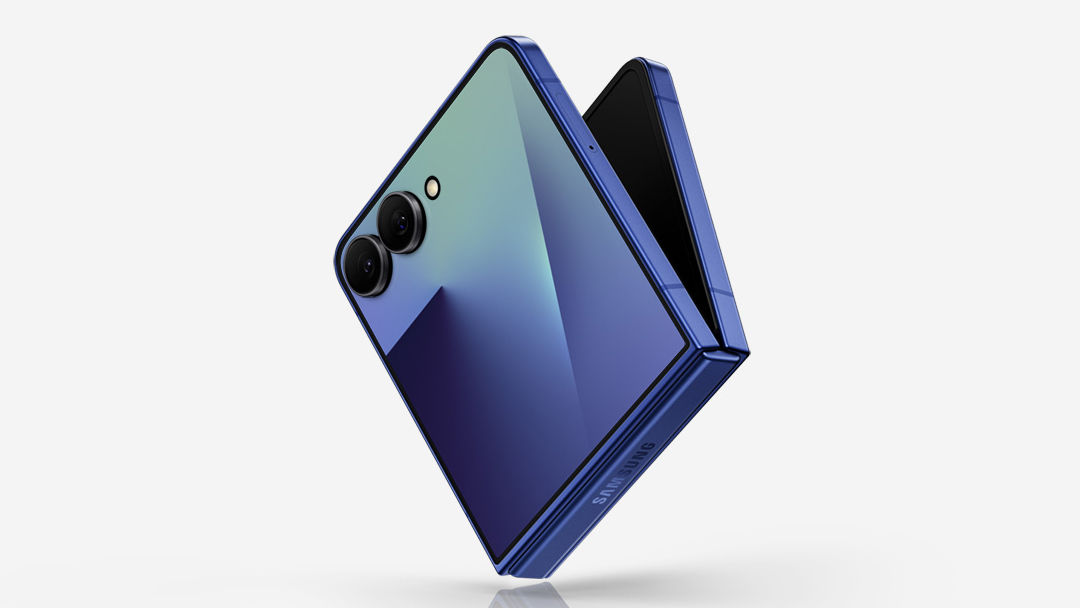
The timing is important. Samsung has already confirmed that its next Galaxy Unpacked will take place on July 22 in London, where it is expected to unveil its next-generation Galaxy foldables. The company has also teased “a new shape,” suggesting that foldables will once again be central to its premium smartphone strategy.
Foldables Are Becoming Samsung’s AI Playground
Samsung’s latest AI messaging is closely tied to form factor. The company says smartphones are no longer just communication devices, and AI experiences need more adaptive screens and more flexible ways of interaction. That makes foldables a natural fit for the next stage of Galaxy AI.
A larger internal display on a Galaxy Z Fold-style device can make AI-assisted multitasking, summarisation, editing, and productivity workflows easier to use. Meanwhile, a Galaxy Z Flip-style device can use its cover screen for quicker contextual actions, glanceable information, and hands-free assistance.
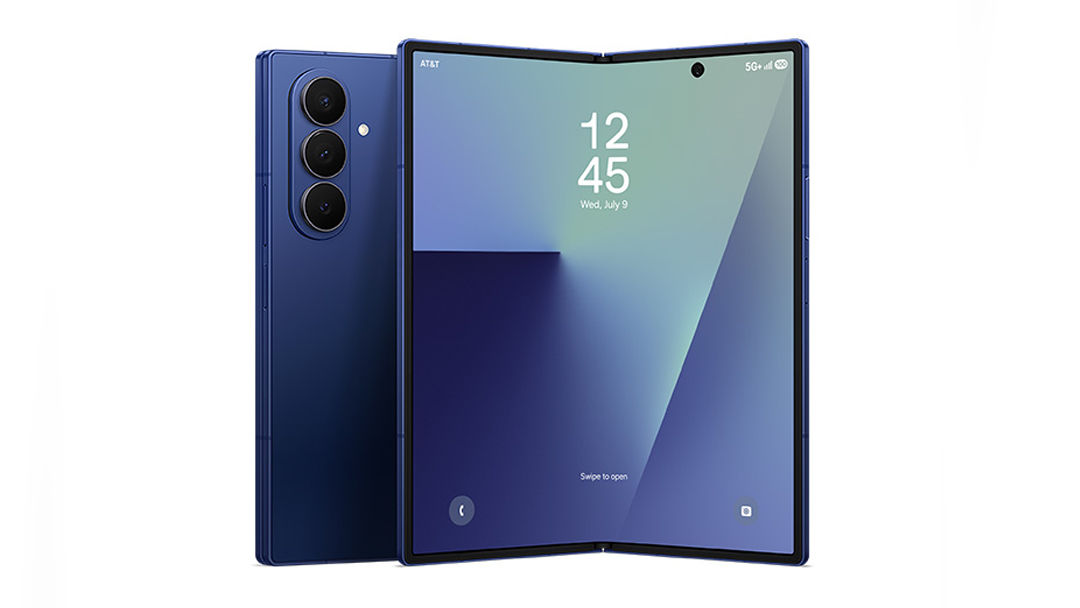
Samsung has not confirmed the exact devices it will launch at Unpacked, but its messaging suggests that the next Galaxy foldables will not be positioned only around thinner designs, better hinges, or improved cameras. The bigger pitch could be how AI changes the way people use these foldable screens.
Samsung Wants AI to Work Across Devices
Samsung’s core argument is that AI needs to become more personal before it becomes truly useful. The company says a phone, watch, tablet, TV, and connected home appliances can together create a fuller understanding of a user’s routine.
For example, a Galaxy Watch may understand sleep and health patterns, while a phone may know communication habits and a TV or appliance may add context from the home. Samsung wants Galaxy AI to use this wider ecosystem to offer more timely and relevant assistance.
This also explains why the company is not treating AI as just another smartphone feature. Instead, Samsung is trying to make Galaxy AI an ecosystem layer that works across devices.
Agentic AI Could Be the Bigger Upgrade
Samsung has also been talking more about agentic AI. The idea is different from a regular AI assistant that only answers questions. Agentic AI is designed to understand what the user wants, plan the steps, and help complete the task with minimal intervention.
On a foldable, that could become especially relevant. A user could ask the AI to summarise a long email, pull up a calendar, compare schedules, draft a reply, and keep everything visible on the larger screen. On a Flip-style device, it could help surface quick actions without fully opening the phone.
This is where Samsung may try to show that foldables are not just niche hardware experiments anymore. They could become better canvases for AI-led workflows.
Privacy Will Be a Key Part of the Pitch
As AI becomes more personal, Samsung is also leaning on privacy and trust. The company says users need to know what AI is doing, what information it is using, and when they remain in control.
Samsung Knox will remain central to this pitch. The company says Knox protects individual Galaxy devices as well as the connections between them. Samsung is also expected to continue with its hybrid AI approach, where some features run on-device while others use the cloud.
That will matter for foldables, especially if Samsung wants AI to work across multiple apps, screens, and connected devices. More personal AI experiences will need stronger privacy controls to feel trustworthy.
India Could Play a Bigger Role in Galaxy AI
Samsung’s India R&D teams have also contributed to several Galaxy AI features. The Samsung R&D Institute in Noida has worked on features such as Now Nudge, Now Brief, Privacy Display, Creative Studio, Call Screening, and Direct Voicemail.
The Noida team has also contributed to on-device language AI work. Samsung has said Hindi and Gujarati language models are already supported on-device, which matters for India, where AI adoption will depend heavily on local language support.
Privacy Display is another feature with clear India relevance. Samsung has linked it to use cases such as OTP visibility, shoulder surfing, public transport, and crowded environments. On foldables, where users may use larger screens in public, these privacy-led features could become even more useful.
What This Means for Samsung’s Next Foldables
The next Galaxy Z Fold and Galaxy Z Flip devices may still bring the expected hardware upgrades, including thinner designs, hinge refinements, brighter displays and camera improvements. But the larger story at Unpacked could be how AI changes the way these foldables are used.
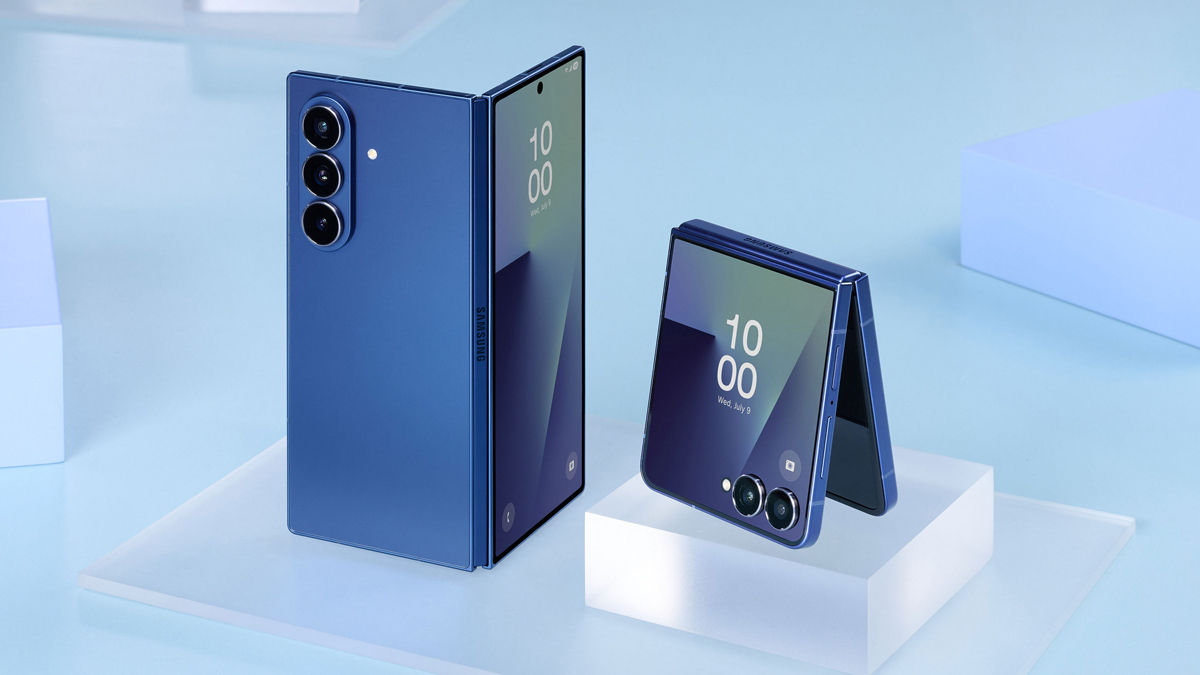
For the Galaxy Z Fold lineup, the bigger internal screen gives Samsung more room to show AI-led multitasking, document summarisation, editing tools and app-to-app actions. For the Galaxy Z Flip series, the cover screen could become more useful for quick AI responses, contextual updates, and actions that do not require opening the phone fully.
That is the more important shift. Foldables have so far been sold largely on design and screen flexibility. This year, Samsung may try to position them as the best form factor for a more proactive version of Galaxy AI.
The challenge will be execution. Agentic AI sounds promising, but it needs reliable app support, strong privacy controls, local language support and clear user permissions to work well in everyday use. If Samsung can get that balance right, its next foldables could become more than just premium hardware upgrades. They could be the first real test of whether Galaxy AI is ready to move from individual features to a more useful, behaviour-led experience.