The Oppo Find X9s is an interesting phone because it almost feels like it’s solving a problem that never really existed. Compact flagship phones are rare enough in 2026, especially ones that don’t compromise heavily on battery life or cameras, and Oppo deserves credit for trying to strike that balance. On paper, the Find X9s looks incredibly appealing. You get a gorgeous 6.59-inch AMOLED display, a massive 7,025mAh battery, triple 50MP Hasselblad cameras, flagship-grade durability, and one of the cleanest implementations of ColorOS yet.
Oppo Find X9s
Rs 79,999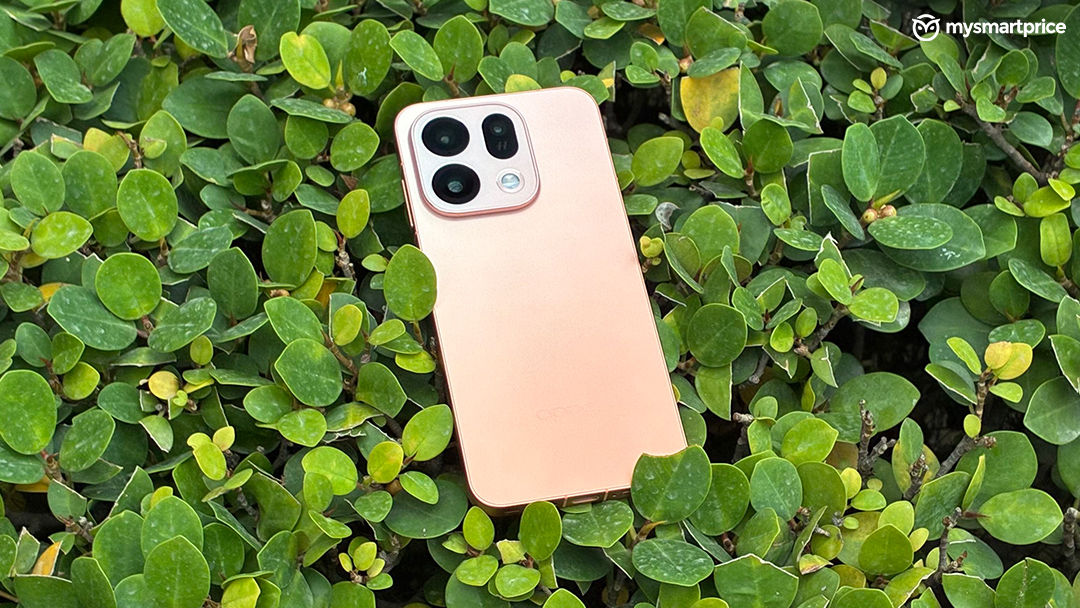
What Is Good?
- Excellent 6.59-inch AMOLED display with Dolby Vision and HDR10+ support
- Strong Hasselblad-tuned cameras with impressive 3x telephoto performance
- Premium compact design with IP66, IP68, and IP69 durability
- Polished ColorOS 16 experience with long-term software support
- Stable thermals under extended gaming and sustained workloads
What Is Bad?
- Limited to 90FPS gaming while competitors offer 120FPS support
- Speakers lack depth and bass for a flagship smartphone
- Some AI features remain restricted to Oppo’s Pro models
But then the pricing enters the conversation.
At Rs 79,999, the Find X9s landed above the standard Oppo Find X9, which was launched at Rs 74,999, despite being objectively weaker in multiple areas, including raw performance, camera hardware, and battery optimisation. That creates a strange situation where the Find X9s is simultaneously a genuinely lovely flagship and a difficult phone to recommend outright. Adding to the confusion, Oppo then increased the price of the Find X9 by Rs 10,000, pushing it to Rs 84,999. The move appears to be aimed at creating a clearer separation between the two models and making the Find X9s look like the more compelling option on paper.
After spending over a week using it as my primary device, here’s where the Oppo Find X9s shines, where it falls short, and why the standard Find X9 still casts a long shadow over it.
Oppo Find X9s Specifications
| Component | Specification |
| Processor | MediaTek Dimensity 9500s |
| GPU | Arm Immortalis-G925 |
| RAM | 12GB LPDDR5X |
| Storage | 256GB / 512GB UFS 4.1 |
| Display | 6.59-inch AMOLED, 2760 × 1256, 120Hz, 460 PPI |
| Brightness | 800 nits typical, 1800 nits HBM, 3600 nits HDR peak |
| Rear Cameras | 50MP main + 50MP ultra-wide + 50MP telephoto |
| Front Camera | 32MP |
| Battery | 7,025mAh |
| Charging | 80W SUPERVOOC |
| OS | ColorOS 16 based on Android 16 |
| Build | Gorilla Glass 7i, IP66/IP68/IP69 |
| Weight | 202g |
| Audio | Stereo speakers |
| Connectivity | Wi-Fi 7, Bluetooth 6.1 |
| Biometrics | Ultrasonic in-display fingerprint scanner |
Design and Build
The Find X9s shares almost the exact same physical footprint as the standard Find X9, and honestly, that’s a good thing. In a market where flagship phones are becoming unnecessarily large, the X9s feels refreshing to hold. The 6.59-inch flat display, combined with the slim bezels, makes this one feel comfortable during long one-handed use.
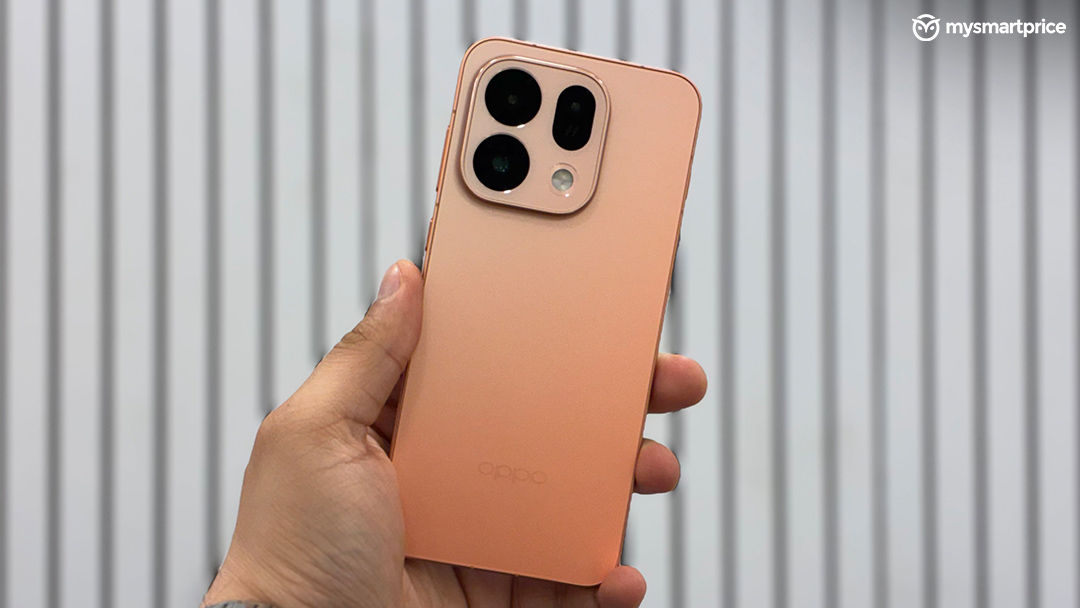
The difference mostly comes down to personality. While the standard Find X9 looks more understated and mature with finishes like Titanium Grey and Velvet Red, the X9s leans into brighter, more youthful colours like Sunset Orange and Lavender Sky. Personally, I think the Sunset Orange variant gives the phone far more character than most modern flagships.
Build quality is excellent throughout. The aluminium frame feels dense and sturdy, the fit and finish are flagship-grade, and the Gorilla Glass 7i protection inspires confidence during daily use. You also get IP66, IP68, and IP69 certification, which is honestly overkill for most people but still reassuring at this price point.
Oppo also claims the device has SGS-certified drop resistance, though that’s not something I was willing to test intentionally on a Rs 80,000 review unit.
ColorOS 16 Feels More Refined Than Ever
Software is one area where Oppo has quietly become extremely good over the last few years, and the Find X9s continues that trend. ColorOS 16 feels polished, fast, and surprisingly mature now.
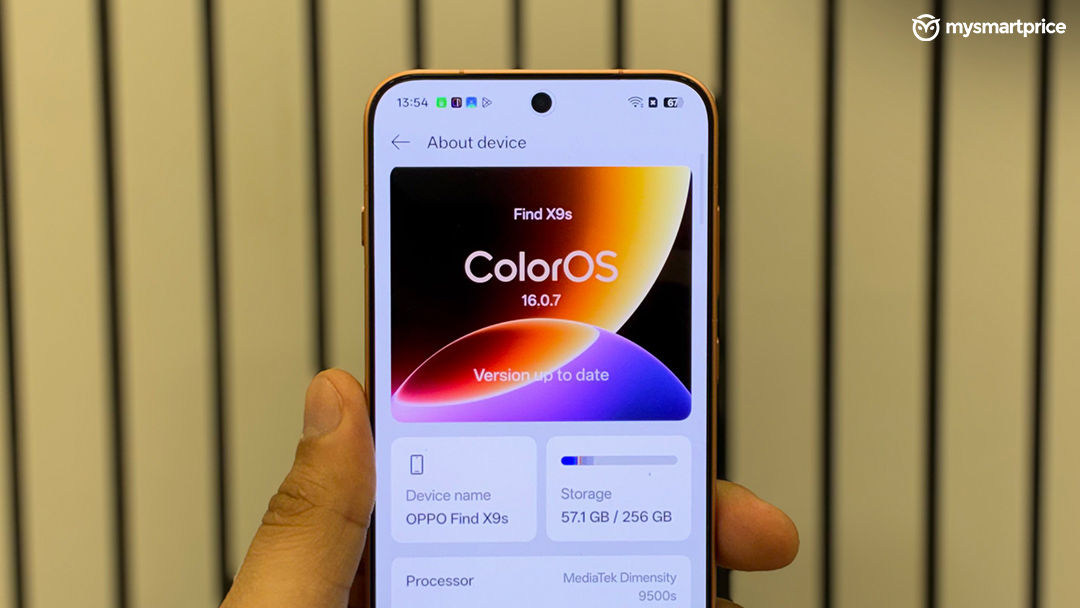
Animations are fluid, app transitions are smooth, and the overall UI responsiveness consistently makes the phone feel faster than the benchmarks suggest. I especially liked the animation tuning controls that let you adjust transition speeds depending on whether you prefer smoother or snappier interactions.
The phone also comes loaded with Oppo’s newer AI tools integrated alongside Gemini. Features like AI Recording, AI Writer, and AI Mind Space work well enough in everyday use without feeling overly gimmicky.
That said, Oppo still reserves some of its more advanced AI tools for the Pro lineup, including the cloud-based AI Studio features. It’s clear product segmentation, though at this price, I do think buyers should have received the full AI package.
The software support commitment is strong too: five major Android updates and six years of security patches. That comfortably puts Oppo alongside most Android flagship brands today.
Cameras
This is where the Find X9s becomes complicated, because if you have the Oppo Find X9 in your hand that you bought at Rs 74,999, you must be smiling. On paper, both the Find X9 and Find X9s carry triple 50MP Hasselblad-tuned cameras.However, once you look deeper into the hardware, the compromises become obvious.
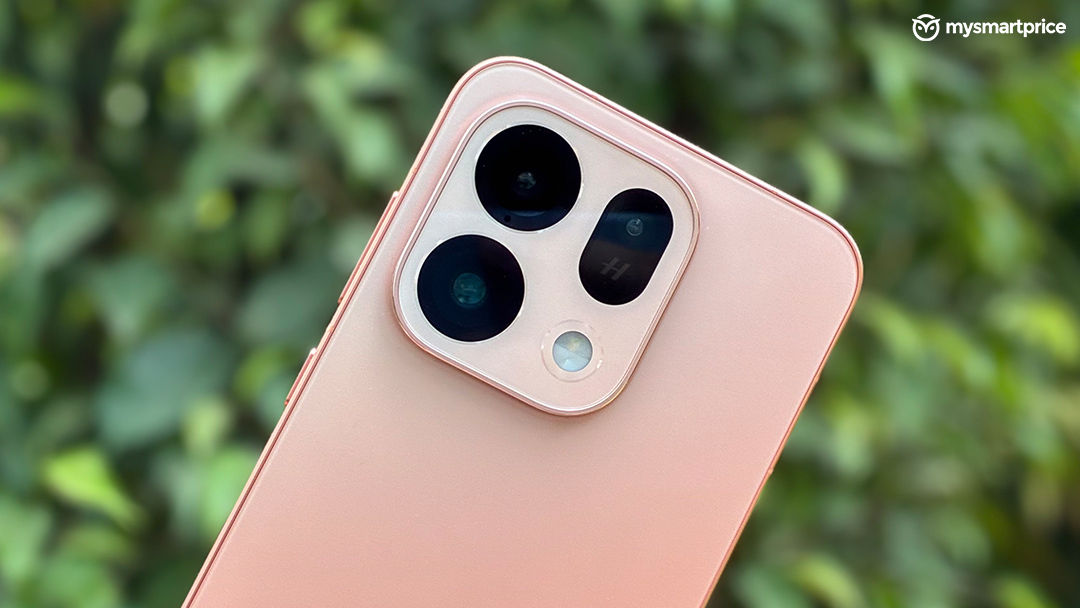
The Find X9 uses the larger Sony LYT-808 sensor with a wider f/1.6 aperture, while the X9s switches to a smaller Sony LYT-700 sensor paired with an f/1.8 lens. In simple terms, the X9 captures more light, especially in difficult conditions.









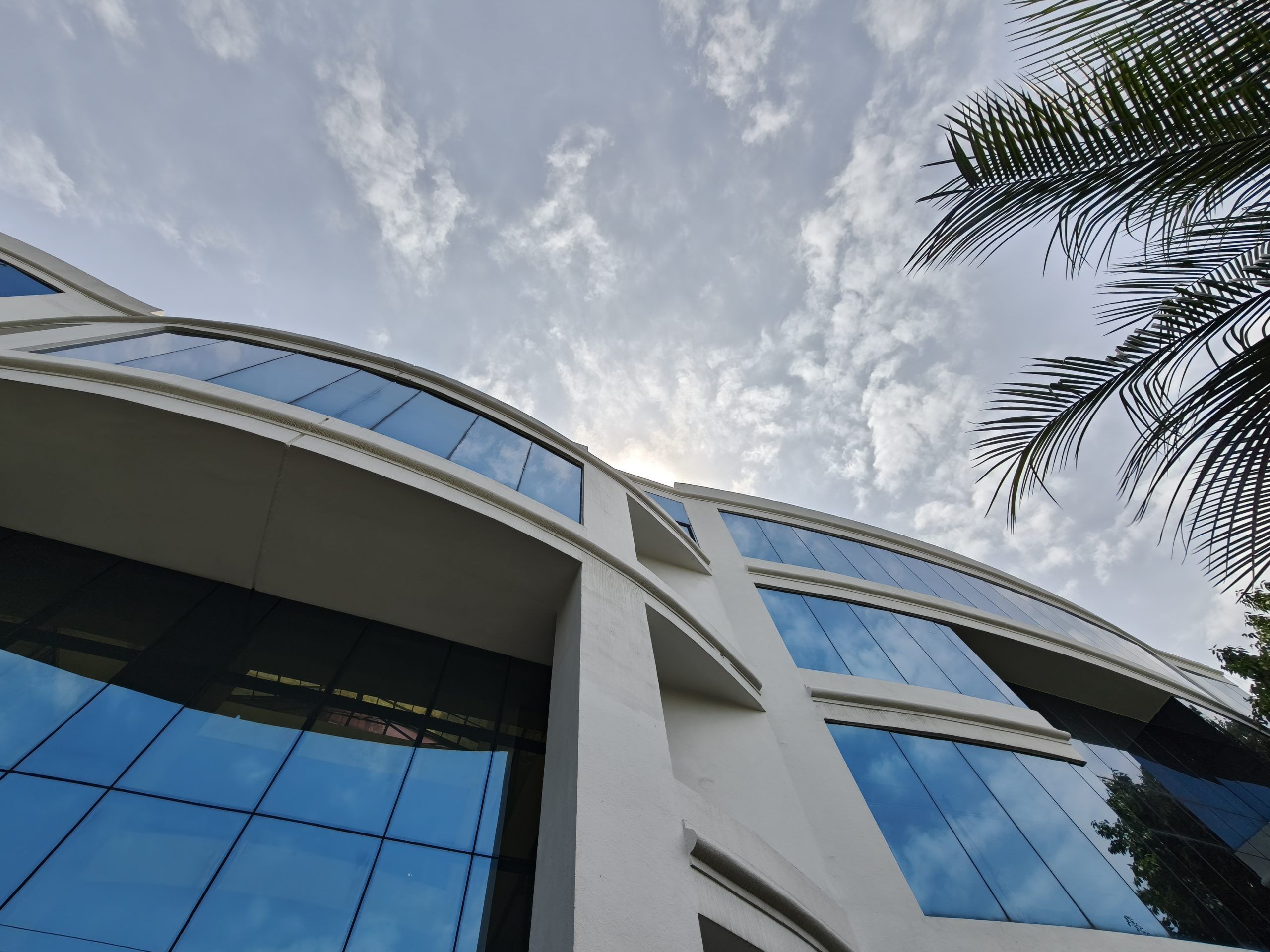

In daylight, though, the X9s still performs beautifully. Photos come out detailed, balanced, and natural-looking without the excessive saturation many Chinese flagships still lean toward. Dynamic range is excellent too. The camera handles harsh sunlight and shadow-heavy scenes surprisingly well without aggressively crushing blacks or blowing out highlights.
Portrait mode remains one of Oppo’s strongest areas. Subject separation is consistently excellent, edge detection is clean, and the bokeh effect looks convincing rather than artificially blurred.
The 3x telephoto lens is genuinely impressive as well. During testing, it consistently produced sharp images with good texture retention and minimal over-processing. It’s probably my favourite camera on the phone overall.
Selfies are strong too. Oppo still applies mild skin smoothing, but thankfully it doesn’t completely destroy facial texture like some competing phones.
Where the compromises show up most is in low-light conditions and video recording. The standard Find X9 supports 4K 120fps recording and includes more advanced imaging hardware like the spectral colour sensor and monochrome sensor. The X9s loses those extras, and while the difference isn’t massive for casual users, enthusiasts will absolutely notice it.
So while the Find X9s still has a very capable flagship camera system, its elder sibling, the Find X9, comes in even more loaded in this department.
The Display Is Outstanding, But the Speakers Aren’t
The 6.59-inch AMOLED panel is one of the best parts of the Find X9s.

It’s sharp, extremely bright outdoors, colour-accurate, and genuinely enjoyable for watching HDR content. The 120Hz refresh rate keeps everything feeling smooth, while Dolby Vision and HDR10+ support make Netflix and YouTube content look excellent.
The symmetrical bezels also deserve praise because they make the phone feel far more premium visually than many competitors.
Brightness is particularly impressive. Outdoor visibility was never an issue during testing, even under harsh afternoon sunlight.
Unfortunately, the speakers don’t match the quality of the display.
They get reasonably loud, but the sound lacks depth and bass. At higher volumes, the audio starts sounding hollow, especially compared to something like the iPhone 17 or even the OnePlus 15. Vocals remain clear enough, but this definitely isn’t the best multimedia audio experience in the flagship segment.
Performance and Gaming
If you don’t care about raw performance, or aggressive numbers, you can skip this part, but if you are a real nerd about how a smartphone operated, and how much powerful it should be according to its price, you might want to stay. The Oppo Find X9s directly competed with the likes of Vivo X300 FE, iQOO 15, OnePlus 15, Motorola Signature, and more.
While the Oppo Find X9s is slightly better than its direct rival, the Vivo X300 FE, in Antutu benchmark test, other smartphones with top-end SOCs are hard to beat. The MediaTek Dimensity 9500s simply doesn’t compete well against these smartphones.
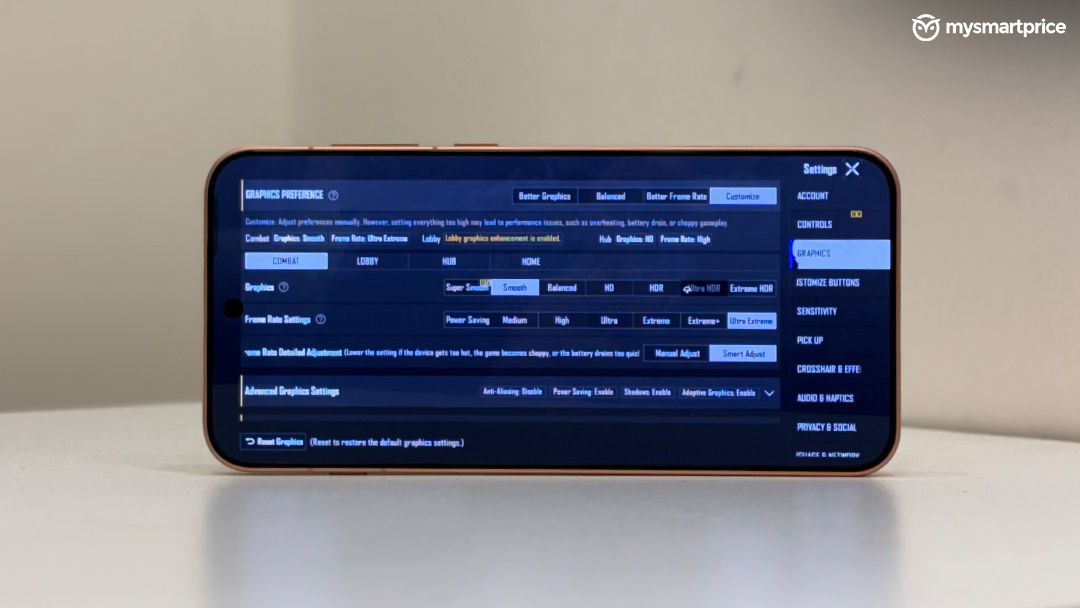
Gaming performance follows the same pattern. For flagship smartphones, 120FPS is the new benchmark in gaming. On the Oppo Find X9s, and even on the Vivo X300 FE, you get only up to 90FPS support, which could be higher. BGMI averaged around 89 FPS on the Find X9s, while other flagships are offering smoother gameplay with around an average of 118 FPS.
The interesting part is thermals. Despite being less powerful than its competitors, the Find X9s maintains more stable frame rates during extended gaming sessions. It runs cooler and avoids the aggressive throttling behaviour seen on the standard Find X9.
So while the Find X9s could have been better in peak performance, it does feel slightly more stable during sustained workloads.
Still, at Rs 79,999, if you think your priority is intense gaming and high performance, there are other better options in the market.
Battery Life
The 7,025mAh battery remains one of the phone’s biggest strengths.
Battery life here is genuinely excellent. During my testing, the phone comfortably lasted through heavy usage days involving camera testing, gaming, navigation, and streaming without creating battery anxiety.
In the PCMark battery test:
That difference points toward weaker optimisation on the X9s rather than hardware limitations.
80W SUPERVOOC charging remains fast enough for daily use, though some competitors have moved ahead in charging speeds now.
Verdict
The Oppo Find X9s is a very good flagship trapped in a very confusing product strategy.
There is a lot going for this phone. The compact form factor feels refreshing in a market full of oversized flagships, the display is excellent, battery life is dependable, the cameras deliver consistently good results, and ColorOS 16 is one of the most polished Android experiences available today. It is the kind of phone that gets the fundamentals right and remains enjoyable to use long after the excitement of benchmark scores fades away.
The problem is that Oppo has made the Find X9s difficult to evaluate in isolation. From a hardware perspective, it sits below the Find X9 and its competitors in several important areas, including processing power, video capabilities, and overall gaming experience. At launch, that made its higher pricing hard to justify.
However, Oppo’s later decision to increase the Find X9’s price to Rs 84,999 changes the equation. With only a Rs 5,000 gap now separating the two models, the Find X9s no longer looks overpriced. Instead, it becomes a more specialised choice aimed at users who prioritise a slightly cooler-running device, a more compact flagship experience, and Oppo’s distinctive design options over having the absolute best hardware package.
Would I still pick the standard Find X9 if both were available at their original launch prices? Absolutely. But at current pricing, the Find X9s makes far more sense than it initially did.
It’s not the most powerful flagship in its segment, nor is it the most feature-packed. What it offers instead is a balanced, polished, and highly practical flagship experience that most buyers will genuinely enjoy every day. And sometimes, that matters more than chasing the biggest numbers on a specification sheet.