Tecno is aiming to deliver a flagship-like experience at a more accessible price with the Pova Curve 2. The phone places a strong emphasis on design, battery endurance, and display quality. It features a curved AMOLED panel and houses a massive 8,000mAh battery inside a remarkably slim 7.42mm chassis, which immediately sets it apart in this segment.
Tecno Pova Curve 2
Rs 27,999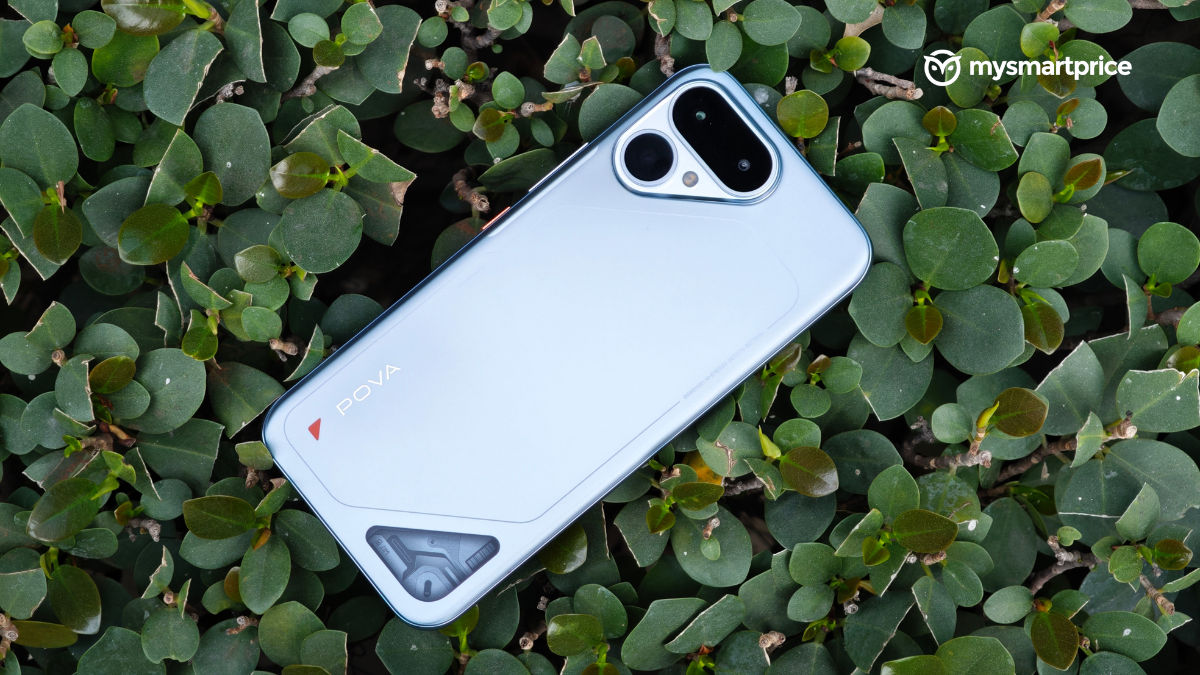
What Is Good?
- Excellent battery life with dependable two-day usage
- Immersive curved AMOLED display with smooth visuals
- Striking, premium-inspired design
- Smooth UI experience for everyday tasks
What Is Bad?
- Performance feels underpowered for its segment
- Limited camera versatility without an ultra-wide lens
- Slow charging reduces the convenience of a big battery
- Average mono speaker quality
However, the rest of the hardware feels less ambitious. The camera setup is limited to a 50MP main sensor and a 2MP macro sensor, and the processor is typical of budget smartphones. Meanwhile, rivals like the Motorola Edge 70 offer a slimmer design, more versatile cameras, and a more capable chipset at a similar price.
To see whether the Pova Curve 2 can still stand its ground despite these compromises, I used it as my primary smartphone for several days.
Design and Build Quality
Design has long been a focus for Tecno, and the Pova Curve 2 makes that clear at first glance. The phone features a bold, sci-fi-inspired rear design, highlighted by spaceship-style detailing and an orange-accented power button.
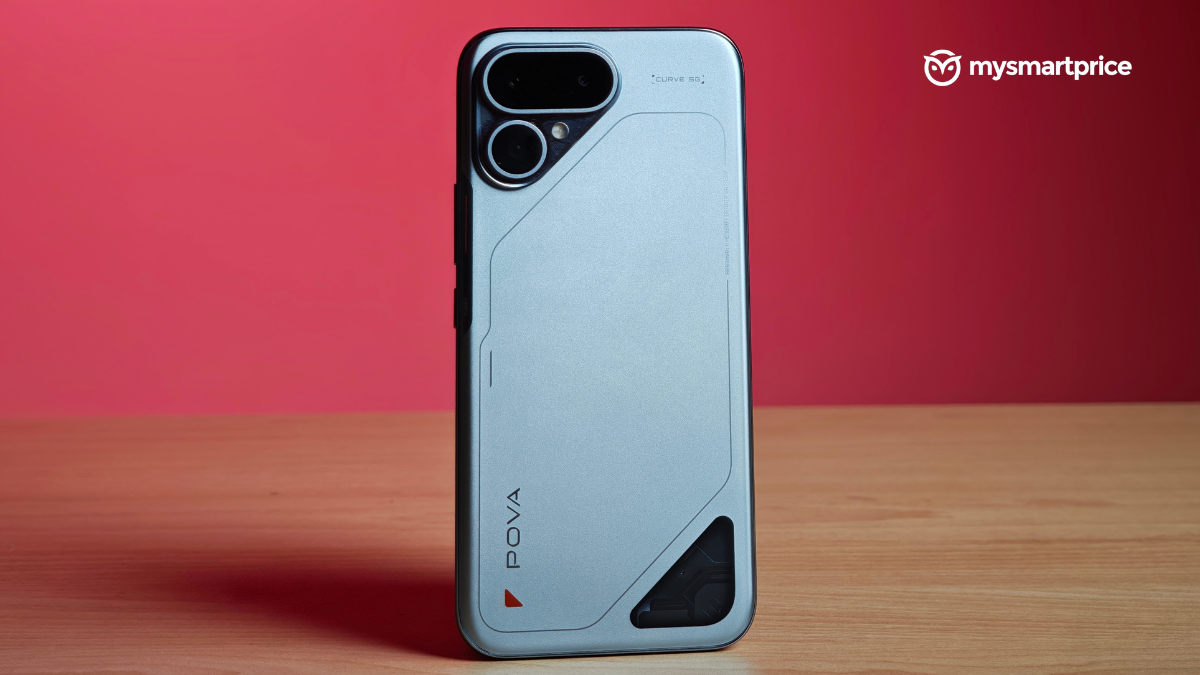
Carrying the theme forward, the camera module is arranged in a sharp triangular layout that subtly resembles thrusters. The overall design feels cohesive and intentional, making the Pova Curve 2 stand out without tipping into gimmicky territory. That said, the Metallic Silver variant does attract fingerprints, which can dull the finish under certain lighting.
Tecno’s attention to detail, evident in the design language, also extends to the Pova Curve 2’s ergonomics.
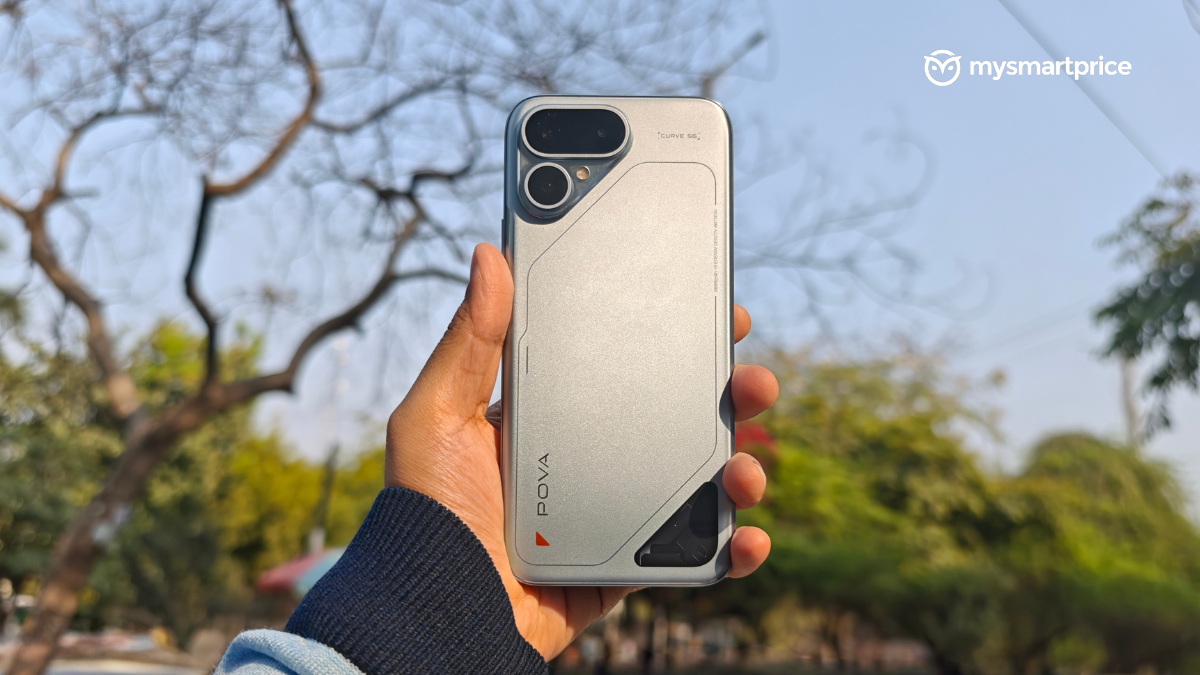
Despite its 8,000mAh battery, the handset’s weight is well distributed, making it easy to carry during extended use. Notably, the brand has also made its dual-curved edges slimmer, providing a more comfortable grip.
- Colour Options: Melting Silver (our review unit), Mystic Purple and Storm Titanium
- Weight: 192g
- Thickness: 7.42mm
- IP Rating: IP64
- Port and Button Placements
- Bottom: Primary microphone, SIM Card tray, USB Type-C Port, and speaker grille
- Top: Secondary microphone
- Right side: Power button and volume button
Although the Pova Curve 2 houses its internals in a polycarbonate chassis, it feels robust when held. Tecno has built the handset to meet the SGS 5-star drop-resistant certification, which is awarded to devices that pass rigorous durability tests. That said, I wish the brand had also focused more on the Pova Curve 2’s water resistance. Its IP64 rating protects against accidental splashes; however, phones like the Motorola Edge 70 can withstand high-pressure water jets because of their higher ingress protection rating. It’s worth noting that the Motorola Edge 70 costs similarly to the Pova Curve 2.
Battery and Charging
The battery is a key aspect Tecno emphasised when promoting the Pova Curve 2, given its 8,000mAh capacity within a 7.42-mm-thick chassis. Therefore, providing long battery life was essential. With that in mind, the brand somewhat delivers on its promise. In our battery test, the Pova Curve 2 gains an edge over the OnePlus Nord CE5.
Having said that, the Vivo T4 exceeds the Pova Curve 2 by a significant margin, despite featuring a relatively smaller battery.
Benchmarks often tell only half the story, and that is why we at MySmartPrice also look at real-world use to gauge a phone’s true capabilities. In my experience, the optimisation on Pova Curve 2 is damn good, and it helped it last two days of continuous use. I am a bit of a heavy user, and my typical usage pattern involves navigating the map, streaming music, playing short BGMI sessions, watching videos, and taking photos. The Pova Curve 2 was pushed to its limits, yet it still managed to retain 13 per cent on the third day. That said, fully charging the depleted battery proved inconvenient because its bundled 45W charger took an hour and a half.
Display and Audio Quality
The display is another area where the Pova Curve 2 shines. To begin with, the 144Hz refresh rate provides a smooth scrolling experience, making everyday use feel responsive. Meanwhile, the curved edges give the screen a limitless appearance, making content feel more immersive.
Speaking of content, the panel delivers a well-rounded viewing experience. Live-action series, such as Ted Lasso, appeared with well-defined, true-to-life visuals. Even watching My Hero Academia: Vigilantes, an animated series, was satisfying, as it ensured the vivid scenes popped with subtle vibrancy rather than appearing as visual clutter.
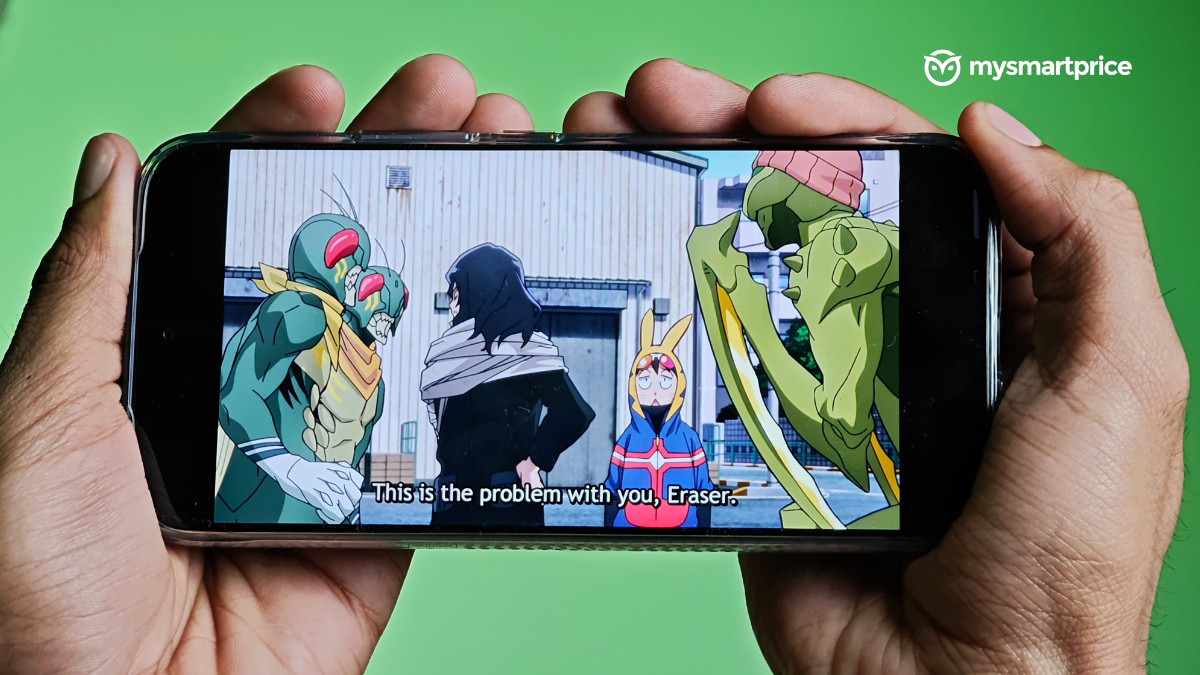
From a brightness perspective, watching movies in direct sunlight is feasible on the Pova Curve 2 without needing shade. This is because it measured three times the standard 700-nit baseline for comfortable viewing in our testing.
- Size: 6.78-inch
- Type: Curved AMOLED
- Resolution: 1080*2364 pixels
- Refresh Rate: 144Hz
- Display Protection: Corning Gorilla Glass 7i
- Peak Brightness
- Claimed: 4500 nits
- Tested: 2790 nits
The audio quality is at best serviceable. The mono speaker setup lacks clarity in the mid-range frequencies of any song, and its high-pitched output sounds shrill. It barely gets any louder at full volume.
Performance and Software
Performance feels understated compared with other aspects of the Pova Curve 2. The Dimensity 7100 SoC was originally designed to deliver reliable performance at a budget price point. Although it does play its part here, too, handling basic tasks such as social media apps, its raw power isn’t suited to the mid-range segment the Pova Curve 2 belongs to. The benchmark results clearly reflect its limited headroom compared with other mid-range contenders.
Even gaming reinforces the chipset’s budget-leaning performance profile. The Pova Curve 2 supports 60fps in BGMI at the lowest settings. While this frame rate is acceptable, it feels modest compared with smartphones such as the Motorola Edge 70 and the Realme P4 Pro, which offer 90fps or higher.
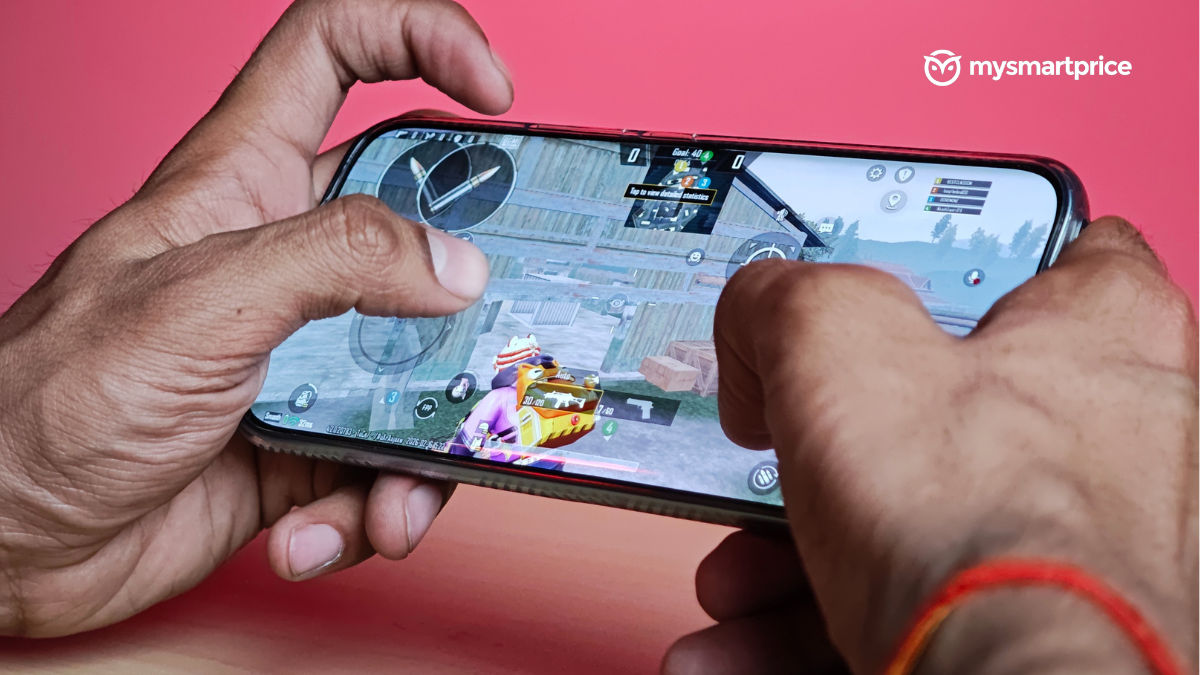
In our gaming test, the Pova Curve 2 maintained a frame rate of 59.5fps in BGMI throughout the run. However, when pushed to run Wuthering Waves at 60fps on high settings, the phone struggled, averaging 20.8fps. The upper half of the screen became unbearable to hold, reaching 45°C even in winter. All in all, the Pova Curve 2 is well-suited for casual gamers who occasionally play games like Candy Crush to kick back.
| Hardware | Specifications |
| RAM | 8GB LPDDR5X |
| Storage | Up to 256GB UFS 2.2 |
| Storage Test | 46846 |
| CPU Throttling Test | 92 per cent |
| Software Version | HiOS 16, based on Android 16 |
| Connectivity Details | Bluetooth and Wi-Fi |
Tecno balances out the Pova Curve 2’s modest processing power with HiOS 16, based on Android 16.
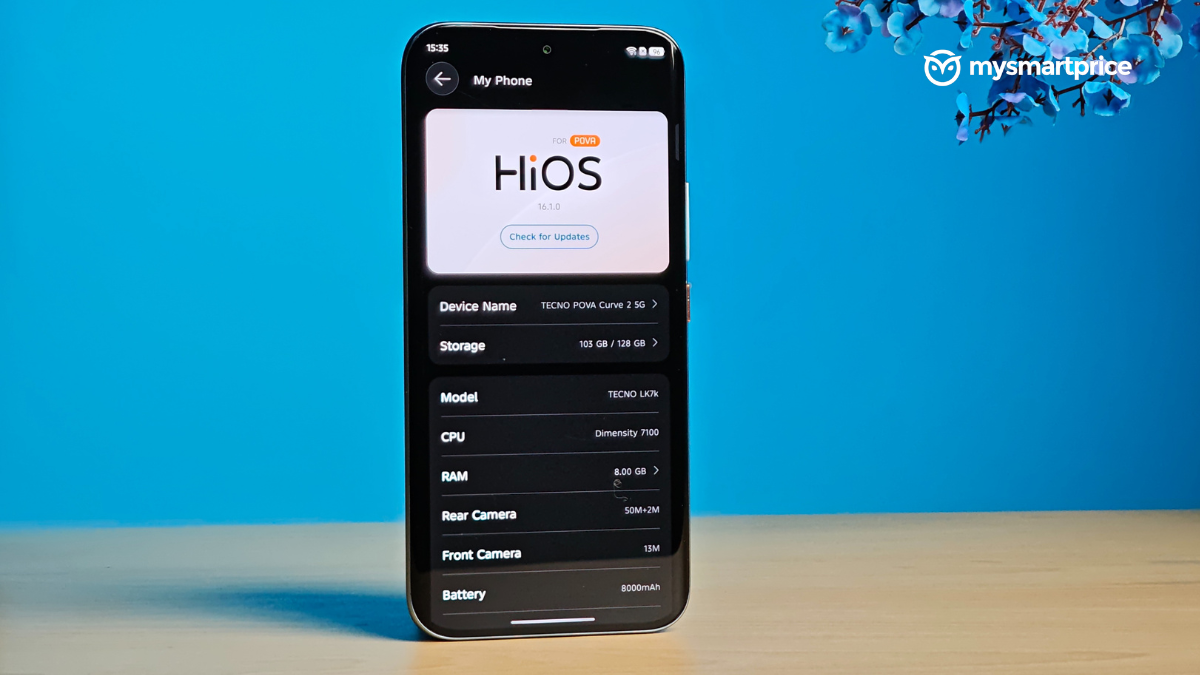
The UI masks sluggish performance with lively animations and smooth transitions, making the interface feel snappy. In terms of appearance, it borrows a few design cues from Apple’s iOS, including the Liquid Glass theme. But it does so to lend the overall experience a more premium look and feel.
Apart from this, HiOS 16 packs features built to increase efficiency. The YouTube Video Note feature, in particular, helped me understand the crux of a 40-minute video by summarising its content chapter by chapter.
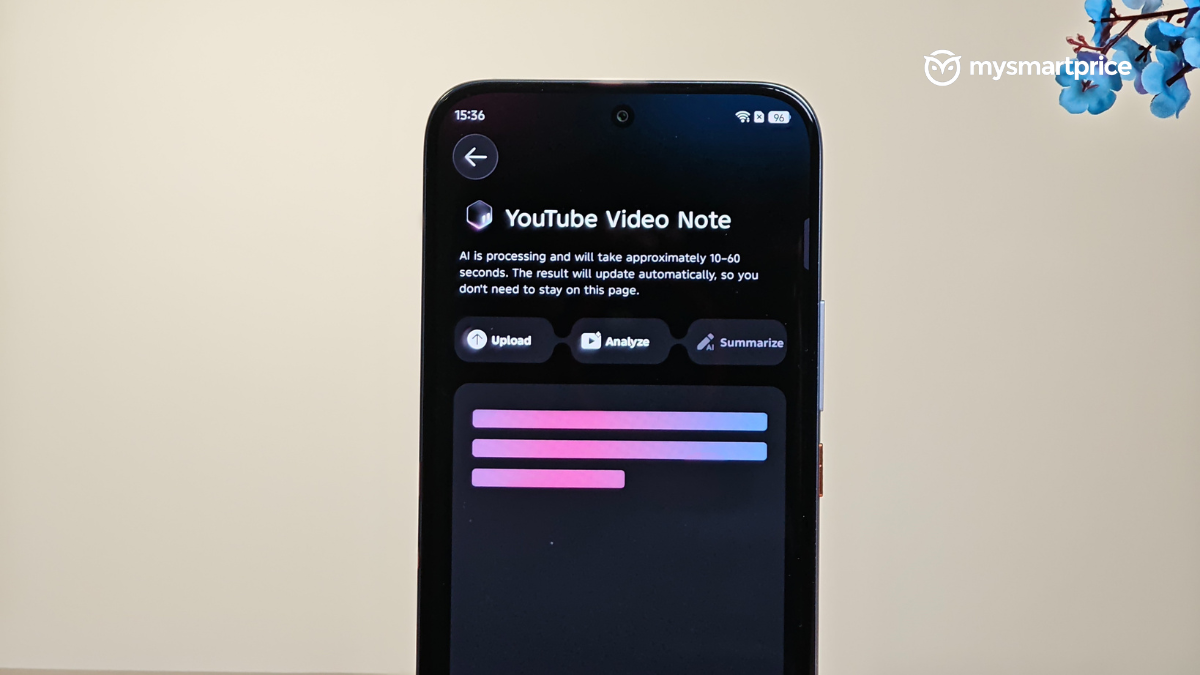
That said, the Pova Curve 2’s software diminishes its overall charm by including sketchy pre-installed apps that resemble adware.
Cameras
The camera is also one aspect that doesn’t feel as integral to the overall package. The Pova Curve 2 features a 50-megapixel primary camera and a 2-megapixel macro camera on the rear, with a dummy module on the third. Phones at a similar price offer either a set of three cameras, including an ultra-wide and telephoto, or just two. Even then, an ultra-wide camera is typically part of the package, as it offers far more versatility than a macro shooter, which caters to a niche audience.
| Cameras | Specifications |
| Primary camera | 50-megapixel |
| Secondary camera | 2-megapixel, macro |
| Selfie camera | 13-megapixel |
| Video capabilities | Up to 2K at 30fps for the primary and front cameras |
In good lighting, the primary camera delivers sharper images, with fine textures on a hoodie clearly visible. Colours remain subtle and largely true to the original scene. However, HDR processing still needs refinement, as it struggles in high-contrast situations. In the roadside stall shot, for instance, the aggressive HDR brightens most elements uniformly instead of prioritising the shopkeeper, reducing contrast and preventing the subject from standing out.

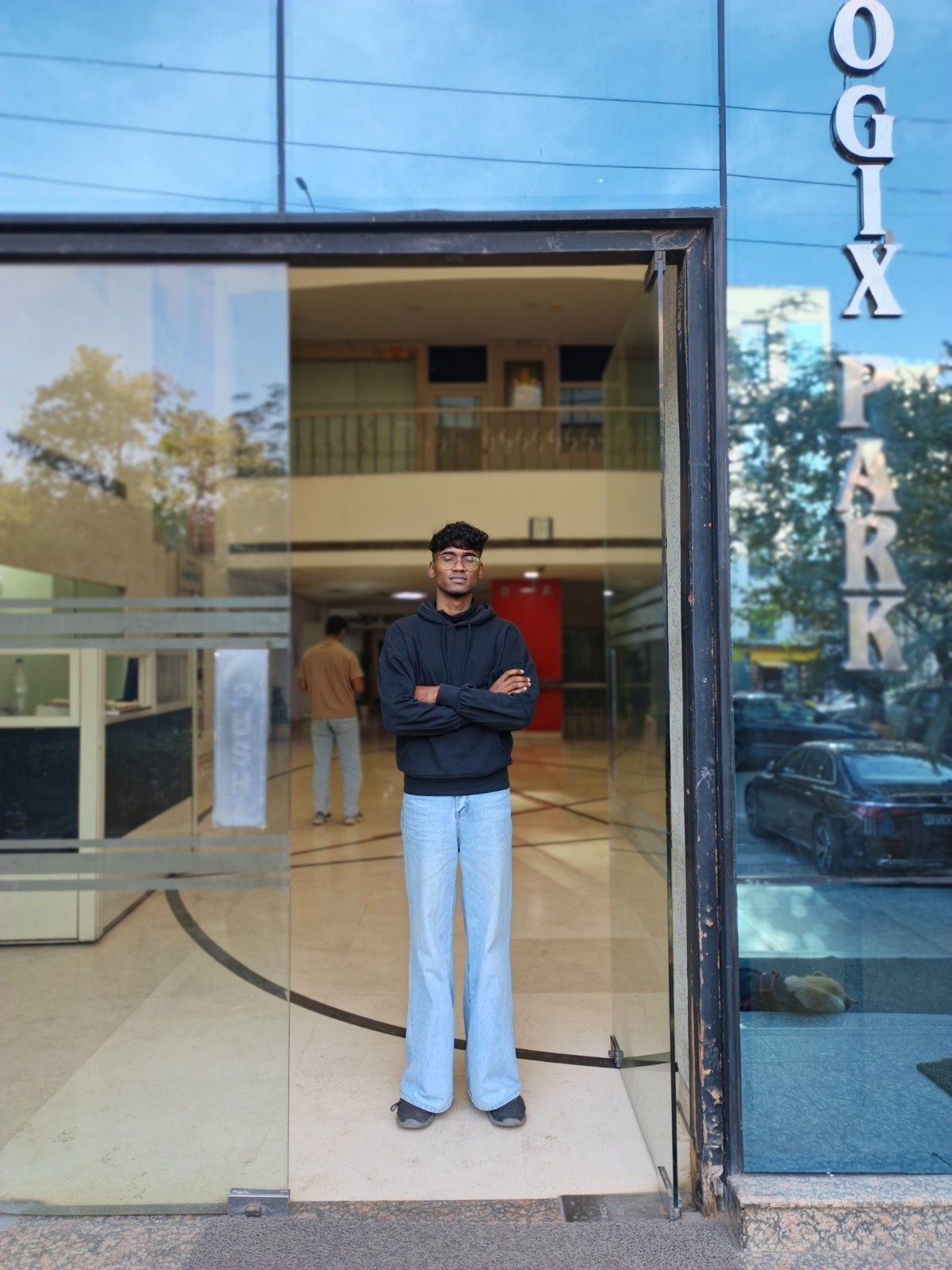

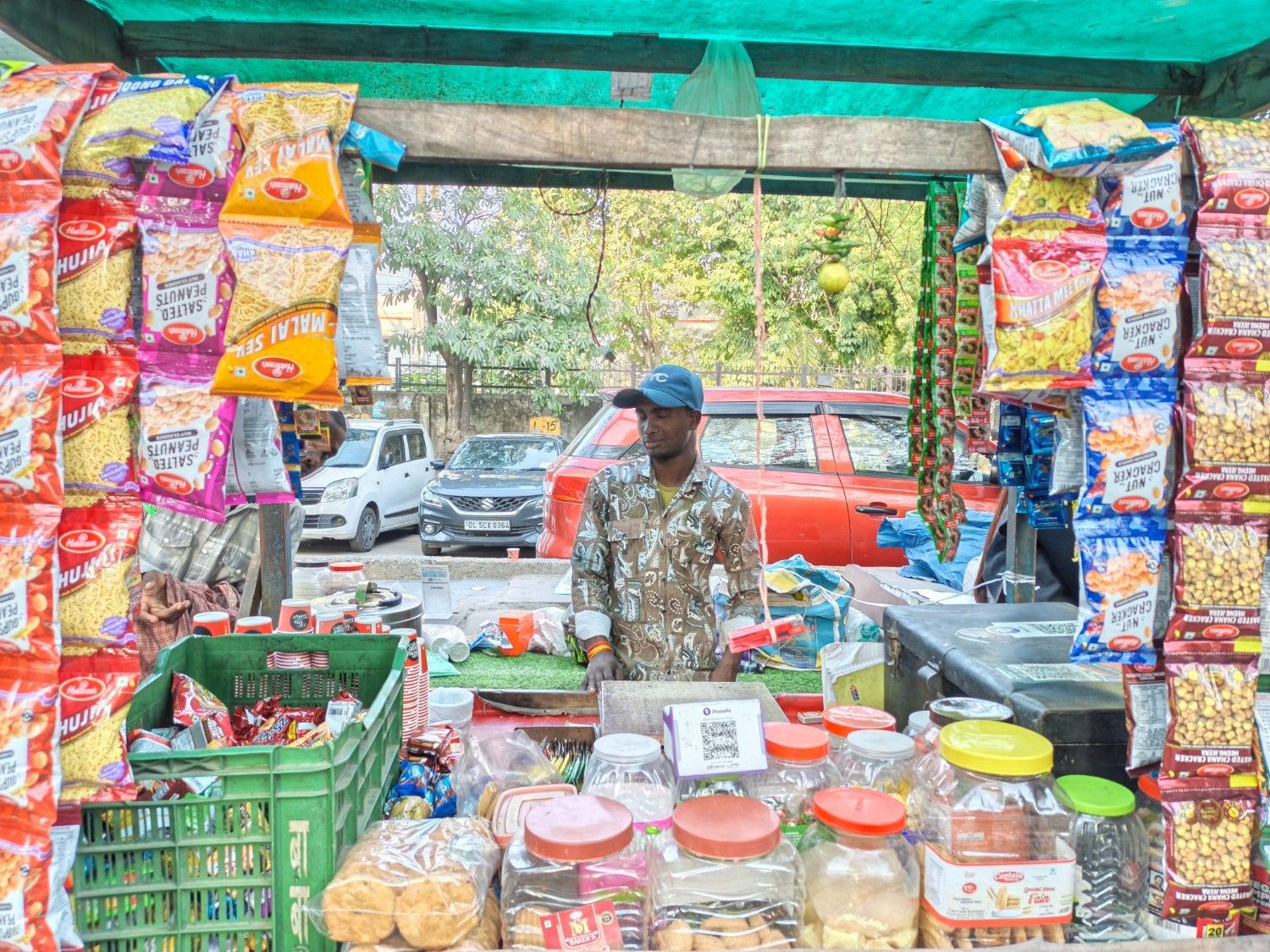
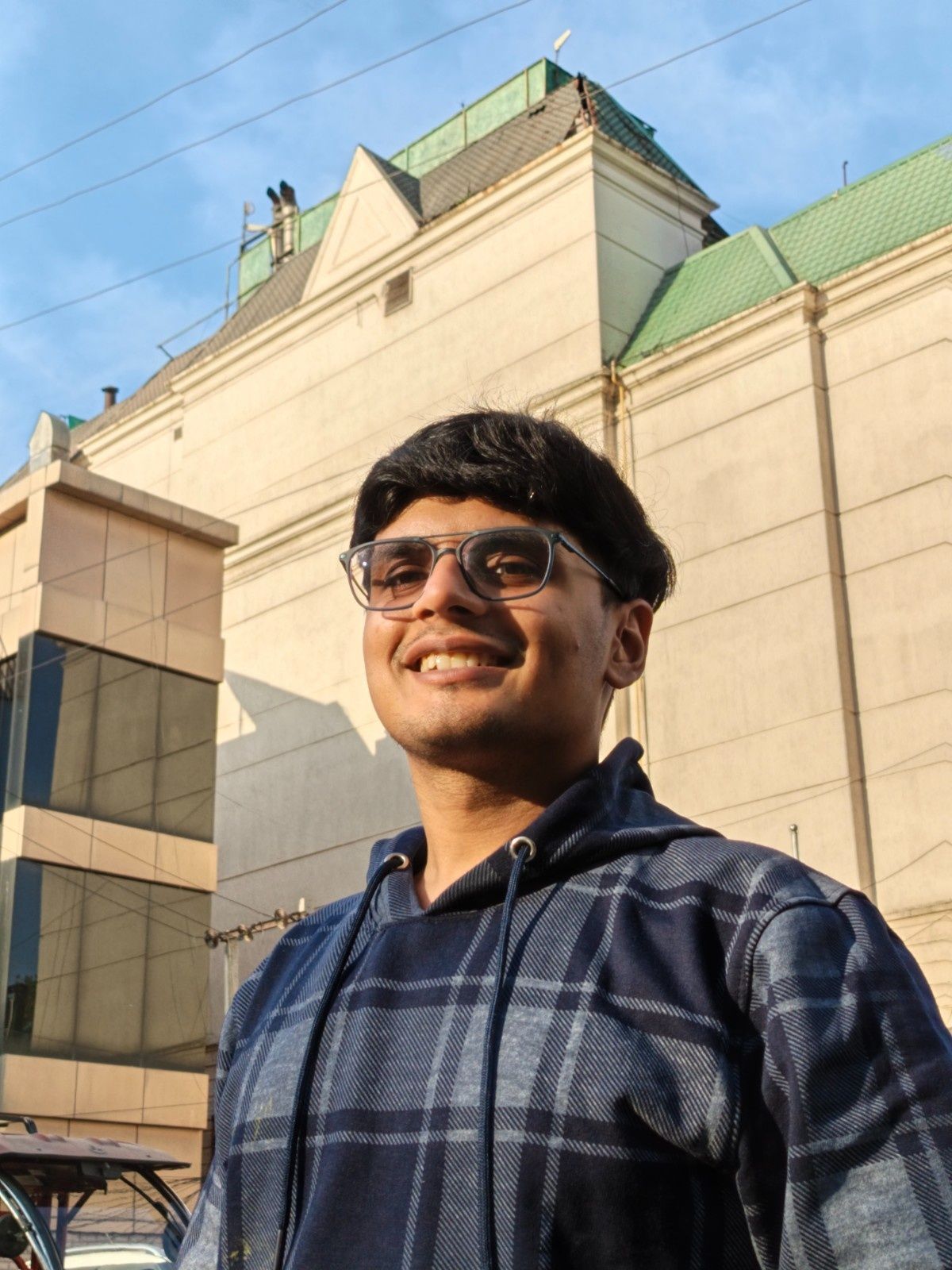


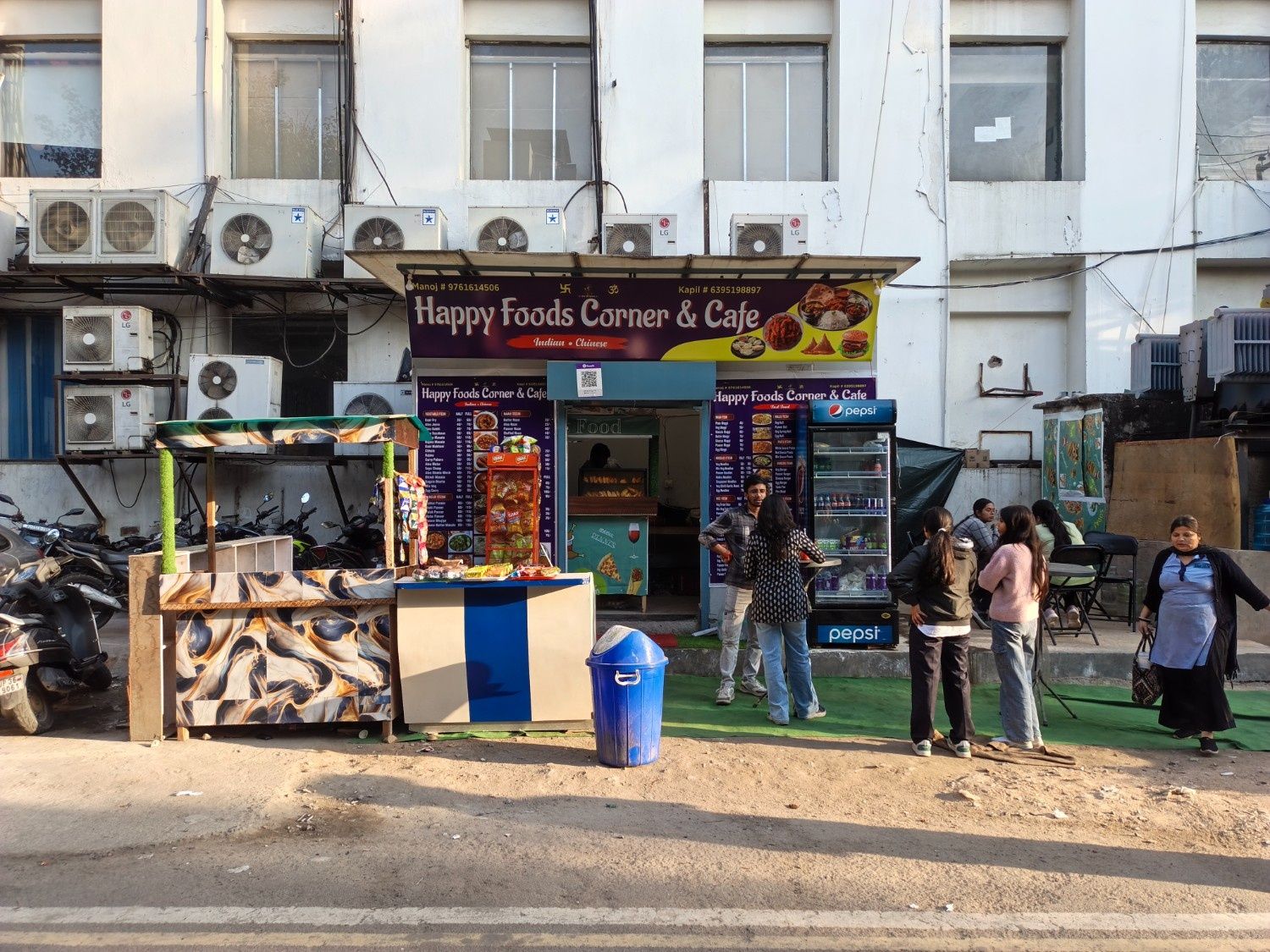
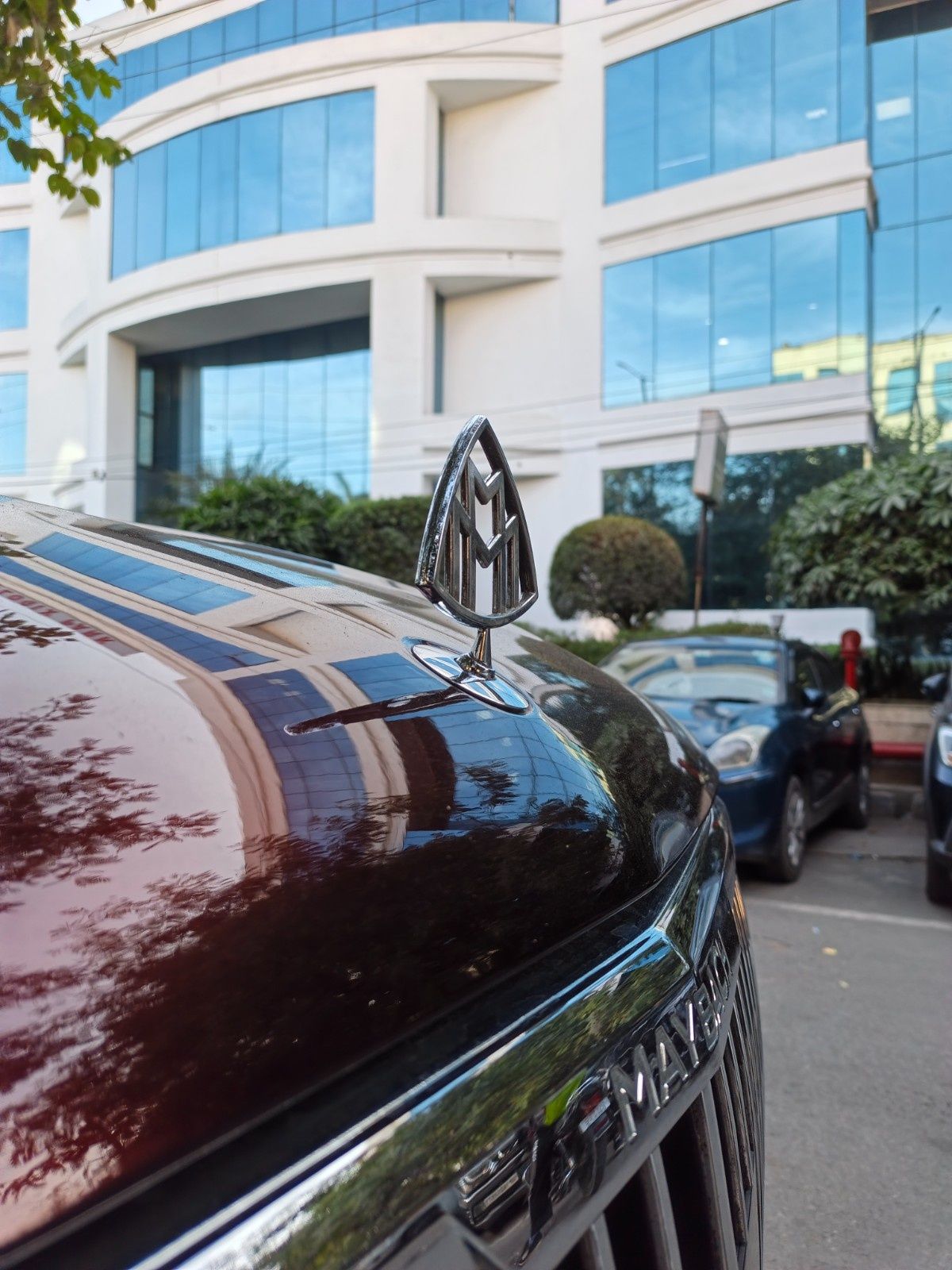
Portrait photos are of above-average quality. In well-lit conditions, they retain a true-to-original human skin tone and significant facial details. The primary camera creates a uniform blur around the subject in most scenarios; however, details like hair strands can sometimes be blurred.
Low-light conditions pose challenges to the primary camera’s quality, particularly in dimmer environments.



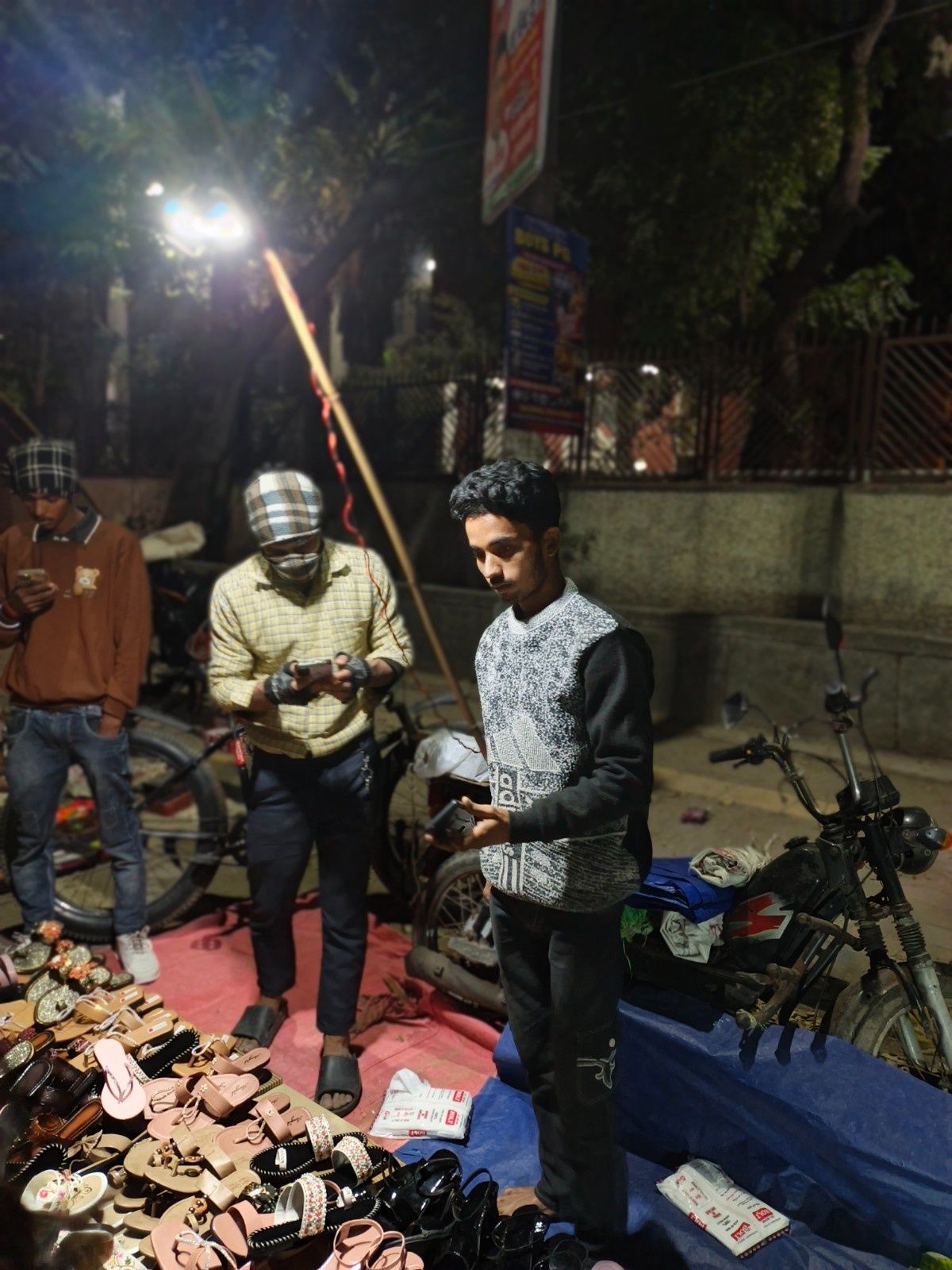

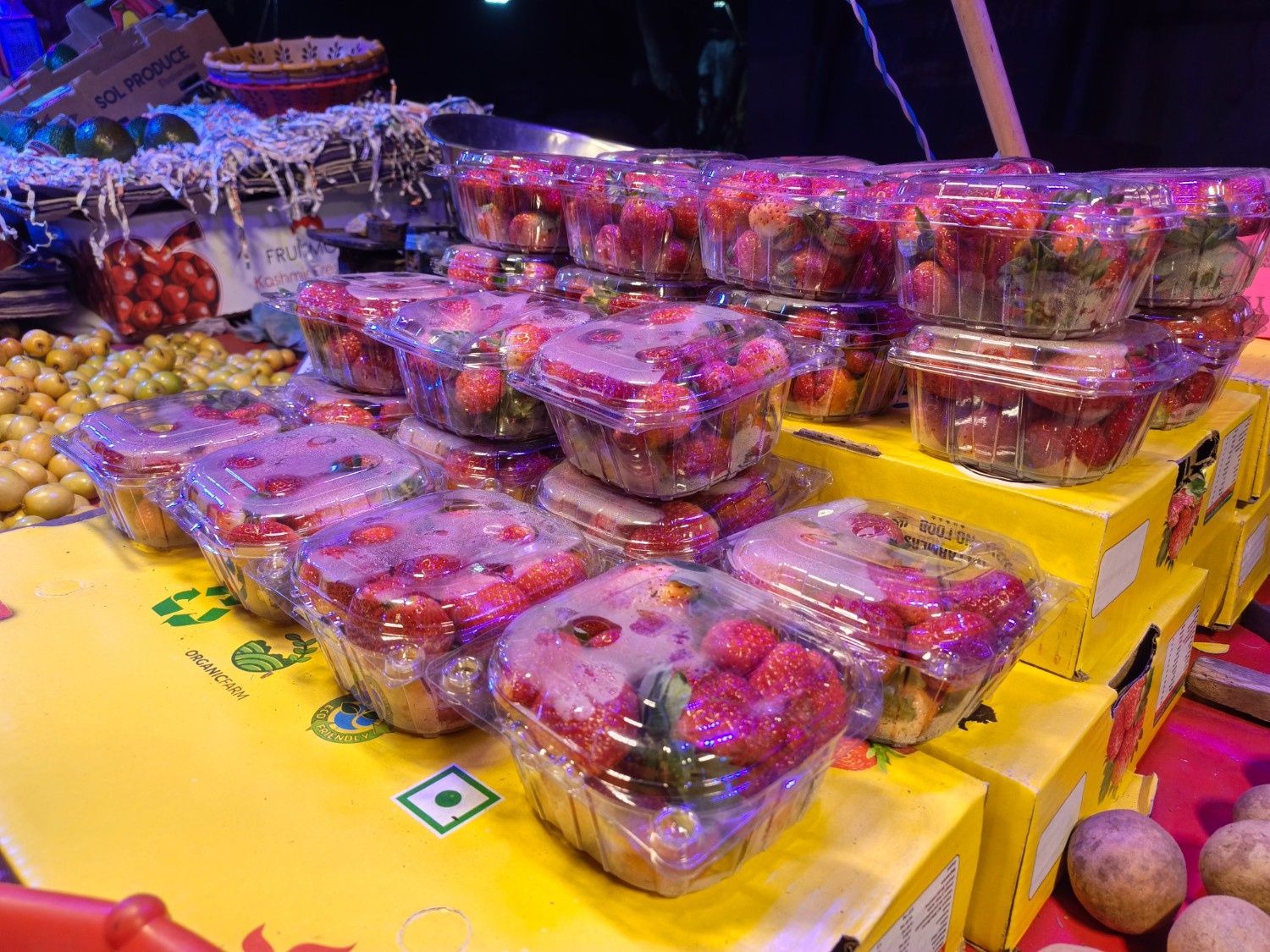
These scenarios force the main sensor to use a lower shutter speed to compensate for low light, resulting in blurry images during sudden movement. Otherwise, the primary camera continues to produce nearly colour-accurate, well-defined images in ample light.
The front camera delivers appealing selfies that capture intricate details and retain true-to-life skin tones in daylight. In low-light situations, its image clarity takes a hit, smoothing out fine textures, such as stubble.
Verdict
The Tecno Pova Curve 2 focuses on core strengths such as design, display quality, and battery life, all within a relatively slim form factor. Its power management allows for nearly two days of regular use, while HiOS 16 adds practical features that improve day-to-day usability. That said, the Dimensity 7100 chipset holds it back in the mid-range space, particularly for users who prioritise performance or gaming. The camera setup also feels limited without an ultra-wide lens, and slow charging reduces the convenience of the large battery. Overall, the Pova Curve 2 gets the basics right, but stronger performance and a more flexible camera system would have made it a more competitive mid-range option.