The Vivo V70 tries to carry forward the V-series promise of flagship-like camera performance at a more accessible price point. The phone is clearly built around photography, design, and day-to-day user experience, with a stacked triple-camera setup, a premium aluminium chassis, and Vivo’s polished OriginOS 6 working together to project a premium identity.
Vivo V70
Rs 51,999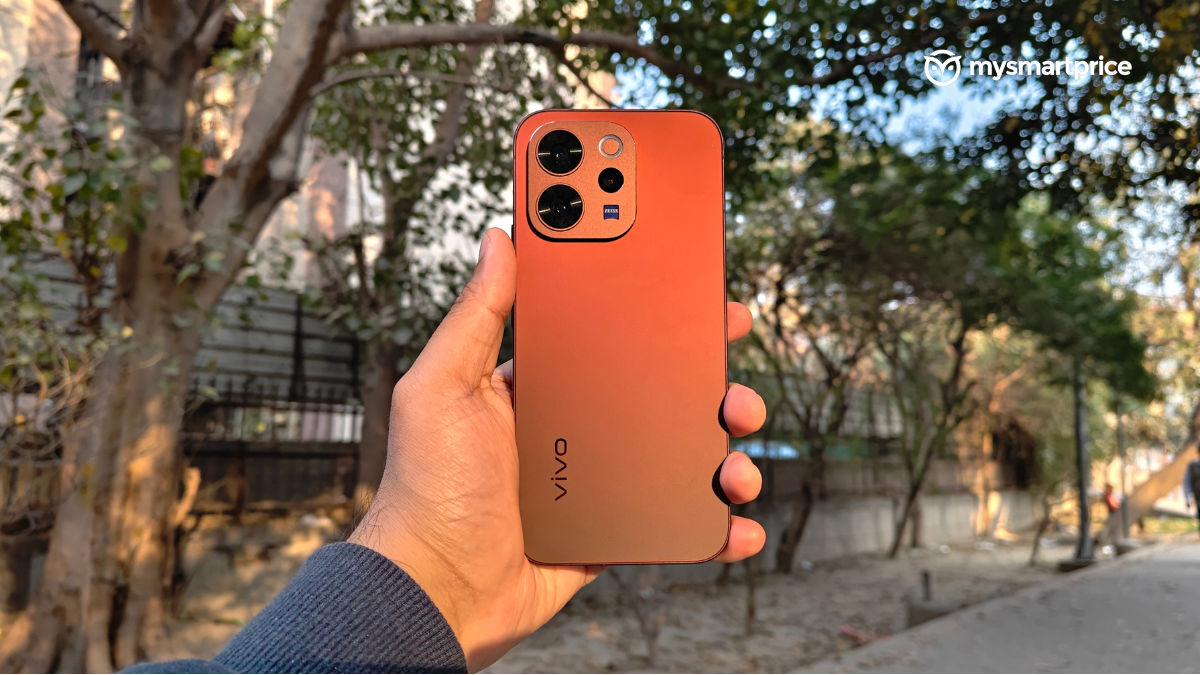
What Is Good?
- Reliable cameras deliver consistent colours and pleasing portrait results
- Excellent battery life with fast charging that comfortably lasts through a day
- Premium build feels solid and comfortable during extended use
- Bright display and stereo speakers combine for an immersive multimedia experience
What Is Bad?
- Performance feels underwhelming compared to similarly priced competitors
- Ultra-wide camera struggles with detail despite consistent colour output
- Frequent spam notification affects day-to-day usability
Beyond the camera experience, however, the hardware choices feel more conservative for the segment the V70 is competing in. The 8-megapixel ultra-wide camera feels underwhelming, and the Snapdragon 7 Gen 4 does little to stand out in the ₹50,000 bracket. Rivals such as the Realme GT 7 and the OnePlus 15R offer stronger overall performance and more balanced hardware packages, while still delivering capable triple-camera systems.
To see whether Vivo’s camera-first approach is enough to justify the V70’s pricing, I used the phone as my primary device for several days and here is my detailed review.
Design and Build Quality
The Vivo V series has long leaned heavily on elegance as a core design principle. While the V70 follows this familiar formula, it also marks a shift away from the distinct visual identity Vivo once built for the lineup.
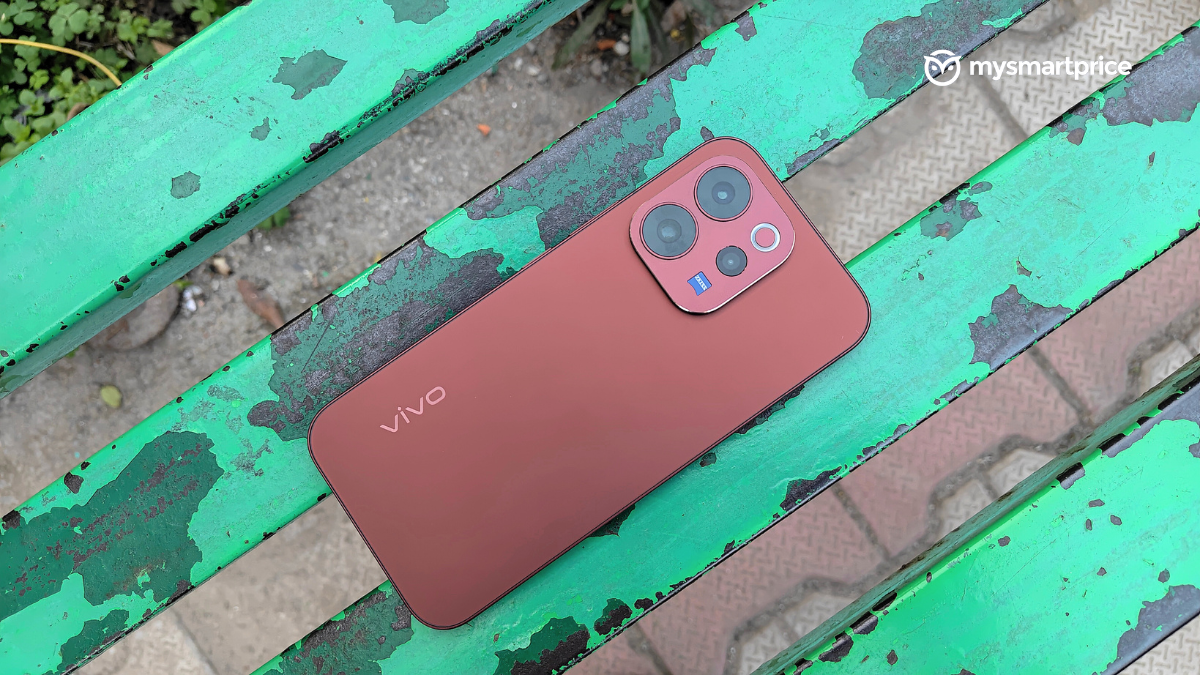
Unlike earlier models, the V70 borrows several design cues from older iPhones, particularly the iPhone 15, most notably in the camera module. As a result, the phone blends into a growing pool of iPhone-inspired smartphones instead of standing out as a clearly identifiable V-series device.
- Colour Options: Passion Red (our review unit) and Lemon Yellow
- Weight: 194g
- Thickness: 7.59mm
- IP Rating: IP68 and IP69
- Port and Button Placements
- Bottom: Primary microphone, SIM Card tray, USB Type-C Port, and speaker grille
- Top: Secondary microphone and speaker
- Right side: Power button and volume button
Although Vivo’s new design direction for the V70 leaves me conflicted, the phone quickly makes its case through its in-hand feel. The cool-to-the-touch aluminium chassis gives the V70 a premium character the moment you pick it up, while the rounded edges sit comfortably in the hand without causing fatigue during extended use.
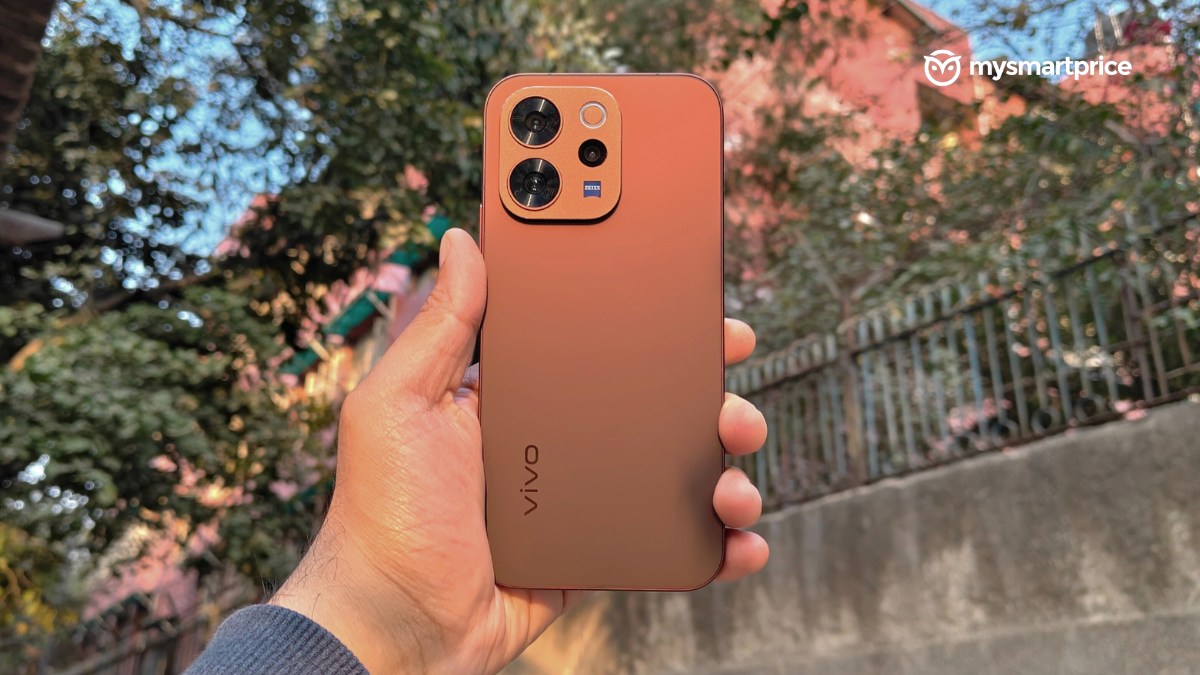
There is noticeable heft, but it’s well distributed, making the phone easy to handle in everyday use. Reaching the notification shade, however, remains a stretch for smaller hands.
That same attention to physical ergonomics extends to the V70’s overall build quality. The aluminium frame feels solid and reassuring, while IP68 and IP69 ratings add protection against accidental water exposure.
Performance and Software
On paper, the Snapdragon 7 Gen 4 does not position the Vivo V70 as a performance-focused smartphone. This is reflected in our benchmark results, where the phone trails several competitors in the same price bracket.
In everyday use, however, the V70 remains smooth and responsive. Routine tasks such as scrolling through social media, web browsing, and photography are handled without noticeable slowdowns, providing a consistent day-to-day experience.
Gaming performance is more nuanced. The V70 delivers a constrained yet occasionally enjoyable experience, particularly when tested across different titles. In BGMI, the phone is limited to 60fps at the lowest graphics settings, a restriction that stands out given that devices like the Realme P4 Pro and Realme 16 Pro Plus achieve 90fps with the same processor. That said, the V70 maintained frame rates above 50fps throughout our BGMI test, resulting in generally stable gameplay.
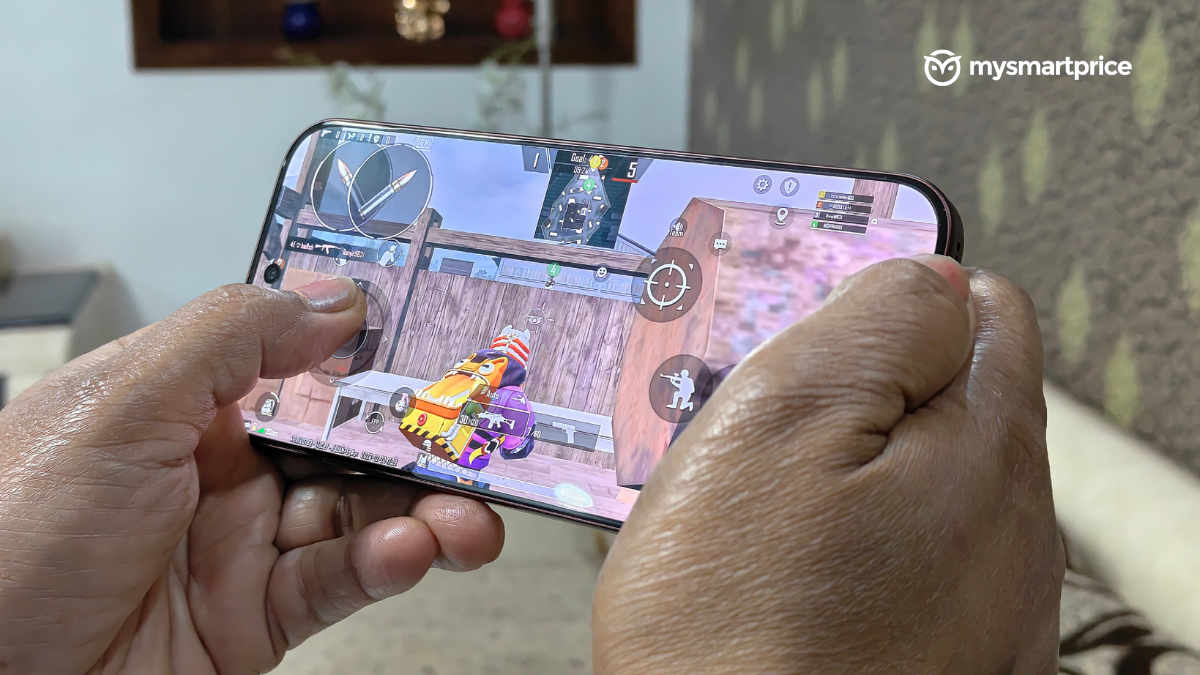
In Wuthering Waves, the V70 presents a contrasting result. The phone sustained an average frame rate above 52.8fps at high settings with the 60fps mode enabled, outperforming the Realme 16 Pro Plus, which struggled to exceed 40fps under identical conditions. However, this came with noticeable frame-time inconsistency, reflected in a wide gap between the average frame rate and the 5% low. Extended gameplay also caused the upper portion of the phone to heat up to 44.1°C, making it uncomfortable to hold.
Overall, the Vivo V70 is best suited for moderate gaming sessions. While it can handle demanding titles, sustained performance and thermal comfort remain limiting factors during longer play sessions.
| Hardware | Specifications |
| RAM | 8GB LPDDR5X |
| Storage | 256GB UFS 4.1 |
| Storage Test | 126304 |
| CPU Throttling Test | No CPU Throttling Detected |
| Software Version | OriginOS 6, based on Android 16 |
| Connectivity Details | Bluetooth 5.4 and Wi-Fi 6 |
| Number of Software Updates | Four years of major OS upgrades and six years of security patches |
OriginOS 6, based on Android 16, shapes much of the Vivo V70’s software experience.
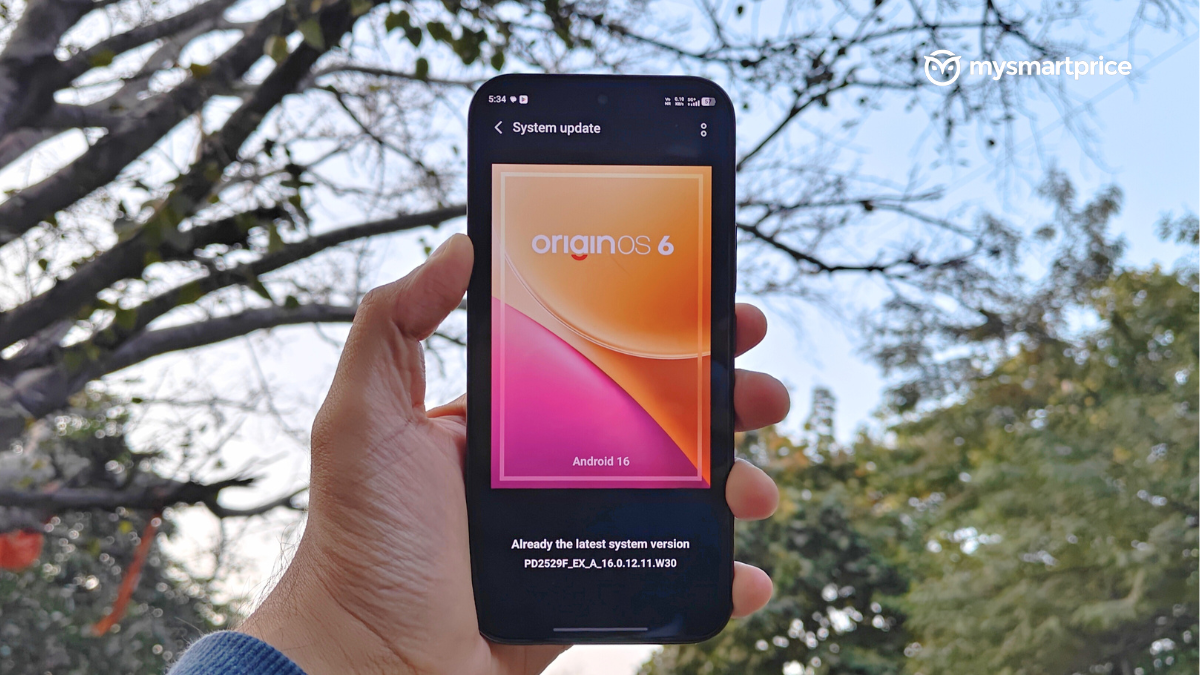
Navigation across the interface feels fluid, with smooth animations and consistent transitions that make the UI feel responsive during everyday use. Visually, the interface leans toward a polished, minimal look that complements the phone’s premium hardware.
Beyond the core UI, OriginOS 6 also introduces features that add a touch of visual flair. One such addition is Flip Card, which creates animated wallpapers by stitching together two or three images to produce a lenticular effect.
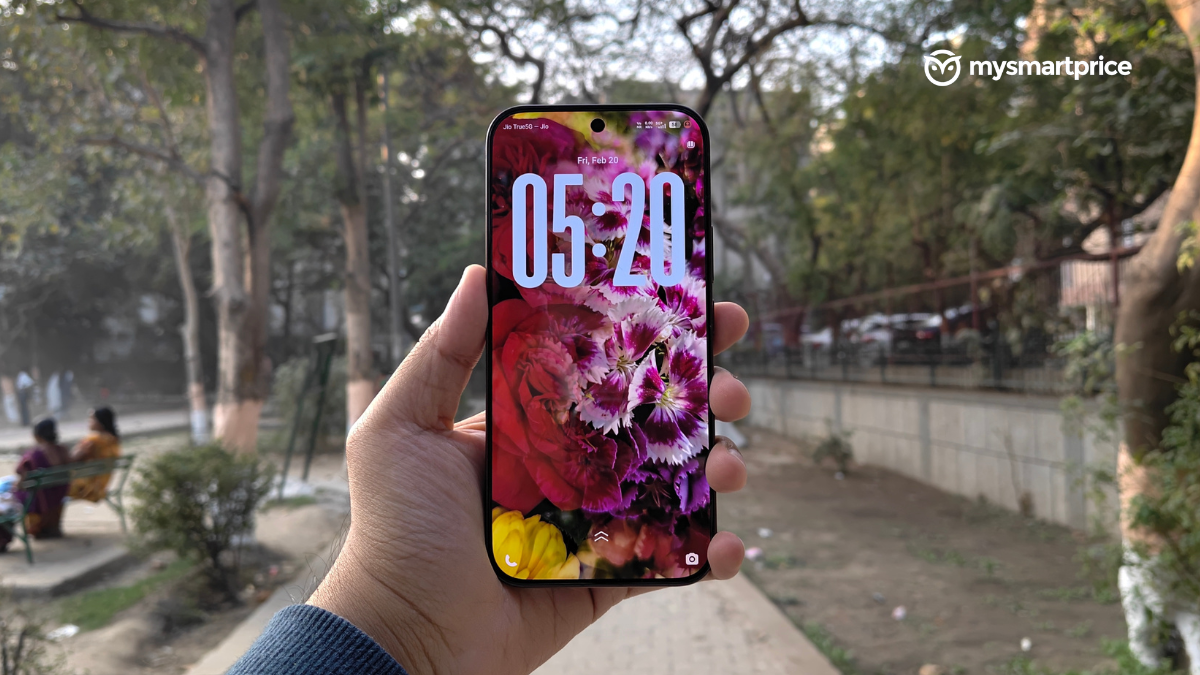
The wallpaper changes appearance when the phone is tilted, similar to the effect seen on Taazo or Pokémon cards.
That said, the overall software experience is let down by the V-App Store, which frequently pushes notifications and clutters the notification tray, detracting from an otherwise clean interface.
Battery and Charging
Battery performance is one of the Vivo V70’s stronger areas. In our testing, the phone’s 6,500mAh battery consistently delivered longer endurance than several direct rivals. Despite using the same processor and matching battery capacity as the OPPO Reno 15, the V70 lasted longer in comparable usage scenarios.
The V70 also outlasted the Realme GT 7, even though the latter packs a 500mAh larger battery.
In real-world use, the V70 delivered close to eight hours of screen-on time under moderate workloads. This included taking camera samples, playing Wuthering Waves, scrolling through social media, and streaming shows. When the battery ran out, the bundled 90W charger topped it up fully in 52 minutes.
Cameras
The Vivo V series has consistently placed a strong focus on camera performance in its segment. The V70 continues that trend with a camera system that stands out in its class, albeit with a small caveat.
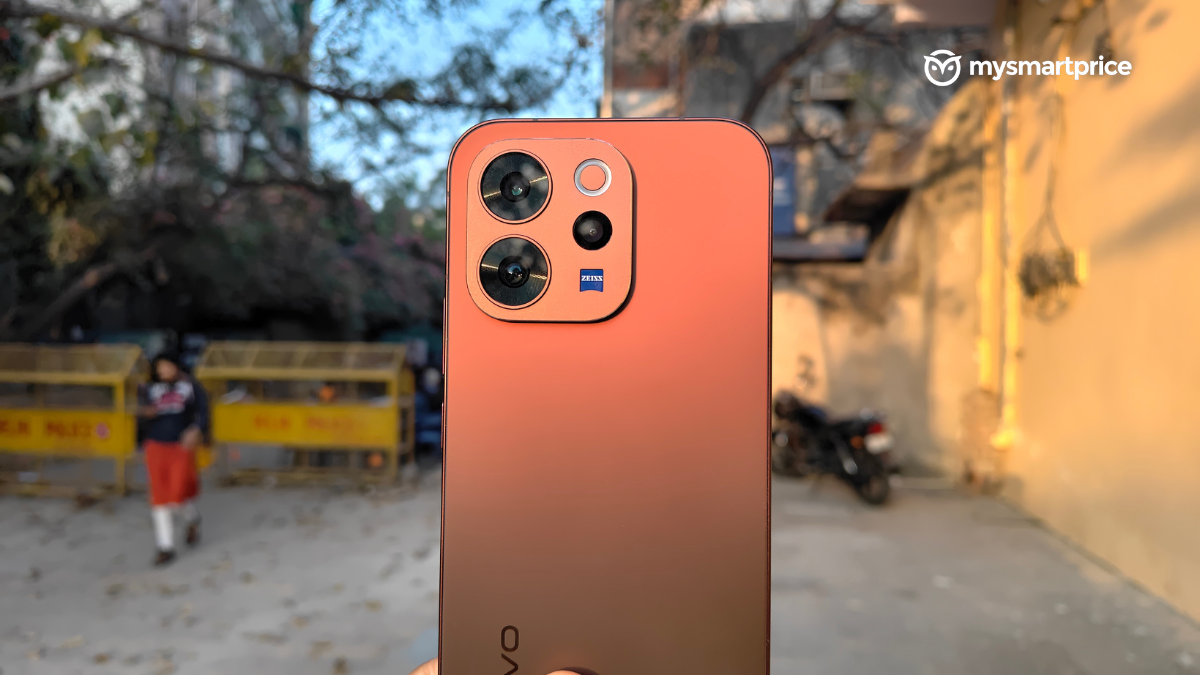
| Cameras | Specifications |
| Primary camera | 50-megapixel, OIS, f/1.88 |
| Secondary camera | 8-megapixel, ultra-wide, f/2.2 |
| Tertiary Camera | 50-megapixel, 3x optical zoom, Sony IMX882, OIS, f/2.65 |
| Selfie camera | 50-megapixel, f/2.0 |
| Video capabilities | Up to 4K at 60fps for the primary and front cameras |
In well-lit conditions, the primary camera captures sharp images with good detail retention. HDR processing is handled competently, helping preserve information in both shadows and highlights. Colour reproduction remains largely accurate, and even with the “Vivid” photographic style, images remain close to the original scene. That said, more challenging scenarios, such as overcast conditions, can occasionally confuse white balance, resulting in a slight pinkish tint.














The telephoto camera maintains colour consistency with the primary sensor and applies similar HDR processing. Images from this lens appear well defined, with natural-looking colours. Portrait shots, in particular, turn out pleasing, capturing accurate skin tones and preserving fine textures such as stubble or wrinkles. Background separation is also handled well, resulting in a clean, uniform blur around the subject.
The ultra-wide camera follows the same colour profile as the other two sensors, ensuring visual consistency across lenses. However, its lower resolution limits detail, especially when compared to images from the primary and telephoto cameras.
In low-light conditions, all three rear cameras prioritise faster shutter speeds. This helps minimise motion blur and keeps subjects reasonably sharp, even in dim environments.











The trade-off is occasional noise in darker areas and some smoothing of finer details, such as facial textures. In better-lit scenes, however, the cameras retain good colour accuracy and clarity.
The front camera captures detailed selfies with natural skin tones. Low-light selfies remain usable and pleasing, despite a minor drop in sharpness.
Display and Audio Quality
The Vivo V70 features a 120Hz display, which contributes to smooth scrolling and responsive interactions across the interface.
Beyond fluidity, the panel also performs well in terms of visual quality. Its brightness and contrast allow finer details to remain visible in darker scenes, such as textures on a monster’s body in live-action series like Monarch: Legacy of Monsters. Animated content, including My Hero Academia: Vigilantes, also benefits from the display’s colour tuning, with vivid scenes rendered in a controlled and natural-looking manner.
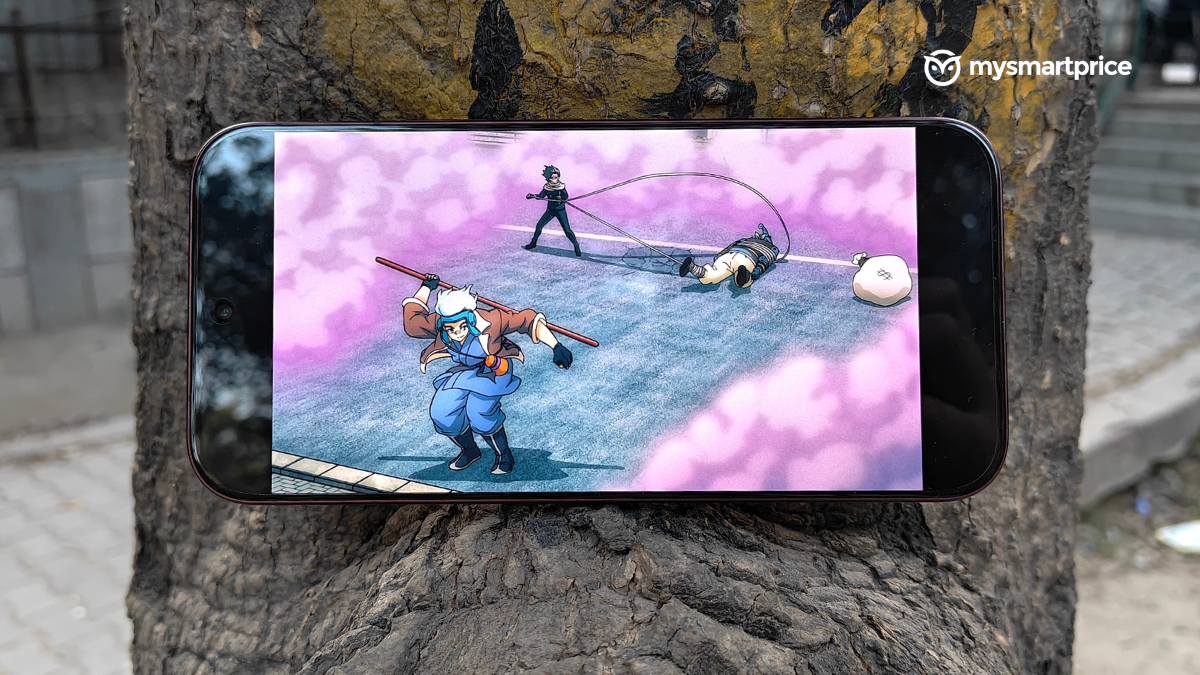
Outdoor visibility is another area where the display holds up well. With 700 nits often considered a baseline for comfortable outdoor viewing, the V70’s screen approaches three times that level, making movie watching and general use easier under bright conditions.
- Size: 6.59-inch
- Type: AMOLED
- Resolution: 1260*2750 pixels
- Refresh Rate: 120Hz
- Display Protection: SCHOTT Xensation
- Peak Brightness
- Claimed: 5000 nits
- Tested: 2741 nits
The Vivo V70’s stereo speakers pair well with the display for media consumption. Sound output remains clear, with discernible instrument separation and minimal distortion, even at higher volume levels.
Verdict
The Vivo V70 offers a largely well-rounded experience, anchored by a premium build, a strong display, reliable camera performance, and excellent battery life. OriginOS 6 feels smooth and cohesive in everyday use, though frequent notifications from the V App Store detract from an otherwise clean software experience. Performance is sufficient for daily tasks, but gaming limitations, including the 60fps cap in BGMI and noticeable heating during extended sessions, hold it back as a gaming-focused option. The design feels polished and premium, even if it lacks a distinct visual identity. Overall, the V70 makes sense for users who prioritise camera consistency, refinement, and battery endurance over outright performance.