There are two ways to look at the Vivo X300 FE. The first is to look at it as a compact flagship phone, in which case it is a great phone. You get a sharp 6.31-inch display, flagship-grade performance, excellent battery life and a surprisingly capable camera system in a body that doesn’t feel designed exclusively for people with giant hands.
Vivo X300 FE
Rs 79,999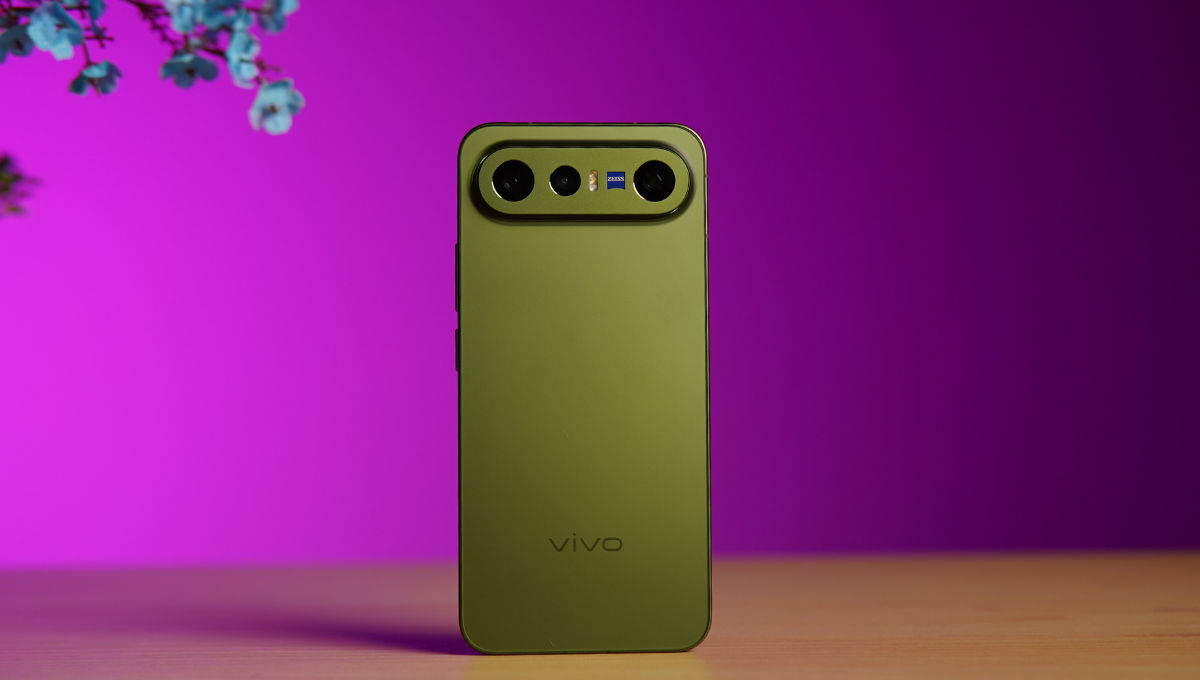
What Is Good?
- Genuinely easy to use one-handed
- Good outdoor visibility
- Excellent primary camera with rich contrast and detailed images
- Outstanding 3x telephoto camera
- Excellent battery life despite the compact size
What Is Bad?
- Priced higher than the Vivo X300 despite being positioned below it in the lineup
- Limited to 90FPS gaming
- 8MP ultrawide camera feels underwhelming for a flagship smartphone
The second is as a member of the X300 family, that’s where things get complicated. Don’t get me wrong, it is a great phone, but it is competing within the lineup itself, with the Vivo X300. Not even competing with it, but it is Rs 5000 pricier than the X300.
After spending some time with the phone, I kept coming back to the same question: the X300 FE gets almost everything right, but is it solving a problem that Vivo had already solved with the X300?
Portability Is The Key!
For the last couple of years, the smartphone industry has convinced us that flagship smartphones have to be big. Massive camera modules, massive batteries, massive displays.
However, things have been changing, compact smartphones are in their comeback era, and the Vivo X300 FE has joined that list.
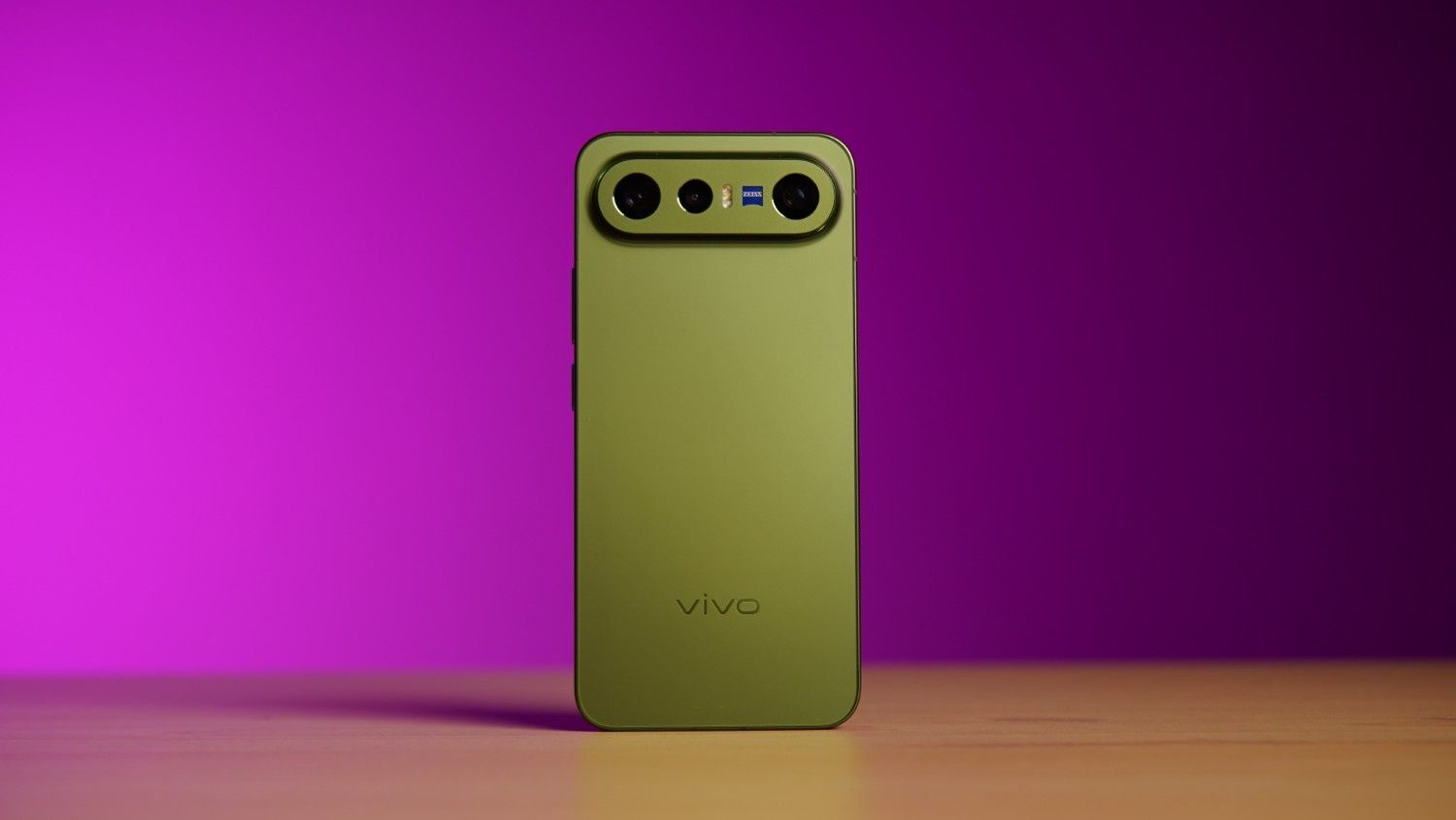
Its 6.32-inch form factor feels comfortable and more manageable than most premium phones in the market. Before this, I was using the iPhone 17 Pro Max, and compared to that, this phone is much easier to go around with.
At 190 grams, of course it’s lightweight, but the weight distribution is also balanced, which makes it even more usable. My girlfriend often ends up handing me her phone because it barely fits in her bag or the small pockets on her clothes. Phones like the X300 FE actually help solve those small but very real problems too.
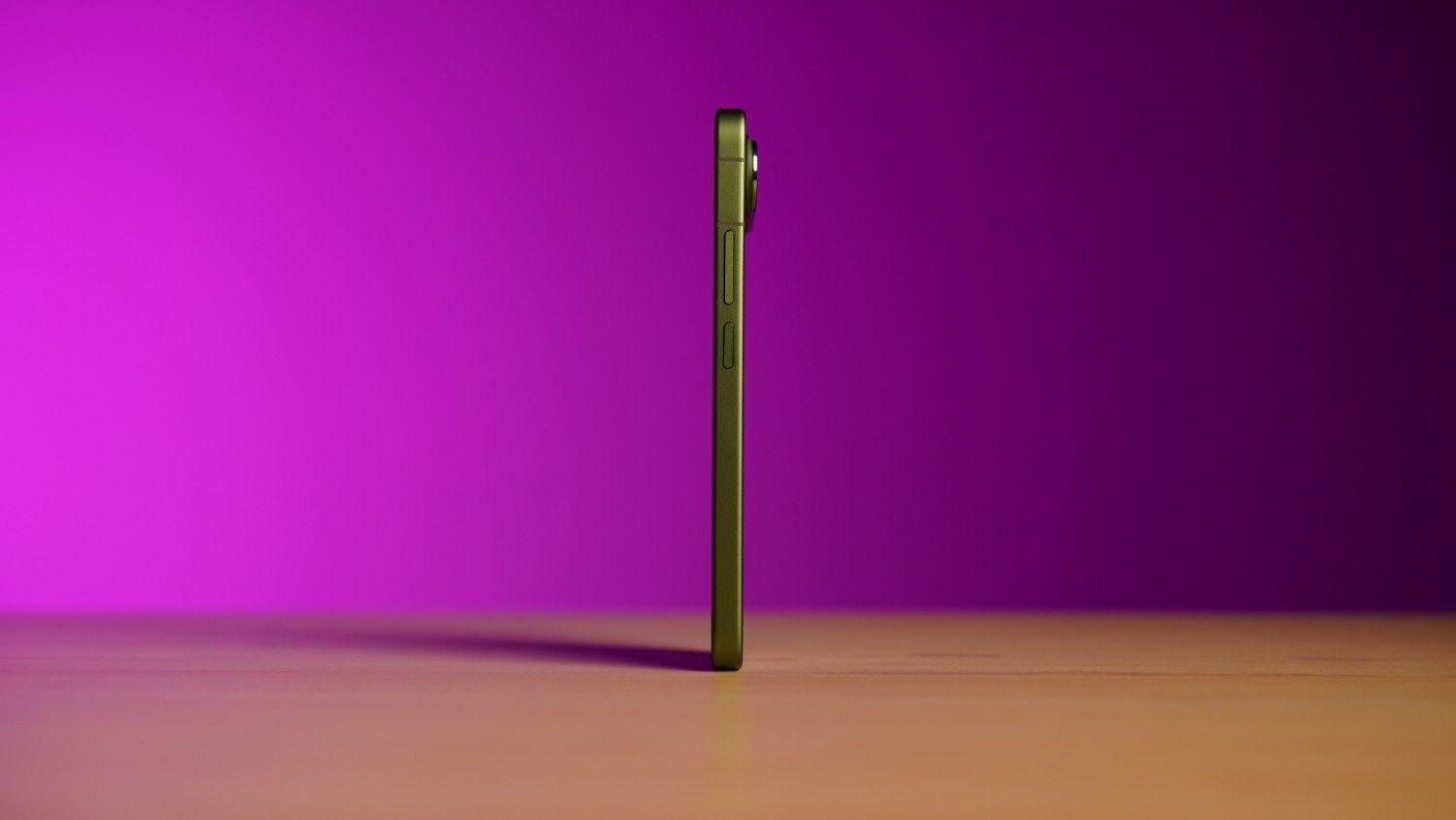
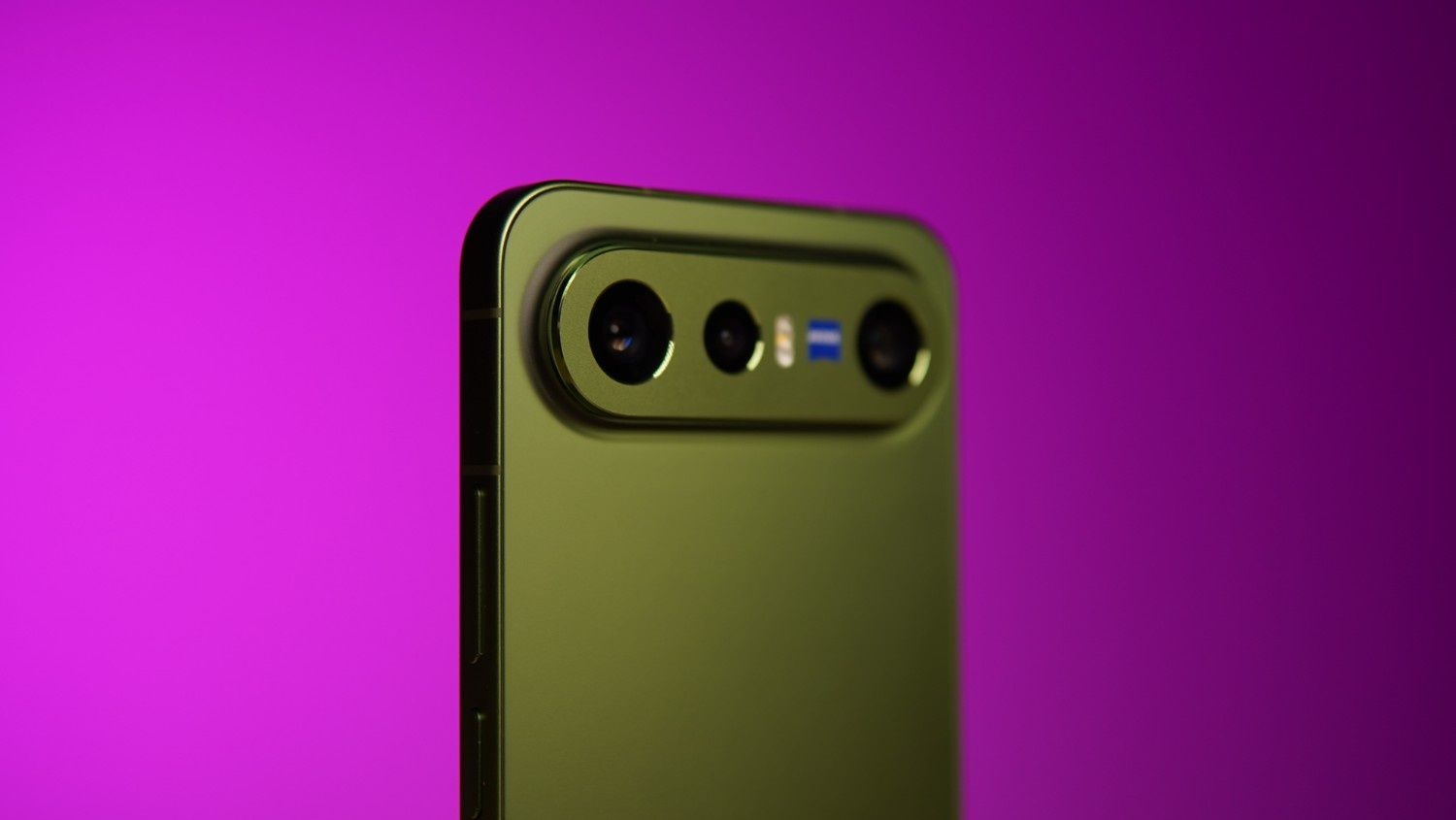
Also, unlike most phones today, it doesn’t have a camera module that dominates the entire rear panel. While I don’t mind that, a change is always appreciated. Although some might say that it looks like a not-so-Android phone, if you know what I mean, but it looks very natural and original in person. And my recommendation to you would be the Urban Olive colour, as it looks quite attractive.
The device sits flat on a table. The matte finish keeps fingerprints away. These sound like small details until you spend a week using the phone.
A Balanced 6.31-inch Panel
The display is one of my favourite parts of the Vivo X300 FE. It has a 6.31-inch LTPO AMOLED display, the resolution feels pretty sharp, and the 120Hz refresh rate, as always, makes every interaction feel fluid. Moreover, this panel also supports HDR10+.
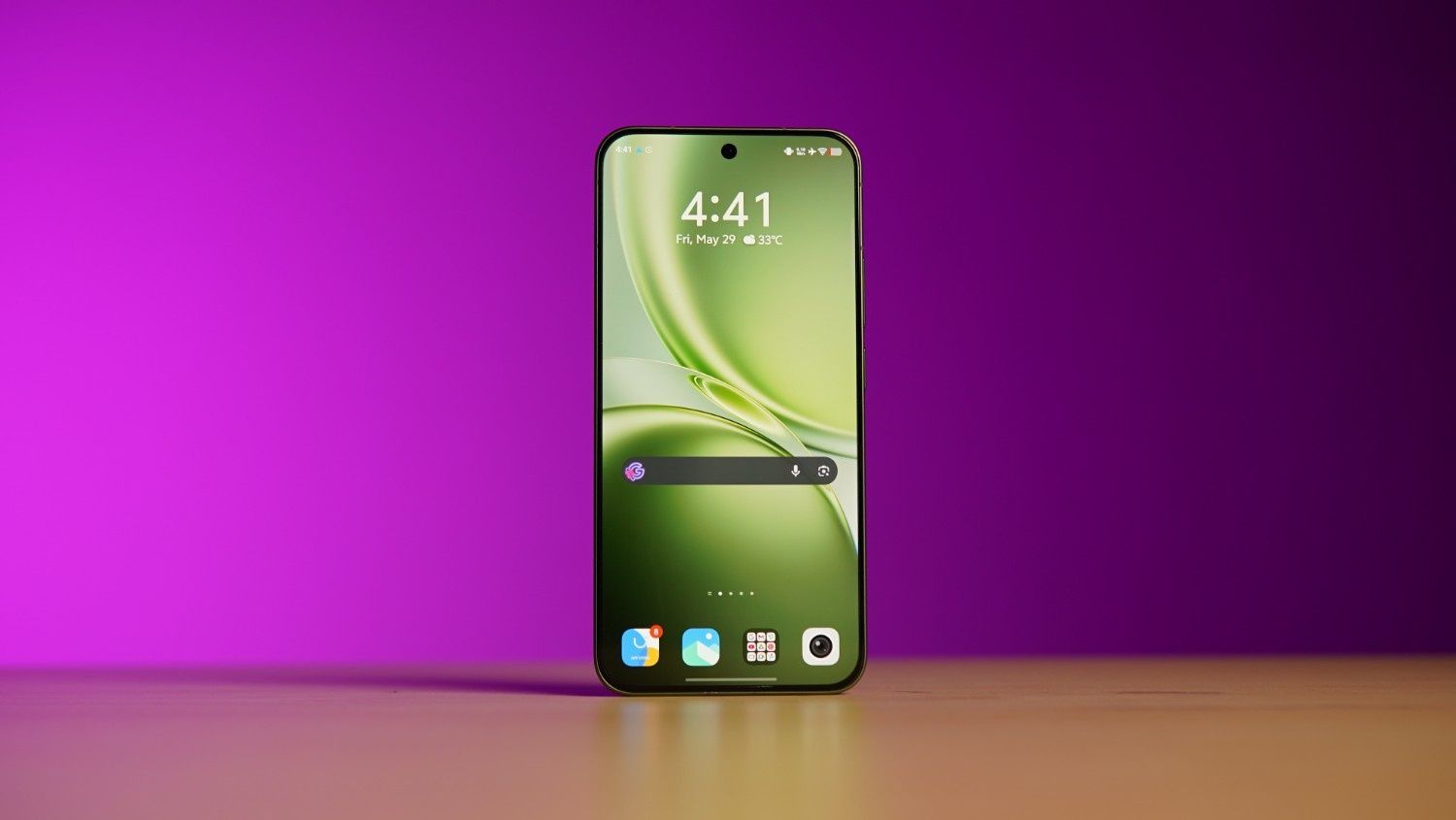
I used this smartphone in Jaipur in the middle of the day under harsh sunlight, and I think the display is bright enough to hold its own. Colours are rich without looking exaggerated, and viewing angles remain reliable. Whether I was scrolling through social media outdoors, editing photos, watching YouTube videos or reading long articles late at night, the display never felt like it was operating outside its comfort zone.
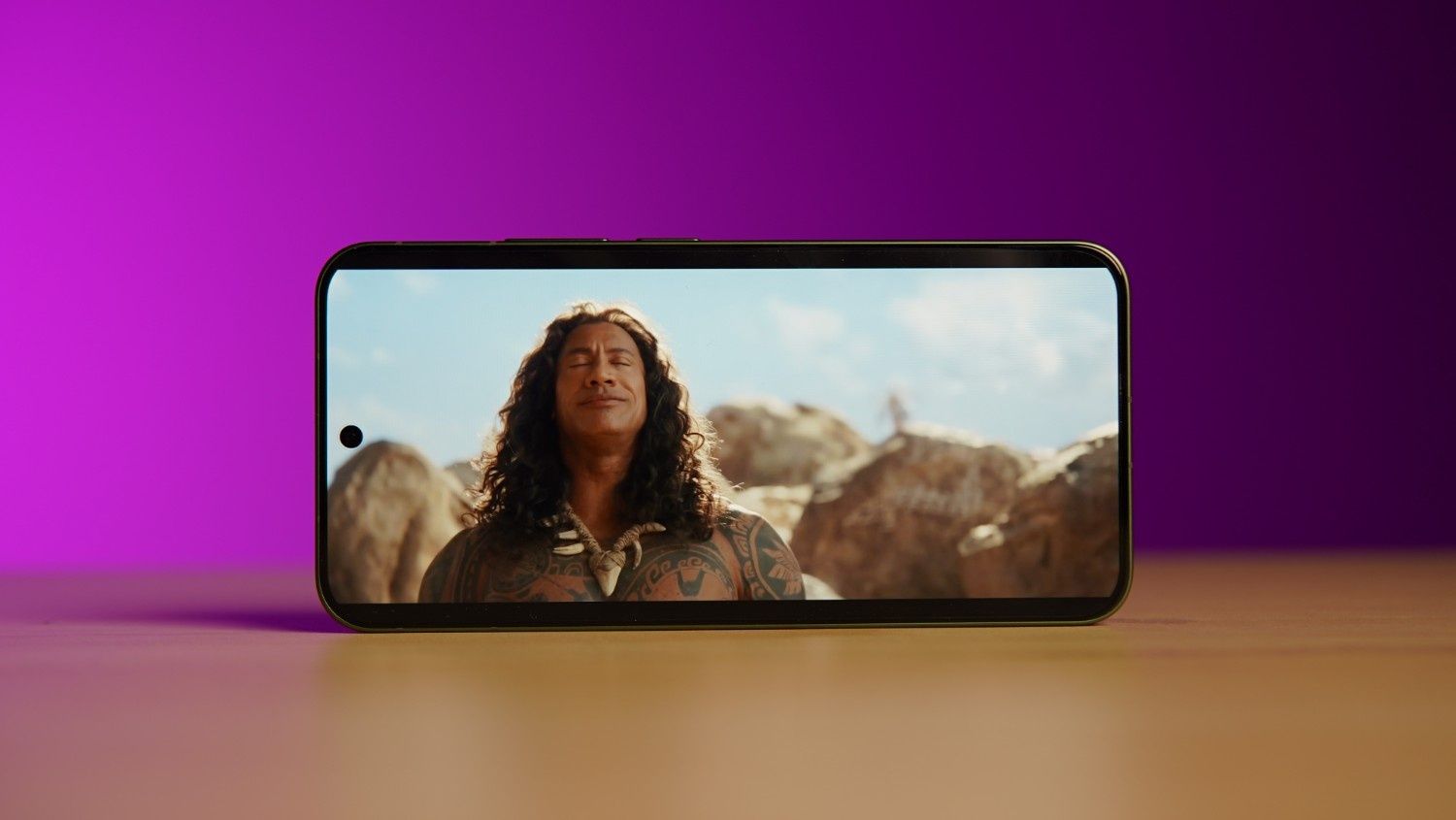
Although the display is not too big, which can be a concern for gamers, the Vivo X300 FE offers enough screen real estate for entertainment while remaining comfortable to use one-handed.
Powerful Enough?
The Vivo X300 FE runs on Qualcomm’s Snapdragon 8 Gen 5 chipset paired with 12GB of LPDDR5X RAM and up to 512GB of UFS 4.1 storage. Even though this chipset sits below the Snapdragon 8 Elite in Qualcomm’s hierarchy, it remains a flagship processor in every meaningful sense.
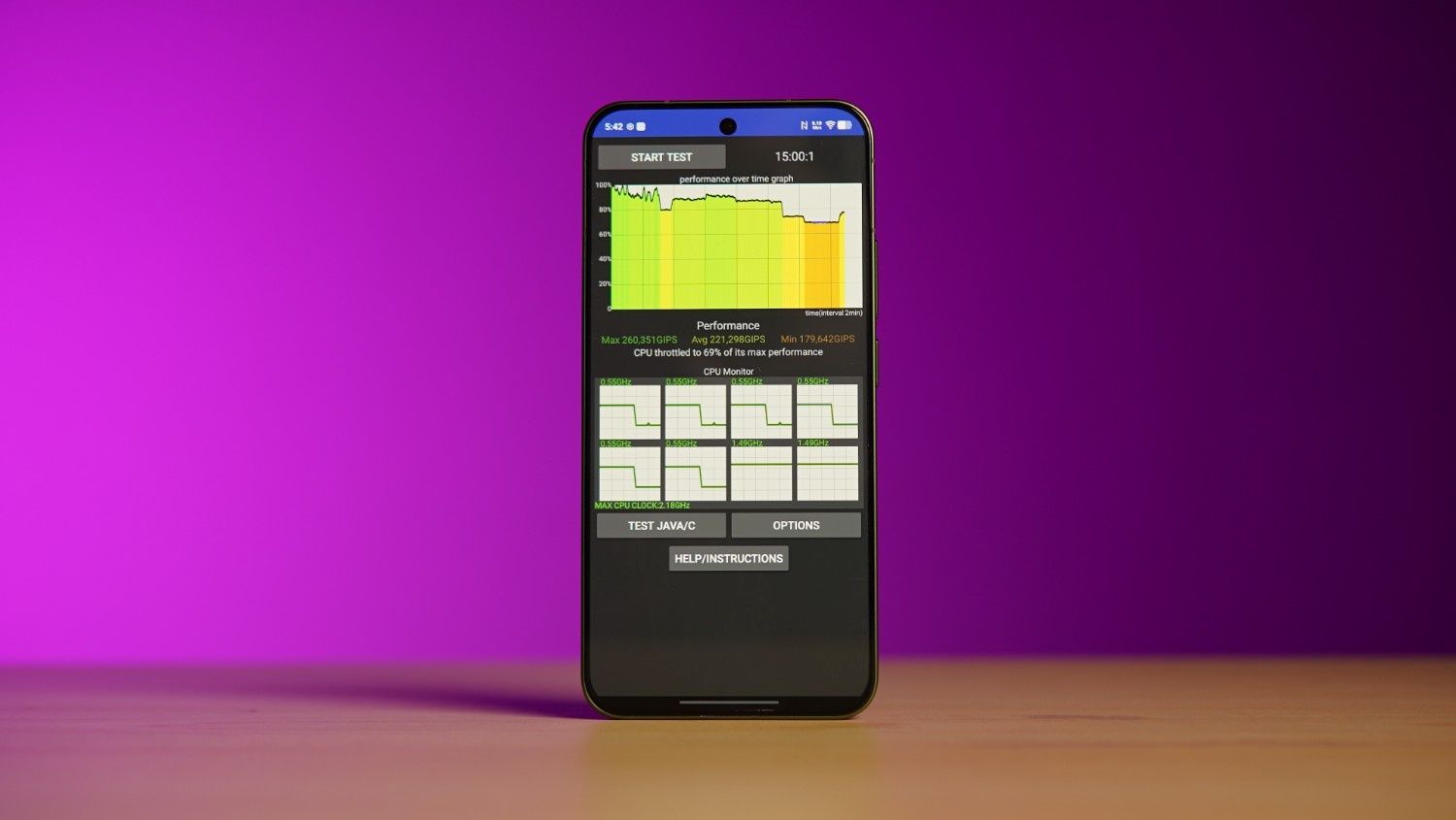
The Vivo X300 FE feels like a reliable phone, and the daily performance is excellent, as expected. Apps launch quickly, multitasking feels effortless, and then…it stops. Let the performance of this smartphone remain for casual use. Because this is where the Vivo X300 looks better.
At Rs 79,999, even if it’s not a gaming smartphone, the new benchmark is 120 FPS support. So if, sometime, you feel like gaming on your phone, 90 FPS is just fine for casual gaming. But if you are someone who is used to playing games on compact phones, and want to improve your gameplay, I wouldn’t recommend the Vivo X300 FE.
But, again, who wants to do hardcore gaming on a 6.3-inch display?
While it might not have scored as much as the Vivo X300 and other flagship devices, you don’t really feel that in everyday use, and for a compact phone, the thermal management is also respectable. There is some throttling during heavy loads, but regular usage works okay.
On the software front, the X300 FE runs on OriginOS 6 based on Android 16. Animations are smooth, customisation options are extensive, and features such as AI-powered writing tools, transcription capabilities, Circle to Search integration and cross-device connectivity are also pretty useful.
The Strongest Suit: Camera!
The X-series from Vivo is known for its amazing cameras, and the Vivo X300 FE follows that lineage. It has a triple camera setup with a 50-megapixel primary sensor, a 50-megapixel telephoto camera with 3x optical zoom, and an 8-megapixel ultrawide sensor. On the front, users get a 50-megapixel selfie camera.
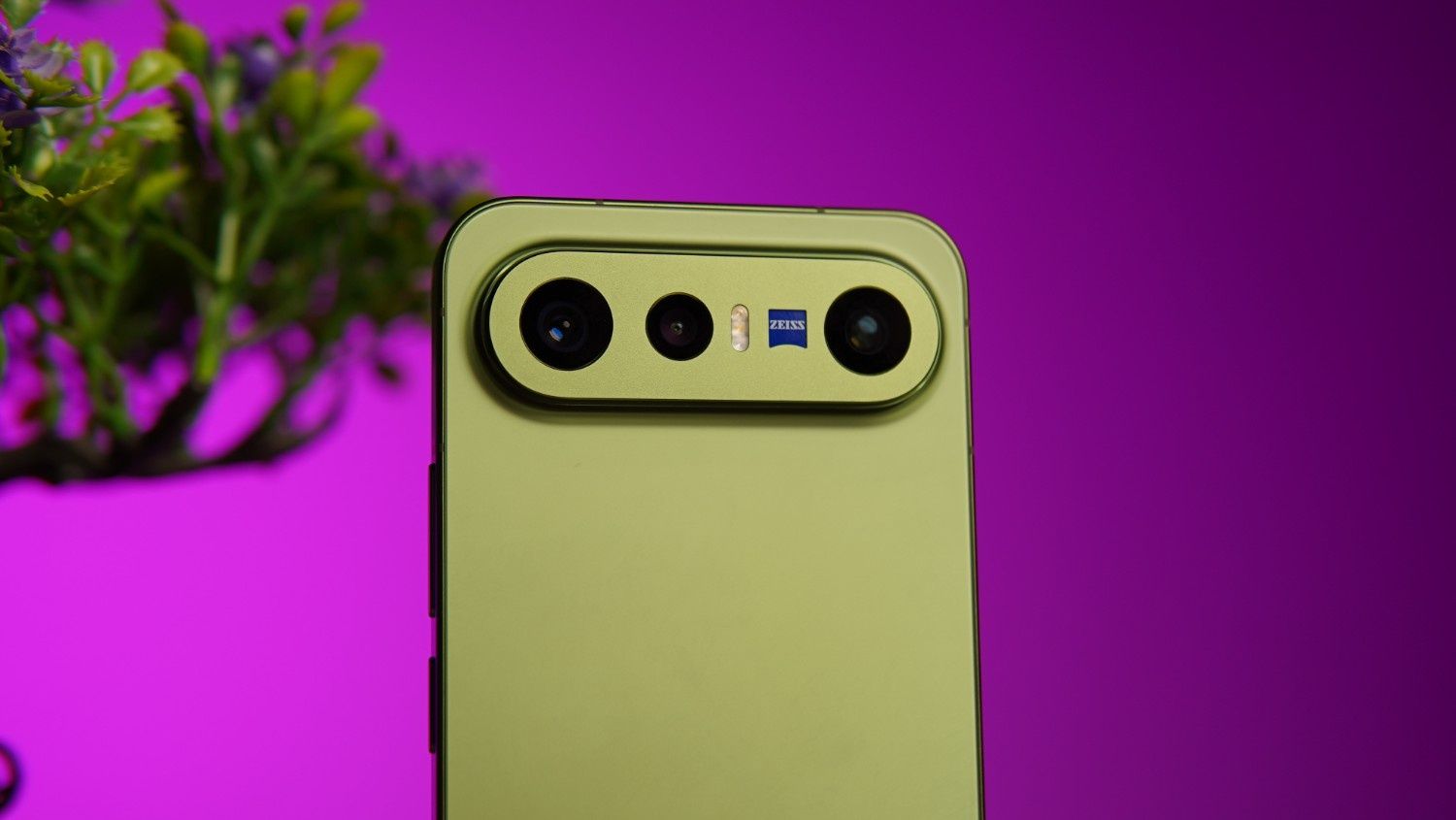
The primary camera shoots images with consistent details, and the contrast is rich and well-balanced. Sometimes, though, Vivo’s processing pushes the saturation more than I like, especially the greenery, but overall, the results are visually appealing.












Vivo has also aced low-light photography in its flagship smartphone cameras. Both the primary and telephoto cameras retain strong detail and dynamic range even after sunset, making the phone one of the better low-light performers in its segment.
The headline feature is the telephoto camera. The 3x telephoto consistently produces some of the phone’s best photos. The details are excellent, the dynamic range is good, and the colour production is also pleasing to the eyes.










Not just that, the best use case of the 3x telephoto zoom is shooting portraits. With its Biotar depth of field, the portraits look beautiful at an 85mm focal length. The subject separation is accurate, the skin tones look natural, and the focal length also helps with the compositions. However, if it’s not daylight or you zoom in more than 3x, there is an instant quality loss in portraits.











What could have been better in this camera setup is the 8-megapixel ultrawide camera. As is the case with most phones these days. It just lacks the flexibility and image quality that you would expect from a flagship phone.



Although selfies are excellent. The 50-megapixel selfie shooter captures detailed images with accurate skin tones and a wide field of view, so you can flaunt it in group shots as well.



The video part is not that easy to decide upon, and again, I feel the Vivo X300 is a better fit for videos. The X300 FE supports 4K recording at up to 120fps, whereas on the X300, you get 8K video recording support. However, the Vivo X300 FE records decent colours, dynamic range feels effective, and stabilisation is also excellent, but details could have been better, particularly in low-light conditions.
Charges Like a Rabbit, Lasts Like a Turtle
For years, big brands like Apple and Samsung have conditioned us to believe that compact phones simply can’t deliver great battery life. Meanwhile, brands like Vivo, Oppo, Xiaomi, and Realme have been proving otherwise. The Vivo X300 FE is a perfect example of that. Despite its relatively compact form factor, Vivo has managed to fit a massive 6,500mAh battery inside the device, making it one of the most impressive aspects of the smartphone.
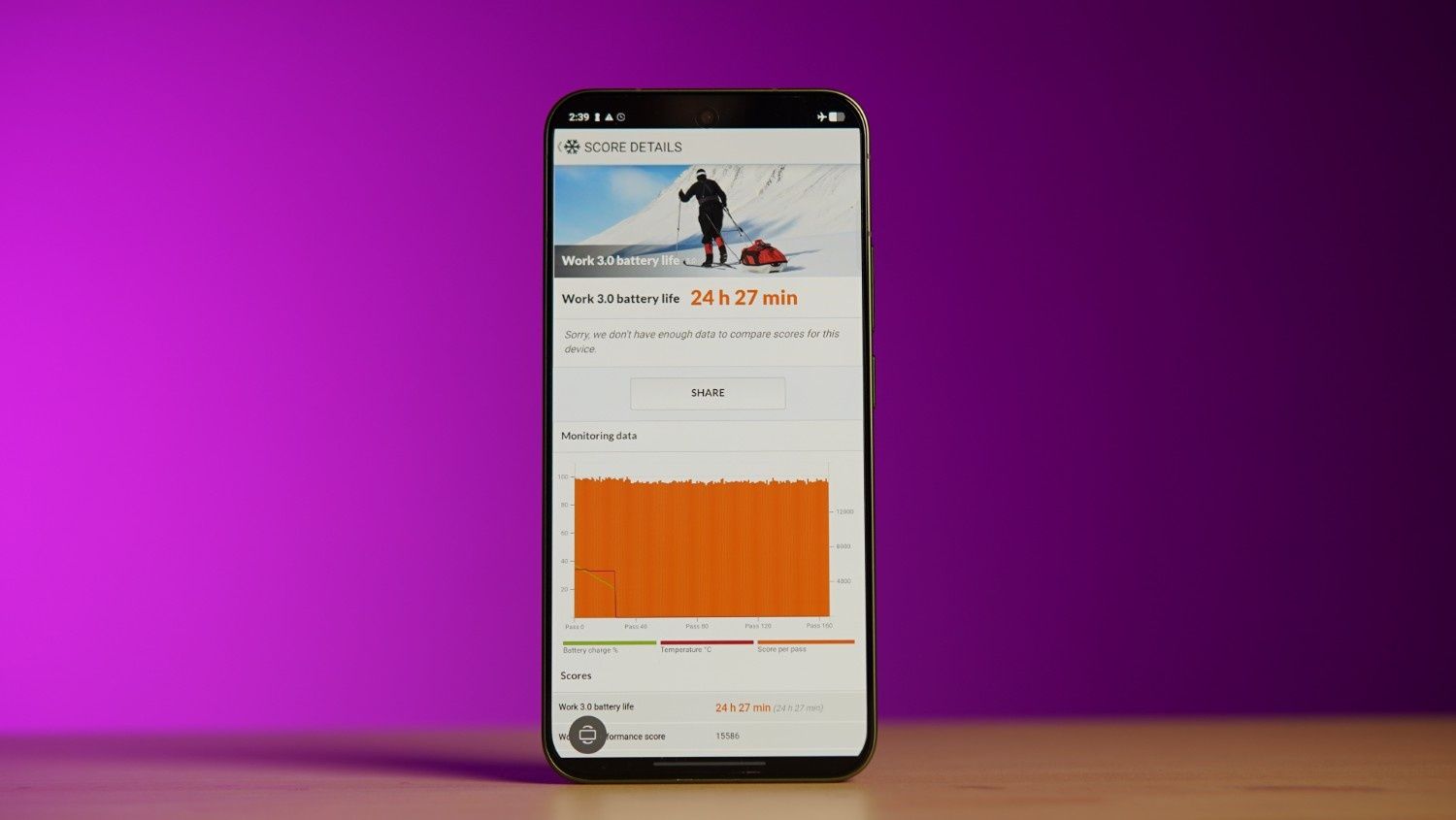
On heavy usage, you can easily take this phone through an entire day, and moderate users can even stretch the phone into a second day without reaching for a charger. In our PCMark Battery Life test, this phone lasted for over 24 hours, with 20% battery still remaining.
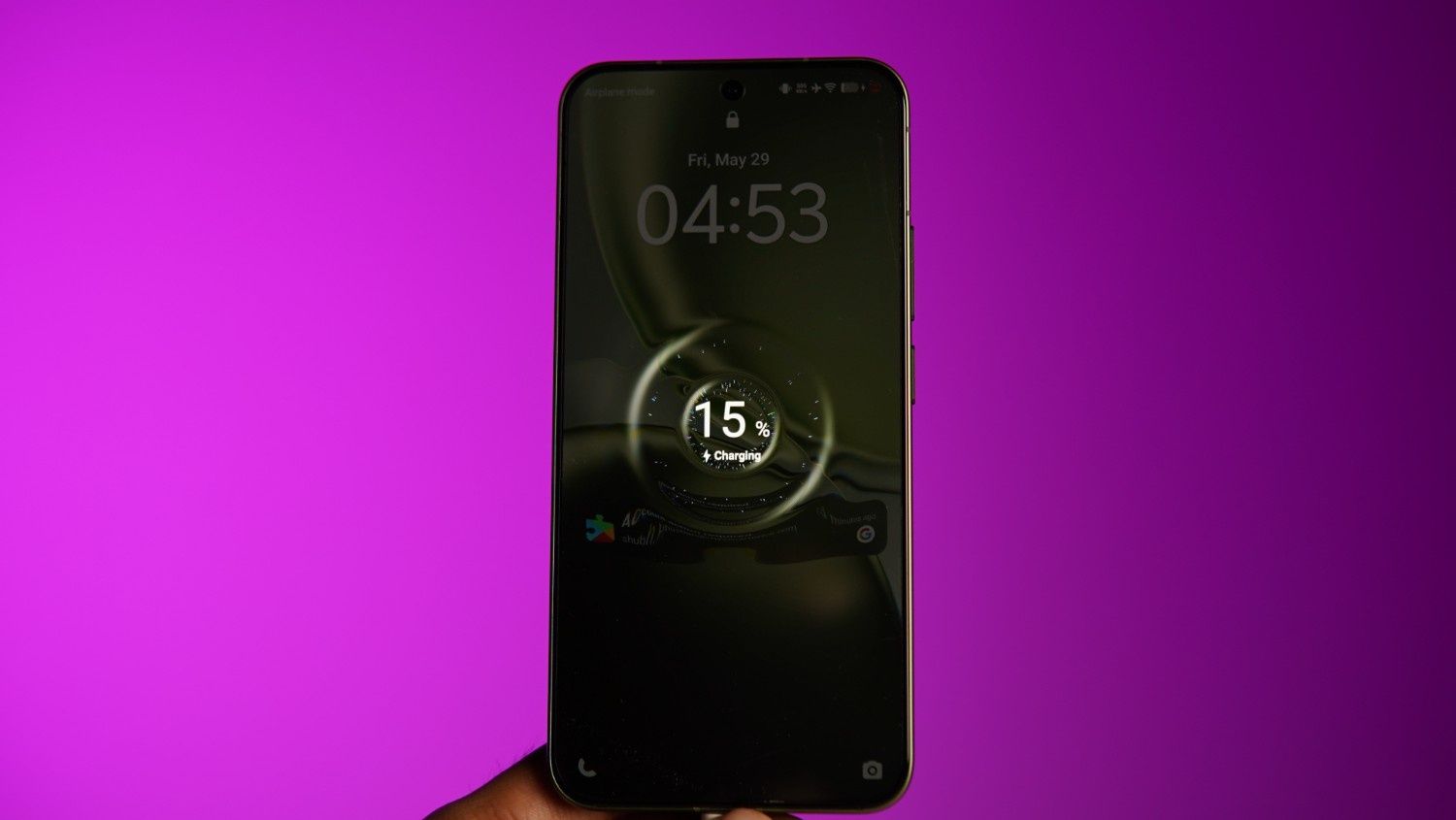
For charging, you get 90-watt fast-charging support, and it juices up the phone from 0 to 100% in under an hour. Not just that, Vivo has also offered features like 40-watt wireless charging and bypass charging.
Verdict
The Vivo X300 FE gets most things right. The compact form factor makes it comfortable to use, the display is excellent, battery life is among the best in its class, and the cameras, particularly the telephoto lens, continue Vivo’s tradition of delivering a strong photography experience. Performance is also flagship-grade, and OriginOS has matured significantly. In fact, I was pleasantly surprised by how few compromises this phone makes despite its relatively compact size.
The problem is where it sits in Vivo’s lineup. Starting at Rs 79,999 for the base variant, the X300 FE enters a price segment where buyers are likely to compare it not just with rivals from Apple, Samsung, Oppo and Google but also with Vivo’s own X300. And that’s where things become a little complicated. The standard Vivo X300 is also a quite balanced smartphone, which offers a stronger overall package in a few key areas.
Now, the brand is claiming that you can purchase the Vivo X300 FE at just Rs 66,999 with bank offers, but only until you can… Although it does make a pretty good deal at this price.
So, if your priority is a flagship phone in a body that doesn’t feel oversized, the Vivo X300 FE makes a strong case for itself.