Xiaomi has treated its T-series smartphones as performance-focused alternatives to its flagship devices for years now. They had a powerful processor, fast charging, and premium displays, but the cameras were where the compromises became obvious compared to the flagship numbered series.
The newly launched Xiaomi 17T slightly changes that equation. It is the first T-series smartphone in India that offers Leica-branded cameras. This means that one of Xiaomi’s biggest flagship selling points is now available at a more affordable price point. Along with that, you are getting a flagship-grade chipset, a 6,500mAh battery, 90-watt fast charging, and a premium AMOLED display.
Xiaomi 17T
Rs 59,999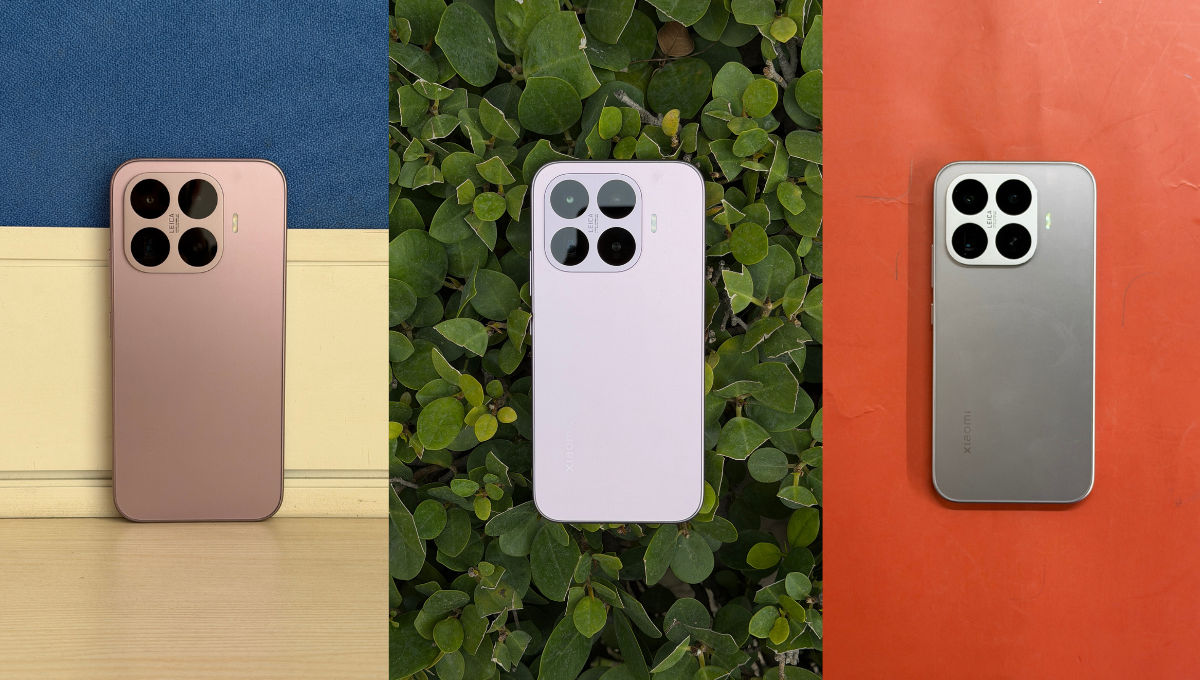
What Is Good?
- Excellent 5x telephoto camera
- Strong portrait photography performance
- Bright AMOLED display
- Good value for money
What Is Bad?
- Battery life is below expectations
- Gaming limited to 90 FPS
- Not the most powerful phone in its price range
At Rs 59,999, Xiaomi is trying to bring some of its flagship appeal to a lower price point, and that too when hardware prices are shooting up. But the real question is whether the experience feels like a flagship, too. For the most part, the answer is yes.
Compact? No. Premium? Yes!
If I had to describe how the smartphone looks in one word, I would say that it looks elegant. A lot of phones are trying to go hard with their design language in order to stand out, while I am all for it, there is something refreshing about a device that keeps things relatively understated.
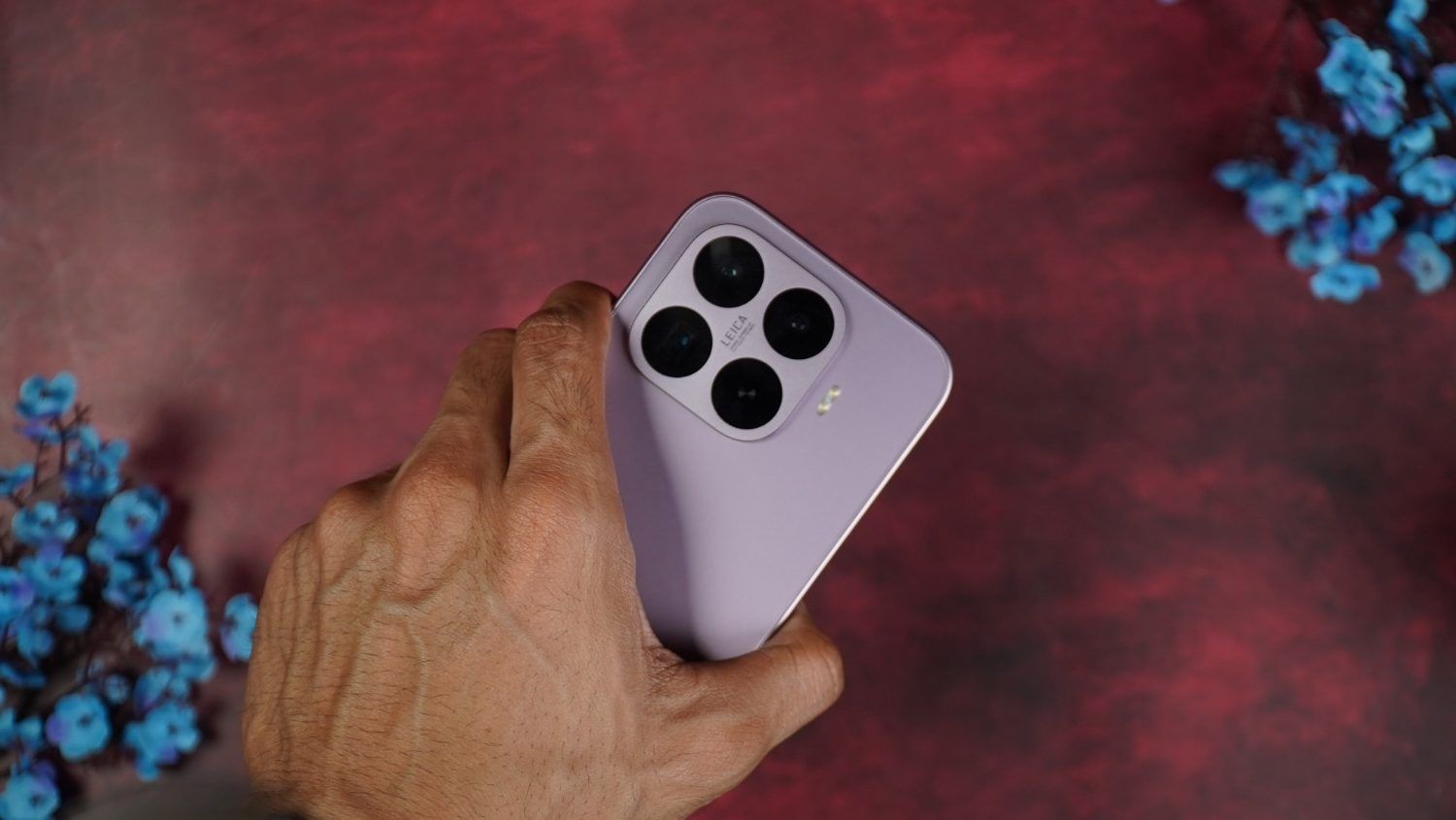
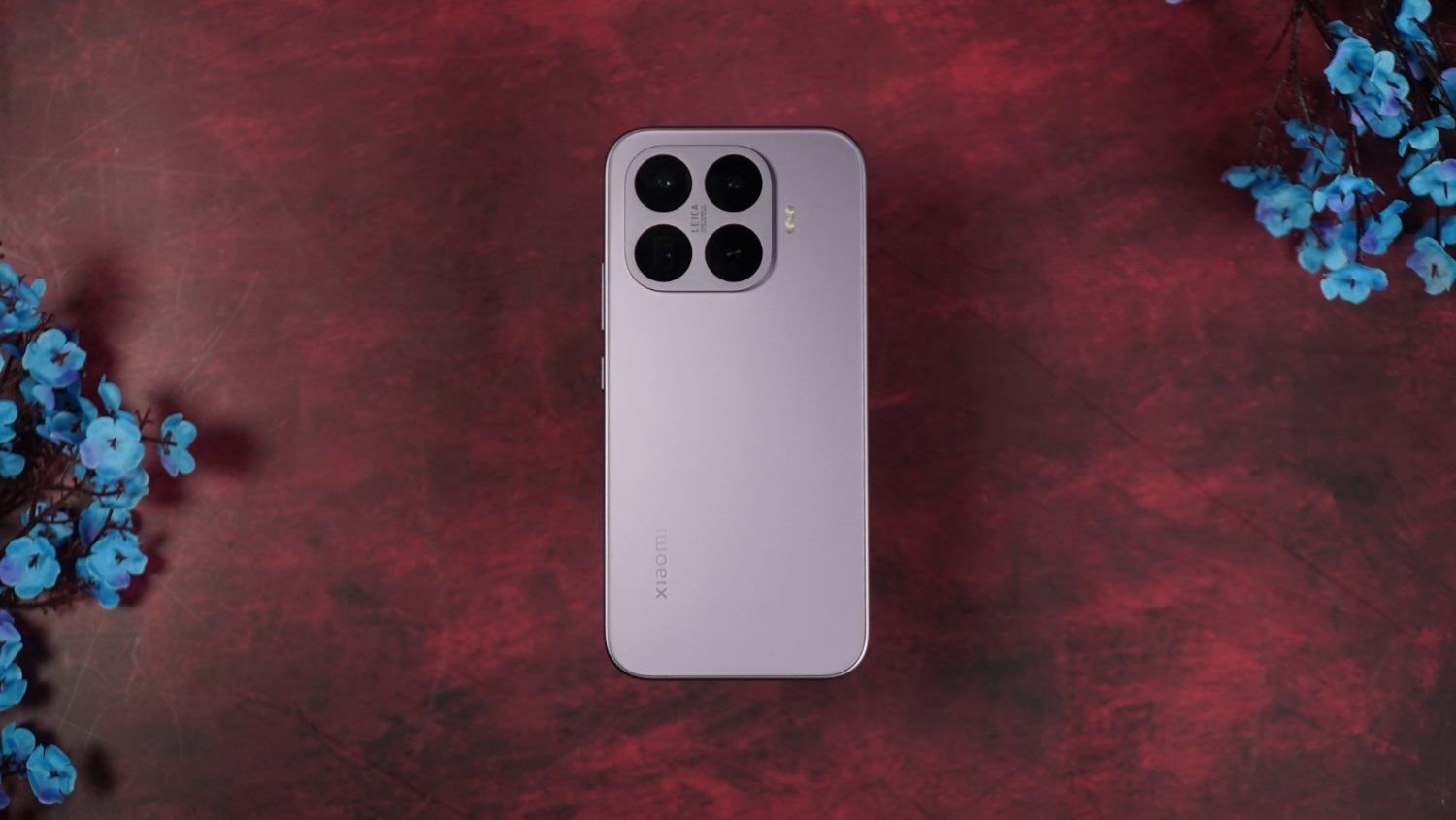
You get a flat-frame design that gives the phone that modern look, while the glass back offers that premium look you would expect at this price point. The camera module is big enough so that you are constantly reminded that photography is the focus here, but it isn’t so big that it takes up too much of the rear panel.
Despite having a sizable battery and that camera bump, the Xiaomi 17T doesn’t feel too bulky that it starts to feel uncomfortable in daily use. With that said, it isn’t a compact phone either; it weighs 200 grams.
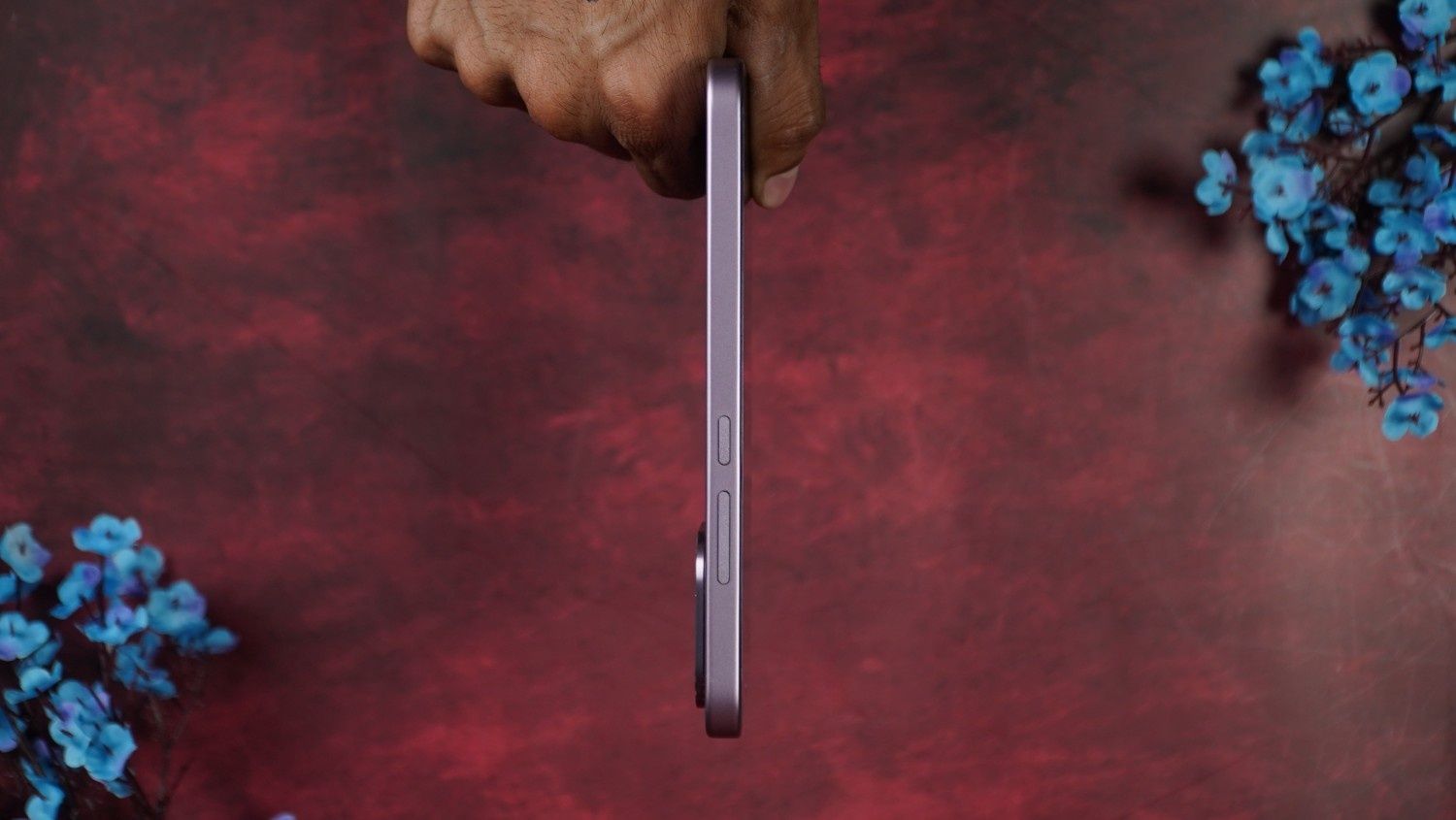
As far as durability is concerned, the Xiaomi 17T also feels sturdy. You get Gorilla Glass 7i protection both on the front and back, plastic frames, and an IP68 rating for dust and water protection. The plastic does sound a bit out of place when we’re talking “premium,” but that’s fine.
The tactile feedback of the buttons feels brand new, and the overall fit and finish are exactly what you would expect from a Rs 60,000 smartphone.
Brightest Display Ever!
The Xiaomi 17T features a 6.59-inch AMOLED display with a 120Hz refresh rate, Dolby Vision, and HDR10+ support. The brand is claiming a peak brightness of up to 3500 nits, and while it doesn’t score that much in our testing, I am still amazed by what we recorded.
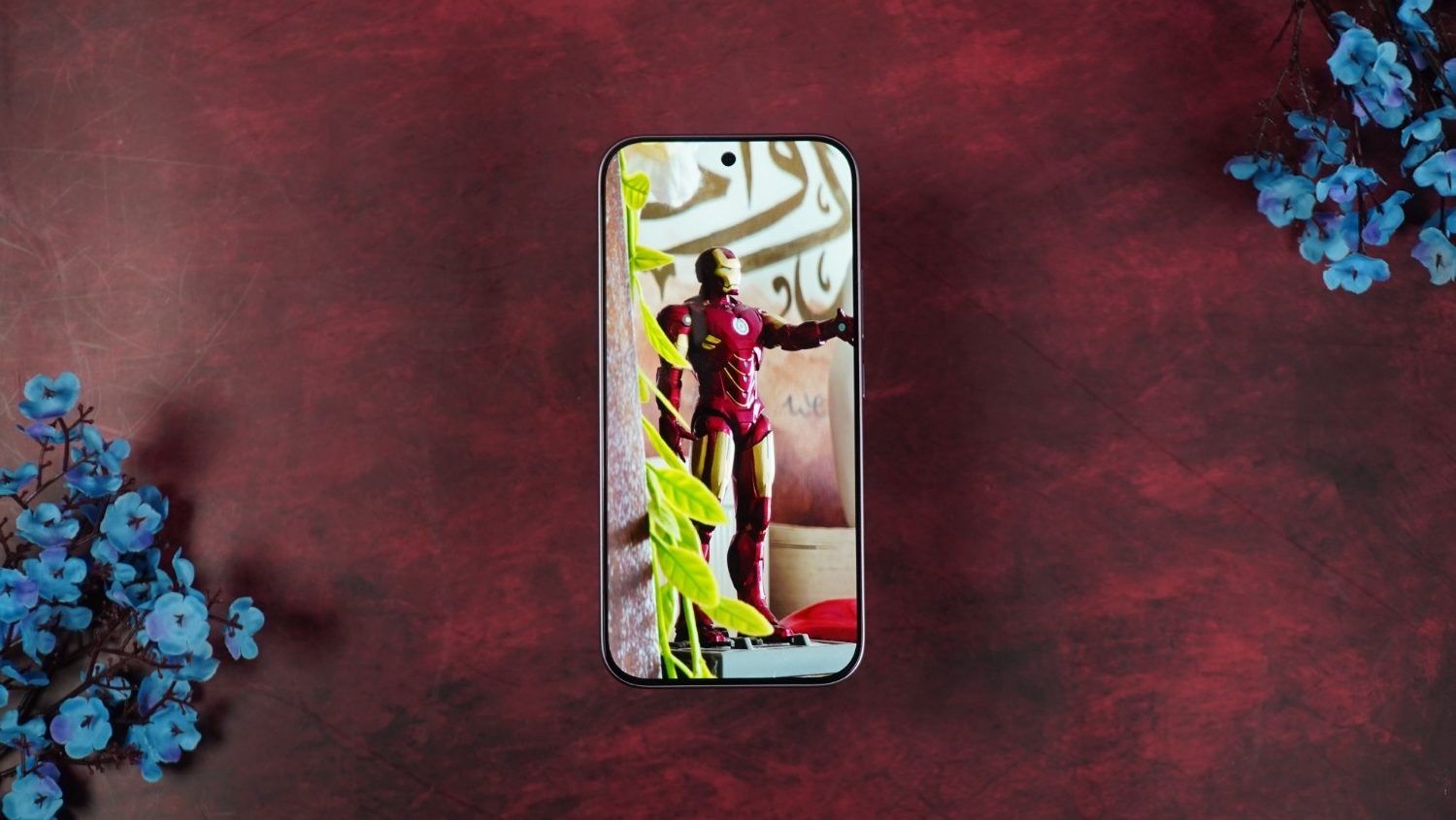
The Xiaomi 17T has surpassed some of the best smartphones in the brightness test. We recorded a peak brightness of 2640 nits on auto mode, which is an excellent number. In simpler language, if you are using a phone under harsh sunlight, usually you’ll notice reflections on the display, but the Xiaomi 17T’s display stays vibrant even under those conditions.
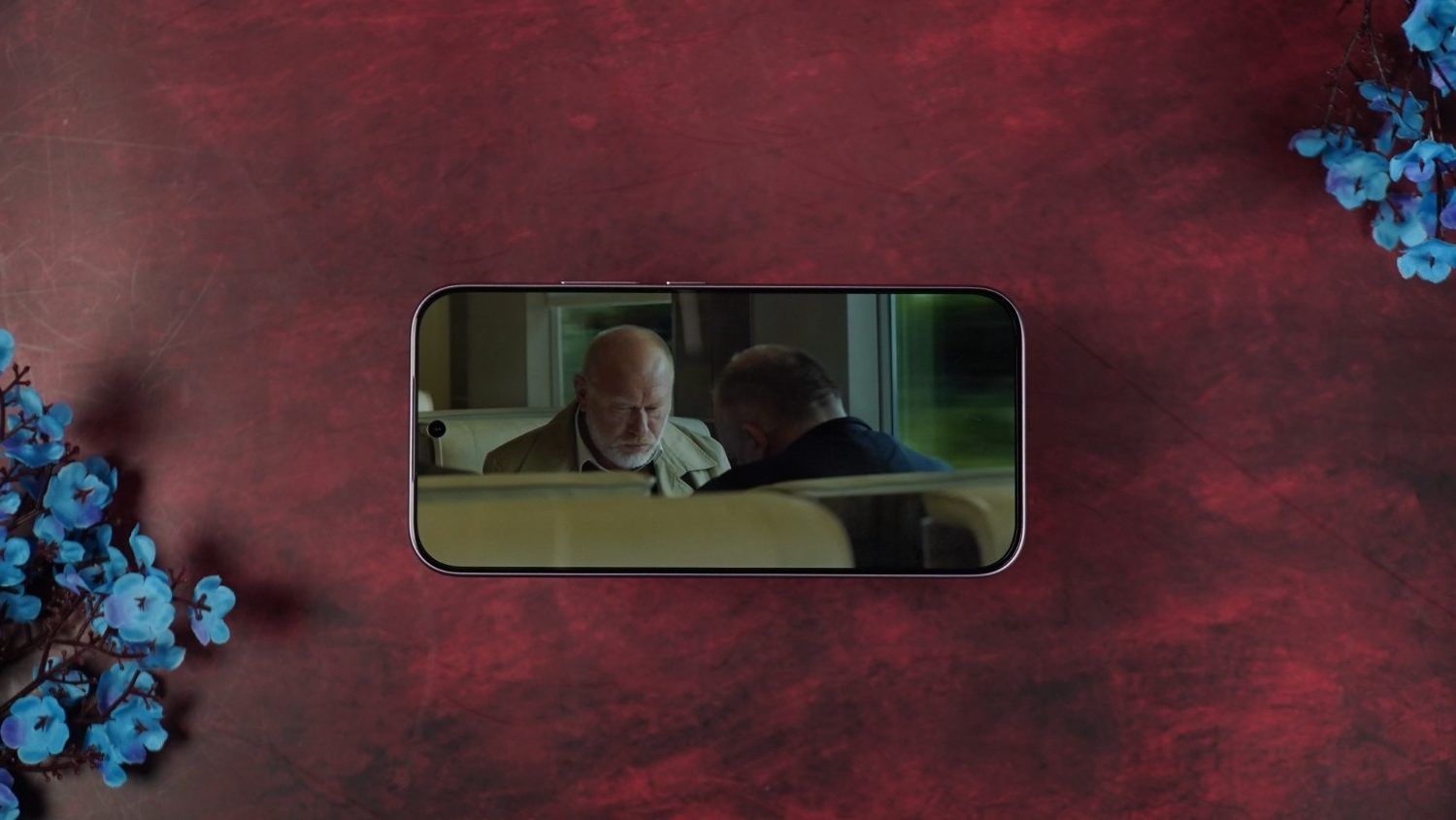
Now, for movie lovers, you will enjoy the rich colours that aren’t overly saturated, and the contrast levels also look excellent. Watching YouTube videos, scrolling through Instagram, editing photographs, reading articles, or playing games all feel equally comfortable. The 120Hz high refresh rate keeps interactions smooth, animations fluid, and navigation responsive. Had it been an LTPO panel, it could’ve just been the best deal.
Not The Most Powerful Phone, But Works!
The Xiaomi 17T runs on the MediaTek Dimensity 8500 Ultra chipset with 12GB of RAM and up to 512GB of storage. It is not the most powerful chipset out there, but for most people, it does the job pretty well.
As for our testing, the Dimensity 8500 Ultra chipset usually scores between 2 million and 2.3 million points on other phones. In this case as well, the Xiaomi 17T has scored over 2.1 million points on AnTuTu.
From what I can see, the Xiaomi 17T seems like a direct competitor to the Vivo X300 FE and Oppo Find X9s, which, of course, are more powerful than this phone and pricier too. But technically, Xiaomi’s pricing also puts the 17T in competition with phones like the Oppo Reno 15 Pro Mini, iPhone 17e, Pixel 10a, and OnePlus 15R. And in that AnTuTu comparison, the Xiaomi 17T can be one of the top phones.
While using this phone, apps launch instantly, switching between them is smooth, and multitasking also feels seamless. Whether you’re juggling multiple productivity apps, editing photographs, playing graphics-intensive games, or simply doom-scrolling social media, the Xiaomi 17T remains consistently responsive.
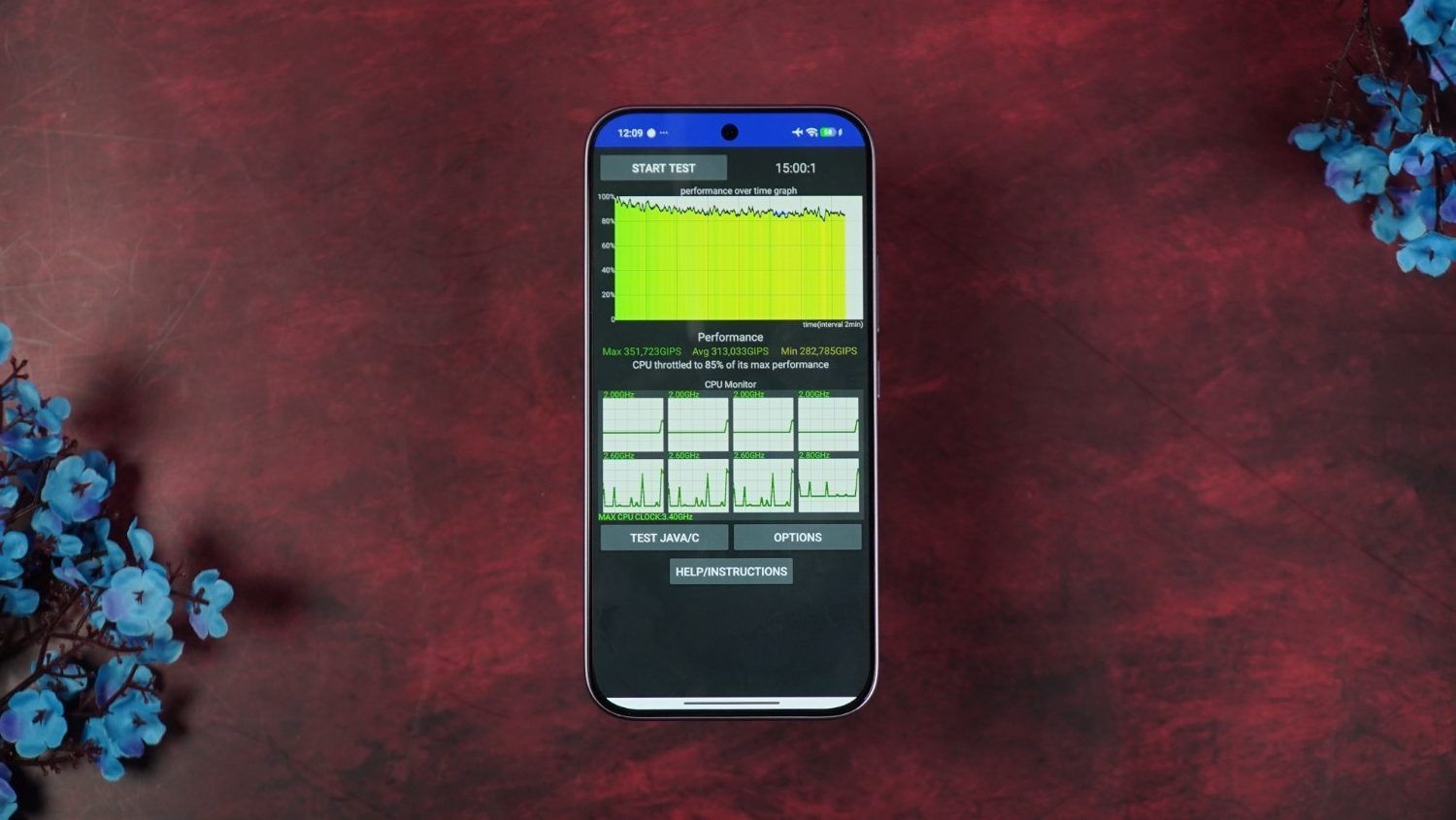
Since it doesn’t pack a true flagship processor, this premium mid-range SOC is also easier to optimise. Even under heavy load, the Xiaomi 17T doesn’t stress or overheat. In our 15-minute stress test, it showed great sustainability, which means you can play games on it for hours, and they won’t lag.
Gaming performance is good, but unfortunately, you only get 90 FPS support, which is not a benchmark for this price segment. The smoothness of the gameplay is decent, as we recorded an average of 88 FPS while playing BGMI at 90 FPS. Still, I think it should have had 120 FPS support for games.
On the software front, Xiaomi’s HyperOS 3 is also maturing. The interface feels cleaner than older Xiaomi software, animations feel slick, and the overall experience is noticeably more polished than what long-time Xiaomi users might remember. And as is the trend, you also get a bunch of AI features.
Loved The 5x Telephoto Camera, But Ultrawide…Not So Much!
You get a triple camera setup on the Xiaomi 17T with a 50-megapixel main camera, a 50-megapixel periscope telephoto lens with 5x optical zoom, and a 12-megapixel ultrawide shooter, along with Leica tuning.
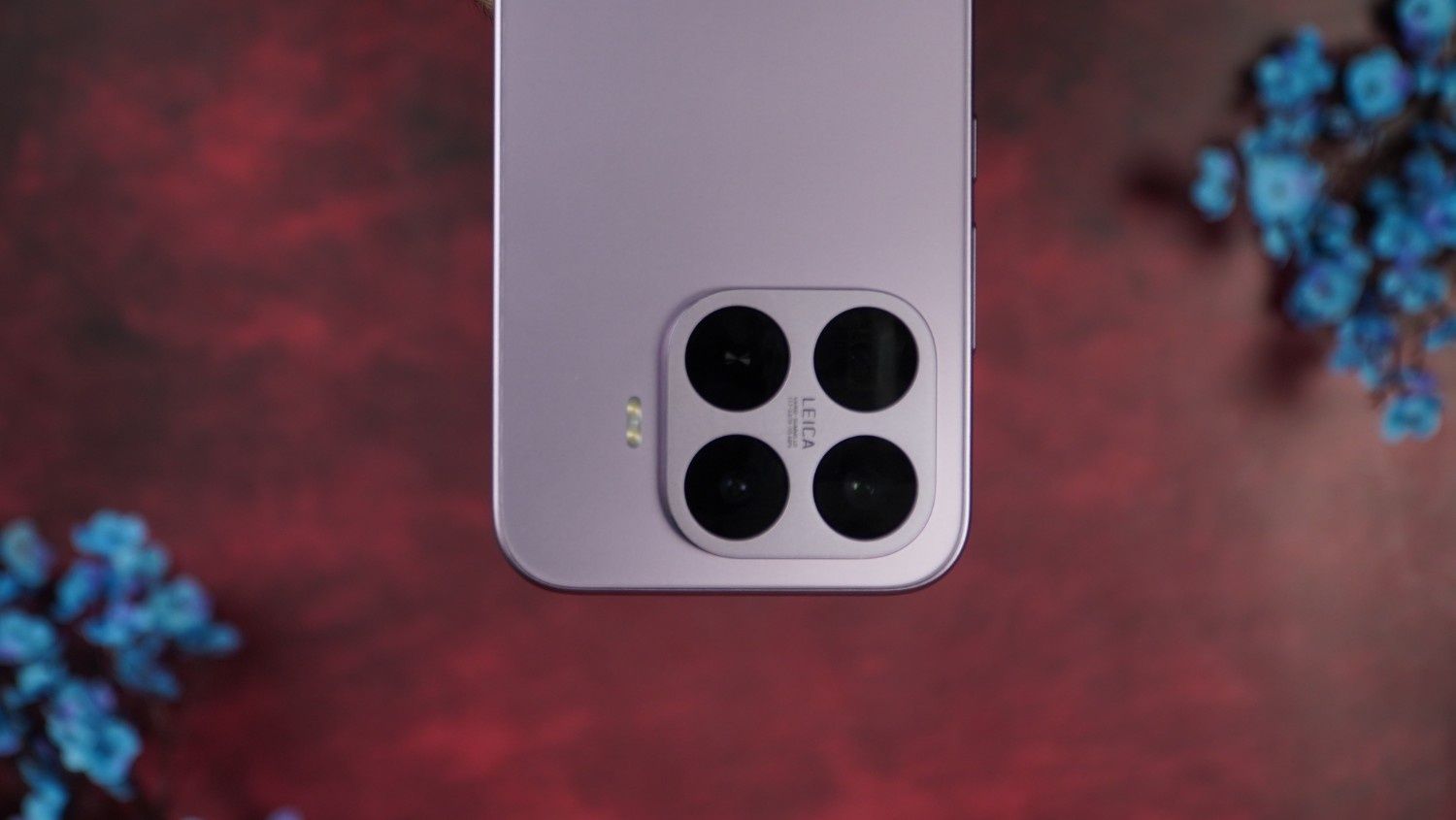
For years, Leica branding was reserved for Xiaomi’s more expensive flagship devices. Bringing that partnership to the T-series immediately raises expectations.
The primary camera consistently delivers some really good shots. The images are well detailed, the dynamic range is excellent, and the colours have a more refined character compared to Xiaomi’s previous mid-premium smartphones.
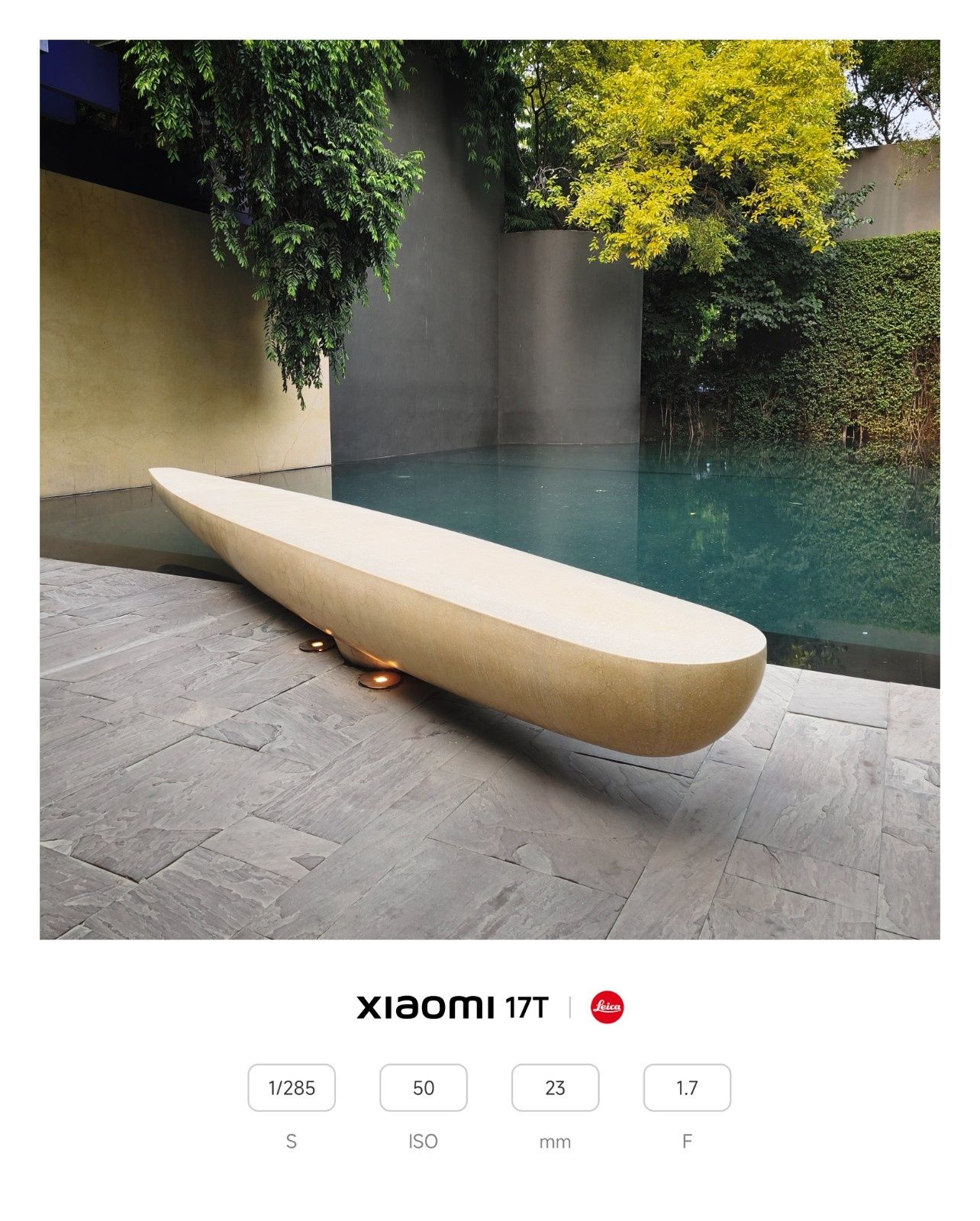
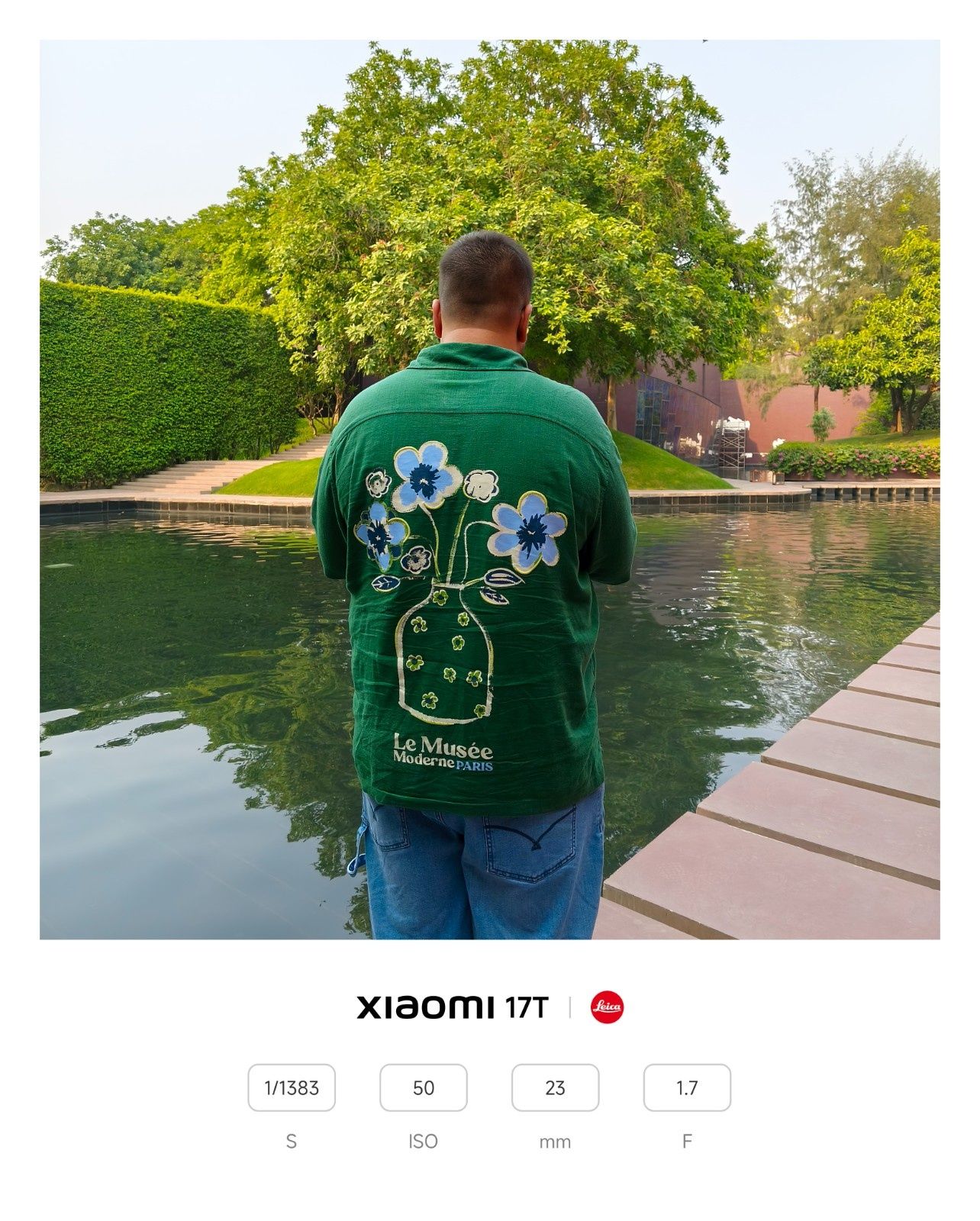
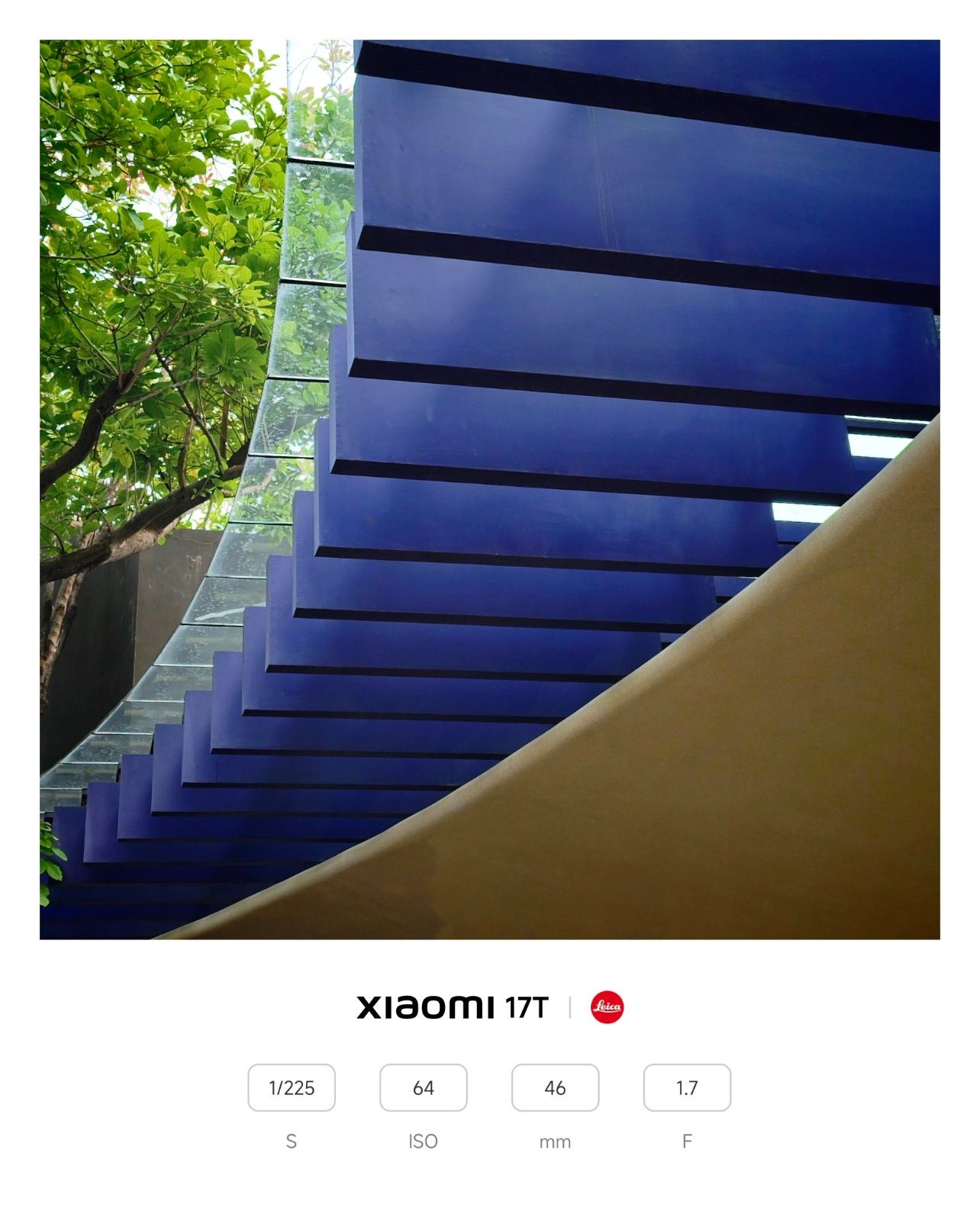
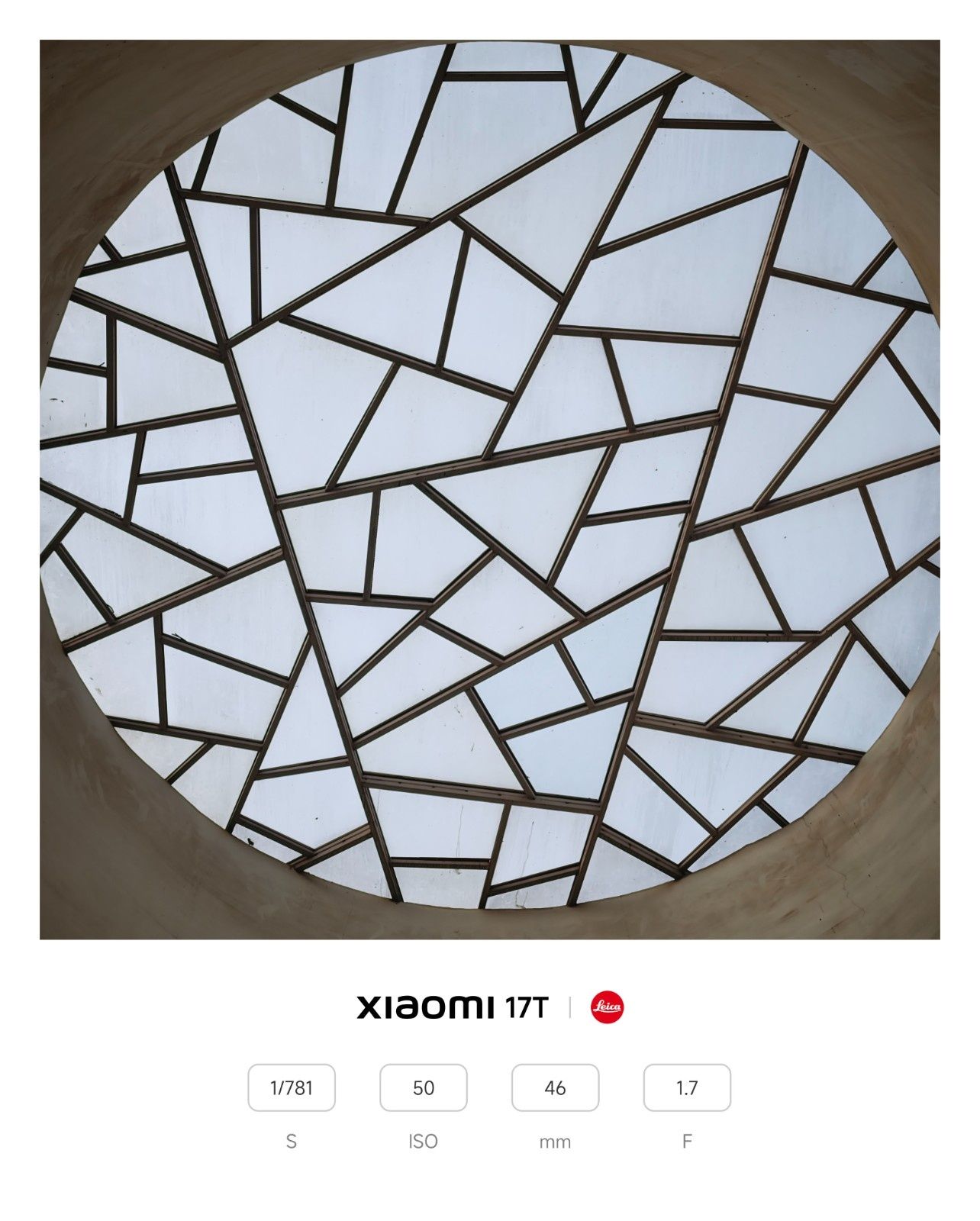
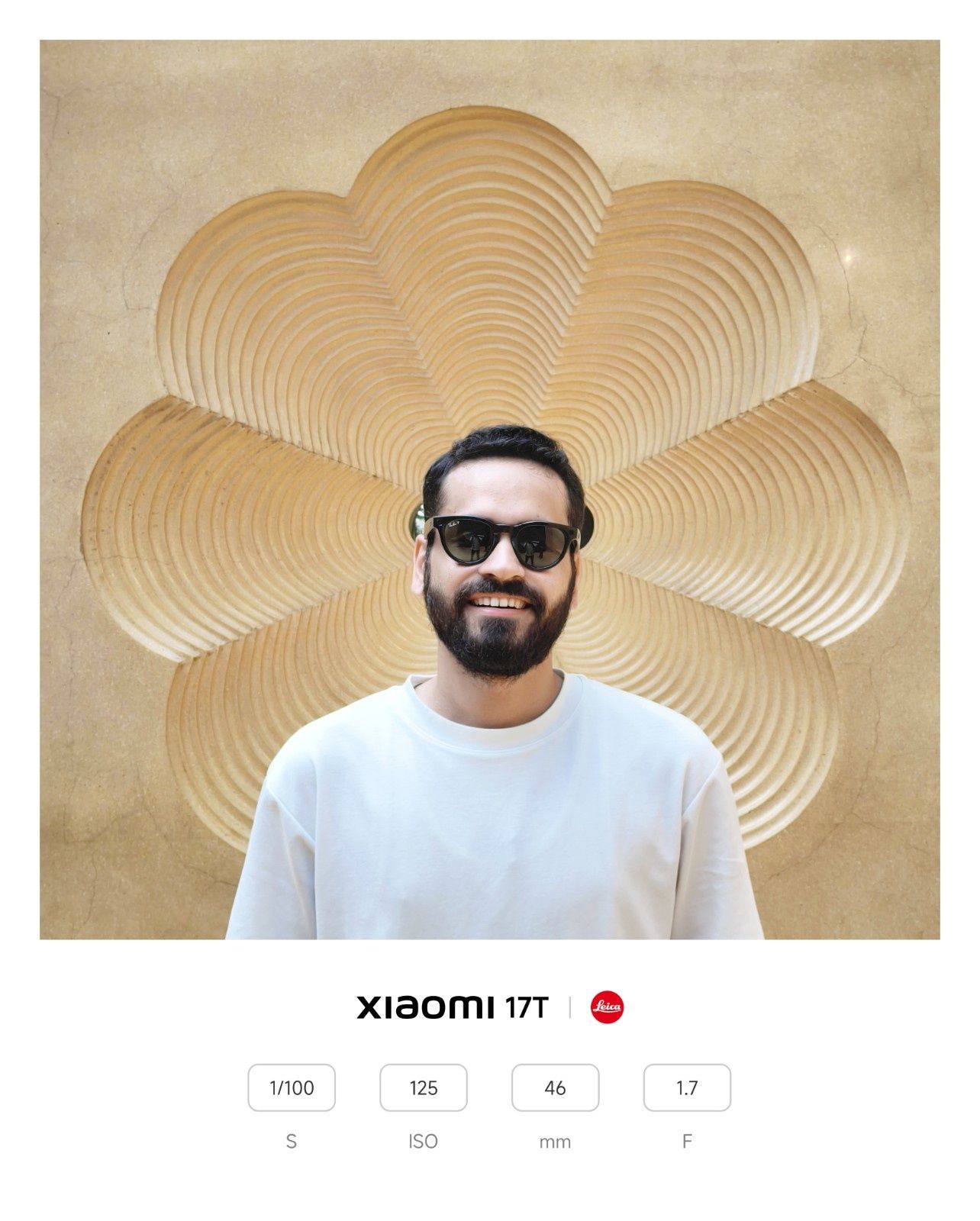

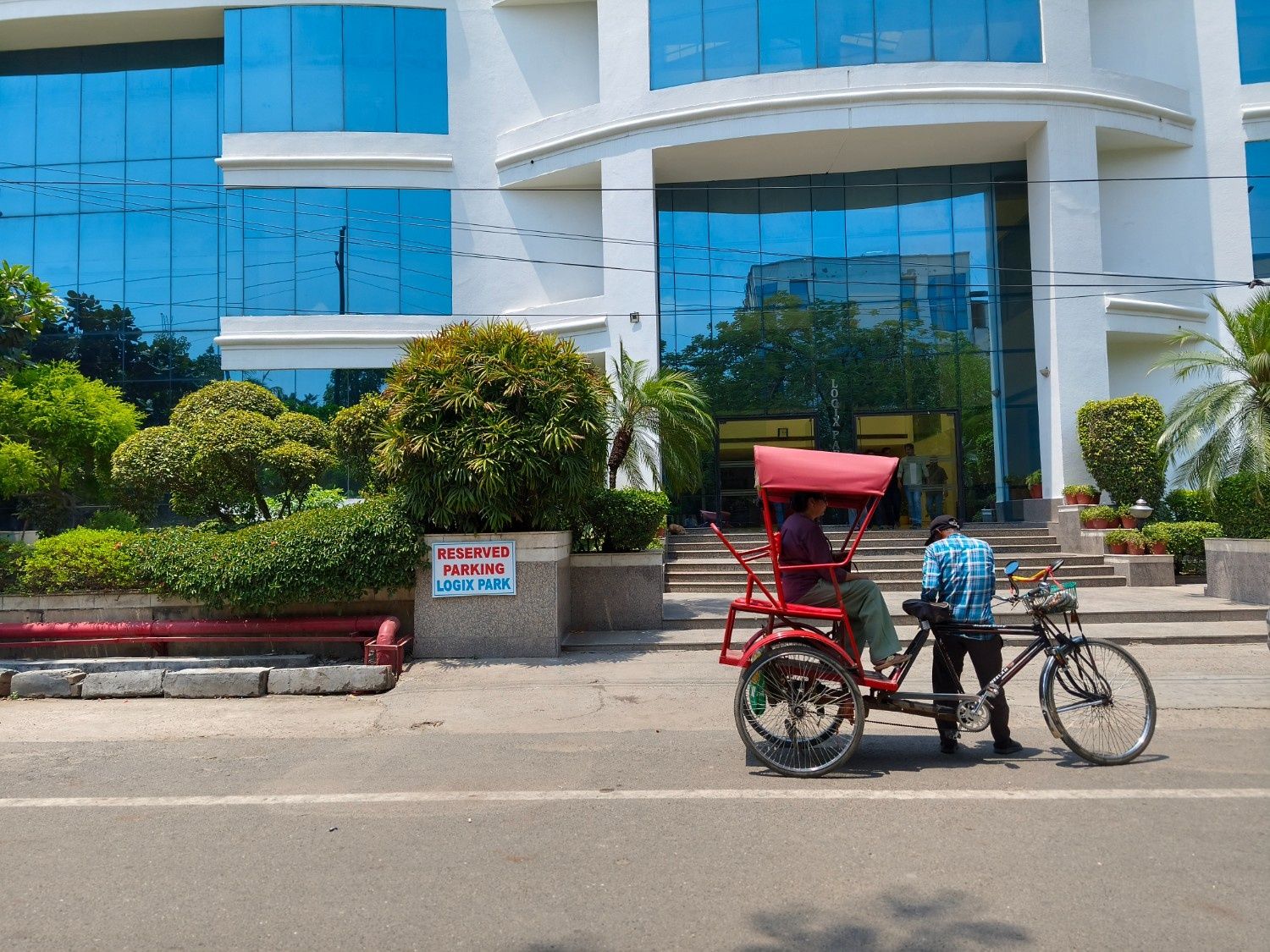
You can choose between Leica Authentic and Leica Vibrant colour profiles, depending on whether you prefer a more natural or punchier look. I prefer my pictures to look more colourful, so I used the Vibrant mode more, which gave me pictures that looked slightly crisper and social-media ready.
One advantage this phone has over its competitors is the 5x telephoto zoom. The telephoto pictures are some of the better ones that you get on the Xiaomi 17T, compared to other smartphones at this price point. The details and colours remain intact, and you can shoot at an effective focal range of 15mm to 115mm.
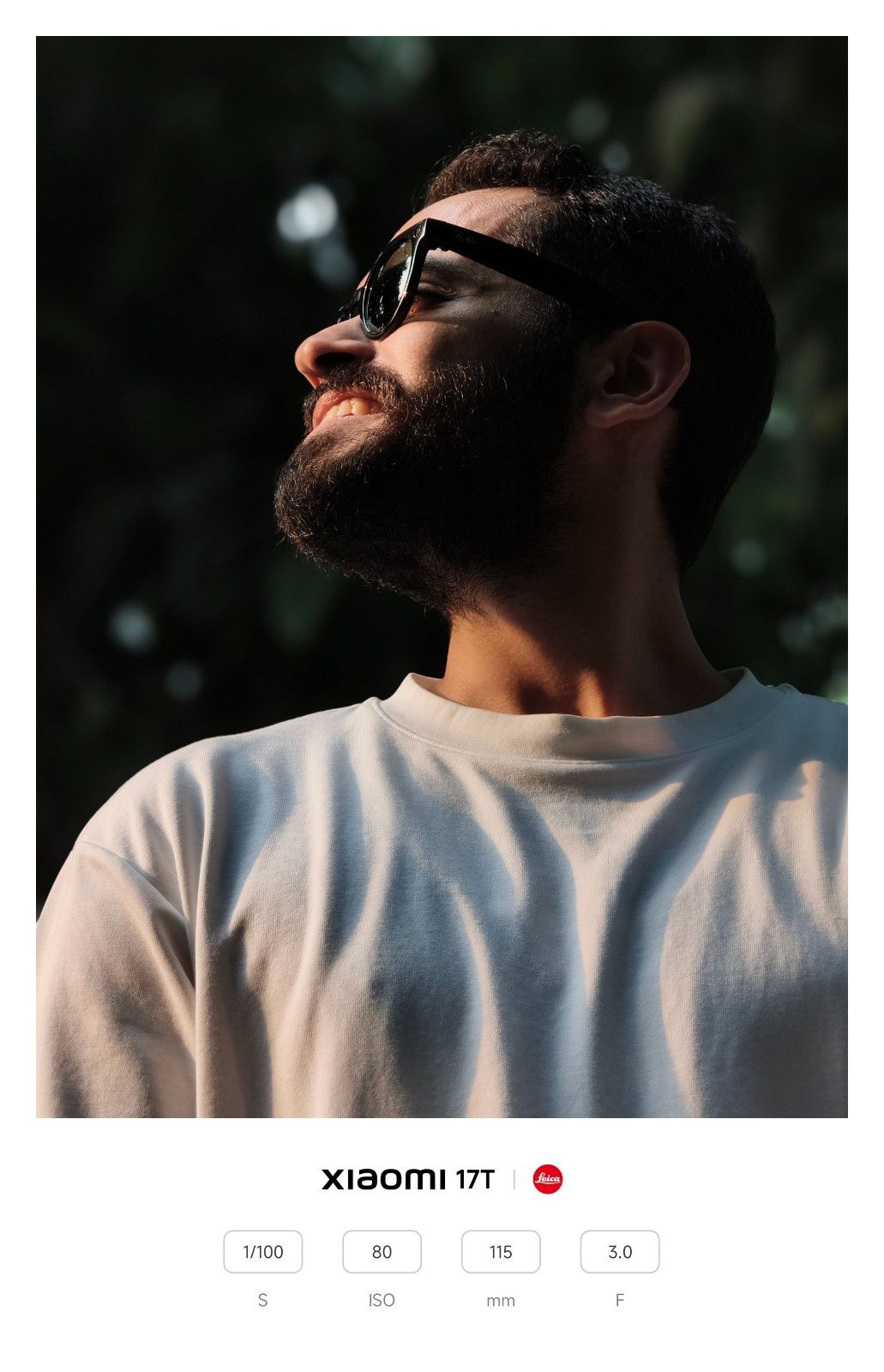

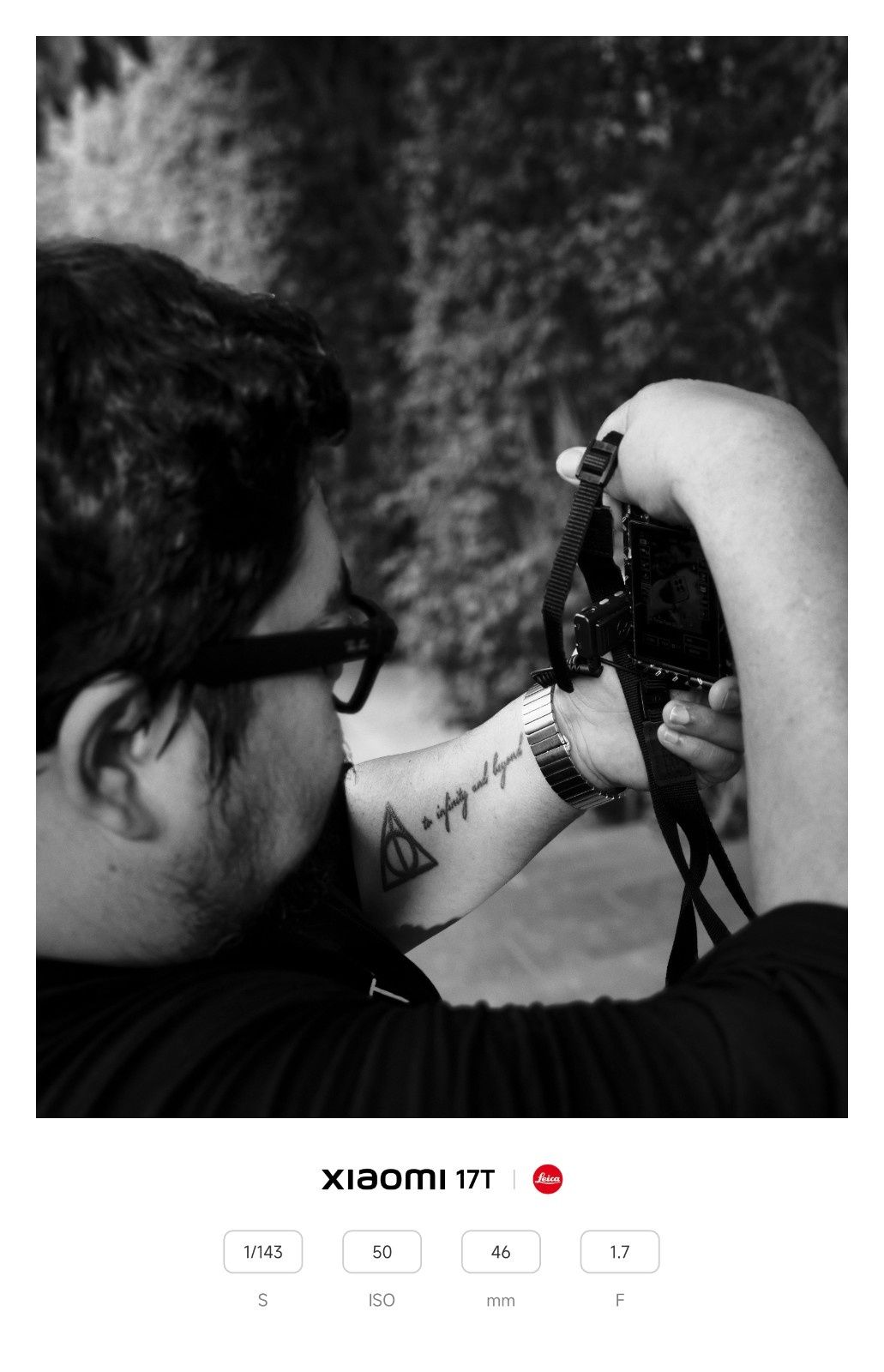
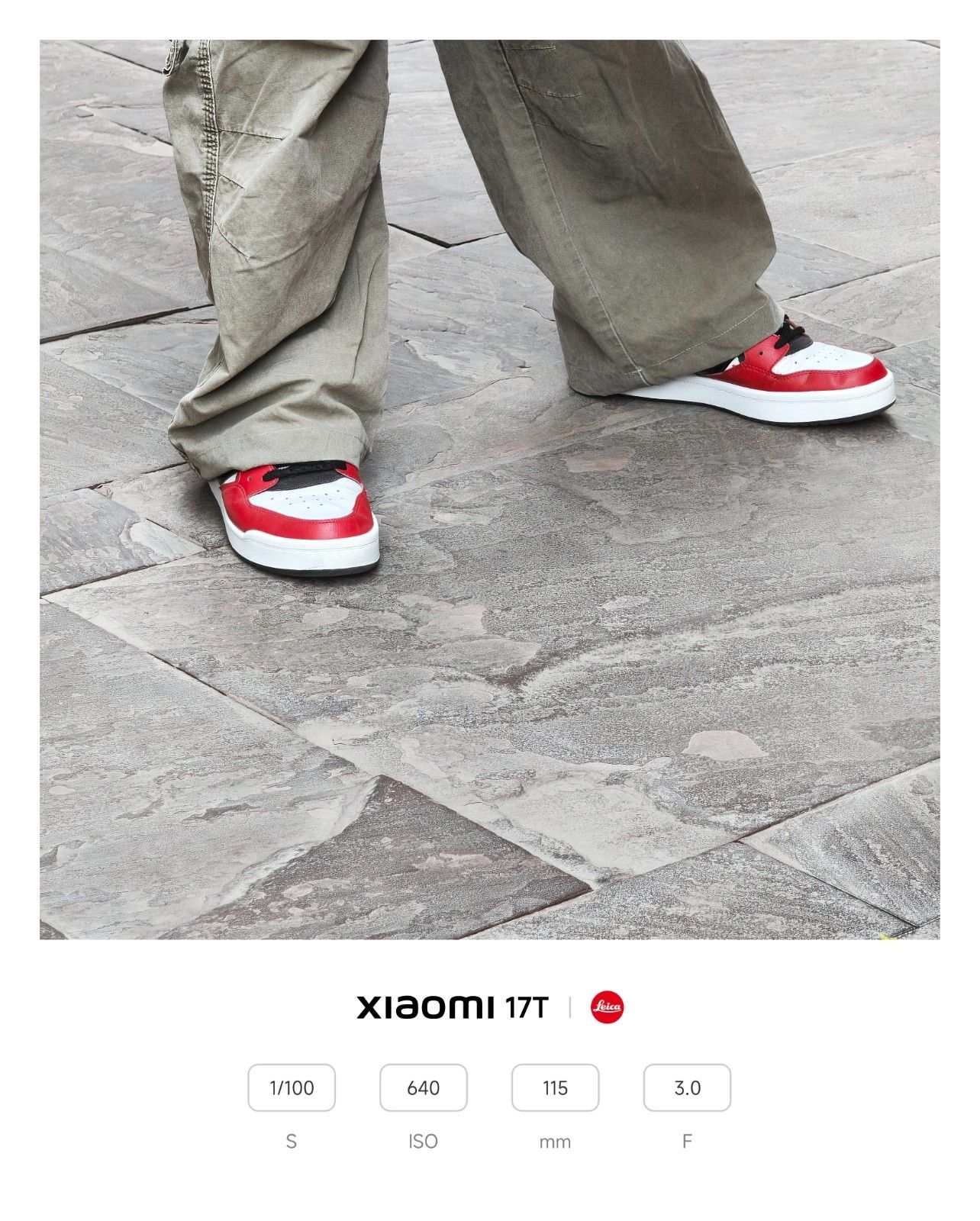
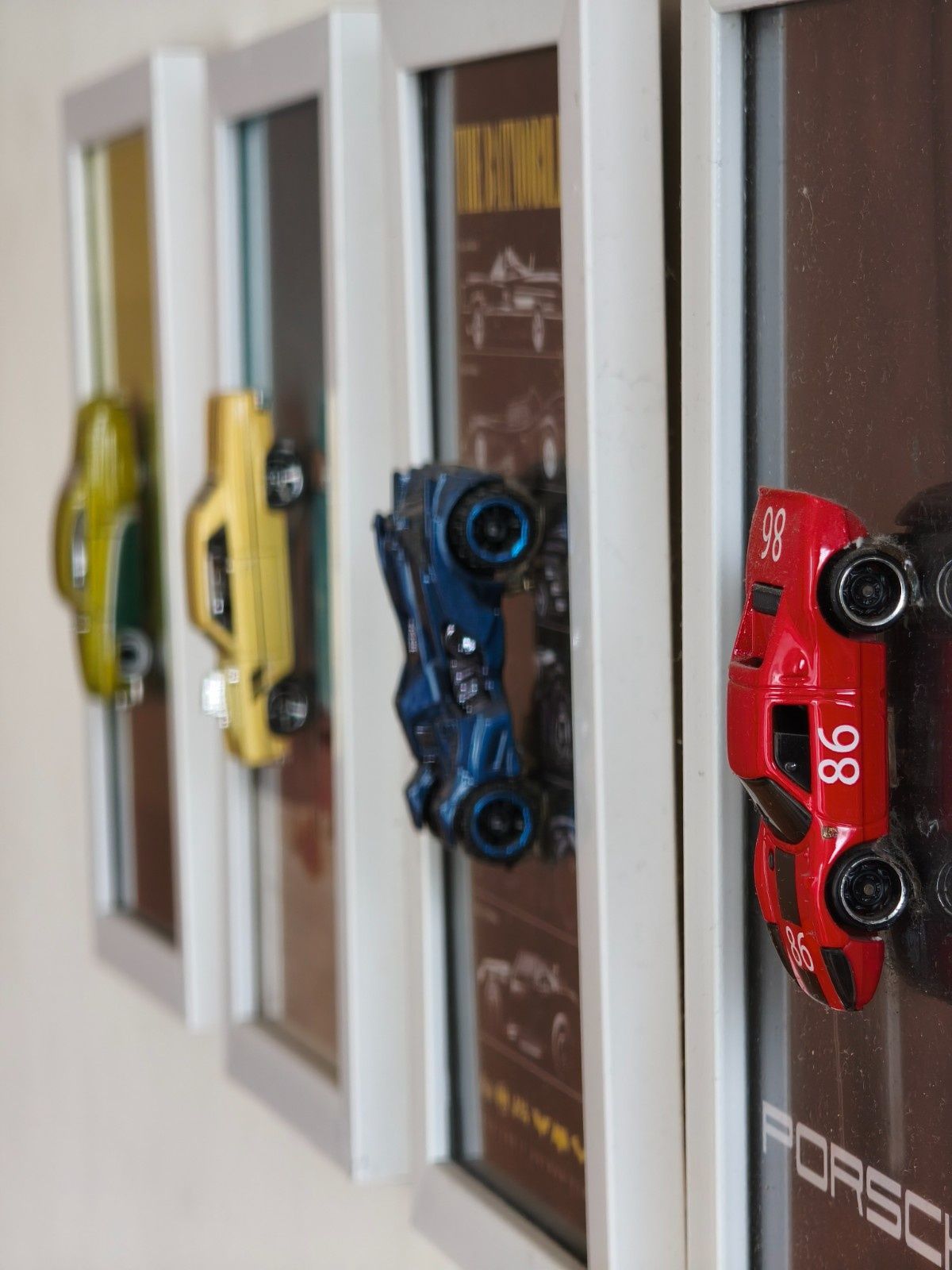
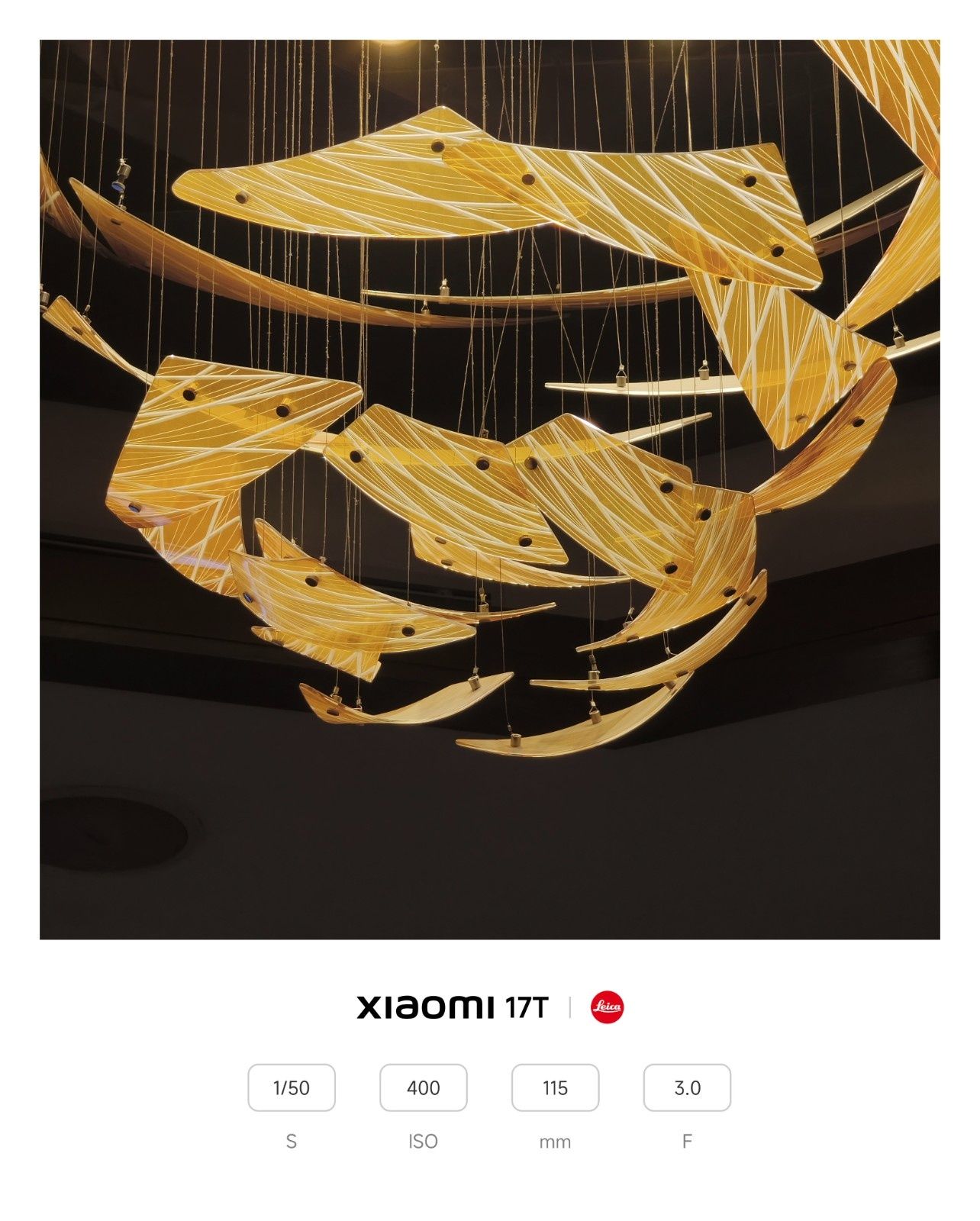
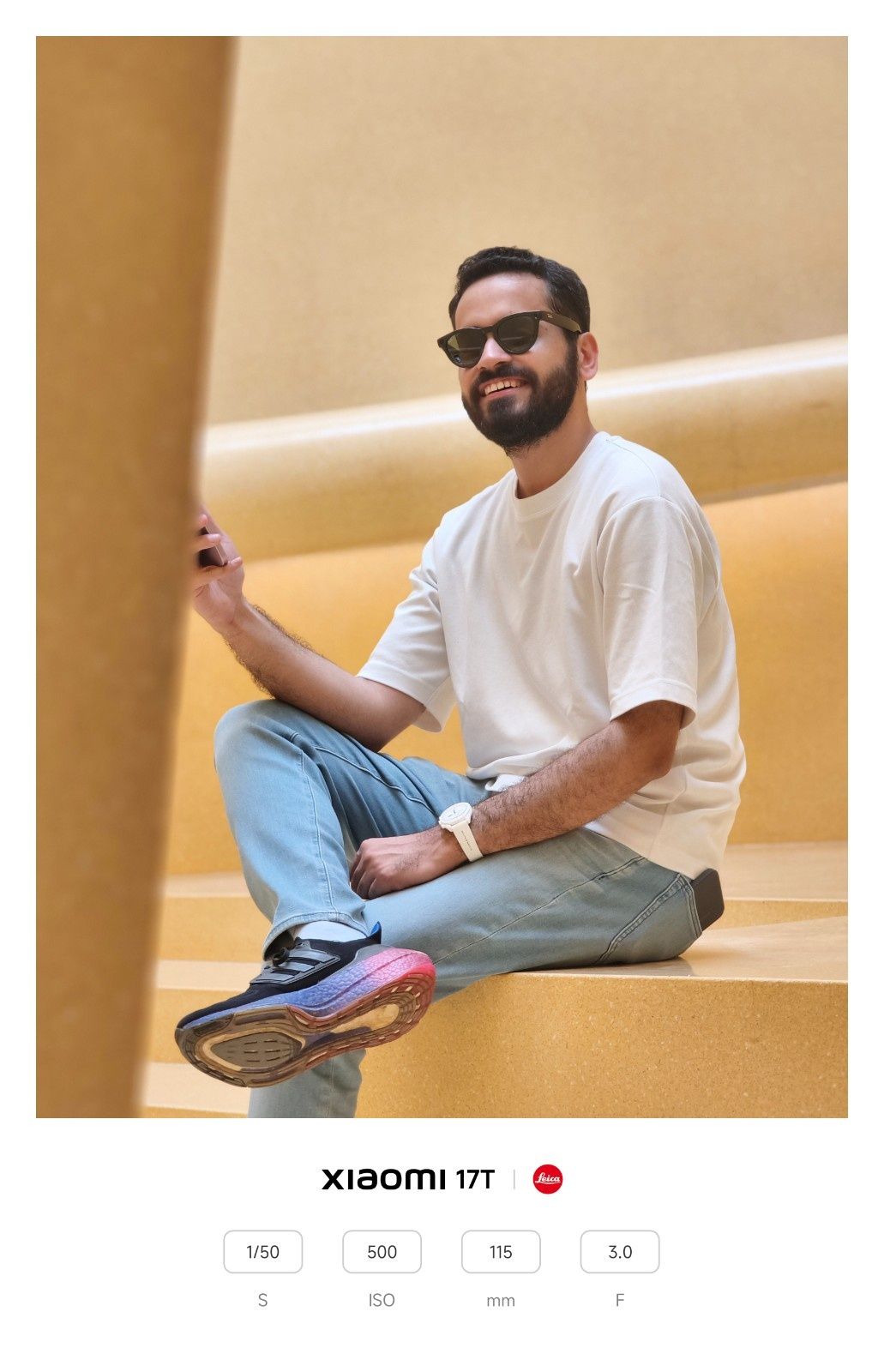

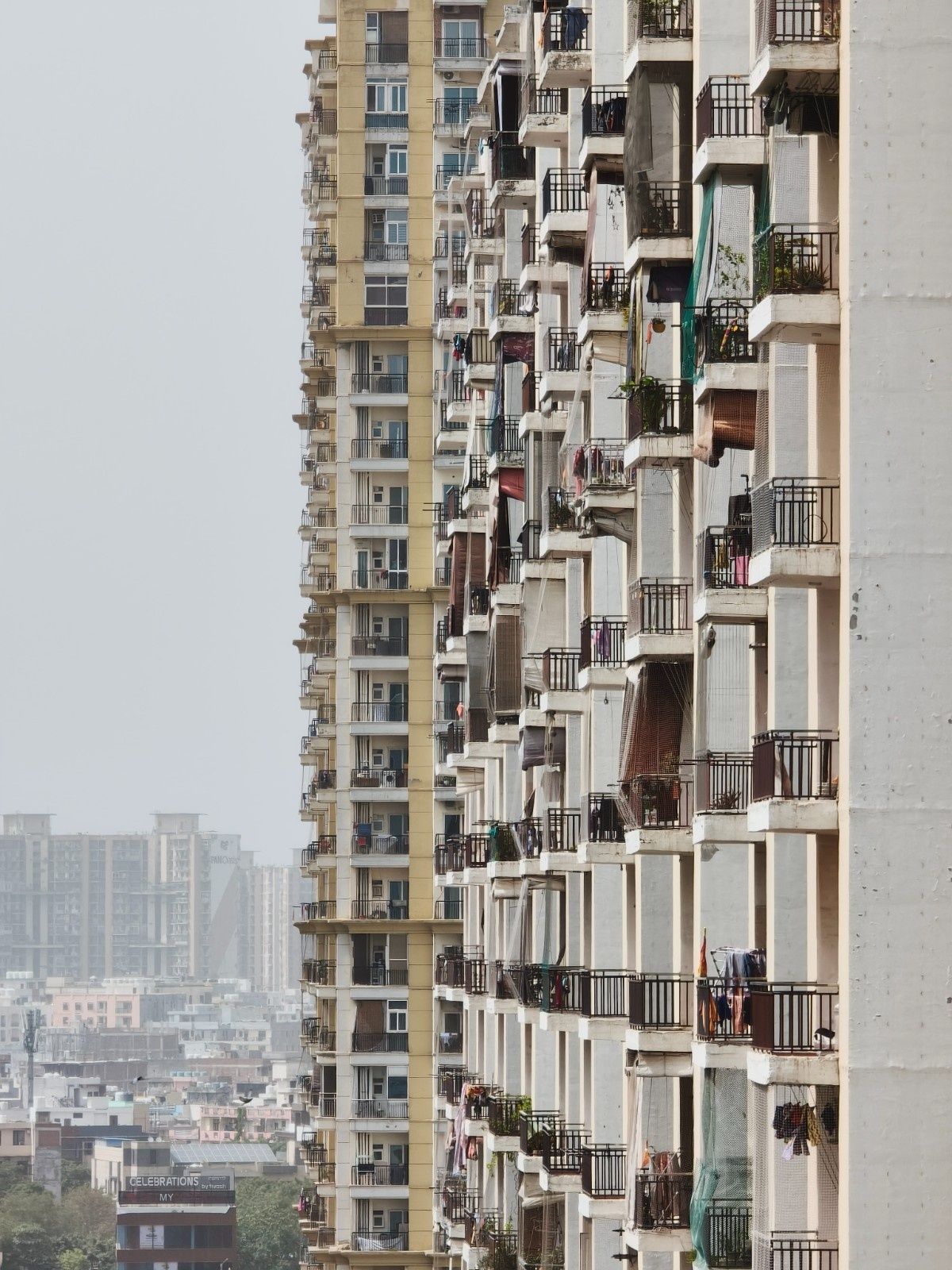

This also helps with people’s photography and portraits. They look great, with precise subject separation, bokeh that’s appealing to your eyes, and natural skin tones too. Another feature I love about the Xiaomi and Leica collaboration is the black-and-white high-contrast filter. If you have a great zoom on your phone and are using this filter, the pictures instantly get character, especially portraits.

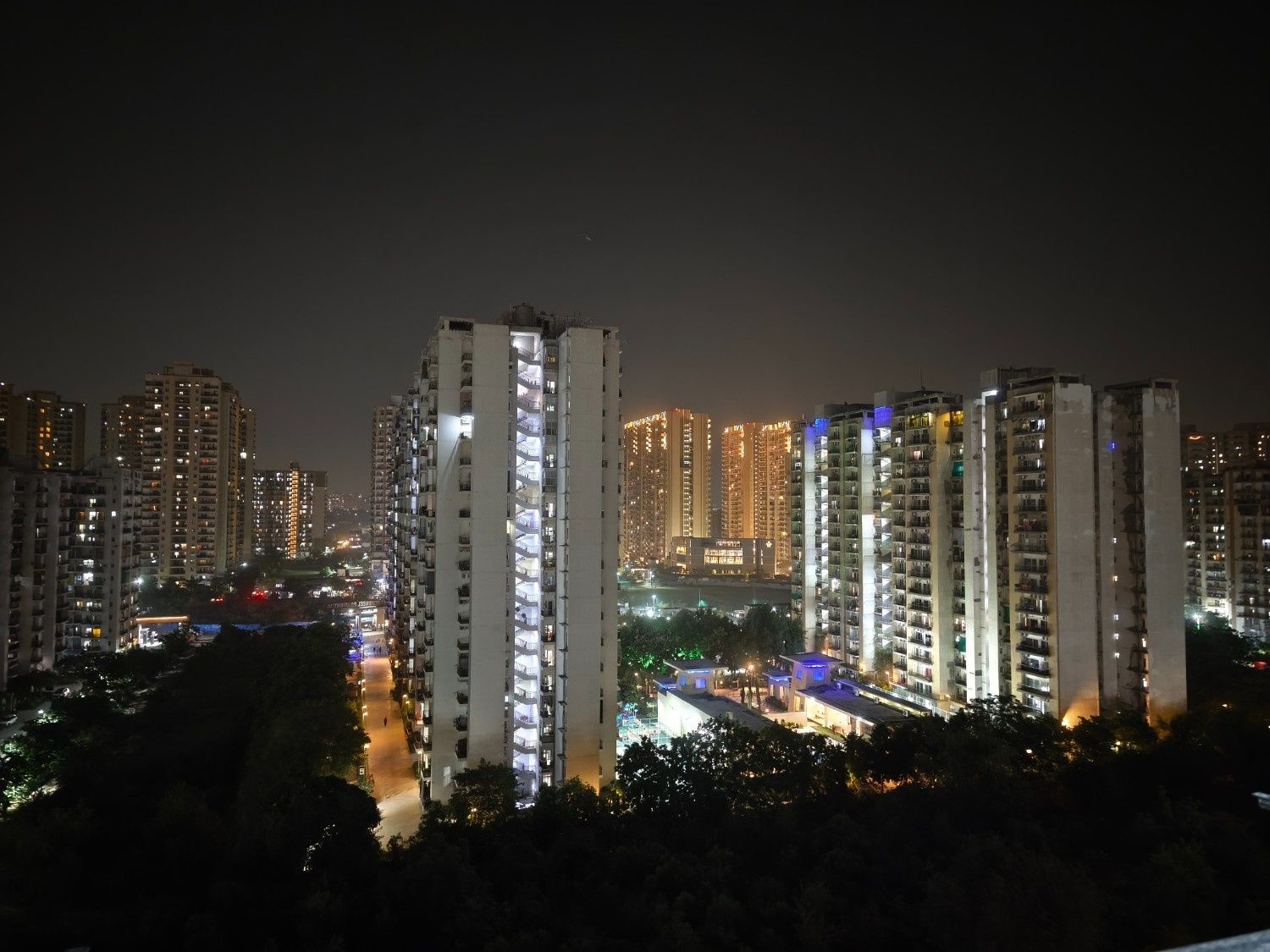
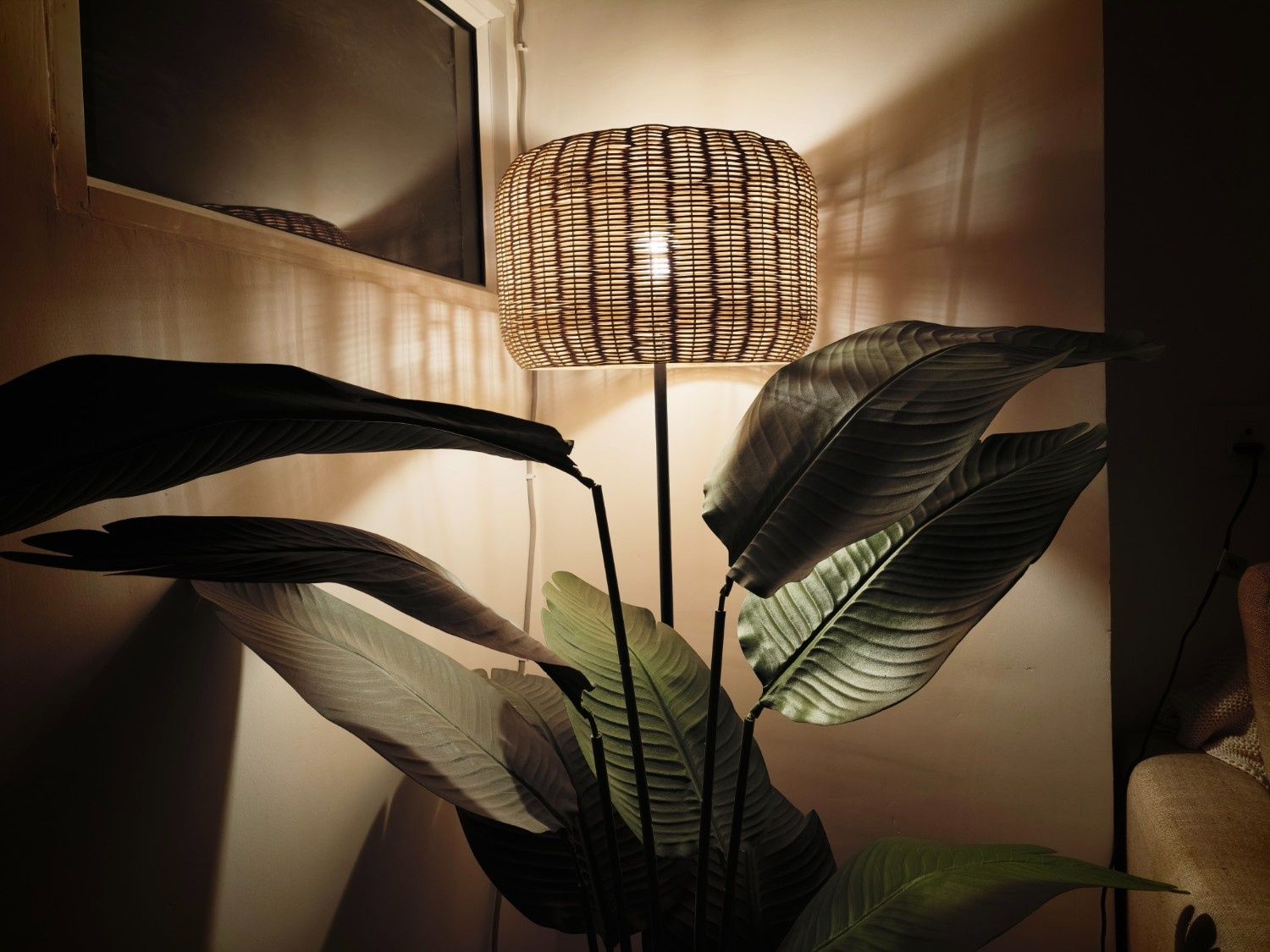

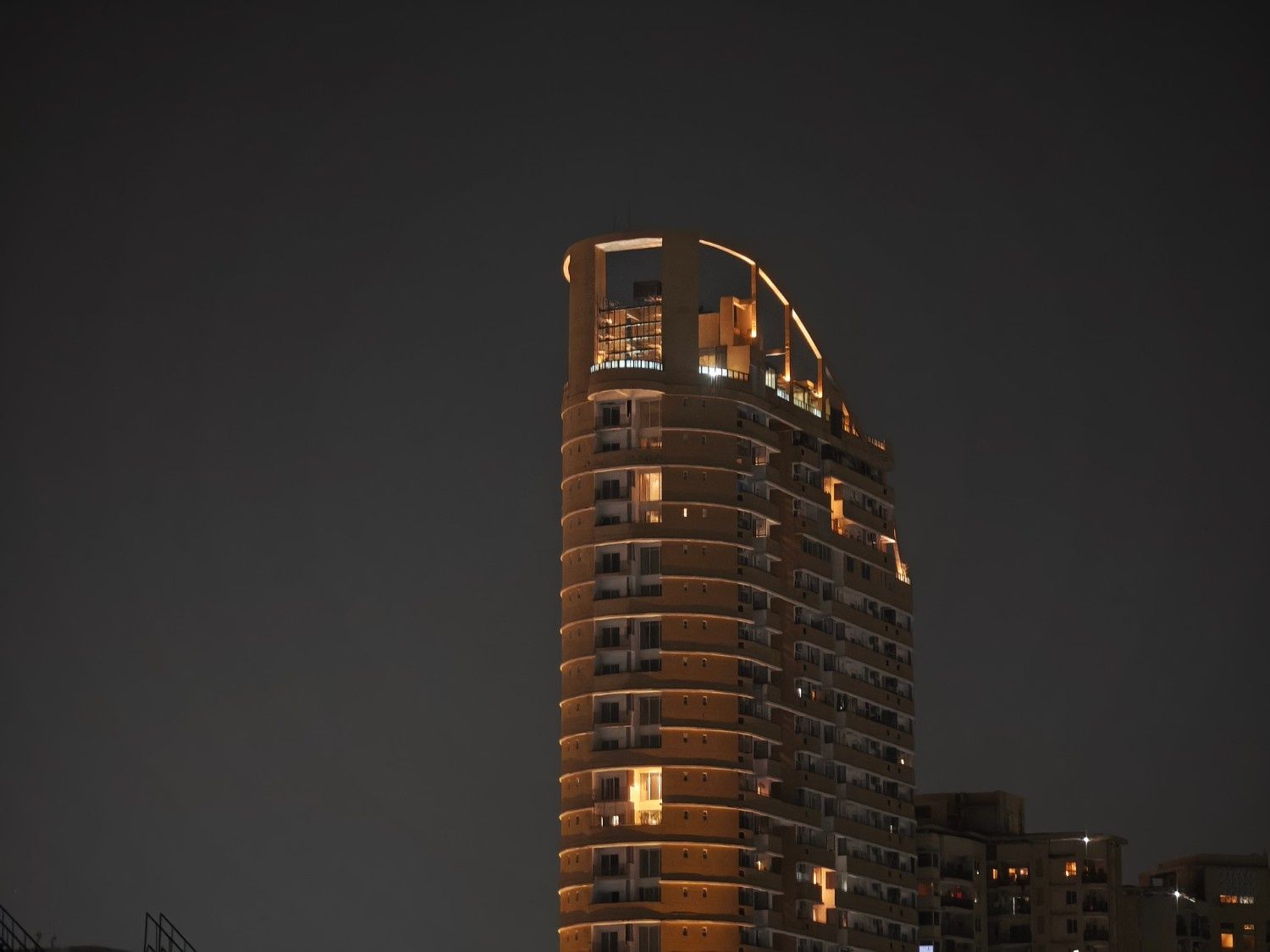
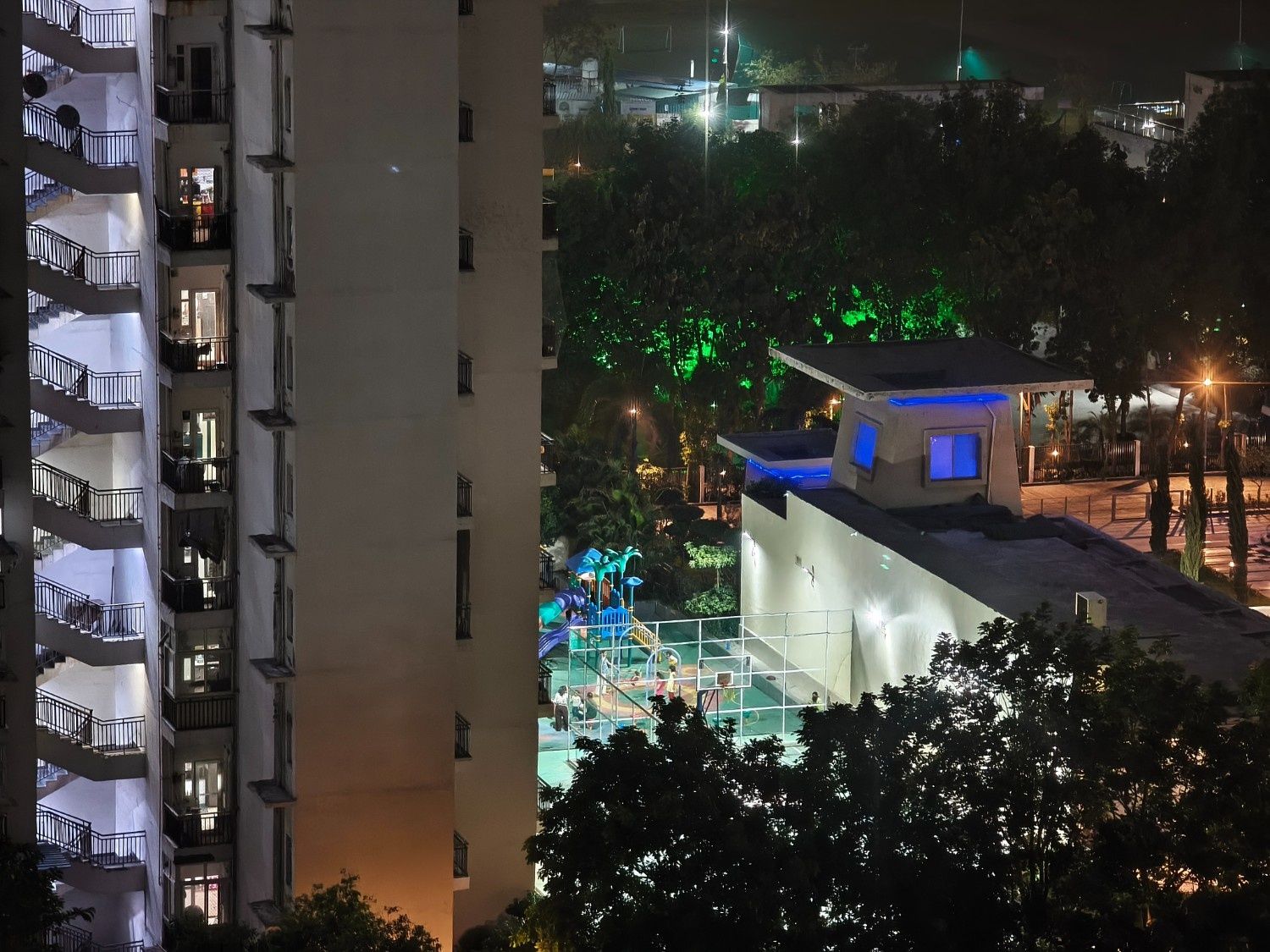
Even under low light conditions, the camera performs well, retaining the details and the dynamic range. They don’t have that overly processed look that gives me the ick.
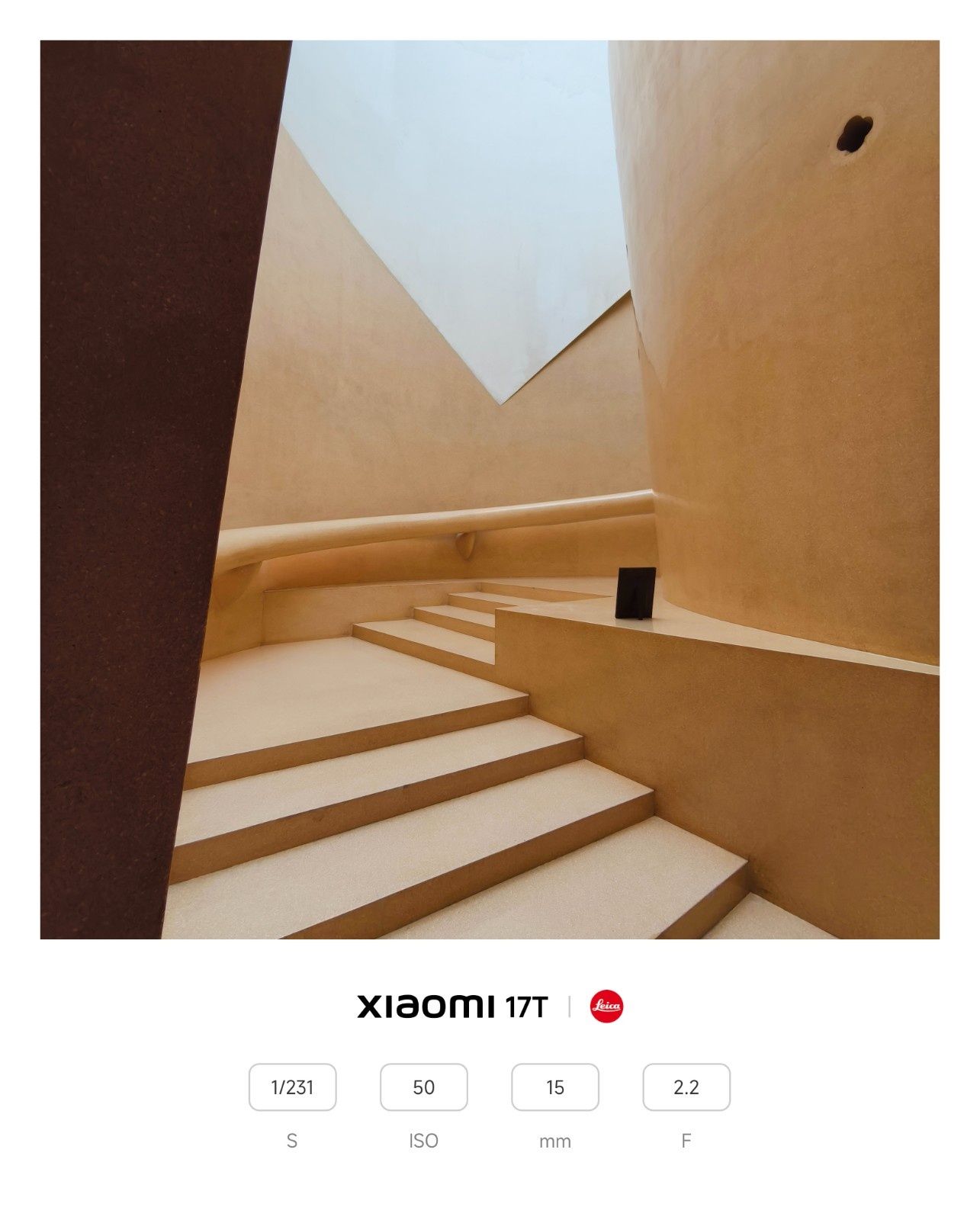
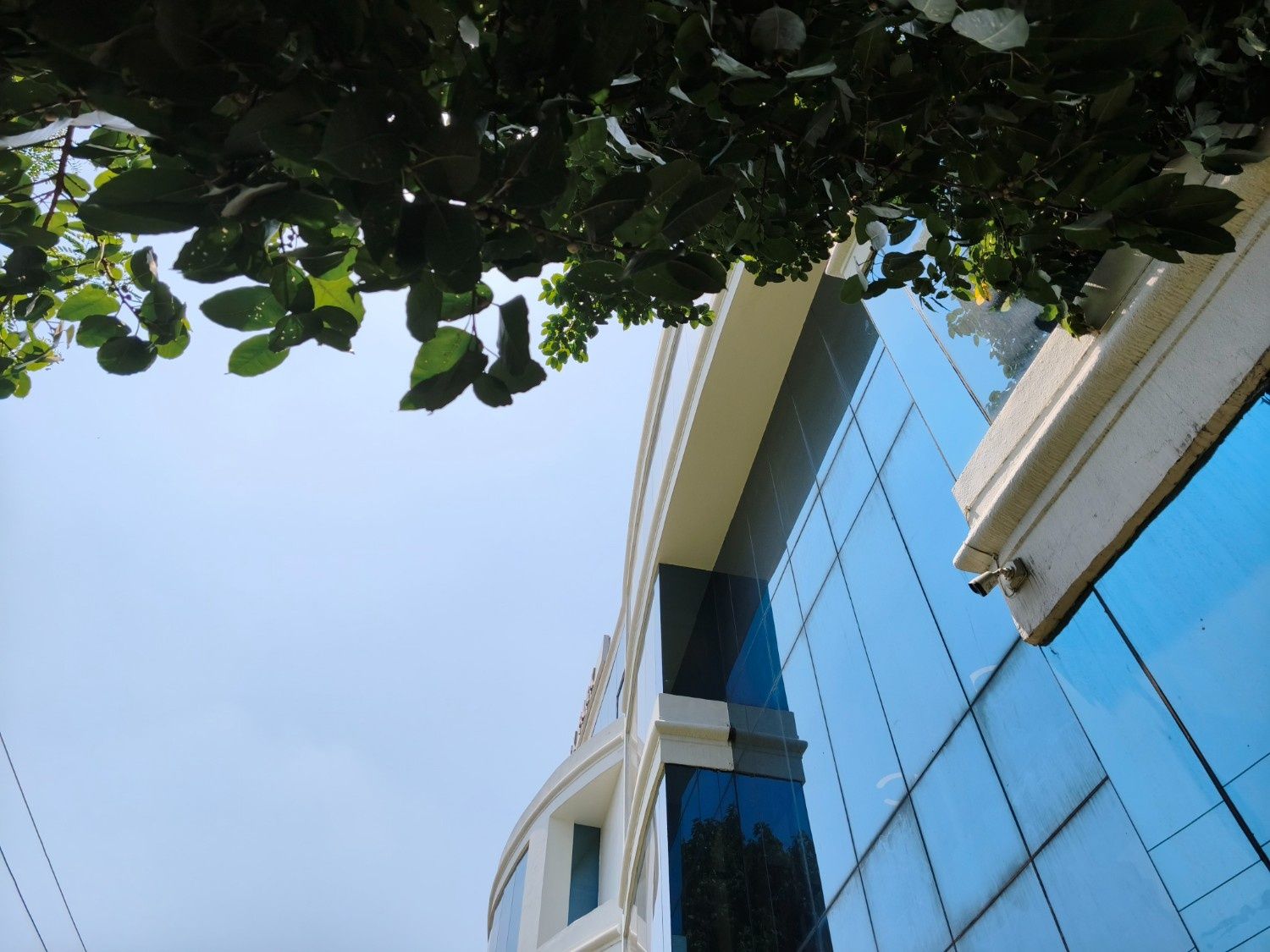
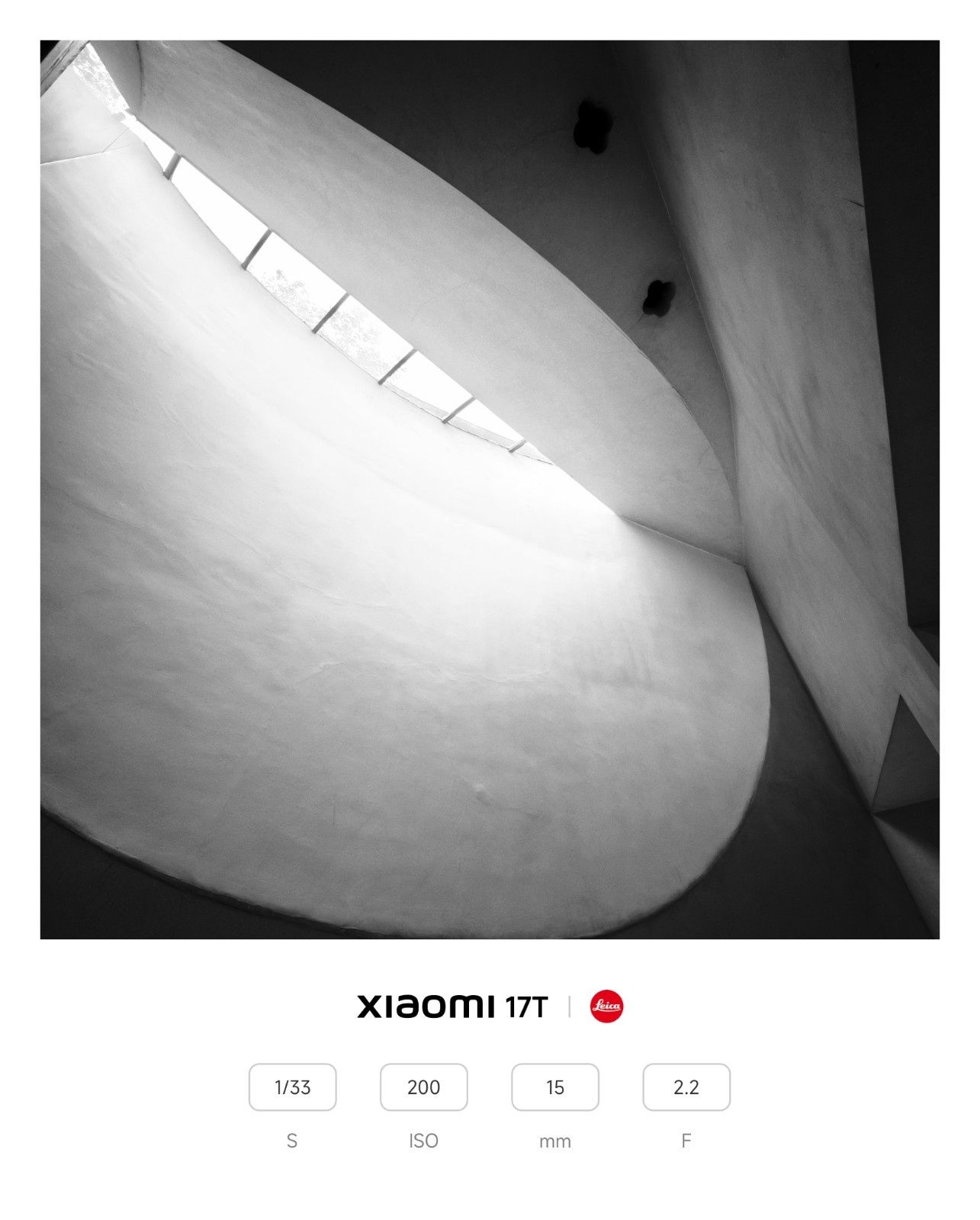
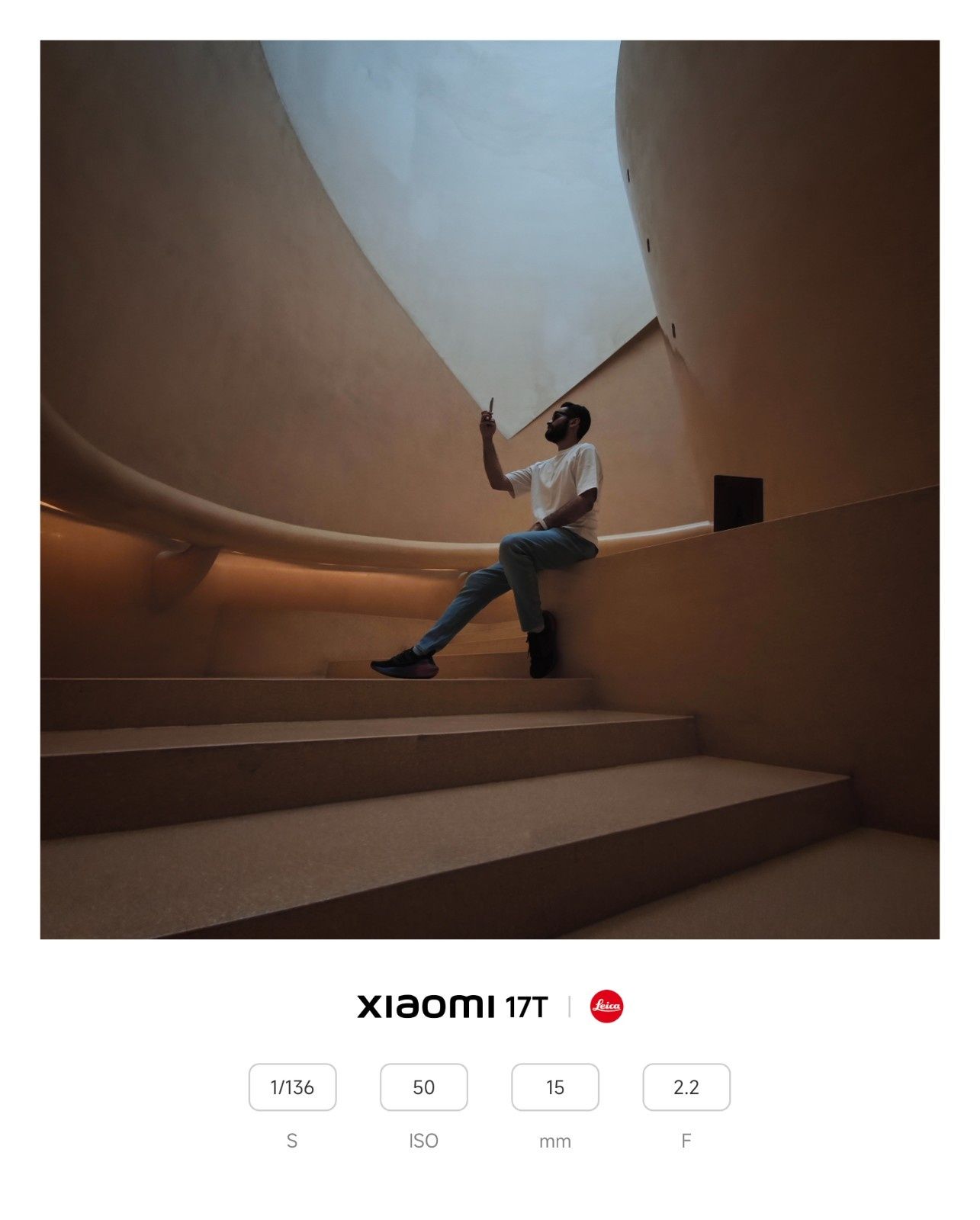
Usually, ultrawide sensors don’t show consistency in this kind of camera setup. We always have better telephoto and main cameras, but the ultrawide sensors always feel weaker. However, on the Xiaomi 17T, the ultrawide sensor shows good consistency and overall image quality under good lighting condition.
So:
Is this the best camera system available at this price? Maybe.
Is it the best camera system? Xiaomi has ever put inside a T-series phone? Definitely!
Weakest Parameter Of Xiaomi 17T – Battery!
The Xiaomi 17T packs a 6500mAh battery along with 67-watt fast-charging support, and it feels like the weakest parameter of this phone. While it sounds good on paper, it didn’t perform that way in our testing. In our PCMark battery life test, the Xiaomi 17T lasted less than 14 hours. To give you context, any smartphone with a 6000mAh battery or bigger, have and should last more than 18 hours in this test.
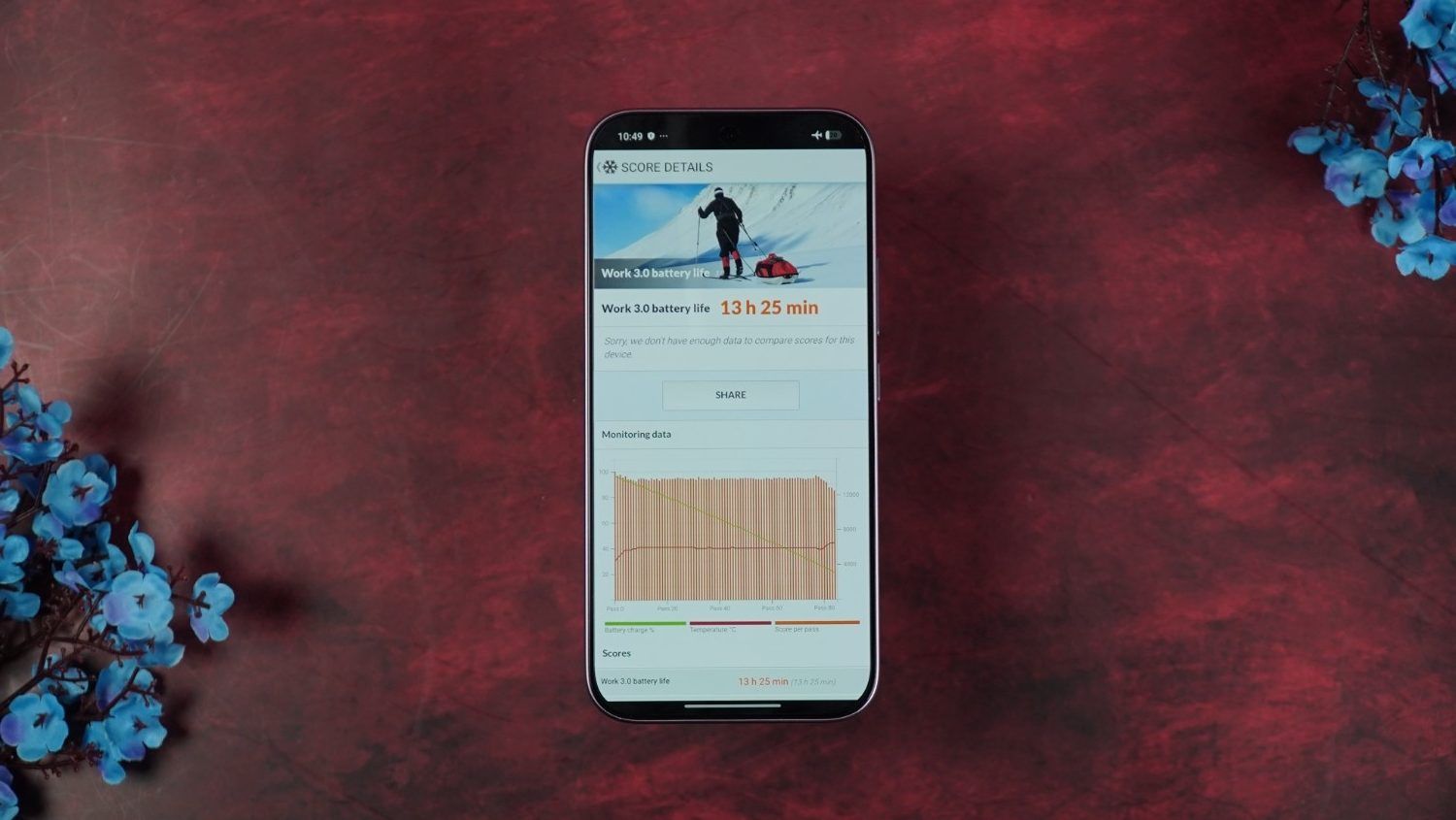
Realistically, I used the Xiaomi 17T for more than a day, which includes photography, a little bit of gaming, a few benchmark tests, and standby time as well. To keep it simple, if you are not always on your smartphone, nothing to worry about, but if you are a battery geek, a heavy gamer, or even a newbie content creator, the battery needs to last a little more.
The 67-watt charger takes close to 1 hour and 20 minutes to charge from 20% to 100%. Anything over an hour today feels slow. So yeah, that’s another thing that bugged me.
Verdict
The Xiaomi 17T starts at Rs 59,999 for the 12GB + 256GB variant, while the 12GB + 512GB model costs Rs 64,999. And despite its pros and cons, one reason I genuinely like Xiaomi’s pricing strategy is that it avoids a trend we’ve been seeing lately. Several brands have started pricing their premium mid-range phones dangerously close to entry-level flagships. For example, the Vivo X300 FE and Oppo Find X9s both launched above the Rs 70,000 mark, partly due to rising storage costs globally. Traditionally, this price segment was reserved for flagship devices, while FE, S, and T-series phones were positioned as premium mid-rangers. That’s what makes the Xiaomi 17T’s pricing feel relatively sensible; it still manages to maintain some separation between the premium mid-range and flagship categories.
However, even under Rs 60,000, competition is pretty tough. There are phones with more powerful chipsets. There are phones that do individual things better. But the Xiaomi 17T makes a case for itself with how complete the overall package feels at that price.
The display is excellent. Performance, although not chart-topping, is fast. For the first time, you’re getting Leica-tuned cameras on a T-series smartphone. Yes, the battery life and charging time could have been better, but that is also manageable if you are not a student.
So, if you want a well-rounded smartphone with a reliable camera setup and no extreme compromises, the Xiaomi 17T is an easy recommendation.