Android tablets have slowly been carving out a clearer identity in a market long dominated by Apple’s iPad. Rather than trying to replicate the iPad experience, brands such as Xiaomi have focused on delivering well-built tablets with large displays, long battery life, and competitive pricing, positioning them as practical devices for media consumption, reading, note-taking, and light productivity.
Xiaomi’s Pad lineup has played an important role in that strategy. Over the years, the company has refined its tablet design language while steadily improving hardware and battery capacity without dramatically increasing prices.
The new Xiaomi Pad 8 continues that approach. On the surface, it looks very similar to the Pad 7, retaining the same metallic design and overall aesthetic. But there are some interesting refinements underneath. The tablet is now slimmer and lighter, while also accommodating a larger 9500mAh battery. I spent some time with the device, and here are my first impressions.
Design and Display
Picking up the Pad 8 feels like déjà vu. It retains the Pad 7’s metallic unibody, with the same button placement, speaker positions, and mic setup. While the design remains unchanged, it still looks premium and elegant thanks to that familiar, high-quality build. The camera module, however, is what sets them apart. Both feature a squircle module, but the flash has changed from a dot on the Pad 7 to a ring on the Pad 8. The border around the lens is now thicker, but the additional accent lines from the previous generation have been completely removed.
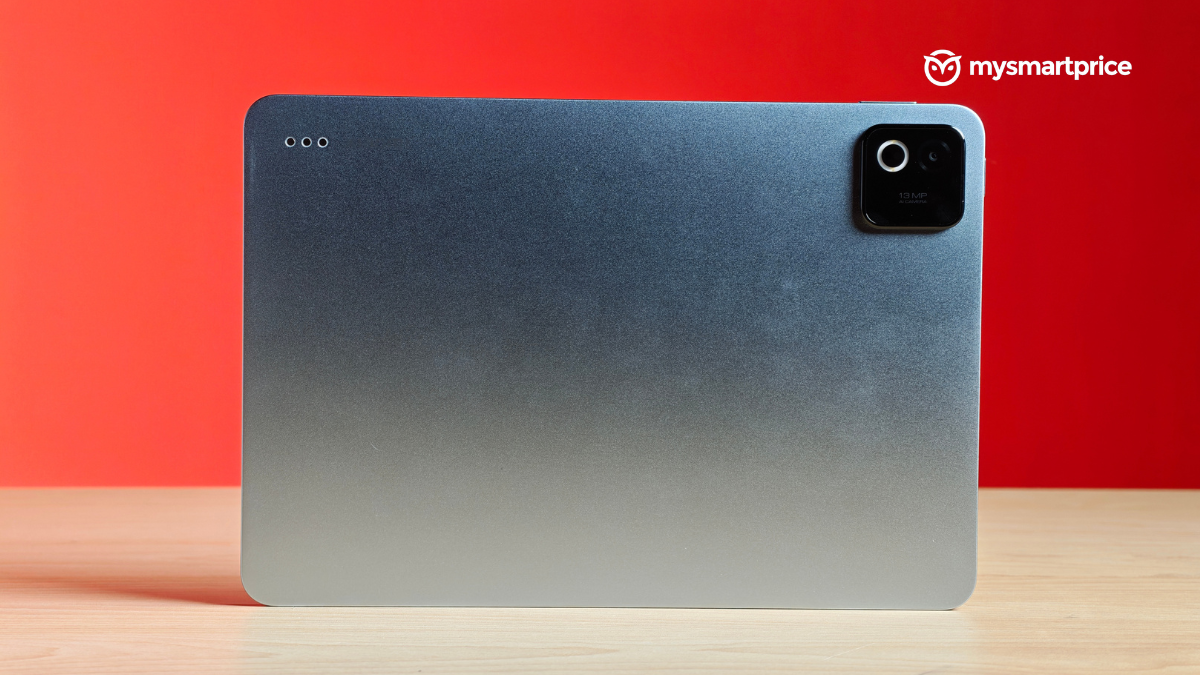
Beyond those visual tweaks on the back panel, the physical dimensions tell a more compelling story. The Pad 7 measures 6.16mm, but the Pad 8 tapers down to a remarkably slim 5.75mm. To put that into perspective, the Pad 8 is even thinner than the Galaxy S25 Edge at 5.8mm. It has also shed some weight, dropping from the Pad 7’s 500 grams to 485 grams.
What makes this slimmer and lighter profile so impressive is what is tucked inside. Despite the size reduction, the Pad 8 bumps the battery capacity to 9500mAh, a solid upgrade from the 8850mAh cell in the Pad 7. But we have yet to test the endurance of both tablets. Stay tuned to the review on MySmartPrice.
At the front, the Pad 8 features an 11.2-inch LCD. This size feels just right for a tablet, as it remains portable while providing plenty of screen real estate. Navigating all those areas is notably smooth, thanks to the 144Hz adaptive refresh rate, which offers fluidity and responsiveness that make daily tasks effortless. Additionally, our review unit of the Pad 8 features a nano-texture coating.
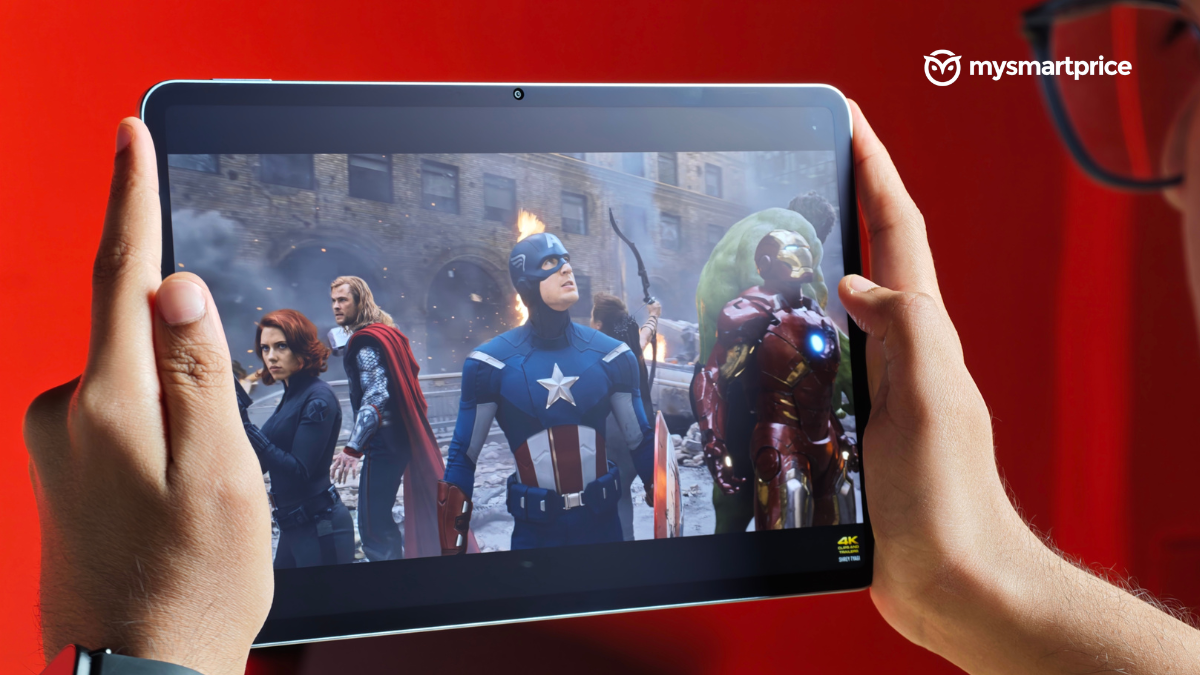
In my experience, this finish effectively disperses harsh indoor lighting and minimises glare. Matte or textured screens can sometimes compromise overall visibility, but with a nano coating, I have not faced any issues with brightness. Everything appears great so far. But we will be testing this at our MSP lab, so stick around for the full review, where we will dive deeper into the device’s display, among other things.
Hardware
Under the hood, the Pad 8 is powered by the Snapdragon 8s Gen 4 SoC. This is the same solid processor you will find in phones like the iQOO Neo 10 and Poco F7, and it gives the tablet plenty of power for everyday tasks. In my daily routine, the device has been genuinely enjoyable to use.
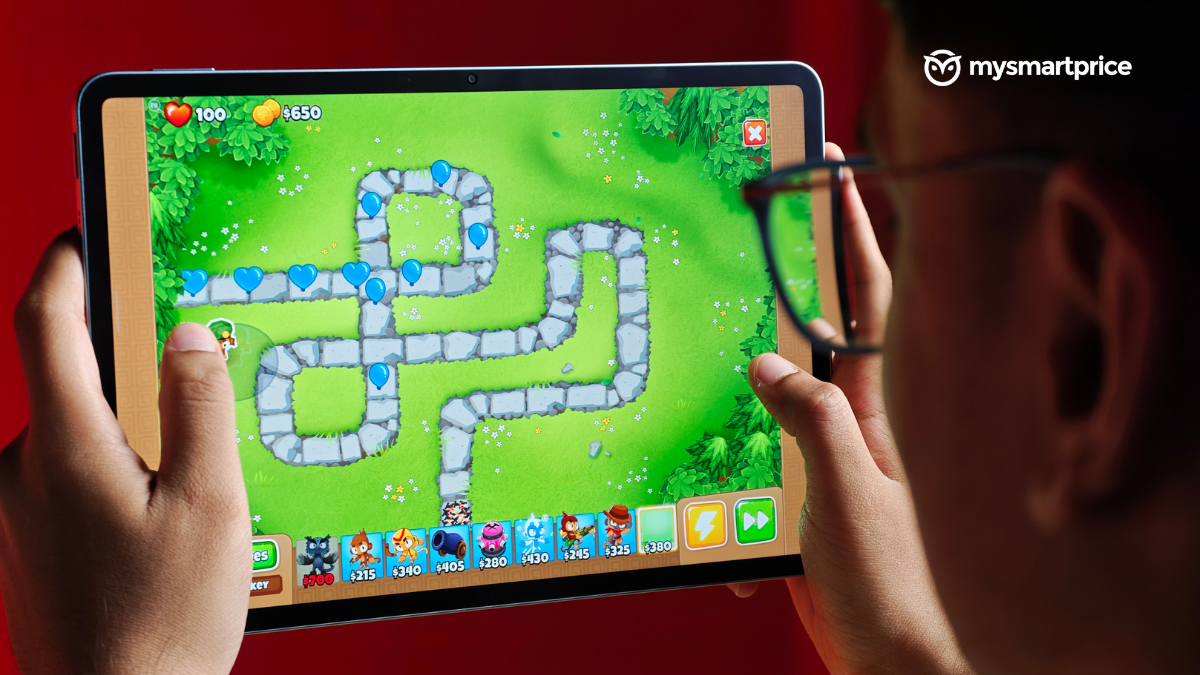
Jumping between open apps is fast, and the interface feels responsive whether I am unwinding with a movie or typing up a document. The whole experience just stays consistently smooth.
Over the next few days, I want to see how far I can actually push this tablet. I will be using this device to play demanding games and to do heavy multitasking to check how it holds up under pressure.
Camera
The Pad 8 features a 13-megapixel rear sensor and an 8-megapixel front camera, maintaining the same setup as the Pad 7. The main lens is suitable for scanning documents or capturing quick reference photos in decent lighting. In practice, the front-facing lens is the one you will use most. It effortlessly handles regular video calls and virtual meetings. Although it would have been nice to see some hardware upgrades this generation, this familiar setup covers all the essential features you need.
Final Thought
Ultimately, the Pad 8 takes a ‘do not fix what is not broken’ approach to its exterior, focusing entirely on a better user experience. Being thinner and lighter than its predecessor while packing a massive 9500mAh battery is easily its most impressive feat. The Snapdragon 8s Gen 4 proves its worth in daily tasks, and the nano-texture display makes screen interaction a joy in any lighting. It is a highly promising start. The only remaining question is whether sustained battery endurance and heavy gaming performance can match these great first impressions in the upcoming full review.