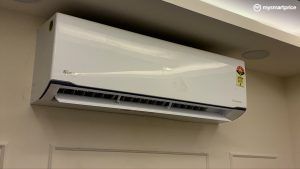
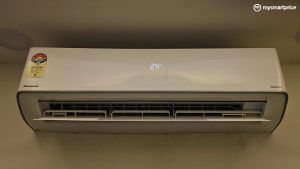
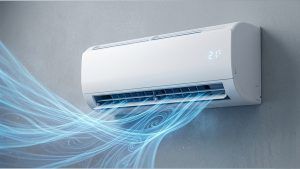
LG Electronics India has started selling air conditioners that comply with the upcoming 2026 Bureau of Energy Efficiency (BEE) star-rating norms, making it one of the earliest brands to move to the stricter efficiency framework ahead of peak summer demand. The company’s 2026-compliant AC lineup has been available in the market since early January, giving early buyers access to models aligned with the new benchmarks rather than outgoing standards.
The move comes at a time when the AC buying cycle is starting earlier each year, with January to March increasingly accounting for a large share of annual sales. By transitioning ahead of schedule, LG is effectively removing the risk of consumers buying air conditioners that could feel outdated once the new ratings become the industry baseline.
Early Adoption Signals a Broader Industry Shift
LG’s move is part of a wider transition already taking shape in the market. Other large players, including Haier India, have also begun selling air conditioners aligned with the 2026 BEE norms. In recent interactions with MSP, Haier has repeatedly underlined energy efficiency as a core pillar of its India strategy, particularly as electricity costs rise and consumers become more conscious of long-term running expenses.
With multiple brands already moving early, the shift to the 2026 framework is no longer a future event but an active transition phase. More AC brands are expected to follow over the next few months as companies realign portfolios, manufacturing, and inventory planning ahead of summer.
Why the New BEE Ratings Matter More Than Before
As MSP has highlighted in earlier coverage, the 2026 BEE norms significantly raise the efficiency thresholds across star categories. We have also mentioned that this might result in a slight increase in the price of the new range, which the brands are contemplating passing on to the consumers. Under the new framework, several models that were previously rated as 5-star may now be classified lower, not because of weaker performance, but due to tighter efficiency evaluation standards.
For consumers, this recalibration is important. Star ratings will now better reflect real-world energy efficiency rather than relative positioning within older benchmarks. Industry estimates suggest that upgrading to a 5-star AC under the 2026 norms could help households save up to ₹19,000 over a 10-year period, depending on usage patterns and electricity tariffs.
Smart Energy Management Becomes a Differentiator
Beyond headline efficiency numbers, brands are also placing greater emphasis on usage optimisation. LG’s new lineup includes features such as geofencing-based Precool, which starts cooling automatically as users approach home, and Energy Manager+, which analyses historical usage data to recommend operating hours and help users set consumption targets.
This aligns with a broader trend we have been tracking, where AC brands are shifting focus from peak cooling claims to everyday energy management, recognising that real savings are driven by how air conditioners are used, not just how fast they cool.
What Buyers Should Watch Going Into Summer
With LG and Haier already selling 2026 BEE-compliant air conditioners, the Indian AC market is entering a transition summer. Buyers will increasingly see a mix of older, discounted models alongside newer, higher-rated efficiency products, making star ratings and long-term running costs more important than ever.
As more brands roll out compliant lineups, the 2026 BEE norms are set to redefine how value is judged in the AC category, moving the conversation firmly toward lifecycle cost, smarter usage, and energy accountability rather than just upfront pricing.