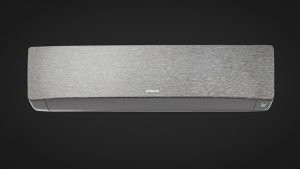
Voltas is entering the 2026 summer season with renewed optimism. The Tata Group-backed appliance maker expects its room air conditioner business to return to double-digit growth this year, driven largely by first-time buyers as AC penetration continues to expand beyond metro households.
The optimism follows a difficult 2025 season when erratic weather and an early monsoon hurt demand across the industry. Room air conditioners account for nearly two-thirds of Voltas' overall revenue, making summer performance critical to the company's financial health.
What stands out in Voltas' outlook is the scale of the opportunity it is targeting. Company estimates suggest that nearly 85 percent of AC purchases this year could come from first-time buyers. With AC penetration in India still hovering around 10 percent, the growth story remains less about upgrades and more about new households entering the category.
From a market standpoint, this plays directly to Voltas' strengths. The brand has long been positioned as a reliable, value-for-money option, particularly in the mass and mid-range segments. For buyers moving up from air coolers or fans, Voltas continues to be seen as a safe, familiar choice rather than an experimental one.
However, this is also where the competitive landscape is shifting.
Brands such as Samsung, LG, Haier, and Panasonic are increasingly using connectivity, app-based controls, AI-driven energy optimisation, and ecosystem integration to differentiate their AC portfolios. Features such as smart scheduling, usage analytics, and compatibility with connected home platforms are becoming talking points, especially in urban and premium segments.
Voltas, by contrast, continues to prioritise cooling performance, service reach, and pricing discipline over headline-grabbing innovation. That approach has worked well historically and helps explain its strong market share, which remains close to 18 percent. But it also means the brand risks being perceived as conservative at a time when competitors are pushing the category forward on smart and connected use cases.
There is also a pricing reality to contend with. AC prices have moved up due to higher input costs, including copper, and upcoming energy efficiency transitions. For first-time buyers, this makes value perception even more critical. Voltas' ability to balance affordability with compliance under newer energy norms will likely determine how well it converts entry-level demand this season.
What this means for buyers
For consumers buying their first air conditioner, Voltas remains one of the safer choices in the market. Its products are generally easy to service, widely available offline, and tuned for Indian usage conditions. If your priority is reliable cooling, predictable running costs, and after-sales support, Voltas still checks the right boxes.
However, buyers looking for smart features, app control, or deeper integration with other connected devices may find better options from Samsung, LG, or Haier, even if that comes at a modest price premium.
Voltas is well placed to benefit from the next wave of AC adoption, but this growth is coming from market expansion rather than category reinvention. The strategy works for first-time buyers, but over the longer term, the brand will need to show clearer intent on innovation if it wants to stay relevant as the AC market matures and expectations shift beyond basic cooling.