Xiaomi has been showcasing some very interesting devices for the Chinese market. It has now unveiled what it is calling its most advanced air-conditioning system yet, a central AC that can cool a living room in just five minutes. The announcement was made at the Xiaomi × Leica imaging strategy upgrade event.
The new Mijia Central Air Conditioner Pro Dual Air Wheel series is also a big step for another reason. It is the first central air-conditioning system fully developed and manufactured at Xiaomi's own smart home appliance factory.
At the top of the lineup sits an 8 HP flagship model aimed at large homes ranging from 120 to 190 square metres. Xiaomi says the system can push an airflow of up to 7,008 cubic metres per hour, thanks to a massive 556 mm dual air wheel and twin 200W motors. The result, at least on paper, is rapid cooling that can bring down the temperature of a full-sized living room in around five minutes.
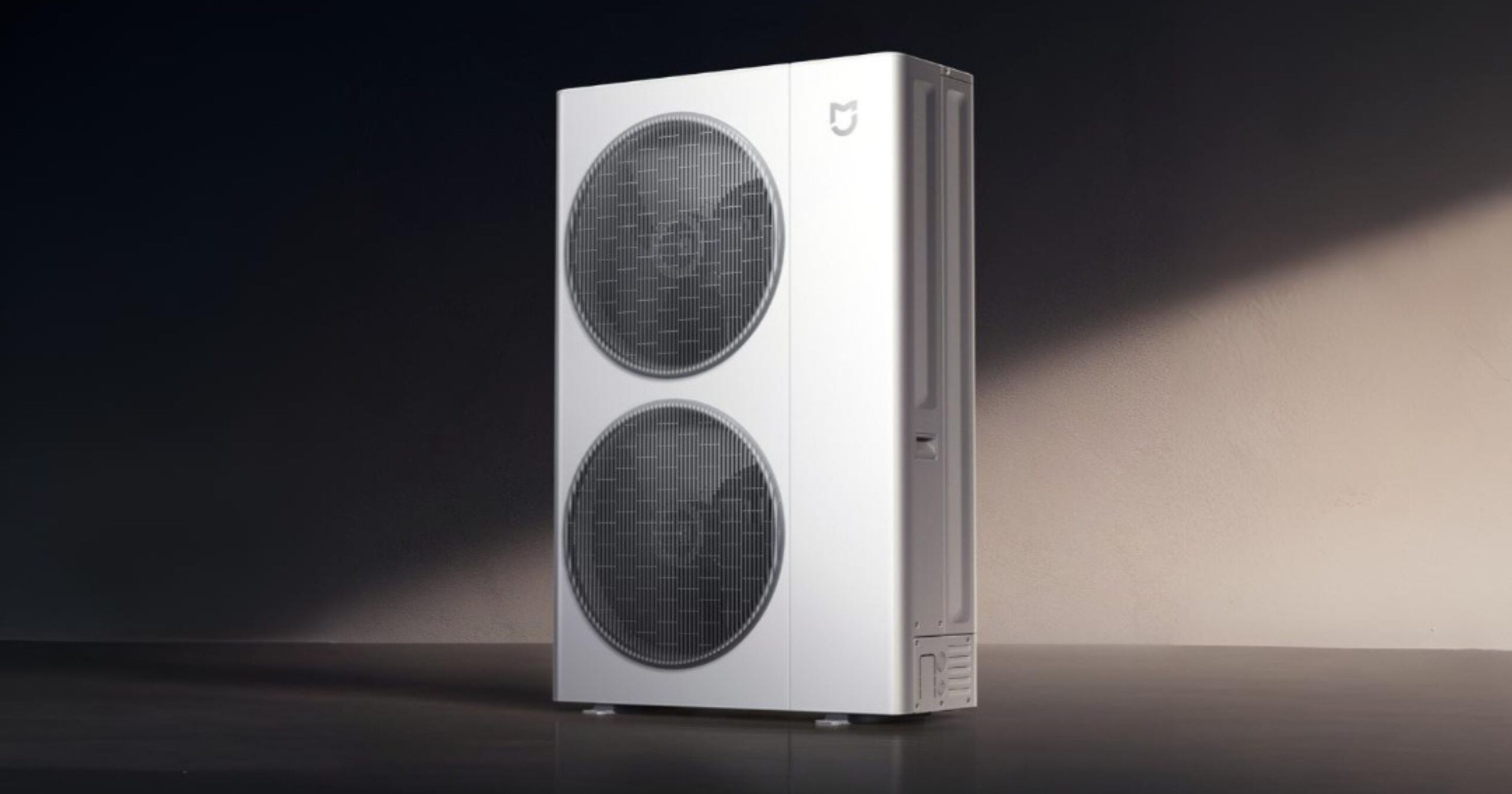
The system is available in standard and dual-outlet configurations, with options ranging from 5 HP to 8 HP. The dual-outlet version supports both upward and downward airflow, allowing more even cooling across large spaces. Xiaomi has positioned it as a solution for one-to-four, one-to-five, and even one-to-six indoor unit setups, similar to what we see in premium VRF-style installations.
Under the hood, Xiaomi is using a dual-cylinder vapour injection compressor along with triple-row condensers and evaporators. This setup allows the system to operate in extreme conditions, from as low as −35°C to as high as 65°C. Heating performance is claimed to remain stable even at −30°C, while cooling remains effective above 40°C.
Despite its size and power, Xiaomi is pitching efficiency as a key selling point. The 8 HP model carries an APF rating of 5.40, qualifying for China's Super Grade 1 energy efficiency standard. The company claims that with its 6 Hz ultra-low-frequency technology, a single bedroom can consume as little as 2.5 kWh of power overnight.
Every unit ships with a 10-inch smart control panel that integrates with air purifiers, humidifiers, and fresh air systems. It can automatically adjust cooling based on PM2.5 levels, CO₂ concentration, and humidity, aiming to maintain a stable indoor environment without constant manual input.
The top-tier dual-outlet version goes a step further by adding human-sensing radar. This allows the AC to detect where people are in the room and adjust airflow accordingly, offering features like cooling avoidance, heating follow, and energy-saving modes when no one is present. Free installation and a 10-year warranty are also included, which is in line with what we get for most ACs in India. The 10-year warranty, however, is only for the compressor. Most brands are currently offering only a 5-year comprehensive warranty.
Premium Positioning and Pricing
This level of technology does not come cheap. Pricing starts at 25,999 yuan (around Rs 32,000) for the 5 HP model and goes all the way up to 51,999 yuan (roughly Rs 65,000) for the fully loaded 8 HP dual-outlet variant. If such a product were ever to launch in India, the effective pricing could easily cross the Rs 1 lakh mark, placing it firmly in the ultra-premium bracket.
In India, Xiaomi's strength still lies in smartphones, where it has long been a top player by volume. Its home appliance business, covering TVs, vacuum cleaners, and air purifiers, is growing, but remains relatively modest compared to established incumbents.
The broader Indian home appliances market is expected to touch over USD 50 billion in value, and air conditioners are one of the fastest-growing segments, driven by rising temperatures, urbanisation, and easier financing. Volumes in the AC segment have surged sharply in recent years, making it an attractive opportunity for brands looking to move up the value chain.
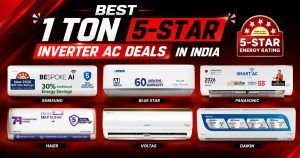
However, if Xiaomi were to bring a central or ultra-premium AC like this to India, it would be stepping into territory dominated by players such as Haier, LG, Voltas, Blue Star, Godrej, Panasonic, and Carrier.
These brands already dominate premium split, inverter, and VRF systems, with strong service networks and deep experience in commercial and large residential installations. Xiaomi's advantage would likely lie in tighter AIoT integration and aggressive pricing, but competing purely on brand trust and after-sales support would be a real challenge.
Niche Yet Growing Market
That said, India has shown that there is a niche market for premium appliances. Brands like Dyson have proven that price alone is not always a deal-breaker. Dyson has managed to build a strong presence in India with products priced far above the market average, relying on in-store demos, design-led storytelling, and a clear performance pitch.
The question is whether Indian consumers would be willing to pay a similar premium for a Xiaomi-branded air conditioner. Xiaomi is still widely perceived as a value-for-money brand, and shifting that perception in categories like air conditioning will take time.
For now, there is no confirmation of this central AC coming to India. But its launch does signal where Xiaomi wants to go globally, beyond affordability, and into high-end, technology-led home solutions.
For Indian consumers shopping for an AC today, factors like room size, energy efficiency ratings, inverter technology, service reach, and long-term running costs matter far more than headline cooling speeds. Given the country's climate and power conditions, reliability and after-sales support remain critical.