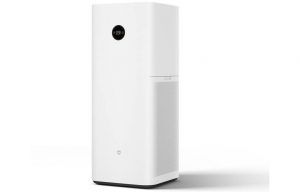
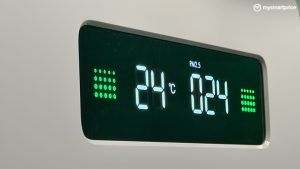
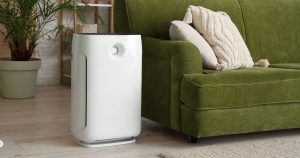
Winter is coming, and so is the polluted air. If you live in Delhi, you already know what that means: those terribly high AQI numbers that make even short walks outside feel like a bad idea. The city has even turned to cloud-seeding in a bid to bring artificial rain and wash away pollution, but conditions aren’t ideal, and the chances of meaningful rainfall remain low for now. As smog season sets in, it’s not just about stepping out; even your living room air isn’t as safe as you think. That’s why having a reliable air purifier at home has gone from being a luxury to a basic necessity. Thankfully, a few solid deals have popped up just in time, making it a good moment to invest in one before the worst of the pollution hits.
Disclaimer: All the links mentioned in this story are provided purely for your reference. None of them are affiliate links, and we do not earn any commission from your purchases. Our goal is simply to help you make an informed decision before you buy.
Coway Airmega AIM (AP-0623B)
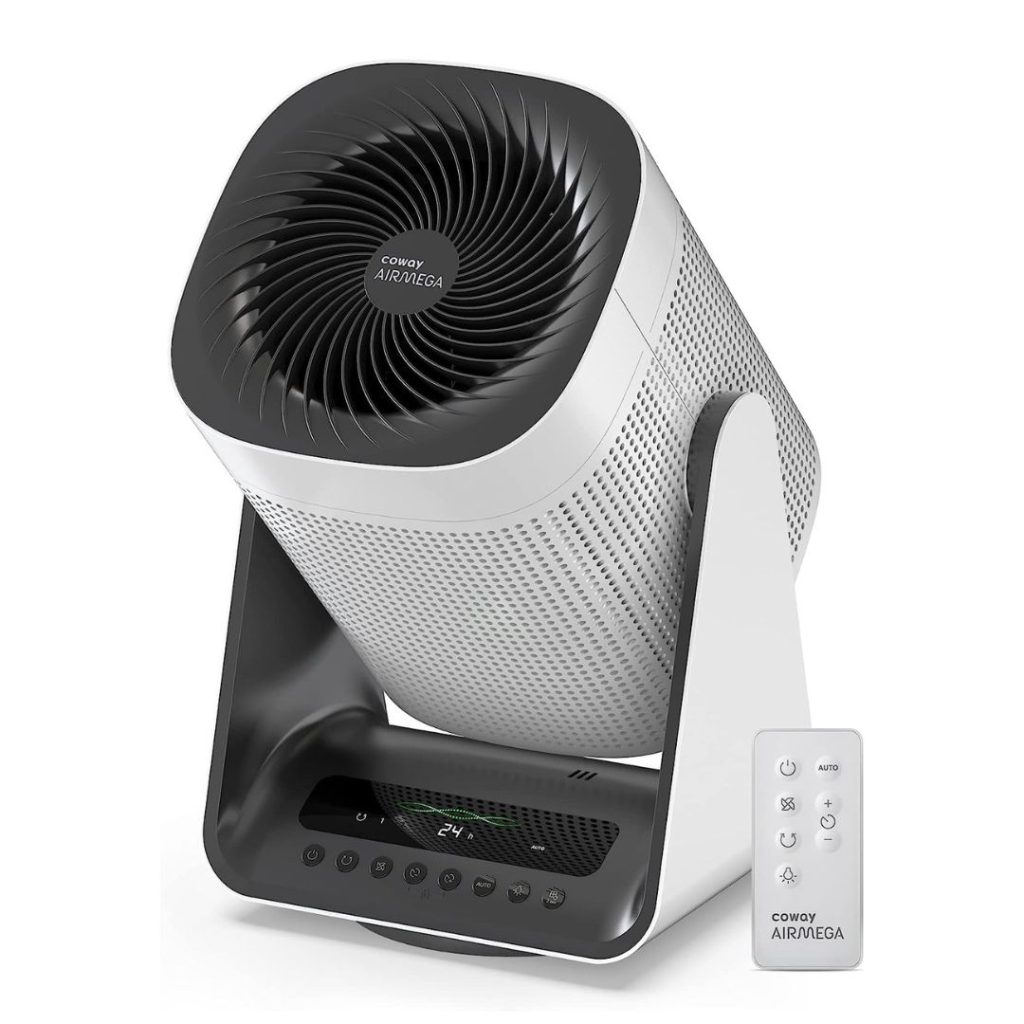
The Coway Airmega AIM claims to clean up to 355 sq ft, with a filter life of around 8,500 hours (roughly 1.5-2 years) and a 99.999% efficiency down to 0.01 µm. There’s also a strong motor warranty (7 years). The current price is Rs 12,499 against an MRP of Rs 29,900, plus a bank card offer of up to Rs 1,249 off.
In my opinion, for a home in Delhi where pollution levels shoot up, the coverage area and high claimed efficiency are strong positives. That filter life is good, if you actually use it. But do check how easy and how costly the replacement filters are here in your locality. A high-end unit is worth it only if you maintain it. As for competitors, you could look at models like the Philips AC1711 or the Sharp FP-F40E-W, which offer similar coverage, though perhaps fewer bells and whistles.
Qubo Smart Air Purifier Q500
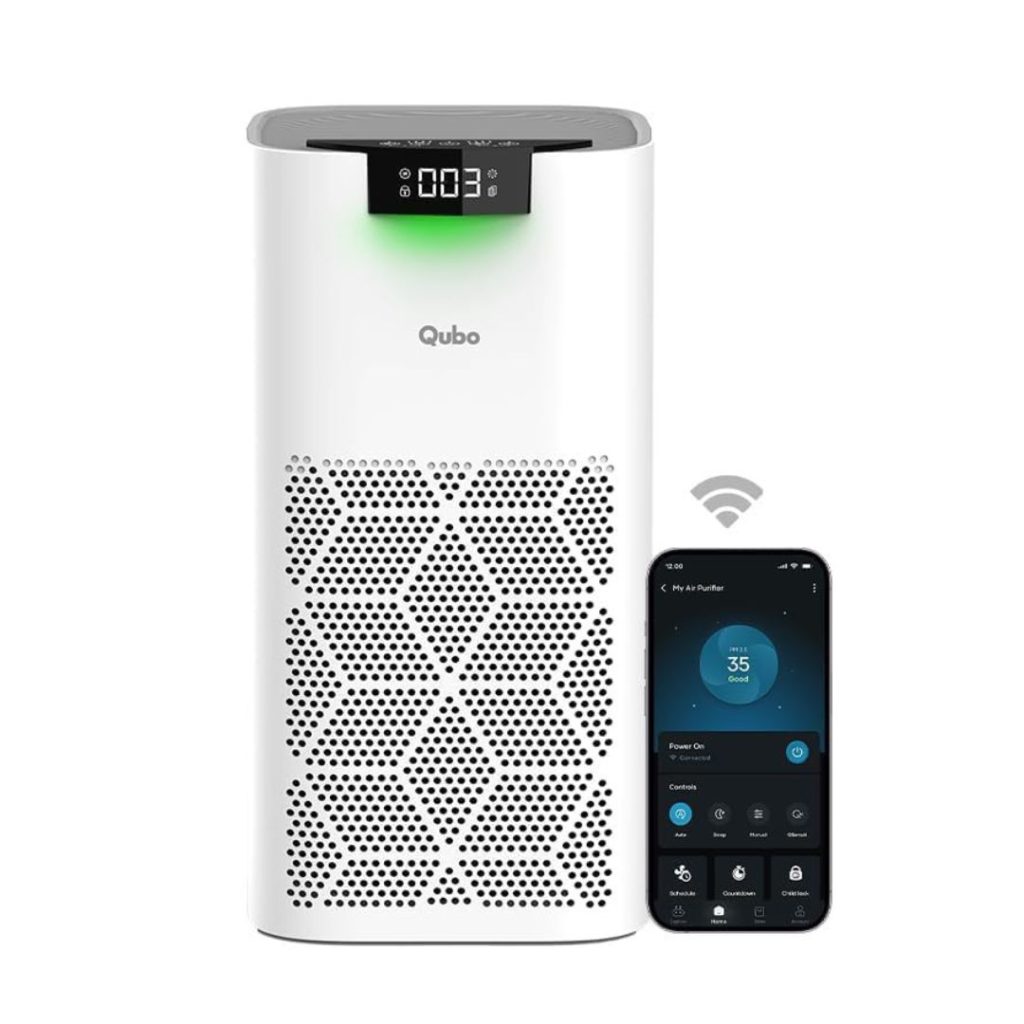
This one covers about 500 sq ft, supports HEPA H13 filtration, has a claimed filter life of 9,000 hours, adds app & voice control, and features a BLDC motor that is ultra-quiet. Price now Rs 9,990 (down from Rs 22,990) with up to Rs 1,000 off via select cards.
In my view, the larger coverage of Qubo Smart Air Purifier Q500 is a big plus, especially if you have a living room or open-plan home. App/voice features may matter to you if you like smart home integration, though they’re not strictly necessary for clean air. Quiet operation matters in bedrooms: Delhi’s smog often rushes in at night, so something quiet when sleeping is valuable. Competitors here might include the Philips AC0950 Smart Wi-Fi Air Purifier or the Eureka Forbes Air Purifier 355.
Honeywell Air touch V1
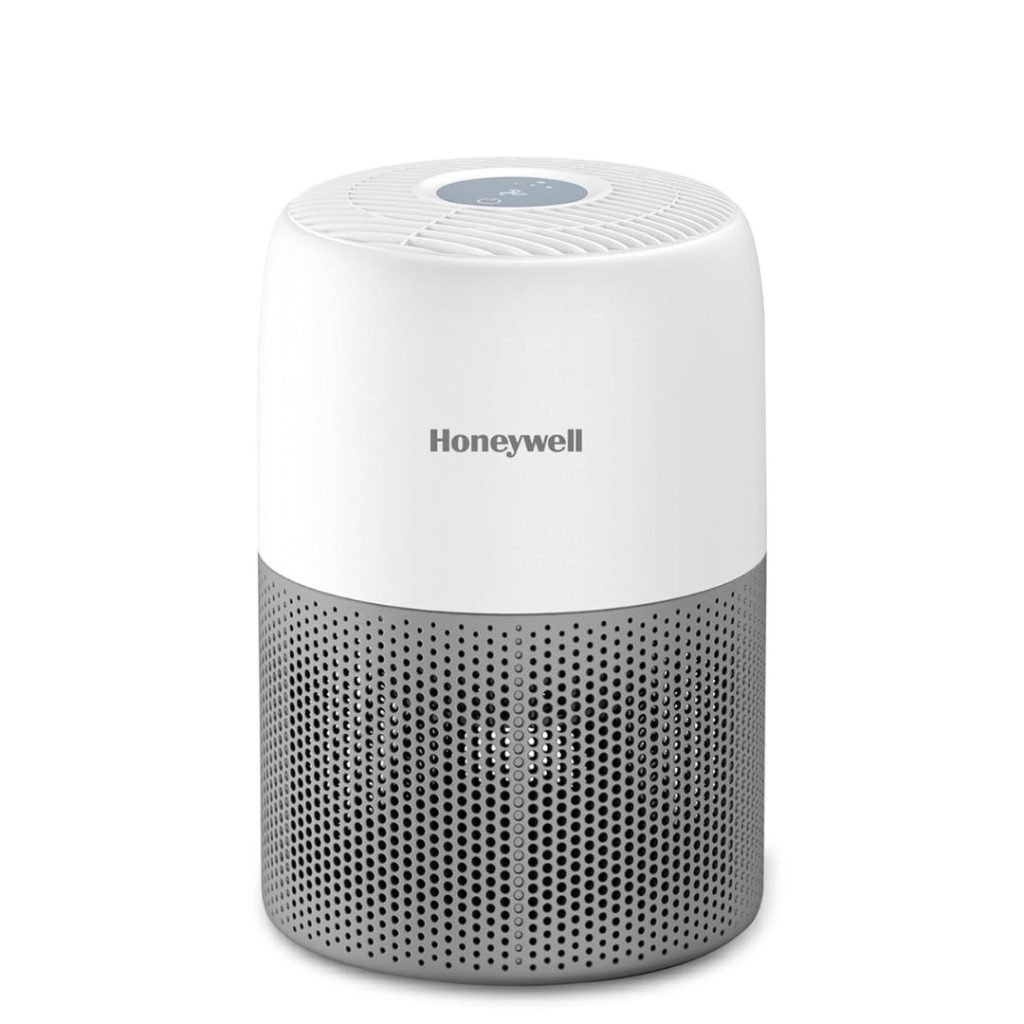
Honeywell Air touch V1 is a more budget-friendly option: H13 HEPA + activated carbon + pre-filter, suitable for home or office use, with claims of removing 99.99% of pollutants, smoke, dust, and pollen. Current price Rs 4,998 (MRP Rs 9,999) plus up to Rs 1,000 off bank offer.
In my view, if budget is your constraint, this is a sensible pick. It may not have all the smart features or ultra-premium build, but if it does the basics like HEPA, carbon, and decent coverage, in that case, it can perform well in Delhi’s tough conditions. The key here is realistic expectations: it may not clean a large apartment in one go, or perform as quietly as top-end units. However, there are some other budget-friendly options as well, which fall under the same price bracket, like the LEVOIT Core Mini or the Eureka Forbes Air Purifier 150.
Dyson Air Purifier Cool PC1
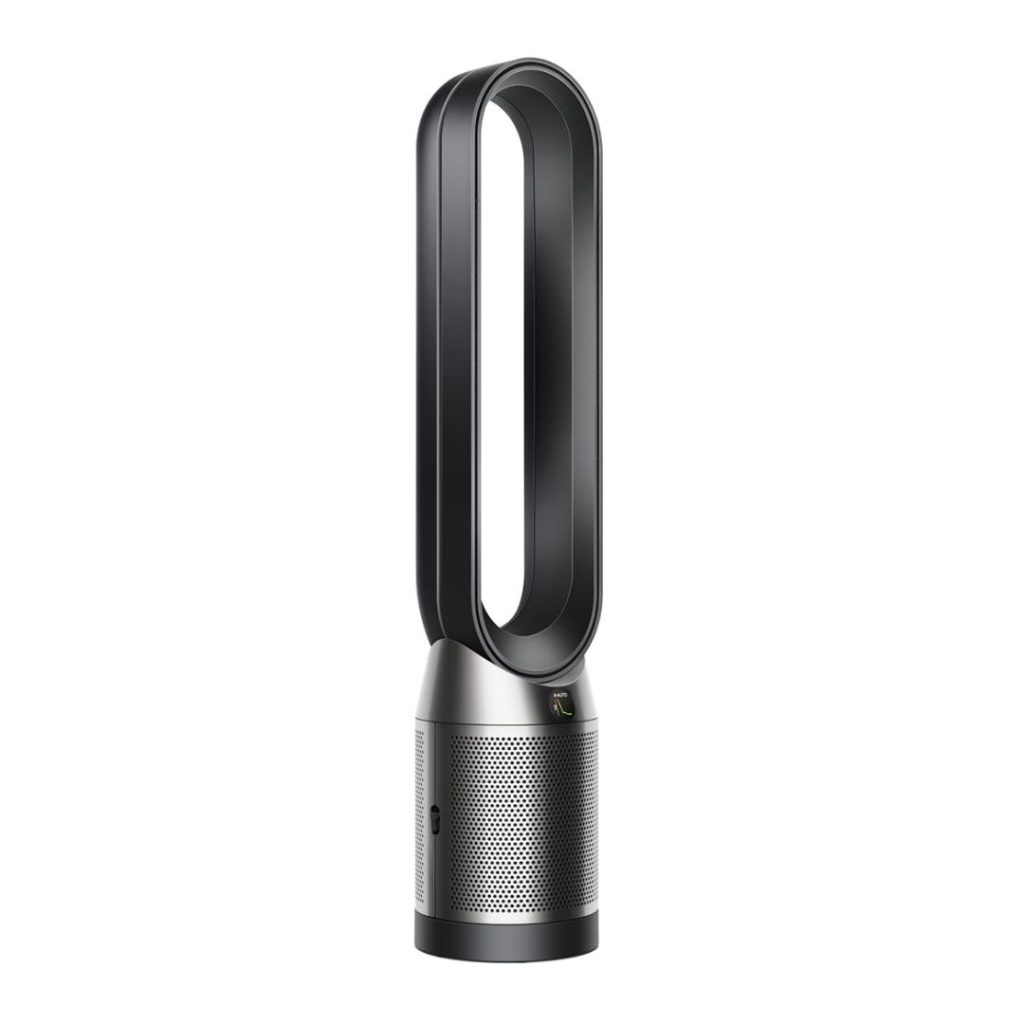
Now, this Dyson Air Purifier Cool PC1 is the most beautiful-looking, well-built, and most expensive unit on this list. It removes 99.95% of allergens and pollutants as small as PM0.1, has auto/sleep/night modes, remote and app/voice control, and a 2-year warranty. Currently, the Air Purifier is listed at Rs 39,899. But with select bank credit cards, you will get up to Rs 1,500 discount and up to Rs 1,196 cashback if you pay via Amazon Pay balance.
So if you are looking for a premium Air Purifier and care about build quality, design, integration, and quiet operation (for example, a high-end bedroom or well-sealed home), this makes sense. But for most Delhi flats, you might not need to spend this much to get “good enough” air. You’ll want to ask: Does this extra cost bring significantly better cleaning in your room size? Though Dyson is not the only player in the premium air purifier space, Philips is also competing in the space with its Series 3000 Ac3059/65 Air Purifier, which costs around Rs 35,000.
Winix Premium 4 Stage
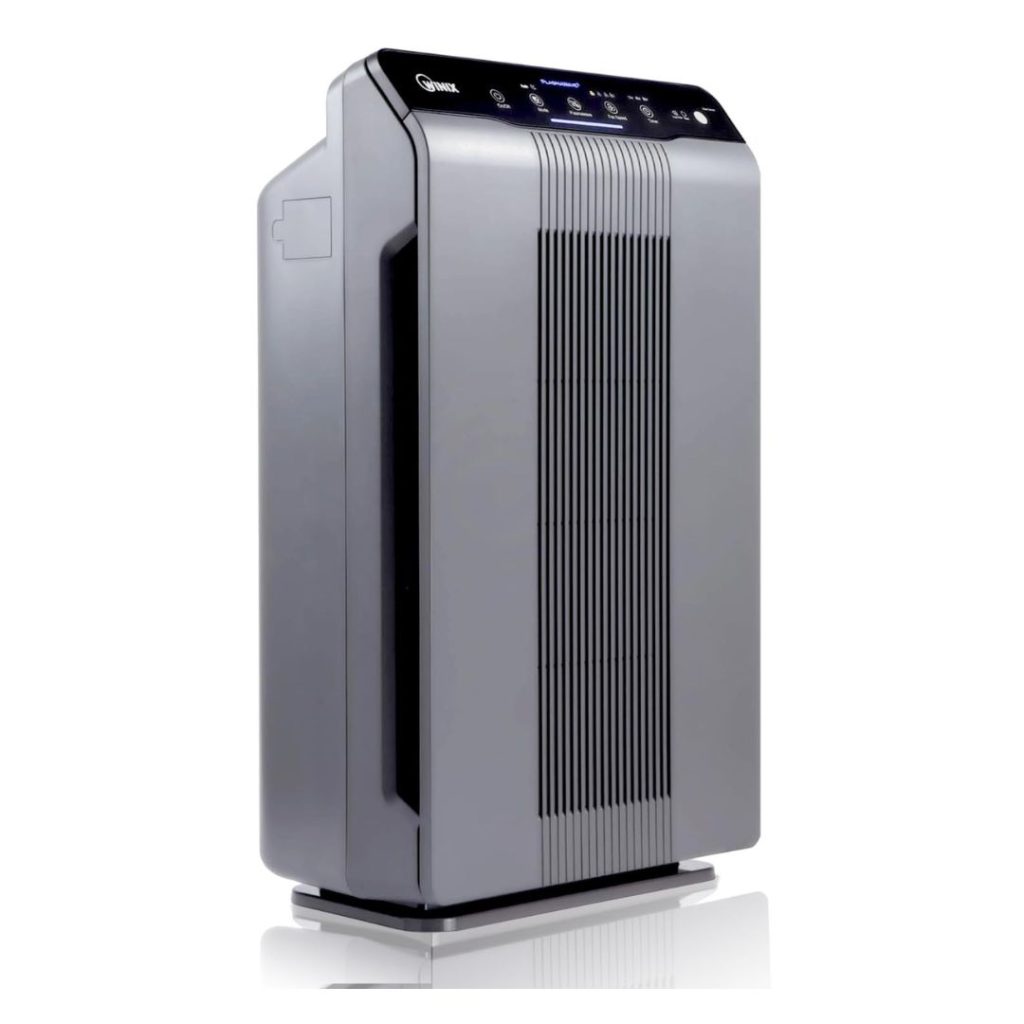
Winix Premium 4 Stage claims coverage up to 1,065 sq ft, triple certification (UK Allergy, ECARF, AHAM), and a two-year warranty. Price Rs 14,999 (down from Rs 23,990) plus up to Rs 1,499 off bank cards.
In my opinion, the large coverage is appealing if you have a large room or an open-plan home. Certification is a good sign (though check what exactly the certifications measure). If your flat is large and you want one unit rather than multiple smaller ones, this could work. However, think about placement (a large unit needs good airflow), filter cost (for large-volume units, filters may cost more), and bigger capacity often means louder at peak mode. It competes with the likes of Honeywell Air Touch V4 and CUCKOO Respure Air Purifiers.
India’s Air-Purifier Market: Size, Players & What Matters
India’s market for air purifiers has grown substantially, especially in cities like Delhi, where pollution peaks drive demand. Big players include brands such as Philips, Honeywell, Sharp, Coway, Winix, Dyson, Xiaomi, Qubo and more; both global and domestic brands compete.
When it comes to buying an air purifier in India, customers today are far more aware than they used to be. Most people now focus on the actual coverage area and real-world performance rather than just brand names or fancy features. In cities like Delhi, where pollution levels are extreme, choosing the right purifier for your room size is crucial. Another key factor is the type of filter used; a true HEPA or H13 filter is far more reliable than generic “HEPA-type” ones that some cheaper models advertise. Availability and cost of filters also play a major role, as regular use during the winter months means you’ll need replacements more often than you might expect.
Smart features like auto mode, air-quality sensors, and app or voice control are gaining traction too, mainly for convenience. Quiet operation is another big plus for those who plan to run their purifiers through the night. But beyond the specs, what often decides long-term satisfaction is after-sales support and the overall cost of ownership. Many buyers overlook these parts, only to realise later that maintenance costs can add up quickly. In short, an ideal air purifier today isn’t just about high CADR or sleek design; it’s about balance: reliable performance, reasonable maintenance, and the assurance that the company will still be around when you need that replacement filter.
How big is it and how big is it going to be: The market has shifted from a luxury “nice-to-have” to a more mainstream health device in pollution-prone cities. With repeated smog seasons, rental flats, offices, and even schools are increasingly installing these devices. The growth trajectory suggests the segment will expand further, both in budget (under Rs 10,000) and premium tiers (Rs 30,000+), especially as homes become better sealed and consumers expect higher indoor-air quality.