With the onset of winter in North India, the smog levels and outdoor pollution are on the rise. In cities like Delhi, Punjab and Haryana the outdoor air quality often crosses hazardous limits. Under these circumstances, relying solely on a compact bedroom air purifier may no longer suffice. What home-owners need are large-room or heavy-duty air purifiers that can handle higher loads of particulates, especially PM2.5, and larger spaces.
The Market for Air Purifiers in India
The market for air purifiers in India has been expanding. One report shows that the market size was Rs 777.75 crore in 2024 and is projected to reach roughly Rs 3,520.77 crore by 2034, with a compound annual growth rate of about 16.3 per cent. Another analysis puts the value at USD 507.5 million in 2024 and forecasts it reaching USD 1,813.5 million by 2033, a CAGR of around 14.1 per cent.
Demand seems to spike in high-smog regions: retail reports show that in Delhi-NCR, sales of air purifiers rose by more than 50 per cent as air quality worsened. Despite these growth figures, some market observers caution that the air purifier market in India remains somewhat seasonal, with peak demand during smog-intensive months and concentrated in urban centres. In essence, for a story about heavy-duty purifiers, this market backdrop shows both the urgency (pollution growth) and the opportunity (consumer readiness to invest) but also warns about pricing, replacement filter costs and service networks. Here are some Air Purifiers you can consider:
Disclaimer: All the links mentioned in this story are provided purely for your reference. None of them are affiliate links, and we do not earn any commission from your purchases. Our goal is simply to help you make an informed decision before you buy.
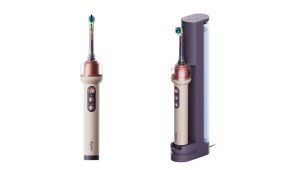
Dyson Big + Quiet Air Purifier
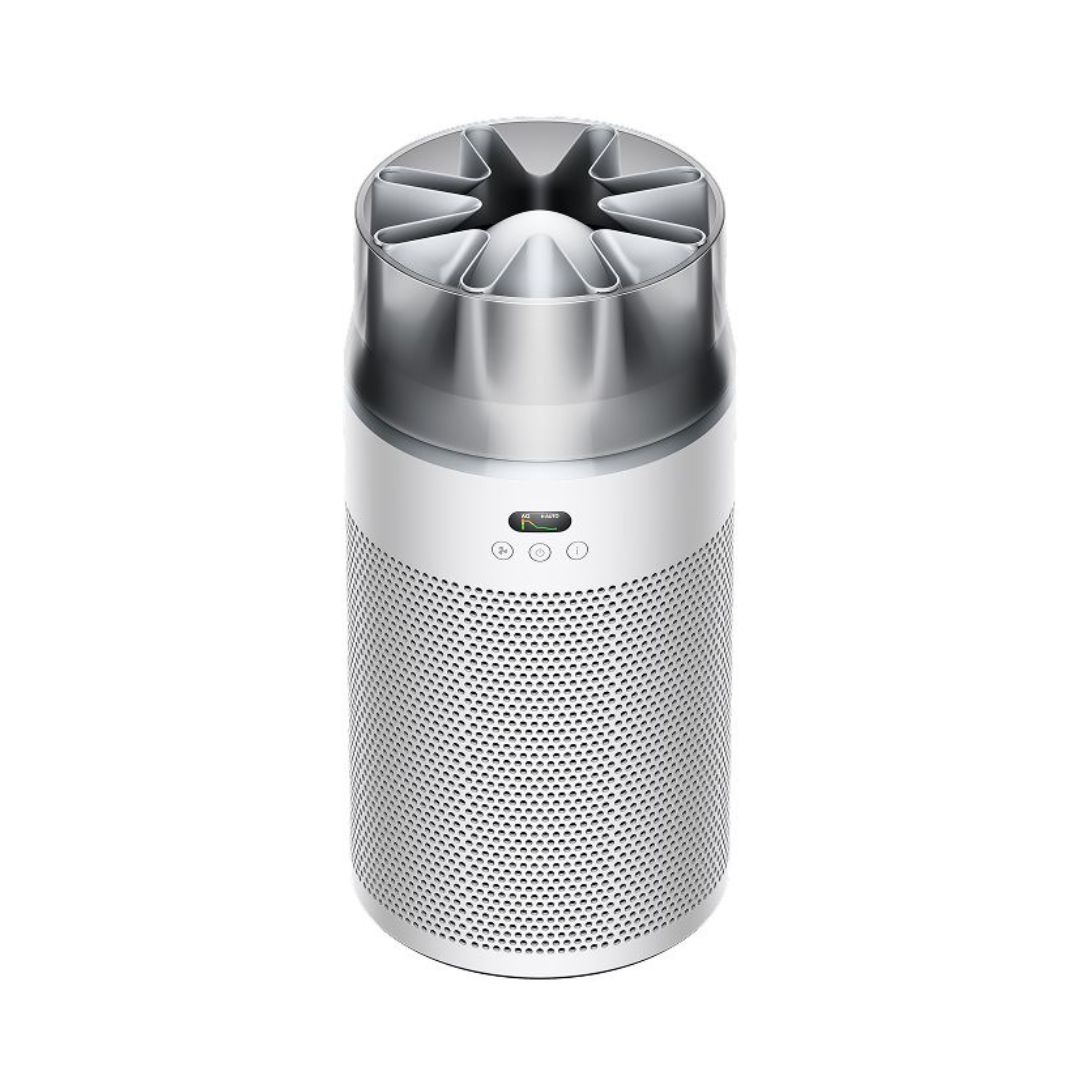
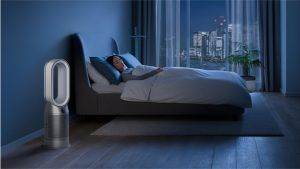
The Dyson HushJet Purifier is priced at Rs 29,900 and is designed to deliver powerful air purification in a compact form factor. Despite its small size, the purifier is capable of cleaning rooms of up to 1,076 square feet, thanks to Dyson’s unique HushJet air projection system. Inspired by jet engine design, the purifier uses a star-shaped hush kit to minimise turbulence and airflow noise while maintaining strong air projection across the room. The purifier features electrostatic filtration that captures 99.97 percent of particles as small as 0.3 microns, including allergens, dust and mould spores.
It also includes an activated carbon filter that helps remove household odours, pet smells and harmful gases such as NO₂. The machine is fully sealed so that captured pollutants cannot escape back into the air, and it also includes intelligent particle sensing that automatically adjusts airflow when PM2.5 levels rise. Dyson has also engineered the device for quiet operation, producing around 41dB at maximum purification and as low as 24dB in sleep mode. Users can also monitor air quality and control the purifier remotely using the MyDyson app.
Dyson is known for making some of the most well-designed and well-finished consumer appliances in the world. The brand usually operates in the upper end of the market, and its products are considered premium because of their engineering, design and performance. Buyers choosing Dyson typically prioritise top-tier build quality, innovative technology and long-term reliability over price.
Havells Meditate AP 250 Smart Air Purifier
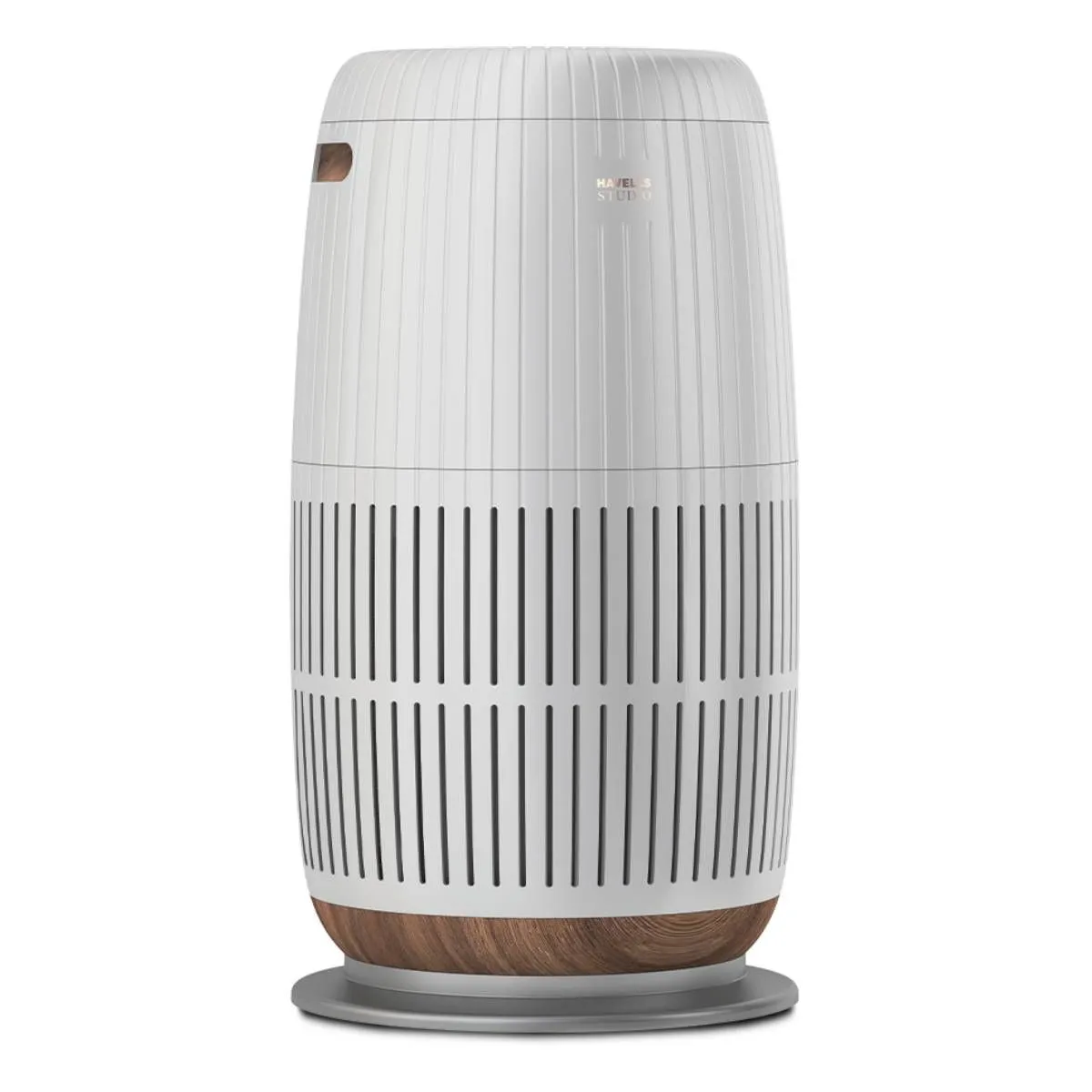
Havells’ Meditate AP 250 is priced at Rs 19,799 which is a more moderately priced but still substantial large-room purifier. It comes with smart features such as IoT connectivity and multi-stage purification including HEPA + activated carbon. Its Indian-brand credentials may appeal to buyers focusing on service and filter availability locally. For households that want strong performance but cannot stretch to ultra-premium pricing, this model occupies a sensible middle ground.
Havells is an Indian brand with a strong presence in home appliances and electrical products. It is known for offering reliable, service-friendly and fairly priced devices that suit Indian households. Havells usually focuses on practical features, easy maintenance and good after-sales support, making it a popular choice for consumers who prefer trusted domestic brands.
Philips Smart Air Purifier AC1711/63
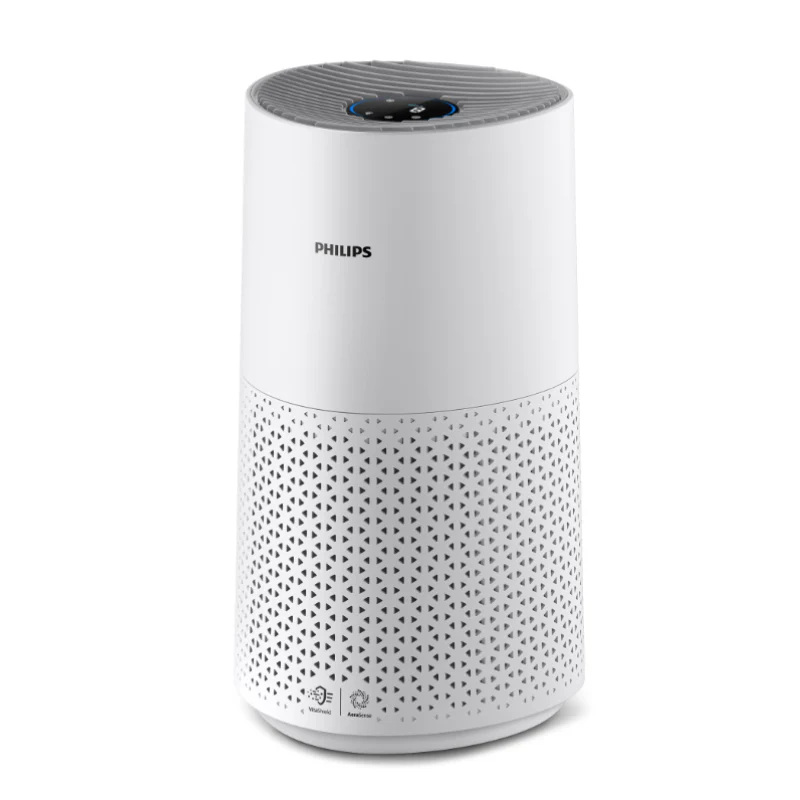
The Philips Smart Air Purifier AC1711/63 costs Rs 12,995 and is a more accessible option that still brings meaningful performance to the table, especially for living rooms of moderate size or where the budget is tighter. According to its official listing, it is rated for rooms of up to 36 m² (≈ 380 sq ft) with a Clean Air Delivery Rate (CADR) of around 300 m³/h. Its filter stack consists of NanoProtect HEPA + activated carbon + pre-filter, and Philips claims it removes 99.97 % of particles as small as 0.003 microns. Additional features include a real-time air quality display (PM2.5/allergen indicator) and a smart change indicator for filters.
Philips is a familiar global household brand known for dependable, user-friendly appliances. Its air purifiers usually focus on offering strong performance at accessible pricing, paired with simple controls and reliable smart features. Philips often strikes a balance between quality and affordability, making it a practical choice for families looking for trusted performance from a mainstream brand.
Eureka Forbes 270 Air Purifier
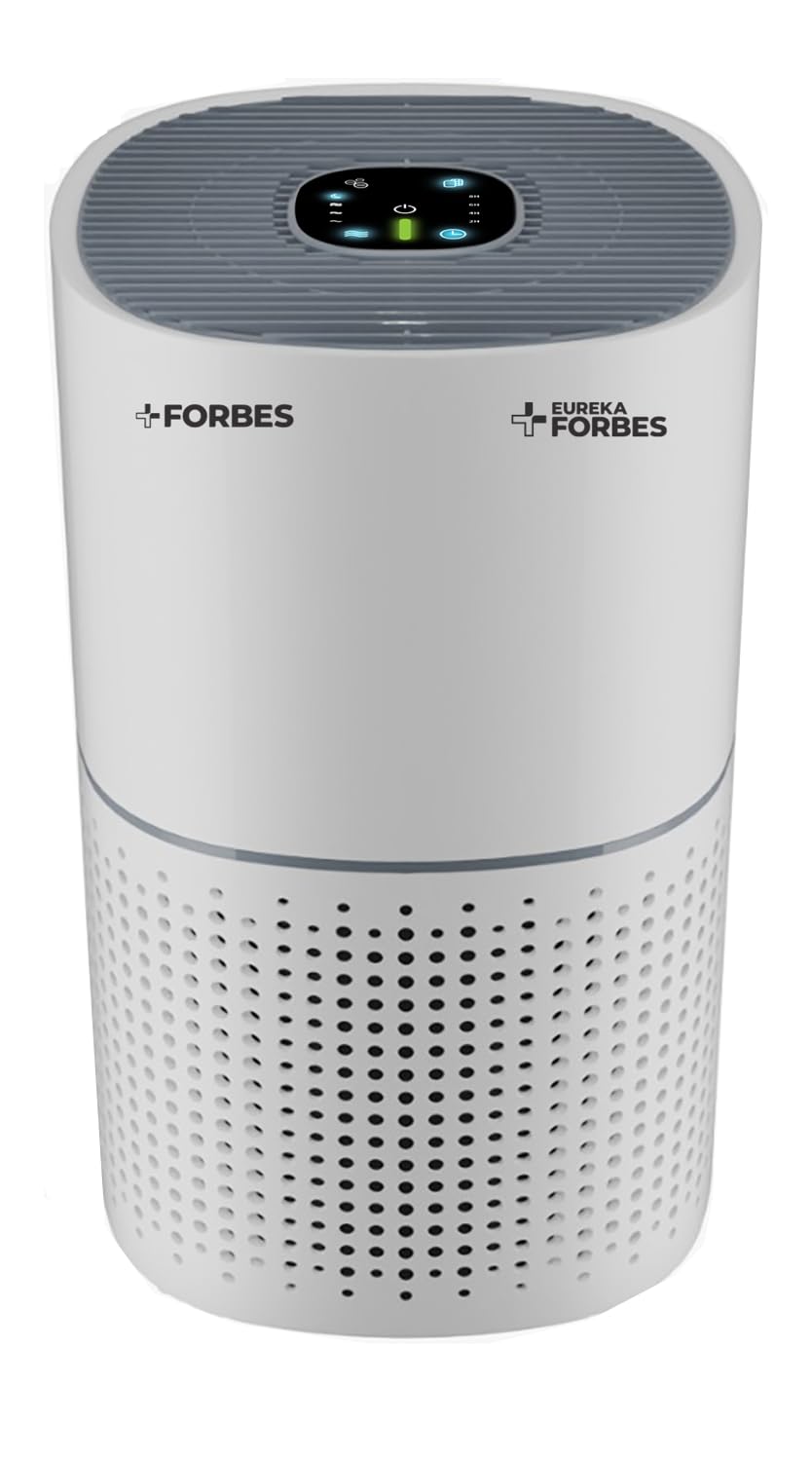
Last but not least is the, Eureka Forbes 270 which costs Rs 7,999 and is more budget-oriented but with sufficient capability to serve larger rooms than typical bedroom-only models. In times of elevated outdoor pollution, having a unit that covers a living space rather than just a bedroom is beneficial. For readers looking for heavy-duty performance but constrained budget, this one provides a worthwhile compromise.
Eureka Forbes is famous for its water purifiers and vacuum cleaners, but it also has a steady presence in the air-purifier category. Its products generally target value-conscious buyers and are designed for easy installation, simple maintenance and wide service coverage across India. It appeals to users who want functional, budget-friendly solutions without compromising basic air-cleaning performance.
Buying Guide: What to Look For When Choosing a Heavy-Duty Air Purifier
When planning to buy a heavy-duty air purifier for the current pollution scenario in North India, it is essential to begin by understanding your room size and pollution load. First, assess the dimensions of the room (length × width × height) where the purifier will operate and consider whether it covers an open-plan living/dining space. Many experts suggest buying a model rated for a room larger than your actual space so that the purifier can run at lower speed and quieter settings.
Second, check the filtration technology. A true HEPA filter (often H13 or H14) is crucial as it can trap very fine particles (including PM2.5). Watch for claims of “HEPA-style” or “washable HEPA” which may not match the real efficiency. Additionally an activated-carbon filter is beneficial to absorb odours, smoke and volatile gaseous pollutants. Third, inspect the Clean Air Delivery Rate (CADR) or equivalent coverage rating. The CADR tells you how much clean air the purifier can deliver in a given time and is especially important for heavy-duty use. You want a unit whose CADR matches or exceeds the size and pollution status of your room.
Fourth, consider noise level and power consumption. In heavy pollution seasons you might run the unit 24×7 or for many hours each day; thus a model with lower power draw and quieter operation in “sleep” or low-speed mode is preferable. Many guides note that if you intend the machine for a living room or lounge where people spend time, too much noise may become intrusive.
Fifth, maintenance and filter replacement cost must not be overlooked. A heavy-duty unit in a polluted environment will accumulate dust and particulates faster; therefore the frequency of filter change may be higher. Users should check the availability and cost of replacement filters in India, warranty terms and whether the service network is strong. Sixth, look for supporting features: auto-mode based on sensors (which detects PM2.5 or VOCs), display of indoor air quality, smart controls (via smartphone) and connectivity may help usage convenience especially in busy homes. Seventh, ensure that the unit does not emit harmful by-products like excess ozone (common in some ioniser-type devices). Some regulatory or advisory sources warn about ozone emission risks.
Finally, placement matters. Even the best purifier will under-perform if placed in a corner, blocked by curtains or near a wall with restricted airflow. It should be positioned so that air is drawn in unobstructed and dispersed effectively across the room. While this is more about usage than buying, it is important for heavy-duty models.