India's air purifier market is entering a new phase of sustained growth, moving beyond winter-led spikes to broader, year-round adoption. A recent industry forecast titled "India Air Purifier Market Poised for Explosive Growth" points to strong expansion ahead, driven by a mix of worsening pollution levels, rising indoor air quality awareness, and a post-pandemic shift in how households think about preventive health.
Industry players say the momentum is no longer limited to headline AQI crises in metros. Instead, consumers are beginning to treat indoor air quality as a measurable, everyday health parameter.
"Rising outdoor and indoor pollution remains the primary trigger, with consumers increasingly treating air quality as a daily, measurable health risk," said Anurag Kumar, Chief Growth Officer, Eureka Forbes. He added that this has been amplified by a post-COVID health mindset, where families prioritise clean indoor air for vulnerable members such as children and the elderly. "Improvements in product affordability and the availability of entry and mid-tier models with proven HEPA and multi-stage filtration have expanded the addressable market, creating sustained category-wide growth rather than a short-term spike."
Indoor air awareness is reshaping demand
While outdoor pollution remains a major catalyst, brands say the real inflection point is growing awareness around indoor air quality. Consumers are increasingly conscious that daily activities such as cooking, cleaning, use of incense, and VOC emissions can make indoor air as polluted, or worse, than what's outside.
"The category today is where water purifiers were two decades ago, on the cusp of becoming a household necessity," said Mohit Anand, Co-Founder & CEO, Secure Connection Ltd, a Honeywell-authorised partner. According to him, post-COVID health consciousness has pushed families to invest in air purification not as a seasonal purchase, but as a year-round wellness appliance. Smarter technology and more accessible pricing have further accelerated adoption across income segments.
Beyond CADR: what buyers now look for
As the market matures, buying behaviour is also becoming more informed. Both Eureka Forbes and Honeywell highlight that consumers are no longer fixated on CADR numbers alone.
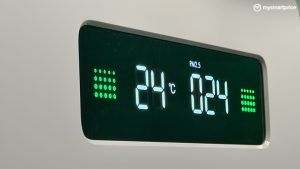
"True HEPA H13 filtration combined with multi-stage systems, including pre-filters, activated carbon for gases and odours, and secondary technologies such as plasma, is what consumers trust today," said Eureka Forbes' Kumar. He noted that shoppers now value verified particulate removal for PM2.5 and PM1, real-time AQI displays, low noise during sleep modes, and smart connectivity for monitoring and service alerts.
Honeywell echoes this shift. "Consumers want proven filtration first, followed by intelligence and predictable running costs," Anand said, pointing to rising demand for HEPA 13/14 filtration, activated carbon layers, smart sensors, AI-driven auto modes, and app-based monitoring. Energy efficiency, low noise, and easy filter availability are increasingly decisive factors, especially as adoption moves into mid and premium segments.
Tier 2 and Tier 3 cities become the next growth engine
The expansion of demand beyond metros is reshaping how brands think about product strategy. Smaller cities are emerging as high-potential markets, but with distinct needs around pricing, education, and after-sales support.
Eureka Forbes says it is adapting on three fronts: offering compact and value-focused models for smaller homes, strengthening omnichannel distribution through local dealers and ecommerce, and expanding service touchpoints to support first-time buyers. "Local education and initiatives such as exchange programmes help lower upgrade costs and drive penetration in smaller cities," Kumar said.
Honeywell's approach mirrors this focus on accessibility. Anand said the brand is balancing value-driven HEPA models for first-time buyers with premium smart purifiers for users seeking advanced features, while ensuring availability across online and offline channels. Product configurations are also being tailored for dust-heavy environments and larger room sizes commonly seen in non-metro households.
Addressing confusion, cost and seasonality
Despite the strong outlook, brands acknowledge that challenges remain. Consumer confusion around performance claims, hesitation over filter replacement costs, and price sensitivity in non-metro markets continue to slow adoption.
"The market faces clear challenges around understanding filter specifications and willingness to invest in maintenance," Kumar said. Eureka Forbes is addressing this through evidence-based buying guides, longer filter life, clear replacement indicators, and programmes aimed at reducing total cost of ownership.
Honeywell also sees education as critical to sustaining growth. Anand noted that while awareness is rising rapidly, especially outside metros, guided education can accelerate adoption. "Transparent communication around CADR, HEPA levels, filtration stages, and real-time AQI insights helps build trust and simplify decision-making," he said.
Design and innovation push the category forward
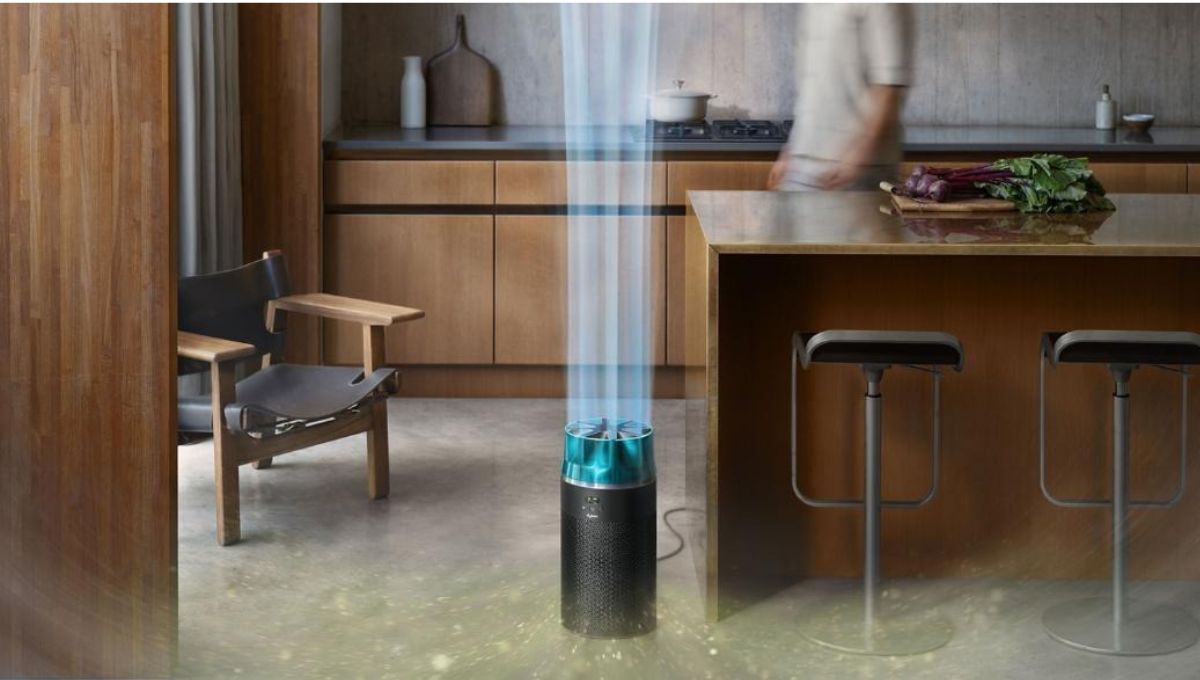
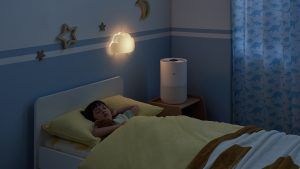
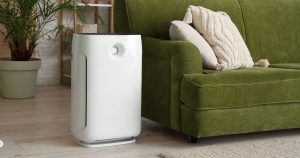
Innovation and form-factor evolution are also shaping the next phase of growth. Dyson's recently introduced Purifier HushJet Compact reflects this shift, signalling how premium brands are rethinking noise levels, size, and energy efficiency to suit modern homes. Designed for small to medium rooms, the compact purifier combines high filtration efficiency with quieter operation, highlighting how design innovation is becoming a competitive differentiator in a crowded market.
As India's air purifier category evolves, the consensus across brands is clear: the market is moving beyond crisis-led buying. With rising indoor air awareness, smarter products, and deeper penetration into smaller cities, air purifiers are steadily transitioning from seasonal add-ons to everyday home essentials.