Dyson’s Purifier Cool Gen1 TP10 is the stepping stone to their luxurious product range. Priced at Rs 33,990, the TP10 almost seems like a time capsule of Dyson’s innovations. It offers bladeless fans, Dyson’s high-performance filters, and advanced sensors at a rather reasonable price point (in Dyson-land at least). If you’re in the market to keep your house winter-ready, you might have stumbled upon the TP10.
Dyson Purifier Cool TP10 Air Purifier
Rs 33,990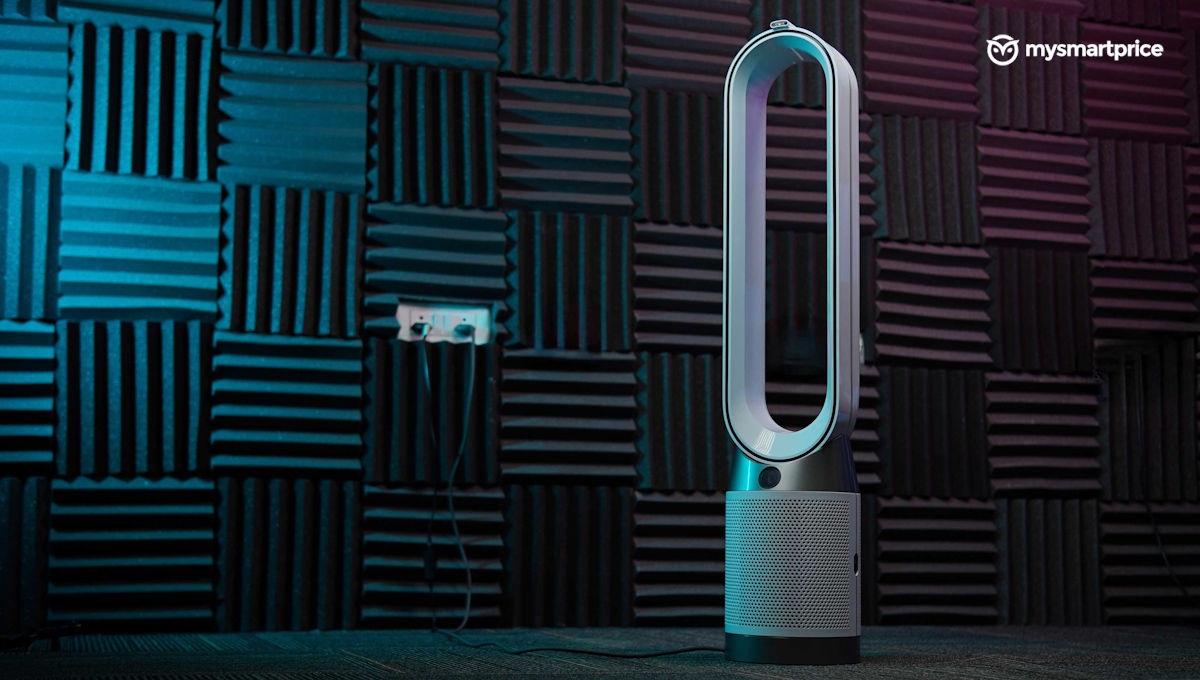
What Is Good?
- Futuristic design
- 350-degree coverage
- Works well in corners as well
- Can be used as a fan
- Easy to change filters
What Is Bad?
- Expensive
- MyDyson app doesn’t allow IoT capabilities
- Loud when used as a fan
The launch of this model also reflects Dyson’s strategy to make its premium air purifiers slightly more accessible, bridging the gap between flagship models and mid-range competitors from Philips, Sharp, and Honeywell. With air pollution remaining a year-round concern in many Indian cities, the TP10 arrives at a time when consumers are actively seeking reliable, design-led solutions that fit modern homes.
Dyson Purifier Cool Gen1 TP10 Air Purifier Review Design and Build
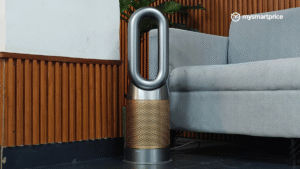
The Dyson Purifier Cool TP10 boasts a sleek and modern design that seamlessly blends into any home decor. Its compact footprint makes it easy to place in various locations. The unit is constructed primarily from plastic, ensuring durability while maintaining a lightweight profile. The TP10 features a distinctive oval design that not only enhances its aesthetic appeal but also contributes to its efficient airflow. The oval shape allows for a wider and more uniform distribution of purified air throughout the room.
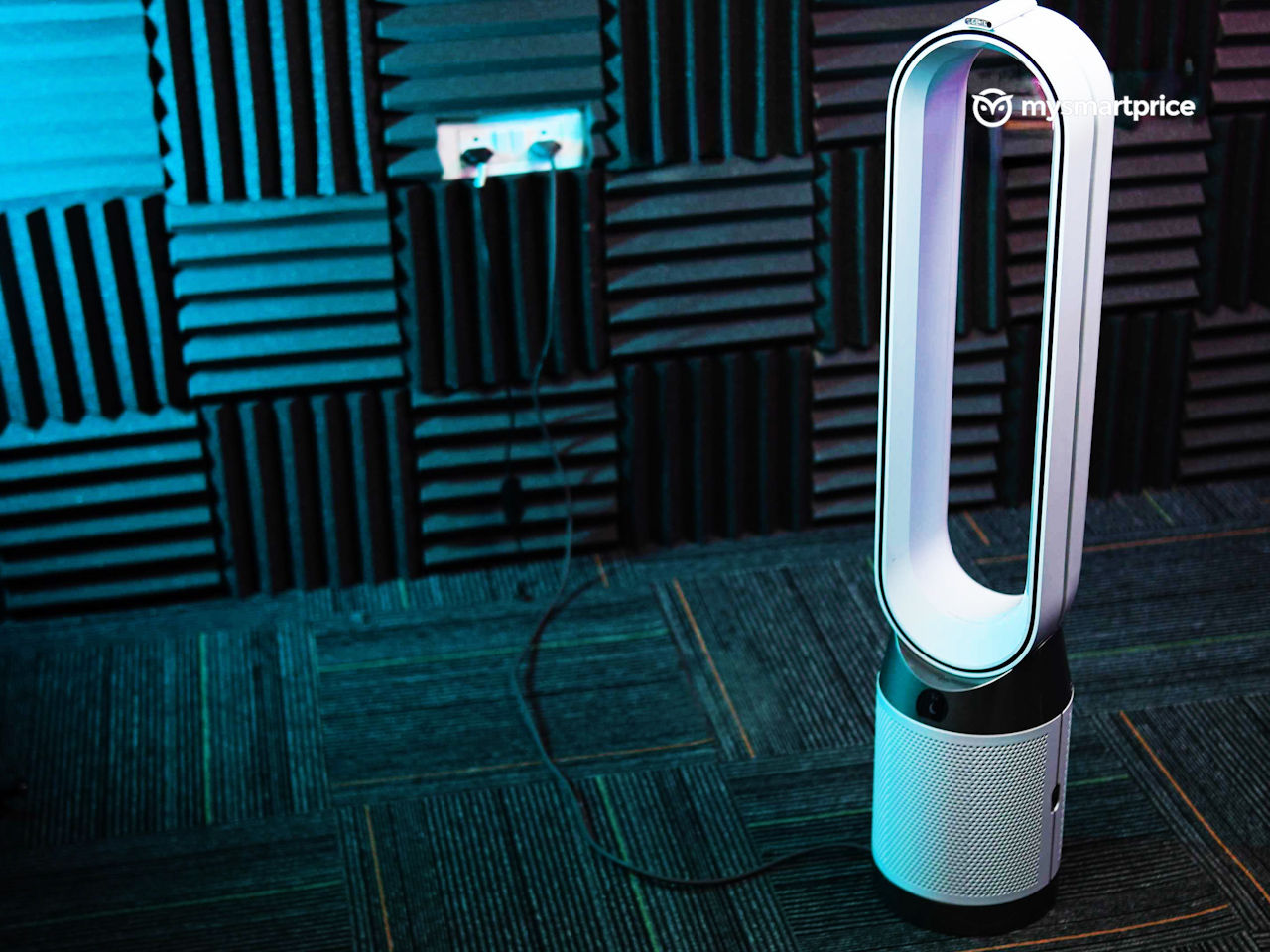
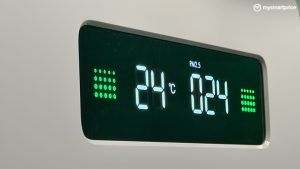
The TP10 features a clear LCD display that provides real-time air quality readings, including PM2.5 levels, VOC levels, and temperature. It is accompanied by a single on/off switch.
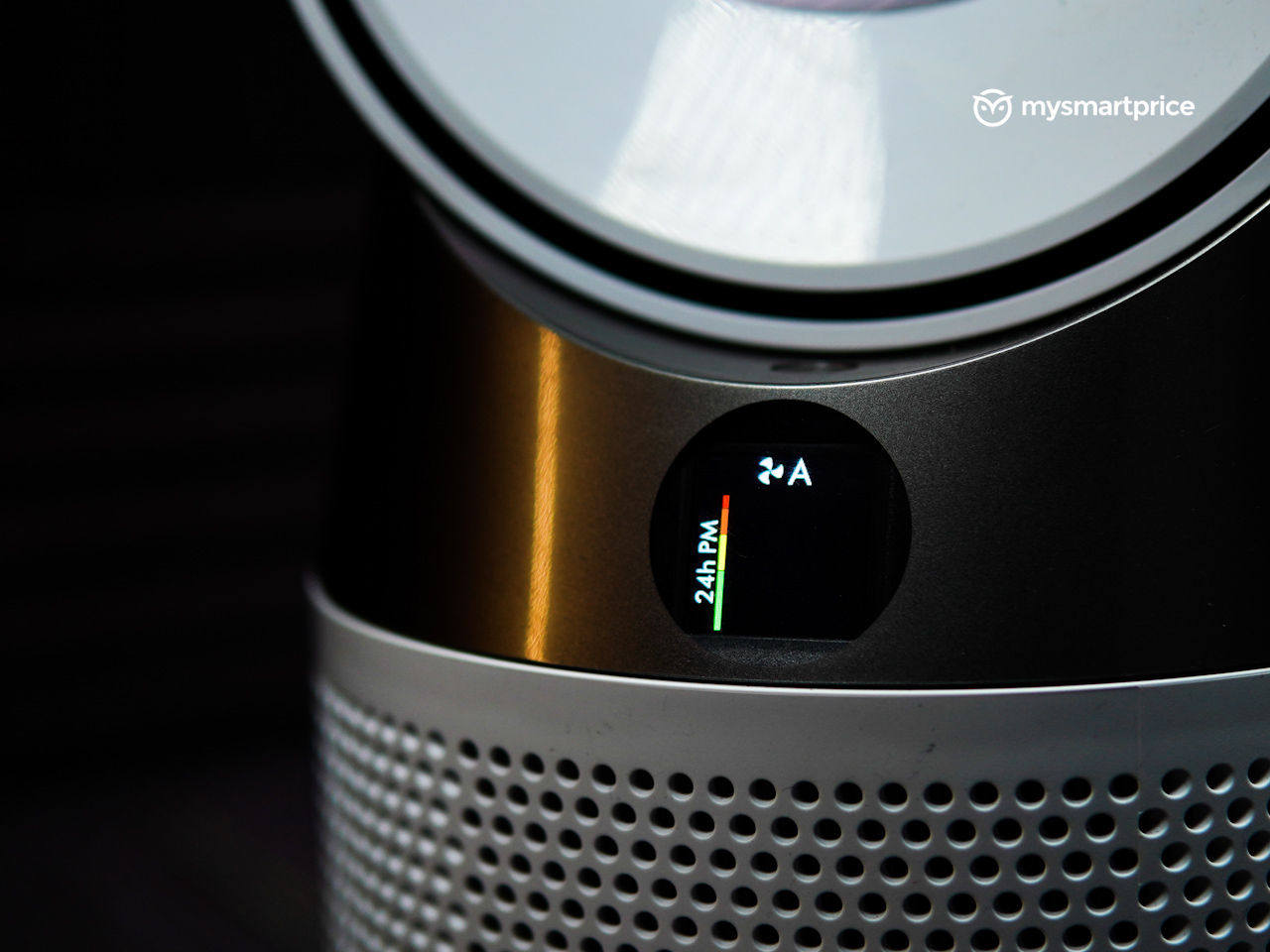
The TP10’s distinctive oval design is unmistakably Dyson, adding a futuristic touch. While the edge of the oval design can be used as a fan in the highest setting, it’s important to note that this can be quite loud. I often use it to focus and amplify the air of my air conditioner.
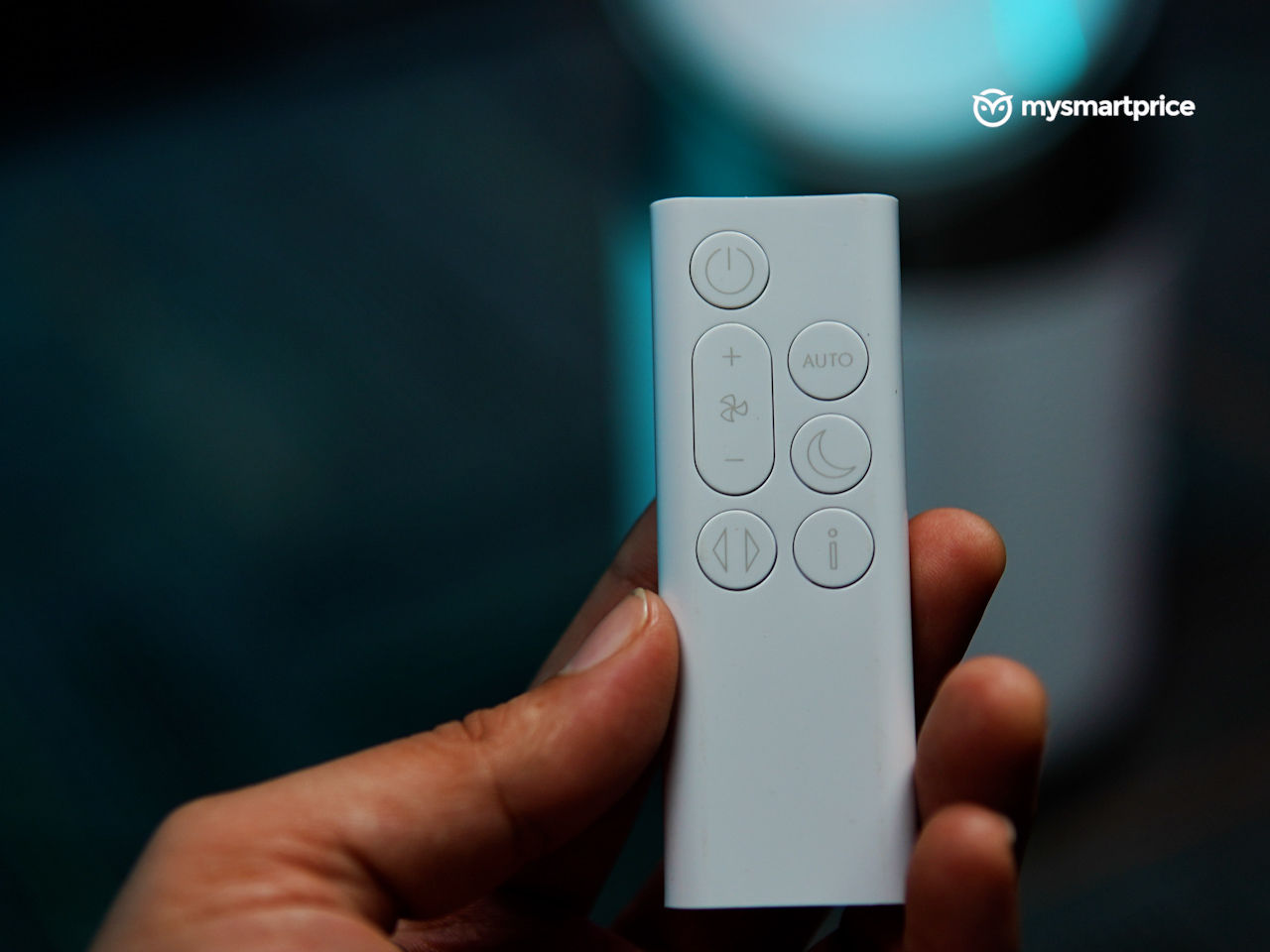 While the TP10 does come with a remote control, it also features intuitive physical controls on the top that allow for easy operation. These controls provide access to all essential functions, including fan speed, air quality settings, and timer. The remote control offers additional convenience, especially for users who prefer remote operation.
Dyson Purifier Cool Gen1 TP10 Air Purifier Review: Filters and Air Quality Testing
The TP10 comes equipped with 360° HEPA and activated carbon filters. Dyson claims that it can remove 99.95% of particles as small as 0.1 microns, while a layer of activated carbon removes odours and gases including VOCs. Further, it claims to cover an area of 871.87 sq ft.
To test TP10’s claims, we conducted a series of tests in our medium-sized, 297.5 sq ft room.
Before we proceed, here’s a quick glance at the key terminology used in our tests:
- TVOC (Total Volatile Organic Compounds): TVOC refers to a group of volatile organic chemicals emitted by various indoor and outdoor sources. These compounds can contribute to indoor air pollution and cause health issues such as headaches, dizziness, and respiratory problems.
- HCHO (Formaldehyde): Formaldehyde is a colorless, pungent gas that is commonly found in indoor environments. It is emitted by various building materials, furniture, and household products. Exposure to high levels of formaldehyde can cause irritation to the eyes, nose, and throat, as well as respiratory problems.
- PM2.5 (Particulate Matter 2.5): PM2.5 refers to tiny particles in the air that are smaller than 2.5 micrometers in diameter. These particles can penetrate deep into the lungs and cause serious issues such as heart disease, stroke, and lung cancer.
Corner placement test
In the corner test, we placed the Dyson Purifier Cool TP10 in one corner of the room. We then intentionally created dirty air conditions by lighting up incense sticks until the AQI reading reached 400. This ensured a challenging environment for the purifier to operate in. We made sure that the door wasn’t opened or closed after reaching initial test conditions to ensure stable readings.
The results were promising, with the purifier efficiently reducing PM2.5, HCHO, and TVOC levels. Here’s a breakdown of the test results:
| AQI | PM2.5 (µg/m³) | HCHO (mg/m³) | TVOC (mg/m³) | |
| Initial test conditions | 100 | 323 | 0.265 | 1.184 |
| After 25 minutes | 36 | 90 | 0.254 | 1.1 |
| Change | 64 | 233 | 0.011 | 0.084 |
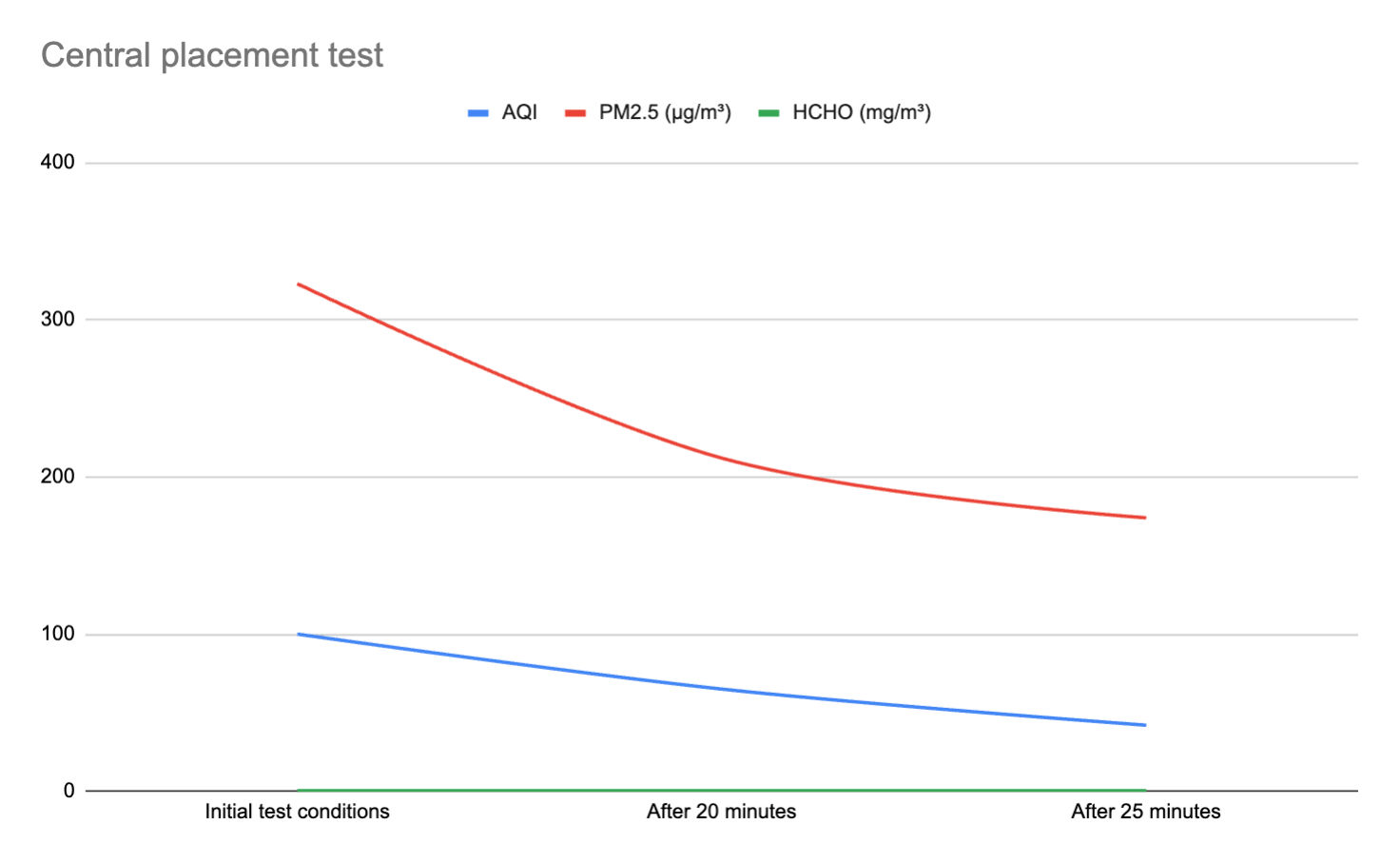
Initially, our instrument registered a reading of 100 AQI. After 25 minutes, the air quality improved, with an AQI of 36 and PM2.5 levels reduced to 90 µg/m³. However, formaldehyde and TVOC levels didn’t change much.
Centre placement test
In the centre test, we moved the Dyson Purifier Cool TP10 to the centre of the room and tried repeating the same dirty air conditions. Here too, we made sure not to open the door after reaching initial test conditions.
| AQI | PM2.5 (µg/m³) | HCHO (mg/m³) | TVOC (mg/m³) | |
| Initial test conditions | 100 | 303 | 0.309 | 1.412 |
| After 25 minutes | 42 | 106 | 0.254 | 1.317 |
| Change | 58 | 197 | 0.055 | 0.095 |
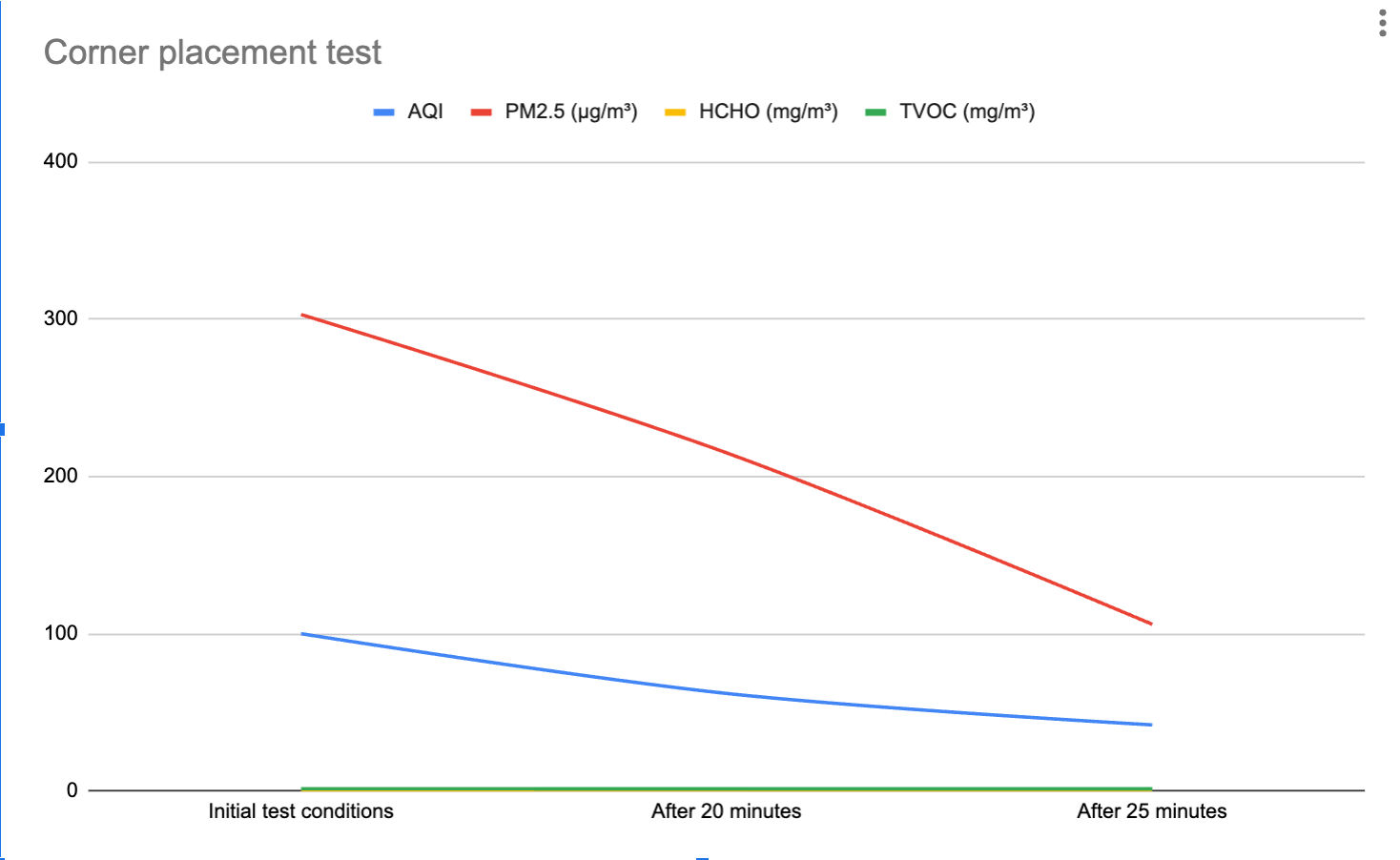 The TP10 performed similarly in the centre of our room as well. Usually, air purifiers work better when kept centrally, but because the TP10 has a unique 350° oscillating design, it manages to suck air even from the corners.
However, as is visible from the TVOC figures, we didn’t notice a significant elimination odour of the room.
Ease of Changing Filters & Cost
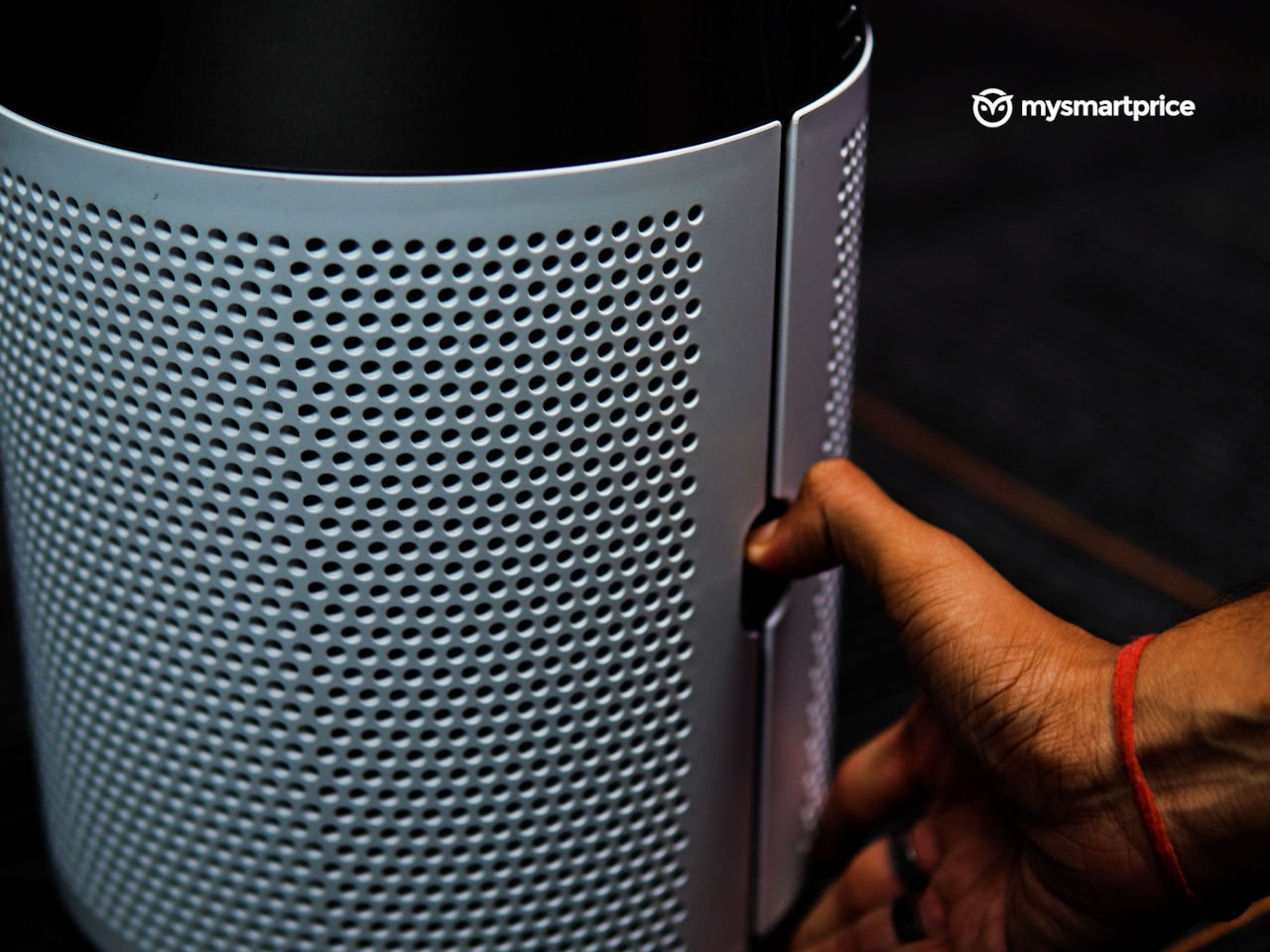
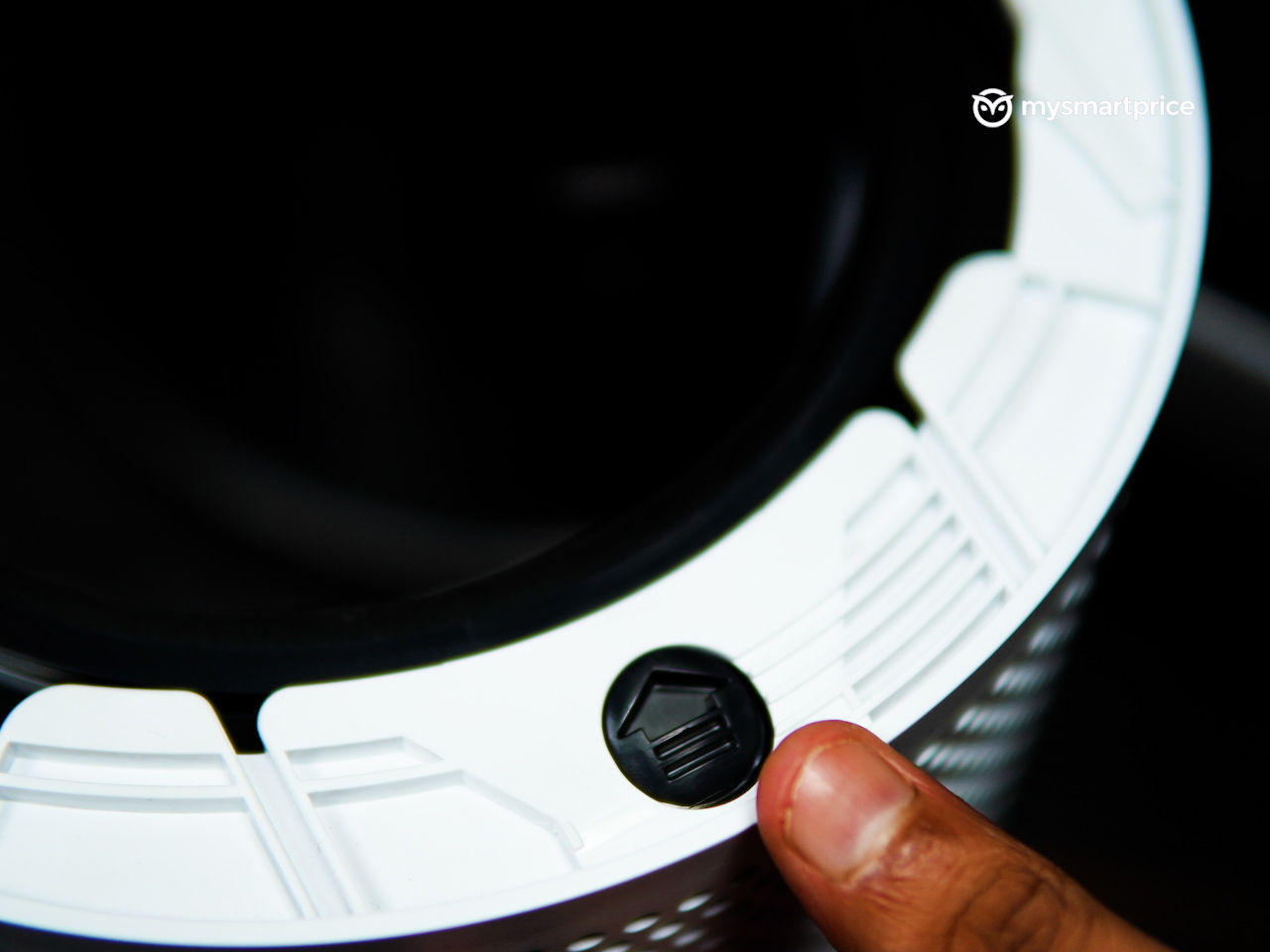
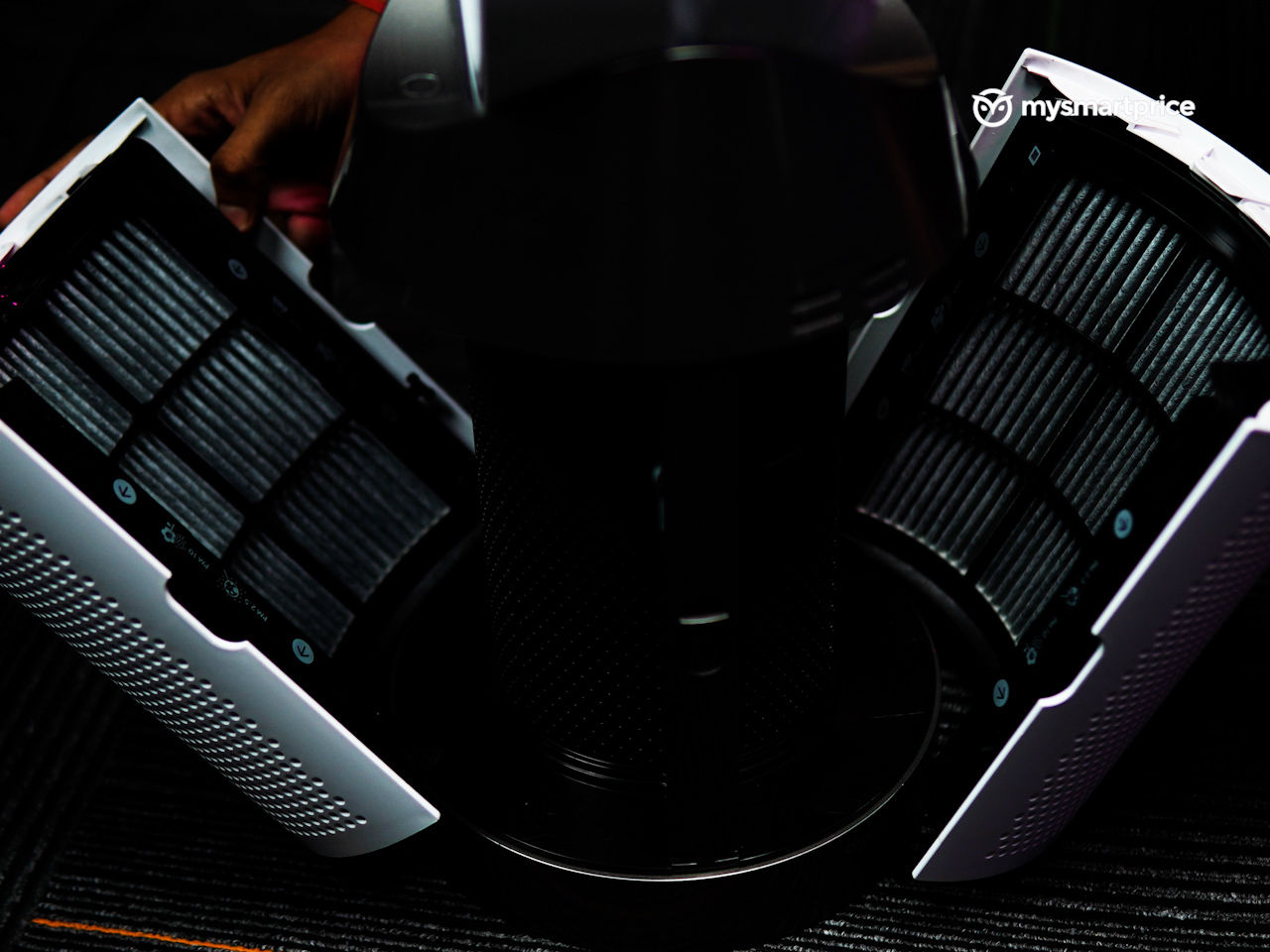
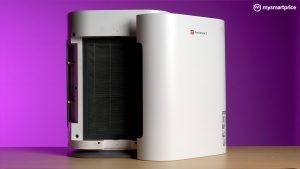
It took us exactly five steps to remove and replace the filters of the TP10. It doesn’t require any specialised equipment, and the dust doesn’t seem to spill out either, thanks to the clever design. The filter for the TP10 costs a substantial Rs 4,990 on Dyson’s website, roughly double the price of a Xiaomi filter.
Dyson Purifier Cool Gen1 TP10 Air Purifier Review: Noise Levels
While the TP10 is generally quiet in its lowest settings, it can become noticeable on higher fan speeds. The peak sound level is 56.7 dB, which might be considered loud for some users. However, the minimum sound level of 39.2 dB is suitable for most environments, especially during sleep.
Dyson Purifier Cool TP10 gen 1 Air Purifier Review: IoT Integration and Features
The TP10 pairs up with the MyDyson app to your phone. Unfortunately, it lacks any kind of IoT integration. This means it cannot be controlled or monitored remotely using a smartphone app. There is also no support for smart assistants like Google Assistant or Amazon Alexa. The content app helps you get familiarised with the product, check the product’s serial number and troubleshoot any issues.
Dyson Purifier Cool Gen1 TP10 Air Purifier Review: Verdict
The Dyson Purifier Cool TP10 is a capable air purifier that delivers on its promise of clean, cool air. Its powerful filtration system, effective performance, and sleek design make it a valuable addition to any home. While the lack of IoT integration might be a limitation for some, its overall performance and build quality make it a worthwhile investment.
The air cleaning performance of the TP10 is good, although it may not be as extraordinary as some other models on the market. It excels as a multi-functional device, combining style, fan capabilities, and air purification. If you are seeking an air purifier which serves these purposes, the TP10 is definitely worth considering.
The TP10 clearly reinforces Dyson’s design-first philosophy while signalling a push toward more approachable pricing. In a market that’s now crowded with smart, budget-friendly purifiers, Dyson’s focus on craftsmanship, build quality, and dependable performance keeps it relevant. For many buyers, the TP10 is not just about cleaner air, it’s an entry point into the Dyson ecosystem, offering a taste of the brand’s signature engineering without the premium price tag of its flagship models.
Note: Shubh Bhushan conducted the AQI, TVOC, PM2.5 and HCHO tests with calibrated equipment along with the author for this review.