The ceiling fan was first conceived by Philip Diehl in 1889. However, over 136 years, the simple task of adjusting its speed has burdened the Netflix-before-necessity tribe of today’s generation so much that the development of its smart version was inevitable.
What began with remote-controlled ceiling fans has now evolved into Wi-Fi-enabled, app-integrated, voice-controlled marvels. From Amazon to your local store, you’ll find no shortage of smart ceiling fans claiming to be your next upgrade. But here’s the catch: they typically cost 25–30% more than a regular remote-controlled fan.
One must wonder whether to achieve financial savings by investing in a remote-controlled fan or prioritise convenience over cost savings with a smart fan. I found many people looking for a fan who were plagued with the same dilemma. So I thought of sharing my experience of using both, and documenting everything I learnt while living with them.
What Makes a Fan ‘Smart’?
The smart ceiling fan sounds cool in theory; however, it is a regular fan with IoT-enabled features. Companies like Atomberg and Crompton are heavily advertising their smart fan lineup and even offer an app that enables users to remotely control their home appliances, eliminating the need for physical presence.
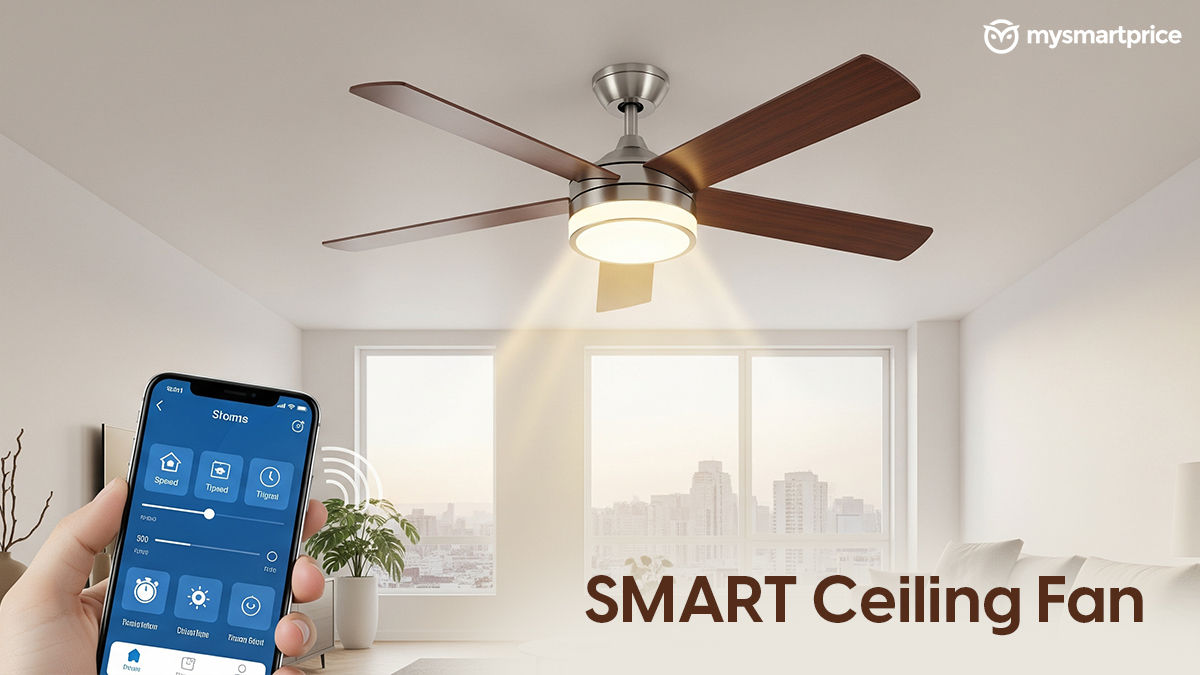
These app-connected fans let you schedule usage, track energy consumption, and even respond to Alexa, Google Assistant, or Gemini. They function much like the AI-powered ACs ads that we have seen, allowing you to start the fan even before you get home, ensuring that the room is slightly cooler by the time you enter.
Some of these fans also let you build routines using apps like IFTTT. So if you’re the kind who sets up “When I walk in, turn on the lights and the fan” automations, this is your playground.
Where Remote-Controlled Fans Still Shine
But smart isn’t always simple. When it comes to everyday use, especially in homes with older adults, a good old remote-controlled fan often works better. These are much easier to explain, and the controls are right there. They have simple buttons, no app downloads, no passwords, and no missed firmware updates.
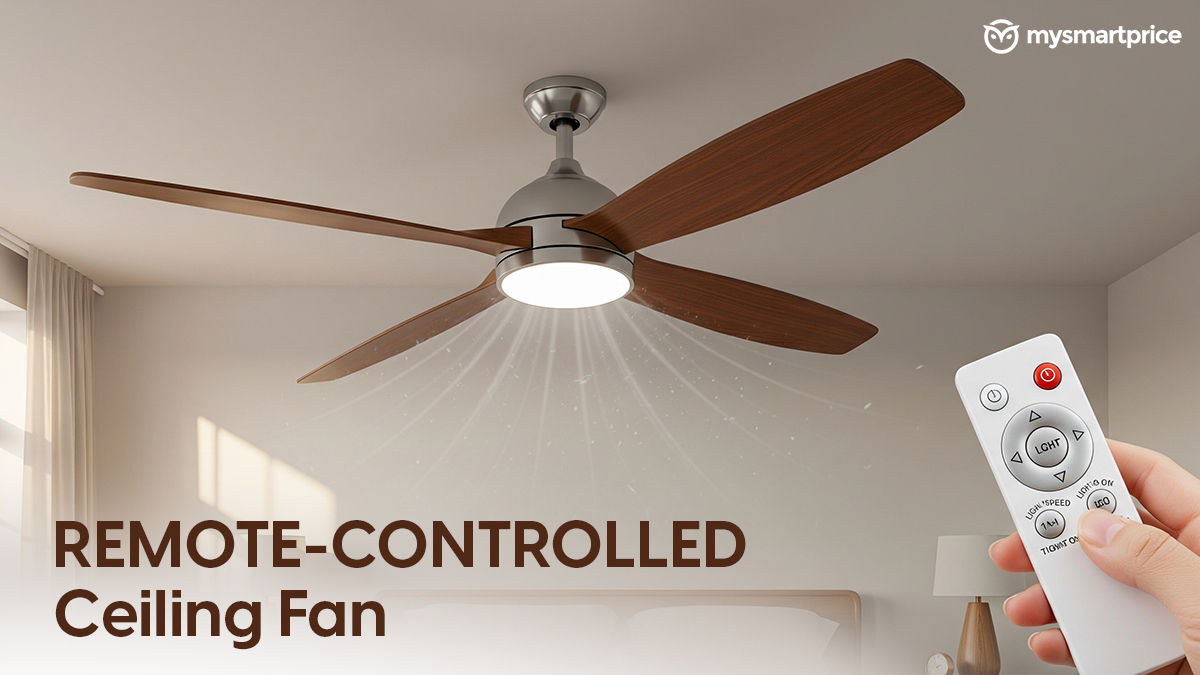
My parents, for instance, love our remote-controlled fan. It lets them adjust the speed or set a sleep timer without getting out of bed. And honestly, that’s all they really need. They’re not interested in talking to Alexa or checking how many watts the fan used last night. They just want something that works, every time, without fuss.
Let’s Talk About the Motor and Why It Matters
Whether you’re choosing a smart fan or a remote-controlled one, chances are it runs on BLDC technology. That’s Brushless DC motors, for the uninitiated. This isn’t just marketing jargon; BLDC fans use 60% less energy compared to traditional induction motor fans. They’re quieter, more durable, and maintain performance even during voltage fluctuations.
Installation is easy, and you won’t need any special wiring or hardware. But if you’re on a tight budget, it’s worth remembering that old-school induction fans are still around. They’re cheaper, and every neighbourhood electrician knows how to fix them. BLDC fans, while efficient, may require brand-specific parts or customer support if something goes wrong.
Convenience vs Cost: The Everyday Trade-Off
So which one’s right for you? A smart fan, hands down, offers more features. I’ve used one that lets me set a schedule from my phone, and even dim its built-in LED when I’m half-asleep. The voice control was a nice bonus, especially when I had my hands full and just wanted to turn the speed up. But those features come at a cost.
Comparing Atomberg’s Efficio Alpha and Renesa Smart
| Efficio Alpha | Renesa Smart | |
| Blade length | 1200mm | 1200mm |
| Voltage | 165 – 285 V | 165 – 285 V |
| Air delivery (CMM) | 230 | 235 |
| Speed | 365 RPM | 360 RPM |
| Weight | 4.7 Kg | 3.5 Kg |
| Features | Boost speed, Sleep mode, Timer mode, and LED lights | In-app control, In-app voice command, Bluetooth control, Guest mode, and Performance analytics |
Take Atomberg, for example. Their Efficio Alpha, a remote-controlled fan, sells for ₹2,799. Meanwhile, the Renesa Smart, which adds app support, voice integration, and performance analytics, costs ₹3,999. On paper, both of them have similar specs: same blade size, nearly identical speed, just a 5-point CMM difference in air delivery. And the price difference between them is ₹1,200! That is the premium that you are paying entirely for the convenience of smart control.
You know, the biggest irony in this case is that most smart fans still come with a remote. So, unless you’re going all-in on smart home automation, you might not end up using the app as often as you think. Also, having different fans from different companies means you need to have many more apps on your phone. I feel this makes much more sense for a large appliance where you can have all large appliances from one brand, like LG or Samsung, and then use the app to control your refrigerator, AC and washing machines, but having gadgets from different brands means having so many more user interfaces to toggle to get things going.
The Modern Fan Dilemma: Smart Control or Remote Simplicity?
From a convenience standpoint, a smart ceiling fan is considered a gold standard for tech-savvy consumers. Once connected to an app and Wi-Fi, it can be controlled remotely from anywhere in the world.
Let’s imagine you are returning home, soaking wet and eager to walk into a breezy house. All you need to do is schedule the activation time of your fan on its app, and voila, your adobe will cool down before you even step inside. Its app also lets you track the energy consumption if you want to.
When I Lost My Remote… and Other Small Realisations
There’s one thing remote-controlled fans don’t prepare you for: the anxiety of misplacing the remote. When that happens—and it does—you realise you’re stuck. Unlike smart fans that offer a fallback via the app, remote-only models leave you scrambling. I’ve had to unscrew the regulator from the wall and fiddle with the wiring just to get through a few days until the replacement arrived.
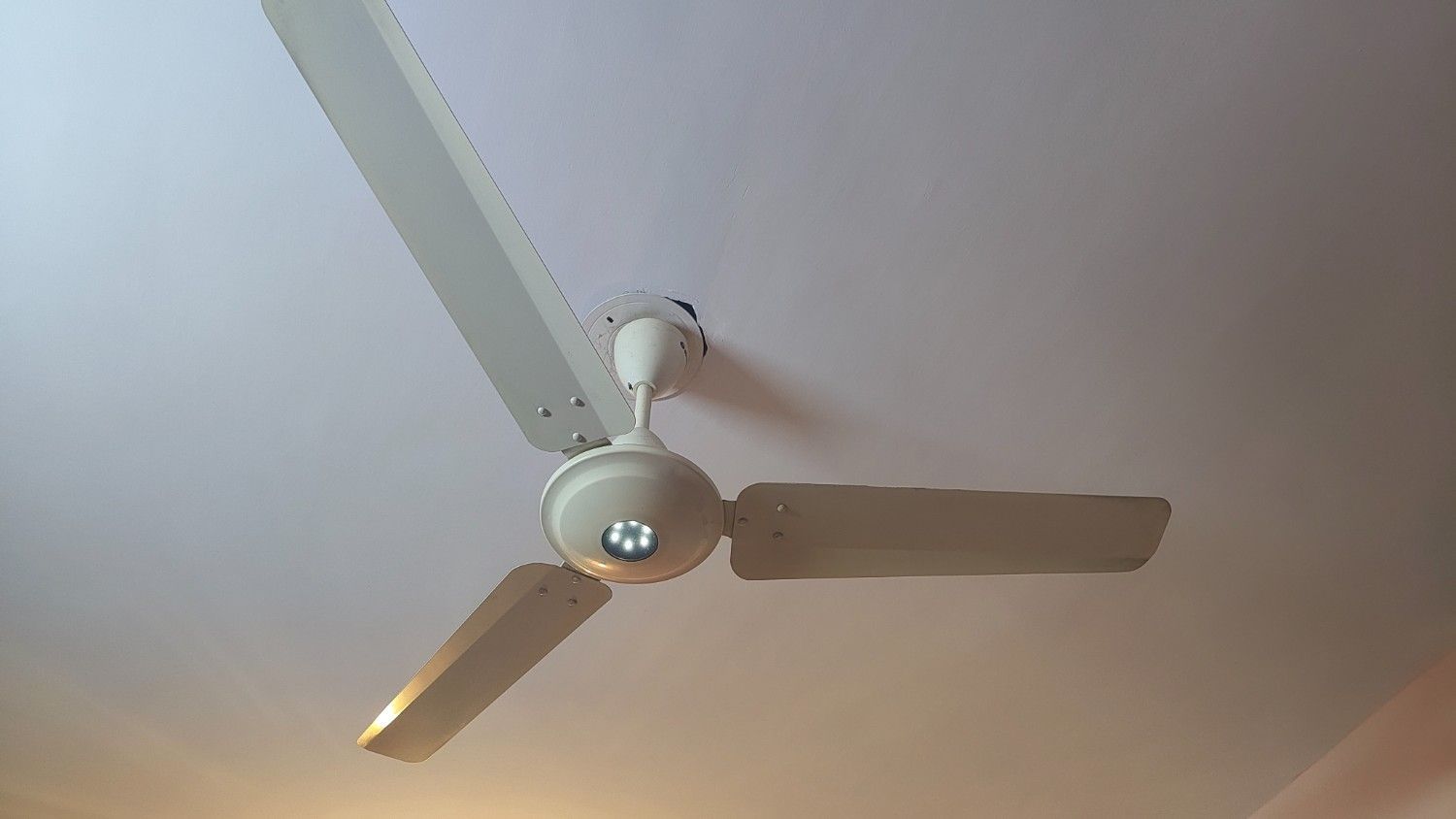
It made me realise how fragile our modern comforts really are. At least smart fans give you a Plan B.
Between the Two, Here’s What Makes Sense
If you’re building a smart home or just love the idea of tweaking settings from across the city, smart fans make sense. They’re not prohibitively expensive, and once set up, they offer flexibility that remote-only fans can’t.
But if you want something dependable, familiar, and budget-friendly, a remote-controlled fan still ticks all the right boxes. It’s perfect for family homes, elder-friendly, and requires no tech learning curve. In the end, it’s not really about which one is better. It’s about what you need more, between automation or assurance.
Additionally, as someone who has invested a significant amount of time in smart fans, here are three fans that reflect what’s available across various brands.
Various Smart Ceiling Fans Available in the Market
- Air Delivery (CMM): 235
- Speed: 360RPM
- Voltage: 165 – 285 V
- Wattage: 35 Watts
- Price: Rs 3,999
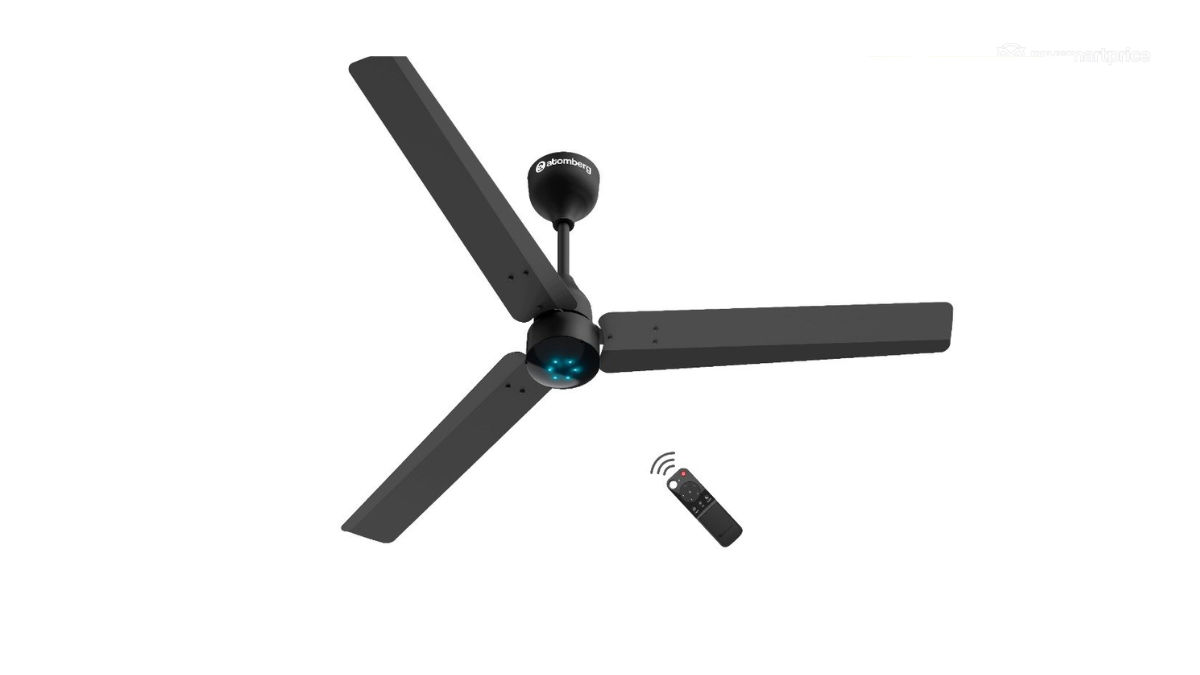
Thanks to heavy IPL advertising, Atomberg’s smart fan range has become hard to miss. For tech-savvy users, the Renesa Smart feels like a logical pick. I’ve personally liked how its overall design strikes a nice balance. It’s clean and minimal without looking too plain, and the subtle LED indicators add just the right amount of character. They’re functional too, doubling up as speed indicators and a soft night light. It runs on BLDC tech, which not only cuts down energy use by up to 65% (as claimed by the brand) but also keeps performance steady even during voltage dips. That kind of consistency makes a difference, especially in homes where power fluctuations are common.
- Air Delivery (CMM): 220
- Speed: 370RPM
- Voltage: 120V – 280V
- Wattage: 28 Watts
- Price: Rs 4,699
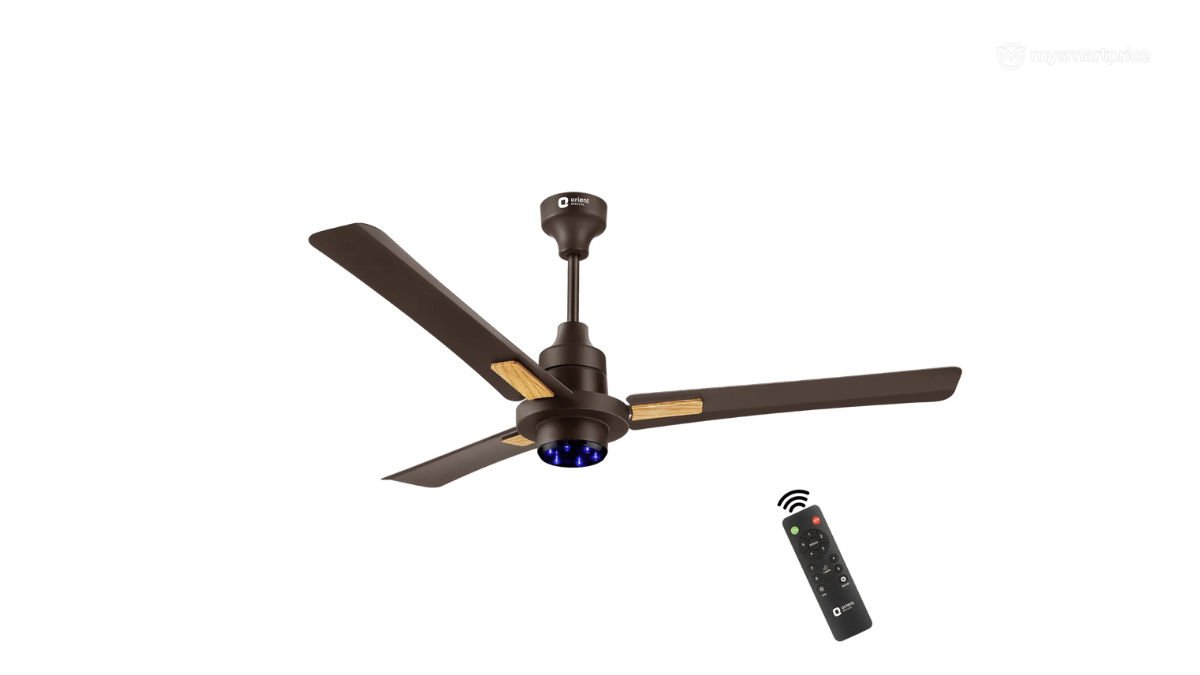
If you’re someone who prefers a fan that blends old-school charm with modern functionality, the Orient Tome Smart stands out. Its design leans slightly vintage, but there’s just enough of a modern touch to make it work in a contemporary home. Like the Renesa Smart, it features LED indicators that display the speed and also serve as ambient lighting. What I found particularly useful, though, is how well it handles voltage fluctuations. It’s built to run smoothly even when the power supply isn’t stable, and thanks to its efficiency, it lasts significantly longer on inverter backup than traditional induction fans.
Crompton Energion Hyperjet smart
- Air Delivery (CMM): 220
- Speed: 350RPM
- Wattage: 35 Watts
- Price: Rs 2,999
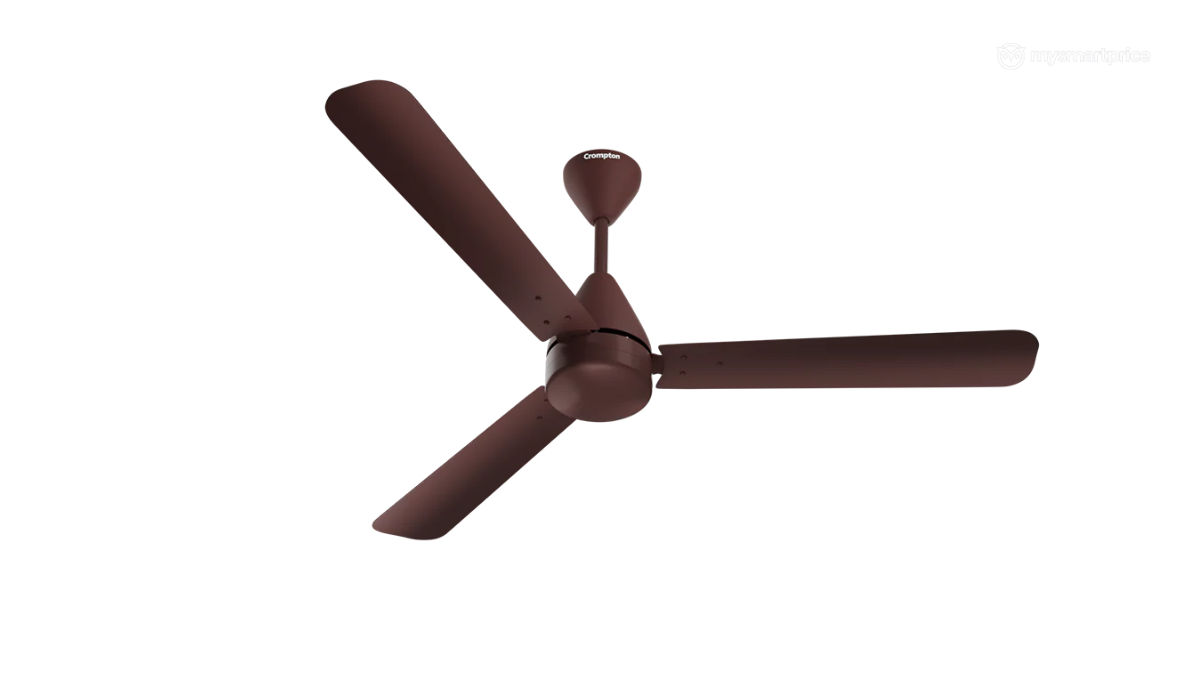
The Crompton Energion Hyperjet Smart feels like a solid choice if you’re after something that fits into a modern, minimal home without drawing too much attention. Its powder-coated aluminium blades not only look sleek but are also anti-rust and built to last, which is a big plus in humid cities. Like most fans in this segment, it runs on BLDC technology. That translates to lower power bills, quieter operation, and better long-term durability.