Air fryers have gone from niche to necessary in most Indian homes. Whether it’s to cut back on oil, speed up your evening snack routine, or just avoid reheating samosas in the microwave, it feels like everyone has one now. But what started as a compact countertop gadget has quickly become a confusing market with way too many choices from too many brands. If that was not confusing enough, there are also brands like Inalsa that have a lot of options in a similar price range, making things even more complicated.
Inalsa Tasty Fry DW 5.5
4595.00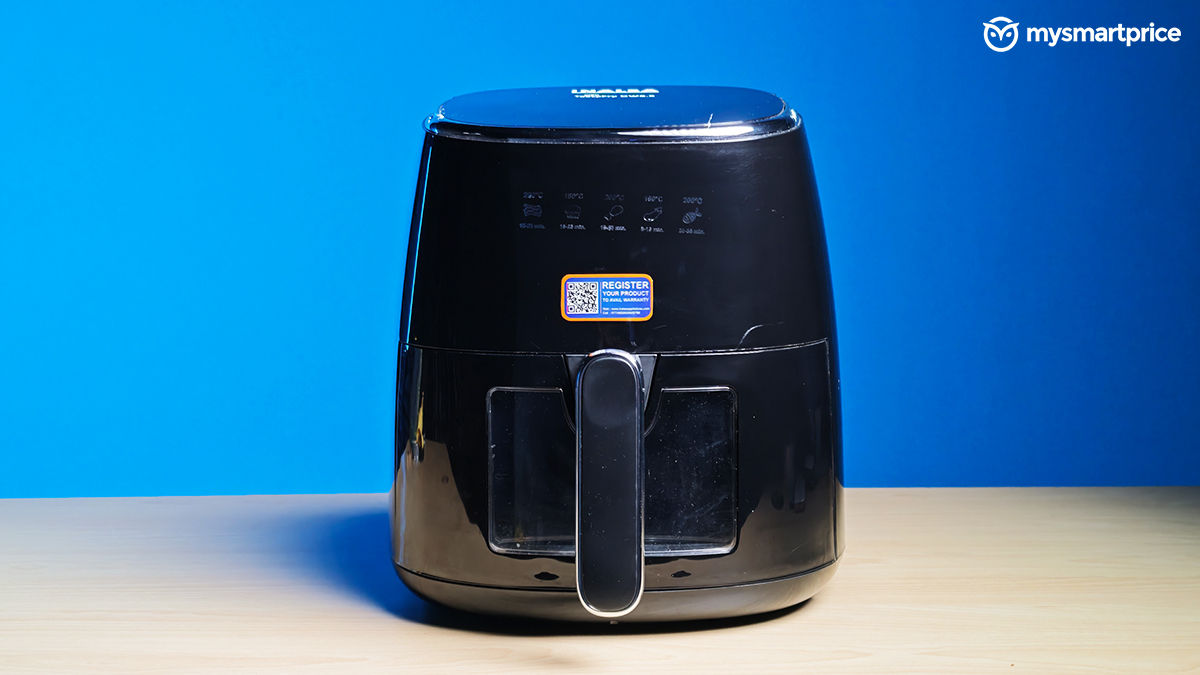
What Is Good?
- Sleek, modern design with touch controls
- Larger 5.5L capacity fits more food in one go
- Touch interface allows more precise temp/time settings
- Energy efficient
- Display Window to monitor progress
What Is Bad?
- Attracts smudges
- Touch panel is inconsistent;
- Uneven cooking
- Customer support experience was poor
This is the first thing that I noticed about Inalsa is that they have no shortage of options. There’s a 4.2L version priced at over ₹5,400, a couple of 5.5L models under ₹4,500, some with transparent windows, others without, and all of them with slightly tweaked model names and inconsistent feature lists. It took a while to even figure out which one was the most popular.
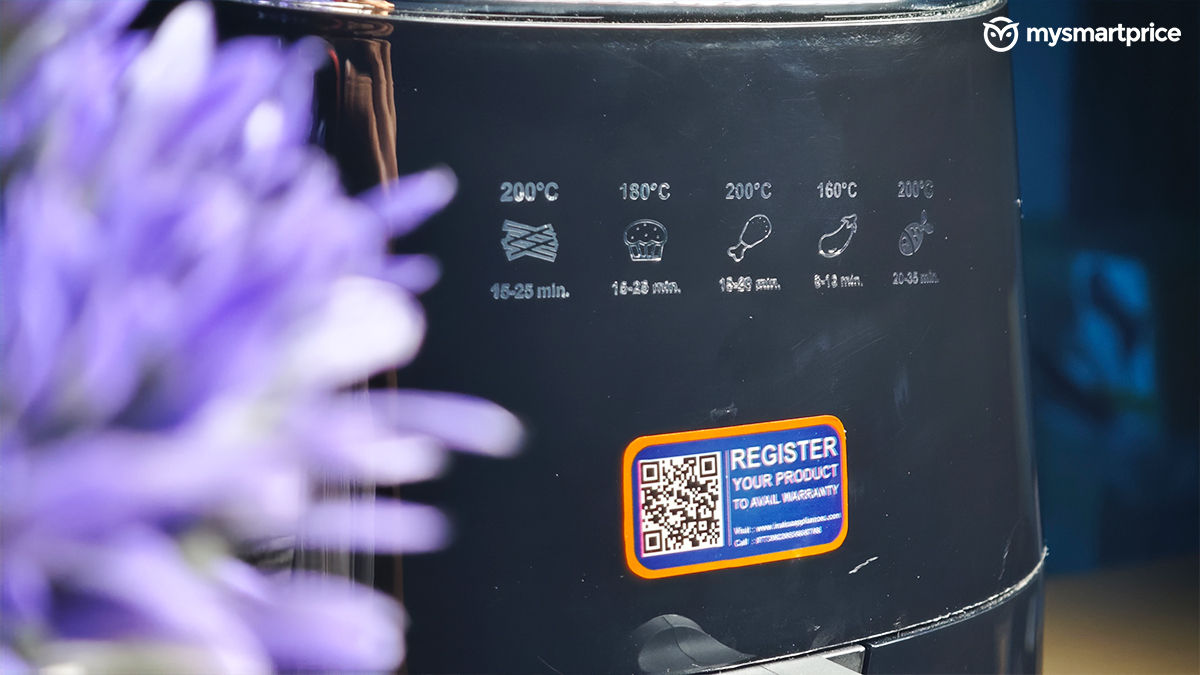
Eventually, I settled on the Inalsa Tasty Fry DW 5.5L, which seemed to have the sleekest design and most positive reviews. At first glance, it looks much more modern than the Philips Air Fryer (review) in the same price range, with its glossy black finish, touch controls, a digital panel, and a show window. But as I soon discovered, looks can be a bit deceiving when it comes to actual performance and support.
Here’s what worked, what didn’t, and why this one might be a case of good value but imperfect execution.
What You Get in the Box
-
Air fryer unit
-
Cooking pan
-
Food separator
-
Instruction manual with warranty
-
Recipe booklet
Design and Controls
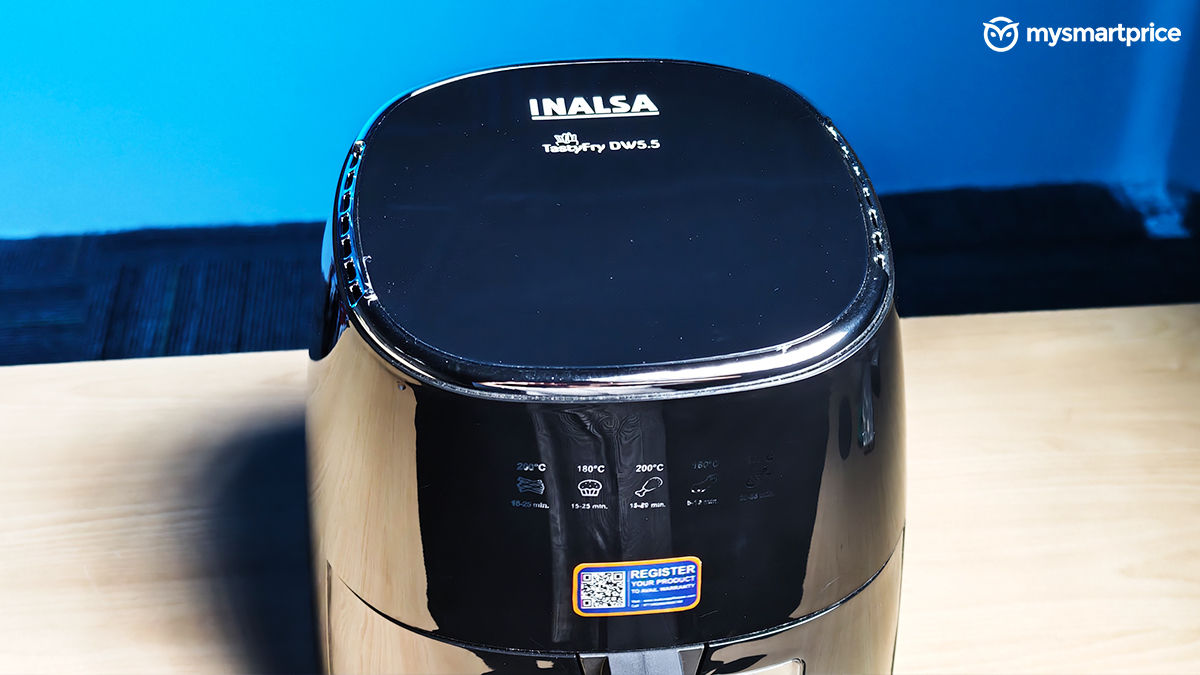
The glossy black body gives it a modern look, but also makes it prone to smudges. As soon as we started using it, there were greasy stains all over the body, and the top panel was very hard to keep clean. This is partly because the top has capacitive touch controls, and you have to keep fiddling to get things going. I would also like to highlight that this touch panel was something that I was most excited about in this air fryer, and it was also a source of frustration. On the plus side, setting precise temperatures and times is easy once you get the hang of it. However, the panel can be tricky to operate. The reason I say this is that it’s not very responsive, and there is a significant learning curve involved in setting the temperature and time, as well as getting the presets to work. At first, I thought this was a faulty unit and even lodged a complaint.
Speaking of which, the customer service was underwhelming. We lodged a complaint on July 30, got a call the next day, but the technician never showed up for the scheduled visit despite repeated follow-ups. It was a disappointing experience that left a poor impression.
Performance and Maintenance
At 1600W and 5.5L, this model seems like a better value on paper than the Philips. But in practice, it was a bit hit-or-miss.
-
Fries: Cooked as per pack instructions (200°C, 17 mins). The ones at the bottom were nicely crisped, but those near the front of the tray were noticeably softer. You’ll need to shake or rotate mid-way for best results.
-
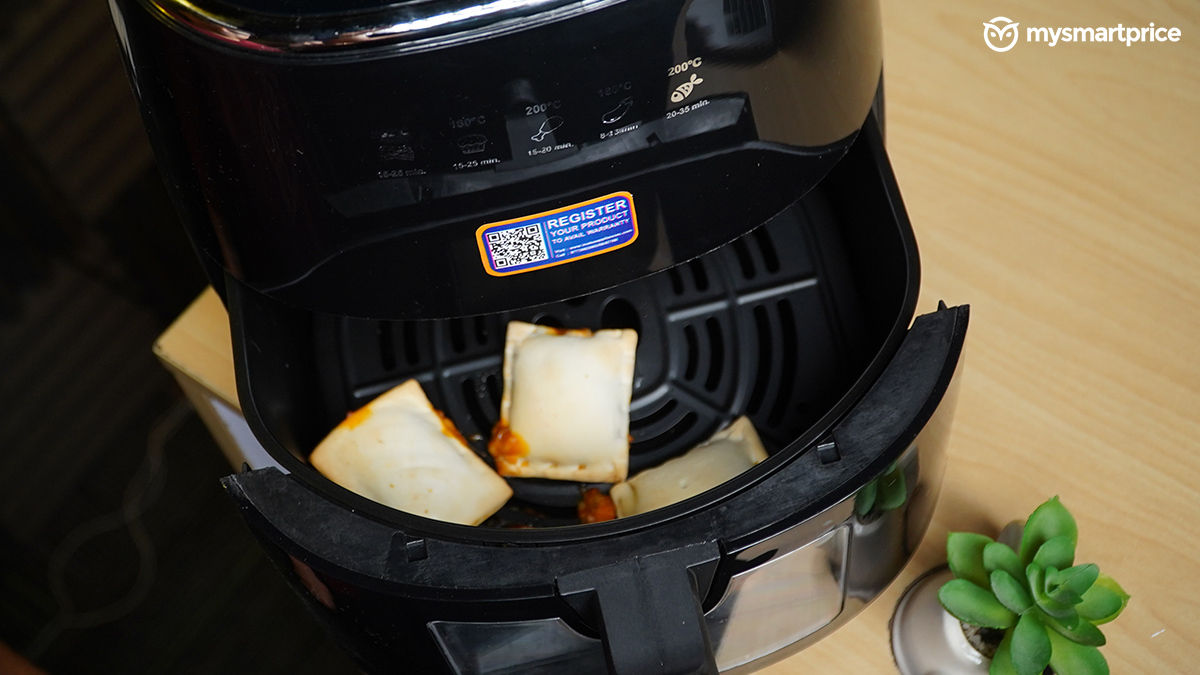
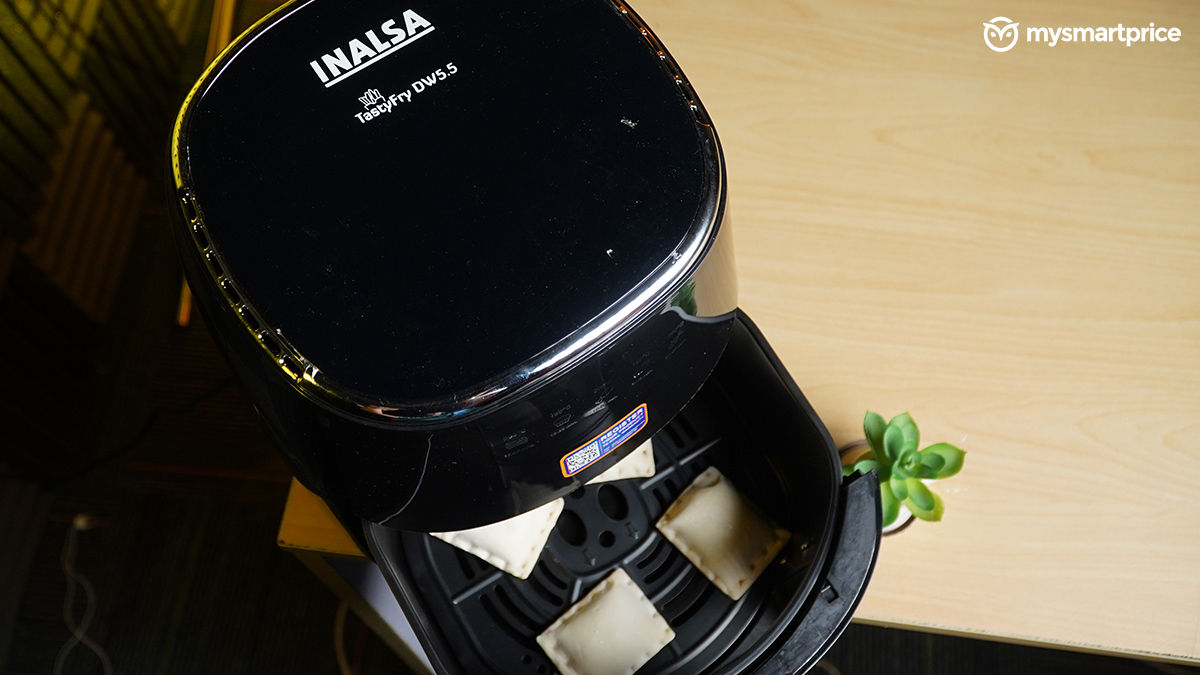
Pizza Pockets: Despite being cooked through, they looked very pale and almost raw, and the filling oozed out more than expected, creating a mess in the tray.
-
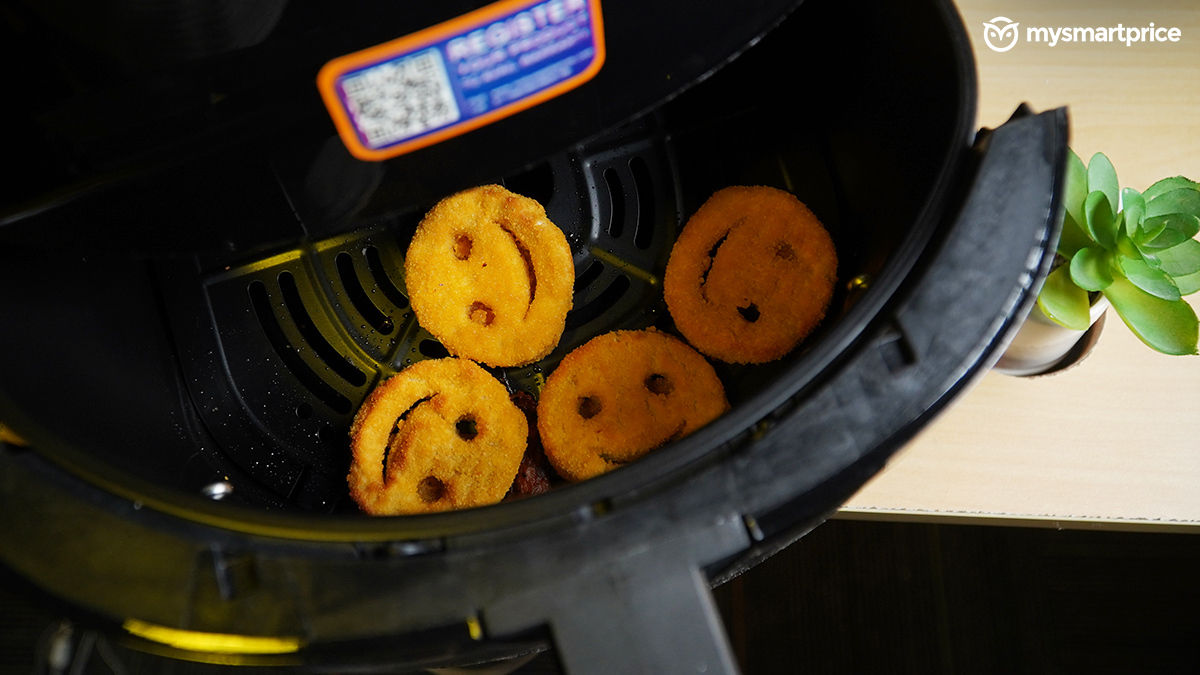
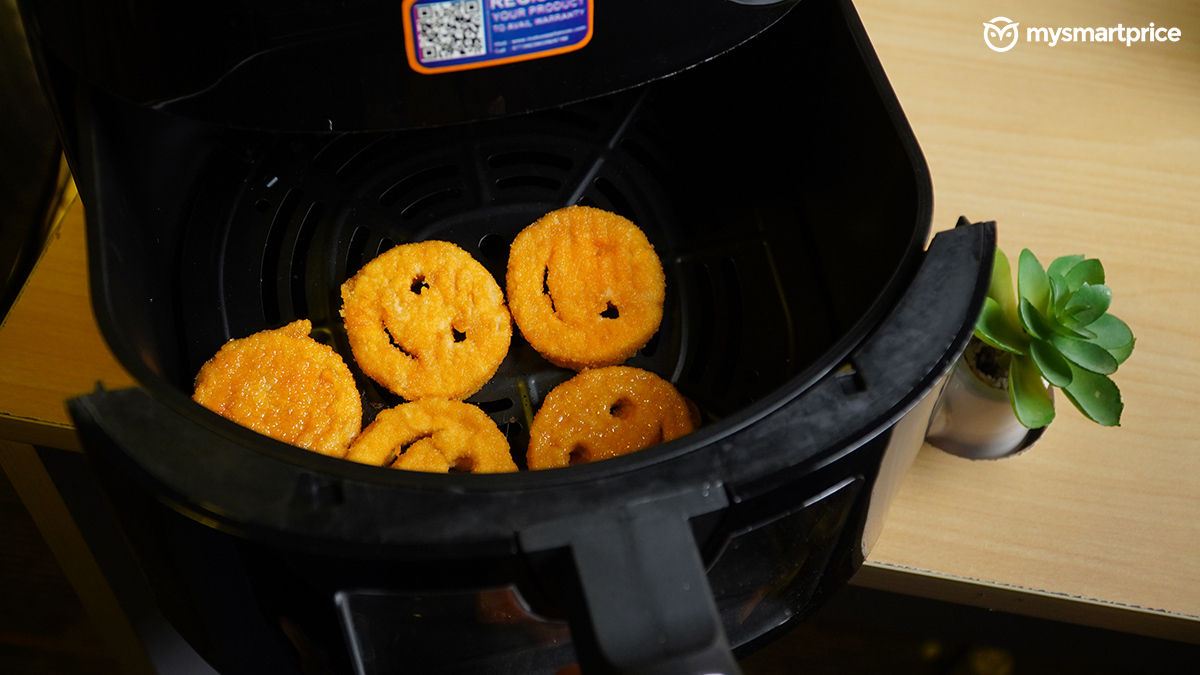
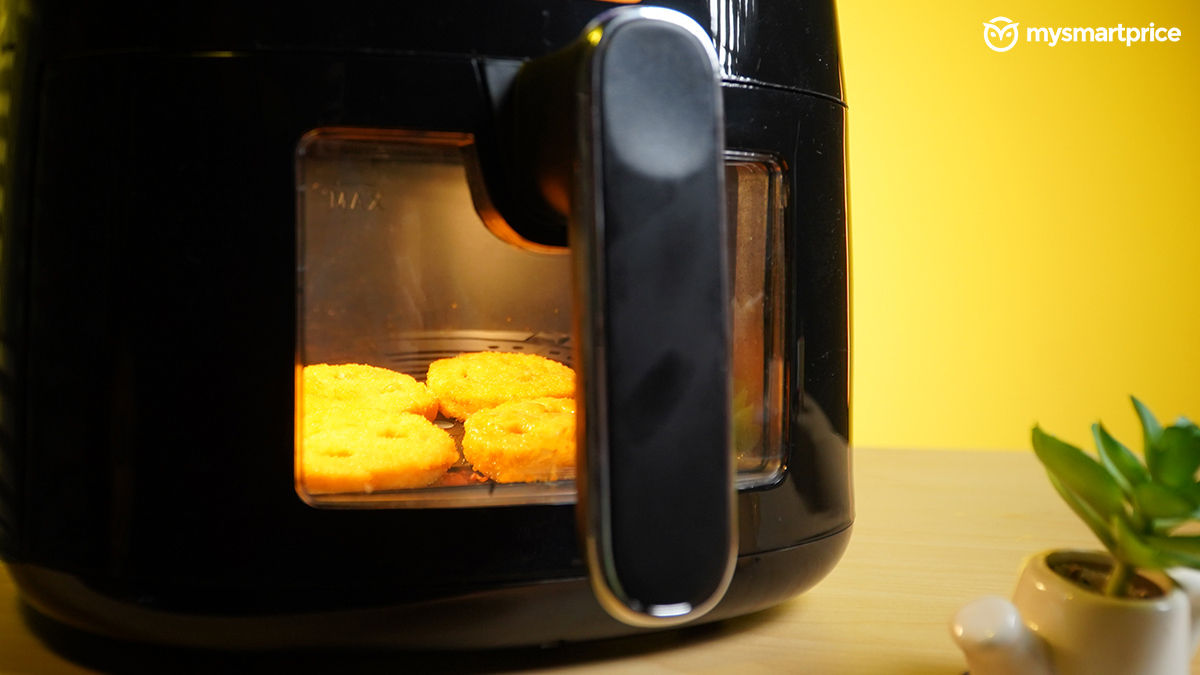
Chicken Nuggets: These were the star performer in this air fryer as they turned out perfectly crisp, evenly cooked, and got done really quickly.
-
Reheating Kachori: This was also surprisingly good. At 180°C for 2 minutes, the kachori was warm, crunchy, and tasted fresh again.
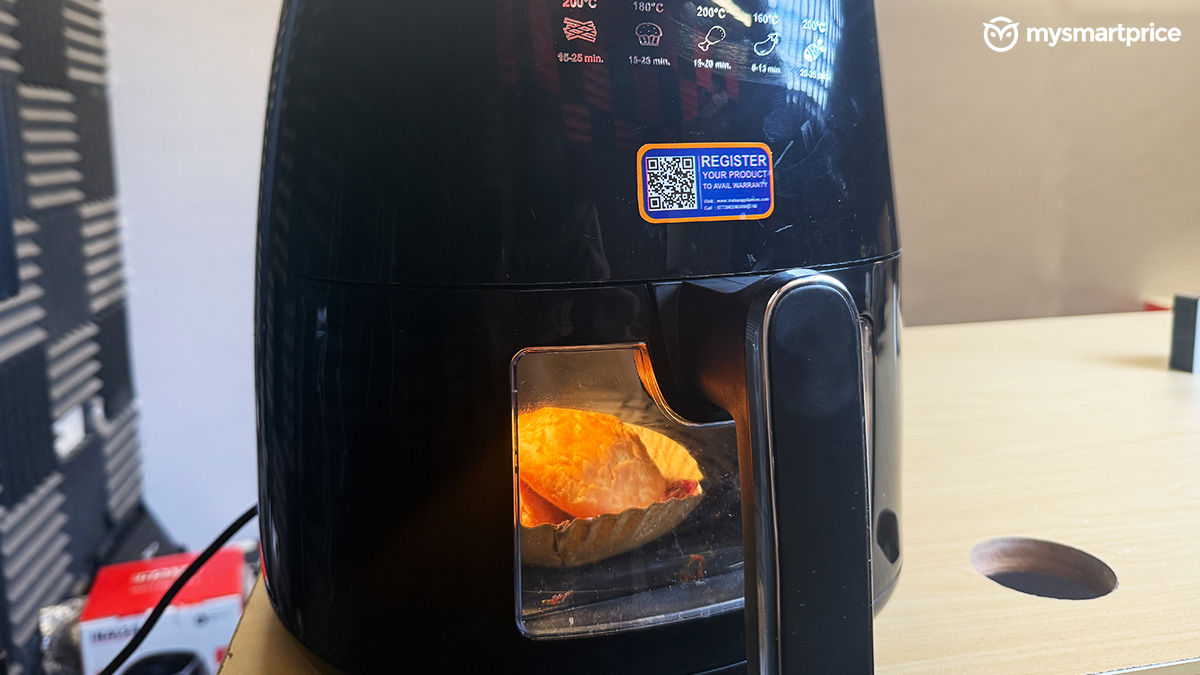
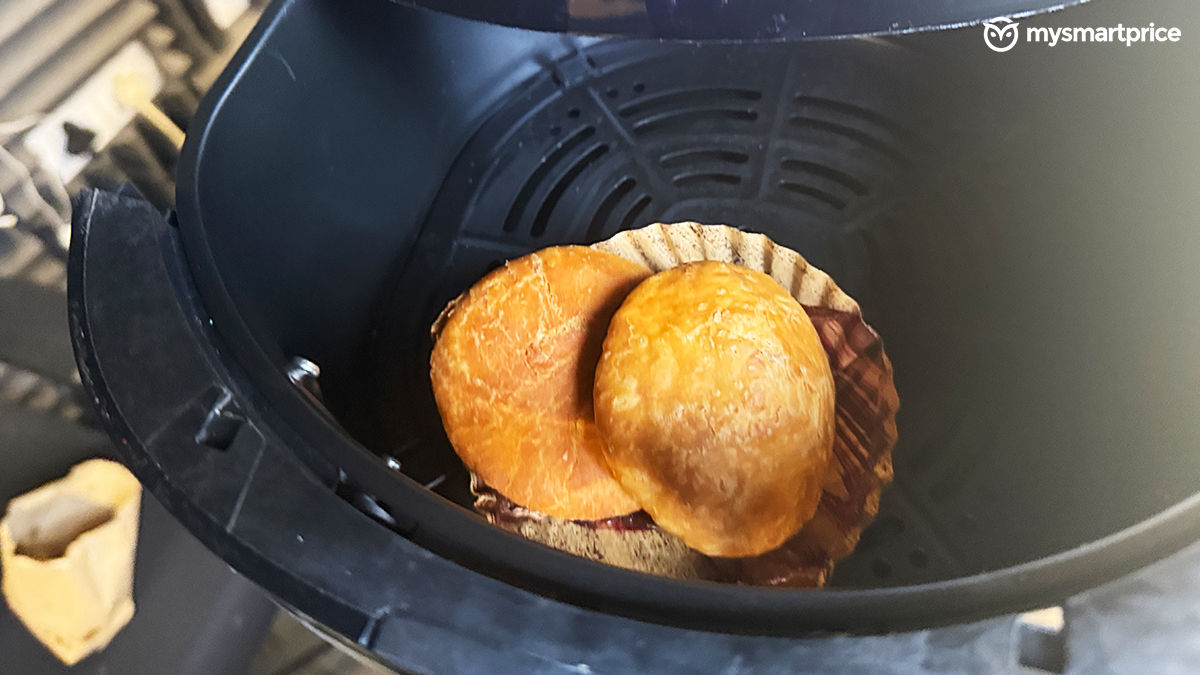
The viewing panel was a neat touch. After using this, I can say that visibility makes a real difference in day-to-day use. It allows you to notice if the food is done without having to open the cooking pan again and again. Moreover, you can also see if things are getting heated up and avoid your food from getting charred. While it was satisfying to see my food getting cooked, half of the time I was confused why things were not moving inside, much like in a microwave.
Cleaning the Inalsa air fryer was fairly straightforward. Like most models, the basket and pan can be removed and washed easily under running water. However, the glossy exterior tends to pick up fingerprints and smudges quickly, so if you’re particular about how your appliances look, you might find yourself wiping it down more often than usual.
Electricity Use
We clocked the following usage:
-
0.11 kWh for 15 minutes (Inalsa)
-
0.23 kWh for 15 minutes (Philips)
So while Inalsa was more energy efficient, the Philips was faster and more even in cooking.
What works and does not work
The Inalsa 5.5L air fryer is great on paper! It has a bigger basket, more power, and modern touch controls than some of the similarly priced options in the market, but lacks polish in execution. The customer service experience was a letdown, and the inconsistent heating means you’ll need to monitor your food more closely. If you’re looking for more capacity at a lower price and are okay with a bit of a learning curve, it’s worth a shot. But don’t expect the same reliability or finesse as something like the Philips. If you need more information regarding how to pick an airfryer, you can find the link to the same here.