The Native M2 Pro is Urban Company’s premium water purifier, built around a more connected ownership experience. Alongside RO purification, it offers app-based monitoring, preset dispensing, live tank visibility and detailed tracking of filter and system health.
Native M2 Pro
Rs 18,699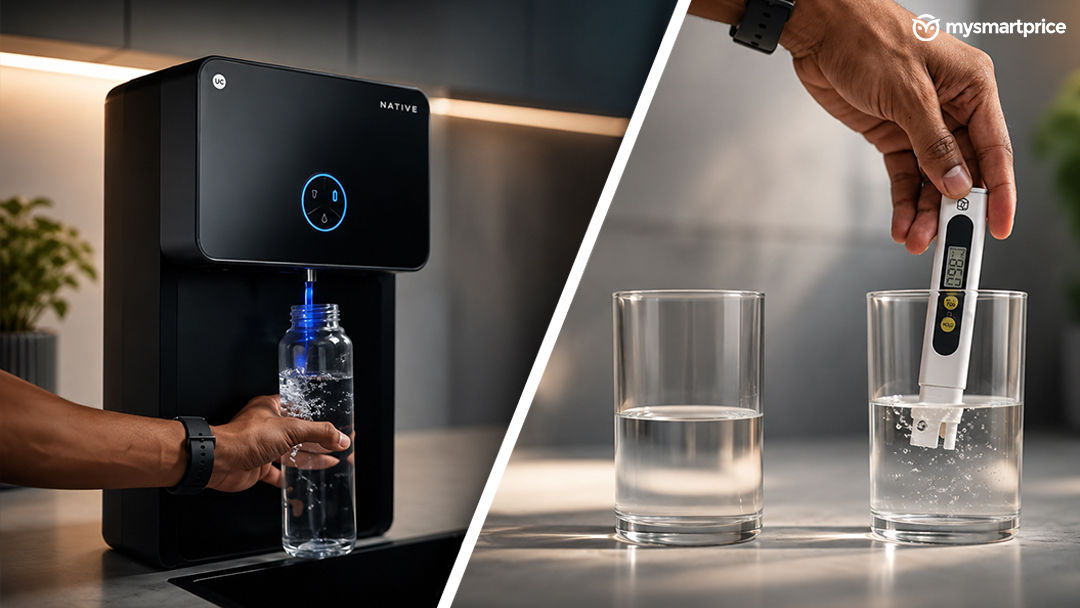
What Is Good?
- Excellent TDS reduction with clean-tasting water
- Fast and consistent dispensing
- Responsive touch controls
- Useful app-based diagnostics and maintenance tracking
- Strong build quality and fit and finish
What Is Bad?
- Water recovery could be better
- Minor flex on the top panel
- Limited room for larger vessels
Urban Company is positioning the M2 Pro as more than a conventional water purifier. Our review examines whether its smart features improve everyday usability and how well it performs across purification, dispensing, water recovery, build quality and maintenance.
Design and Build Quality
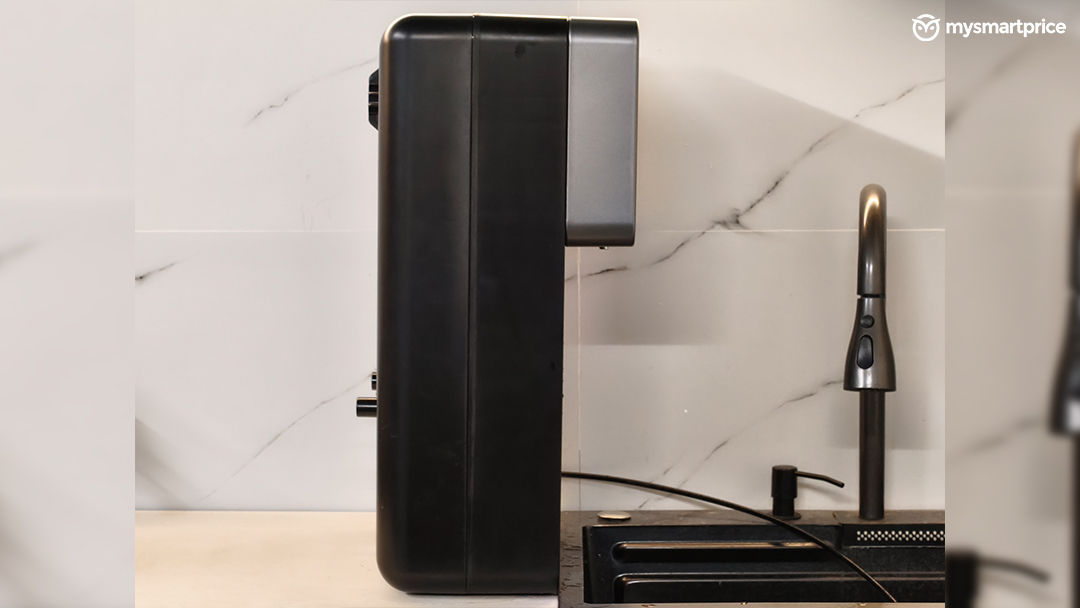
The Native M2 Pro has a cleaner and more appliance-like presence than most conventional water purifiers. Its dual-tone finish gives the exterior some visual depth, while the restrained branding prevents the front from looking crowded.
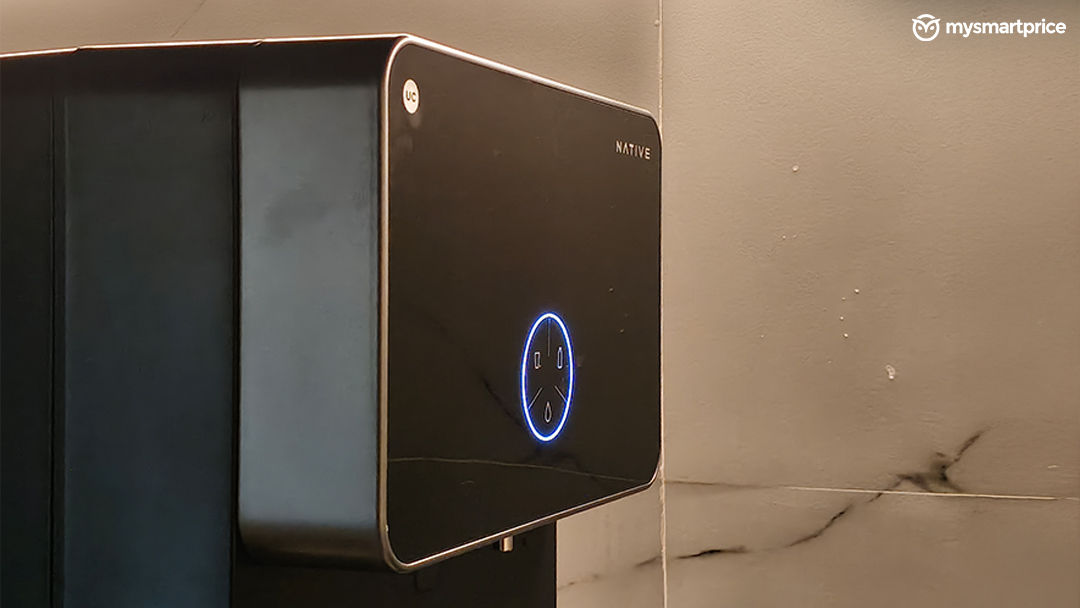
A circular touch panel sits at the centre of the design and doubles up as the main control surface. It is not there merely for effect. Touches register quickly, the icons are easy to understand and dispensing commands do not require repeated inputs.
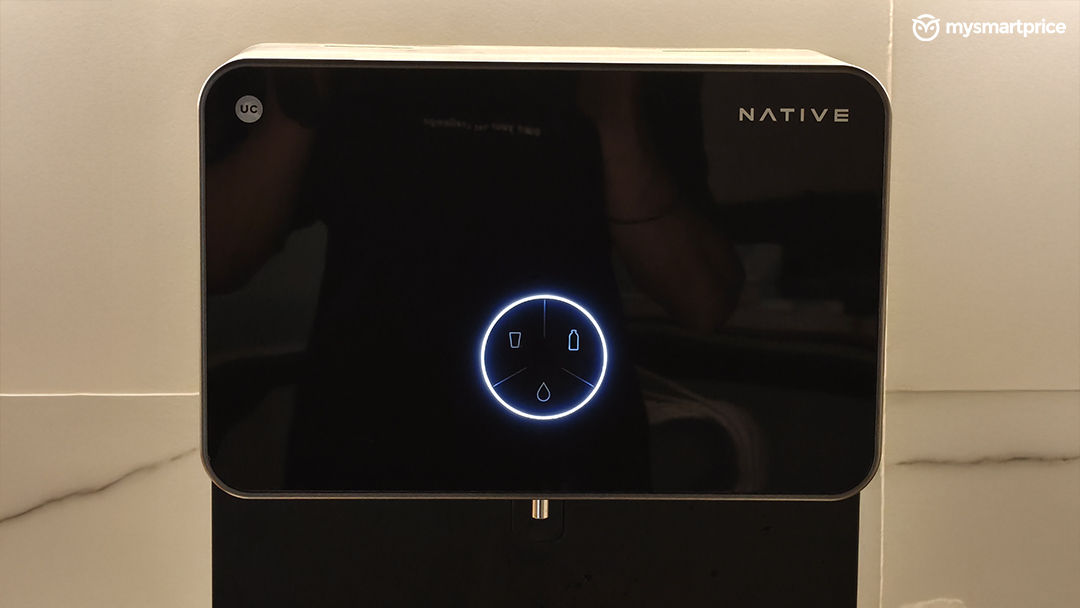 Urban Company has also resisted the temptation to overbrand the unit. The Native logo is neatly integrated into the front panel, while the parent branding remains understated. As a result, the design feels closer to a premium kitchen appliance than a service-led product carrying prominent corporate labels. The build largely supports that impression. Panel alignment is consistent, the outer shell feels sturdy and the plumbing joints remained secure during our evaluation. No leakage was observed around the fittings. There is some flex on the top section of the purifier, although it is noticeable only when pressure is applied deliberately. It does not affect installation or regular use, but it is the one area where the construction feels less rigid than the rest of the body. Overall fit and finish remain among the better aspects of the Native M2 Pro.
Dispensing, Storage and Everyday Use
The Native M2 Pro filled a one-litre bottle in 24 seconds, placing it among the quicker dispensers in our current test set. Water begins flowing almost immediately after a command is registered and remains steady through the cycle, with no pulsing, hesitation or sudden loss of pressure across repeated runs.
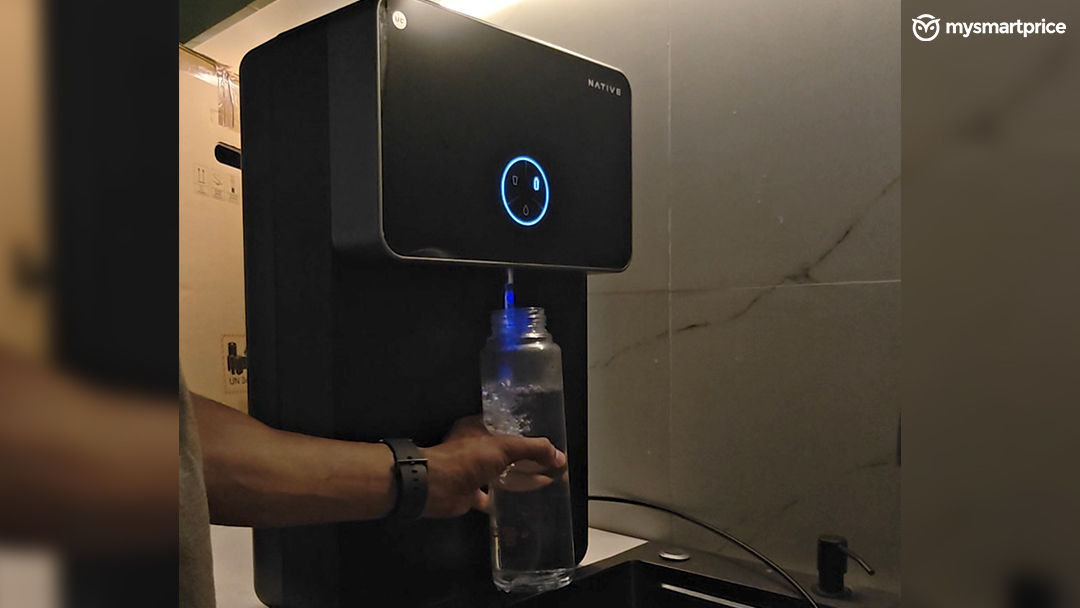 Preset dispensing makes the speed easier to use in practice. Users can select a quantity for a glass or bottle and leave the purifier to stop automatically once the cycle is complete. Continuous dispensing remains available for larger requirements, although the space below the outlet is better suited to regular bottles and glasses than tall or wide kitchen vessels. The internal tank took 14 minutes and 50 seconds to refill from empty. That is quick enough for the purifier to recover well after multiple bottles have been filled or water has been drawn for cooking. The live tank-level indicator in the app also helps here, since users can check how much purified water is available and whether a refill is in progress without walking up to the unit. Urban Company has kept the physical interface equally straightforward. The circular touch panel responds promptly, presents the main controls clearly and avoids overwhelming the front with unnecessary indicators. Preset quantities become especially useful once the household settles into a routine, while the automatic cut-off reduces both spills and the need to stand beside the purifier. Electronic dispensing does, however, make the M2 Pro more dependent on power than a purifier with a mechanical tap. Buyers living in areas with frequent outages may want to consider whether the unit will be connected to backup power.
Purification and Water Quality
Purification is the Native M2 Pro’s strongest area. We tested it using tap water at our premises, which recorded an input TDS of 795 ppm. The output measured 98 ppm after filtration, representing a reduction of nearly 88 per cent and placing the purified water comfortably within the ideal drinking range used in our evaluation.
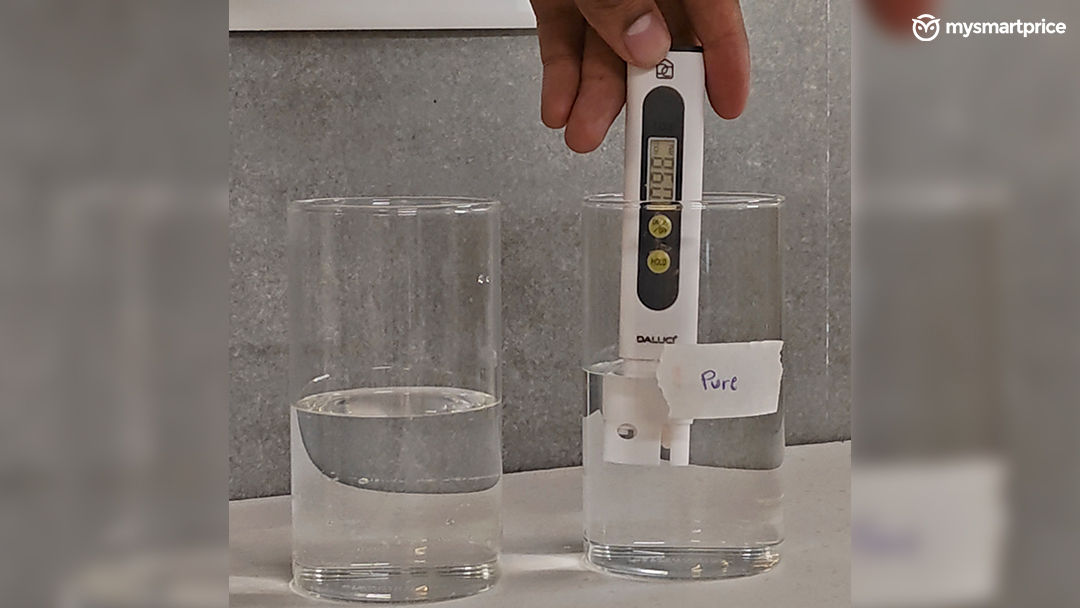 The result was not achieved at the expense of taste. Some RO systems reduce TDS aggressively but leave the water tasting flat or stripped of character. Output from the Native M2 Pro remained clean and neutral, without a metallic note, chemical smell or unpleasant aftertaste, earning full marks in our taste and odour assessment.
A measured pH of 7 further supports the purifier’s mineralisation indicators. The neutral reading suggests the system is balancing the output rather than simply chasing the lowest possible TDS number.
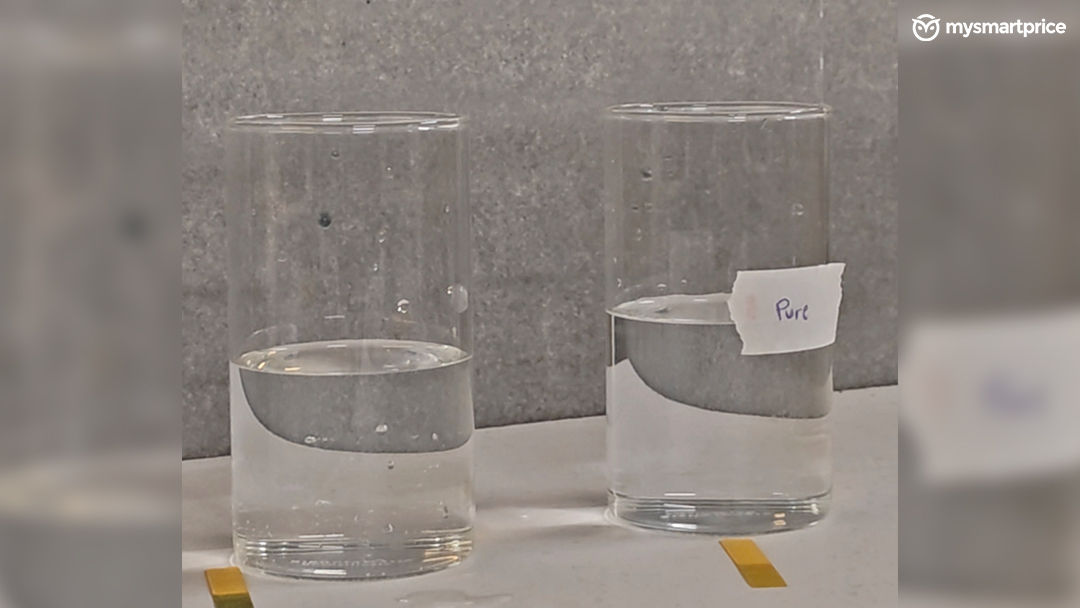 The app also displays live input and output TDS readings. During our test, it showed 863 ppm at the inlet and 74 ppm after purification. These figures were not identical to the readings captured by our instruments, which is understandable when measurements are taken at different points in the purification cycle, but both datasets pointed to the same conclusion: the purifier brought high-TDS input water down to a far more suitable level without compromising taste.
This broad alignment gives the app’s water-quality data more credibility. It does not replicate our test readings exactly, but it provides a dependable picture of how the purifier is performing from one cycle to the next.
Efficiency and Water Recovery
Water recovery is the weakest part of the Native M2 Pro’s performance. Our test produced a 1:2 rejection ratio, which means the purifier discharged roughly two litres of wastewater for every litre of purified water.
Such a result is not uncommon among RO systems dealing with high-TDS input, but it is still average rather than impressive. Purifiers that achieve a 1:1 ratio make better use of the available supply and are easier to recommend in homes where water availability is limited or daily consumption is high.
 The rejected water can be collected for mopping, flushing, cleaning balconies or washing utensils, although that shifts part of the responsibility back to the user. A better recovery rate would reduce the need for such workarounds.
Electricity use is less of a concern. We recorded 0.18 kWh during the test cycle, and while actual consumption will vary with input quality, refill frequency and household usage, the purifier is unlikely to have a meaningful impact on the monthly power bill. Water wastage remains the more important efficiency consideration.
App, Diagnostics and Maintenance
The Native app is central to the M2 Pro’s ownership experience, but it does more than repeat information already visible on the purifier. It brings together input and output TDS, tank level, water consumption history, filter condition, maintenance alerts, warranty details and the broader health of the RO system in one place.
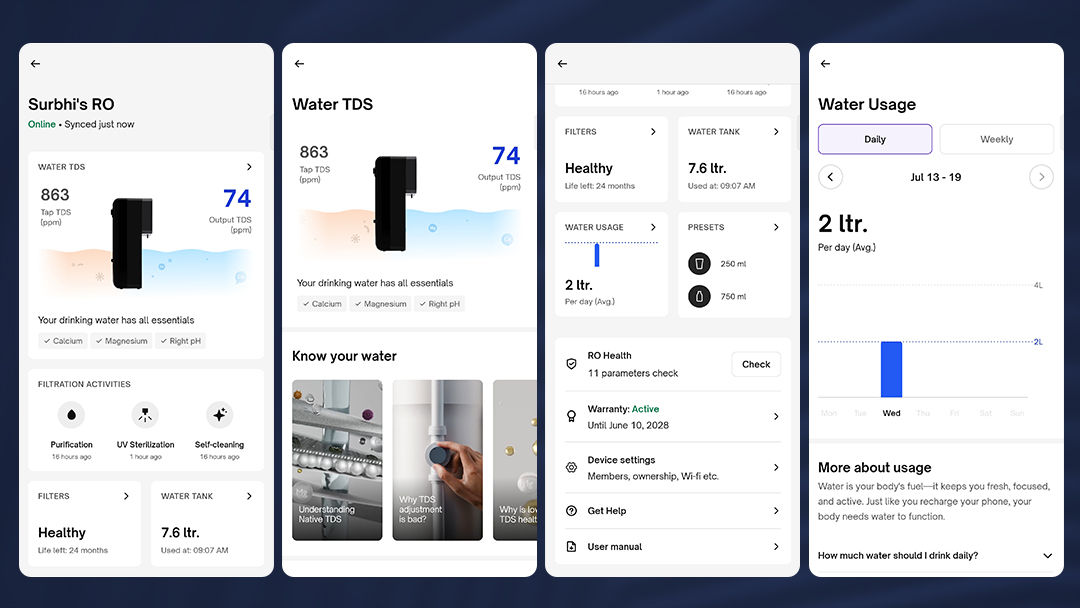
None of these features requires daily attention, yet each becomes useful at a specific point in ownership. Tank visibility helps during periods of heavy use, water history offers a clearer view of household consumption, and filter tracking removes some of the uncertainty around when maintenance may be required.
The built-in 11-point RO Health Check monitors connectivity, TDS levels, purification status and overall system health. Its practical value lies in helping users identify a developing issue before it becomes obvious through reduced flow, unusual taste or a visible decline in performance.
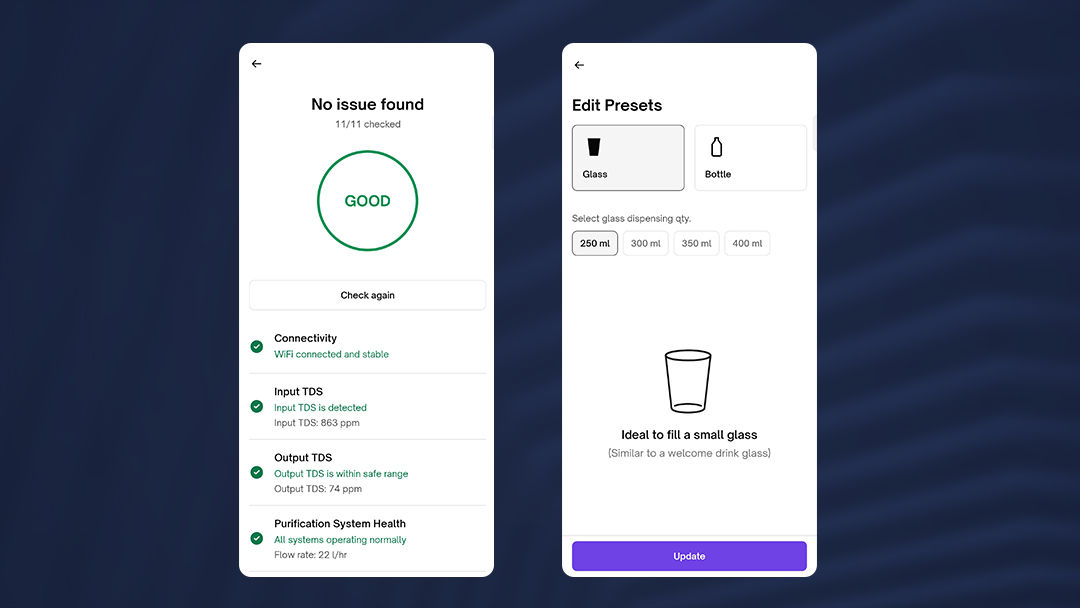
Filter health and service information are handled through the same interface, making maintenance less reactive than it is with purifiers that depend only on fixed service schedules or basic warning lights. The Native M2 Pro also performed well in our checks for leakage risk, fittings and serviceability. The joints remained secure, the installation was tidy and no leakage was observed during the test period.
Urban Company claims a two-year filter life and an unconditional warranty covering major components. Actual filter longevity will still depend on input water quality and household consumption, which is why the app’s health tracking remains relevant even with that ownership promise.
Bringing product monitoring, diagnostics and service access into the same ecosystem is one of the M2 Pro’s more useful advantages. Long-term service quality can still vary by location, but the ownership framework itself is clearer and more organised than the fragmented after-sales experience often associated with this category.
Verdict
The Native M2 Pro is a strong water purifier first and a smart appliance second. That order is important.
It reduced TDS from 795 ppm to 98 ppm, produced clean-tasting water, maintained a neutral pH and delivered consistently quick dispensing. Tank refill performance was also competitive, while the build and interface felt suitably premium.
The smart features add another layer of convenience without getting in the way. Live tank levels, filter tracking, water history and RO diagnostics are all relevant to ownership, and the app’s readings broadly reflected what we recorded independently.
Water recovery is the one significant compromise. A 1:2 rejection ratio is average rather than impressive and makes the Native M2 Pro less suitable for buyers who place water conservation above everything else.
For most users, however, the balance is convincing. The Native M2 Pro combines dependable purification, a polished interface and a more transparent maintenance experience than many alternatives.
It is particularly easy to recommend to buyers who want more visibility into water quality and purifier health without compromising on the basics.