A water purifier is a permanent fixture in most kitchens, yet its appearance often feels like an afterthought. This is where we like Native’s approach. Its purifiers look considered enough to sit comfortably alongside other appliances in a modern kitchen. We felt that way about the M2 Pro, and the Native M3 makes a similarly good impression. Our testing also gave us reasons to appreciate it beyond the design, particularly its water recovery and everyday usability.
Native M3
Rs 21,999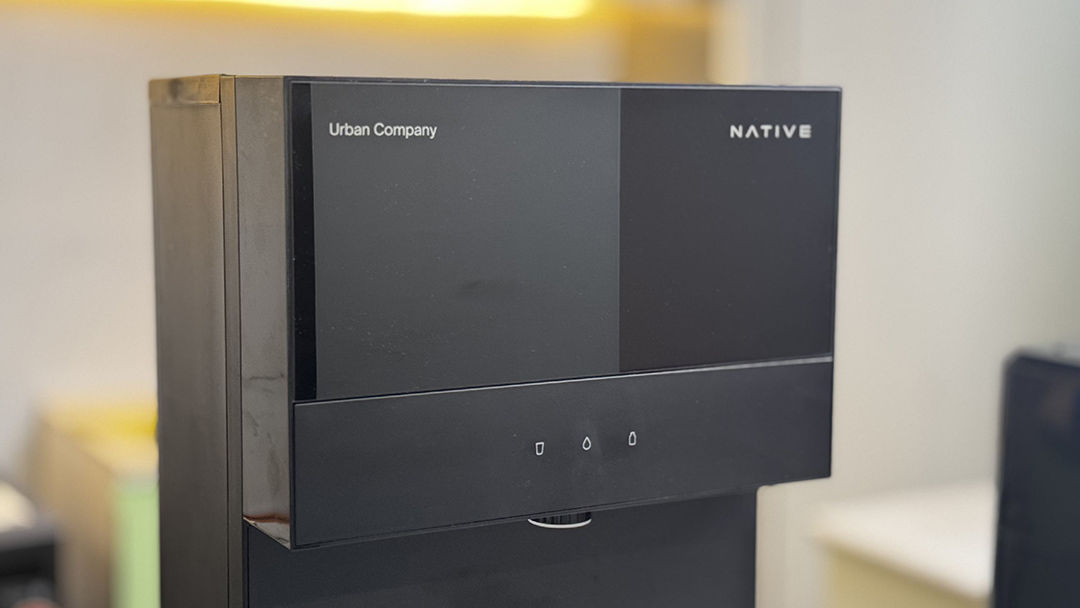
What Is Good?
- Appealing design and sturdy construction
- Low water rejection in our tests
- Consistent dispensing with good vessel clearance
- Battery backup for dispensing during outages
What Is Bad?
- App TDS readings differed from our measurements
- Electronic dispensing requires power or battery backup
- Claimed filter life needs long-term validation
Design and Everyday Usability
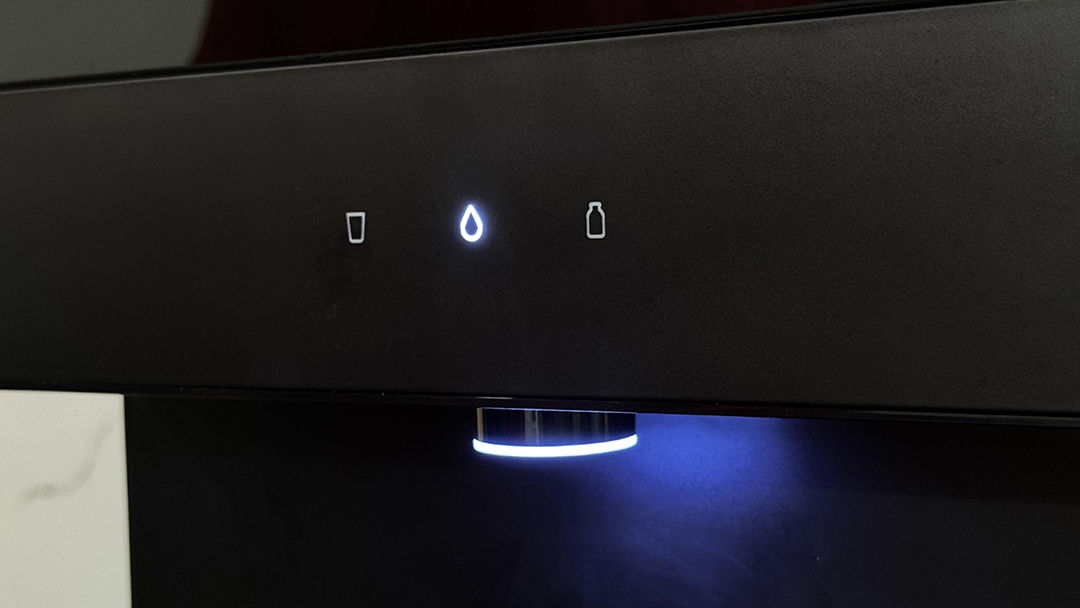
The M3’s build quality supports that positive first impression. Fit and finish are good, with no noticeable flex or loose-feeling joints. The fittings remained secure, and we observed no leakage during testing. Usable tank capacity also matched the claimed volume.
There is enough clearance beneath the outlet to accommodate bottles and vessels without tilting them awkwardly. Filling a one-litre bottle took around 27 seconds, with steady flow and no noticeable pressure drop. The tank refilled from empty in just under 16 minutes, keeping the wait reasonably short after heavy use.
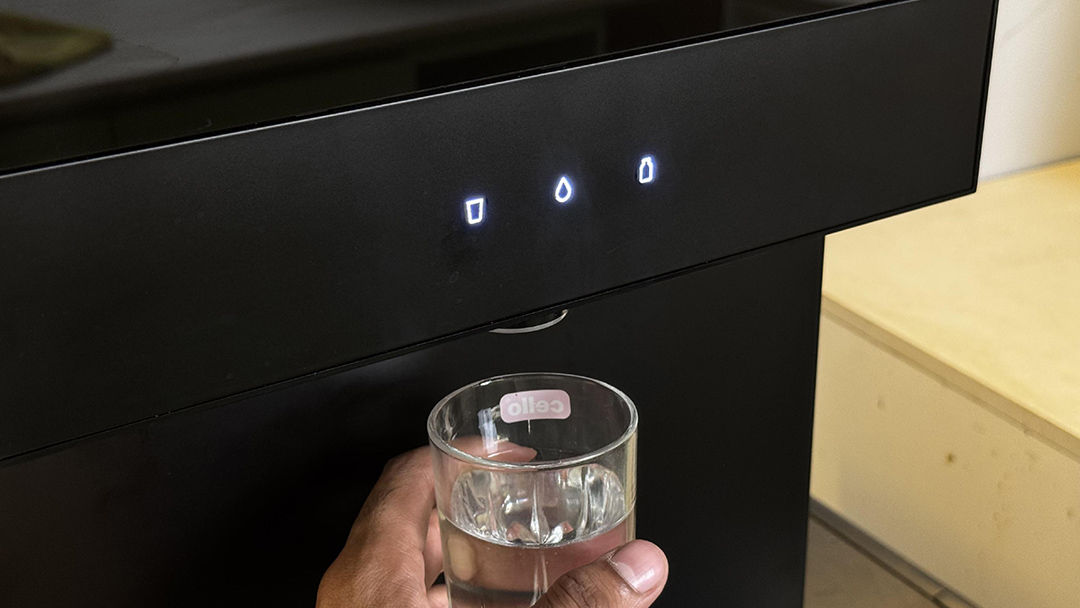
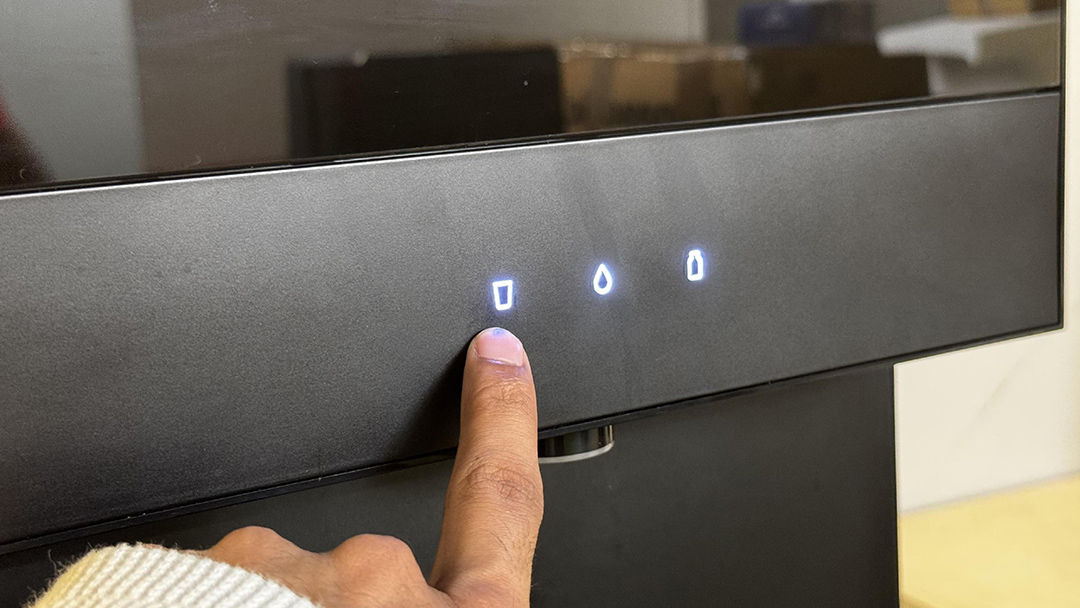
Electronic dispensing means the M3 needs power to release water, unlike a conventional mechanical tap. Thankfully, the built-in battery lets you access stored water during outages.
Purification and Water Recovery
During our testing, we recorded that the M3 reduced TDS from 696ppm to around 73ppm. The water tasted neutral, without a flat or metallic aftertaste. This demonstrates TDS reduction, although the reading alone does not establish drinking-water safety.
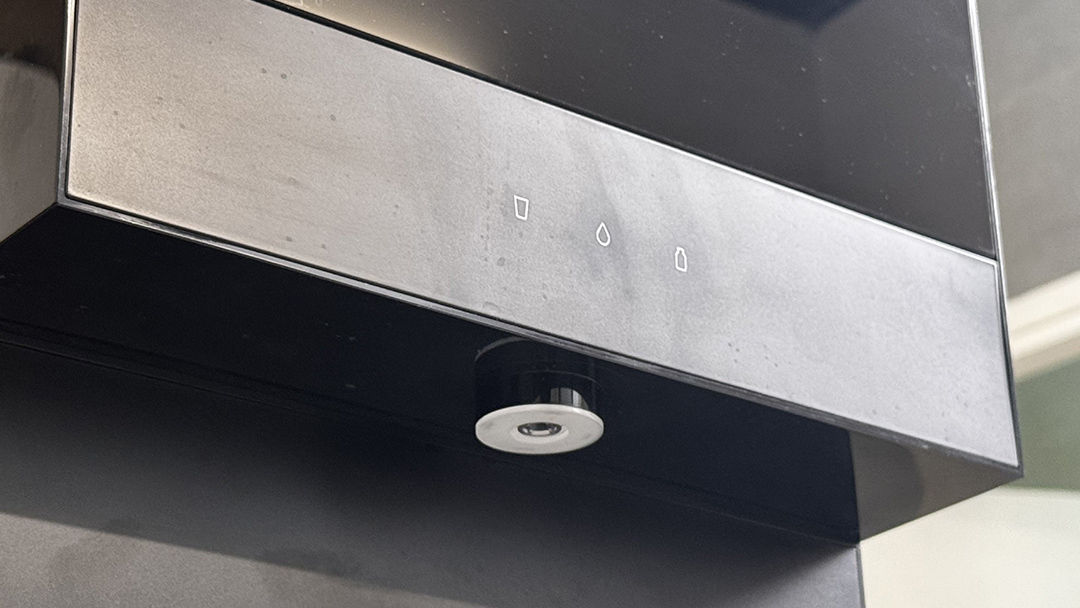
Water recovery was the standout result. For every litre purified, the M3 rejected approximately 880ml. In our Native M2 Pro review, we measured around two litres of rejected water per litre purified, making wastage one of our main criticisms. The incoming water conditions differed, so this is not a controlled comparison, but the M3 delivered a notably more encouraging result in our testing.
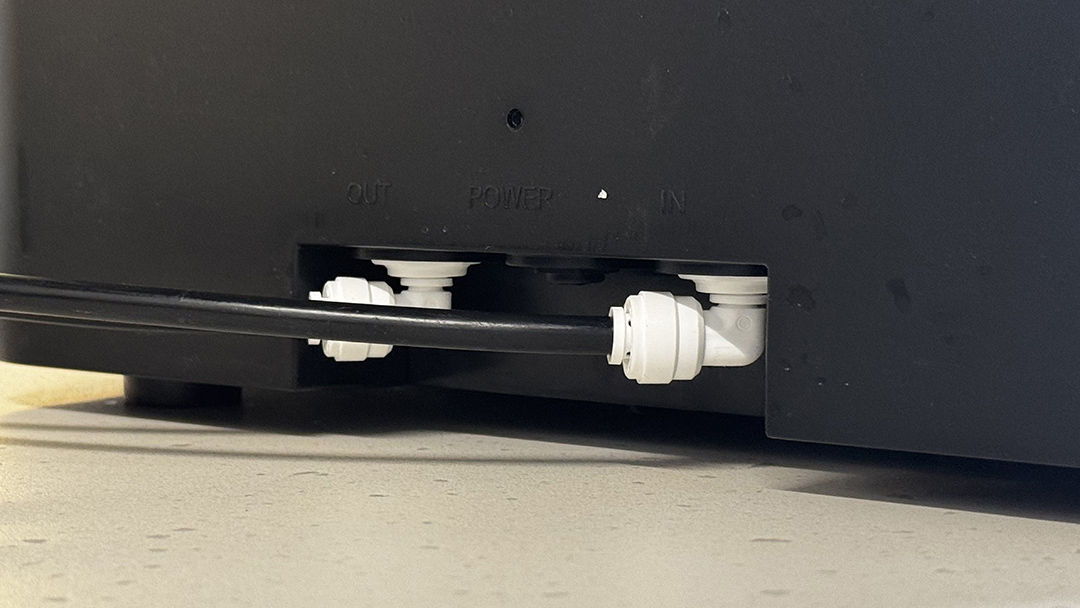
Power draw during tank refilling was around 27W. For everyday ownership, though, the water recovery figure is the more meaningful takeaway, particularly in households where RO wastewater is a concern.
App Features and Maintenance
The Urban Company app provides input and output TDS readings, filter health, service reminders and safety alerts. You can also book servicing directly, making it useful for keeping track of maintenance without relying solely on reminders from a technician.
However, both TDS readings in the app were higher than our independently measured figures. That discrepancy deserves attention, even if the service and filter-tracking features remain useful.
The M3 also has an automatic cleaning cycle. Native claims around three years of filter life, with replacement costing approximately ₹7,000 according to the website information recorded during our evaluation. The longer interval sounds convenient, but actual filter life will depend on water conditions and usage. We cannot validate that promise within this review period.