The 2026 LG QNED85 combines a 4K Mini-LED screen, Dolby Vision, 120Hz refresh rate, Apple ecosystem support and webOS 26. Our tests found especially good colours, natural skin tones, convincing Dolby Vision pictures and detailed 4K upscaling. The Magic Remote and webOS interface are easy to use. Sound is adequate rather than spectacular, but at the right price this is a very convincing 65-inch TV.
LG QNED evo 85 (65-Inch) Mini-LED TV
What Is Good?
- Excellent colour accuracy and natural skin tones in our viewing tests, with a bright panel that makes HDR and Dolby Vision content enjoyable
- Good motion handling for gaming and high-frame-rate videos, plus excellent upscaling of SD and other lower-resolution content with clean text
- Slim body with a neat, premium design
- Fast, intuitive webOS, an excellent Magic Remote and accurate voice control in our tests, alongside comprehensive connections and broad Apple, Google and gaming support
- Very good value at the promotional price of around ₹93,000, with no major gaps in everyday premium-TV features
What Is Bad?
- Edge-lit Mini-LED local dimming has limits compared with full-array designs, especially when displaying the deepest blacks
- Built-in sound is adequate and clear but lacks the low-midrange and bass you might expect at this price
A Premium 65-Inch TV at a Sensible Price
Spending around ₹1 lakh on a 65-inch television brings plenty of choice. You can buy models that advertise very high brightness, large numbers of dimming zones or big built-in speaker systems. But specifications only tell part of the story. A TV that will be used for movies, sports, ordinary television, games and streaming also needs good picture processing, useful controls, reliable software and enough connections for the devices you already own.
This is why the LG QNED evo 85, specifically the 2026 65-inch QNED85 series, deserves attention. It has a 4K Mini-LED LCD panel with Dynamic QNED Color Pro, Dolby Vision, a native 120Hz refresh rate with VRR up to 144Hz, and the new α8 AI Processor 4K Gen3. It also brings webOS 26, Dolby Atmos support, Apple AirPlay and Apple Home compatibility, Google Cast and four HDMI inputs. Add LG’s familiar Magic Remote and its service presence in India, and you get a well-equipped premium television without paying the price of a flagship OLED.
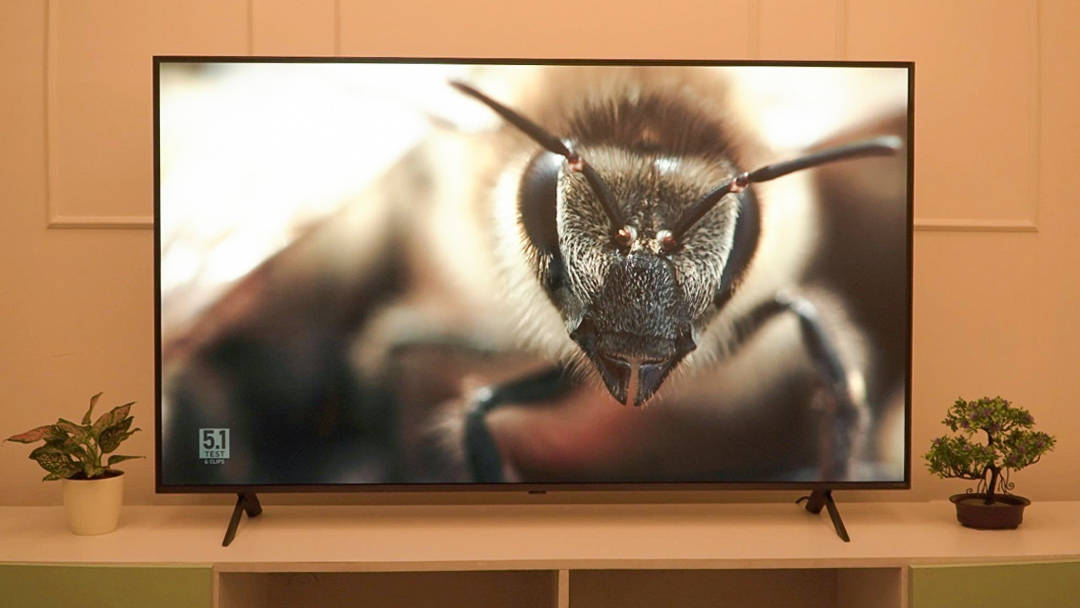
More importantly, there is plenty to like when you actually watch it. Colour reproduction was one of the biggest highlights in our tests. The QNED85 produced some of the most pleasing colours we have seen on a 65-inch television, with excellent brightness, deep colour and particularly natural-looking skin tones. The wide selection of picture adjustments is another major advantage. LG makes it easy to start with a preset, then fine-tune the image in much greater detail if you want to.
LG QNED evo 85: Core Specifications
Panel and size: 65-inch 4K (3840 × 2160) QNED Mini-LED LCD
Colour and HDR: Dynamic QNED Color Pro; Dolby Vision, HDR10, HLG
Processor: α8 AI Processor 4K Gen3; α8 AI Super Upscaling 4K
Refresh rate: Native 120Hz; VRR up to 144Hz
Picture features: Precision Dimming, AI Picture Pro, Dynamic Tone Mapping Pro, Filmmaker Mode
Sound: 20W, 2.0-channel; Dolby Atmos, AI Sound Pro, WOW Orchestra
Software: webOS 26, AI Magic Remote, webOS Re: New programme
Gaming: 4K 120Hz Dolby Vision gaming, FreeSync Premium, ALLM, HGiG, Game Optimizer
Connections: 4 HDMI, including eARC on HDMI 2; 2 USB, Ethernet, optical, Wi-Fi 5, Bluetooth 5.3
Device support: Apple AirPlay, Apple Home, Google Cast, LG ThinQ; Apple TV app
Design: 29.7mm deep without stand; 21.5kg without stand
Design and Build: Slim, Neat and Easy to Live With
The QNED85 looks like a premium television without drawing attention to its frame. The bezels are narrow, the finish is simple, and the panel has an understated design that should work well on a cabinet or mounted on a wall. The body measures just 29.7mm deep without the stand, which is particularly useful if you want the TV to look tidy against a feature wall. The 65-inch screen is large enough to make a proper difference to movie and sports viewing, but it does not require an unusually large room.
The television weighs about 21.5kg without the stand, so we would recommend proper installation rather than trying to mount it casually. LG’s established installation and support arrangements in India are part of its appeal at this price. The overall finish feels in keeping with a TV that costs close to ₹1 lakh, and there is little in the physical design to make it seem like a budget model.
Picture Quality: Some of the Best Colours We Have Seen on a 65-Inch TV
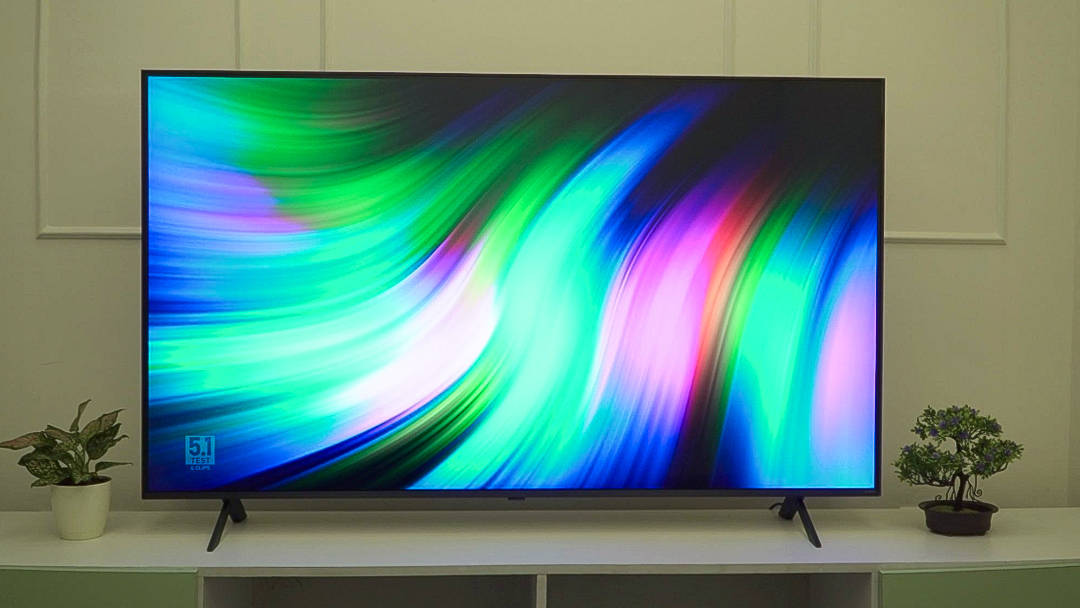
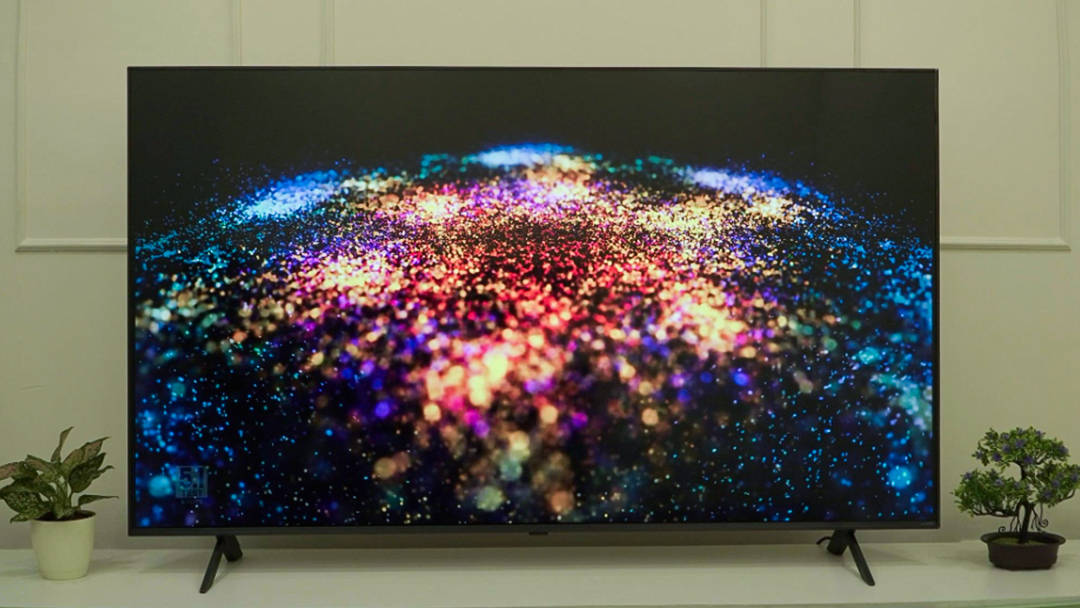
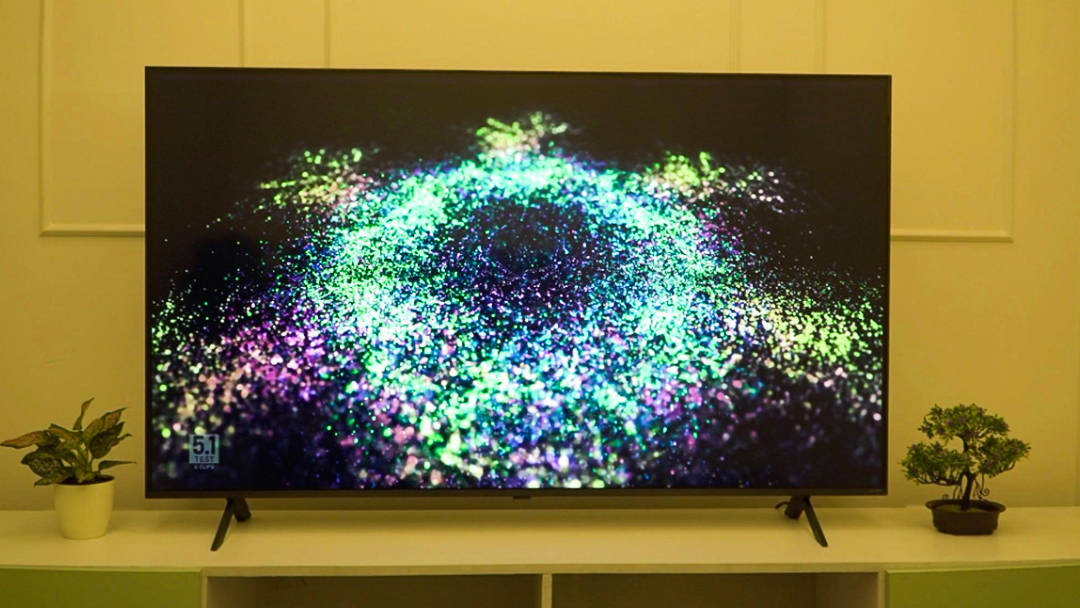
Our picture tests began with colour-heavy clips, natural scenes and close-up footage. The QNED85 performed exceptionally well for colour and brightness. The panel gets bright while keeping the picture pleasing and balanced, and the colours have real depth without looking unnecessarily pushed. Strong greens, blues, reds and purples remain separate from one another, and there is plenty of variation within each shade. In everyday terms, colourful scenes look rich and lively rather than artificial.
LG calls its colour technology Dynamic QNED Color Pro and advertises 100% colour-volume certification. Our observations fit well with what that technology is intended to deliver, although we should distinguish a visual review from instrument-based colour measurements. We did not use the photographs to measure Delta E or calculate colour gamut coverage. What we can say from our viewing sessions is that the screen produces some of the most natural yet satisfying colour we have seen on a 65-inch TV in this class.
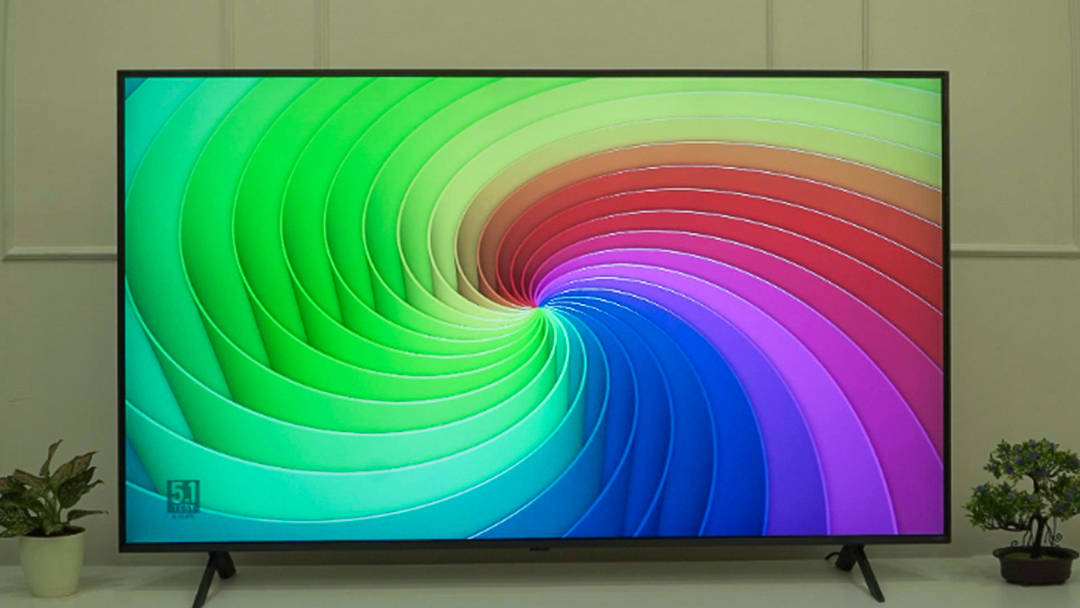
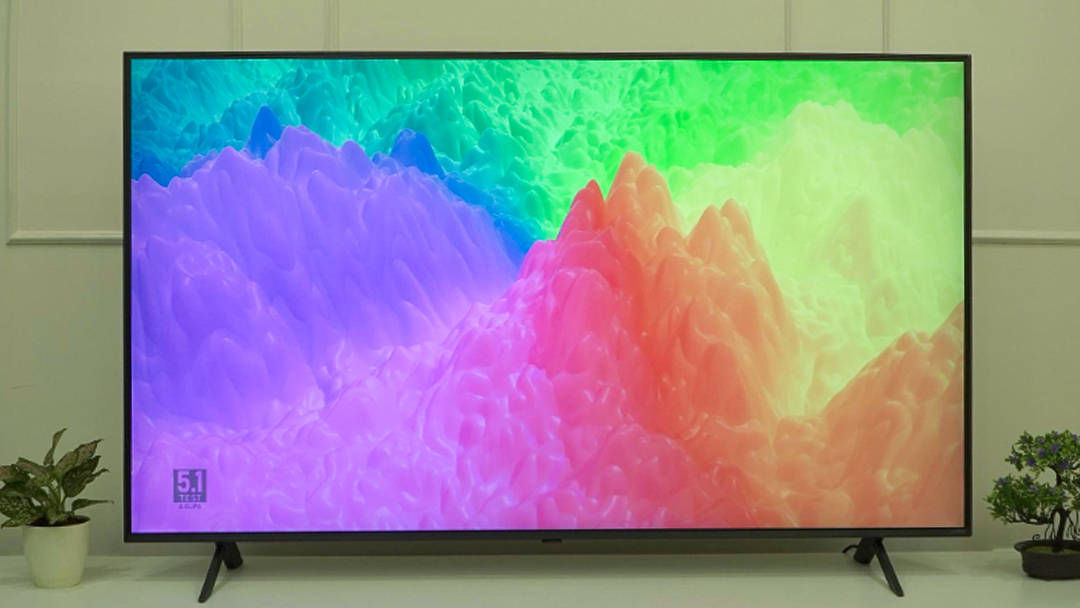
The TV is also very good at handling large areas of colour. The image can be vivid without making everything look over-processed, and the wide range of picture settings gives you room to make the result more restrained if you prefer. This flexibility is important. Not everyone wants the same picture, and LG offers enough control to get closer to your own idea of a natural image instead of forcing you to accept just one bright showroom preset.
Skin Tones Are Particularly Well Handled
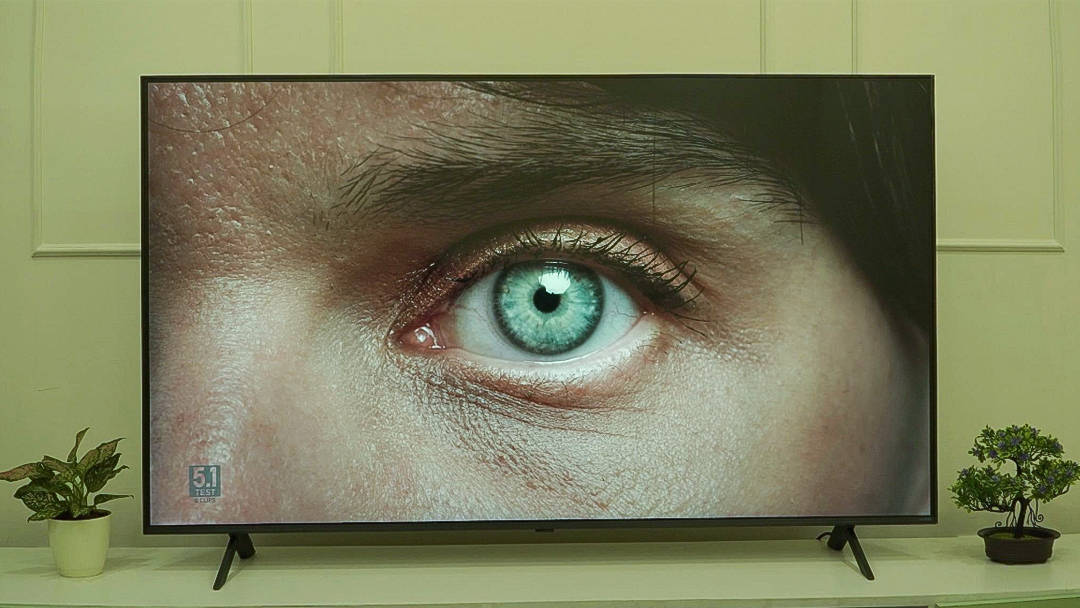
Skin tones were another highlight. Faces and close-ups generally looked natural and well balanced, without the unwanted pink cast or excessive warmth that can appear when a TV pushes colours too far. This is harder to achieve consistently than making a landscape look colourful, because even small changes in the tone of a face are easy to notice. In our viewing tests, the LG handled those changes well, particularly with high-quality 4K material. It was one of the clearest signs that LG has paid attention to how the picture is tuned.
HDR and Dolby Vision: Bright Highlights, Excellent Contrast and Convincing Dark Scenes
We watched a selection of movies and series available in Dolby Vision, and the results were impressive. The QNED85 does a good job of keeping detail in dark scenes while making bright parts of the picture stand out. The contrast between the two gives HDR movies a pleasing sense of depth, especially when combined with the television’s natural-looking colours and good tonal balance. Highlights have plenty of impact without making the entire scene look harsh. We also liked how faces and costumes remained distinct against dim backgrounds without turning every shadow grey.
The Mini-LED based backlight arrangement and LG’s Precision Dimming technology helps the QNED85 produce dark scenes with convincing depth. We saw deep-looking blacks while retaining a useful amount of detail in shadowed areas. This is not an OLED, however: blacks are not pitch black, and a good OLED will still have the advantage in pixel-by-pixel light control. For viewers upgrading from a regular LED TV, though, we think the QNED85’s Dolby Vision picture will be a satisfying step up.
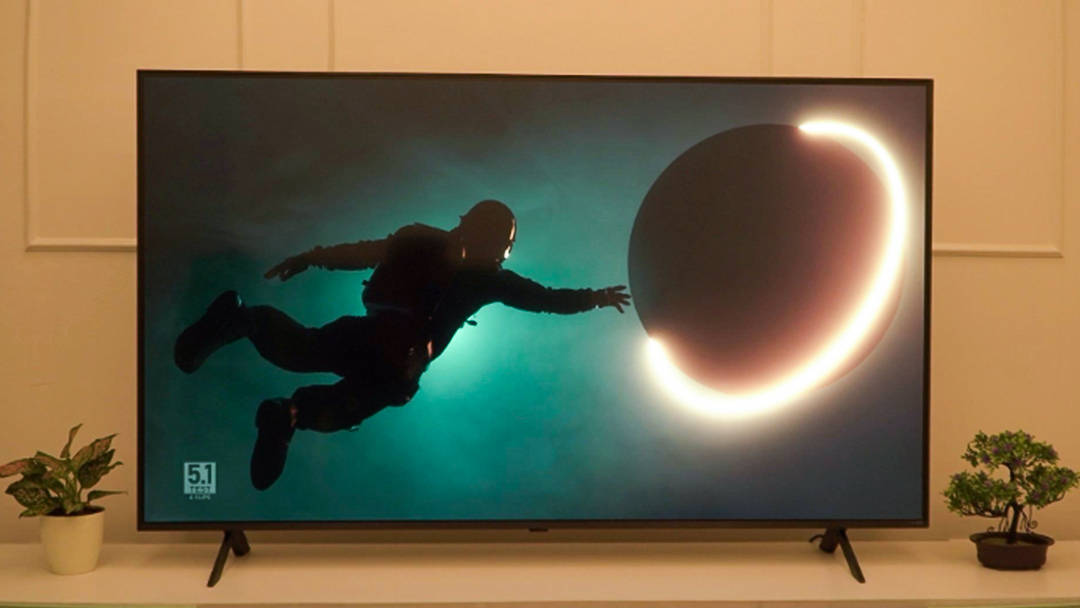
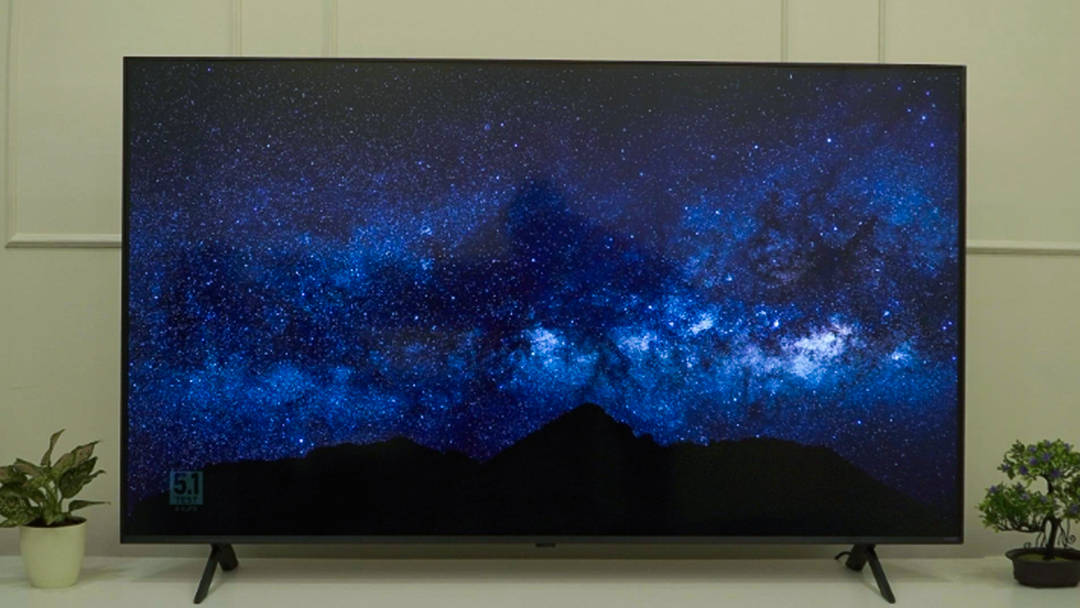
The TV supports Dolby Vision, HDR10 and HLG, but not HDR10+. That covers the most important formats used by major streaming services. Dolby Vision content is particularly worth trying here. The combination of Mini-LED backlighting, colour depth and LG’s picture processing gives compatible movies a polished look, although the final result still depends on the source and the selected picture mode.
Local Dimming: Good for Edge-Lit Mini-LED, With Some Limits
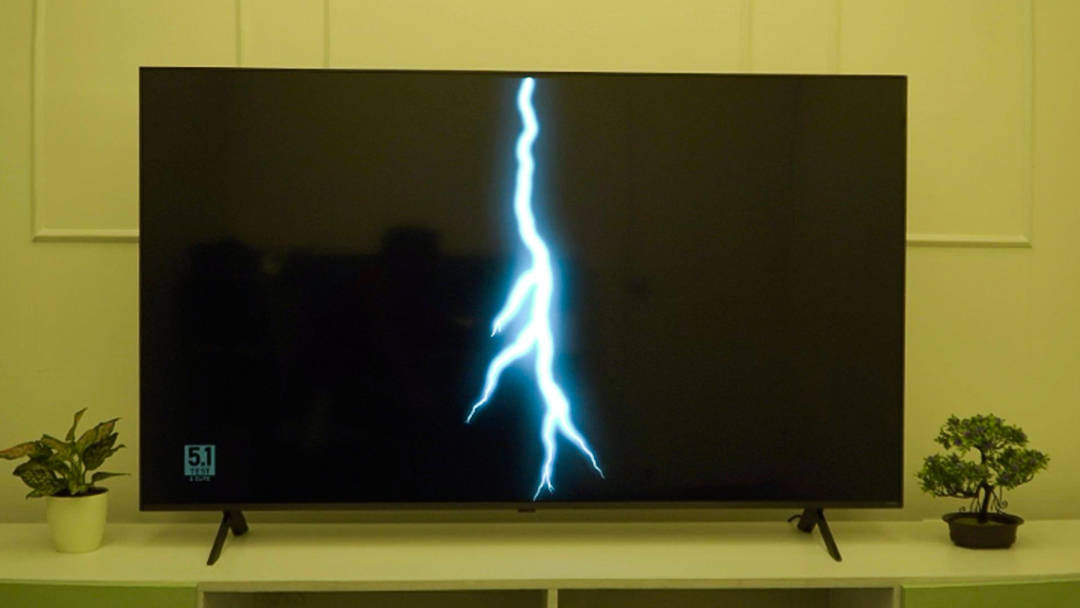
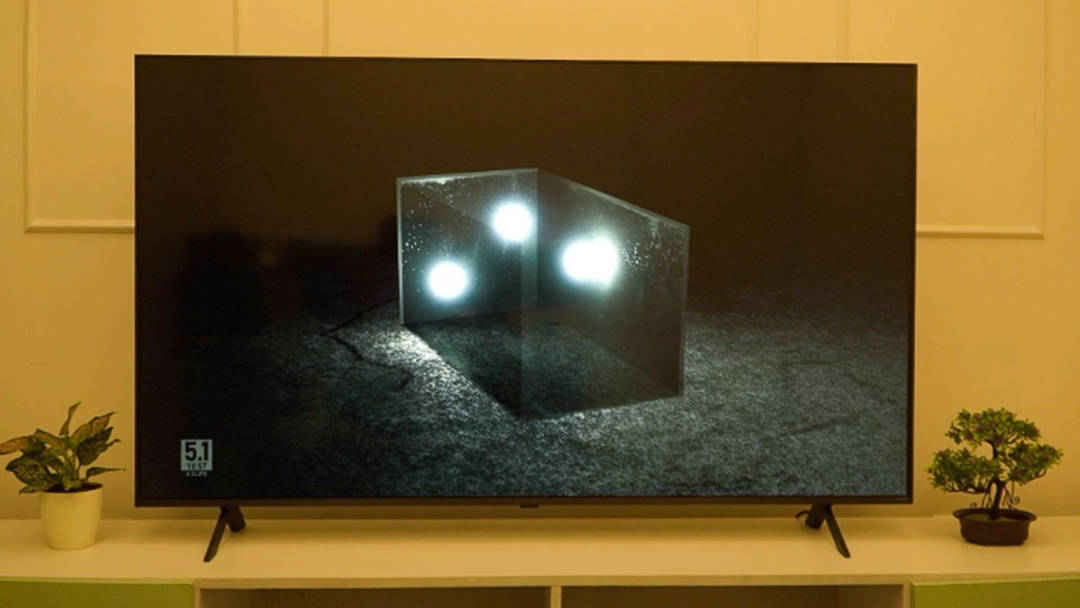
LG uses Precision Dimming on the QNED85B, but the Mini-LEDs are positioned along the edges of the panel rather than spread behind the entire screen as they are on more advanced full-array models. That makes local dimming one area where expectations should be realistic. During normal content, LG’s tuning worked well for the most part and helped create a convincing sense of contrast. In particularly demanding scenes, however, we could see faint halo glows around some bright objects against dark backgrounds.
The effect was subtle during our normal viewing and became easier to spot when we went looking for it with specific clips. Someone who regularly tests televisions will notice it faster than a casual viewer. The better full-array Mini-LED systems in LG’s higher ranges can control small bright and dark areas more precisely, while OLED remains ahead when a scene requires individual pixels to turn completely black. The QNED85 does not remove those limitations, but we think LG has tuned its edge-lit system well enough to make HDR films and regular viewing very enjoyable.
Detail, Sharpness and Upscaling: Another Clear Advantage
The way the QNED85 handles fine detail is another reason we liked its picture. 4K footage looks clean and properly defined, but LG has avoided the excessive edge sharpening that can make objects look unnatural. Textures, small patterns and fine lines appear crisp without the obvious outlines or artificial halos that sometimes come with aggressive processing. We noticed this in nature footage, close-up subjects and text overlaid on the screen.
We also tried lower-resolution and SD material, along with regular live television. There is, of course, only so much information that can be recovered from a poor source, but the α8 AI Super Upscaling 4K processing did an excellent job with the clips we watched. Images remained natural, and text was clear without the distracting jagged edges that can appear when low-resolution material is enlarged onto a big 4K screen. We paid particular attention to news broadcasts, where faces, scrolling graphics and large Hindi headlines can make bad scaling obvious. In the material we watched, the TV kept text readable and faces reasonably clean without making the whole picture look artificially sharpened. The exact resolution of individual live broadcasts was not separately measured.
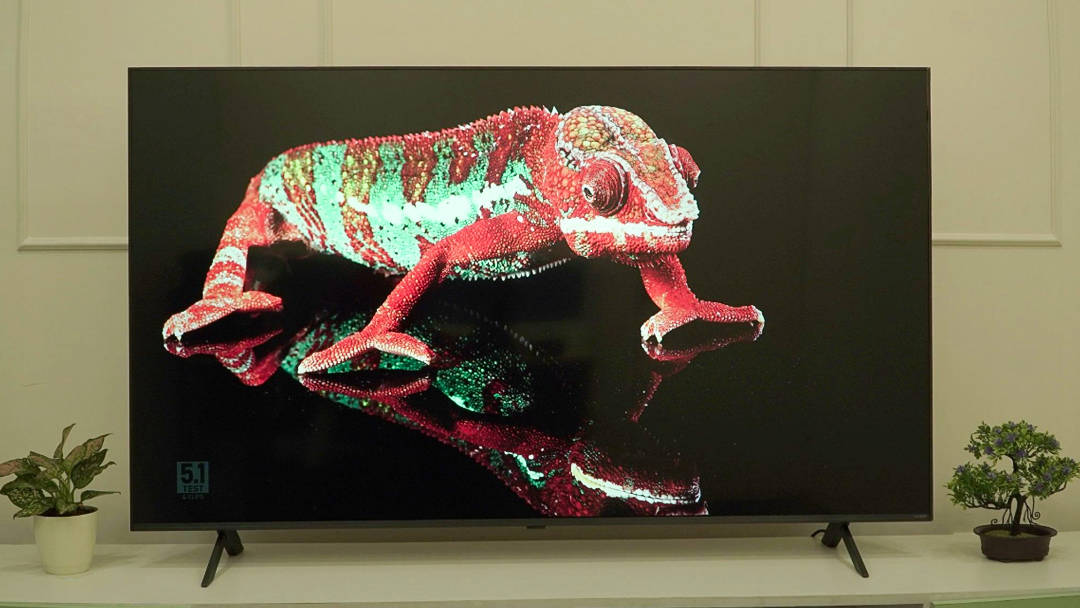
A colourful chameleon clip brought several of the TV’s strengths together. The colours were rich, small surface details remained easy to distinguish and the dark background gave the subject good separation. The scene also showed why the QNED85 works well for nature documentaries and other high-quality 4K content. It has the brightness and colour needed to make that footage look impressive, while its picture controls let you reduce the intensity if you prefer a quieter presentation.
Picture Settings: There Is Plenty of Room to Fine-Tune the Image
One of our favourite things about this LG is how many useful picture adjustments it offers. You can begin with a preset and then go much further, changing brightness, contrast, colour intensity, white balance, colour controls, sharpness, motion processing and local-dimming behaviour. The options are not only for enthusiasts using calibration equipment. Ordinary viewers can make practical changes too, such as choosing a warmer colour temperature for films, reducing smoothing for cinematic content or adding a little brightness for daytime sports.
The result is a television that can be adjusted to suit both the room and the person watching it. We liked the fact that the TV could look lively with colourful demo clips without being locked into that presentation. Filmmaker Mode gives users a more restrained starting point, while LG’s AI Picture Wizard and other picture tools provide simpler ways to choose what looks good to them. Spending a little time with the settings can make a real difference, and this level of control adds value beyond the specifications printed on the box.
The New α8 AI Processor Gen3: What It Adds
The new α8 AI Processor 4K Gen3 handles much of the work behind the QNED85’s picture and sound. LG says that, compared with the previous generation processor, the new chip has up to five times the neural-processing capability, 10% more graphics power and 20% better memory throughput. These are manufacturer claims, not measurements from our own tests, but they explain why LG has put more emphasis on content analysis, upscaling and picture adjustments in this generation.
The features include α8 AI Super Upscaling 4K, AI Picture Pro and Dynamic Tone Mapping Pro, which are designed to improve clarity, contrast and brightness according to the material being played. AI HDR Remastering can give ordinary SDR footage an HDR-like treatment, while AI Genre Selection and TruMotion can alter motion handling for different content. The TV also offers automatic brightness control that can respond to the light in the room. None of these features can create detail that is completely absent from the original video, but in our testing the overall processing was well judged, particularly for sharpening and lower-resolution content.
Sound processing is part of the chip’s job as well. LG uses α8 AI Sound Pro with virtual 11.1.2-channel upmixing, Clear Voice Pro and Adaptive Acoustic Tuning. It is important not to mistake those virtual channels for a real multi-speaker Dolby Atmos system, but they give the TV more ways to adapt its built-in speakers to different content. We found the processing more helpful for clarity than for producing deep bass, which is limited by the hardware itself.
Motion Handling and Gaming: Smooth and Ready for Modern Consoles
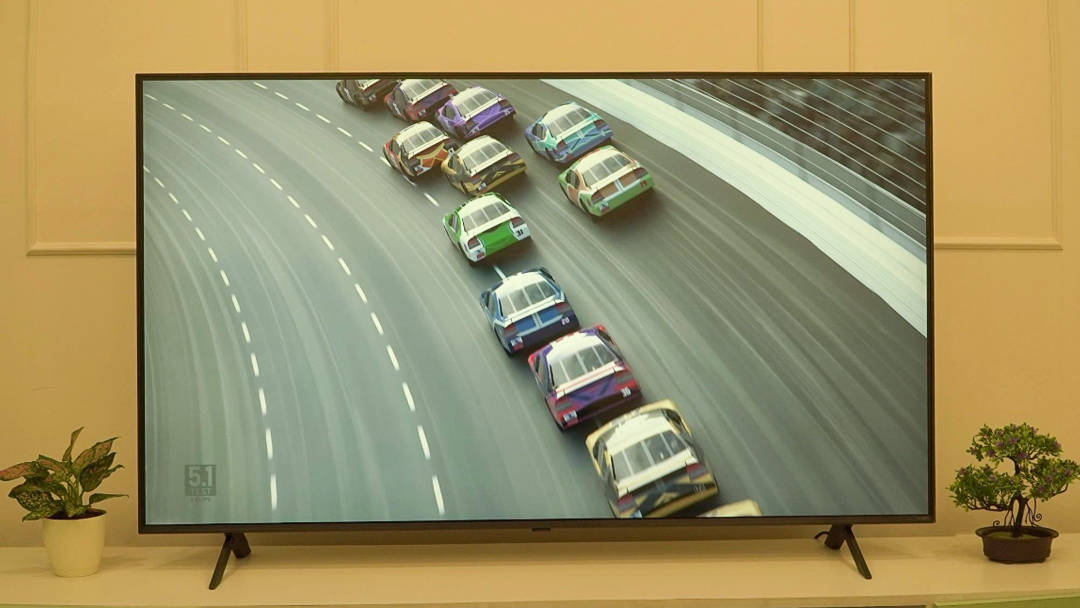
Motion was another positive area in our tests. The native 120Hz panel handled fast-moving footage well, and high-frame-rate videos looked smooth without calling undue attention to the processing. Racing clips and other scenes with rapid camera movement were easy to follow. As with any TV, viewers can adjust the motion settings according to their preferences; some people like extra smoothing for sports, while others prefer a more film-like presentation for movies.
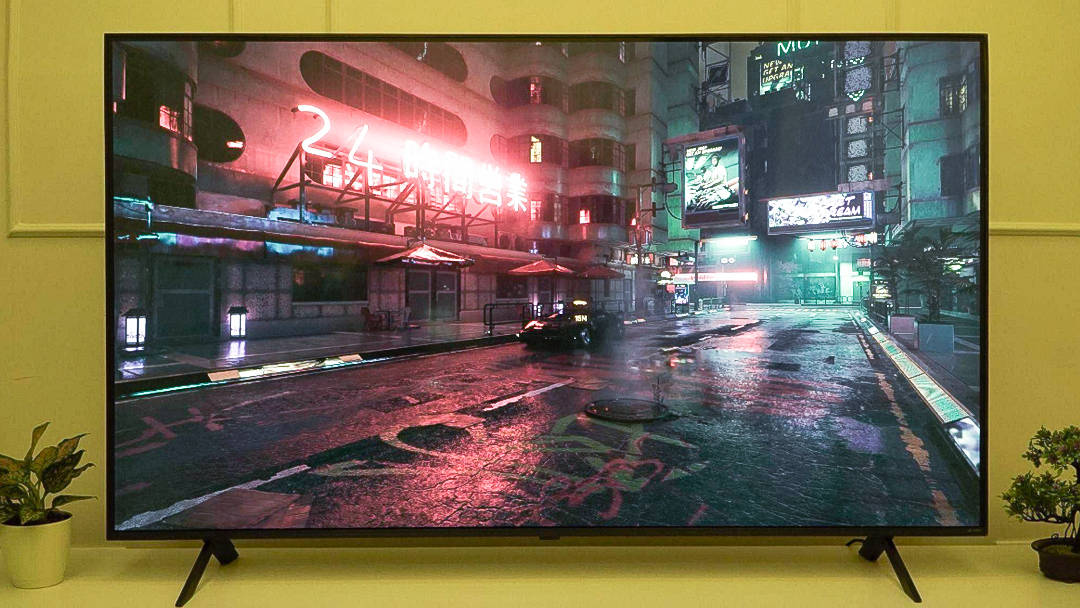
Gamers have plenty of reasons to like this model. The TV supports 4K at 120Hz, VRR up to 144Hz with compatible devices, AMD FreeSync Premium, ALLM, HGiG and Dolby Vision gaming at up to 4K 120Hz. LG’s Game Optimizer and dashboard put relevant settings within easy reach.
webOS 26 and the Magic Remote: A Major Part of the Experience
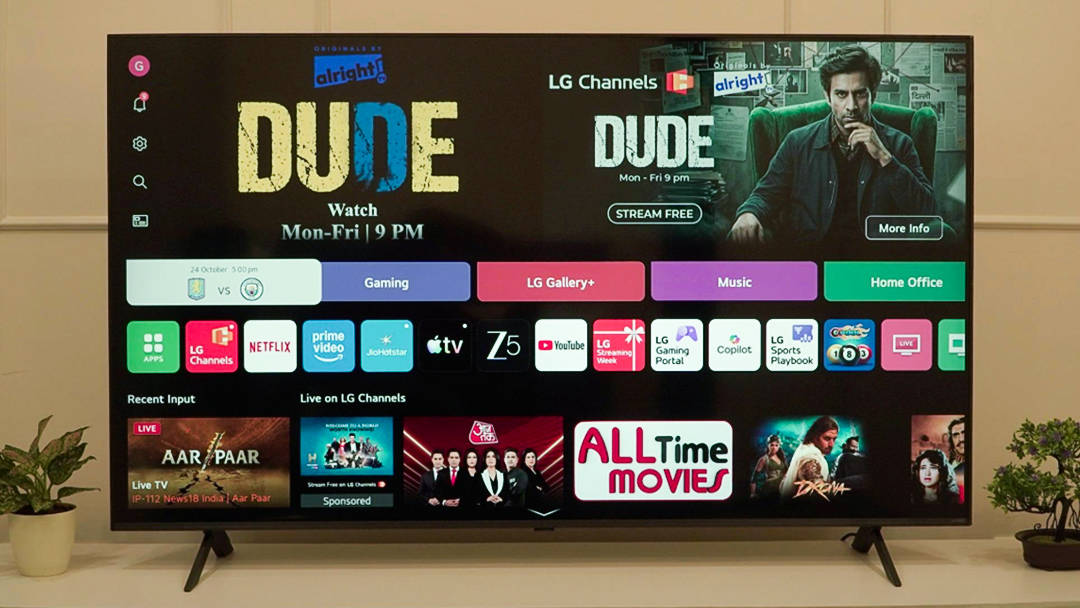
A TV of this size will spend a lot of time opening streaming apps, changing inputs and moving through menus, so the software matters. The QNED85 runs webOS 26, LG’s own smart-TV platform, with access to major services including Netflix, Prime Video, YouTube and the Apple TV app. In our use, the interface felt fast and intuitive. Apps and settings were easy to find, and switching between menus did not feel like a chore. The home screen brings together streaming services, recent inputs, LG Channels, gaming and other features. It carries a fair amount of information, but the layout is easy enough to understand once you have used it for a short time. App and online-service availability can vary by region and account.
The AI Magic Remote continues to be one of LG’s most useful ideas, and it worked particularly well in our tests. The motion-controlled pointer responds quickly, while the vertical scroll wheel is well implemented and makes moving through long menus much easier. It is also convenient when searching for a show or changing several picture settings in succession. We tried voice commands as part of our regular use, and the TV understood our requests accurately without repeatedly asking us to say them again. That made voice control feel like a practical shortcut rather than an extra feature we would forget about. Of course, voice results will depend on the command, language and surrounding noise.
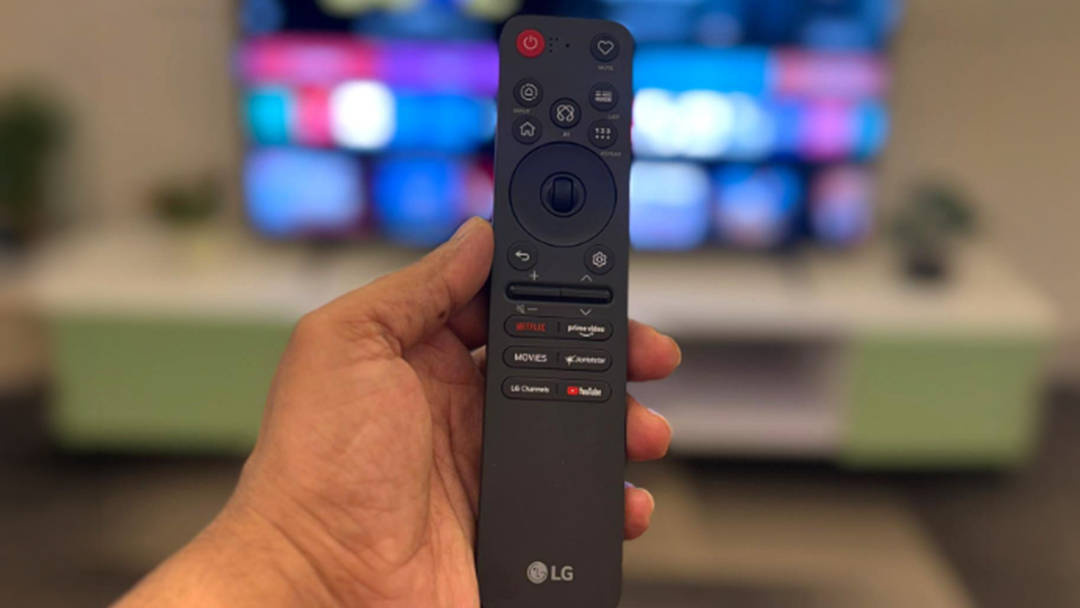
LG also provides AI Search, AI Concierge, AI Voice ID, My Page and picture and sound wizard functions. They are extras rather than the main reason to buy the TV, but they add to the software package.
For long-term use, LG’s webOS Re: New programme is another benefit. LG advertises up to five years of platform upgrades for eligible models, subject to the programme’s conditions. That is valuable if you expect to use the television for several years, though the number of upgrades, timing and new features are not guaranteed to be identical for every model or region.
Apple TV, AirPlay, Google Cast and Connected Devices
The QNED85B is particularly convenient in a home that uses a mixture of Apple and Android products. The Apple TV app gives access to Apple’s supported streaming service directly on the television, so an external Apple TV 4K box is not required just to watch that content. Apple AirPlay allows compatible iPhones, iPads and Macs to share supported photos, video and other material wirelessly, while Apple Home compatibility lets the TV work with supported Apple smart-home setups. These are useful features for people who already own Apple devices.
LG also includes Google Cast, LG ThinQ and Home Hub functions, giving Android users and mixed-device households their own simple ways to connect. You can cast from supported apps, control TV functions from a phone and bring compatible smart-home devices together. Add LG Gallery+, LG Channels and Multi View, and the TV covers more than conventional streaming. Some functions require subscriptions or may vary by country, but the breadth of support makes this an easy television to integrate into a modern home.
Connections: Four HDMI Inputs Make Life Easier
LG has equipped the QNED85 with four HDMI inputs that support modern AV and gaming functions, including 4K 120Hz, VRR and ALLM. HDMI 2 provides eARC for a compatible soundbar or AV receiver, and the television also has two USB ports, an optical audio output, Ethernet, Wi-Fi 5 and Bluetooth 5.3. There is enough here for a console, audio system, streaming device and other accessories without constantly having to swap cables. The inputs are grouped along the recessed rear edge; it is worth planning your cable layout before wall mounting, but the range itself is excellent.
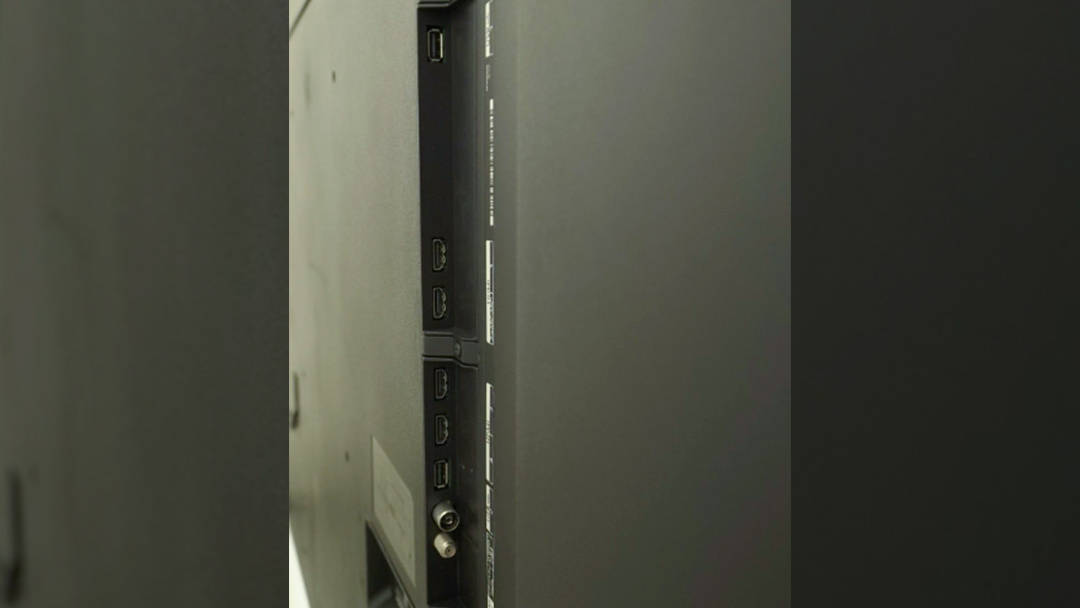
That is an advantage people sometimes overlook when comparing prices. Having a good picture is essential, but a premium television should also be easy to connect to everything else in the house. The QNED85 gets that part right, and its gaming-related HDMI features make the connections useful for the coming years rather than just for today’s devices.
Sound Quality: Clear Voices, but a Soundbar Will Help
LG has fitted the QNED85 with a 20W, 2.0-channel speaker system. There are no dedicated low-frequency drivers, and the slim cabinet leaves limited room for producing convincing bass. In our testing, the TV could get reasonably loud, and voice clarity was the highlight. Dialogue comes through clearly in everyday programmes and movies, which is important because it is the part of the sound people notice most often.
The limitations become obvious with music, action movies and scenes that need more body in the lower frequencies. The low-midrange and bass lack weight, so while the built-in audio is adequate, it is not stellar. Dolby Atmos support and LG’s virtual surround processing are welcome, but they do not replace a real sound system. If you want the sound to match the quality and size of the picture, we would recommend budgeting for a good soundbar, ideally one with a separate subwoofer. HDMI eARC makes that simple, and LG’s WOW Orchestra can combine the TV and compatible LG soundbar speakers in supported setups.
Price, LG Support and Warranty: Why the Complete Package Matters
Price has a big influence on the QNED85’s appeal. At the time of writing, the 65-inch QNED85 was advertised by Vijay Sales at ₹92,990, while some other retailers listed the model above ₹1 lakh. Discounts and stock can change, so the final invoice price matters more than the maximum advertised discount. Around ₹90,000–₹95,000, we think the TV offers excellent overall value for buyers looking for a premium 65-inch model from a well-established brand.
LG’s support network is also part of the decision. The company has a substantial presence in India, with authorised installation, service registration, repair support and replacement-part channels. That is reassuring when buying a television you hope to use for many years, even though no service network can guarantee a perfect experience in every city or for every repair. LG’s long software-support programme and the option to add paid protection plans also add to the sense that this is a product meant to be kept for a long time.
There is an extra benefit for eligible purchases during the current festive offer. LG India lists a promotional three-year warranty programme for selected models purchased from 1 October to 15 November 2026, and the QNED85 variants are included in the published eligibility information. The first year is the standard manufacturer warranty, while the extended period has separate coverage conditions for qualifying functional parts, with service charges applying. Purchase channel matters: buyers should check LG’s current warranty card and confirm the exact model, retailer and terms before paying. A three-year promotional warranty should not be read as three years of unrestricted cover.
Verdict: One of the More Convincing Premium 65-Inch TVs to Buy Today
The LG QNED evo 85B is a very good television for anyone who wants a premium 65-inch screen without moving into flagship pricing. Its colours are the standout feature. In our tests, very few 65-inch TVs have looked as pleasing in colourful footage while keeping faces and natural scenes so well balanced. HDR content looks impressive, the upscaling is clean, and there is a generous collection of picture settings for viewers who like to get the most out of their screen.
It is also a complete product. You get Dolby Vision, Dolby Atmos support, native 120Hz refresh, 144Hz VRR, the new α8 AI Processor Gen3, webOS 26, Apple TV, AirPlay, Google Cast, extensive gaming features and LG’s Indian support infrastructure. We also found the Magic Remote and voice commands genuinely convenient. You may find a competing model with more advanced full-array dimming or bigger speakers for similar money, but the LG brings many of the things a family will use every day into one attractive package. Add the excellent service and support along with extended warranty options and you are not just buying a large high-quality Mini-LED TV, you are also buying peace of mind and assurance. At around ₹93,000 (Diwali deal price), the QNED85 is a great-value premium 65-inch Mini-LED TV and one we would readily recommend—especially if colour quality, enhanced image processing, gaming and long-term ownership matter most.